Taxonomy & Classification
- Kingdom
- Animalia
- Phylum
- Chordata
- Class
- Aves
- Order
- Accipitriformes
- Family
- Pandionidae
- Genus
- Pandion
- Species
- Pandion haliaetus

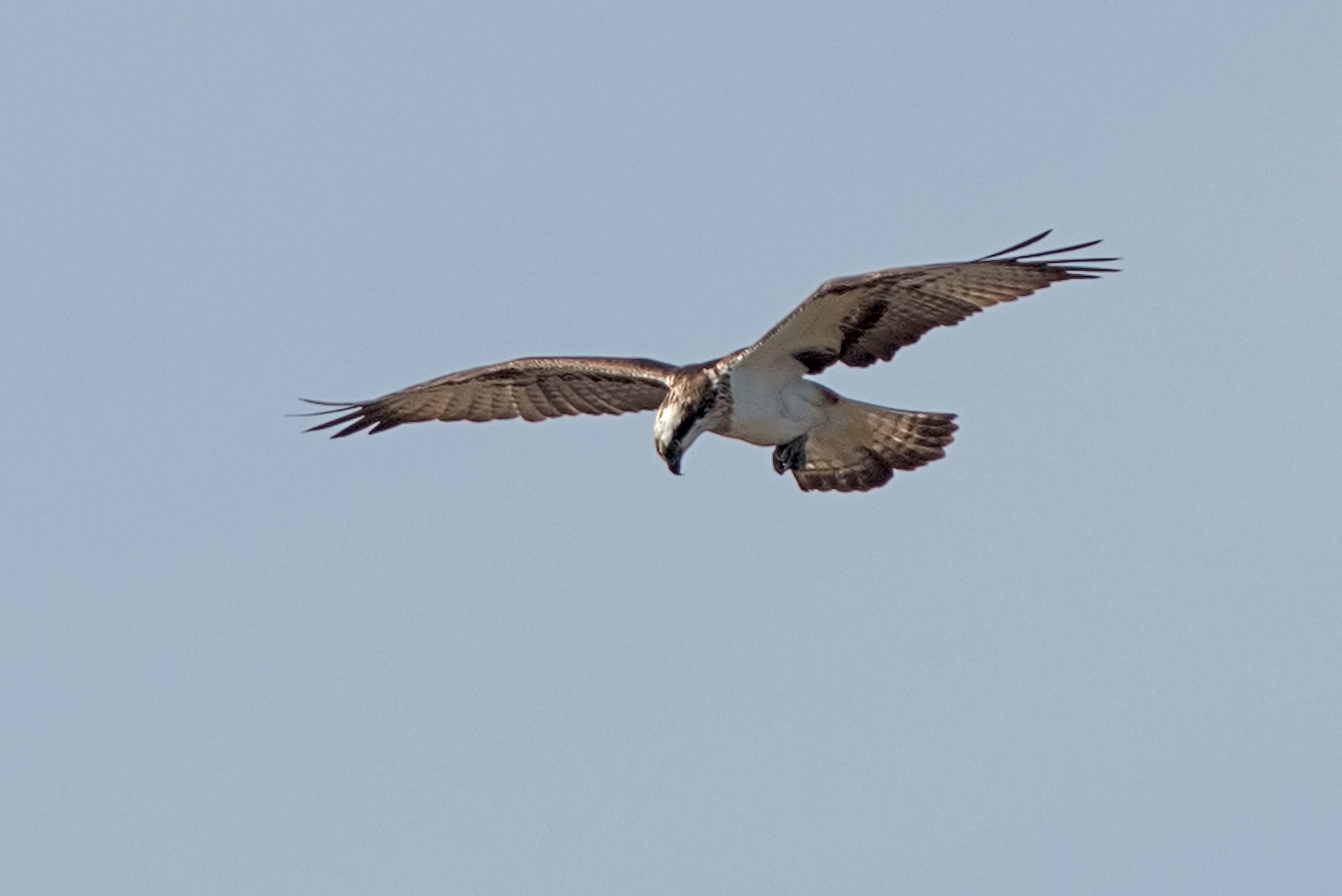 Photo Credit: Bengt Nyman / Wikimedia Commons
In the shimmering light of dawn, the osprey, known scientifically as Pandion haliaetus, glides gracefully above the water’s surface, its long, narrow wings outstretched like a masterful artist painting the sky. With a wingspan that can reach nearly six feet, this magnificent bird of prey is a sight to behold. Its striking white head and dark brown eyes give it a regal appearance, while its sharp talons are perfectly designed for snatching fish from the depths below. Ospreys are not just beautiful; they are also remarkable hunters, captivating scientists and nature enthusiasts alike with their incredible fishing skills and unique adaptations.
As the sun rises higher, the osprey dives with breathtaking precision, plunging into the water to catch its favorite meal—fish. This bird is specially adapted for its aquatic lifestyle, with keen eyesight that allows it to spot prey from great heights. Ospreys are often found near lakes, rivers, and coastal areas, where they build large nests high in trees or on man-made structures. Their presence is a sign of a healthy ecosystem, as they play a vital role in maintaining the balance of their environment. Join us as we explore the fascinating world of the osprey, uncovering its behaviors, habitats, and the challenges it faces in a changing world.
The osprey, a striking bird of prey, holds a special place in the tree of life. Scientifically classified within the kingdom Animalia, it belongs to the phylum Chordata, which includes all animals with a backbone. As a member of the class Aves, or birds, the osprey is part of the order Accipitriformes, which encompasses raptors like eagles and hawks. What sets the osprey apart is its remarkable adaptation to a life spent near water, making it an expert fisherman. With its keen eyesight and specialized hunting techniques, the osprey is a master at diving to catch fish, showcasing a unique blend of grace and power.
| Taxonomic Rank | Scientific Name | Meaning & Significance |
|---|---|---|
| Kingdom | Animalia | This name signifies the broadest category of living organisms, encompassing all animals. |
| Phylum | Chordata | Derived from the Greek word “chordē,” meaning “string,” this refers to animals with a notochord, or backbone, during some stage of their development. |
| Class | Aves | From the Latin word for “bird,” this classification highlights the unique characteristics of birds, such as feathers and beaks. |
| Order | Accipitriformes | This term comes from the Latin “accipiter,” meaning “hawk,” and signifies birds of prey known for their sharp talons and keen eyesight. |
| Family | Pandionidae | Named after the genus Pandion, this family is unique to the osprey, emphasizing its specialized adaptations for fishing. |
| Genus | Pandion | This name is derived from the Greek word for “all-seeing,” reflecting the osprey’s exceptional vision, crucial for spotting fish from the air. |
Understanding the osprey’s classification reveals much about its evolutionary journey. As a member of the Accipitriformes order, it shares a lineage with other raptors, showcasing adaptations that have allowed it to thrive in diverse environments. The osprey’s unique family, Pandionidae, highlights its specialized role as a fish-eater, setting it apart from other birds of prey. This classification not only illustrates its physical traits but also tells a story of survival and adaptation in the ever-changing tapestry of nature.
The evolutionary journey of the osprey stretches back millions of years, tracing its lineage to the time when birds began to diversify from their dinosaur ancestors. This timeline reveals a fascinating transformation, as these birds adapted to their environments and developed specialized traits that would help them thrive in various habitats. The osprey, belonging to the family Pandionidae and the genus Pandion, showcases a remarkable story of adaptation and survival.
Ancestral forms of the osprey likely resembled other early raptors, sharing traits with birds of prey that hunted for fish. Over time, these ancestors underwent significant changes, particularly in their hunting techniques and physical characteristics. One major transition was the development of their unique foot structure, which includes long, curved talons designed for grasping slippery fish. This adaptation allowed them to become expert hunters, diving into water with precision. Additionally, their keen eyesight evolved to spot fish from great heights, enhancing their ability to locate prey.
These evolutionary adaptations have been crucial for the osprey’s survival in diverse environments. Their specialized hunting skills and physical traits allow them to thrive in areas near water, where fish are abundant. By mastering the art of fishing and developing the necessary tools for the job, ospreys have carved out a niche that ensures their continued success in the wild. This blend of adaptability and skill showcases the incredible journey of the osprey through the ages, highlighting the wonders of evolution in action.
The osprey is a stunning bird that captures the eye with its impressive wingspan and sleek body. With a length of about two feet, this raptor is built for both grace and power. Its long, narrow wings stretch wide, allowing it to soar effortlessly over lakes and rivers in search of fish. The osprey’s body is streamlined, designed for speed and agility, making it a master of the skies. Its sharp, hooked beak and keen eyesight are perfectly adapted for spotting prey from great heights, while its strong talons are ready to snatch fish from the water with precision.
| Feature | Description |
|---|---|
| Weight | 2 to 4 pounds |
| Skin Type | Feathers |
| Most Distinctive Feature | Long, narrow wings |
These physical traits work together to make the osprey an exceptional hunter. Its lightweight body allows for agile flight, while the long wings provide the lift needed to glide effortlessly over water. The feathers, which are specially adapted to repel water, keep the osprey dry as it dives to catch fish. This combination of features not only enhances its hunting skills but also ensures that it can thrive in its aquatic habitats. The osprey’s design is a perfect example of nature’s ingenuity, showcasing how form and function come together for survival in the wild.
The osprey thrives in a variety of habitats that are often near water. Picture a serene coastal estuary where the gentle waves lap against the shore, or a sprawling salt marsh filled with tall grasses swaying in the breeze. These birds are also found around tranquil reservoirs, where they can spot fish swimming just beneath the surface. Ospreys are drawn to these rich environments, which provide both food and nesting sites, making them a common sight in many beautiful landscapes.
Ospreys prefer climates that offer a mix of warm and temperate conditions. They are often found in areas where the weather is mild, allowing for easy access to their primary food source: fish. These birds are particularly fond of regions that experience seasonal changes, as they migrate to warmer areas during the colder months. The presence of open water is crucial, as it not only provides food but also helps regulate the temperature of their nesting sites.
To thrive in these diverse habitats, ospreys have developed several fascinating adaptations. Their keen eyesight allows them to spot fish from great heights, while their long, sharp talons are perfect for catching slippery prey. Ospreys also build their nests high up in trees or on man-made structures, giving them a safe vantage point to survey their surroundings. These clever birds have truly mastered the art of living in harmony with their watery homes, showcasing their resilience and adaptability in the wild.
The osprey’s daily life is a captivating blend of hunting, soaring, and nesting. As a diurnal bird, it is most active during the day, taking advantage of the sunlight to hunt for fish, its primary food source. With keen eyesight, ospreys can spot their prey from great heights, diving down with incredible speed to snatch fish from the water’s surface. After a successful catch, they often return to their perch to enjoy their meal, showcasing their impressive hunting skills. Throughout the day, ospreys can be seen gliding gracefully on thermals, which are rising columns of warm air, allowing them to conserve energy while searching for food.
In terms of social behavior, ospreys are generally solitary or found in pairs, especially during the breeding season. They form strong bonds with their mates, often returning to the same nesting site year after year. This loyalty is crucial for raising their young, as both parents share the responsibility of feeding and protecting their chicks. Communication between mates is vital, with a variety of calls and body language used to convey messages. These interactions help maintain their partnership and ensure the safety of their nest.
| Behavior Type | Description |
|---|---|
| Hunting | Ospreys dive into the water to catch fish, using their sharp talons to grasp their prey. |
| Nesting | They build large nests near water, often returning to the same site each year. |
| Communication | Ospreys use a range of calls and body movements to communicate with their mates. |
| Social Structure | Typically solitary or in pairs, they form strong bonds during the breeding season. |
The behaviors of ospreys are finely tuned to ensure their survival in the wild. Their hunting techniques allow them to efficiently catch fish, while their nesting habits provide a safe environment for raising young. The strong pair bonds and effective communication between mates enhance their ability to thrive in their habitats. By working together, ospreys maximize their chances of success, ensuring that they can continue to soar through the skies for generations to come.
The osprey is a carnivorous bird that primarily feasts on fish, making it a masterful hunter of the waterways. With its keen eyesight and impressive diving skills, the osprey can spot its prey from great heights. When it sees a fish swimming below the surface, it swoops down with incredible speed, using its sharp talons to snatch the fish right out of the water. This specialized feeding behavior not only showcases the osprey’s agility but also highlights its role as a top predator in aquatic ecosystems.
| Dietary Aspect | Details |
|---|---|
| Diet Type | Carnivore |
| Favorite Foods | Fish |
| Prey Items | Fish, rodents, rabbits, snakes, frogs, and birds |
| Hunting/Foraging Strategies | Soars high to spot fish, then dives at high speed to catch them |
The osprey’s diet plays a crucial role in shaping its ecology and daily routine. By primarily consuming fish, it helps maintain healthy fish populations in its habitat. This not only supports the balance of the ecosystem but also influences the behavior of other species that share the same environment. The osprey’s hunting skills and dietary preferences make it an essential player in the food web, showcasing the interconnectedness of life in aquatic ecosystems.
As spring approaches, ospreys engage in a spectacular courtship display that sets the stage for their breeding season. Males perform aerial acrobatics, diving and soaring to impress potential mates. Once a pair forms a bond, they work together to build a nest, often returning to the same site year after year. This nesting behavior is crucial, as ospreys prefer locations near water, where they can easily hunt for fish to feed their young.
| Reproductive Aspect | Details |
|---|---|
| Gestation Period | About 35 days |
| Litter Size | 1 to 4 eggs |
| Age of Maturity | 3 to 4 years |
| Name of Young | Nestlings, fledglings |
Once the eggs hatch, the parents take on the important role of caregivers. They work tirelessly to feed their nestlings, bringing fish back to the nest and tearing it into small pieces for their young. As the fledglings grow, they develop their feathers and learn to fly, a process that can take several weeks. Eventually, these young ospreys will leave the nest, embarking on their own journeys. With the skills learned from their parents, they will soon become adept hunters, ready to thrive in the wild.
The osprey occupies a vital role in the food web, primarily as a top predator. This means it sits near the top of its ecological pyramid, preying mainly on fish. However, like all animals, ospreys face various dangers that can threaten their survival. Understanding these threats helps us appreciate the delicate balance of nature and the importance of protecting these magnificent birds.
To combat these threats, ospreys have developed several defensive behaviors and survival strategies. They often build their nests in high, inaccessible locations, such as tall trees or man-made structures, to keep their young safe from predators. When threatened, ospreys can become aggressive, using their sharp talons to defend their territory. Their keen eyesight also allows them to spot danger from afar, giving them a chance to escape or prepare for a confrontation. By adapting to their environment and being vigilant, ospreys continue to thrive despite the challenges they face.
A keystone species is an organism that plays a critical role in maintaining the structure of its ecosystem. Its presence or absence can significantly impact the environment and the other species that inhabit it. The osprey, with its unique hunting habits and ecological interactions, qualifies as a keystone species. By primarily feeding on fish, it helps regulate fish populations, which in turn affects the entire aquatic ecosystem.
Ospreys are skilled hunters, primarily targeting fish in coastal estuaries, salt marshes, and reservoirs. Their hunting practices not only control fish populations but also influence the behavior of other predators. For instance, when ospreys are present, smaller fish may alter their feeding habits to avoid being caught. This ripple effect can lead to a healthier balance in the aquatic food web, ensuring that no single species dominates the ecosystem.
Moreover, ospreys contribute to nutrient cycling. When they catch fish, they often leave behind remains that provide food for scavengers and decomposers. This process enriches the soil and water, promoting plant growth and supporting a diverse range of organisms. Additionally, their nesting sites, often built high in trees or on platforms, can become habitats for other species, such as insects and birds, further enhancing biodiversity.
If ospreys were to disappear from their ecosystems, the consequences would be profound. Fish populations could explode unchecked, leading to overgrazing of aquatic plants and a decline in water quality. This imbalance would not only affect fish but also the entire food web, including other birds, mammals, and even plant life. The loss of ospreys would disrupt the delicate harmony of their habitats, showcasing just how vital these magnificent birds are to the health of their ecosystems.
The osprey occupies a vital ecological niche as a top predator in aquatic environments. This magnificent bird is often found near coastal estuaries, salt marshes, and reservoirs, where it plays a crucial role in maintaining the balance of its ecosystem. By primarily feeding on fish, ospreys help regulate fish populations, ensuring that no single species dominates the waterways. Their hunting habits not only influence the health of fish communities but also affect the overall biodiversity of their habitats.
| Ecosystem Service | Impact |
|---|---|
| Population Control | Regulates fish populations, preventing overpopulation and promoting diversity. |
| Nutrient Cycling | Contributes to nutrient cycling through waste, enriching the ecosystem. |
| Habitat Creation | Encourages the growth of aquatic plants by maintaining fish populations, which provide shelter and food. |
| Indicator Species | Serves as an indicator of environmental health, reflecting the state of aquatic ecosystems. |
Ospreys have a profound influence on their surroundings. For instance, by preying on weaker or sick fish, they help maintain the health of fish populations. This selective hunting ensures that only the fittest fish survive, which can lead to stronger genetic traits in future generations. Additionally, their nesting habits can create habitats for other species. When ospreys build their large nests, they often use sticks and other materials that can provide shelter for smaller birds and mammals. This interconnectedness highlights how one species can support a web of life.
The broader ecological importance of ospreys cannot be overstated. As a keystone species, their presence is essential for the health of their ecosystems. When ospreys thrive, it often indicates a balanced environment, rich in biodiversity. Conversely, a decline in their population can signal underlying issues, such as pollution or habitat destruction. By understanding and protecting ospreys, we not only safeguard these magnificent birds but also the intricate ecosystems they help sustain.
In the intricate web of life, symbiosis plays a crucial role in shaping the relationships between different species. Symbiosis refers to the close interactions between organisms, which can be beneficial, harmful, or neutral. These ecological relationships can take many forms, such as mutualism, where both species gain advantages, parasitism, where one benefits at the expense of the other, and commensalism, where one species benefits while the other is neither helped nor harmed. Ospreys, with their impressive hunting skills and aquatic habitats, engage in various partnerships with other species that highlight the complexity of nature.
| Species/Type | Relationship Type | Description |
|---|---|---|
| Fish | Mutualistic | Ospreys rely on fish as their primary food source, and in turn, their hunting helps maintain fish populations by preying on the weaker individuals. |
| Waterbirds | Commensal | Ospreys often share nesting areas with other waterbirds, like herons, which can provide protection from predators while the ospreys benefit from the safety of a larger community. |
| Ticks | Parasitic | Ticks can latch onto ospreys, feeding on their blood. This relationship is harmful to the osprey, as it can lead to health issues if the infestation is severe. |
These relationships have evolved over time, shaped by the needs and behaviors of the species involved. The mutualistic bond between ospreys and fish illustrates how predator-prey dynamics can benefit both parties in the long run. By keeping fish populations in check, ospreys help maintain a balanced ecosystem. Meanwhile, the commensal relationships with other waterbirds highlight the importance of community in nature, where different species can coexist and support one another. Understanding these connections deepens our appreciation for the delicate balance of life and the roles each species plays in their environment.
Ospreys are truly captivating birds that showcase a blend of remarkable adaptations and behaviors. These skilled hunters are not just beautiful to watch; they also play a vital role in their ecosystems. Here are some surprising facts about these incredible raptors that will surely pique your interest.
Throughout history, ospreys have captivated human imagination and culture. These majestic birds of prey, often seen soaring over lakes and rivers, have been symbols of strength and freedom in various cultures. Ancient civilizations revered them, associating ospreys with the divine and using their images in art and mythology. Their impressive hunting skills and striking appearance have made them subjects of folklore and admiration, inspiring stories that celebrate their prowess and grace.
In modern times, the relationship between ospreys and humans has evolved significantly. Conservation efforts have become crucial as these birds face threats from habitat loss and pollution. Many communities have rallied to protect osprey nesting sites, recognizing their role as indicators of environmental health. However, conflicts can arise, especially when ospreys nest near human developments or compete with local fishing industries. While ospreys are not domesticated, their presence often sparks interest in wildlife observation and education, fostering a deeper appreciation for nature.
As we look to the future, the relationship between ospreys and humanity holds promise. With increased awareness of environmental issues, more people are advocating for the protection of these magnificent birds and their habitats. By fostering coexistence and understanding, we can ensure that ospreys continue to thrive alongside us, enriching our natural world and inspiring future generations. Together, we can create a harmonious balance that honors both the beauty of wildlife and the needs of human communities.
The osprey, a magnificent bird of prey, currently holds a conservation status of “Least Concern” according to the International Union for Conservation of Nature (IUCN). This means that, overall, ospreys are not facing immediate threats of extinction. Their population is estimated to range between 100,000 and 1.2 million individuals, showcasing a healthy presence across their habitats. While some local populations may experience fluctuations, the overall trend for ospreys is stable, allowing them to thrive in various environments.
| Conservation Factor | Status/Details |
|---|---|
| IUCN Status | Least Concern |
| Estimated Population Size | 100,000 to 1.2 million |
| Population Trend | Stable |
Despite their stable status, ospreys face several threats that can impact their populations. Habitat loss is a significant concern, as wetlands and coastal areas are often developed for human use. Pollution, particularly from pesticides and heavy metals, can contaminate their food sources, leading to health issues. Additionally, climate change poses a risk by altering their habitats and affecting fish populations, which are crucial for their diet. These challenges highlight the need for ongoing awareness and conservation efforts.
Conservation initiatives are actively working to protect ospreys and their habitats. Efforts include habitat restoration, pollution control, and the establishment of protected areas where ospreys can thrive without human interference. Many organizations also engage in public education to raise awareness about the importance of these birds and their ecosystems. With continued support and conservation actions, the outlook for ospreys remains positive, ensuring that future generations can enjoy the sight of these incredible birds soaring above our waters.
| Question | Answer |
|---|---|
| What is the habitat of the Osprey? | Ospreys are often found near coastal estuaries, salt marshes, and reservoirs. They prefer areas close to water where they can easily hunt for fish, their primary food source. |
| What do Ospreys eat? | Ospreys are carnivores, meaning they primarily eat meat. Their diet mainly consists of fish, which they catch with their sharp talons while diving into the water. |
| How do Ospreys behave? | Ospreys are known for their impressive hunting skills and are often seen soaring high in the sky. They are also very territorial, especially during breeding season, and will defend their nesting areas vigorously. |
| How do Ospreys reproduce? | Ospreys typically mate for life and return to the same nesting site each year. The female lays 2 to 4 eggs, which both parents help incubate until they hatch, usually after about 35 days. |
| What threats do Ospreys face? | While Ospreys are currently classified as Least Concern, they still face threats from habitat loss and pollution. Chemicals in the water can affect their food supply and overall health. |
| What is a distinctive feature of the Osprey? | One of the most distinctive features of the Osprey is its long, narrow wings, which help it soar gracefully while searching for fish. This unique wing shape allows for agile flight and quick dives. |
| Are Ospreys social birds? | Ospreys are generally solitary outside of the breeding season, but they can be seen in groups when feeding in areas with abundant fish. They communicate with each other through a series of chirps and whistles. |