Taxonomy & Classification
- Kingdom
- Animalia
- Phylum
- Chordata
- Class
- Mammalia
- Order
- Artiodactyla
- Family
- Bovidae
- Genus
- Bos
- Species
- Bos taurus

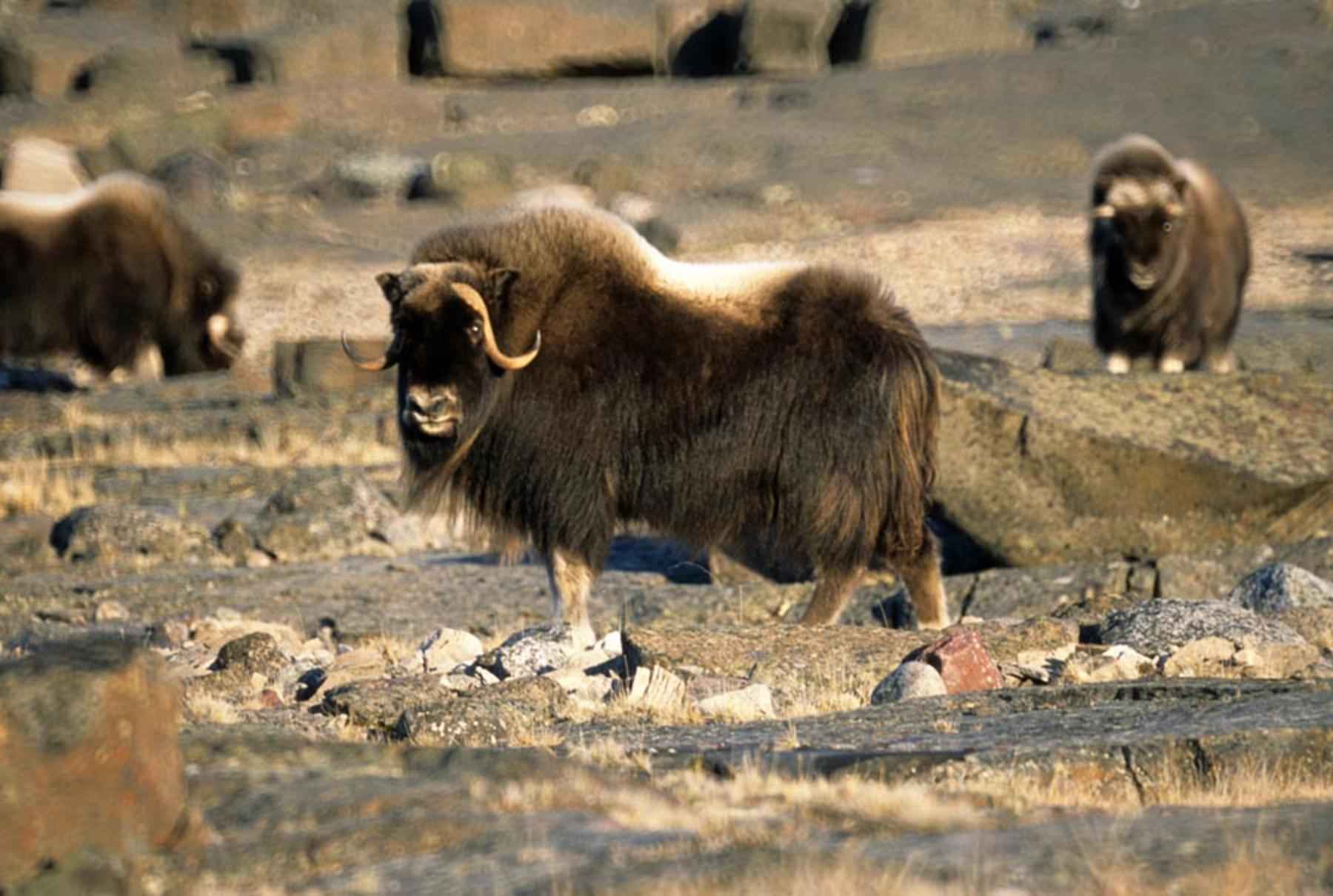 Photo Credit: Fæ / Wikimedia Commons
In the heart of lush pastures and rolling fields, the ox, scientifically known as Bos taurus, stands as a testament to strength and resilience. With its broad chest and sturdy legs, this gentle giant is perfectly adapted to a life of hard work and companionship. Its thick, muscular body is often adorned with a coat that ranges from deep black to warm brown, making it a striking figure against the vibrant greens of its natural habitat. As the sun rises, casting a golden hue over the landscape, the ox begins its day, grazing on the rich grasses that sustain it.
What makes the ox particularly captivating to scientists and nature enthusiasts alike is not just its impressive physicality but also its role in the ecosystem. As a herbivore, the ox plays a vital part in maintaining the balance of plant life, helping to shape the environment around it. Its grazing habits encourage the growth of diverse vegetation, which in turn supports a variety of other species. This interconnectedness highlights the ox’s importance as a keystone species, meaning its presence is crucial for the health of its ecosystem. As we explore the world of the ox, we will uncover the fascinating details of its behavior, diet, and the unique relationships it forms with both its environment and humans.
The ox, a sturdy and dependable animal, holds a significant place in the tree of life. Classified within the Kingdom Animalia, the Phylum Chordata, and the Class Mammalia, oxen belong to the Order Artiodactyla, which includes even-toed ungulates like deer and pigs. Their family, Bovidae, encompasses a variety of hoofed animals, including cattle, sheep, and goats. What makes oxen particularly interesting is their domestication and role in agriculture, serving as work animals for plowing fields and transporting goods. This close relationship with humans has shaped their evolution and behavior, making them a vital part of many cultures around the world.
| Taxonomic Rank | Scientific Name | Meaning & Significance |
|---|---|---|
| Kingdom | Animalia | The name “Animalia” comes from the Latin word “animalis,” meaning “having breath” or “living being,” highlighting the vital, breathing nature of all animals. |
| Phylum | Chordata | “Chordata” is derived from the Latin “chorda,” meaning “string” or “cord,” referring to the notochord, a flexible rod that supports the body in the early stages of development in these animals. |
| Class | Mammalia | The term “Mammalia” comes from “mamma,” the Latin word for “breast,” indicating that members of this class nurse their young with milk produced by mammary glands. |
| Order | Artiodactyla | “Artiodactyla” means “even-toed,” from the Latin “artius” (even) and “dactylus” (toe), which describes the even number of toes on their hooves, a key feature of this group. |
| Family | Bovidae | The name “Bovidae” is derived from “bos,” the Latin word for “cow,” reflecting the family’s close association with cattle and their relatives. |
| Genus | Bos | “Bos” is the Latin term for “ox” or “cow,” emphasizing the domesticated nature of these animals and their importance in agriculture and human society. |
Understanding the ox’s classification reveals much about its evolutionary journey. As a member of the Bovidae family, oxen share a common ancestor with other ruminants, which are animals that digest food in a unique way using a specialized stomach. This adaptation allows them to thrive on tough plant materials, making them efficient grazers. Their domestication has not only influenced their physical traits but also their behavior, as they have adapted to living alongside humans. This fascinating blend of natural history and human interaction showcases the ox as a symbol of strength and reliability in our shared world.
The evolutionary journey of the ox is a tale that stretches back millions of years, weaving through the rich tapestry of life on Earth. The ancestors of modern oxen first appeared around 20 million years ago, during the Miocene epoch. This was a time when the planet was undergoing significant changes, with grasslands expanding and forests receding. These shifts in habitat set the stage for the evolution of large herbivores, including the ancestors of the ox.
The story begins with early members of the Bovidae family, which includes animals like antelopes and sheep. These ancestors were smaller and more agile, adapted to a variety of environments. Over time, as grasslands became more prevalent, larger body sizes became advantageous for grazing. This led to the emergence of the genus Bos, which includes the modern ox. One of the major transitions was the development of a more robust digestive system, allowing these animals to efficiently process tough grasses. This adaptation was crucial for survival in open habitats where food sources were abundant but often coarse and fibrous.
These evolutionary adaptations have played a vital role in the ox’s survival. The large body size not only helps them store energy but also deters many predators. Their complex stomach allows them to thrive on a diet of grasses, which are plentiful in their habitats. Social behavior enhances their chances of survival, as herding together provides protection against threats. Finally, their domestication has allowed them to become invaluable partners to humans, further ensuring their presence in various ecosystems. Through these adaptations, oxen have not only survived but thrived, becoming a symbol of strength and resilience in the animal kingdom.
The ox stands as a symbol of strength and resilience, with a robust body that commands attention. Its powerful frame is built for hard work, showcasing a broad chest and sturdy legs that can support its impressive weight, which ranges from 1,500 to 3,000 pounds. The ox’s large, muscular build is complemented by a strong neck, which supports its most distinctive feature: the magnificent horns that curve gracefully from its head. These horns not only add to its imposing appearance but also serve important functions in its social interactions and defense.
| Feature | Description |
|---|---|
| Weight | Between 1,500 and 3,000 pounds |
| Skin Type | Hair |
| Most Distinctive Feature | Large horns |
The combination of these features makes the ox a remarkable survivor in various environments. Its thick hair provides insulation against cold weather, while its massive size and strength allow it to navigate rugged terrains and carry heavy loads. The large horns are not just for show; they play a crucial role in establishing dominance within herds and protecting against predators. Together, these characteristics enable the ox to thrive in the wild and serve as a vital partner to humans in agriculture and transportation.
The ox thrives in a variety of environments, often found in areas where humans have established agricultural practices. These animals are commonly seen in pastures, fields, and farms, where they play a vital role in supporting human livelihoods. Picture wide-open spaces dotted with green grass, where oxen graze peacefully under the sun, their strong bodies moving gracefully across the landscape. They are often seen alongside farmers, helping to plow fields and transport goods, showcasing a deep bond between humans and these hardworking animals.
Oxen prefer climates that are temperate, meaning they enjoy moderate temperatures that are neither too hot nor too cold. They thrive in environments where there is ample grass for grazing and access to water sources. These animals are quite adaptable, but they do best in areas where they can find shelter from extreme weather conditions, such as heavy rain or intense heat. This balance of warmth and moisture helps them stay healthy and strong, allowing them to perform their important roles on farms.
To survive in these varied habitats, oxen have developed several adaptations. Their sturdy bodies are built for endurance, allowing them to work long hours in the fields. They have a thick coat that provides insulation against cooler temperatures, while their large hooves help them navigate different terrains, from muddy fields to rocky paths. Additionally, oxen are social animals, often found in herds, which provides them with safety and companionship. This social structure also helps them communicate and work together effectively, making them invaluable partners in agricultural settings.
The daily life of an ox is a blend of routine and instinct, shaped by its role in the natural world. As dawn breaks, these gentle giants begin their day by grazing on lush grasses and other vegetation. They spend several hours munching away, using their strong, flat teeth to efficiently tear through tough plant material. After a hearty breakfast, oxen often take breaks to rest and ruminate, which means they chew their food again to aid digestion. This leisurely pace continues throughout the day, punctuated by moments of social interaction and vigilance against potential threats.
Oxen are social animals that thrive in herds, where they establish strong bonds with one another. Within these groups, they communicate through a variety of sounds, body language, and even subtle movements. This social structure is vital for their survival, as it allows them to work together to find food, protect each other from predators, and raise their young. The dynamics of the herd can be quite complex, with established hierarchies that help maintain order and cooperation among the members. Young oxen learn important skills from their elders, ensuring that knowledge is passed down through generations.
| Behavior Type | Description |
|---|---|
| Grazing | Oxen spend a significant part of their day eating grass and other plants, using their strong teeth to break down tough fibers. |
| Ruminating | After grazing, oxen chew their food again to aid digestion, a process that helps them extract maximum nutrients. |
| Social Interaction | Oxen communicate through vocalizations and body language, forming strong bonds within their herd. |
| Herd Dynamics | Oxen establish hierarchies within their groups, which helps maintain order and cooperation for foraging and protection. |
| Vigilance | While grazing, oxen remain alert to potential threats, using their herd to keep watch for predators. |
The behaviors of oxen are not just fascinating; they are essential for their survival. By living in herds, they benefit from collective strength and protection, making it harder for predators to single out an individual. Their grazing and ruminating habits ensure they get the nutrients they need to thrive, while their social structures foster cooperation and learning. In the wild and on farms, these daily activities and interactions help oxen navigate their world, ensuring they remain a vital part of the ecosystem.
The ox is a dedicated herbivore, meaning it primarily eats plants. These gentle giants have a diet that consists mainly of grasses, hay, and other types of vegetation. Their strong, flat teeth are perfectly designed for grinding down tough plant material, allowing them to extract the nutrients they need to thrive. Oxen are social animals and often graze in groups, which helps them stay safe from predators while they munch on their favorite foods.
| Dietary Aspect | Details |
|---|---|
| Diet Type | Herbivore |
| Favorite Foods | Grasses, hay, and various types of vegetation |
| Prey Items | None, as they are herbivores |
| Hunting/Foraging Strategies | Grazing in groups, using strong teeth to grind plant material |
This plant-based diet plays a crucial role in the ox’s ecology and daily routine. By grazing on grasses and other vegetation, oxen help maintain the health of their habitats, promoting the growth of new plants. Their foraging behavior not only supports their own nutritional needs but also influences the ecosystem around them, making them important players in the balance of nature. As they move through their environment, they contribute to soil health and provide a food source for other animals, showcasing the interconnectedness of life on Earth.
When it comes to reproduction, oxen have a fascinating mating behavior that typically occurs during the warmer months. This is when the breeding season kicks off, and males, known as bulls, become more active in seeking out females, or cows. Bulls will often engage in displays of strength and dominance to attract mates, showcasing their impressive size and strength. Once a cow is ready to mate, she will signal her receptiveness, and the pair will come together to ensure the continuation of their lineage.
| Reproductive Aspect | Details |
|---|---|
| Gestation Period | Approximately 9 months |
| Litter Size | 1 calf |
| Age of Maturity | 2 to 3 years |
| Name of Young | Calve |
After a successful mating, the cow will carry her calf for about nine months, similar to human gestation. When the time comes, she gives birth to a single calf, which is a delightful addition to the herd. Parental care is crucial during the early stages of the calf’s life. The mother is attentive, providing warmth and protection while teaching her young how to graze and navigate their environment. As the calf grows, it learns essential survival skills from its mother and other herd members, gradually maturing into a strong adult ox by the age of two to three years. This nurturing process ensures that the next generation is well-prepared to thrive in their surroundings.
In the intricate web of life, the ox occupies a vital role as both a herbivore and a prey species. While these sturdy animals are essential for maintaining the balance of their ecosystems, they also face various dangers from predators and environmental challenges. Their position in the food web means they must constantly be aware of threats that could disrupt their lives and the lives of those around them.
To survive against these formidable predators, oxen have developed several defensive behaviors. When threatened, they often form tight-knit groups, using their collective strength to deter attackers. Their size and powerful build can intimidate many would-be predators. Additionally, oxen are known to use their keen senses to detect danger early, allowing them to flee or take cover when necessary. These survival strategies highlight their resilience and adaptability in the face of challenges in the wild.
A keystone species is an organism that plays a critical role in maintaining the structure of its ecosystem. Its presence or absence can significantly impact the environment and the other species that inhabit it. The ox qualifies as a keystone species due to its influence on vegetation and its interactions with other animals and humans.
Oxen are herbivores, meaning they primarily consume plants, which allows them to shape their environment. By grazing on grasses and other vegetation, they help control plant growth, preventing any one species from dominating the landscape. This grazing behavior promotes biodiversity, as it creates space for various plant species to thrive. Additionally, oxen contribute to soil health through their manure, which enriches the ground with nutrients, supporting a wide range of plant life.
Moreover, oxen often live in herds, which can impact the behavior of other animals in their ecosystem. Their presence can attract predators, which in turn influences the population dynamics of those predators and their prey. For example, when oxen graze in an area, they may inadvertently create opportunities for smaller animals to thrive, as they disturb the ground and expose hidden food sources.
If oxen were to disappear from their ecosystems, the consequences could be severe. Without their grazing, certain plant species might overgrow, leading to a decline in biodiversity. This could disrupt the balance of the ecosystem, affecting not only plants but also the animals that rely on them for food and shelter. The loss of oxen would ripple through the food web, demonstrating just how vital these animals are to the health of their environment.
The ox plays a crucial role in shaping its ecosystem, primarily through its herbivorous diet and interactions with the environment. As a large herbivore, the ox helps maintain the balance of plant life in its habitat. By grazing on grasses and other vegetation, it prevents overgrowth, allowing a diverse range of plant species to thrive. This grazing behavior not only supports the health of the pasture but also creates a habitat for various smaller animals and insects that rely on these plants for food and shelter.
| Ecosystem Service | Impact |
|---|---|
| Grazing | Controls plant growth and promotes biodiversity. |
| Soil Aeration | Trampling by oxen helps to aerate the soil, improving water infiltration. |
| Nutrient Cycling | Manure from oxen enriches the soil, providing essential nutrients for plants. |
| Seed Dispersal | Oxen can help spread seeds through their droppings, aiding plant reproduction. |
The influence of oxen extends beyond just their grazing habits. For instance, their movement across the land helps to aerate the soil, which is vital for healthy plant growth. When oxen trample the ground, they create small pockets of air in the soil, allowing water to penetrate more easily. Additionally, their manure acts as a natural fertilizer, enriching the soil with nutrients that support the growth of various plants. This nutrient cycling is essential for maintaining the health of the ecosystem, as it ensures that plants have the resources they need to flourish.
The broader ecological importance of oxen cannot be overstated. As a keystone species, their presence significantly influences the structure and function of their environment. By supporting plant diversity and soil health, oxen indirectly benefit a wide range of other species, from insects to larger mammals. Their role in the ecosystem highlights the interconnectedness of life, reminding us that every species, no matter how large or small, plays a part in the intricate web of nature.
In the intricate dance of nature, many species form partnerships that enhance their survival and well-being. These relationships, known as symbiosis, can take various forms, including mutualism, where both species benefit, parasitism, where one benefits at the other’s expense, and commensalism, where one benefits while the other is neither helped nor harmed. Understanding these connections helps us appreciate the complexity of ecosystems and the roles different animals play within them.
| Species/Type | Relationship Type | Description |
|---|---|---|
| Ox and Birds (e.g., Oxpeckers) | Mutualistic | Oxpeckers perch on the ox’s back, eating ticks and parasites. In return, the ox gets a good cleaning, which helps keep it healthy. |
| Ox and Humans | Mutualistic | Humans provide shelter and food for oxen, while oxen assist in farming and transportation, creating a beneficial partnership. |
| Ox and Insects (e.g., Flies) | Parasitic | Certain flies lay eggs on the ox, and their larvae feed on the ox’s skin, causing irritation and discomfort. |
| Ox and Grass | Commensal | As oxen graze, they help maintain grasslands by trimming vegetation, which can benefit other species that thrive in open areas. |
These relationships have evolved over time, shaped by the needs and behaviors of the species involved. Mutualistic partnerships, like those between oxen and birds, highlight how cooperation can lead to greater health and survival for both parties. Meanwhile, parasitic relationships remind us that not all interactions are beneficial. Understanding these dynamics helps us see how interconnected life is on our planet, revealing the delicate balance that sustains ecosystems and the diverse forms of life within them.
Oxen are more than just hardworking animals; they are fascinating creatures with surprising traits that capture the imagination. Here are some intriguing facts that showcase their unique characteristics and historical significance.
Throughout history, oxen have been more than just animals; they have been vital companions to humanity. These sturdy creatures have played significant roles in agriculture, transportation, and even cultural symbolism. In many societies, oxen are revered as symbols of strength and perseverance. Ancient civilizations relied on them for plowing fields and pulling heavy loads, making them indispensable to the development of farming practices. In various cultures, oxen are celebrated in festivals and rituals, highlighting their importance in human life.
Today, the relationship between oxen and humans continues to evolve. While many people still use oxen for farming and transportation, there are also growing concerns about conservation and animal welfare. In some regions, oxen face conflicts with expanding urban areas and changing agricultural practices. Domestication has led to a reliance on these animals for labor, but it has also raised questions about their treatment and rights. Efforts are underway to ensure that oxen are cared for properly, balancing their roles in agriculture with the need for humane treatment.
As we look to the future, the bond between oxen and humanity is likely to deepen, shaped by our growing understanding of animal welfare and environmental sustainability. With the rise of sustainable farming practices, oxen may find new roles that honor their contributions while ensuring their well-being. By fostering a respectful relationship, we can continue to benefit from these remarkable animals while also protecting their rights and habitats. The journey ahead promises to be one of collaboration and mutual respect, paving the way for a harmonious coexistence.
The conservation status of the ox is currently classified as “Least Concern” by the International Union for Conservation of Nature (IUCN). This means that, at present, oxen are not facing immediate threats of extinction. Their populations are stable, and they are widely distributed across various regions, particularly in agricultural settings where they are valued for their strength and utility.
| Conservation Factor | Status/Details |
|---|---|
| IUCN Status | Least Concern |
| Population Estimates | Stable, with millions worldwide |
| Trend Direction | Stable |
Despite their stable status, oxen face several threats that could impact their populations in the future. Habitat loss due to urbanization and agricultural expansion can reduce the areas where they can graze and thrive. Additionally, changes in farming practices and the increasing use of machinery may lessen the reliance on oxen for labor, potentially leading to a decline in their numbers. Climate change also poses a risk, as shifting weather patterns can affect the availability of food and water resources.
Conservation efforts for oxen focus on maintaining their habitats and promoting sustainable agricultural practices. Organizations and farmers are working together to ensure that oxen continue to play a vital role in farming while also preserving the ecosystems they inhabit. With ongoing awareness and support, the outlook for oxen remains positive, allowing these magnificent animals to continue their important contributions to both agriculture and biodiversity.
| Question | Answer |
|---|---|
| What is the habitat of an ox? | Oxen are often found in human-managed environments, such as farms and ranches. They thrive in areas where they can graze on grass and other vegetation, which is essential for their diet. |
| What do oxen eat? | Oxen are herbivores, meaning they primarily eat plants. Their diet consists mainly of grass, hay, and grains, which provide them with the nutrients they need to grow strong and healthy. |
| How do oxen behave in groups? | Oxen are social animals and often live in herds. They communicate with each other through vocalizations and body language, forming strong bonds within their group. |
| How do oxen reproduce? | Oxen reproduce sexually, with females giving birth to a single calf after a gestation period of about nine months. Calves are usually able to stand and walk shortly after birth, which helps them stay close to their mothers for protection. |
| What threats do oxen face? | While oxen are currently classified as Least Concern in terms of conservation status, they can face threats from habitat loss and changes in farming practices. Additionally, they may be at risk from diseases and parasites that can affect their health. |
| What is a distinctive feature of oxen? | One of the most distinctive features of oxen is their large horns, which can be quite impressive. These horns are used for defense and can also play a role in social interactions within their herd. |
| Can oxen be used for work? | Yes, oxen have been used as draft animals for centuries. They are strong and capable of pulling heavy loads, making them valuable for farming and transportation in many cultures around the world. |