Taxonomy & Classification
- Kingdom
- Animalia
- Phylum
- Chordata
- Class
- Aves
- Order
- Passeriformes
- Family
- Buphagidae
- Genus
- Buphagus

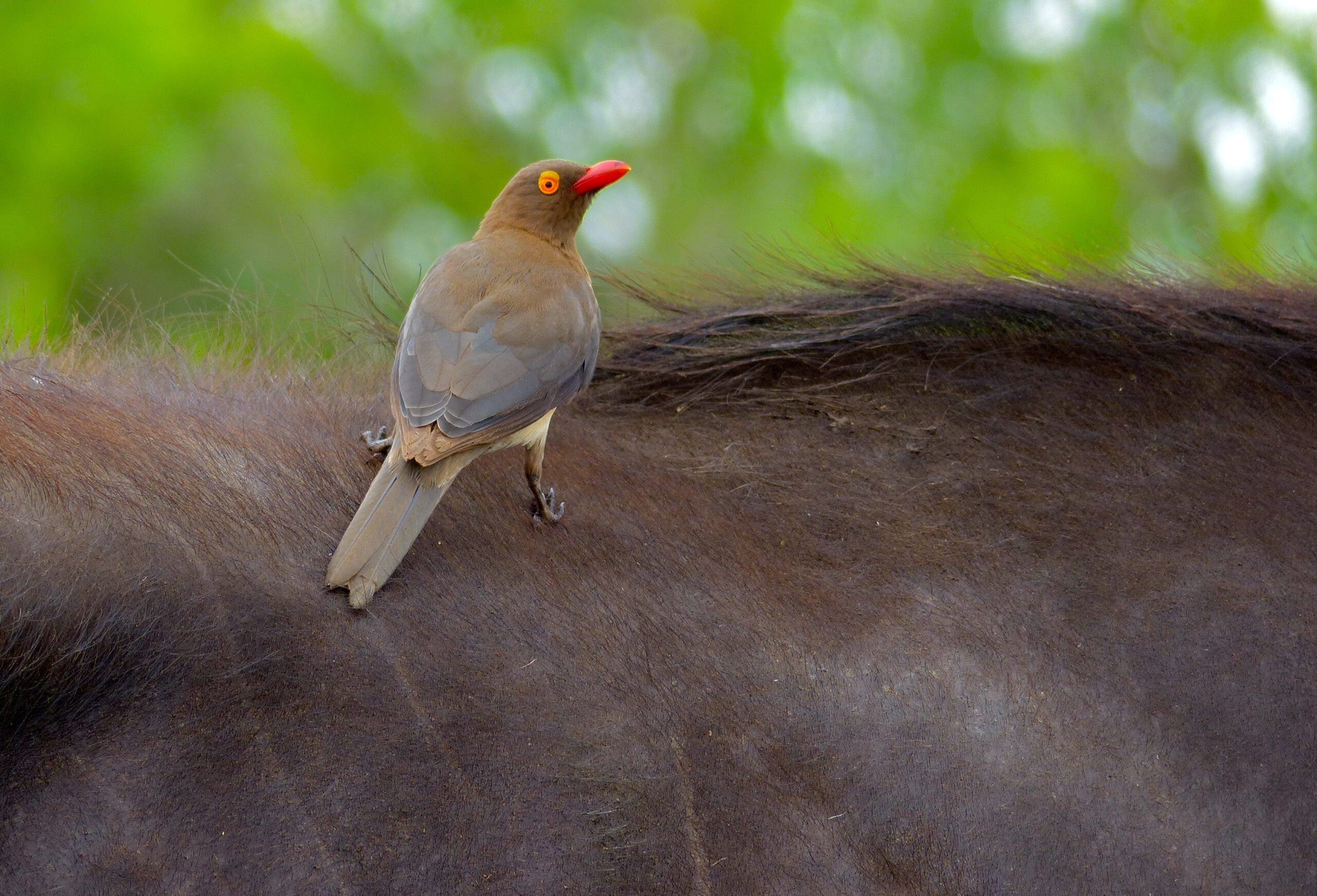 Photo Credit: Josve05a / Wikimedia Commons
In the sun-drenched savannas of sub-Saharan Africa, the oxpecker, known scientifically as Buphagus, flits about with a lively energy that captures the imagination. These small birds, about the size of a sparrow, boast striking features, including a gray body, stiff tail feathers, and a light underside that contrasts beautifully with their vibrant yellow bills. With sharp claws designed for gripping, they expertly navigate the backs of large mammals, creating a scene that is both charming and essential to the ecosystem.
What makes the oxpecker particularly intriguing to scientists and nature enthusiasts alike is its unique role in the animal kingdom. These birds engage in a fascinating symbiotic relationship with their larger companions, such as buffalo and rhinoceroses. As they perch on these massive animals, oxpeckers feast on ticks and other pesky parasites, providing a valuable service while enjoying a meal. This behavior not only highlights the interconnectedness of life in the savanna but also showcases the delicate balance of nature, where even the smallest creatures can have a significant impact on their environment. As we explore the world of the oxpecker, we will uncover the secrets of its lifestyle, diet, and the vital role it plays in the ecosystems it inhabits.
The oxpecker is a captivating bird that holds a special place in the animal kingdom. Taxonomically, it belongs to the Kingdom Animalia, Phylum Chordata, Class Aves, Order Passeriformes, Family Buphagidae, and Genus Buphagus. What sets oxpeckers apart is their symbiotic relationship with large mammals, such as rhinos and buffaloes. These small birds hop around on their hosts, pecking at ticks and other parasites. This behavior not only helps the mammals by keeping them clean but also provides the oxpeckers with a steady food source. Their unique role in the ecosystem showcases the intricate connections that exist in nature.
| Taxonomic Rank | Scientific Name | Meaning & Significance |
|---|---|---|
| Kingdom | Animalia | This name comes from the Latin word “animalis,” meaning “having breath” or “living.” It signifies all living organisms that are not plants or fungi. |
| Phylum | Chordata | Derived from the Greek word “chordē,” meaning “string,” this term refers to animals that have a notochord, a flexible rod that supports the body during development. |
| Class | Aves | This Latin term means “birds.” It highlights the unique characteristics of birds, such as feathers, beaks, and the ability to lay eggs. |
| Order | Passeriformes | From the Latin “passer,” meaning “sparrow,” this order includes perching birds known for their vocal abilities and diverse species. |
| Family | Buphagidae | This name combines “buphagus,” meaning “cattle eater,” reflecting the oxpecker’s behavior of feeding on parasites found on large mammals. |
| Genus | Buphagus | Also derived from the Greek “bous” (cow) and “phagein” (to eat), this name emphasizes the bird’s close association with livestock and its role in their care. |
The classification of the oxpecker reveals much about its evolutionary history. As a member of the Passeriformes order, it shares a lineage with many songbirds, showcasing its adaptability and vocal skills. The Buphagidae family highlights its specialized feeding habits and symbiotic relationships, which have evolved over time to benefit both the oxpecker and its mammalian hosts. This fascinating interplay between species illustrates the complex web of life and the evolutionary strategies that have shaped the behaviors and characteristics of these remarkable birds.
The evolutionary journey of the oxpecker, a small bird belonging to the family Buphagidae, stretches back millions of years. These birds are primarily found in sub-Saharan Africa, where they have adapted to a life closely associated with large mammals. Their story is one of survival and adaptation, showcasing how species can evolve to thrive in specific ecological niches.
The ancestors of oxpeckers likely shared traits with other small birds in the Passeriformes order, which includes sparrows and finches. Over time, these birds developed a unique relationship with large herbivores, such as buffalo and rhinoceroses. This partnership, known as mutualism, benefits both parties: oxpeckers feed on ticks and parasites found on the skin of their hosts, while the mammals enjoy a good grooming. This transition from a more generalized diet to a specialized one marks a significant evolutionary step for oxpeckers.
These adaptations have been crucial for the oxpecker’s survival in the wild. By forming a symbiotic relationship with large mammals, they have carved out a niche that not only provides them with food but also offers protection from predators. Their specialized beaks and agile bodies enable them to thrive in a competitive environment, showcasing the incredible ways in which evolution shapes life on Earth.
The oxpecker is a small yet striking bird that captures attention with its vibrant colors and lively demeanor. With a body that measures about the size of a sparrow, it typically weighs up to 2 ounces. Its slender form is perfectly designed for perching on larger animals, where it plays a crucial role in the ecosystem. The oxpecker’s lively movements and sharp calls add to its charm, making it a delightful sight in the African savanna.
| Feature | Description |
|---|---|
| Size | About the size of a sparrow |
| Weight | Up to 2 ounces |
| Skin Type | Feathers |
| Most Distinctive Feature | Red and yellow or yellow bill |
The oxpecker’s bright red and yellow bill is not just for show; it serves a vital purpose in its daily life. This colorful beak is perfectly adapted for pecking at the skin of large mammals, helping to remove ticks and other parasites. This symbiotic relationship benefits both the oxpecker and its host, as the bird gets a meal while the animal enjoys a good grooming. The combination of its lightweight body and vibrant features allows the oxpecker to thrive in its environment, showcasing the beauty and complexity of nature’s design.
The oxpecker thrives in the sun-drenched savannas of sub-Saharan Africa, where golden grasses sway gently in the warm breeze. This vibrant landscape is dotted with acacia trees and scattered shrubs, providing both shelter and a perch for these lively birds. The open spaces allow them to spot their favorite companions—large mammals like buffalo, giraffes, and rhinos—who roam the plains. Here, the oxpecker finds not just a home, but a bustling community filled with opportunities for feeding and socializing.
The climate in these regions is typically warm and dry, with distinct wet and dry seasons. During the rainy season, the landscape bursts into life, with lush grasses and an abundance of insects. This is the perfect time for oxpeckers to thrive, as their diet consists mainly of ticks and other pests found on the skin of large mammals. The dry season, while harsher, still offers plenty of opportunities for these birds to find food, as their hosts continue to roam the savanna.
Adapted to their environment, oxpeckers have developed a special relationship with the large animals they accompany. Their sharp beaks are perfectly designed for pecking at the skin of their hosts, allowing them to remove pesky parasites. This mutualistic relationship benefits both parties: the oxpecker gets a meal, while the larger animals enjoy a good cleaning. Their ability to thrive in the open savanna, combined with their unique feeding habits, makes them a vital part of this vibrant ecosystem.
As the sun rises over the savannas of sub-Saharan Africa, the oxpecker begins its day. These lively birds are diurnal, meaning they are active during the day. Their mornings are filled with energetic activities, such as foraging for insects and parasites on large mammals like buffalo and giraffes. With their sharp beaks, they expertly pick off ticks and other pests, providing a valuable service to their hosts while enjoying a hearty breakfast. Throughout the day, they flit from one animal to another, always on the lookout for their next meal.
Oxpeckers are social creatures that thrive in pairs, often seen working together to keep their hosts clean. This cooperative behavior strengthens their bonds and enhances their foraging success. They communicate with each other through a series of chirps and calls, which help them stay connected while they search for food. When they find a particularly juicy spot on a host animal, they may even call out to their partner to join in the feast. This teamwork not only makes their daily tasks more efficient but also fosters a sense of community among the birds.
| Behavior Type | Description |
|---|---|
| Foraging | Oxpeckers search for insects and parasites on large mammals, using their sharp beaks to remove pests. |
| Social Structure | They typically form pairs, working together to find food and communicate effectively. |
| Communication | Oxpeckers use chirps and calls to stay in touch with their partners while foraging. |
The behaviors of oxpeckers are not just fascinating; they are essential for their survival. By forming pairs and communicating effectively, these birds maximize their foraging efficiency, ensuring they get enough food to thrive. Their unique relationship with larger mammals not only provides them with sustenance but also helps maintain the health of their hosts. In this way, oxpeckers play a crucial role in the ecosystem, showcasing the intricate connections that exist in nature.
The oxpecker has a diverse diet that primarily consists of small invertebrates, making it an omnivore. These birds are well-known for their unique feeding behavior, which involves perching on large mammals like buffalo and rhinoceroses. As they hop around their hosts, they skillfully pick off ticks, mites, and even maggots from their skin. This not only provides the oxpecker with a meal but also helps keep their host animals clean and healthy.
| Dietary Aspect | Details |
|---|---|
| Diet Type | Omnivore |
| Favorite Foods | Ticks, mites, maggots |
| Prey Items | Small invertebrates |
| Hunting/Foraging Strategies | Perches on large mammals, picks off parasites |
This diet plays a crucial role in the ecology of the oxpecker and its environment. By feeding on parasites, these birds not only sustain themselves but also contribute to the health of the larger mammals they associate with. This mutualistic relationship—where both the oxpecker and its host benefit—shapes their daily routines and interactions in the savanna. As they flit from one animal to another, they help maintain a balance in the ecosystem, showcasing the interconnectedness of life in the wild.
When it comes to mating, oxpeckers are quite social and often form monogamous pairs during the breeding season. This season typically occurs during the warmer months, when food is abundant and conditions are favorable for raising young. Males attract females with a series of cheerful calls and displays, showcasing their vibrant plumage. Once a pair has formed, they work together to find a suitable nesting site, often choosing tree cavities or the abandoned nests of other birds.
| Reproductive Aspect | Details |
|---|---|
| Gestation Period | About 14 to 16 days |
| Litter Size | 2 to 4 eggs |
| Age of Maturity | Approximately 6 months |
| Name of Young | Chicks |
Once the eggs hatch, both parents take an active role in caring for their chicks. The young oxpeckers are born blind and helpless, relying entirely on their parents for food and protection. The parents feed them a diet rich in insects, which helps the chicks grow strong and healthy. As the days pass, the chicks develop their feathers and begin to explore their surroundings. By the time they reach about six months of age, they are ready to leave the nest and start their own adventures in the wild, continuing the cycle of life in the vibrant savannas they call home.
The oxpecker plays a vital role in the food web of sub-Saharan Africa, where it acts as both a helper and a target. These small birds are known for their symbiotic relationship with large mammals, like buffalo and rhinos, feeding on ticks and other parasites. However, this close association with their hosts also places them in a precarious position, as they face various dangers in their environment.
To survive these threats, oxpeckers have developed several clever strategies. They are agile fliers, allowing them to quickly escape from predators. Their social nature also helps, as they often travel in groups, which can provide safety in numbers. Additionally, their keen eyesight enables them to spot danger from afar, giving them a head start when it comes to evading potential threats. By staying alert and adapting to their surroundings, oxpeckers continue to thrive in a challenging world.
A keystone species is an organism that has a disproportionately large impact on its environment relative to its abundance. In the case of the oxpecker, this small bird plays a significant role in its ecosystem, particularly in the savannas of sub-Saharan Africa. By engaging in unique behaviors that benefit both itself and larger mammals, the oxpecker qualifies as a keystone species, influencing the health and balance of its habitat.
Oxpeckers are known for their symbiotic relationship with large mammals, such as buffalo and rhinoceroses. These birds feed on ticks, dead skin, and other parasites that infest their hosts. By doing so, they help keep these animals healthy, reducing the burden of pests that can cause irritation and disease. This relationship not only benefits the oxpecker, which gains a steady food source, but also enhances the well-being of the larger mammals, allowing them to thrive in their environment.
Moreover, oxpeckers contribute to the ecosystem by acting as indicators of animal health. When they are present, it often signals that the larger mammals are in good condition, as these birds are attracted to healthy hosts. This dynamic can influence the behavior of other species in the area, as predators may be drawn to healthier prey. Additionally, the presence of oxpeckers can help maintain the balance of species in the savanna, as they play a role in controlling parasite populations.
If oxpeckers were to disappear from their ecosystem, the consequences could be significant. Without these birds, large mammals would likely experience an increase in parasites, leading to health issues and potentially reducing their populations. This decline could ripple through the food web, affecting predators that rely on these mammals for sustenance. The overall balance of the savanna ecosystem could be disrupted, highlighting the vital role that oxpeckers play in maintaining ecological harmony.
The oxpecker is a small bird that plays a vital role in the ecosystems of sub-Saharan Africa. This lively creature thrives in the sunlit savannas, where it forms a unique partnership with large mammals like buffalo and rhinoceroses. By perching on these animals, oxpeckers help keep their hosts clean by eating ticks and other parasites. This relationship not only benefits the birds but also supports the health of the mammals, showcasing the intricate connections within their habitat.
| Ecosystem Service | Impact |
|---|---|
| Parasite Control | Reduces tick populations on large mammals, promoting their health. |
| Seed Dispersal | Helps in spreading seeds through their droppings, aiding plant growth. |
| Food Source | Serves as prey for larger birds and mammals, contributing to the food web. |
| Indicator Species | Reflects the health of their environment, signaling changes in ecosystem balance. |
Oxpeckers are not just cleaning up after their mammal friends; they also play a role in the broader ecosystem. For instance, by controlling tick populations, they help maintain the health of their hosts, which can lead to healthier herds. This, in turn, supports the entire savanna ecosystem, as large mammals are crucial for maintaining the balance of plant life. Additionally, when oxpeckers consume seeds along with their meals, they inadvertently assist in plant dispersal, promoting biodiversity in their environment.
The ecological importance of the oxpecker extends beyond its immediate interactions. As a keystone species, its presence can significantly influence the health and stability of the savanna ecosystem. By keeping large mammals healthy and aiding in plant growth, oxpeckers help sustain the intricate web of life that thrives in their habitat. Their role highlights the interconnectedness of species and the delicate balance that sustains the vibrant ecosystems of sub-Saharan Africa.
Symbiosis is a fascinating concept in nature that describes the close relationships between different species. These interactions can take many forms, from mutualism, where both species benefit, to parasitism, where one species benefits at the expense of another. Commensalism is another type, where one species benefits while the other is neither helped nor harmed. The oxpecker, a small bird found in the savannas of sub-Saharan Africa, showcases these relationships beautifully, particularly with large mammals like buffalo and rhinoceroses.
| Species/Type | Relationship Type | Description |
|---|---|---|
| Buffalo | Mutualistic | Oxpeckers feed on ticks and parasites found on buffalo, helping to keep the buffalo healthy while enjoying a meal. |
| Rhinoceros | Mutualistic | Similar to buffalo, oxpeckers remove pests from rhinos, benefiting from the food source while providing a cleaning service. |
| Large mammals (general) | Commensal | Oxpeckers often perch on large mammals, gaining a vantage point for spotting predators without affecting the host. |
These relationships have evolved over time, shaped by the needs and behaviors of both the oxpecker and its partners. The oxpecker’s ability to find food in the form of parasites not only helps it survive but also promotes the health of the larger mammals it interacts with. This intricate dance of give-and-take highlights the interconnectedness of life in the savanna, where each species plays a role in maintaining the balance of their ecosystem. Through these partnerships, the oxpecker and its companions thrive, showcasing the beauty of nature’s cooperative spirit.
The oxpecker is a small bird with a big personality, known for its vibrant colors and unique behaviors. These fascinating creatures are not just pretty to look at; they play important roles in their ecosystems and have some surprising traits that will intrigue nature lovers of all ages.
The relationship between oxpeckers and humans has a rich history that dates back centuries. In many African cultures, these small birds are celebrated for their unique behavior of perching on large mammals, such as buffalo and rhinoceroses, to feed on ticks and other parasites. This fascinating interaction has led to oxpeckers being seen as symbols of cleanliness and cooperation in various folklore. Their presence is often welcomed, as they are believed to bring good fortune and health to livestock, showcasing a deep-rooted cultural significance that intertwines these birds with human life.
Today, the interactions between oxpeckers and humans are evolving, shaped by both conservation efforts and challenges. Farmers and ranchers often appreciate the birds for their pest control abilities, as they help keep livestock free from harmful parasites. However, conflicts can arise when oxpeckers cause injuries to their hosts by pecking at wounds or creating new ones. This behavior can lead to frustration among livestock owners, who may see the birds as more of a nuisance than a benefit. Conservationists are working to educate communities about the ecological importance of oxpeckers, emphasizing their role in maintaining healthy ecosystems while finding ways to mitigate conflicts.
Looking ahead, the future of the relationship between oxpeckers and humanity will likely depend on a balance of understanding and cooperation. As awareness of the ecological roles these birds play grows, more people may come to appreciate their benefits while finding ways to address the challenges they pose. By fostering a spirit of coexistence, we can ensure that both oxpeckers and humans thrive together in the vibrant landscapes of sub-Saharan Africa.
The conservation status of the oxpecker is currently classified as “Least Concern” by the International Union for Conservation of Nature (IUCN). This means that, at present, the species is not facing an immediate threat of extinction. Population estimates suggest that oxpeckers are relatively stable, and their numbers are not declining significantly. However, ongoing monitoring is essential to ensure that they remain safe in their natural habitats.
| Conservation Factor | Status/Details |
|---|---|
| IUCN Status | Least Concern |
| Population Estimates | Stable, with no significant decline |
| Trend Direction | Stable |
Despite their current stable status, oxpeckers face several threats that could impact their populations in the future. Habitat loss is a significant concern, as agricultural expansion and urban development encroach on their savanna environments. Additionally, the use of pesticides in farming can reduce the availability of insects, which are a primary food source for these birds. Climate change also poses a risk, as shifting weather patterns can alter their habitats and food supply.
Conservation efforts are underway to protect the oxpecker and its habitat. Organizations are working to promote sustainable land use practices that balance agricultural needs with wildlife conservation. By raising awareness about the importance of oxpeckers in their ecosystems, these initiatives aim to ensure that these vibrant birds continue to thrive in the wild. With continued support and monitoring, the outlook for the oxpecker remains positive, allowing future generations to enjoy their lively presence in the African savannas.
| Question | Answer |
|---|---|
| Where do Oxpeckers live? | Oxpeckers are found in the sub-Saharan savanna, which is a grassy area with scattered trees. This habitat provides them with plenty of large animals to perch on and feed from. |
| What do Oxpeckers eat? | Oxpeckers are omnivores, meaning they eat both plants and animals. They primarily feed on ticks, parasites, and dead skin from large mammals, but they also enjoy fruits and seeds. |
| How do Oxpeckers behave? | Oxpeckers are social birds that often work in pairs or small groups. They are known for their loud calls and playful antics, which include hopping around on the backs of larger animals. |
| How do Oxpeckers reproduce? | During the breeding season, Oxpeckers build their nests in tree cavities or old woodpecker holes. The female typically lays 2 to 4 eggs, and both parents help care for the chicks once they hatch. |
| What threats do Oxpeckers face? | Oxpeckers are currently classified as Least Concern, meaning they are not at immediate risk. However, habitat loss and changes in the populations of their host animals can pose threats to their survival. |
| What is a unique characteristic of Oxpeckers? | One of the most distinctive features of Oxpeckers is their bright red and yellow or yellow bill. This colorful beak helps them easily spot and pick off parasites from their hosts. |
| Do Oxpeckers have any special relationships with other animals? | Yes, Oxpeckers have a mutualistic relationship with large mammals like buffalo and rhinos. They help keep these animals clean by eating parasites, while the mammals provide food and a place to perch. |