Taxonomy & Classification
- Kingdom
- Animalia
- Phylum
- Mollusca
- Class
- Bivalvia
- Order
- Ostreoida
- Family
- Ostreidae
- Genus
- Crassostrea

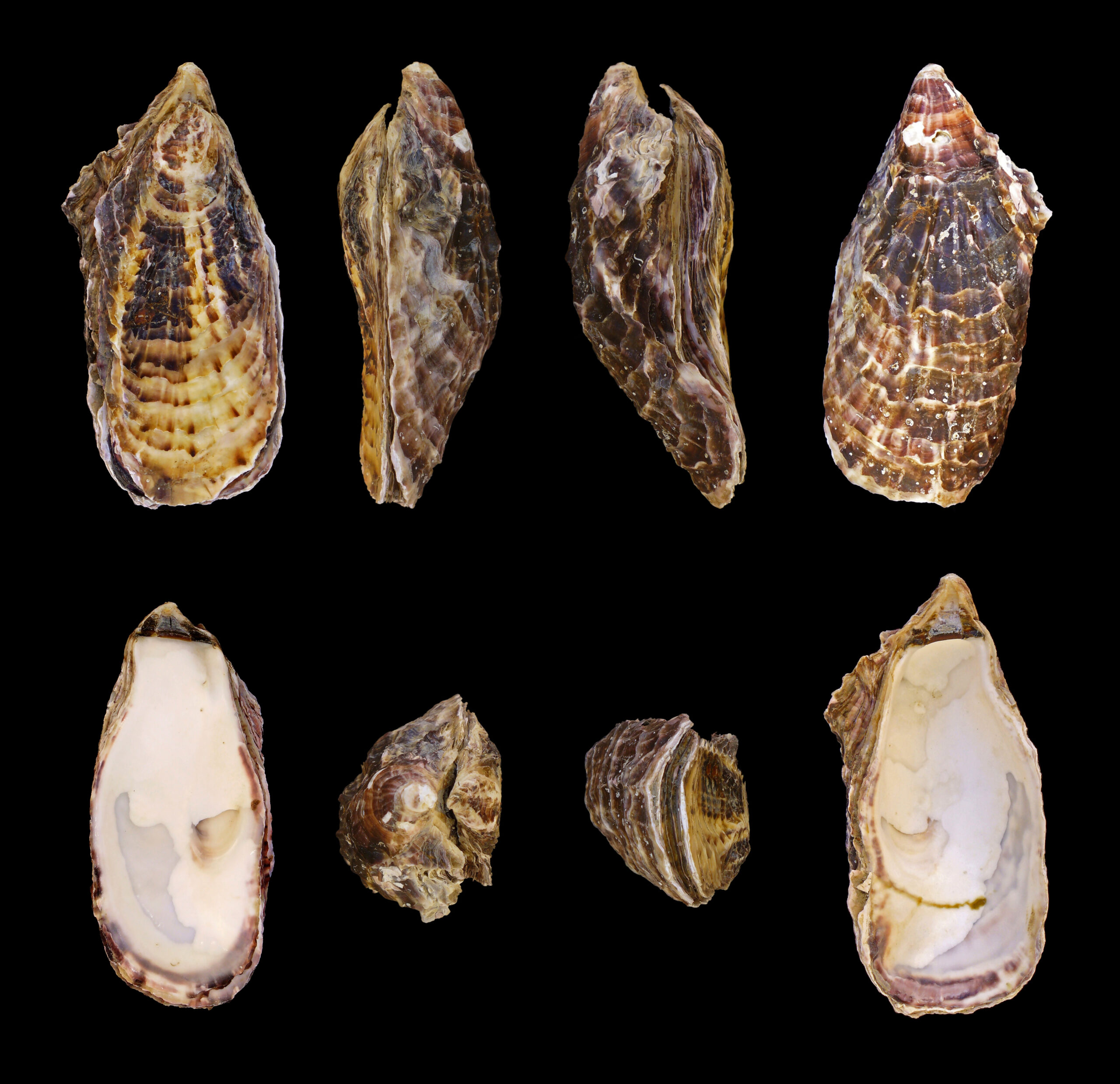 Photo Credit: Slick-o-bot / Wikimedia Commons
In the shimmering waters of coastal reefs and rocky shores, the oyster, scientifically known as Crassostrea, reveals a world of wonder. With its rugged, two-part shell that can be both smooth and rough, this bivalve mollusk is not just a feast for the eyes but also a marvel of nature. Oysters are often found clustered together, their shells forming a protective fortress against predators and the elements. This unique adaptation allows them to thrive in dynamic environments where the tides ebb and flow, creating a bustling underwater community.
What makes oysters particularly captivating to scientists and nature enthusiasts alike is their role as filter feeders. By siphoning water through their gills, they consume tiny organisms and help maintain the health of their ecosystems. This process not only cleans the water but also supports a diverse array of marine life. As keystone species, oysters play a crucial role in their habitats, influencing the structure and function of the underwater world. Their fascinating life cycle, which includes a remarkable mating ritual during warmer months, adds another layer of intrigue to these ancient creatures that have been around for over 500 million years. Join us as we dive deeper into the life of the oyster, exploring its behaviors, relationships, and the vital role it plays in our oceans.
Oysters are intriguing members of the animal kingdom, nestled within the vast and diverse tree of life. They belong to the Kingdom Animalia, which includes all animals, and are classified under the Phylum Mollusca, a group known for its soft-bodied creatures, many of which have hard shells. Oysters specifically fall into the Class Bivalvia, which means “two shells,” referring to their two-part hinged shells. This unique structure not only protects them but also allows them to filter feed, drawing in water and extracting tiny food particles. Their classification reveals much about their evolutionary adaptations, showcasing how they have thrived in various aquatic environments.
| Taxonomic Rank | Scientific Name | Meaning & Significance |
|---|---|---|
| Kingdom | Animalia | The name means “animals” in Latin, highlighting that oysters are part of the animal kingdom. |
| Phylum | Mollusca | This term comes from the Latin word “mollis,” meaning “soft,” which describes the soft bodies of mollusks, including oysters. |
| Class | Bivalvia | Derived from Latin, “bi-” means “two” and “valva” means “shell,” referring to the two-part shell structure of oysters. |
| Order | Ostreoida | This name is linked to the Latin “ostrea,” meaning “oyster,” indicating the group of bivalves that includes true oysters. |
| Family | Ostreidae | The name comes from “Ostrea,” which is a genus of oysters, emphasizing their close relationships within this family. |
| Genus | Crassostrea | This name means “thick shell” in Latin, reflecting the robust and sturdy shells of these oysters. |
Understanding where oysters fit in the tree of life not only highlights their biological characteristics but also reveals their evolutionary journey. As bivalves, they have adapted to a life of filter feeding and have developed hard shells for protection against predators. Their classification within the Mollusca phylum shows a long history of adaptation to aquatic environments, making them vital players in their ecosystems. Oysters contribute to water quality and provide habitats for other marine life, showcasing the interconnectedness of life on Earth.
The evolutionary journey of oysters stretches back over 500 million years, making them one of the oldest living organisms on Earth. These bivalve mollusks, which belong to the family Ostreidae and the genus Crassostrea, have witnessed dramatic changes in the planet’s environment and ecosystems. Their story is a testament to resilience and adaptation, showcasing how life can thrive in various conditions.
Oysters evolved from ancient marine ancestors that roamed the oceans long before dinosaurs walked the Earth. The earliest bivalves appeared during the Cambrian period, around 500 million years ago. Over time, these ancestors developed a hard shell, which provided protection from predators and environmental hazards. As they adapted to different habitats, oysters transitioned from free-swimming larvae to their adult, sedentary forms, firmly anchoring themselves to substrates like rocks and other hard surfaces. This shift allowed them to filter feed efficiently, drawing in plankton and organic particles from the water around them.
These evolutionary adaptations have been crucial for oysters’ survival through the ages. Their hard shells deter predators, while their filter-feeding capabilities help them thrive in diverse aquatic environments. The ability to change sex and reproduce prolifically ensures that their populations can rebound even after significant declines. By forming symbiotic relationships, oysters not only enhance their own survival but also contribute to the health of their ecosystems, showcasing the interconnectedness of life in our oceans.
Oysters present a captivating sight, their bodies encased in hard, protective shells that tell a story of resilience and adaptation. These bivalves, which means they have two shells, often appear rough and irregular, with a texture that can range from smooth to jagged. When you look closely, you can see the subtle hues of gray, brown, and even hints of blue or green, blending beautifully with their marine surroundings. Their shells can vary in size, but a medium-sized oyster typically weighs around 50 grams, making them a compact yet sturdy presence on the ocean floor.
| Feature | Description |
|---|---|
| Weight | 50 grams (medium-sized oyster) |
| Skin Type | Shell |
| Most Distinctive Feature | Shells |
The oyster’s shell serves multiple purposes, acting as both armor and a home. This hard exterior protects the soft body inside from predators and environmental threats, while also providing a stable environment for the oyster to thrive. The unique colors and textures of the shell help it blend into the ocean floor, making it less visible to hungry eyes. Together, these features not only enhance the oyster’s survival but also contribute to the rich tapestry of life in marine ecosystems, where every detail plays a vital role.
Oysters thrive in vibrant underwater worlds, often found nestled among reefs and rocky shores. These habitats are bustling with life, where the gentle ebb and flow of tides creates a dynamic environment. The sun’s rays filter through the water, illuminating the intricate structures of coral and the rugged surfaces of rocks. Here, oysters attach themselves to hard surfaces, forming clusters that provide shelter and food for various marine creatures. This lively setting is not just a home; it’s a bustling community teeming with interactions.
Oysters prefer warm, shallow waters where salinity, or the saltiness of the water, is just right. They thrive in areas with a temperature range of about 20 to 30 degrees Celsius (68 to 86 degrees Fahrenheit). These bivalves are sensitive to changes in their environment, so they flourish in clean waters rich in nutrients. The presence of plankton, tiny organisms that drift in the water, is essential for their diet, making these habitats not only suitable but vital for their survival.
To adapt to their specific homes, oysters have developed a remarkable ability to filter feed, sifting through water to extract food particles. Their hard shells protect them from predators and harsh conditions, while their ability to tolerate varying salinity levels allows them to thrive in different coastal environments. By forming reefs, they also create habitats for other marine life, showcasing their role as ecosystem engineers. This adaptability ensures that oysters not only survive but also contribute to the health of their underwater communities.
Oysters lead a life that is both simple and complex, filled with daily routines that revolve around their environment. As filter feeders, they spend much of their time siphoning water through their gills, extracting tiny food particles like plankton. This process not only nourishes them but also helps keep their surroundings clean. Oysters are often found clustered together in colonies, where they attach themselves to rocks or other surfaces. Their day-to-day activities are dictated by the tides, as they open their shells to feed during high tide and close them to conserve moisture during low tide.
Socially, oysters exhibit fascinating group dynamics. Living in colonies allows them to benefit from a collective lifestyle. When they are together, they can create a more stable environment, which helps protect them from predators and harsh conditions. While oysters do not communicate in the same way that many animals do, they can sense changes in their surroundings through chemical signals in the water. This ability to respond to their environment is crucial for their survival, as it helps them react to threats and find food.
| Behavior Type | Description |
|---|---|
| Feeding | Oysters filter water to extract plankton and other small particles, a process that occurs primarily during high tide. |
| Social Structure | Oysters live in colonies, which provide safety in numbers and create a stable habitat. |
| Communication | While they do not vocalize, oysters can detect chemical signals in the water, allowing them to respond to environmental changes. |
The behaviors of oysters are finely tuned to ensure their survival in a dynamic marine world. By living in colonies, they not only enhance their chances of protection from predators but also contribute to the health of their ecosystem. Their feeding habits help maintain water quality, showcasing how even the smallest actions can have a significant impact on their environment. In this way, oysters play a vital role in the balance of life beneath the waves.
Oysters have a fascinating way of feeding that showcases their role as vital players in their ecosystems. As omnivores, they consume a variety of food sources, primarily focusing on tiny organisms like algae and other food particles suspended in the water. By filtering these particles from the water, oysters not only nourish themselves but also help maintain the health of their aquatic environments.
| Dietary Aspect | Details |
|---|---|
| Diet Type | Omnivore |
| Favorite Foods | Algae and other microscopic food particles |
| Prey Items | Phytoplankton and detritus |
| Hunting/Foraging Strategies | Filter feeding by siphoning water through their gills |
This diet not only shapes the oyster’s daily routine but also plays a crucial role in the health of their habitats. By filtering large volumes of water, oysters help to clarify it, allowing sunlight to penetrate deeper and support the growth of underwater plants. This process creates a balanced ecosystem, benefiting not just the oysters but also countless other marine organisms that rely on clean, nutrient-rich waters. In this way, oysters are not just passive feeders; they are active contributors to the vitality of their underwater worlds.
Oysters have a captivating mating ritual that takes place during the warmer months, typically in late spring to early summer. During this breeding season, male oysters release sperm into the water, while females release eggs. This process is known as external fertilization, meaning that the sperm and eggs meet outside the bodies of the oysters. The water becomes a swirling mix of life, as the tiny sperm swim to find the eggs, leading to the beginning of a new generation of oysters.
| Reproductive Aspect | Details |
|---|---|
| Gestation Period | 7-10 days |
| Litter Size | Up to several million eggs |
| Age of Maturity | 1-2 years |
| Name of Young | Larvae |
Once the eggs are fertilized, they develop into larvae, which are tiny and free-swimming. These larvae drift in the water for a few weeks, feeding on plankton and growing rapidly. After about two to three weeks, they settle on the ocean floor and begin to transform into juvenile oysters. Interestingly, oysters do not provide parental care after the eggs are laid. Instead, they rely on the currents and their own instincts to survive and grow. As they mature, these young oysters will eventually attach themselves to hard surfaces, forming reefs that provide shelter and habitat for many other marine creatures.
Oysters play a crucial role in their ecosystems, serving as both filter feeders and a food source for various animals. They occupy a unique position in the food web, where they help maintain water quality by filtering out pollutants and providing habitat for other marine life. However, their existence is constantly challenged by a range of predators and environmental threats.
To survive these dangers, oysters have developed several defensive strategies. Their hard shells act as a formidable barrier against many predators, making it difficult for crabs and seabirds to access their soft bodies. Additionally, oysters can close their shells tightly to protect themselves from threats and environmental changes, such as pollution or changes in salinity. By employing these survival tactics, oysters continue to thrive in their underwater habitats, despite the challenges they face.
A keystone species is an organism that has a disproportionately large impact on its environment relative to its abundance. In simpler terms, these species play a crucial role in maintaining the structure of an ecosystem. Oysters certainly qualify as a keystone species due to their significant influence on their marine habitats. Their presence or absence can dramatically alter the ecosystem, affecting many other organisms that share their environment.
Oysters are filter feeders, meaning they consume tiny particles from the water, including plankton and organic matter. This feeding behavior helps to clean the water, making it clearer and healthier for other marine life. When oysters filter water, they can remove pollutants and excess nutrients, which can otherwise lead to harmful algal blooms. These blooms can deplete oxygen levels in the water, creating “dead zones” where few organisms can survive. By keeping the water clean, oysters support a diverse range of species, from fish to invertebrates, that rely on a healthy environment to thrive.
Additionally, oysters form large reefs that provide habitat and shelter for many marine organisms. These reefs act like underwater cities, offering protection for juvenile fish and other small creatures. The complex structure of oyster reefs also helps to stabilize shorelines, reducing erosion and protecting coastal areas from storm surges. This not only benefits marine life but also supports human communities that depend on healthy coastlines.
If oysters were to disappear from their ecosystems, the consequences would be severe. Water quality would decline, leading to murkier waters and the potential for harmful algal blooms. Many species that rely on oyster reefs for shelter and food would struggle to survive, leading to a decline in biodiversity. Coastal areas would become more vulnerable to erosion and storm damage, impacting both wildlife and human communities. The loss of oysters would create a ripple effect, disrupting the balance of the entire marine ecosystem.
Oysters are essential players in their ecosystems, often referred to as keystone species. This means they have a significant impact on their environment, much greater than their numbers might suggest. By filtering water and providing habitat, oysters help maintain the health of coastal ecosystems. They thrive in reefs and rocky shores, where they create complex structures that support a variety of marine life. Their presence not only benefits themselves but also the entire community of organisms that rely on these habitats.
| Ecosystem Service | Impact |
|---|---|
| Water Filtration | Oysters filter out pollutants and excess nutrients, improving water quality. |
| Habitat Creation | Their reefs provide shelter and breeding grounds for many marine species. |
| Nutrient Cycling | Oysters contribute to the cycling of nutrients, supporting overall ecosystem health. |
| Food Source | They serve as a vital food source for various predators, including birds and fish. |
Oysters influence their environment in several fascinating ways. For instance, when they filter water, they can remove harmful algae blooms, which can be detrimental to other marine life. This natural cleaning process helps maintain a balanced ecosystem. Additionally, the reefs formed by oysters provide a safe haven for juvenile fish and invertebrates, allowing them to grow and thrive. These structures also help stabilize shorelines, reducing erosion and protecting coastal habitats from storm surges.
The broader ecological importance of oysters cannot be overstated. By supporting biodiversity and enhancing water quality, they play a crucial role in the health of marine ecosystems. Their ability to filter large volumes of water means they help keep coastal areas clean and vibrant. As we face challenges like pollution and habitat loss, understanding and protecting oysters becomes vital for the sustainability of our oceans. Their presence is a reminder of how interconnected life is in our natural world, and how even the smallest creatures can have a big impact.
In the intricate web of life beneath the waves, oysters engage in a variety of partnerships with other species, showcasing the beauty of symbiosis. Symbiosis is a term that describes the close interactions between different organisms, which can be beneficial, harmful, or neutral. These relationships are vital for the health of ecosystems, as they help maintain balance and promote biodiversity. Oysters, with their unique lifestyle and habitat, form connections that illustrate the interconnectedness of marine life.
| Species/Type | Relationship Type | Description |
|---|---|---|
| Clownfish | Mutualistic | Clownfish find shelter among the stinging tentacles of sea anemones, while the anemones benefit from the nutrients provided by the clownfish’s waste. |
| Barnacles | Commensal | Barnacles attach themselves to the shells of oysters, gaining a place to live without harming the oyster. |
| Sea Stars | Parasitic | Some sea stars prey on oysters, feeding on their soft bodies, which can weaken oyster populations. |
These relationships have evolved over time, shaped by the needs and adaptations of the species involved. Mutualistic partnerships, like that of clownfish and sea anemones, highlight how cooperation can lead to greater survival for both parties. In contrast, parasitic relationships, such as those with sea stars, remind us that not all interactions are beneficial. Commensal relationships, like those with barnacles, show how some species can thrive without affecting their hosts. Together, these interactions illustrate the complex dance of life in marine ecosystems, where every species plays a role in the grand story of survival and adaptation.
Oysters are not just a delicious seafood treat; they are also fascinating creatures with surprising traits that make them stand out in the animal kingdom. Here are some intriguing facts that showcase their unique characteristics and ecological importance.
Oysters have long held a special place in human history, serving as both a source of sustenance and a symbol of luxury. Ancient civilizations, from the Romans to the Chinese, revered these bivalves not only for their taste but also for their supposed aphrodisiac qualities. In many cultures, oysters were considered a delicacy, often enjoyed at feasts and celebrations. Their shells have even been used as currency in some regions, highlighting their economic significance. This rich history illustrates how oysters have woven themselves into the fabric of human culture, reflecting our relationship with nature and the sea.
Today, our interactions with oysters are more complex, balancing conservation efforts with the demands of industry. Overfishing and habitat destruction have led to significant declines in oyster populations, prompting many communities to take action. Restoration projects aim to rebuild oyster reefs, which are vital for maintaining healthy marine ecosystems. However, conflicts arise as some areas prioritize commercial harvesting, leading to tensions between conservationists and fishermen. Additionally, the domestication of oysters for aquaculture—farming them in controlled environments—has become increasingly popular, providing a sustainable source of seafood while reducing pressure on wild populations.
Looking ahead, the future of our relationship with oysters will likely hinge on finding a balance between consumption and conservation. As awareness of their ecological importance grows, more people are advocating for sustainable practices that protect these vital creatures. By fostering a deeper understanding of oysters and their role in marine ecosystems, we can ensure that future generations will continue to enjoy their benefits, both on our plates and in the oceans. The journey of oysters and humanity is far from over, and together, we can create a thriving future for these remarkable mollusks.
Oysters currently hold a conservation status of “Least Concern,” according to the International Union for Conservation of Nature (IUCN). This means that, overall, they are not considered at immediate risk of extinction. However, population estimates remain elusive, as they can vary widely depending on the specific species and location. While some oyster populations are stable, others may be experiencing declines due to various environmental pressures.
| Conservation Factor | Status/Details |
|---|---|
| IUCN Status | Least Concern |
| Estimated Population Size | Unknown |
| Population Trend | Varies by species and location |
Oysters face several significant threats that can impact their populations. Habitat loss due to coastal development, pollution from agricultural runoff, and overfishing are among the primary concerns. Additionally, climate change poses a growing risk, as rising ocean temperatures and acidification can affect their growth and reproduction. These factors can disrupt the delicate balance of their ecosystems, making it crucial to monitor and address these challenges.
Conservation efforts are underway to protect oyster populations and their habitats. Restoration projects aim to rebuild oyster reefs, which are vital for maintaining healthy marine environments. These initiatives not only help stabilize oyster numbers but also enhance water quality and provide habitats for other marine life. With continued awareness and action, the outlook for oysters can remain positive, ensuring that these remarkable bivalves continue to thrive in our oceans.
| Question | Answer |
|---|---|
| Where do oysters live? | Oysters are commonly found in shallow waters along reefs and rocky shores. They thrive in both saltwater and brackish environments, which is a mix of fresh and saltwater. |
| What do oysters eat? | Oysters are omnivores, meaning they eat both plant and animal matter. Their diet mainly consists of tiny particles like plankton, algae, and detritus, which they filter from the water using their gills. |
| How do oysters behave? | Oysters are generally sedentary creatures, meaning they stay in one place for most of their lives. They attach themselves to hard surfaces and can form large colonies, creating habitats for other marine life. |
| How do oysters reproduce? | Oysters reproduce by releasing eggs and sperm into the water, where fertilization occurs. This process usually happens in warmer months, and the larvae can float in the water for weeks before settling down to grow into adult oysters. |
| What threats do oysters face? | Oysters face several threats, including pollution, habitat loss, and overfishing. Climate change also poses a risk, as rising temperatures and ocean acidification can affect their growth and survival. |
| What is a unique characteristic of oysters? | One of the most distinctive features of oysters is their hard shells, which protect them from predators. These shells can vary in shape and color, making each oyster unique, much like a fingerprint! |
| Are oysters important to the ecosystem? | Yes, oysters play a crucial role in their ecosystems. They help filter water, improving water quality, and their reefs provide habitat for many other marine species, contributing to biodiversity. |