Taxonomy & Classification
- Kingdom
- Animalia
- Phylum
- Chordata
- Class
- Mammalia
- Order
- Carnivora
- Family
- Felidae
- Genus
- Panthera
- Species
- Panthera pardus, Panthera onca

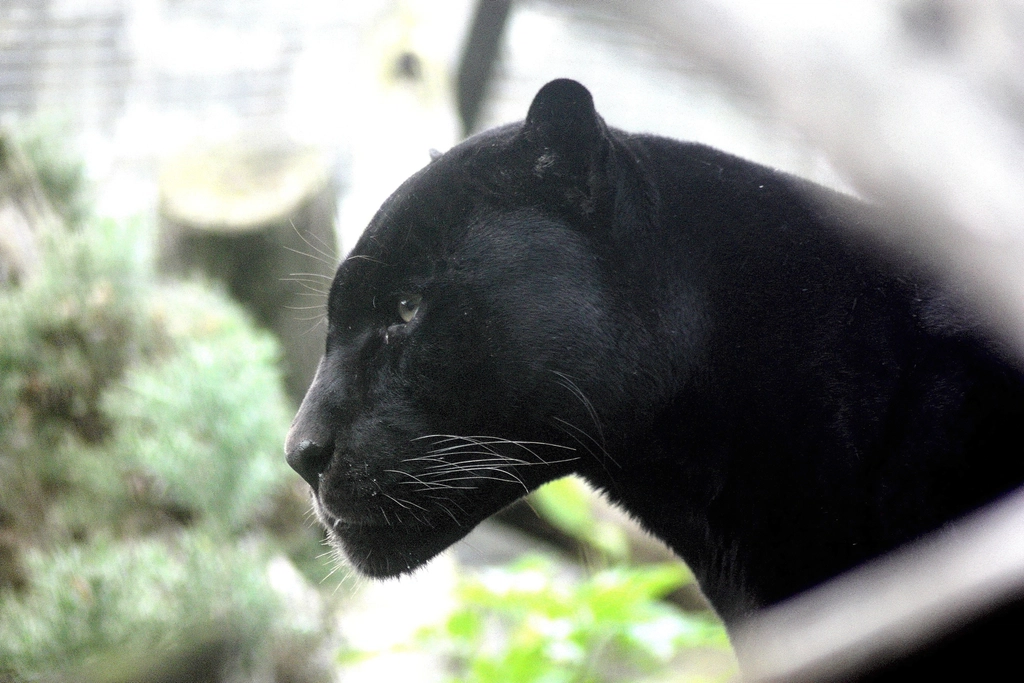 Photo Credit: Rawpixel
In the heart of dense, shadowy forests and the sprawling swamps of the Americas, the panther, scientifically known as Panthera onca, prowls with an air of mystery and grace. Often referred to as the black panther, this magnificent big cat is not a separate species but rather a color variant of the jaguar or leopard, showcasing a stunning coat that appears almost entirely black. This striking appearance, combined with its powerful physique and keen hunting skills, makes the panther a subject of fascination for scientists and nature lovers alike.
Imagine a moonlit night where the panther silently glides through the underbrush, its sleek body blending seamlessly with the darkness. With its muscular limbs and sharp senses, it embodies the essence of a top predator, moving with an elegance that belies its strength. The panther’s ability to adapt to various habitats—from lush rainforests to murky wetlands—demonstrates its resilience and versatility. As we delve deeper into the world of the panther, we will explore its behaviors, diet, and the vital role it plays in maintaining the balance of its ecosystem, revealing why this enigmatic creature continues to capture our imaginations.
The Panther, a majestic member of the animal kingdom, holds a distinguished position in the tree of life. It belongs to the genus Panthera, which includes some of the most powerful and iconic big cats, such as lions and tigers. What sets the Panther apart is not just its strength and beauty, but also its role as an apex predator. This means it sits at the top of the food chain, playing a crucial role in maintaining the balance of its ecosystem. With its keen senses and stealthy hunting techniques, the Panther exemplifies the incredible adaptations that have evolved over millions of years.
| Taxonomic Rank | Scientific Name | Meaning & Significance |
|---|---|---|
| Kingdom | Animalia | This name signifies that Panthers are part of the vast group of multicellular organisms that are primarily heterotrophic, meaning they consume other organisms for energy. |
| Phylum | Chordata | Chordata refers to animals that have a notochord, a flexible rod that supports the body. In Panthers, this structure is present during early development, showcasing their evolutionary link to other vertebrates. |
| Class | Mammalia | Mammalia indicates that Panthers are warm-blooded animals with fur or hair and mammary glands, which allow females to nurse their young. This class is known for its complex behaviors and social structures. |
| Order | Carnivora | Carnivora is the order that includes meat-eating mammals. Panthers possess sharp teeth and claws, perfectly adapted for hunting and consuming prey, highlighting their role as predators. |
| Family | Felidae | Felidae is the family of cats, characterized by their retractable claws and keen senses. This family includes both big cats like Panthers and smaller domestic cats, showcasing a wide range of adaptations. |
| Genus | Panthera | The name Panthera is derived from the Greek word for “panther,” which refers to the large, powerful cats known for their agility and strength. This genus includes some of the most formidable hunters in the animal kingdom. |
Understanding the Panther’s classification reveals much about its evolutionary journey. As a member of the Felidae family, it shares common ancestors with other cats, tracing back millions of years. This lineage has equipped Panthers with specialized traits that enhance their survival, such as powerful limbs for sprinting and acute senses for detecting prey. By studying their taxonomic position, we gain insight into how these magnificent animals have adapted to their environments and the vital roles they play in their ecosystems. The Panther is not just a symbol of strength; it is a testament to the intricate web of life that connects all living beings.
The evolutionary journey of the Panther spans millions of years, tracing back to the origins of the Felidae family, which emerged around 10 to 15 million years ago. This lineage has undergone significant transformations, adapting to various environments and challenges. The Panthera genus, which includes the Panther, diverged from other felids approximately 6 to 10 million years ago, leading to the powerful and agile big cats we recognize today.
The ancestors of modern panthers were small, agile hunters that roamed the forests and grasslands of prehistoric landscapes. Over time, these early felids evolved into larger, more specialized predators. One major transition occurred with the development of retractable claws, allowing them to grip prey more effectively and climb trees with ease. Another significant change was the evolution of their powerful jaws and sharp teeth, which enabled them to tackle larger animals. As they adapted to different habitats, some species developed unique coat patterns for camouflage, enhancing their ability to stalk prey undetected.
These evolutionary adaptations have been vital for the survival of panthers in the wild. Their retractable claws and powerful jaws make them efficient hunters, while their camouflage allows them to remain hidden from both prey and potential threats. With enhanced senses, they can navigate their surroundings with precision, ensuring they thrive in diverse habitats. This combination of traits has allowed panthers to become one of nature’s most successful predators, showcasing the incredible power of evolution in shaping life on Earth.
The panther is a striking figure in the wild, exuding both grace and power. With a muscular build and a sleek, elongated body, it moves with an elegance that belies its strength. Its powerful limbs are designed for agility, allowing it to leap great distances and climb trees with ease. The panther’s coat, typically a deep, rich black, serves as a perfect cloak in the shadows of its forest habitat, while its bright emerald green eyes stand out like jewels, piercing through the darkness. This combination of features creates an impression of both beauty and ferocity, making the panther a true marvel of nature.
| Feature | Description |
|---|---|
| Weight | 36kg – 160kg (79lbs – 350lbs) |
| Skin Type | Fur |
| Most Distinctive Feature | Bright emerald green eyes |
The panther’s physical attributes are not just for show; they play crucial roles in its survival. The dark fur provides excellent camouflage in the dappled light of the forest, allowing it to stalk prey without being easily detected. Meanwhile, those striking green eyes are not only beautiful but also highly functional, offering exceptional night vision. This combination of stealth and sharp eyesight makes the panther a formidable predator, perfectly adapted to its environment. Each feature works in harmony, showcasing the incredible design of nature that has evolved over millennia.
The panther thrives in a variety of habitats that showcase its adaptability and prowess as a top predator. Typically, these magnificent animals can be found in lush forests, sprawling swamplands, and open grasslands. Each of these environments offers a unique blend of cover and hunting opportunities, allowing the panther to blend seamlessly into its surroundings. Imagine a dense, green forest where sunlight filters through the leaves, or a vast grassland where the wind whispers through the tall grasses—these are the places where panthers roam.
To thrive, panthers require specific climate and environmental conditions. They prefer areas with a warm climate, as they are more active in temperatures that allow them to maintain their energy levels. Humidity plays a role too, especially in swampland regions where they can find ample water sources. These environments not only provide food but also shelter from the elements and potential threats. The combination of dense foliage in forests and the open spaces of grasslands creates a perfect balance for their hunting strategies.
Over time, panthers have developed remarkable adaptations to suit their habitats. Their dark, sleek fur helps them remain hidden in the shadows of the forest, while their powerful limbs allow them to navigate through thick underbrush and leap great distances when pursuing prey. In swamps, their webbed paws help them move through water with ease, making them efficient hunters in both land and aquatic environments. These adaptations ensure that panthers can thrive in diverse settings, showcasing their resilience and skill as apex predators.
The daily life of a panther is a blend of stealth, skill, and solitude. As a nocturnal hunter, this big cat comes alive when the sun sets, prowling through its territory under the cover of darkness. During the day, panthers often find a cozy spot to rest, camouflaged among the foliage or hidden in dense underbrush. Their activities revolve around hunting, marking territory, and maintaining their physical condition through stretching and grooming. With keen senses, they listen for the rustle of prey and watch for movement, ready to spring into action when the moment is right.
Socially, panthers are solitary creatures, preferring to live alone rather than in groups. This independence allows them to be stealthy hunters, as they can cover large areas without competition for food. While they may come together for mating, they typically avoid social interactions outside of that. Communication among panthers is subtle but effective; they use vocalizations, scent markings, and body language to convey their presence and establish boundaries. This solitary lifestyle is not just a preference; it’s a strategy that helps them thrive in their environment.
| Behavior Type | Description |
|---|---|
| Activity Patterns | Nocturnal hunters that rest during the day and become active at night, using the cover of darkness to stalk prey. |
| Social Structure | Solitary animals that prefer to live and hunt alone, coming together only for mating. |
| Communication Methods | Utilize vocalizations like growls and hisses, along with scent markings and body language to communicate with others. |
The behaviors of panthers are finely tuned to ensure their survival in the wild. By being nocturnal and solitary, they minimize competition for food and reduce the risk of being detected by both prey and potential threats. Their ability to communicate through subtle signals allows them to maintain their territory without unnecessary confrontations. This combination of traits not only enhances their hunting success but also secures their place as one of nature’s most efficient predators.
The panther is a carnivore, which means it primarily eats meat. This big cat has a diet that consists mainly of large mammals, making it a skilled predator. Panthers are known for their stealthy hunting techniques, often stalking their prey before launching a powerful attack. Their keen senses and ability to move silently through their environment help them catch animals that might otherwise escape.
| Dietary Aspect | Details |
|---|---|
| Diet Type | Carnivore |
| Favorite Foods | Deer, Tapir, Wild Boar |
| Prey Items | Large mammals such as deer and wild boar |
| Hunting Strategies | Stalking and ambushing prey, often at night |
The panther’s diet plays a crucial role in its ecological niche. As a top predator, it helps maintain the balance of its ecosystem by controlling the populations of herbivores like deer and tapir. This not only ensures that vegetation remains healthy but also influences the overall dynamics of the habitat. By hunting primarily at night, panthers have adapted their daily routines to maximize their hunting success while minimizing competition with other predators. This fascinating interplay between diet and behavior showcases the panther’s vital role in the natural world.
When it comes to mating, panthers are quite the romantic adventurers! Their breeding season typically occurs from late winter to early spring, a time when the nights are filled with the sounds of courtship. Males will often roam their territories, seeking out females. Once a female is ready to mate, she will signal her interest through vocalizations and scent markings. This courtship can last several days, during which the pair will engage in playful behaviors and short chases, strengthening their bond before they mate.
| Reproductive Aspect | Details |
|---|---|
| Gestation Period | 90 – 105 days |
| Average Litter Size | 3 |
| Age of Sexual Maturity | 3 – 4 years |
| Name of Young | Cub |
After the gestation period, which lasts about three months, the female panther gives birth to a litter of cubs, usually around three. These tiny, helpless cubs are born blind and rely entirely on their mother for warmth, food, and protection. The mother is fiercely devoted, keeping her young hidden in a secure den, often in dense vegetation or rocky crevices. As the cubs grow, they begin to open their eyes and explore their surroundings, learning essential survival skills from their mother. By the time they reach three to four years of age, they are ready to venture out on their own, equipped with the instincts and knowledge needed to thrive in the wild.
The panther occupies a crucial role in the food web as an apex predator, meaning it sits at the top of the food chain. This powerful feline helps maintain the balance of its ecosystem by controlling the populations of other animals. Without panthers, the numbers of their prey could explode, leading to overgrazing and a decline in plant life. However, despite their strength and status, panthers face several dangers that threaten their survival.
To defend themselves against these threats, panthers have developed a range of survival strategies. They are masters of camouflage, blending seamlessly into their surroundings, which helps them avoid detection by both predators and humans. Their solitary nature allows them to be stealthy hunters, relying on their keen senses to detect danger. Additionally, panthers are known to be highly adaptable, often changing their hunting patterns and territories in response to environmental changes. These behaviors are essential for their survival in a world filled with challenges.
A keystone species is a vital part of its ecosystem, playing a unique role that affects many other organisms. The panther, as an apex predator, qualifies as a keystone species. Its presence helps maintain the balance of its environment, influencing the populations of other animals and the health of the habitats it roams.
Panthers primarily hunt large mammals, which helps control their populations. For instance, by preying on deer, they prevent these herbivores from overgrazing vegetation. This grazing balance is crucial because it allows various plant species to thrive, which in turn supports a diverse range of other wildlife. Without panthers, deer populations could explode, leading to habitat degradation and a decline in plant diversity.
Moreover, panthers also create opportunities for scavengers. When they make a kill, the remains provide food for other animals, such as vultures and smaller carnivores. This scavenging behavior enriches the ecosystem by ensuring that nutrients are recycled back into the soil, promoting plant growth and supporting the entire food web.
If panthers were to disappear from their ecosystems, the consequences would be profound. Without these powerful hunters, herbivore populations would likely surge, leading to overgrazing and habitat destruction. This imbalance could trigger a cascade of effects, resulting in the decline of plant species and the animals that depend on them. Ultimately, the loss of panthers would disrupt the intricate web of life, highlighting just how crucial they are to the health of their ecosystems.
The panther plays a crucial role in shaping its ecosystem, acting as a powerful apex predator. This means it sits at the top of the food chain, influencing the populations of other animals and maintaining the balance of its habitat. By preying on large mammals, the panther helps control their numbers, which in turn affects the vegetation and overall health of the environment. Its presence is essential for a thriving ecosystem, as it ensures that no single species dominates, allowing for a diverse array of plants and animals to flourish.
| Ecosystem Service | Impact |
|---|---|
| Population Control | Regulates the numbers of herbivores, preventing overgrazing and promoting plant diversity. |
| Habitat Maintenance | Encourages a healthy balance of species, which supports various habitats like forests and grasslands. |
| Scavenger Support | Provides food for scavengers by leaving behind remains of its kills, which helps sustain other wildlife. |
| Genetic Diversity | Promotes genetic health in prey populations by culling weaker individuals, leading to stronger species. |
The influence of the panther extends beyond just its immediate hunting activities. For example, when a panther hunts a deer, it not only provides a meal for itself but also leaves behind carcasses that feed scavengers like vultures and coyotes. This scavenging behavior is vital for nutrient recycling in the ecosystem. Additionally, by keeping herbivore populations in check, panthers help maintain the balance of plant life, which is essential for the entire food web. Without these big cats, certain plant species could become overgrazed, leading to habitat degradation and loss of biodiversity.
The broader ecological importance of the panther cannot be overstated. As a keystone species, its presence supports a complex web of life, ensuring that various organisms can coexist. The health of the ecosystem relies on the panther’s role in maintaining balance, which ultimately affects everything from the smallest insects to the tallest trees. Protecting these magnificent animals is not just about preserving a single species; it’s about safeguarding the intricate relationships that sustain life in their habitats. By understanding and valuing the panther’s role, we can better appreciate the delicate balance of nature and the importance of conservation efforts.
In the intricate web of life, symbiosis refers to the close interactions between different species, which can take on various forms. These relationships can be mutualistic, where both species benefit; parasitic, where one benefits at the expense of the other; or commensal, where one benefits while the other is neither helped nor harmed. Understanding these connections helps us appreciate the delicate balance of ecosystems and the roles that different animals, including the panther, play within them.
| Species/Type | Relationship Type | Description |
|---|---|---|
| Oxpecker Birds | Mutualistic | Oxpeckers perch on panthers and eat ticks and parasites from their fur, providing the panther with relief from pests while getting a meal. |
| Fleas | Parasitic | Fleas live on panthers, feeding on their blood, which can cause discomfort and health issues for the big cat. |
| Tree Canopy | Commensal | Panthers often use trees for cover while hunting. The trees benefit from the panther’s presence as they help control herbivore populations, but the trees do not gain or lose anything directly from the panther. |
These relationships have evolved over time, shaped by the needs and behaviors of the species involved. Mutualistic partnerships, like that of the oxpecker birds and panthers, highlight how cooperation can enhance survival for both parties. In contrast, parasitic relationships, such as those with fleas, remind us of the challenges that come with living in close quarters with other organisms. Commensal relationships, while less obvious, illustrate the interconnectedness of life, showing how one species can thrive without impacting another. Together, these interactions create a dynamic ecosystem where each species, including the panther, plays a vital role in maintaining balance and health.
The panther, often shrouded in mystery and allure, is a creature that captivates the imagination of nature enthusiasts. With its striking appearance and fascinating behaviors, this big cat has much more to offer than meets the eye.
Throughout history, the panther has held a significant place in human culture and mythology. From ancient civilizations to modern times, these powerful big cats have inspired awe and reverence. In many cultures, panthers symbolize strength, courage, and mystery. They appear in folklore, art, and even heraldry, often representing nobility and ferocity. Historical encounters between humans and panthers have ranged from admiration to fear, as these majestic animals have been both revered and hunted. Their elusive nature and striking appearance have made them a subject of fascination, leading to a complex relationship that continues to evolve.
In today’s world, the interaction between panthers and humans is marked by both conservation efforts and conflict. As habitats shrink due to urban development and agriculture, panthers often find themselves in closer proximity to human populations. This can lead to dangerous encounters, especially when livestock is involved. However, many organizations are working tirelessly to protect these magnificent creatures and their habitats. Conservation programs aim to educate communities about the importance of panthers in maintaining ecological balance. While some people view panthers as threats, others recognize their role as vital apex predators that help control prey populations and maintain healthy ecosystems.
Looking ahead, the future of the relationship between panthers and humanity hinges on our ability to coexist. As we learn more about these incredible animals and their needs, we can develop strategies that benefit both panthers and people. By fostering a sense of stewardship and respect for wildlife, we can ensure that future generations will continue to marvel at the beauty and power of panthers. With ongoing conservation efforts and community engagement, there is hope for a harmonious relationship that honors the legacy of these magnificent big cats while protecting their vital role in our ecosystems.
The conservation status of the panther is currently classified as Near Threatened. This means that while the species is not yet at immediate risk of extinction, it faces significant challenges that could lead to a decline in its population if not addressed. The exact number of panthers in the wild is not known, but their populations are believed to be decreasing due to various environmental pressures.
| Conservation Factor | Status/Details |
|---|---|
| IUCN Status | Near Threatened |
| Population Estimates | Not Known |
| Trend Direction | Decreasing |
One of the main threats to the panther is habitat loss, primarily due to human activities such as urban development and agriculture. As forests and wetlands are cleared for buildings and farmland, the panther’s natural home shrinks, making it harder for them to find food and mates. Additionally, poaching and illegal hunting pose serious risks, as these big cats are sometimes targeted for their beautiful pelts or due to conflicts with livestock. Climate change also plays a role, altering the ecosystems that panthers depend on for survival.
Conservation efforts are underway to protect the panther and its habitat. Organizations are working to create wildlife corridors, which are safe passages that allow animals to move between different areas without encountering human threats. Education programs are also being implemented to raise awareness about the importance of preserving these magnificent creatures. With continued efforts and support from communities, there is hope that the panther can thrive in the wild for generations to come.
| Question | Answer |
|---|---|
| What is the habitat of a panther? | Panthers are adaptable creatures that thrive in various environments. They can be found in forests, swamplands, and grasslands, which provide them with plenty of cover and hunting opportunities. |
| What do panthers eat? | As carnivores, panthers primarily eat meat. Their diet includes deer, wild boar, and smaller mammals, which they skillfully stalk and ambush. |
| How do panthers behave in the wild? | Panthers are solitary animals, meaning they prefer to live alone except during mating season or when a mother is raising her cubs. They are also known for their stealthy hunting techniques, often using their keen senses to track prey. |
| How do panthers reproduce? | Panthers typically mate in the spring and summer. After a gestation period of about 90 to 95 days, the female gives birth to a litter of one to four cubs, which she raises alone until they are old enough to hunt. |
| What threats do panthers face? | Panthers are classified as Near Threatened, facing threats from habitat loss and vehicle collisions. As their natural habitats shrink due to human development, their chances of survival decrease. |
| What is a unique characteristic of panthers? | One of the most distinctive features of panthers is their bright emerald green eyes. This striking color helps them see well in low light, making them effective nocturnal hunters. |
| Are panthers social animals? | No, panthers are generally solitary. They establish territories and prefer to hunt and live alone, although they may come together for mating or when a mother is caring for her young. |