Taxonomy & Classification
- Kingdom
- Animalia
- Phylum
- Chordata
- Class
- Aves
- Order
- Psittaciformes
- Family
- Psittacidae
- Genus
- Psittacus

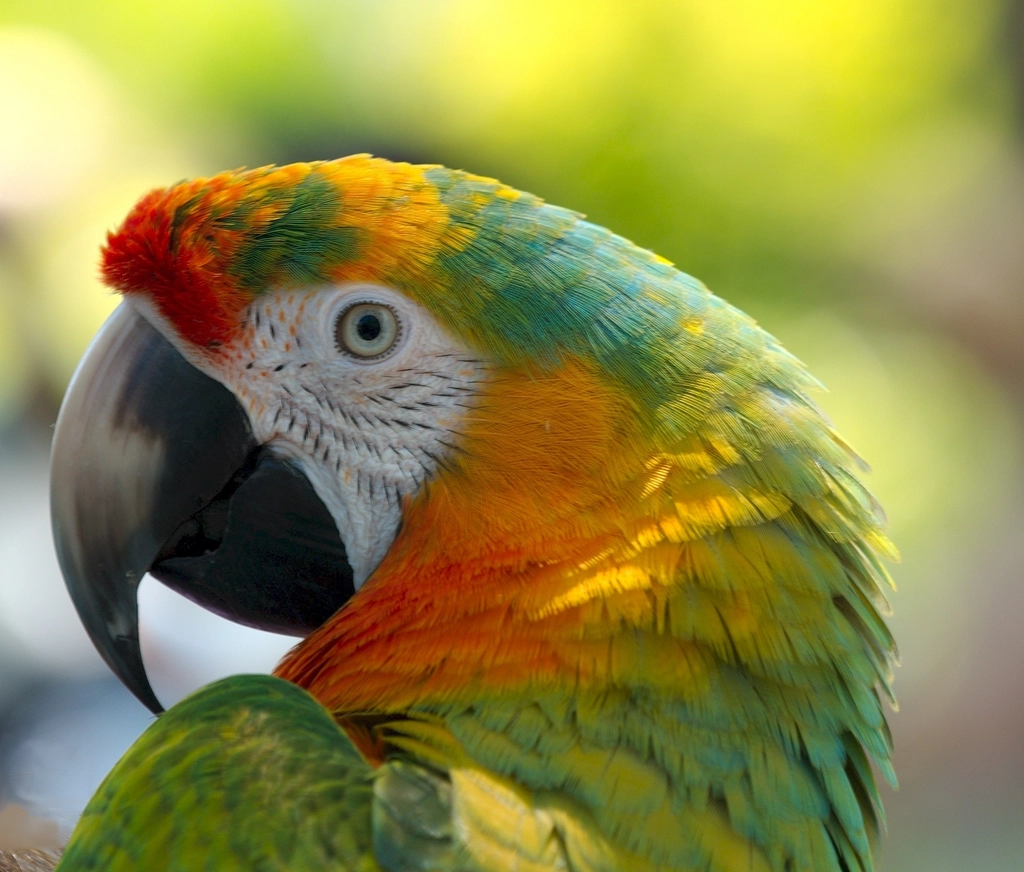 Photo Credit: Rawpixel
In the heart of a lush tropical rainforest, the parrot, known scientifically as Psittacidae, flits through the emerald canopy, a burst of color against the green backdrop. With feathers that shimmer in shades of vibrant red, blue, and yellow, these birds are not just a feast for the eyes; they are also a marvel of nature. Their strong, curved beaks are perfectly designed for cracking open tough nuts and seeds, while their zygodactyl feet—two toes facing forward and two backward—allow them to grasp branches with incredible dexterity. This unique anatomy makes them agile climbers, perfectly suited for life high in the trees.
Parrots are more than just beautiful; they are intelligent and social creatures that captivate scientists and nature enthusiasts alike. Their ability to mimic sounds and even human speech showcases their remarkable cognitive skills. In the wild, they communicate with each other through a series of whistles, squawks, and calls, creating a symphony of sounds that fills the air. As they navigate their vibrant world, parrots play a crucial role in their ecosystems, helping to disperse seeds and maintain the health of their habitats. Join us as we explore the fascinating lives of these extraordinary birds, uncovering their behaviors, diets, and the challenges they face in a rapidly changing world.
Parrots are vibrant members of the animal kingdom, sitting comfortably within the class Aves, which encompasses all birds. Their taxonomic position reveals much about their unique characteristics, such as their intelligence, social behavior, and ability to mimic sounds. Parrots belong to the order Psittaciformes, which is known for its colorful plumage and strong, curved beaks. These features not only make them visually striking but also serve practical purposes, like cracking open tough seeds and nuts. With their playful personalities and complex vocalizations, parrots have captured the hearts of many, making them one of the most beloved bird families in the world.
| Taxonomic Rank | Scientific Name | Meaning & Significance |
|---|---|---|
| Kingdom | Animalia | This name comes from the Latin word for “animal,” highlighting that parrots are part of the vast group of living organisms that are multicellular and capable of movement. |
| Phylum | Chordata | Derived from the Greek word “chordē,” meaning “string,” this classification indicates that parrots have a backbone, a key feature of vertebrates. |
| Class | Aves | This term is Latin for “birds,” emphasizing the feathered, warm-blooded nature of parrots and their ability to fly. |
| Order | Psittaciformes | From the Greek word “psittakos,” meaning “parrot,” this name reflects the distinctive characteristics of these birds, including their strong beaks and zygodactyl feet, which help them grasp branches. |
| Family | Psittacidae | This name is derived from the same Greek root as the order, reinforcing the close relationship among parrots and their relatives, such as macaws and cockatoos. |
| Genus | Psittacus | Also from Greek, meaning “parrot,” this genus includes many of the true parrots, showcasing their shared traits and evolutionary lineage. |
The classification of parrots reveals a rich evolutionary history that connects them to other birds and vertebrates. Their position in the tree of life highlights their adaptations, such as their intelligence and social structures, which have evolved over millions of years. Understanding where parrots fit in this grand scheme not only deepens our appreciation for these colorful birds but also sheds light on the intricate web of life that connects all living beings. As we explore their world, we uncover the fascinating stories of survival and adaptation that have shaped their existence.
The evolutionary journey of parrots stretches back millions of years, tracing their lineage to the late Cretaceous period, around 70 million years ago. This was a time when dinosaurs roamed the Earth, and the ancestors of modern birds were just beginning to take flight. Parrots belong to the family Psittacidae, which includes over 393 species today, showcasing a dazzling array of colors and behaviors. Their evolution is a tale of adaptation and survival, shaped by the environments they inhabit and the challenges they face.
The earliest ancestors of parrots were small, tree-dwelling birds that likely resembled modern-day pigeons. These birds began to develop traits that would set them apart from other avian species. One major transition occurred as they adapted to a diet primarily consisting of seeds and fruits. This shift led to the evolution of strong, curved beaks, perfect for cracking open tough shells. Over time, their feet evolved to become zygodactyl, meaning they have two toes facing forward and two backward, allowing for a better grip on branches and a more agile climbing ability. These adaptations were crucial as they navigated the complex canopies of tropical forests.
These evolutionary adaptations have been vital for parrots’ survival in diverse environments. Their strong beaks enable them to exploit a variety of food sources, while their specialized feet allow them to navigate the treetops with ease. The ability to mimic sounds enhances their social interactions, helping them form strong bonds within their flocks. Bright plumage not only aids in attracting mates but also provides camouflage, allowing them to blend into their surroundings. Together, these traits have made parrots not just survivors, but vibrant participants in the ecosystems they inhabit.
Parrots are a dazzling spectacle of nature, showcasing a blend of colors and shapes that capture the imagination. Their bodies are typically compact and robust, designed for agility and grace. With strong, curved beaks that are perfect for cracking nuts and seeds, these birds are built for both beauty and function. Their feet are zygodactyl, meaning they have two toes pointing forward and two backward, which gives them a firm grip on branches and allows them to climb with ease.
| Feature | Description |
|---|---|
| Weight | 10g – 4,000g (0.02lbs – 5.9lbs) |
| Skin Type | Feathers |
The combination of their lightweight bodies and strong, colorful feathers not only makes parrots visually stunning but also serves important survival functions. Their vibrant plumage can help them blend into the lush canopies of their tropical habitats, providing camouflage from predators. Additionally, their feathers are essential for flight, allowing them to navigate through trees and escape danger. Together, these features create a perfect harmony of form and function, enabling parrots to thrive in their diverse environments.
Parrots thrive in lush, vibrant environments that are as colorful as they are. Their typical habitat includes dense rainforests and tropical jungles, where towering trees create a canopy that filters sunlight into a warm, dappled glow. These rich ecosystems are filled with a symphony of sounds, from the rustling of leaves to the calls of various animals. Parrots flit among the branches, their bright feathers standing out against the deep greens and browns of their surroundings.
The climate in these regions is typically warm and humid, providing the perfect conditions for parrots to thrive. They prefer temperatures that range from 70 to 90 degrees Fahrenheit, which helps them maintain their energy levels. The high humidity in rainforests supports the growth of the fruits, nuts, and seeds that make up a significant part of their diet. Additionally, these birds rely on the diverse plant life for nesting sites and shelter from predators.
Over time, parrots have developed remarkable adaptations to their habitats. Their strong, curved beaks are perfectly designed for cracking open hard seeds and nuts, while their zygodactyl feet—meaning they have two toes facing forward and two backward—allow them to grasp branches with ease. This unique foot structure helps them navigate the complex layers of the forest canopy. Their vibrant plumage not only dazzles the eye but also provides camouflage among the colorful flowers and foliage, helping them evade predators. In these ways, parrots have become perfectly suited to their tropical homes.
Parrots lead vibrant and active daily lives, filled with a variety of engaging activities. As the sun rises, these colorful birds awaken in their treetop homes, stretching their wings and calling out to one another. Their mornings often begin with a hearty breakfast of fruits, seeds, and nuts, which they skillfully crack open with their strong, curved beaks. Throughout the day, they engage in playful antics, swinging from branches and chasing each other in the air. Parrots are known for their intelligence, so they also spend time exploring their surroundings, using their keen eyesight to spot potential food sources or interesting objects.
Social behavior is at the heart of a parrot’s life. These birds are highly social creatures, often found in flocks that can range from a few individuals to hundreds. Within these groups, they establish complex social structures, with hierarchies that help maintain order. Communication is key in these flocks, and parrots use a variety of vocalizations, body language, and even facial expressions to convey messages. From loud squawks to soft whistles, each sound serves a purpose, whether it’s to warn of danger, signal a food source, or strengthen social bonds. This social interaction is not just fun; it plays a crucial role in their survival.
| Behavior Type | Description |
|---|---|
| Activity Patterns | Parrots are diurnal, meaning they are active during the day. They spend their time foraging for food, playing, and socializing with their flock. |
| Social Structure | Flocks can vary in size, and within these groups, there are often established hierarchies that help maintain order and cooperation. |
| Communication Methods | Parrots use a mix of vocalizations, body language, and facial expressions to communicate with each other, conveying messages about food, danger, and social interactions. |
The behaviors of parrots are not just entertaining; they are essential for their survival in the wild. By living in flocks, they can better protect themselves from predators, as there is safety in numbers. Their social interactions help them learn from one another, sharing knowledge about food sources and potential threats. This combination of intelligence, communication, and social structure ensures that parrots thrive in their lush habitats, making them one of nature’s most captivating avian wonders.
Parrots are omnivores, which means they enjoy a varied diet that includes both plant and animal matter. Their primary foods consist of fruits, nuts, seeds, and even insects. With their strong, curved beaks, parrots are well-equipped to crack open tough nuts and seeds, allowing them to access the nutritious goodies inside. They often forage in trees, using their keen eyesight to spot ripe fruits and hidden insects. This feeding behavior not only sustains them but also plays a vital role in their ecosystems, as they help disperse seeds and pollinate plants.
| Dietary Aspect | Details |
|---|---|
| Diet Type | Omnivore |
| Favorite Foods | Fruits, nuts, seeds |
| Prey Items | Insects |
| Hunting/Foraging Strategies | Foraging in trees, using strong beaks to crack open nuts and seeds |
This diverse diet shapes a parrot’s daily routine and ecological role. By feeding on fruits and seeds, they contribute to the health of their habitats, ensuring that plants can grow and thrive. Their foraging activities also encourage a balance in the ecosystem, as they help control insect populations. As they search for food, parrots engage in social behaviors, often foraging in groups, which strengthens their bonds and enhances their survival in the wild.
Parrots have a captivating courtship ritual that sets the stage for their breeding season. During this time, males often display their vibrant feathers, perform acrobatic flights, and engage in melodious calls to attract females. This lively behavior not only showcases their health and vitality but also helps establish strong pair bonds. Once a pair has formed, they typically mate for life, returning to the same nesting sites year after year. The breeding season varies depending on the species and their habitat, but it often coincides with the availability of food, ensuring that the young have plenty to eat once they hatch.
| Reproductive Aspect | Details |
|---|---|
| Gestation Period | Parrots do not have a gestation period like mammals, but the incubation period for their eggs usually lasts about 18 to 30 days, depending on the species. |
| Litter Size | Most parrot species lay between 2 to 8 eggs in a single clutch. |
| Age of Maturity | Parrots typically reach sexual maturity between 1 to 4 years of age, depending on the species. |
| Name of Young | Young parrots are called chicks or fledglings. |
After the eggs hatch, parental care becomes crucial for the survival of the chicks. Both parents take turns feeding their young, regurgitating food to provide the necessary nutrients for growth. This nurturing behavior helps the chicks develop strong bones and feathers. As they grow, the fledglings begin to explore their surroundings, practicing their flying skills and learning to forage for food. Eventually, they become independent, ready to take on the world, but many remain close to their parents for support as they transition into adulthood. This close-knit family dynamic is a beautiful aspect of parrot life, showcasing the bonds that form in the wild.
Parrots occupy a fascinating position in the food web, often found near the top as prey for various predators. Their bright colors and loud calls may attract attention, but they also serve as a warning to potential threats. In the wild, these intelligent birds must navigate a world filled with dangers, from natural predators to human activities that threaten their survival.
To defend themselves against these threats, parrots have developed a range of survival strategies. Their keen eyesight allows them to spot danger from afar, while their ability to fly swiftly helps them escape predators. Many species also use their strong beaks to crack open tough seeds and nuts, which can be a source of food when other options are scarce. Additionally, some parrots engage in social behaviors, flocking together to increase safety in numbers. By staying alert and using their natural instincts, these colorful birds continue to thrive in their vibrant habitats.
A keystone species is a vital part of its ecosystem, playing a role that affects many other organisms and the environment itself. Parrots can indeed be considered keystone species, especially in their tropical rainforest habitats. Their activities and behaviors significantly influence the health and balance of their ecosystems, making them essential players in the natural world.
One of the most important ways parrots impact their environment is through seed dispersal. As they feast on fruits and nuts, they consume seeds and later excrete them in different locations. This process helps plants grow in new areas, promoting biodiversity. For instance, when a parrot eats a fruit from a tree, it may fly miles away before dropping the seed, allowing that plant species to spread and thrive in various locations. This not only supports the growth of new plants but also provides food and shelter for countless other species.
Parrots also contribute to the health of their ecosystems by controlling insect populations. As omnivores, they consume insects along with their usual diet of fruits and seeds. By keeping insect numbers in check, parrots help maintain a balance that prevents any one species from overwhelming the ecosystem. This balance is crucial for the survival of many plants and animals that rely on a stable environment.
Additionally, the social behavior of parrots, which often involves living in flocks, plays a role in their ecosystem. Their flocking behavior can help in locating food sources and avoiding predators, which in turn affects the dynamics of the species that share their habitat. When parrots gather in large numbers, they can also create a lively atmosphere that attracts other wildlife, contributing to the overall vibrancy of the rainforest.
If parrots were to disappear from their ecosystems, the consequences would be significant. Without their seed dispersal, many plant species could struggle to reproduce, leading to a decline in plant diversity. This, in turn, would affect the animals that rely on those plants for food and shelter. The balance of the ecosystem would be disrupted, potentially leading to a cascade of changes that could harm countless species. The vibrant rainforests that we admire today could become less diverse and less resilient, highlighting just how crucial parrots are to their habitats.
Parrots play a crucial role in their ecosystems, particularly in the lush rainforests and tropical jungles they call home. As vibrant and intelligent birds, they occupy an ecological niche that allows them to interact with a variety of plant and animal species. Their activities, from feeding to nesting, create a ripple effect that influences the health and diversity of their environment. By dispersing seeds and pollinating plants, parrots help maintain the balance of their ecosystems, ensuring that both flora and fauna thrive.
| Ecosystem Service | Impact |
|---|---|
| Seed Dispersal | Parrots eat fruits and nuts, and when they fly away, they drop seeds, helping new plants grow in different areas. |
| Pollination | While feeding on nectar, parrots can transfer pollen from one flower to another, aiding in plant reproduction. |
| Food Source | Parrots serve as prey for larger predators, contributing to the food web and supporting biodiversity. |
| Habitat Creation | By nesting in trees, parrots create cavities that can be used by other species for shelter. |
One of the most significant ways parrots influence their environment is through seed dispersal. When they munch on fruits, they often consume the seeds inside. As they travel from tree to tree, they excrete these seeds in new locations, allowing plants to grow in areas where they might not have thrived otherwise. This process is vital for maintaining plant diversity and ensuring that forests remain healthy and vibrant. Additionally, parrots can help pollinate flowers while sipping nectar, further supporting the growth of various plant species.
The broader ecological importance of parrots cannot be overstated. As keystone species, their presence helps maintain the structure of their ecosystems. Without them, the balance of plant and animal life could be disrupted, leading to a decline in biodiversity. By fostering healthy forests, parrots not only support their own survival but also the myriad of other species that depend on these habitats. Their colorful presence and lively behaviors remind us of the intricate connections that exist in nature, encouraging us to appreciate and protect the ecosystems they help shape.
In the intricate web of life, symbiosis refers to the close and often long-term interactions between different species. These relationships can take many forms, including mutualism, where both species benefit, parasitism, where one benefits at the expense of the other, and commensalism, where one benefits while the other is neither helped nor harmed. Parrots, with their vibrant colors and social behaviors, engage in various ecological partnerships that highlight the interconnectedness of nature.
| Species/Type | Relationship Type | Description |
|---|---|---|
| Oxpeckers | Mutualistic | Oxpeckers are small birds that often perch on large mammals like rhinos or buffalo. They feed on ticks and parasites found on the mammals’ skin, providing a cleaning service while enjoying a meal. |
| Fruit Trees | Mutualistic | Parrots play a vital role in seed dispersal for many fruit-bearing trees. As they eat the fruits, they help spread the seeds through their droppings, promoting forest growth. |
| Termites | Commensal | Some parrots, like the Blue-fronted Amazon, may nest in tree cavities created by woodpeckers or termites. While the termites are unaffected, the parrots gain a safe place to raise their young. |
These relationships have evolved over time, shaped by the needs and behaviors of the species involved. Mutualistic partnerships, like those between parrots and fruit trees, enhance the survival of both parties, ensuring that parrots have a reliable food source while helping to sustain their habitat. Commensal relationships, such as those with termites, showcase how different species can coexist, with one benefiting from the actions of another without causing harm. Understanding these connections deepens our appreciation for the delicate balance of ecosystems and the roles each species plays in maintaining it.
Parrots are not just colorful birds; they are full of surprises that make them truly captivating. Here are some intriguing facts that showcase their extraordinary traits and behaviors.
Throughout history, parrots have captivated human imagination and culture. These vibrant birds have been featured in ancient art, mythology, and folklore across various civilizations. From the Aztecs, who revered them as symbols of power and beauty, to the sailors of the Age of Exploration, who brought them back as exotic pets, parrots have woven themselves into the fabric of human life. Their ability to mimic human speech and sounds has only deepened our fascination, making them beloved companions and symbols of intelligence in many cultures.
In modern times, the relationship between parrots and humans has evolved significantly. While many people keep parrots as pets, this has led to both positive and negative consequences. On one hand, conservation efforts are underway to protect wild parrot populations from habitat loss and illegal trade. On the other hand, domestication can sometimes lead to conflicts, as some species may struggle to adapt to life in captivity. Additionally, the bond between humans and parrots can be incredibly rewarding, as these birds often form strong emotional connections with their owners, showcasing their remarkable intelligence and social nature.
Looking ahead, the future of the relationship between parrots and humanity holds both promise and challenges. As awareness of environmental issues grows, more people are becoming advocates for the protection of these beautiful birds and their habitats. By fostering a deeper understanding of their needs and behaviors, we can create a world where parrots thrive both in the wild and as cherished companions. The journey ahead will require cooperation and respect for these intelligent creatures, ensuring that they continue to inspire and enrich our lives for generations to come.
The conservation status of parrots is a pressing concern, as many species are facing significant threats that jeopardize their survival. Currently, a number of parrot species are classified as endangered, with their populations declining due to various human activities and environmental changes. This decline is alarming, as it not only affects the parrots themselves but also the ecosystems they inhabit.
| Conservation Factor | Status/Details |
|---|---|
| IUCN Status | Endangered |
| Population Estimates | Varies by species; some populations are in the thousands |
| Trend Direction | Declining |
One of the main threats to parrots is habitat loss, primarily due to deforestation and land conversion for agriculture. As forests are cleared, these birds lose their homes and the food sources they rely on. Additionally, illegal trapping and trade pose a significant risk, as many parrots are captured for the pet trade or for their feathers. Climate change also plays a role, altering the habitats and food availability for these vibrant birds.
Conservation efforts are underway to protect parrots and their habitats. Organizations are working to restore forests, enforce laws against illegal trade, and educate communities about the importance of preserving these beautiful birds. While the outlook remains challenging, there is hope that with continued efforts, we can help stabilize and even increase parrot populations in the wild. By fostering a deeper understanding of their needs and the threats they face, we can all play a part in ensuring a brighter future for these colorful avian wonders.
| Question | Answer |
|---|---|
| Where do parrots live? | Parrots primarily inhabit rainforests and tropical jungles. These lush environments provide them with plenty of food and places to nest, making them ideal homes for these colorful birds. |
| What do parrots eat? | Parrots are omnivores, which means they eat a variety of foods. Their diet includes fruits, seeds, nuts, and sometimes even insects, allowing them to get the nutrients they need to thrive. |
| How do parrots behave in the wild? | Parrots are known for their social behavior, often living in flocks. They communicate with each other using a range of sounds and body language, which helps them stay connected and safe from predators. |
| How do parrots reproduce? | Parrots typically mate for life and build nests in tree hollows. The female lays eggs, and both parents help care for the chicks until they are ready to leave the nest. |
| What threats do parrots face? | Many parrot species are endangered due to habitat loss and illegal pet trade. Deforestation and climate change also pose significant threats to their natural habitats, making conservation efforts crucial. |
| What are some interesting characteristics of parrots? | Parrots are famous for their ability to mimic sounds, including human speech! They have strong, curved beaks that help them crack open hard seeds and nuts, and their vibrant feathers can come in a rainbow of colors. |
| Can parrots fly? | Yes, most parrots are excellent fliers. Their strong wings allow them to soar through the trees and cover long distances in search of food and mates. |