Taxonomy & Classification
- Kingdom
- Animalia
- Phylum
- Chordata
- Class
- Aves
- Order
- Psittaciformes
- Family
- Psittacidae
- Genus
- Forpus
- Species
- Forpus cyanopygius

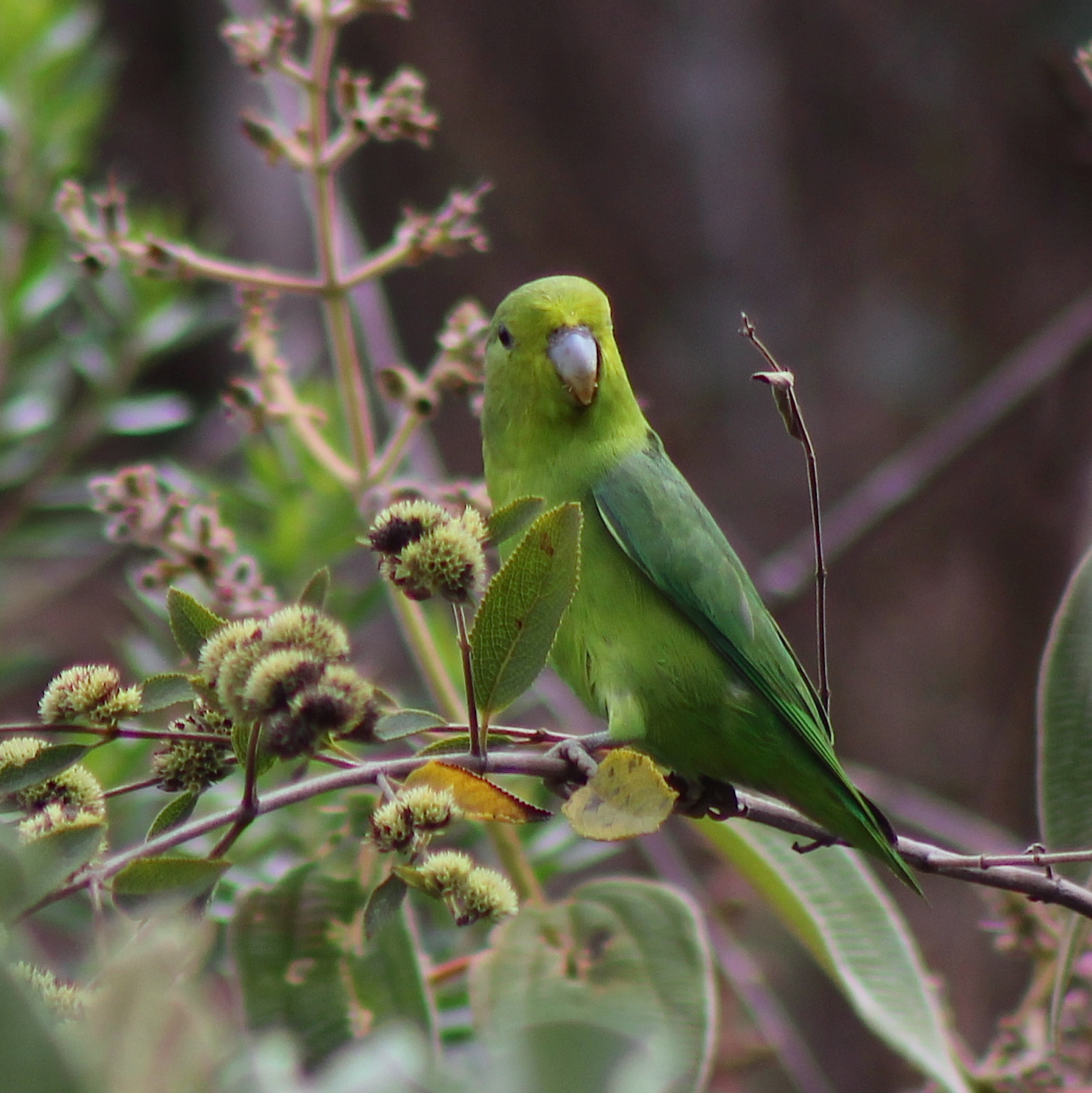 Photo Credit: Sintegrity / Wikimedia Commons
In the lush, sun-drenched landscapes of South America, the parrotlet, scientifically known as Forpus, flits about with a burst of color and energy. These pint-sized birds, measuring only about 4 to 6 inches long, are a dazzling sight against the backdrop of green foliage and vibrant flowers. With their bright plumage, which can range from vivid greens to striking blues and yellows, parrotlets are not just a treat for the eyes; they are also a source of endless fascination for scientists and nature lovers alike. Their small size belies a big personality, making them one of the most spirited members of the parrot family.
As they navigate their habitats, which include savannas and riverine forests, parrotlets showcase their playful nature and social behavior. They are known for their energetic antics, often seen chattering and playing with one another in flocks. This lively interaction is not just for fun; it plays a crucial role in their survival, helping them communicate and bond with their companions. With their omnivorous diet, which includes seeds, fruits, and even insects, parrotlets are adaptable little birds that thrive in various environments. Their vibrant presence and engaging behaviors make them a key part of the ecosystems they inhabit, and their story is one of resilience and charm in the wild.
The parrotlet, a tiny yet vibrant member of the avian world, holds a special place in the tree of life. Taxonomically, it belongs to the Kingdom Animalia, Phylum Chordata, Class Aves, Order Psittaciformes, Family Psittacidae, and Genus Forpus. What sets parrotlets apart is their small size combined with the striking colors and playful personalities typical of larger parrots. These little birds are not just charming companions; they also showcase the incredible diversity of the parrot family, which includes some of the most intelligent and social birds on the planet.
| Taxonomic Rank | Scientific Name | Meaning & Significance |
|---|---|---|
| Kingdom | Animalia | This name comes from the Latin word “animalis,” meaning “having breath” or “living.” It signifies all living organisms that are not plants or fungi, highlighting the parrotlet’s status as a breathing, moving creature. |
| Phylum | Chordata | Derived from the Greek word “chordē,” meaning “string,” this classification refers to animals with a notochord, a flexible rod that supports the body. Parrotlets, like all chordates, have a backbone, which is crucial for their structure and movement. |
| Class | Aves | This term comes from the Latin word for “bird.” It encompasses all birds, characterized by feathers, beaks, and the ability to lay eggs. Parrotlets exemplify these traits with their colorful plumage and unique vocalizations. |
| Order | Psittaciformes | From the Greek “psittakos,” meaning “parrot,” this order includes all parrots and their relatives. Parrotlets are part of this group, known for their strong, curved beaks and social behavior. |
| Family | Psittacidae | This family name comes from the same Greek root as the order, emphasizing the parrot lineage. It includes the true parrots, which are known for their intelligence and ability to mimic sounds. |
| Genus | Forpus | The name “Forpus” is derived from the Greek word for “small,” reflecting the diminutive size of these birds compared to their larger parrot relatives. This highlights their unique niche within the parrot family. |
Understanding the parrotlet’s classification reveals much about its evolutionary journey. As a member of the Psittaciformes order, parrotlets share a common ancestor with other parrots, which evolved to adapt to various environments. Their small size and vibrant colors may have developed as survival strategies, helping them thrive in their natural habitats. This classification not only connects them to their larger relatives but also emphasizes the intricate web of life that showcases the beauty and complexity of evolution.
The evolutionary journey of the parrotlet is a captivating tale that stretches back millions of years. These small, colorful birds belong to the family Psittacidae, which includes all parrots. Their ancestors first appeared during the late Cretaceous period, around 70 million years ago, when the world was a very different place. As the continents shifted and climates changed, these birds adapted to their environments, leading to the diverse species we see today.
The parrotlet’s lineage can be traced to early parrots that developed in the tropical forests of South America. Over time, these ancestors evolved various traits that helped them thrive in their habitats. One significant transition was the development of their strong, curved beaks, which are perfect for cracking open seeds and nuts. This adaptation allowed them to exploit a food source that many other birds could not, giving them a competitive edge. As they spread across different regions, parrotlets also developed vibrant plumage, which not only attracts mates but also plays a role in social interactions within flocks.
These adaptations have been crucial for the survival of parrotlets in their ever-changing environments. Their strong beaks enable them to thrive on a diet that many other birds cannot access, while their vibrant colors and social behaviors enhance their ability to find mates and protect themselves from predators. As they continue to adapt, parrotlets remind us of the incredible resilience and creativity of nature.
The parrotlet is a pint-sized marvel of nature, bursting with personality and color. With a body that measures just about 4 to 5 inches long, these little birds pack a lot of charm into their small frames. Their round heads and short tails give them a compact appearance, while their bright, colorful feathers create a stunning visual display. Parrotlets are not just cute; they are also lively and curious, often flitting about with an energy that is contagious.
| Feature | Description |
|---|---|
| Weight | 1 ounce |
| Skin Type | Feathers |
| Most Distinctive Feature | Colorful feathers |
The parrotlet’s vibrant feathers serve multiple purposes. Not only do they attract potential mates, showcasing the bird’s health and vitality, but they also provide camouflage among the lush foliage of their natural habitats. This clever blend of beauty and practicality helps them thrive in the wild, where their small size and lively colors make them both enchanting and well-adapted to their surroundings. Each feature of the parrotlet, from its weight to its feathers, plays a vital role in its survival and social interactions, making it a true gem of the avian world.
The parrotlet thrives in a variety of habitats that showcase its adaptability and vibrant spirit. Picture a landscape where sun-drenched savannas meet lush riverine forests, dotted with palm groves and colorful gardens. These small birds are often found flitting through scrublands and pastures, where they can easily find food and shelter. Their homes are as diverse as their personalities, ranging from arid deserts to the rich greenery of tropical and subtropical forests.
In these regions, the climate plays a crucial role in the parrotlet’s lifestyle. They prefer warm environments, often enjoying temperatures that range from mild to hot. These birds are well-suited to areas with plenty of sunshine, as they thrive in bright conditions. The presence of trees and shrubs is essential, providing them with nesting sites and food sources. Rainfall varies, but they are often found in places where water is accessible, allowing them to stay hydrated and nourished.
The parrotlet has developed several clever adaptations to make the most of its habitats. Its small size allows it to navigate through dense foliage and find food in tight spaces. The bird’s strong beak is perfect for cracking seeds and nuts, which are common in its diet. Additionally, their vibrant colors help them blend into the lush environments, offering some camouflage from predators. This combination of traits enables parrotlets to thrive in diverse settings, showcasing their resilience and charm in the wild.
As the sun rises, parrotlets begin their day with a flurry of activity. These small birds are known for their energetic nature, often waking up early to greet the day. They spend their mornings preening their feathers, a behavior that helps keep them clean and healthy. After grooming, they engage in playful antics, flitting from perch to perch, and exploring their surroundings with curiosity. Throughout the day, they enjoy foraging for seeds, fruits, and vegetables, using their strong beaks to crack open tough shells and discover tasty treats hidden within.
Socially, parrotlets are highly interactive and thrive in groups. They form strong bonds with their companions, whether they are other parrotlets or their human caretakers. These birds communicate through a variety of sounds, from soft chirps to loud squawks, each serving a purpose in their social structure. When in a flock, they often engage in playful chases and synchronized movements, which not only strengthen their relationships but also help establish a hierarchy within the group. This social behavior is essential for their well-being, as it provides mental stimulation and emotional support.
| Behavior Type | Description |
|---|---|
| Activity Patterns | Parrotlets are active during the day, engaging in foraging, preening, and playful interactions. |
| Social Structure | They live in flocks, forming strong bonds and establishing a hierarchy through social interactions. |
| Communication Methods | Parrotlets use a range of vocalizations, including chirps and squawks, to communicate with each other. |
In the wild, these behaviors are crucial for survival. The playful interactions and strong social bonds help parrotlets navigate their environment more effectively, find food, and avoid predators. By working together and communicating, they enhance their chances of thriving in the diverse habitats they call home. Each day is a new adventure, filled with opportunities for learning and connection, ensuring that parrotlets not only survive but also flourish in their vibrant world.
Parrotlets are omnivores, which means they enjoy a varied diet that includes both plant and animal matter. These lively little birds primarily feast on seeds, fruits, and vegetables, but they also indulge in the occasional insect snack. Their feeding behavior is quite social; they often forage in pairs or small groups, using their sharp beaks to crack open seeds and nibble on fresh greens. This playful approach to eating not only satisfies their hunger but also strengthens their bonds with one another.
| Dietary Aspect | Details |
|---|---|
| Diet Type | Omnivore |
| Favorite Foods | Seeds, fruits, and vegetables |
| Prey Items | Occasionally insects |
| Hunting/Foraging Strategies | Forages in pairs or small groups, using sharp beaks to crack seeds and nibble on greens |
The diet of parrotlets plays a crucial role in their ecology and daily routine. By consuming a mix of seeds and fruits, they help in seed dispersal, which is vital for plant reproduction. Their foraging habits also keep them active and engaged, allowing them to explore their environment and interact with other birds. This not only supports their health but also contributes to the vibrant ecosystems they inhabit, making them important players in their natural world.
When it comes to mating, parrotlets are quite the spirited little birds. Their breeding season typically occurs during the warmer months, when food is plentiful and the days are longer. Males often engage in lively courtship displays, showcasing their vibrant colors and performing acrobatic flights to attract a mate. Once a pair has formed a bond, they will work together to find a suitable nesting site, often in tree cavities or other sheltered areas. This teamwork is essential, as it sets the stage for their future family.
| Reproductive Aspect | Details |
|---|---|
| Gestation Period | About 18 to 21 days |
| Litter Size | 3 to 7 eggs |
| Age of Maturity | 4 to 6 months |
| Name of Young | Chicks |
Once the eggs hatch, the real adventure begins. Parrotlet parents are dedicated caregivers, sharing the responsibilities of feeding and protecting their chicks. The young are born helpless and rely entirely on their parents for warmth and nourishment. As they grow, the chicks develop their feathers and begin to explore their surroundings. By the time they reach maturity at around 4 to 6 months, they are ready to take on the world, often leaving the nest to start their own journeys. This nurturing process not only strengthens the bond between the parents and their young but also ensures that the next generation of parrotlets is well-prepared for life in the wild.
In the intricate web of life, parrotlets occupy a delicate position. These small, colorful birds are prey for various predators, which means they play a crucial role in the ecosystem. As they flit about in their natural habitats, they contribute to seed dispersal and help maintain the balance of their environments. However, their vibrant plumage and lively behavior also make them targets for larger animals and human activities.
To survive these threats, parrotlets have developed several clever strategies. They often rely on their small size and agility to evade predators, darting quickly through dense foliage where larger animals cannot follow. Additionally, their social nature allows them to stay in flocks, providing safety in numbers. When danger approaches, parrotlets may also use their sharp vocalizations to alert others, ensuring that the group can take flight and escape. These behaviors highlight their resilience and adaptability in a world filled with challenges.
A keystone species is an organism that has a disproportionately large impact on its environment relative to its abundance. This means that if it were removed, the ecosystem would change dramatically. While parrotlets may not be the largest or most dominant species in their habitats, they do play a significant role in their ecosystems, particularly in the savannas and forests they call home.
Parrotlets contribute to their ecosystems in several important ways. As omnivores, they help control the populations of seeds and fruits, which can influence plant growth and diversity. By feeding on various seeds, they assist in seed dispersal, allowing plants to spread and thrive in new areas. This process is vital for maintaining healthy plant communities, which in turn support a wide range of other wildlife. Additionally, parrotlets serve as prey for larger birds and mammals, making them an integral part of the food web.
Their lively presence also encourages a dynamic environment. When parrotlets forage for food, they inadvertently help aerate the soil, which can promote healthier plant growth. Their social behaviors, such as flocking and vocalizing, create a vibrant atmosphere that can attract other species, enhancing biodiversity in their habitats.
If parrotlets were to disappear from their ecosystems, the effects would ripple through the environment. Without these small birds, seed dispersal would decline, leading to fewer plants and reduced biodiversity. This could result in a less stable ecosystem, as many species rely on plants for food and shelter. Additionally, the absence of parrotlets would disrupt the food web, affecting the predators that depend on them for survival. In essence, the loss of parrotlets would create a chain reaction, altering the delicate balance of their habitats and diminishing the richness of life within them.
The parrotlet, a small but vibrant bird, plays a significant role in shaping its ecosystem. Found in diverse habitats like savannas, riverine forests, and even gardens, these lively creatures contribute to the balance of their environments. Their omnivorous diet allows them to interact with various plant and animal species, making them essential players in their ecological niche. By foraging for seeds, fruits, and insects, parrotlets help maintain plant populations and control insect numbers, showcasing their importance in the natural world.
| Ecosystem Service | Impact |
|---|---|
| Seed Dispersal | Parrotlets help spread seeds as they eat fruits, promoting plant growth and diversity. |
| Pest Control | By consuming insects, they help keep pest populations in check, benefiting other plants and animals. |
| Food Source | Parrotlets serve as prey for larger birds and mammals, contributing to the food web. |
| Pollination | While feeding on nectar, they may assist in pollinating flowers, aiding plant reproduction. |
In their daily activities, parrotlets influence their surroundings in remarkable ways. For instance, as they munch on fruits, they inadvertently help disperse seeds across their habitats. This process allows new plants to grow in different areas, enhancing biodiversity. Additionally, by snacking on insects, parrotlets help control pest populations, which can otherwise overwhelm plants and disrupt the balance of their ecosystems. Their vibrant presence not only adds color to the landscape but also supports a healthy environment for many other species.
The broader ecological importance of parrotlets cannot be overstated. As keystone species, their activities have a ripple effect throughout their ecosystems. If parrotlets were to disappear, the consequences would be felt far and wide, leading to changes in plant communities and the animals that rely on them. By understanding the role of parrotlets, we gain insight into the intricate connections that sustain life on our planet. These small birds remind us that even the tiniest creatures can have a big impact on the world around us.
In the intricate tapestry of nature, symbiosis refers to the close and often long-term interactions between different species. These relationships can take many forms, including mutualism, where both species benefit, parasitism, where one benefits at the expense of the other, and commensalism, where one benefits while the other is neither helped nor harmed. Parrotlets, with their vibrant personalities and social behaviors, engage in various ecological relationships that highlight the interconnectedness of life in their habitats.
| Species/Type | Relationship Type | Description |
|---|---|---|
| Fruit-bearing plants | Mutualistic | Parrotlets help disperse seeds as they eat fruits, aiding plant reproduction while gaining nourishment. |
| Insects (like aphids) | Parasitic | Parrotlets may feed on insects, which can harm plant life, benefiting the birds but potentially harming the plants. |
| Other birds (like finches) | Commensal | Parrotlets may share feeding grounds with finches, benefiting from the seeds scattered by them without affecting the finches. |
These relationships have evolved over time, shaped by the needs and behaviors of the species involved. Parrotlets, for instance, have developed a knack for finding food sources that also help their environment thrive. By eating fruits and dispersing seeds, they play a vital role in maintaining the health of their ecosystems. Meanwhile, their interactions with other species, whether beneficial or harmful, illustrate the delicate balance of life in the wild. Understanding these connections not only enriches our appreciation of parrotlets but also highlights the importance of preserving their habitats for future generations.
Parrotlets are not just small birds; they are vibrant bundles of personality and charm that can surprise even the most seasoned nature enthusiasts. Here are some intriguing facts about these pint-sized parrots that showcase their remarkable traits and behaviors.
Throughout history, parrotlets have captivated human hearts and imaginations. These tiny birds, with their vibrant colors and playful personalities, have been part of various cultures for centuries. In many indigenous communities of South America, where parrotlets are native, these birds symbolize joy and freedom. Their ability to mimic sounds and human speech has made them popular in folklore and stories, often representing companionship and loyalty. As humans have encountered parrotlets in the wild, they have come to appreciate not only their beauty but also their intelligence and social nature.
In modern times, the relationship between parrotlets and humans has evolved significantly. Many people keep parrotlets as pets, drawn to their lively antics and affectionate behavior. However, this domestication has raised concerns about their conservation in the wild. Habitat loss due to deforestation and urbanization threatens their populations, leading to conflicts between human expansion and wildlife preservation. Conservation efforts are underway to protect their natural habitats and ensure that these charming birds continue to thrive in the wild. Additionally, responsible pet ownership practices are being promoted to ensure that parrotlets are cared for properly, allowing them to flourish in human homes.
As we look to the future, the relationship between parrotlets and humanity holds both promise and challenges. With increased awareness of conservation issues, there is hope that we can protect these delightful birds and their habitats. By fostering a deeper understanding of their needs and behaviors, we can create a world where parrotlets thrive both in the wild and as cherished companions. Together, we can ensure that future generations will continue to enjoy the vibrant presence of parrotlets in our lives and ecosystems.
The conservation status of parrotlets is currently classified as “Least Concern” by the International Union for Conservation of Nature (IUCN). This means that, at present, they are not facing an immediate threat of extinction. Their population is estimated to be in the tens of thousands, which is a reassuring figure. However, while their numbers are stable overall, it is essential to keep an eye on trends that could affect their future.
| Conservation Factor | Status/Details |
|---|---|
| IUCN Status | Least Concern |
| Estimated Population Size | Tens of thousands |
| Population Trend | Stable |
Despite their current stable status, parrotlets face several threats that could impact their populations. Habitat loss is a significant concern, as deforestation and urban development reduce the natural spaces where these birds thrive. Additionally, the illegal pet trade poses a risk, as some people capture parrotlets for their vibrant colors and playful nature. This not only decreases their numbers in the wild but can also disrupt local ecosystems.
Conservation efforts are underway to ensure that parrotlets continue to flourish in their natural habitats. Organizations are working to protect their environments and raise awareness about the importance of these small birds. By promoting responsible pet ownership and supporting habitat preservation, we can help secure a bright future for parrotlets. With continued efforts, these charming little birds can remain a vibrant part of our world for generations to come.
| Question | Answer |
|---|---|
| What is the natural habitat of Parrotlets? | Parrotlets are found in a variety of habitats, including savannas, riverine forests, and scrubland. They also thrive in gardens and tropical forests, showing their adaptability to different environments. |
| What do Parrotlets eat? | Parrotlets are omnivores, which means they eat both plants and animals. Their diet typically includes seeds, fruits, and vegetables, along with occasional insects for protein. |
| How do Parrotlets behave in the wild? | Parrotlets are social birds that often live in small flocks. They are known for their playful and curious nature, frequently engaging in vocalizations and acrobatics to communicate with each other. |
| How do Parrotlets reproduce? | During breeding season, female Parrotlets build nests in tree cavities or dense vegetation. After laying eggs, the female incubates them for about 18 days, and both parents help care for the chicks once they hatch. |
| What threats do Parrotlets face in the wild? | While Parrotlets are currently classified as Least Concern, they face threats from habitat loss due to deforestation and agriculture. Additionally, they can be affected by the illegal pet trade, which can impact their populations. |
| What is a distinctive feature of Parrotlets? | One of the most distinctive features of Parrotlets is their colorful feathers. These vibrant colors not only make them visually appealing but also play a role in attracting mates and communicating with other birds. |
| Can Parrotlets be kept as pets? | Yes, Parrotlets can make wonderful pets due to their playful and affectionate nature. They require social interaction, mental stimulation, and a proper diet to thrive in a home environment. |