Taxonomy & Classification
- Kingdom
- Animalia
- Phylum
- Arthropoda
- Class
- Insecta
- Order
- Lepidoptera
- Family
- Nymphalidae
- Genus
- Aglais
- Species
- Aglais io

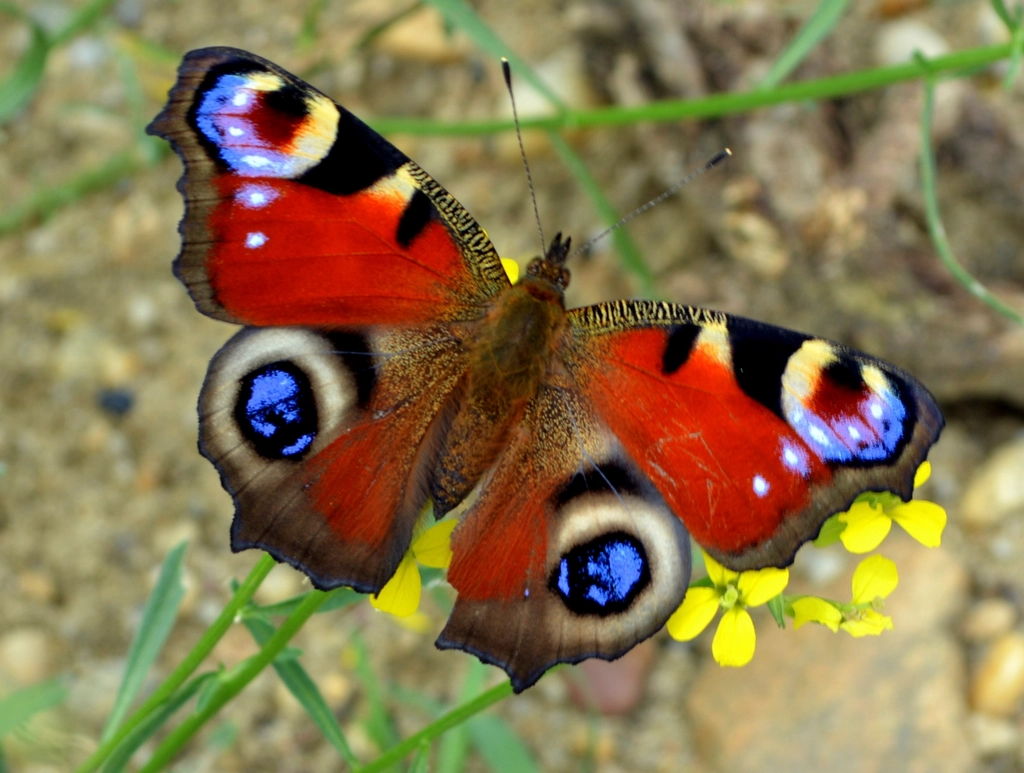 Photo Credit: Rawpixel
In the heart of sun-drenched meadows and lush woodlands, the Peacock Butterfly, or Aglais io, flutters gracefully, captivating all who catch a glimpse of its vibrant colors. With a wingspan that can reach up to three inches, this butterfly is a dazzling spectacle, adorned with striking eye-like patterns that resemble peacock feathers. These patterns not only serve to mesmerize onlookers but also play a crucial role in its survival, helping to confuse predators. As it dances from flower to flower, sipping sweet nectar, the Peacock Butterfly becomes a living jewel in its natural habitat, embodying the beauty and complexity of the world around us.
Scientists and nature enthusiasts alike are drawn to the Peacock Butterfly for its remarkable life cycle and behaviors. Emerging from a tiny egg, which can number up to 500, this butterfly undergoes a transformation that is nothing short of magical. As it flits through gardens and forests, it plays an essential role in pollination, helping plants reproduce and thrive. The Peacock Butterfly’s vibrant presence not only enriches the ecosystem but also serves as a reminder of the delicate balance of life. With each flutter of its wings, it invites us to explore the wonders of nature and appreciate the intricate connections that bind all living things together.
The Peacock Butterfly, known scientifically as Aglais io, occupies a fascinating position in the tree of life. This vibrant insect belongs to the Kingdom Animalia, which includes all animals, and is part of the Phylum Arthropoda, home to creatures with exoskeletons, segmented bodies, and jointed legs. Within the Class Insecta, it shares its space with the vast and diverse world of insects. The Peacock Butterfly is particularly notable for its striking eye-patterned wings, which serve as a clever defense mechanism against predators. These eye spots can startle or confuse potential threats, making it a captivating example of nature’s ingenuity.
| Taxonomic Rank | Scientific Name | Meaning & Significance |
|---|---|---|
| Kingdom | Animalia | This name means “animals” in Latin, highlighting the living organisms that are multicellular and typically capable of movement. |
| Phylum | Arthropoda | Derived from Greek, meaning “jointed feet,” this term refers to the jointed limbs and segmented bodies of creatures like insects, spiders, and crustaceans. |
| Class | Insecta | This classification comes from the Latin word “insectum,” meaning “cut into,” which describes the segmented body structure of insects. |
| Order | Lepidoptera | This name means “scale wings” in Greek, referring to the tiny scales that cover the wings of butterflies and moths, giving them their beautiful colors and patterns. |
| Family | Nymphalidae | The name comes from “nymph,” a term for young butterflies, indicating the family’s diverse and often colorful members. |
| Genus | Aglais | This name is derived from the Greek word for “bright” or “shining,” reflecting the vivid colors of the butterflies in this group. |
| Species | io | The species name is thought to be derived from a character in Greek mythology, symbolizing beauty and transformation. |
Understanding the Peacock Butterfly’s classification reveals much about its evolutionary journey. As a member of the Nymphalidae family, it shares a lineage with many other colorful butterflies, showcasing the adaptive strategies that have evolved over millions of years. The eye spots on its wings not only serve a purpose in survival but also highlight the intricate relationship between form and function in nature. This classification helps us appreciate the rich tapestry of life and the remarkable adaptations that allow species like the Peacock Butterfly to thrive in their environments.
The evolutionary journey of the Peacock Butterfly, scientifically known as Aglais io, stretches back millions of years, intertwining with the rich tapestry of life on Earth. This butterfly belongs to the family Nymphalidae, a diverse group that has adapted to various environments and ecological niches. The story of the Peacock Butterfly is one of transformation, survival, and the intricate dance of natural selection.
The ancestors of the Peacock Butterfly likely emerged during the late Cretaceous period, around 100 million years ago, when flowering plants began to flourish. These early butterflies were simple in form and function, but as they evolved, they developed more complex features. Over time, the Peacock Butterfly’s lineage underwent significant changes, including the development of vibrant coloration and intricate wing patterns. These adaptations not only enhanced their beauty but also played crucial roles in their survival, helping them evade predators and attract mates.
These evolutionary adaptations have been vital for the Peacock Butterfly’s survival. The eye spots on their wings not only serve as a clever defense mechanism but also play a role in courtship displays. Their ability to migrate ensures they can find food and suitable climates, while their diverse diet allows them to thrive in various habitats. Together, these traits have helped the Peacock Butterfly navigate the challenges of its environment, ensuring its place in the natural world for generations to come.
The Peacock Butterfly is a dazzling spectacle of nature, captivating anyone lucky enough to spot it fluttering through gardens and meadows. With a wingspan that can reach up to three inches, this butterfly boasts a body that is both delicate and robust. Its vibrant colors and intricate patterns create a striking visual impression, making it one of the most recognizable butterflies in Europe. The combination of its slender body and broad, rounded wings gives it an elegant appearance, as it dances gracefully from flower to flower.
| Feature | Description |
|---|---|
| Weight | Less than one ounce |
| Skin Type | Skin |
| Most Distinctive Feature | Eyespots on its wings |
| Color | Rich shades of blue, orange, and brown |
| Wingspan | Up to three inches |
The Peacock Butterfly’s vivid colors and striking eyespots serve important purposes in its survival. The eyespots, resembling the eyes of a larger predator, can startle potential threats, giving the butterfly a chance to escape. Meanwhile, its bright hues attract mates and help it blend into the colorful flowers it frequents. Together, these features create a beautiful yet practical design, allowing the Peacock Butterfly to thrive in its environment while enchanting all who encounter it.
The Peacock Butterfly thrives in a variety of enchanting habitats, primarily found in woodlands and gardens. Imagine walking through a sun-dappled forest, where the air is filled with the sweet scent of blooming flowers and the gentle rustle of leaves. Here, the Peacock Butterfly flits gracefully among the vibrant blossoms, showcasing its stunning colors. In gardens, it finds a rich tapestry of nectar-rich plants, making these spaces perfect for feeding and laying eggs.
This butterfly prefers climates that offer a mix of warmth and moisture. It flourishes in areas where the temperature is mild, allowing it to bask in the sun and warm its wings. The presence of flowering plants is crucial, as they provide the nectar that fuels its energetic flights. Additionally, the Peacock Butterfly enjoys habitats that offer shelter from harsh winds and rain, ensuring it can thrive throughout the seasons.
Adaptation is key to the Peacock Butterfly’s success in these environments. Its vibrant colors not only attract mates but also serve as a warning to predators about its potential toxicity. The butterfly’s ability to blend into its surroundings, thanks to its eye-catching patterns, helps it evade danger. By choosing habitats rich in flowers and shelter, the Peacock Butterfly has become a master of survival, perfectly suited to its woodland and garden homes.
The Peacock Butterfly, or Aglais io, leads a life filled with vibrant activity and exploration. As dawn breaks, these butterflies emerge from their resting spots, often found on tree trunks or among the foliage. They bask in the warm sunlight, spreading their wings to soak up the heat. This behavior is crucial, as it helps them warm up their bodies, making them more agile for the day ahead. Throughout the day, they flit from flower to flower, sipping nectar with their long, straw-like tongues. This feeding ritual not only provides them with energy but also plays a vital role in pollinating the plants they visit.
While the Peacock Butterfly is primarily solitary, it does engage in social interactions during specific times, especially when it comes to mating. Males often display their stunning wing patterns to attract females, showcasing the eye-catching “eyes” on their wings. These patterns serve as a signal, communicating their health and vitality. When a female is interested, she may flutter nearby, and the two will engage in a brief courtship dance before mating. This social behavior, though limited, is essential for the continuation of their species, as it ensures genetic diversity.
| Behavior Type | Description |
|---|---|
| Feeding | Peacock Butterflies feed on nectar from flowers, using their long proboscis to reach deep into blossoms. |
| Sunbathing | They bask in the sun to warm their bodies, which is crucial for their activity levels. |
| Mating Displays | Males display their colorful wings to attract females, showcasing their health and fitness. |
| Solitary Behavior | Generally, they are solitary, preferring to explore and feed alone, except during mating. |
These behaviors are not just for show; they are vital for the survival of the Peacock Butterfly. By efficiently feeding on nectar, they gain the energy needed for flight and reproduction. Their sunbathing habits ensure they remain active and agile, ready to evade predators. The courtship displays, while brief, are crucial for finding a mate and ensuring the next generation of these beautiful butterflies. In the intricate dance of life, every action contributes to their survival in the wild.
The Peacock Butterfly, or Aglais io, primarily follows a herbivorous diet, which means it feeds on plant-based materials. This butterfly has a particular fondness for nectar, the sweet liquid produced by flowers, which provides essential sugars for energy. In addition to nectar, it also enjoys sap from trees and honeydew, a sugary substance secreted by aphids. The Peacock Butterfly uses its long, straw-like mouthpart, called a proboscis, to sip these delicious fluids, allowing it to thrive in its environment.
| Dietary Aspect | Details |
|---|---|
| Diet Type | Herbivore |
| Favorite Foods | Nectar, tree sap, honeydew |
| Prey Items | Primarily feeds on plant-based substances |
| Hunting/Foraging Strategies | Uses proboscis to sip nectar and sap from flowers and trees |
This diet plays a crucial role in the ecology of the Peacock Butterfly. By feeding on nectar, it not only sustains itself but also contributes to the pollination of various plants. As it flits from flower to flower, it helps in the reproduction of many species, ensuring the health of its habitat. This daily routine of foraging for food not only fuels its vibrant life but also weaves the Peacock Butterfly into the intricate web of life, highlighting its importance in the ecosystem.
The Peacock Butterfly, known for its stunning colors and eye-catching patterns, has a captivating mating ritual that takes place during the warmer months. As spring arrives, male butterflies engage in a dance of courtship, showcasing their vibrant wings to attract females. This display is not just for show; it helps the females choose the healthiest mates. Once a pair has formed, they will mate, and the female will lay her eggs on the leaves of suitable plants, ensuring that the next generation has plenty of food when they hatch.
| Reproductive Aspect | Details |
|---|---|
| Gestation Period | 10 days for eggs to hatch |
| Litter Size | Varies, typically dozens of eggs |
| Age of Maturity | After period of hibernation |
| Name of Young | Egg |
Once the eggs hatch, the young caterpillars emerge, ready to munch on the leaves around them. These caterpillars, often called larvae, are voracious eaters, growing rapidly as they consume their leafy meals. After a period of feeding and growing, they will enter a stage called pupation, where they transform into chrysalises. This remarkable change is a crucial step in their development. Eventually, they emerge as beautiful adult butterflies, ready to take flight and continue the cycle of life. The Peacock Butterfly’s journey from egg to adult is a testament to the wonders of nature and the intricate processes that sustain it.
The Peacock Butterfly, or Aglais io, plays a vital role in the food web, serving as both a pollinator and a prey species. This colorful insect flits through gardens and woodlands, sipping nectar and helping plants reproduce. However, its vibrant appearance also makes it a target for various predators, highlighting the delicate balance of nature where every creature has its place.
To survive these dangers, the Peacock Butterfly has developed several clever defensive strategies. One of its most effective tactics is its ability to blend into its surroundings, using camouflage to avoid detection by predators. When threatened, it can also display its striking eye spots on its wings, which can startle or confuse attackers. Additionally, the butterfly’s toxic taste, developed during its caterpillar stage from feeding on stinging nettles, discourages many would-be predators from taking a bite. Through these adaptations, the Peacock Butterfly continues to thrive in its enchanting habitats.
A keystone species is an organism that has a disproportionately large impact on its environment relative to its abundance. This means that if it were removed, the ecosystem would change dramatically. The Peacock Butterfly, or Aglais io, is not typically classified as a keystone species, but it does play an important role in its habitat, particularly in woodlands and gardens.
The Peacock Butterfly contributes to its ecosystem primarily through its role as a pollinator. While flitting from flower to flower, it helps plants reproduce by transferring pollen, which is essential for the growth of fruits and seeds. This process supports not only the plants but also the animals that rely on those plants for food. For example, many birds and small mammals depend on the berries and seeds produced by flowering plants, creating a ripple effect throughout the food web.
Additionally, the Peacock Butterfly serves as a food source for various predators, including birds and other insects. Its vibrant colors may serve as a warning to potential predators about its unpalatable taste, a strategy known as aposematism. This not only helps the butterfly survive but also influences the behavior of its predators, shaping the dynamics of the ecosystem.
The presence of the Peacock Butterfly can also indicate the health of its environment. A thriving population suggests a rich diversity of plants and a balanced ecosystem. When these butterflies are abundant, it often means that the habitat is well-maintained and supports a variety of life forms.
If the Peacock Butterfly were to disappear, the effects could be significant. The loss of this butterfly would mean fewer pollinators, leading to a decline in plant reproduction. This could result in fewer fruits and seeds, affecting not only the plants but also the animals that depend on them for food. Over time, the entire ecosystem could become less diverse and less resilient, highlighting the interconnectedness of all living things.
The Peacock Butterfly, or Aglais io, plays a vital role in its ecosystem, acting as both a pollinator and a food source for various animals. By fluttering from flower to flower, it helps plants reproduce by transferring pollen, which is essential for the growth of fruits and seeds. This butterfly thrives in woodlands and gardens, where it finds a rich variety of nectar-producing plants. Its presence not only enhances the beauty of these environments but also supports the intricate web of life that depends on healthy plant populations.
| Ecosystem Service | Impact |
|---|---|
| Pollination | Helps plants reproduce, leading to fruit and seed production. |
| Food Source | Serves as prey for birds and other predators, supporting the food web. |
| Soil Health | Encourages plant diversity, which improves soil quality and stability. |
| Habitat Creation | Contributes to the growth of flowering plants that provide shelter for other species. |
The influence of the Peacock Butterfly extends beyond its immediate actions. For instance, as it feeds on nectar, it not only aids in the reproduction of flowering plants but also encourages a diverse range of flora to thrive. This diversity is crucial because it attracts other wildlife, including birds and small mammals, which rely on these plants for food and shelter. Additionally, the presence of the Peacock Butterfly can indicate a healthy ecosystem, as these butterflies are sensitive to environmental changes. Their vibrant colors and patterns also attract human attention, fostering a greater appreciation for nature and the importance of conservation.
In a broader sense, the Peacock Butterfly exemplifies the interconnectedness of life within ecosystems. By fulfilling its role as a pollinator and a food source, it helps maintain the balance necessary for various species to coexist. The health of the environment is often reflected in the populations of such butterflies, making them important indicators of ecological well-being. Protecting the habitats where these butterflies thrive not only benefits them but also supports countless other organisms, ensuring that our natural world remains vibrant and resilient for generations to come.
In the intricate web of life, symbiosis refers to the close interactions between different species, which can take many forms. These relationships can be mutualistic, where both species benefit, parasitic, where one benefits at the other’s expense, or commensal, where one benefits while the other is neither helped nor harmed. The Peacock Butterfly, known scientifically as Aglais io, engages in various ecological partnerships that highlight the beauty and complexity of nature.
| Species/Type | Relationship Type | Description |
|---|---|---|
| Nectar-producing flowers | Mutualistic | The Peacock Butterfly feeds on the nectar of flowers, helping them to pollinate in return. This means that as the butterfly drinks nectar, it transfers pollen from one flower to another, aiding in plant reproduction. |
| Birds (e.g., sparrows) | Parasitic | While not a direct relationship, the bright colors of the Peacock Butterfly can attract birds that may prey on it. This relationship highlights the risks of being so visually striking in nature. |
| Ants | Commensal | Some species of ants may protect the caterpillars of the Peacock Butterfly from predators in exchange for a sugary substance the caterpillars produce. The ants benefit from the food source, while the caterpillars gain protection. |
These relationships have evolved over time, shaped by the needs and behaviors of the species involved. The mutualistic bond between the Peacock Butterfly and nectar-producing flowers is a prime example of how cooperation can enhance survival for both parties. Meanwhile, the parasitic aspect of predation serves as a reminder of the delicate balance in ecosystems, where beauty can attract danger. Commensal relationships, like that with ants, showcase how different species can coexist and benefit from one another without causing harm. Together, these interactions illustrate the dynamic and interconnected nature of life on Earth, where every species plays a role in the grand tapestry of the ecosystem.
The Peacock Butterfly, known for its stunning beauty and vibrant colors, holds many secrets that make it a true marvel of nature. Here are some surprising facts that will surely captivate nature enthusiasts of all ages.
The Peacock Butterfly, or Aglais io, has long captured the imagination of humans, weaving its way into our history and culture. In ancient times, these butterflies were often seen as symbols of beauty and transformation, inspiring artists and poets alike. Their striking eye-patterned wings, resembling the eyes of a peacock, have made them a favorite subject in folklore and art. Many cultures viewed them as omens of good fortune or as messengers from the spirit world, reflecting humanity’s deep connection to the natural world.
Today, our interactions with the Peacock Butterfly are more complex. While many people appreciate their beauty and role in pollination, habitat loss and climate change pose significant threats to their populations. Conservation efforts are underway to protect their habitats, particularly in urban areas where gardens can serve as vital refuges. However, conflicts can arise when agricultural practices disrupt their breeding grounds. Unlike domesticated animals, the Peacock Butterfly remains wild and free, reminding us of the delicate balance we must maintain with nature.
As we look to the future, the relationship between humans and the Peacock Butterfly holds both promise and challenge. By fostering a greater understanding of their ecological role and the threats they face, we can work together to create environments where these stunning insects can flourish. Our actions today will shape the world for future generations, ensuring that the vibrant colors of the Peacock Butterfly continue to grace our gardens and wild spaces for years to come.
The Peacock Butterfly, scientifically known as Aglais io, currently holds a conservation status of “Least Concern” according to the International Union for Conservation of Nature (IUCN). This means that, at present, the species is not facing an immediate threat of extinction. Population trends indicate that while the Peacock Butterfly is generally stable, local fluctuations can occur due to environmental changes.
| Conservation Factor | Status/Details |
|---|---|
| IUCN Status | Least Concern |
| Population Estimates | Stable, but varies by region |
| Trend Direction | Generally stable |
The main threats to the Peacock Butterfly include habitat loss and climate change. As urban areas expand and natural habitats are converted for agriculture or development, the spaces where these butterflies thrive are diminished. Additionally, climate change can disrupt their life cycles and migration patterns, making it harder for them to find food and suitable breeding grounds.
Conservation efforts are underway to protect the habitats of the Peacock Butterfly and ensure its continued survival. Initiatives include creating butterfly-friendly gardens and preserving natural areas where these insects can flourish. With ongoing awareness and action, the outlook for the Peacock Butterfly remains positive, allowing future generations to enjoy the beauty of this vibrant species.
| Question | Answer |
|---|---|
| What is the natural habitat of the Peacock Butterfly? | The Peacock Butterfly is commonly found in woodlands and gardens. These environments provide the flowers and plants it needs for feeding and laying eggs. |
| What does the Peacock Butterfly eat? | This butterfly is an herbivore, meaning it primarily feeds on nectar from flowers. It enjoys a variety of plants, including nettles, which are also where it lays its eggs. |
| How does the Peacock Butterfly behave? | Peacock Butterflies are known for their vibrant colors and distinctive eyespots on their wings. These eyespots can confuse predators, making the butterfly look larger and more intimidating. |
| How do Peacock Butterflies reproduce? | During the mating season, male Peacock Butterflies attract females with their bright colors and fluttering flight. After mating, females lay their eggs on the underside of leaves, providing protection for the developing caterpillars. |
| What threats do Peacock Butterflies face? | While the Peacock Butterfly is currently classified as Least Concern, it still faces threats from habitat loss and climate change. Pesticides and pollution can also harm their populations by reducing food sources. |
| What is a unique characteristic of the Peacock Butterfly? | One of the most distinctive features of the Peacock Butterfly is the large, colorful eyespots on its wings. These spots not only add to its beauty but also serve as a defense mechanism against predators. |
| When is the best time to see Peacock Butterflies? | Peacock Butterflies are most commonly seen during the warmer months, especially in spring and early summer. They are often spotted basking in the sun or fluttering around flowers. |