Taxonomy & Classification
- Kingdom
- Animalia
- Phylum
- Chordata
- Class
- Aves
- Order
- Galliformes
- Family
- Phasianidae
- Genus
- Pavo

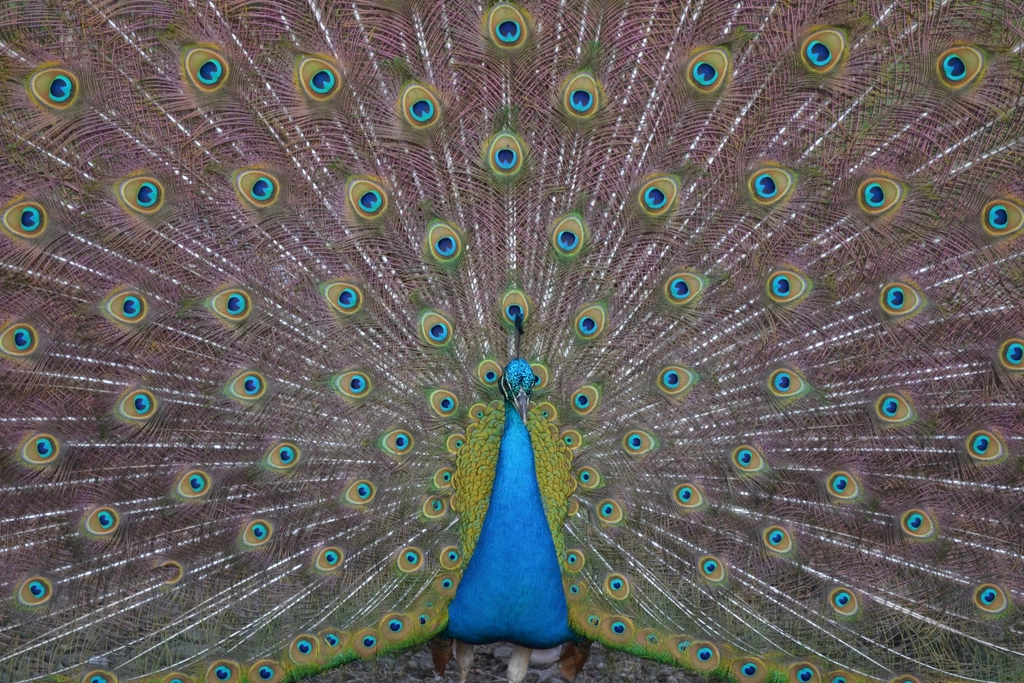 Photo Credit: Rawpixel
In the heart of the Indian subcontinent, the peacock, scientifically known as Pavo cristatus, struts through its sunlit domain, a living canvas of iridescent colors. With its long, flowing tail feathers, or “train,” that can stretch up to six feet, this bird transforms the landscape into a vibrant spectacle. As the sun glimmers off its plumage, shades of blue, green, and gold dance in the light, captivating anyone lucky enough to witness its courtship display. This dazzling performance is not just for show; it plays a crucial role in attracting mates and showcasing the peacock’s health and vitality.
Peacocks are more than just a pretty sight; they are a fascinating blend of beauty and biology. These omnivores, meaning they eat both plants and animals, roam through open savannas and arid deserts, foraging for seeds, insects, and small creatures. Their keen eyesight helps them spot food hidden among the grasses, while their striking colors serve as both a warning to predators and a lure for potential mates. Scientists and nature enthusiasts alike are drawn to the peacock not only for its stunning appearance but also for its role in the ecosystem, where it helps control insect populations and contributes to the intricate web of life. As we explore the world of the peacock, we will uncover the secrets behind its beauty, behavior, and the vital role it plays in nature.
The peacock, with its dazzling plumage and striking courtship displays, occupies a special place in the tree of life. Scientifically classified within the kingdom Animalia, the phylum Chordata, and the class Aves, this bird belongs to the order Galliformes, which includes other ground-dwelling birds like chickens and turkeys. What sets peacocks apart is their vibrant tail feathers, or “train,” which can span up to six feet long and are adorned with iridescent eye spots. These feathers are not just for show; they play a crucial role in attracting mates, showcasing the peacock’s health and vitality.
| Taxonomic Rank | Scientific Name | Meaning & Significance |
|---|---|---|
| Kingdom | Animalia | This name signifies that peacocks are part of the vast group of multicellular organisms that are primarily heterotrophic, meaning they consume other organisms for energy. |
| Phylum | Chordata | Chordata refers to animals that have a notochord, a flexible rod that supports the body. In peacocks, this structure is present during their early development. |
| Class | Aves | Aves is the class that includes all birds. The name comes from the Latin word for bird, highlighting their unique adaptations for flight, such as feathers and hollow bones. |
| Order | Galliformes | This order includes ground-feeding birds. The name is derived from the Latin word “gallus,” meaning rooster, emphasizing their connection to domesticated birds. |
| Family | Phasianidae | Phasianidae includes pheasants and their relatives. The name comes from “Phasianus,” a genus of birds known for their colorful plumage and ground-dwelling habits. |
| Genus | Pavo | Pavo is Latin for peacock, directly referencing the bird’s stunning appearance and its role in various cultures as a symbol of beauty and pride. |
Understanding the peacock’s classification reveals much about its evolutionary journey. As a member of the Galliformes order, peacocks share a lineage with other birds that have adapted to life on the ground, yet their spectacular feathers and courtship rituals set them apart. This unique combination of traits illustrates how evolution shapes species in response to their environments and social structures. The peacock’s vibrant display is not just a feast for the eyes; it is a testament to the intricate dance of survival and reproduction that has unfolded over millions of years.
The evolutionary journey of the peacock is a vibrant tale that stretches back millions of years. These stunning birds belong to the genus Pavo and are part of the family Phasianidae, which includes other game birds like pheasants and quails. The ancestors of modern peacocks roamed the Earth during the late Eocene epoch, around 34 to 56 million years ago. Over time, they adapted to their environments, leading to the spectacular forms we see today.
The early ancestors of peacocks were likely smaller and less colorful than their modern descendants. As they evolved, they began to develop larger bodies and more elaborate feathers. This transformation was driven by sexual selection, a process where certain traits become more pronounced because they attract mates. The extravagant tail feathers, or “train,” of the male peacock, which can span up to six feet, are a prime example of this. These feathers are not just for show; they play a crucial role in courtship displays, helping males attract females during the breeding season.
The adaptations of the peacock have been essential for its survival and reproduction. The dazzling plumage not only attracts mates but also serves as a deterrent to rivals. The large tail, while cumbersome, showcases the male’s vitality, making him more appealing to females. Vocalizations help maintain social structures and alert the flock to danger. Lastly, their adaptability allows peacocks to flourish in diverse habitats, ensuring their continued presence in the natural world. Through these evolutionary changes, peacocks have become symbols of beauty and resilience, captivating the hearts of many.
The peacock is a living masterpiece, a bird that captures the imagination with its flamboyant appearance and graceful movements. With a body that can weigh between 2.7 to 6 kilograms, or about 6 to 13.2 pounds, it boasts a robust structure that supports its extravagant tail feathers. The peacock’s body is adorned with iridescent feathers that shimmer in shades of blue, green, and gold, creating a breathtaking display that can be seen from afar. Its long neck and elegant stance add to its regal presence, making it a true symbol of beauty in the animal kingdom.
| Feature | Description |
|---|---|
| Size | Weight ranges from 2.7 kg to 6 kg (6 lbs to 13.2 lbs) |
| Color | Iridescent feathers in shades of blue, green, and gold |
| Skin Type | Covered in soft, colorful feathers |
The peacock’s stunning features are not just for show; they play a crucial role in its survival. The vibrant colors and elaborate tail feathers are primarily used during courtship displays to attract mates. Males fan out their tails, showcasing the eye-catching patterns that signal health and vitality to potential partners. This dazzling display can also serve as a deterrent against predators, as the peacock’s striking appearance can confuse or startle them. In the wild, beauty and survival are intricately linked, and the peacock exemplifies this connection beautifully.
The peacock thrives in a variety of habitats, primarily favoring open landscapes that allow it to showcase its stunning feathers. Picture vast savannas and arid deserts, where the sun casts a golden hue over the land. These birds are often found wandering through grasslands dotted with shrubs and trees, which provide both shelter and a place to forage for food. Their vibrant colors stand out against the earthy tones of their surroundings, making them a spectacular sight in the wild.
Peacocks prefer climates that are warm and dry, which is why they are often found in regions with low rainfall. They thrive in temperatures that can soar during the day but cool down at night. These birds are well-suited to environments where they can easily find food, such as seeds, fruits, and insects. The open spaces of savannas and deserts allow them to roam freely, while the occasional tree or bush offers a refuge from the heat and a place to nest.
Adaptation is key to the peacock’s survival in these habitats. Their long, colorful tail feathers, known as a train, not only attract mates but also help them blend into the dappled light of their surroundings. This camouflage is essential for avoiding predators. Additionally, their strong legs allow them to run swiftly across the open ground, while their ability to fly short distances helps them escape danger when necessary. These adaptations make the peacock a true marvel of nature, perfectly suited to its environment.
As the sun rises, the peacock begins its day with a series of activities that showcase its vibrant personality. These birds are primarily solitary, often wandering through their territory in search of food. Their diet consists of seeds, fruits, insects, and small reptiles, which they forage for among the underbrush. Throughout the day, peacocks engage in preening, a behavior where they meticulously clean their feathers to keep them in top condition. This not only helps maintain their stunning appearance but also ensures their feathers remain functional for flight and display.
Socially, peacocks are intriguing creatures. While they may be solitary in their daily routines, they do come together during the breeding season. Males display their magnificent tail feathers, known as a train, to attract females. This courtship ritual is a spectacular sight, as the peacock fans out its colorful plumage, shimmering in the sunlight. The social dynamics can be quite competitive, with males often engaging in displays of strength and beauty to win the attention of potential mates. Communication among peacocks includes a variety of calls and body language, which help them establish territory and signal their presence to others.
| Behavior Type | Description |
|---|---|
| Foraging | Peacocks search for seeds, fruits, and insects, using their keen eyesight to spot food in their environment. |
| Preening | They clean their feathers regularly to maintain their vibrant colors and ensure they can fly effectively. |
| Courtship Displays | During mating season, males fan out their colorful tail feathers to attract females, showcasing their health and vitality. |
| Vocal Communication | Peacocks use a range of calls to communicate with each other, signaling territory and attracting mates. |
| Territorial Behavior | Males establish and defend territories, often engaging in displays to assert dominance over rivals. |
These behaviors are not just for show; they play a crucial role in the survival of peacocks. By foraging effectively, they ensure they have the energy needed for their vibrant displays and daily activities. The courtship rituals help maintain genetic diversity within the population, while their territorial instincts protect them from potential threats. In the wild, every action contributes to their overall fitness, allowing these stunning birds to thrive in their habitats.
Peacocks are omnivores, which means they enjoy a varied diet that includes both plants and animals. These colorful birds primarily forage on the ground, using their keen eyesight to spot food. They are known to peck at the soil and leaf litter, searching for tasty morsels. Their diet consists of grains, seeds, and insects, making them adaptable eaters that can thrive in different environments.
| Dietary Aspect | Details |
|---|---|
| Diet Type | Omnivore |
| Favorite Foods | Grains, seeds |
| Prey Items | Insects |
| Hunting/Foraging Strategies | Foraging on the ground, pecking at soil and leaf litter |
This diverse diet plays a crucial role in the peacock’s ecology and daily routine. By consuming a mix of plant and animal matter, peacocks help control insect populations while also dispersing seeds through their droppings. Their foraging behavior not only sustains them but also contributes to the health of their habitat, making them important players in their ecosystems. As they search for food, peacocks also engage in social interactions, showcasing their vibrant feathers and vocalizations, which adds to the lively atmosphere of their surroundings.
When it comes to reproduction, peacocks are known for their elaborate courtship rituals. The breeding season typically occurs during the warmer months, when males display their stunning tail feathers, or “train,” to attract females. This display is not just for show; it’s a way for males to demonstrate their health and genetic fitness. The more vibrant and larger the train, the more appealing the male is to potential mates. Females, or peahens, carefully choose their partners based on these displays, ensuring that they select the best genes for their offspring.
| Reproductive Aspect | Details |
|---|---|
| Gestation Period | 28 to 30 days |
| Litter Size | 3 to 6 eggs |
| Age of Maturity | 2 to 3 years |
| Name of Young | Peachicks |
Once the eggs are laid, the peahen takes on the role of a dedicated parent. She incubates the eggs for about 28 to 30 days, keeping them warm and safe. After hatching, the peachicks are precocial, meaning they are relatively mature and mobile right away. They can walk and forage for food almost immediately, but they still rely on their mother for protection and guidance. As they grow, the young birds develop their own beautiful feathers, eventually transforming into the striking adults we admire. This nurturing phase is crucial, as it helps ensure that the next generation of peacocks is ready to thrive in their environment.
Peacocks play a fascinating role in the food web, primarily as prey for various predators while also being a part of the ecosystem that helps control insect populations. Their vibrant colors and elaborate displays may attract mates, but they can also draw the attention of hungry animals. In the wild, peacocks must navigate a landscape filled with dangers, balancing their need to forage and display with the constant threat of being hunted.
To survive these threats, peacocks have developed several clever defensive behaviors. When they sense danger, they often freeze in place, blending into their surroundings with their colorful feathers. This camouflage can make it hard for predators to spot them. Additionally, peacocks are known for their loud calls, which can alert other birds to potential threats. When cornered, they can take flight, using their strong wings to escape to safety. Their ability to adapt and respond to danger is key to their survival in the wild.
A keystone species is a vital part of its ecosystem, meaning its presence and activities have a significant impact on the environment and other living things. The peacock, with its striking beauty and unique behaviors, does play a keystone role in its habitat, particularly in desert and savanna areas. By influencing the populations of other species and contributing to the overall health of its ecosystem, the peacock helps maintain a balance that supports a variety of life.
Peacocks are omnivores, which means they eat both plants and animals. This diverse diet allows them to help control insect populations, as they consume a variety of insects and small creatures. By keeping these populations in check, peacocks contribute to the health of the vegetation in their habitats. Additionally, their foraging behavior can help disperse seeds, promoting plant growth and diversity. This is especially important in arid environments where every plant plays a role in supporting other wildlife.
Moreover, peacocks serve as prey for larger predators, such as foxes and birds of prey. Their presence in the food web is crucial, as it provides a food source for these animals. The loss of peacocks could lead to an increase in insect populations and a decline in plant health, which would ultimately affect the entire ecosystem. Their vibrant plumage also attracts attention, making them important for ecotourism and local economies, which rely on the natural beauty of wildlife.
If peacocks were to disappear from their ecosystems, the consequences would be significant. Without these birds, insect populations could surge, leading to overgrazing of plants and a decline in vegetation health. This would not only affect the plants but also the animals that rely on them for food and shelter. The balance of the ecosystem would be disrupted, potentially leading to a decline in biodiversity. In essence, the peacock is not just a beautiful bird; it is a crucial player in the intricate web of life that sustains its environment.
The peacock, with its stunning feathers and captivating displays, plays a crucial role in its ecosystem. Found primarily in desert and savanna areas, this bird occupies an ecological niche that allows it to influence its surroundings in various ways. As an omnivore, the peacock forages for a diverse diet, which includes seeds, fruits, insects, and small animals. This feeding behavior not only sustains the peacock but also helps maintain the balance of plant and animal populations in its habitat.
| Ecosystem Service | Impact |
|---|---|
| Seed Dispersal | Peacocks help spread seeds through their droppings, promoting plant growth and diversity. |
| Pest Control | By eating insects and small animals, peacocks help control pest populations, benefiting other wildlife. |
| Soil Aeration | Their foraging behavior disturbs the soil, which can improve nutrient cycling and soil health. |
In their quest for food, peacocks contribute to their ecosystem in several specific ways. For instance, as they forage for seeds and insects, they inadvertently help with seed dispersal. When they consume fruits, the seeds pass through their digestive system and are deposited elsewhere, allowing new plants to grow in different locations. This process enhances plant diversity, which is vital for a healthy ecosystem. Additionally, by preying on insects, peacocks help keep pest populations in check, which can prevent outbreaks that might harm other species.
The broader ecological importance of peacocks cannot be overstated. As a keystone species, their presence supports a variety of other organisms in their habitat. By influencing plant growth and controlling insect populations, peacocks help create a balanced environment where many species can thrive. Their vibrant displays and behaviors also attract attention, fostering a connection between humans and the natural world. In this way, peacocks are not just beautiful birds; they are essential players in the intricate web of life that sustains their ecosystems.
In the intricate web of life, symbiosis refers to the close and often long-term interactions between different species. These relationships can take many forms, including mutualism, where both species benefit, parasitism, where one benefits at the expense of the other, and commensalism, where one benefits while the other is neither helped nor harmed. Peacocks, with their vibrant feathers and striking presence, engage in various ecological partnerships that highlight the interconnectedness of nature.
| Species/Type | Relationship Type | Description |
|---|---|---|
| Small mammals (like rodents) | Mutualistic | Peacocks help control insect populations, while small mammals may benefit from the seeds and grains disturbed by the peacocks’ foraging. |
| Ticks and other parasites | Parasitic | Ticks feed on the blood of peacocks, which can weaken the birds and lead to health issues. |
| Birds (like oxpeckers) | Commensal | Oxpeckers often perch on peacocks, feeding on ticks and parasites without harming the peacocks. |
These relationships have evolved over time, shaped by the needs and behaviors of the species involved. Mutualistic interactions, like those between peacocks and small mammals, enhance the survival of both parties, while parasitic relationships can challenge the health of the peacock. Commensal relationships, such as those with oxpeckers, illustrate how different species can coexist, with one benefiting without affecting the other. Understanding these connections helps us appreciate the delicate balance of ecosystems and the roles each species plays in maintaining it.
Peacocks are not just beautiful birds; they are full of surprises that reveal the wonders of nature. Here are some intriguing facts that showcase their extraordinary traits and behaviors.
Throughout history, peacocks have captivated human imagination and culture. These magnificent birds, with their vibrant plumage and elaborate courtship displays, have been symbols of beauty, pride, and even immortality in various cultures. In ancient India, the peacock is revered as the national bird and is often associated with the goddess Saraswati, representing wisdom and learning. In many cultures, their feathers have been used in art, fashion, and decoration, showcasing the deep connection between these birds and human creativity. From ancient mosaics to modern fashion runways, the peacock’s striking appearance has left an indelible mark on human culture.
Today, the relationship between peacocks and humanity is multifaceted, involving conservation efforts, conflicts, and even domestication. As urban areas expand, peacocks often find themselves in conflict with humans, especially when they wander into gardens or farms, where they can cause damage. However, many communities are working to protect these birds, recognizing their ecological importance and beauty. In some regions, peacocks are domesticated for their ornamental value, kept in backyards and parks, where they continue to enchant people with their displays. Conservationists are also focused on preserving their natural habitats, ensuring that these stunning birds can thrive in the wild.
As we look to the future, the relationship between peacocks and humanity will likely continue to evolve. With increasing awareness of environmental issues, more people are recognizing the need to coexist peacefully with these beautiful birds. By fostering understanding and respect for their role in ecosystems, we can ensure that peacocks remain a vibrant part of our world. Whether through conservation efforts or simply enjoying their beauty in our gardens, the bond between peacocks and humans can flourish, enriching our lives and the natural environment.
The conservation status of the peacock is currently classified as “Least Concern” by the International Union for Conservation of Nature (IUCN). This means that, at present, peacocks are not facing an immediate threat of extinction. Their populations are stable, and they are found in various regions across their native habitats. However, ongoing monitoring is essential to ensure that their numbers remain healthy and that they continue to thrive in the wild.
| Conservation Factor | Status/Details |
|---|---|
| IUCN Status | Least Concern |
| Population Estimates | Stable, with millions in the wild |
| Trend Direction | Stable |
Despite their current stable status, peacocks face several threats that could impact their future. Habitat loss is a significant concern, as urban development and agricultural expansion encroach on their natural environments. Additionally, hunting and poaching for their beautiful feathers can pose risks, especially in areas where they are considered a delicacy or a status symbol. Climate change also threatens their habitats, altering the ecosystems they depend on for food and shelter.
Conservation efforts are underway to protect peacocks and their habitats. Many organizations are working to raise awareness about the importance of preserving these stunning birds and their ecosystems. Protected areas and wildlife reserves play a crucial role in safeguarding their populations. As long as these efforts continue, the outlook for peacocks remains positive, allowing future generations to enjoy their beauty and grace in the wild.
| Question | Answer |
|---|---|
| Where do peacocks live? | Peacocks are commonly found in desert and savanna areas. They thrive in warm climates and are often seen in open grasslands, where they can easily spot predators. |
| What do peacocks eat? | Peacocks are omnivores, which means they eat both plants and animals. Their diet includes seeds, fruits, insects, and small reptiles, allowing them to adapt to various food sources in their habitat. |
| How do peacocks behave? | Peacocks are known for their vibrant displays and social behavior. Males often fan out their stunning tail feathers to attract females, showcasing their colorful plumage in a dazzling courtship dance. |
| How do peacocks reproduce? | During mating season, male peacocks perform elaborate displays to attract females. After mating, the female lays a clutch of eggs, usually around 3 to 5, which she incubates until they hatch. |
| What threats do peacocks face? | While peacocks are currently listed as Least Concern, they still face threats from habitat loss and hunting. Predators like big cats and birds of prey can also pose risks to their young. |
| What are some interesting characteristics of peacocks? | One of the most fascinating features of peacocks is their iridescent tail feathers, which can be over 5 feet long! These feathers are not only beautiful but also play a crucial role in attracting mates. |
| Can peacocks fly? | Yes, peacocks can fly, but not for long distances. They typically fly to escape predators or to roost in trees at night, using their strong wings to lift their heavy bodies. |