Taxonomy & Classification
- Kingdom
- Animalia
- Phylum
- Chordata
- Class
- Mammalia
- Order
- Carnivora
- Family
- Canidae
- Genus
- Canis
- Species
- Canis lupus

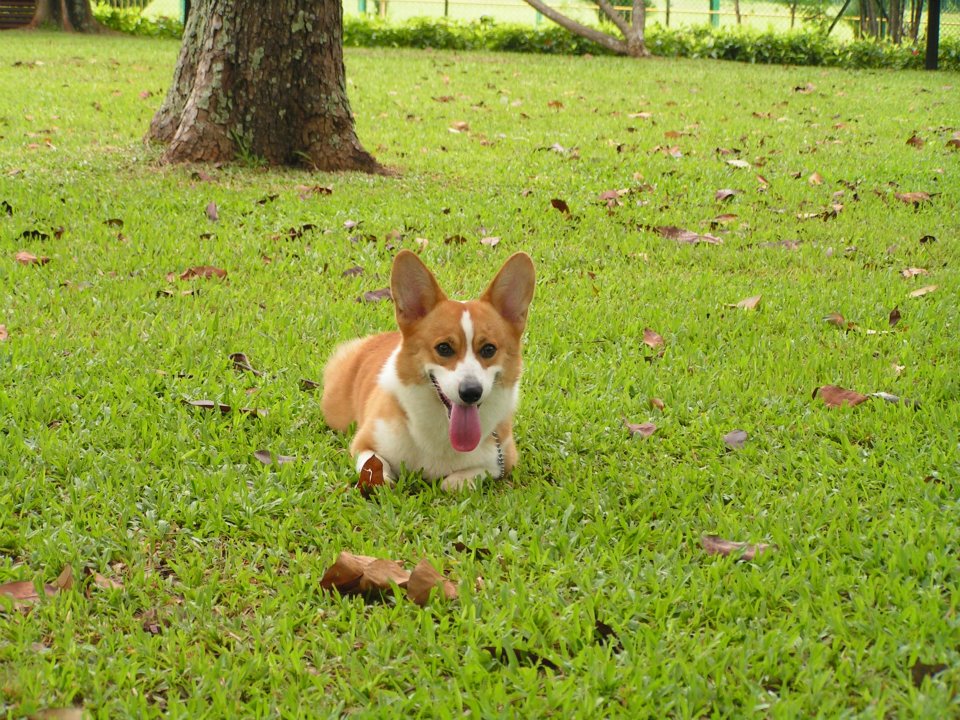 Photo Credit: Corgidino / Wikimedia Commons
In the rolling hills of Wales, where the lush green fields stretch as far as the eye can see, the Pembroke Welsh Corgi, or Canis lupus familiaris, prances with a joyful spirit. With its short legs and long body, this delightful breed captures the hearts of all who encounter it. Its large, expressive ears stand tall, ready to catch every sound, while its bright, intelligent eyes sparkle with mischief and curiosity. The Pembroke Welsh Corgi is not just a charming companion; it is a breed steeped in history and purpose, originally bred to herd cattle and assist farmers in managing their livestock.
What makes the Pembroke Welsh Corgi particularly captivating to scientists and nature enthusiasts alike is its unique blend of physical traits and personality. Standing at just 10 to 12 inches tall, these dogs are surprisingly agile, darting through meadows and exploring their surroundings with boundless energy. Their playful nature and affectionate demeanor make them beloved family pets, while their keen intelligence allows them to learn commands and tricks with ease. As we delve deeper into the world of the Pembroke Welsh Corgi, we will uncover the secrets of its evolutionary history, its role in human society, and the fascinating behaviors that make this breed a true gem in the canine kingdom.
The Pembroke Welsh Corgi holds a special place in the animal kingdom, nestled within the vast tree of life. This charming breed is classified under the Kingdom Animalia, which includes all animals, and it belongs to the Phylum Chordata, meaning it has a backbone. As a member of the Class Mammalia, the Corgi shares traits with all mammals, such as being warm-blooded and having fur. What sets the Pembroke Welsh Corgi apart is its lineage within the Order Carnivora, which includes meat-eating animals, and the Family Canidae, the group that encompasses dogs, wolves, and foxes. This classification highlights not only its physical characteristics but also its behavioral traits, such as loyalty and playfulness, which are hallmarks of canines.
| Taxonomic Rank | Scientific Name | Meaning & Significance |
|---|---|---|
| Kingdom | Animalia | The name means “animals” in Latin, representing all multicellular organisms that are heterotrophic, meaning they consume organic material for energy. |
| Phylum | Chordata | This term comes from the Latin word “chorda,” meaning “string” or “cord,” referring to the notochord, a flexible rod that supports the body in the early stages of development. |
| Class | Mammalia | Derived from the Latin “mamma,” meaning “breast,” this class includes all animals that nurse their young with milk, a key feature of mammals. |
| Order | Carnivora | This name comes from the Latin “carnivorus,” meaning “meat-eating,” which reflects the dietary habits of many members of this group, including the Corgi’s ancestors. |
| Family | Canidae | From the Latin “canis,” meaning “dog,” this family includes all dog-like mammals, emphasizing the Corgi’s close relationship with other canines. |
| Genus | Canis | This genus name also comes from the Latin word for “dog,” highlighting the Pembroke Welsh Corgi’s place within the broader dog family. |
Understanding the Pembroke Welsh Corgi’s taxonomic classification reveals much about its evolutionary history. As a member of the Canidae family, the Corgi shares a common ancestor with wolves and foxes, showcasing traits that have been honed over thousands of years. This lineage not only explains its playful and social nature but also its keen instincts and intelligence. The Corgi’s unique position in the animal kingdom reflects a blend of adaptability and companionship, making it a beloved pet and a fascinating subject of study in the world of animal evolution.
The Pembroke Welsh Corgi has a rich evolutionary history that stretches back several centuries. This breed, known for its short legs and lively personality, is believed to have originated in Wales around the 10th century. Its ancestors were likely brought to the British Isles by Flemish weavers, who valued them for their herding abilities. Over time, these small yet sturdy dogs adapted to their environment, evolving into the beloved companions we know today.
The Corgi’s evolutionary journey began with its ancestors, the herding dogs of Europe. These early canines were bred for their intelligence and agility, traits that made them excellent at managing livestock. As they adapted to the rugged Welsh landscape, they developed a low stature, which helped them navigate through dense brush and avoid being kicked by larger animals. This adaptation was crucial for their role as herders, allowing them to nip at the heels of cattle while remaining safe from harm.
The adaptations of the Pembroke Welsh Corgi have played a vital role in its survival and popularity. Their short legs and agile bodies make them well-suited for herding, while their intelligence and strong work ethic ensure they can learn and perform various tasks. Additionally, their friendly nature allows them to bond with humans and other animals, making them cherished companions. As a result, the Corgi has not only survived but thrived, capturing the hearts of dog lovers around the world.
The Pembroke Welsh Corgi is a delightful bundle of energy and charm, standing proudly at a height of just 10 to 12 inches. With a low-set body that seems to hug the ground, this breed exudes a sense of playfulness and agility. Their large, erect ears perk up with curiosity, giving them an alert and expressive appearance. The stubby tail adds to their endearing look, making them instantly recognizable. This compact form is not just for show; it reflects a history of herding and working alongside humans, showcasing their ability to navigate through fields and around livestock with ease.
| Feature | Description |
|---|---|
| Height | 10-12 inches |
| Weight | 22-30 lbs |
| Skin Type | Hair |
| Most Distinctive Feature | Low-set body, large erect ears, and stubby tail |
The Pembroke Welsh Corgi’s physical features are not just charming; they serve important purposes in their daily lives. Their low-set body allows them to maneuver easily in tight spaces, which is essential for herding tasks. The large ears help them pick up sounds from afar, making them excellent at alerting their owners to any changes in their environment. Meanwhile, the stubby tail, while cute, is a remnant of their working past, often used for communication with other dogs. Together, these traits create a breed that is not only visually appealing but also well-equipped for its roles in both companionship and work.
The Pembroke Welsh Corgi calls the lush, rolling hills of Wales its home. This breed thrives in picturesque landscapes dotted with farms, meadows, and woodlands. Imagine a scene where vibrant green fields stretch as far as the eye can see, and the gentle sound of sheep bleating fills the air. Corgis were originally bred to herd cattle, so they are perfectly suited to these pastoral settings, where they can run and play to their heart’s content.
Corgis enjoy a temperate climate, which means they thrive in areas that experience mild summers and cool winters. They are quite adaptable, but they prefer environments that are not too extreme. A moderate climate allows them to engage in their playful antics without overheating or getting too cold. The lush greenery of their native habitat also provides plenty of opportunities for exercise and exploration, which is essential for their energetic nature.
Over time, Pembroke Welsh Corgis have adapted beautifully to their surroundings. Their short legs and sturdy bodies make them agile and quick, perfect for darting through fields and herding livestock. Their double coat, which consists of a soft underlayer and a tougher outer layer, helps them stay warm during chilly Welsh winters while also keeping them cool in the summer. This clever design allows them to enjoy their home environment, whether they are frolicking in the grass or keeping watch over their territory.
The daily life of a Pembroke Welsh Corgi is a delightful mix of play, exploration, and companionship. These spirited dogs wake up with the sun, ready to greet the day with enthusiasm. Their mornings often begin with a brisk walk, where they can sniff out the world around them. Corgis are known for their playful nature, so after their morning exercise, they might engage in a game of fetch or chase with their favorite toys. Throughout the day, they enjoy short bursts of activity, interspersed with cozy naps, as they recharge for more fun.
Social behavior is a key aspect of a Pembroke Welsh Corgi’s life. These dogs thrive on interaction, whether with their human families or other pets. They are known for their friendly and outgoing personalities, often forming strong bonds with their owners. Corgis are also quite vocal, using a range of barks and yips to communicate their feelings and needs. In a group setting, they display a clear social structure, often taking on roles that reflect their personalities. Some may be the playful instigators, while others might prefer to observe and join in when the time is right.
| Behavior Type | Description |
|---|---|
| Activity Patterns | Pembroke Welsh Corgis enjoy short bursts of play followed by rest, balancing energy with relaxation. |
| Social Structure | They thrive in social settings, forming strong bonds with humans and other pets, often taking on distinct roles. |
| Communication Methods | Corgis use a variety of barks, yips, and body language to express their emotions and needs. |
The behaviors of Pembroke Welsh Corgis are not just charming; they play a vital role in their survival and happiness. Their social nature helps them build strong connections, which can be crucial for emotional well-being. By communicating effectively with their families and peers, they ensure their needs are met, whether it’s for playtime, food, or affection. This blend of activity and social interaction keeps them healthy and engaged, allowing them to thrive in their environments.
The Pembroke Welsh Corgi is an omnivore, which means it enjoys a varied diet that includes both plant and animal foods. This breed has a hearty appetite and thrives on a balanced mix of proteins, carbohydrates, and fats. Corgis are known for their playful and energetic nature, so their diet is essential for maintaining their lively spirit. They often obtain their food through their human companions, who provide them with specially formulated dog food, treats, and sometimes even table scraps.
| Dietary Aspect | Details |
|---|---|
| Diet Type | Omnivore |
| Favorite Foods | High-quality dog food, vegetables, and occasional fruits |
| Prey Items | Small animals like rodents, if they were to hunt |
| Hunting/Foraging Strategies | Primarily relies on humans for food; natural instincts may lead to chasing small animals |
This diverse diet not only fuels the Pembroke Welsh Corgi’s playful antics but also plays a crucial role in its overall health and well-being. By consuming a mix of nutrients, these dogs maintain their energy levels for daily activities, from herding livestock to enjoying a game of fetch. Their feeding habits shape their interactions with the environment and their human families, making them not just pets but active participants in the household.
When it comes to mating, Pembroke Welsh Corgis exhibit some interesting behaviors. The breeding season typically occurs in the spring and early summer, when the days are longer and warmer. During this time, female Corgis go into heat, a period when they are fertile and can conceive. Males, with their keen sense of smell, can detect a female in heat from quite a distance. Courtship involves playful interactions, where the male may show off his agility and charm to win over the female. Once they mate, the journey of creating new life begins.
| Reproductive Aspect | Details |
|---|---|
| Gestation Period | Approximately 63 days |
| Litter Size | Usually 4 to 6 puppies |
| Age of Maturity | About 6 to 12 months |
| Name of Young | Puppies |
After the puppies are born, the mother Corgi takes on the vital role of caregiver. She provides warmth, nourishment, and protection to her young. The puppies are born blind and deaf, relying entirely on their mother for survival. As they grow, they begin to open their eyes and ears, exploring their surroundings with curiosity. The mother teaches them essential skills, such as socializing with other dogs and understanding their environment. By the time they reach maturity, these playful pups are ready to embark on their own adventures, carrying the spirit of their breed into the world.
The Pembroke Welsh Corgi, with its playful spirit and charming appearance, occupies a unique position in the food web. While these dogs are beloved companions to humans, they are also small enough to be vulnerable to various predators. In the wild, their size and energy can attract attention from larger animals, making them cautious and alert in their surroundings.
To defend themselves against these threats, Pembroke Welsh Corgis rely on a combination of instinct and learned behaviors. Their keen senses help them detect danger, while their quick reflexes allow them to escape if needed. Additionally, Corgis are known for their vocal nature, often barking to alert their owners of any potential threats. This breed also has a strong pack mentality, which means they feel safer when they are with their human family, using their loyalty and intelligence to navigate the challenges of their environment.
A keystone species is an organism that plays a crucial role in maintaining the structure of its ecosystem. This means that its presence or absence can significantly impact the environment and other species within it. While the Pembroke Welsh Corgi is a beloved companion animal, it does not qualify as a keystone species. Instead, it is primarily a domesticated breed that thrives alongside humans, rather than influencing the broader ecosystem in a significant way.
The Pembroke Welsh Corgi, with its playful and energetic nature, interacts with its environment mainly through its role as a pet. These dogs are known for their herding instincts, which can influence the behavior of livestock on farms. For example, when Corgis herd sheep or cattle, they help manage the movement of these animals, ensuring they stay within designated areas. This herding behavior can contribute to the overall health of the farm ecosystem by preventing overgrazing in certain areas and promoting balanced land use.
Moreover, Corgis can impact local wildlife through their interactions. Their presence may deter smaller animals from venturing too close to human habitats, which can help maintain a balance between domestic and wild species. However, this influence is limited and largely dependent on the specific environment in which the Corgis are kept. In urban settings, their playful nature can encourage outdoor activities, fostering a connection between people and nature, even if indirectly.
If Pembroke Welsh Corgis were to disappear, the immediate effects would be felt most strongly in households that cherish their companionship. However, the broader ecosystem would likely remain largely unchanged. Without Corgis, livestock management might rely more heavily on human intervention or other herding breeds. The absence of these dogs could also lead to a slight increase in the presence of smaller wildlife in urban areas, as there would be fewer dogs to deter them. Overall, while the loss of Corgis would be deeply felt by their families, the ecological impact would be minimal, highlighting their role as cherished pets rather than keystone species.
The Pembroke Welsh Corgi, with its lively spirit and charming demeanor, plays a fascinating role in its ecosystem. As a domesticated breed, it primarily interacts with human environments, yet its presence can influence local wildlife and plant life. Corgis are known for their herding instincts, which can help manage populations of smaller animals, such as rodents. This behavior not only keeps these populations in check but also contributes to the overall balance of the ecosystem.
| Ecosystem Service | Impact |
|---|---|
| Population Control | Helps manage small animal populations, preventing overpopulation. |
| Soil Aeration | As they dig and play, they help aerate the soil, promoting healthy plant growth. |
| Seed Dispersal | By foraging, they can inadvertently spread seeds, aiding plant diversity. |
| Companionship for Humans | Enhances human well-being, leading to more outdoor activities and interaction with nature. |
Corgis are not just adorable companions; they also have a tangible impact on their surroundings. For instance, their playful digging can aerate the soil, which is essential for healthy plant growth. This activity allows air and nutrients to reach the roots of plants, promoting a vibrant ecosystem. Additionally, as they explore their environment, they may help disperse seeds, contributing to the growth of new plants. Their herding instincts can also keep populations of small mammals in check, which is vital for maintaining balance in the local food web.
The broader ecological importance of the Pembroke Welsh Corgi extends beyond its immediate environment. By fostering a connection between humans and nature, these dogs encourage outdoor activities and a greater appreciation for wildlife. Their presence can lead to more mindful interactions with the environment, inspiring people to care for the ecosystems they inhabit. In this way, the Pembroke Welsh Corgi serves as a bridge between the human world and the natural one, reminding us of the intricate connections that sustain life on our planet.
In the intricate web of life, symbiosis refers to the close and often long-term interactions between different species. These relationships can take many forms, including mutualism, where both species benefit, commensalism, where one benefits while the other is neither helped nor harmed, and parasitism, where one species benefits at the expense of the other. The Pembroke Welsh Corgi, with its friendly nature and keen intelligence, engages in various ecological relationships that highlight the interconnectedness of life.
| Species/Type | Relationship Type | Description |
|---|---|---|
| Humans | Mutualistic | Pembroke Welsh Corgis are beloved companions to humans, providing loyalty and joy, while humans offer care, shelter, and food in return. |
| Other Pets (like cats) | Commensal | Corgis often coexist with other pets, enjoying their company without significantly impacting each other’s lives. |
| Fleas | Parasitic | Fleas can infest Corgis, feeding on their blood and causing discomfort, which is detrimental to the dog’s health. |
These relationships have evolved over time, shaped by the needs and behaviors of the Pembroke Welsh Corgi and the species it interacts with. The bond with humans is particularly strong, as Corgis have been bred for companionship and herding, making them valuable partners in various tasks. Meanwhile, their interactions with other pets can foster social behaviors, enriching their lives. However, the presence of parasites like fleas serves as a reminder of the challenges that can arise in nature. Understanding these relationships helps us appreciate the delicate balance of ecosystems and the roles each species plays within them.
The Pembroke Welsh Corgi is not just a cute companion; it has a fascinating history and unique traits that make it stand out in the canine world. Here are some surprising facts that will intrigue nature enthusiasts of all ages.
The Pembroke Welsh Corgi has a storied history intertwined with humanity, dating back to its origins in Wales. These small, sturdy dogs were once herding companions, helping farmers manage livestock on the rolling hills of the countryside. Their playful nature and intelligence made them beloved not just as working dogs but also as cherished family pets. Corgis have even captured the hearts of royalty, famously becoming the favorite breed of Queen Elizabeth II. This cultural significance has solidified their place in both history and popular culture, making them symbols of loyalty and companionship.
Today, the relationship between Pembroke Welsh Corgis and humans continues to evolve. These dogs are not only companions but also play roles in various activities, from therapy work to agility competitions. Their friendly demeanor and trainability make them excellent partners in many settings. However, like all domesticated animals, they face challenges. Issues such as overbreeding and health concerns related to their unique body structure require responsible ownership and awareness. As we learn more about their needs, we can ensure that these delightful dogs thrive alongside us.
As we look to the future, the bond between Pembroke Welsh Corgis and humans is likely to deepen. With ongoing education about their care and well-being, we can ensure that these spirited dogs continue to enrich our lives. As they adapt to modern living, Corgis will remain not just pets but integral members of our families, reminding us of the joy and companionship that animals bring into our lives. Together, we can create a world where both Corgis and their human friends thrive in harmony.
The Pembroke Welsh Corgi is currently not listed under any specific conservation status by the International Union for Conservation of Nature (IUCN). This breed enjoys a stable population trend, primarily due to its popularity as a companion animal. While there are no immediate threats to their existence, the overall health of the breed is closely monitored by enthusiasts and breeders alike to ensure they remain a cherished part of our lives.
| Conservation Factor | Status/Details |
|---|---|
| IUCN Status | Not Listed |
| Population Estimates | Stable, with no specific numbers available |
| Trend Direction | Stable |
One of the main challenges facing the Pembroke Welsh Corgi is the risk of overbreeding, which can lead to health issues. As with many purebred dogs, certain genetic conditions can arise, such as hip dysplasia and eye problems. Additionally, the popularity of the breed can sometimes lead to irresponsible breeding practices, where the focus is more on appearance than health. This can create a cycle of health concerns that may affect the breed’s long-term viability.
Conservation efforts for the Pembroke Welsh Corgi focus on responsible breeding practices and education for potential owners. Many breed clubs and organizations are dedicated to promoting the health and well-being of Corgis. By encouraging responsible ownership and breeding, these groups aim to maintain the breed’s charm and vitality for future generations. With continued awareness and care, the outlook for the Pembroke Welsh Corgi remains bright, ensuring that these delightful dogs will continue to bring joy to families around the world.
| Question | Answer |
|---|---|
| What is the habitat of a Pembroke Welsh Corgi? | Pembroke Welsh Corgis are adaptable dogs that can thrive in various environments, from apartments to houses with yards. They enjoy being close to their human families and need regular exercise, so a safe outdoor space is ideal for them. |
| What do Pembroke Welsh Corgis eat? | As omnivores, Pembroke Welsh Corgis have a varied diet that includes both animal and plant-based foods. A balanced diet typically consists of high-quality dog food, which can include meat, vegetables, and grains, ensuring they get all the nutrients they need. |
| What is the behavior of Pembroke Welsh Corgis? | Pembroke Welsh Corgis are known for their friendly and playful nature. They are intelligent and eager to please, making them great companions. However, they can also be quite vocal and may bark to alert their owners of any unusual activity. |
| How do Pembroke Welsh Corgis reproduce? | Pembroke Welsh Corgis reproduce like most dogs, with a gestation period of about 63 days. A female Corgi typically gives birth to a litter of 4 to 6 puppies, although litters can be larger or smaller. The puppies are born blind and deaf, relying on their mother for warmth and nourishment. |
| What threats do Pembroke Welsh Corgis face? | While Pembroke Welsh Corgis are not currently listed as endangered, they can face health issues like hip dysplasia and obesity. Responsible breeding and regular veterinary care are essential to ensure their health and longevity. |
| What are some interesting characteristics of Pembroke Welsh Corgis? | Pembroke Welsh Corgis are easily recognized by their low-set bodies, large erect ears, and stubby tails. They are also known for their herding instincts, which can lead them to try to herd children or other pets in the household! |
| How much exercise do Pembroke Welsh Corgis need? | Pembroke Welsh Corgis are energetic dogs that require regular exercise to stay healthy and happy. Daily walks, playtime, and mental stimulation through training or puzzle toys are important to keep them engaged and prevent boredom. |