Taxonomy & Classification
- Kingdom
- Animalia
- Phylum
- Chordata
- Class
- Aves
- Order
- Galliformes
- Family
- Phasianidae
- Genus
- Phasianus
- Species
- Phasianus Colchicus

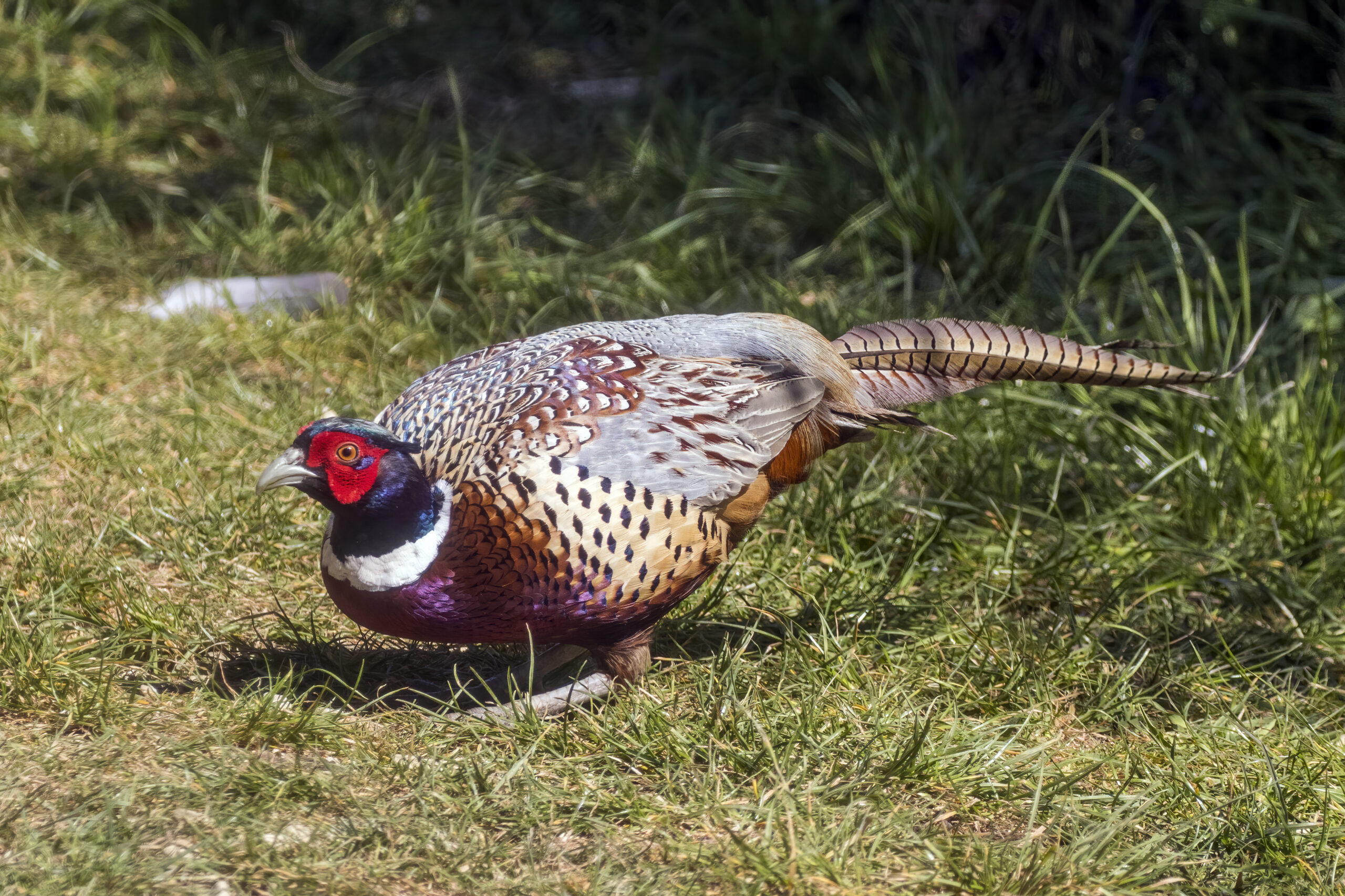 Photo Credit: Charlesjsharp / Wikimedia Commons
In the heart of lush grasslands and sprawling fields, the pheasant, known scientifically as Phasianus colchicus, struts with a flair that captures the imagination. With its long, elegant tail and a dazzling array of colors—rich greens, deep reds, and shimmering golds—this bird is a living canvas of nature’s artistry. As the sun rises, casting a warm glow over the landscape, the pheasant emerges from its hidden roost, its vibrant plumage glinting in the light, ready to greet the day. This striking appearance is not just for show; it plays a crucial role in attracting mates and warding off rivals, making the pheasant a fascinating subject for both scientists and nature lovers alike.
Pheasants are more than just beautiful; they are also skilled foragers, using their keen eyesight to spot seeds, insects, and plants hidden among the grasses. Their omnivorous diet allows them to thrive in various habitats, from agricultural fields to wetlands, where they play an essential role in the ecosystem. As they navigate their world, these birds engage in complex social behaviors, from elaborate courtship displays in spring to forming flocks in the cooler months. The pheasant’s adaptability and vibrant life cycle make it a captivating creature to observe, inviting us to explore the intricate connections that bind all living things in the natural world.
The pheasant occupies a distinctive place in the tree of life, showcasing the incredible diversity of the animal kingdom. Classified within the class Aves, which includes all birds, pheasants belong to the order Galliformes, a group known for their ground-dwelling habits and strong, stocky bodies. What sets pheasants apart is their vibrant plumage and elaborate courtship displays, which not only attract mates but also serve as a visual feast for birdwatchers and nature enthusiasts alike. Their striking colors and patterns are a testament to the wonders of evolution, reflecting adaptations that have developed over millions of years.
| Taxonomic Rank | Scientific Name | Meaning & Significance |
|---|---|---|
| Kingdom | Animalia | This name signifies that pheasants are part of the vast group of multicellular organisms that are heterotrophic, meaning they consume other organisms for energy. |
| Phylum | Chordata | Chordata refers to animals that have a notochord, a flexible rod that supports the body. In birds, this structure is replaced by a backbone, which is crucial for their flight and mobility. |
| Class | Aves | Aves is the class that encompasses all birds, characterized by feathers, beaks, and the ability to lay eggs. This classification highlights the pheasant’s adaptations for flight, even if they are more often seen on the ground. |
| Order | Galliformes | The name Galliformes comes from the Latin word “gallus,” meaning rooster. This order includes birds that are generally heavy-bodied and ground-feeding, emphasizing the pheasant’s lifestyle. |
| Family | Phasianidae | Phasianidae is derived from the Latin “phasianus,” which refers to the pheasant itself. This family includes many species known for their colorful feathers and elaborate mating rituals. |
| Genus | Phasianus | The genus name Phasianus is rooted in the Greek word “phasianos,” which means “pheasant.” This name reflects the bird’s long-standing association with beauty and grace in various cultures. |
Understanding the pheasant’s classification reveals much about its evolutionary journey. As a member of the Galliformes order, pheasants share a common ancestry with other ground-dwelling birds, which have adapted to various environments around the world. Their vibrant colors and social behaviors are not just for show; they are the result of natural selection, where traits that enhance survival and reproduction have been favored over generations. This rich tapestry of evolution illustrates how pheasants have thrived in diverse habitats, making them a captivating subject for both scientists and nature lovers alike.
The evolutionary journey of the pheasant is a captivating tale that stretches back millions of years. These colorful birds belong to the family Phasianidae and the genus Phasianus, with their ancestors tracing their roots to the late Eocene epoch, around 40 million years ago. During this time, the world was a very different place, with lush forests and a variety of other bird species beginning to emerge.
Pheasants evolved from small, ground-dwelling birds that adapted to a life of foraging and evasion. Their ancestors were likely similar to modern-day quails, which are also part of the Phasianidae family. Over time, these birds underwent significant changes, developing longer tails and vibrant plumage. This transformation was not just for show; it played a crucial role in attracting mates and establishing dominance within their habitats. As they spread across different continents, pheasants adapted to various environments, from dense woodlands to open grasslands, showcasing their remarkable ability to thrive in diverse ecosystems.
These evolutionary adaptations have been vital for the survival of pheasants in the wild. Their colorful plumage not only attracts mates but also plays a role in their social interactions. Ground-nesting behavior helps protect their young from predators, while strong legs allow them to escape danger swiftly. With a varied diet, they can thrive in different environments, ensuring they find enough food no matter where they are. Together, these traits have allowed pheasants to flourish across the globe, showcasing the wonders of evolution in action.
The pheasant is a striking bird that captures attention with its vibrant colors and elegant form. With a body length that can reach up to 90 centimeters, these birds are not just long but also robust, boasting a sturdy build that helps them navigate their habitats. Their long tails, often adorned with intricate patterns, trail behind them like a flowing banner, adding to their grace as they move through fields and forests. The combination of their sleek bodies and vivid plumage creates an impression of both beauty and strength, making them a true spectacle of the avian world.
| Feature | Description |
|---|---|
| Weight | 0.9kg – 1.5kg (1.9lbs – 3.3lbs) |
| Skin Type | Feathers |
The pheasant’s physical features are not just for show; they play vital roles in its survival. The feathers provide insulation, keeping the bird warm in cooler climates, while their vibrant colors can help attract mates during the breeding season. Additionally, the long tail aids in balance and maneuverability, allowing pheasants to dart through underbrush and evade predators. Together, these characteristics create a bird that is not only visually stunning but also well-adapted to thrive in its environment.
The pheasant thrives in a variety of habitats that paint a picturesque scene of open spaces and lush greenery. Imagine vast grasslands dotted with wildflowers, sprawling fields where crops sway gently in the breeze, and wetlands teeming with life. These environments provide the perfect backdrop for the pheasant’s vibrant plumage and lively behavior. The combination of tall grasses and scattered shrubs offers both shelter and food, making it an ideal home for these beautiful birds.
Pheasants prefer climates that are temperate, meaning they enjoy moderate temperatures without extreme heat or cold. They thrive in areas where the seasons change, allowing them to adapt to different conditions. Wetlands provide the moisture they need, while grasslands and fields offer plenty of seeds and insects to munch on. These birds are quite adaptable, often found in agricultural areas where they can forage for food among crops.
To survive in their diverse habitats, pheasants have developed several clever adaptations. Their long tails and colorful feathers help them blend into the grasslands, making it harder for predators to spot them. They are also excellent runners, able to dash quickly through the underbrush to escape danger. Additionally, their diet is flexible, allowing them to eat a variety of seeds, grains, and insects, which helps them thrive in different environments. This adaptability is key to their success in the wild, allowing them to flourish in many regions around the world.
Pheasants lead a daily life filled with a mix of foraging, resting, and social interactions. As dawn breaks, these birds emerge from their roosts, often hidden in dense cover, to search for food. Their diet mainly consists of seeds, grains, and insects, which they peck at on the ground. Throughout the day, they alternate between feeding and taking short breaks to preen their feathers, ensuring they stay clean and well-groomed. As the sun sets, they return to their roosts, seeking safety from nighttime predators.
Socially, pheasants are generally solitary creatures, but they can sometimes be seen in small groups, especially during the breeding season. Males are known for their vibrant plumage and loud calls, which they use to attract females and establish territory. These calls can be heard echoing through their habitats, signaling their presence to others. While they may not form large flocks like some birds, their interactions during mating season are crucial for maintaining their population.
| Behavior Type | Description |
|---|---|
| Feeding | Pheasants forage for seeds, grains, and insects, often scratching the ground to uncover hidden food sources. |
| Roosting | At night, pheasants seek shelter in dense vegetation to protect themselves from predators. |
| Communication | Males use loud calls to attract females and establish territory, while subtle body language helps convey their mood. |
| Social Structure | While primarily solitary, pheasants may gather in small groups during the breeding season for mating. |
These behaviors are essential for the survival of pheasants in the wild. By foraging effectively, they ensure they have enough energy to thrive. Their roosting habits protect them from predators, while their communication skills help them find mates and establish territories. Each action they take is a piece of the puzzle that allows them to navigate their environment successfully, ensuring their place in the ecosystem.
Pheasants are omnivores, which means they enjoy a varied diet that includes both plants and animals. These birds are particularly skilled foragers, using their keen eyesight to spot food on the ground. As they wander through their habitats, they peck at the soil and leaf litter, searching for tasty morsels. Their diet is not only diverse but also seasonal, as they adapt to what is available in their environment. This flexibility helps them thrive in different conditions, whether in fields, forests, or grasslands.
| Dietary Aspect | Details |
|---|---|
| Diet Type | Omnivore |
| Favorite Foods | Berries, seeds, and insects |
| Prey Items | Insects such as beetles and grasshoppers |
| Hunting/Foraging Strategies | Foraging on the ground, using keen eyesight to locate food |
The diet of the pheasant plays a crucial role in its ecology and daily routine. By consuming a mix of plant material and insects, these birds help control insect populations while also dispersing seeds, contributing to the health of their ecosystems. Their foraging habits not only provide them with the energy needed for daily activities but also influence their social interactions, as they often gather in groups to feed. This communal behavior fosters a sense of community among pheasants, making their daily life as vibrant as their colorful plumage.
As spring arrives, the world of the pheasant comes alive with vibrant courtship displays and mating rituals. Male pheasants, known for their dazzling plumage, engage in a series of eye-catching behaviors to attract females. They puff out their chests, spread their colorful tail feathers, and emit a variety of calls to showcase their fitness. This breeding season typically occurs from March to June, when the days grow longer and warmer, creating the perfect environment for new life.
| Reproductive Aspect | Details |
|---|---|
| Gestation Period | About 23 to 28 days |
| Litter Size | Average of 10 to 15 eggs |
| Age of Maturity | 5 to 6 months |
| Name of Young | Chicks |
Once the female pheasant lays her eggs, she takes on the role of a dedicated parent. After about three weeks of incubation, the chicks hatch, ready to face the world. These tiny, fluffy chicks are precocial, meaning they are relatively mature and mobile shortly after birth. They quickly learn to forage for food alongside their mother, who guides them and keeps a watchful eye for predators. As the weeks pass, the chicks grow rapidly, developing their adult feathers and learning essential survival skills. By the time they reach five to six months, they are fully mature, ready to embark on their own adventures in the wild.
Pheasants play a vital role in the food web, serving as both prey and predator in their ecosystems. These colorful birds are often found in grasslands and agricultural areas, where they forage for seeds, insects, and other small creatures. However, their striking appearance also makes them a target for various predators, highlighting the delicate balance of nature.
To survive against these threats, pheasants have developed several clever defensive behaviors. They rely on their excellent camouflage, blending into the grass and foliage to avoid detection. When startled, they often take off in a burst of flight, using their strong wings to escape quickly. Additionally, pheasants are known to be quite cautious, often staying hidden during the day and emerging only when they feel safe. These strategies help them navigate the dangers of their environment and continue to thrive in the wild.
A keystone species is a vital part of its ecosystem, one that has a disproportionately large impact on its environment relative to its abundance. This means that if a keystone species were to disappear, the entire ecosystem could change dramatically. Pheasants, while important, do not quite fit the classic definition of a keystone species. They contribute to their habitats, but their absence may not lead to the same level of ecological upheaval as that of true keystone species like wolves or sea otters.
Pheasants play a significant role in their ecosystems, particularly in grasslands, fields, and wetlands. As omnivores, they consume a wide variety of foods, including seeds, insects, and small invertebrates. This diverse diet helps control insect populations, which can be beneficial for crops and other plants. By foraging for seeds, pheasants also aid in seed dispersal, promoting plant growth and diversity in their habitats. Their presence can encourage a healthy balance of plant life, which in turn supports other wildlife.
Moreover, pheasants serve as prey for various predators, including foxes, hawks, and even larger birds of prey. This makes them an important link in the food web, providing sustenance for these predators. Their nesting habits also create microhabitats for other species, as the dense cover they prefer can offer shelter and protection for smaller animals.
If pheasants were to vanish from their ecosystems, the effects could ripple through the food web. Insect populations might surge, potentially harming crops and other plants. Without pheasants to disperse seeds, certain plant species could struggle to thrive, leading to a decline in plant diversity. Additionally, predators that rely on pheasants for food would face challenges, possibly leading to their decline as well. The balance of the ecosystem could shift, demonstrating how even species that are not classified as keystone can still play essential roles in maintaining ecological harmony.
The pheasant occupies a fascinating ecological niche, thriving in grasslands, fields, and wetlands. As an omnivore, it plays a crucial role in its environment by interacting with various plant and animal species. This colorful bird not only forages for seeds and insects but also contributes to seed dispersal and soil health, making it an important player in maintaining the balance of its ecosystem.
| Ecosystem Service | Impact |
|---|---|
| Seed Dispersal | Pheasants help spread seeds through their droppings, promoting plant diversity. |
| Soil Aeration | As they forage, pheasants disturb the soil, which can improve its health and nutrient availability. |
| Prey for Predators | Pheasants serve as a food source for various predators, supporting the food web. |
| Insect Control | By eating insects, pheasants help regulate pest populations, benefiting crops and other plants. |
Pheasants influence their surroundings in several specific ways. For instance, when they forage for seeds and insects, they not only find their meals but also help aerate the soil. This process allows nutrients to reach plant roots more effectively, promoting healthier vegetation. Additionally, as they move through their habitats, they inadvertently scatter seeds, which can lead to the growth of new plants. This seed dispersal is vital for maintaining diverse plant communities, which in turn support a variety of other wildlife.
The broader ecological importance of pheasants cannot be overstated. As a keystone species, their presence helps maintain the structure and function of their ecosystems. If pheasants were to disappear, the balance of their habitats could be disrupted, leading to a decline in plant diversity and affecting other species that rely on these plants for food and shelter. By understanding the role of pheasants, we gain insight into the intricate web of life that sustains our natural world, reminding us of the interconnectedness of all living things.
In the intricate web of life, symbiosis refers to the close interactions between different species, which can take on various forms. These relationships can be mutualistic, where both species benefit, parasitic, where one benefits at the other’s expense, or commensal, where one benefits while the other is neither helped nor harmed. Pheasants, with their vibrant plumage and adaptable nature, engage in several fascinating partnerships with other species, showcasing the dynamic interactions that shape their ecosystems.
| Species/Type | Relationship Type | Description |
|---|---|---|
| Ticks | Parasitic | Ticks attach to pheasants to feed on their blood, which can weaken the birds and transmit diseases. |
| Insects (like beetles) | Mutualistic | Pheasants help control insect populations by foraging for them, while insects contribute to soil health through their activities. |
| Plants (grasses and seeds) | Commensal | Pheasants feed on seeds and fruits, aiding in seed dispersal without harming the plants, which can thrive in new locations. |
The evolution of these relationships is a testament to nature’s adaptability and resilience. Over time, pheasants have developed behaviors and traits that enhance their survival while also influencing the species they interact with. These partnerships not only benefit the pheasants by providing food and protection but also play a crucial role in maintaining the balance of their ecosystems. By understanding these connections, we gain insight into the delicate dance of life that sustains the natural world around us.
Pheasants are not just beautiful birds; they are full of surprises that reveal their fascinating lives and adaptations. Here are some intriguing facts that will captivate nature enthusiasts of all ages.
Throughout history, pheasants have held a special place in human culture and tradition. These vibrant birds, with their striking plumage and graceful movements, have been admired and revered in various societies. In ancient times, pheasants were often associated with nobility and were featured in art and literature. They were also a popular game bird, hunted for sport and food, which helped to shape their relationship with humanity. In many cultures, pheasants symbolize prosperity and good fortune, making them a significant part of folklore and celebrations.
Today, the interaction between pheasants and humans has evolved, reflecting both cooperation and conflict. Conservation efforts have become increasingly important as habitats are threatened by urban development and agriculture. Many organizations work to protect pheasant populations and their environments, recognizing their role in the ecosystem. However, conflicts can arise, especially in agricultural areas where pheasants may damage crops. Additionally, domestication has led to the breeding of various pheasant species for ornamental purposes, further intertwining their lives with ours.
As we look to the future, the relationship between pheasants and humanity will likely continue to evolve. With growing awareness of environmental issues, more people are recognizing the importance of preserving natural habitats for these birds. Balancing agricultural needs with conservation efforts will be crucial in ensuring that pheasants thrive alongside human activities. By fostering a deeper understanding of these remarkable birds, we can create a harmonious coexistence that benefits both pheasants and people for generations to come.
The conservation status of pheasants is currently classified as “Least Concern” by the International Union for Conservation of Nature (IUCN). This means that, overall, pheasants are not facing immediate threats that could lead to their extinction. Their populations are stable in many regions, although some local populations may experience fluctuations due to environmental changes and human activities.
| Conservation Factor | Status/Details |
|---|---|
| IUCN Status | Least Concern |
| Population Estimates | Stable in many areas, specific numbers vary by region |
| Trend Direction | Stable, with some local declines |
Despite their overall stable status, pheasants face several threats that can impact their populations. Habitat loss is a significant concern, as agricultural expansion and urban development reduce the natural spaces where these birds thrive. Additionally, hunting and predation can affect local numbers, especially in areas where pheasants are heavily hunted for sport. Climate change also poses a risk, altering the ecosystems that support their food sources and nesting sites.
Conservation efforts are underway to ensure the continued survival of pheasants. Many organizations are working to protect their habitats and promote sustainable hunting practices. By creating wildlife reserves and encouraging responsible land use, these initiatives aim to maintain healthy populations of pheasants. With ongoing efforts and public awareness, the outlook for these vibrant birds remains hopeful, allowing future generations to enjoy their beauty and ecological importance.
| Question | Answer |
|---|---|
| What is the natural habitat of pheasants? | Pheasants thrive in grasslands, fields, and wetlands. These environments provide them with plenty of cover and food sources, allowing them to forage and nest safely. |
| What do pheasants eat? | Pheasants are omnivores, which means they eat both plants and animals. Their diet includes seeds, grains, insects, and small animals, making them adaptable to various food sources in their habitat. |
| How do pheasants behave in the wild? | Pheasants are known for their strong flight abilities and often prefer to run rather than fly when they feel threatened. They are social birds, usually found in small groups, and they communicate with a variety of calls and sounds. |
| How do pheasants reproduce? | Pheasants typically mate in the spring. The female lays a clutch of eggs, usually around 10 to 15, in a nest hidden in tall grass or brush, where she incubates them for about 23 days until they hatch. |
| What are the main threats to pheasants? | Pheasants face threats from habitat loss due to agriculture and urban development. Additionally, predation by animals like foxes and hawks can impact their populations, as well as hunting by humans. |
| What are some interesting characteristics of pheasants? | Pheasants are known for their vibrant plumage, especially the males, which can have striking colors and patterns. They also have a unique courtship display, where males puff up their feathers and make loud calls to attract females. |
| Are pheasants considered endangered? | No, pheasants are classified as "Least Concern" by conservation organizations. This means they are currently not at risk of extinction, although local populations can be affected by environmental changes. |