Taxonomy & Classification
- Kingdom
- Animalia
- Phylum
- Chordata
- Class
- Actinopterygii
- Order
- Esociformes
- Family
- Esocidae
- Genus
- Esox
- Species
- Esox spp.

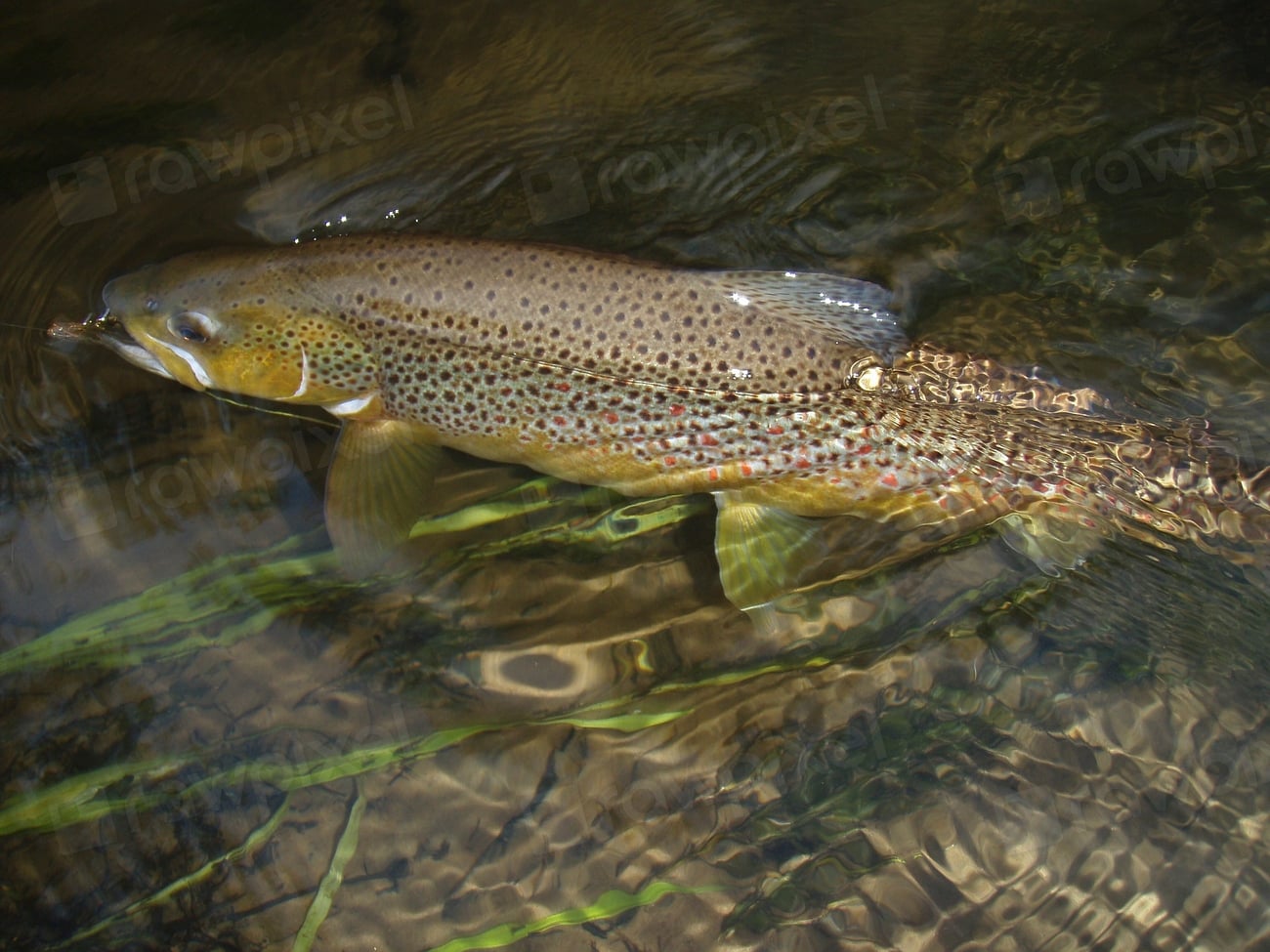 Photo Credit: U.S. Fish and Wildlife Service / Rawpixel
In the shimmering waters of North American lakes and rivers, the pike fish, scientifically known as Esox lucius, glides with an elegance that captivates both nature enthusiasts and scientists alike. With its long, slender body and sharp, pointed snout, the pike is a master of stealth, perfectly adapted to its role as a top predator in freshwater ecosystems. Its striking greenish body, adorned with light, irregular spots, allows it to blend seamlessly into the aquatic vegetation, making it a formidable hunter. As it lurks among the reeds and submerged logs, the pike waits patiently for unsuspecting prey, showcasing a blend of grace and ferocity that is truly mesmerizing.
What makes the pike fish particularly intriguing is not just its appearance but also its behavior and ecological importance. These carnivorous fish are known for their impressive speed and agility, darting through the water to catch smaller fish, frogs, and even small birds that venture too close to the surface. Their role as a keystone species means they help maintain the balance of fish populations in their habitats, ensuring a healthy ecosystem. As we dive deeper into the world of the pike fish, we will explore its fascinating life cycle, unique adaptations, and the vital role it plays in the intricate web of life beneath the water’s surface. Join us on this adventure to uncover the secrets of Esox lucius and the wonders of its aquatic realm.
The pike fish, belonging to the genus Esox, occupies a distinctive position in the tree of life. This predatory fish is part of the class Actinopterygii, which includes all ray-finned fishes. What sets pike apart is their elongated bodies, sharp teeth, and keen hunting skills, making them formidable predators in freshwater ecosystems. With their streamlined shape and powerful tails, pikes are built for speed and agility, allowing them to ambush prey with impressive precision. Their unique adaptations not only help them thrive in various aquatic environments but also highlight their evolutionary journey through millions of years.
| Taxonomic Rank | Scientific Name | Meaning & Significance |
|---|---|---|
| Kingdom | Animalia | This name signifies that pike fish are part of the animal kingdom, which includes all multicellular organisms that are not plants, fungi, or bacteria. |
| Phylum | Chordata | Chordata means “having a notochord,” a flexible rod that supports the body. In pikes, this structure is replaced by a backbone as they develop, showcasing their vertebrate nature. |
| Class | Actinopterygii | This term translates to “ray-finned fishes,” referring to the bony spines that support their fins, a characteristic that allows for diverse swimming styles. |
| Order | Esociformes | Esociformes means “pike-like,” highlighting the order’s resemblance to pikes and their relatives, which share similar body shapes and predatory behaviors. |
| Family | Esocidae | This family name is derived from the Latin word “esox,” which means “pike,” directly linking the family to these agile hunters. |
| Genus | Esox | Esox comes from the Greek word for pike, emphasizing the fish’s long, slender form and its role as a top predator in freshwater habitats. |
Understanding the pike’s classification reveals much about its evolutionary history. As a member of the Actinopterygii class, pikes share a common ancestry with a vast array of fish species, showcasing the incredible diversity of life in aquatic environments. Their adaptations for predation and survival reflect millions of years of evolution, allowing them to thrive in various freshwater habitats. By studying pikes and their relatives, scientists can gain insights into the evolutionary processes that shape the animal kingdom, revealing the intricate connections that bind all living organisms together.
The evolutionary journey of the pike fish, belonging to the genus Esox, stretches back millions of years, tracing its roots to ancient aquatic environments. These fish have adapted and thrived through various geological epochs, showcasing a remarkable ability to survive and evolve in changing conditions. Their lineage can be traced to the late Cretaceous period, around 100 million years ago, when the ancestors of modern pikes began to emerge in freshwater habitats.
Ancestral forms of pike fish were quite different from the sleek predators we see today. Early relatives were likely smaller and less specialized, but over time, they developed key adaptations that allowed them to become efficient hunters. One major transition was the development of elongated bodies and sharp teeth, which enhanced their predatory skills. As they evolved, pikes also adapted to various freshwater environments, from lakes to rivers, showcasing their versatility. Their streamlined shape and powerful tails enabled them to dart swiftly through the water, making them formidable hunters.
The adaptations of the pike fish have been crucial for their survival in diverse aquatic ecosystems. Their streamlined bodies and sharp teeth make them efficient predators, while their camouflage helps them remain hidden from both prey and potential threats. The ability to sense their environment through the lateral line system further enhances their hunting prowess. Together, these features have allowed pikes to thrive in various habitats, ensuring their place in the intricate web of life in freshwater ecosystems.
The pike fish is an impressive sight, with a long, sleek body that glides effortlessly through the water. Its streamlined shape is designed for speed, allowing it to dart after prey with remarkable agility. With a pointed snout and sharp teeth, the pike is built for hunting, making it a formidable predator in its freshwater habitat. Its overall appearance is both elegant and intimidating, embodying the essence of a skilled hunter.
| Feature | Description |
|---|---|
| Size | Typically weighs between 1 to 5 pounds, with some individuals growing even larger. |
| Color | Often features a greenish or grayish body adorned with lighter, irregular spots, providing excellent camouflage among aquatic plants. |
| Skin Type | Covered in smooth, shiny scales that help reduce water resistance as it swims. |
These physical characteristics work together to enhance the pike’s survival in its environment. The streamlined body allows for swift movements, crucial for catching smaller fish and other prey. The coloration not only helps it blend into the underwater landscape, making it less visible to both prey and predators, but also plays a role in communication with other pikes. The scales, while providing protection, also aid in hydrodynamics, allowing the pike to navigate its watery world with grace and precision. Together, these features make the pike fish a master of its aquatic domain.
The pike fish, known for its sleek and elongated body, thrives in a variety of freshwater habitats. Picture a serene lake or a winding river, where the water flows gently and the sunlight dances on the surface. These environments are often rich with vegetation, providing the perfect hiding spots for pike as they stealthily hunt for their next meal. The lush aquatic plants and submerged structures create a dynamic playground for this agile predator, allowing it to navigate with ease and precision.
Pike fish prefer calm waters, often found in areas where the current is slow. They thrive in temperatures ranging from 50 to 75 degrees Fahrenheit, which is ideal for their growth and activity. These fish are also sensitive to water quality, favoring clean, oxygen-rich environments. The presence of aquatic plants not only provides cover but also supports the overall health of the ecosystem, making it a vital component of their habitat.
To survive in these specific environments, pike fish have developed several adaptations. Their elongated bodies and sharp teeth make them efficient hunters, allowing them to ambush prey with surprising speed. The pike’s coloration, often a mix of greens and browns, helps it blend seamlessly into the underwater vegetation, making it less visible to both prey and predators. This camouflage, combined with their keen eyesight, ensures that they remain at the top of the food chain in their watery homes.
The daily life of a pike fish is a blend of stealth and strategy. As dawn breaks, these agile predators begin their hunt, gliding silently through the water. They prefer to stay near the edges of lakes and rivers, where they can hide among plants and rocks. With their keen eyesight, pike can spot potential prey from a distance. Their hunting style is a mix of patience and explosive speed, as they wait for the perfect moment to strike. Throughout the day, they alternate between periods of activity and rest, conserving energy for their next meal.
Pike fish can be solitary or social, depending on their environment and the availability of food. While they are often seen alone, they can also form loose groups, especially in areas with abundant prey. In these gatherings, pike may engage in subtle interactions, such as swimming in close proximity or displaying body language that signals their readiness to hunt. Communication among pike is primarily visual, relying on movements and postures to convey their intentions. This social behavior can enhance their hunting success, as they may coordinate their efforts to corner schools of fish.
| Behavior Type | Description |
|---|---|
| Hunting Patterns | Pike fish use a combination of stealth and speed to ambush prey, often lurking near vegetation. |
| Social Structure | They can be solitary or form loose groups, depending on food availability. |
| Communication Methods | Pike communicate through body language and movements, signaling readiness to hunt or establish territory. |
The behaviors of pike fish are finely tuned to ensure their survival in the wild. Their ability to adapt to both solitary and social lifestyles allows them to thrive in various environments. By mastering the art of ambush and utilizing effective communication, pike can efficiently hunt and evade predators. This blend of strategies not only secures their next meal but also plays a crucial role in maintaining the balance of their aquatic ecosystems.
The pike fish is a true carnivore, meaning it primarily eats meat. This skilled predator has a diet that mainly consists of other fish, but it also enjoys a variety of other tasty treats. Frogs and even small waterfowl can find themselves on the menu. With its sharp teeth and keen eyesight, the pike is an expert at hunting, often lying in wait for unsuspecting prey to swim by. When the moment is right, it strikes with incredible speed and precision, making it a formidable hunter in its aquatic realm.
| Dietary Aspect | Details |
|---|---|
| Diet Type | Carnivore |
| Favorite Foods | Other fish, frogs, waterfowl |
| Prey Items | Smaller fish species, amphibians, and occasionally birds |
| Hunting Strategies | Stealthy ambush, quick strikes |
The pike’s diet plays a crucial role in its ecosystem. By preying on various fish and amphibians, it helps maintain a balance in the aquatic food web. This not only keeps populations of smaller fish in check but also influences the overall health of its habitat. The pike’s daily routine revolves around hunting, which requires energy and skill, making it a vital player in the underwater world. As it glides through its environment, the pike not only showcases its predatory prowess but also contributes to the dynamic interactions that define life in freshwater ecosystems.
As spring arrives, pike fish engage in a captivating mating ritual. During this time, males become particularly active, swimming vigorously to attract females. They perform a series of displays, including rapid movements and circling, to showcase their strength and vitality. Once a female is ready to spawn, she will choose a male based on his displays. The breeding season typically occurs in shallow waters, where the female lays her eggs among aquatic vegetation, providing a safe environment for the developing young.
| Reproductive Aspect | Details |
|---|---|
| Gestation Period | Approximately 2 to 3 weeks |
| Litter Size | Up to 100,000 eggs |
| Age of Maturity | 2 to 3 years |
| Name of Young | Fry |
After the eggs are laid, the female pike provides no further care, leaving the fertilized eggs to develop on their own. The fry hatch after a few weeks, emerging as tiny, independent fish. Initially, they rely on their yolk sacs for nourishment, but soon they begin to hunt for small prey. As they grow, they develop the skills necessary to thrive in their aquatic environment. Over time, these young pike will mature into formidable predators, continuing the cycle of life in their freshwater habitats.
The pike fish plays a crucial role in its aquatic ecosystem, acting as both predator and prey. Positioned near the top of the food web, it helps maintain the balance of fish populations in lakes and rivers. However, this position also makes it vulnerable to various threats, as it is not only a hunter but also a target for larger animals.
To survive these dangers, pike fish have developed several clever defensive behaviors. Their elongated bodies allow them to hide among aquatic plants, making it difficult for predators to spot them. Additionally, pike are known for their quick bursts of speed, enabling them to dart away from threats in an instant. When cornered, they can also remain motionless, blending into their surroundings, which helps them avoid detection. These strategies, combined with their sharp teeth and powerful jaws, make pike fish formidable opponents in the wild.
A keystone species is a vital part of its ecosystem, meaning its presence and activities have a significant impact on the environment and other organisms. The pike fish, with its role as a top predator in freshwater habitats, qualifies as a keystone species. By controlling the populations of other fish and aquatic animals, pike help maintain the balance of their ecosystems, ensuring that no single species dominates and that biodiversity thrives.
Pike fish are skilled hunters, primarily feeding on smaller fish, frogs, and even small mammals that venture too close to the water’s edge. This predatory behavior is crucial because it prevents overpopulation of certain species, which can lead to a decline in water quality and habitat degradation. For example, if pike were to disappear, the populations of smaller fish could explode, leading to overgrazing of aquatic plants. This would disrupt the entire food web, affecting not only fish but also birds and mammals that rely on these plants for shelter and food.
Moreover, pike fish contribute to the health of their ecosystems by serving as prey for larger birds and mammals. Eagles and otters, for instance, depend on pike as a food source. The presence of pike thus supports a diverse range of wildlife, creating a rich tapestry of life in freshwater environments. Their hunting strategies also help to keep fish populations healthy by targeting the sick or weak individuals, which promotes stronger genetic traits in the remaining populations.
If pike fish were to vanish from their habitats, the consequences would be profound. The unchecked growth of smaller fish populations could lead to a collapse of aquatic plant life, which in turn would affect the entire ecosystem. Birds and mammals that rely on pike for food would struggle to survive, leading to declines in their populations as well. The intricate balance of life in freshwater environments would be disrupted, showcasing just how crucial pike fish are to the health and stability of their ecosystems.
The pike fish, a skilled predator of freshwater ecosystems, plays a vital role in shaping its environment. Found in slow-moving waters like lakes and rivers, this carnivorous fish helps maintain the balance of aquatic life. By preying on smaller fish and other creatures, the pike influences the population dynamics of its habitat. This means that the presence of pike can help control the numbers of other fish species, ensuring that no single type dominates the ecosystem. In this way, the pike fish occupies a crucial ecological niche, acting as both a predator and a regulator of its surroundings.
| Ecosystem Service | Impact |
|---|---|
| Population Control | Regulates the numbers of smaller fish species, preventing overpopulation. |
| Habitat Structure | Influences the distribution of aquatic plants by controlling herbivore populations. |
| Nutrient Cycling | Contributes to nutrient cycling through its feeding habits and waste production. |
| Food Source | Serves as prey for larger predators, supporting the food web. |
The pike fish’s influence can be seen in various ways. For instance, by keeping the populations of smaller fish in check, pike allow for a diverse range of species to thrive. This diversity is essential for a healthy ecosystem, as it promotes resilience against diseases and environmental changes. Additionally, pike help shape the underwater landscape by affecting the distribution of aquatic plants. When pike control the numbers of herbivorous fish, they indirectly support the growth of vegetation, which provides shelter and breeding grounds for many other aquatic organisms.
The broader ecological importance of the pike fish cannot be overstated. As a keystone species, its presence is crucial for maintaining the health and stability of freshwater ecosystems. Without pike, the balance of these environments could be disrupted, leading to overpopulation of certain species and a decline in biodiversity. By understanding the role of the pike fish, we gain insight into the intricate web of life that exists beneath the water’s surface, reminding us of the delicate connections that sustain our natural world.
In the intricate web of life, symbiosis refers to the close interactions between different species, which can take many forms. These relationships can be mutualistic, where both species benefit, parasitic, where one benefits at the other’s expense, or commensal, where one benefits while the other is neither helped nor harmed. Understanding these ecological relationships helps us appreciate the balance of ecosystems and the roles that various species play within them.
| Species/Type | Relationship Type | Description |
|---|---|---|
| Cleaner Fish | Mutualistic | Cleaner fish, like wrasses, remove parasites and dead skin from pike fish, benefiting from a meal while keeping the pike healthy. |
| Leeches | Parasitic | Leeches attach to pike fish to feed on their blood, which can weaken the fish over time. |
| Water Plants | Commensal | Pike fish often hide among aquatic plants, which provide shelter and hunting grounds without affecting the plants. |
These relationships have evolved over time, shaped by the needs and behaviors of the species involved. Mutualistic partnerships, like that of pike fish and cleaner fish, enhance the health of both parties, while parasitic relationships can challenge the survival of the host. Commensal relationships, on the other hand, highlight the importance of habitat and shelter in the aquatic world. Each interaction contributes to the delicate balance of the ecosystem, showcasing the interconnectedness of life beneath the water’s surface.
Pike fish are not just ordinary swimmers; they are fascinating predators with some surprising traits that make them stand out in the aquatic world. Here are some intriguing facts that will surely captivate nature enthusiasts of all ages.
The relationship between pike fish and humanity stretches back through history, marked by encounters that reveal both admiration and utility. In many cultures, pike have been celebrated as symbols of strength and tenacity. Ancient peoples often revered these fish, incorporating them into folklore and art. Their impressive size and predatory nature made them a sought-after catch for fishermen, who relied on pike as a source of food. In some regions, pike fishing became a communal activity, fostering connections among families and communities. This cultural significance continues today, as pike are featured in local traditions and culinary practices.
In modern times, the interactions between pike fish and humans have evolved, reflecting both conservation efforts and challenges. As habitats face threats from pollution and climate change, conservationists work to protect pike populations and their ecosystems. However, conflicts can arise, particularly in areas where pike are seen as competitors for sport fish or as threats to local fish populations. Some regions have even explored the idea of domestication, raising pike in controlled environments for aquaculture. This approach aims to balance human needs with the preservation of wild populations, highlighting the complex dynamics of our relationship with these fascinating fish.
Looking ahead, the future of the relationship between pike fish and humanity will likely hinge on our ability to balance ecological health with human interests. As we become more aware of the impacts of our actions on the environment, there is hope for a more harmonious coexistence. By fostering respect for these remarkable fish and their habitats, we can ensure that future generations will continue to appreciate the pike’s role in our natural world. Together, we can create a sustainable future where both humans and pike thrive.
The pike fish, a captivating predator of freshwater ecosystems, currently holds a conservation status of “Least Concern” according to the International Union for Conservation of Nature (IUCN). This means that, for now, pike populations are stable and not facing immediate threats of extinction. However, ongoing monitoring is essential to ensure that their numbers remain healthy, as changes in their habitats could impact their future.
| Conservation Factor | Status/Details |
|---|---|
| IUCN Status | Least Concern |
| Population Estimates | Stable, with no significant declines reported |
| Trend Direction | Stable |
Despite their current stable status, pike fish face several threats that could impact their populations in the long run. Habitat destruction is a significant concern, as human activities like urban development and agriculture can lead to the degradation of their natural environments. Pollution from chemicals and waste can also harm water quality, affecting the health of pike and their prey. Additionally, overfishing in some areas can reduce their numbers, as these fish are popular among anglers for sport and food.
Conservation efforts are underway to protect pike fish and their habitats. Many regions have implemented regulations to manage fishing practices and preserve water quality. Conservationists are also working to restore natural habitats, ensuring that pike have the clean, healthy environments they need to thrive. With continued awareness and action, the outlook for pike fish remains positive, allowing future generations to appreciate these remarkable predators in our freshwater ecosystems.
| Question | Answer |
|---|---|
| What is the natural habitat of Pike Fish? | Pike Fish thrive in slow-moving waters like lakes, rivers, and marshes. They prefer areas with plenty of vegetation, which provides cover for hunting and breeding. |
| What do Pike Fish eat? | Pike Fish are carnivores, meaning they primarily eat other fish and small aquatic animals. Their sharp teeth and quick movements make them excellent hunters, often ambushing their prey from hiding spots. |
| How do Pike Fish behave in their environment? | Pike Fish are known for their solitary nature, often hunting alone. They are also territorial, meaning they defend their space from other pike, especially during the breeding season. |
| How do Pike Fish reproduce? | Pike Fish typically spawn in the spring when water temperatures rise. They lay eggs in shallow, weedy areas, and the eggs hatch in about two weeks, with the young pike starting to hunt for food shortly after. |
| What threats do Pike Fish face? | While Pike Fish are currently classified as Least Concern, they face threats from habitat destruction and pollution. Overfishing can also impact their populations, especially in areas where they are highly sought after by anglers. |
| What are some interesting characteristics of Pike Fish? | Pike Fish can grow quite large, with some individuals reaching lengths of over four feet! They have a long, slender body and a distinctive pointed snout, which helps them catch prey efficiently. |
| Can Pike Fish be kept in aquariums? | While it is possible to keep Pike Fish in aquariums, they require a large tank with plenty of space to swim and hide. They are also aggressive and may eat smaller fish, so careful planning is needed when setting up a community tank. |