Taxonomy & Classification
- Kingdom
- Animalia
- Phylum
- Chordata
- Class
- Mammalia
- Order
- Rodentia
- Family
- Sciuridae
- Genus
- Cynomys

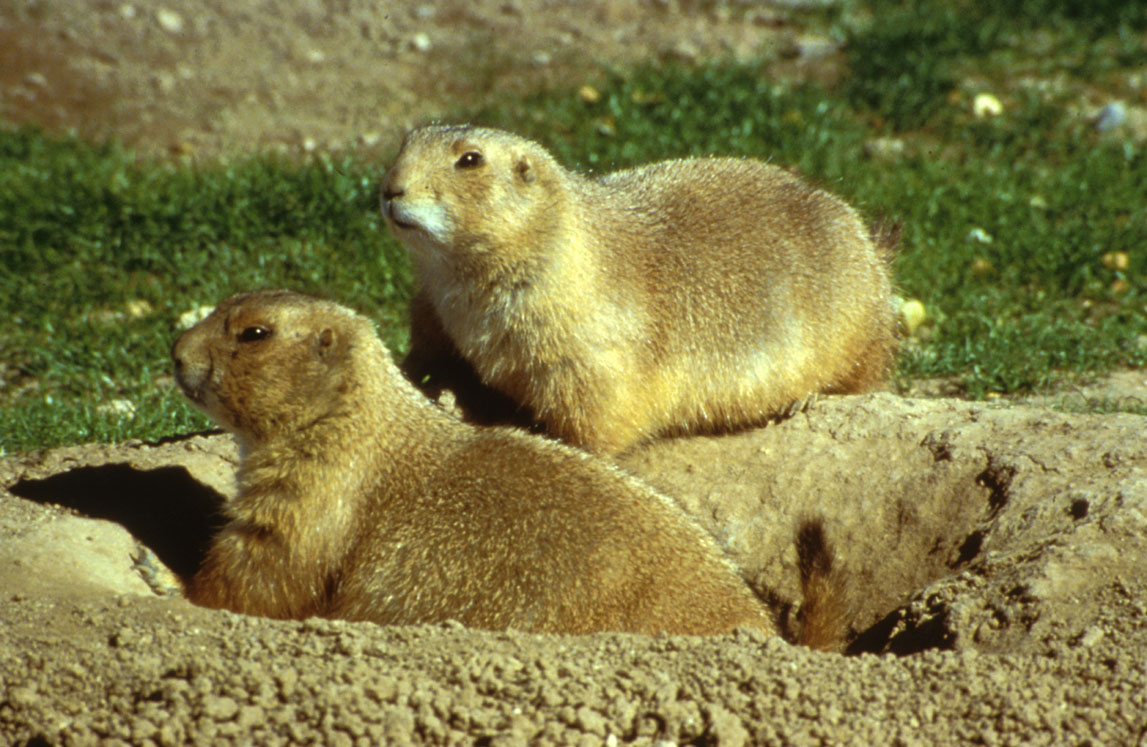 Photo Credit: Baldhur / Wikimedia Commons
In the sun-drenched grasslands of North America, the prairie dog, scientifically known as Cynomys, scurries about in its bustling underground town. With its stout body, short legs, and a distinctive bushy tail, this small rodent is a master of its environment. Prairie dogs are not just adorable; they are social creatures that live in large colonies, creating intricate burrow systems that serve as homes for their families and a refuge from predators. Their lively chatter and playful antics make them a favorite among wildlife enthusiasts and scientists alike, who are captivated by their complex social structures and behaviors.
Imagine a vast prairie, where the wind whispers through the tall grasses and wildflowers bloom in vibrant colors. Here, prairie dogs emerge from their burrows, standing on their hind legs to survey their surroundings. Their keen eyesight helps them spot potential dangers, while their loud barks alert the colony to any threats. These little rodents play a crucial role in their ecosystem, acting as a keystone species that supports a variety of other wildlife. As they dig and burrow, they aerate the soil, allowing water and nutrients to reach the roots of plants, which in turn supports the entire grassland community. Join us as we delve deeper into the fascinating world of prairie dogs, exploring their behaviors, habitats, and the vital role they play in the natural world.
The prairie dog is a captivating member of the animal kingdom, sitting comfortably within the vast tree of life. Taxonomically, it belongs to the Kingdom Animalia, which includes all animals, and is classified under the Phylum Chordata, known for animals with a backbone. As a member of the Class Mammalia, prairie dogs share traits like warm-bloodedness and fur with other mammals. They are part of the Order Rodentia, which encompasses all rodents, and belong to the Family Sciuridae, the squirrel family. What makes prairie dogs particularly interesting is their social behavior; they live in large colonies called “towns,” showcasing complex communication and social structures that are rare among rodents.
| Taxonomic Rank | Scientific Name | Meaning & Significance |
|---|---|---|
| Kingdom | Animalia | The name comes from the Latin word “animalis,” meaning “having breath,” highlighting the living nature of these organisms. |
| Phylum | Chordata | This term is derived from the Latin “chorda,” meaning “string” or “cord,” referring to the notochord, a flexible rod that supports the body in the early stages of development. |
| Class | Mammalia | From the Latin “mamma,” meaning “breast,” this classification emphasizes the characteristic of mammals to nurse their young with milk. |
| Order | Rodentia | Derived from the Latin “rodere,” meaning “to gnaw,” this name reflects the defining feature of rodents: their continuously growing incisors that they must gnaw to keep trimmed. |
| Family | Sciuridae | This name comes from the Greek word “skiuros,” meaning “squirrel,” which highlights the close relationship prairie dogs have with other members of the squirrel family. |
| Genus | Cynomys | From the Greek “kynos,” meaning “dog,” and “mys,” meaning “mouse,” this name reflects the prairie dog’s social behavior, reminiscent of dogs, and its rodent classification. |
Understanding the prairie dog’s classification reveals much about its evolutionary history. As a member of the rodent family, prairie dogs share a common ancestor with other rodents, which dates back millions of years. Their social structures and communication methods suggest that they have adapted to living in groups, which provides advantages like protection from predators and efficient foraging. This evolutionary journey highlights not only their adaptability but also the intricate relationships they maintain within their ecosystems, making them a vital part of the grassland habitats they call home.
The evolutionary journey of the prairie dog stretches back millions of years, weaving through the tapestry of time to reveal a story of adaptation and survival. These small, social rodents belong to the family Sciuridae, which includes squirrels and their relatives. The prairie dog’s ancestors roamed the Earth during the late Eocene epoch, around 35 million years ago, when the climate was warmer and the landscape was dotted with lush forests. As the environment changed, these early rodents began to adapt to the open grasslands that would eventually become their home.
The prairie dog’s lineage diverged from other rodents, leading to the development of traits that would help them thrive in their new habitat. One significant transition was the shift from a solitary lifestyle to living in large colonies, known as towns. This social behavior not only provided safety in numbers but also facilitated communication through a complex system of vocalizations. Over time, prairie dogs evolved strong digging claws, allowing them to create extensive burrow systems that serve as homes and protection from predators. Their diet also shifted, adapting to the grasses and plants found in their prairie environment, which helped them become efficient foragers.
These adaptations have been crucial for the prairie dog’s survival in the ever-changing grassland ecosystems. By forming social groups, they can better defend against predators like hawks and coyotes. Their burrows not only provide shelter from harsh weather but also create a complex underground network that supports their community. With their unique communication skills, prairie dogs can alert each other to danger, ensuring that their colonies remain safe. Together, these traits illustrate how evolution has shaped the prairie dog into a resilient and resourceful inhabitant of the North American plains.
The prairie dog is a small yet striking rodent that captures the essence of life on the American plains. With a stout body and a lively demeanor, these animals typically weigh between 0.5 to 1.8 kilograms, or about 1 to 4 pounds. Their compact form is complemented by a short, bushy tail and sturdy legs, which are perfectly designed for their burrowing lifestyle. Prairie dogs have a rounded face with bright, curious eyes that seem to sparkle with intelligence, making them a delightful sight against the backdrop of their grassy habitats.
| Feature | Description |
|---|---|
| Size | 0.5 to 1.8 kg (1 to 4 lbs) |
| Color | Light brown to yellowish-brown fur |
| Skin Type | Hair |
| Distinctive Feature | Sharp digging claws |
These physical traits work together to create a well-adapted animal for life underground and above. The prairie dog’s light brown to yellowish-brown fur provides excellent camouflage against the dry grasses of its environment, helping it evade predators. Its sharp digging claws are essential for creating extensive burrow systems, which serve as homes and protection from threats. Together, these features not only enhance the prairie dog’s survival but also contribute to its role as a vital member of the ecosystem, where it helps aerate the soil and create habitats for other species.
The prairie dog thrives in the vast, open expanses of grasslands known as prairies. Picture a sun-drenched landscape where rolling hills meet the horizon, dotted with patches of wildflowers and swaying grasses. These lively rodents create intricate burrow systems beneath the surface, forming bustling towns that echo with their distinctive calls. The prairie is not just a home; it’s a vibrant community where prairie dogs interact, play, and raise their young in a lively social environment.
Prairie dogs prefer climates that are dry and temperate, where the sun shines brightly and the winds sweep across the plains. They thrive in areas with well-drained soil, which is essential for digging their extensive burrows. These burrows provide shelter from predators and harsh weather, making them a safe haven. The prairie dog’s habitat experiences seasonal changes, with warm summers and cold winters, but these adaptable animals have learned to cope with the varying conditions.
To survive in their prairie homes, prairie dogs have developed several clever adaptations. Their burrowing behavior not only protects them from the elements but also helps maintain the health of the grasslands. By aerating the soil, they promote the growth of grasses and plants, creating a balanced ecosystem. Their social structure, with family groups called coteries, allows them to communicate effectively and warn each other of danger, ensuring their survival in the wild. Through these adaptations, prairie dogs play a vital role in their environment, showcasing the intricate connections within nature.
As the sun rises over the vast prairies, prairie dogs begin their day with a flurry of activity. These lively rodents are most active during the day, emerging from their burrows to greet the morning. Their daily routine includes foraging for food, grooming, and engaging in playful antics. Prairie dogs primarily eat grasses, seeds, and roots, which they gather and store in their burrows. Throughout the day, they take turns standing guard, keeping a watchful eye for predators like hawks and coyotes. This vigilance is crucial for their survival in the open grasslands.
Social behavior is at the heart of prairie dog life. They live in large colonies, often called “towns,” which can consist of hundreds or even thousands of individuals. Within these towns, prairie dogs have a complex social structure. They communicate using a variety of vocalizations, including barks and chirps, to alert others of danger or to signal the presence of food. Grooming each other is also a common practice, strengthening their bonds and promoting group cohesion. This social network not only helps them thrive but also enhances their ability to defend against threats.
| Behavior Type | Description |
|---|---|
| Foraging | Prairie dogs search for grasses, seeds, and roots, often working together to find food. |
| Guarding | While some prairie dogs eat, others stand watch to alert the group of any approaching predators. |
| Grooming | They groom each other to strengthen social bonds and maintain hygiene within the colony. |
| Communication | Prairie dogs use a range of vocalizations to convey messages about food and danger. |
The behaviors of prairie dogs are not just fascinating; they are essential for their survival. By living in colonies and working together, they create a support system that enhances their chances against predators. Their communication skills allow them to share vital information, ensuring that everyone in the group stays safe and well-fed. In the grand tapestry of the prairie ecosystem, prairie dogs play a crucial role, demonstrating how cooperation and social interaction can lead to success in the wild.
Prairie dogs are omnivores, which means they enjoy a varied diet that includes both plant and animal matter. Their primary food sources consist of roots, grasses, and seeds, which they find in their grassy habitats. These social rodents are known for their foraging behavior, often seen nibbling on the vegetation around their burrows. They have sharp incisors that help them efficiently clip and chew through tough plant material. Occasionally, they will also munch on insects, adding a protein boost to their diet.
| Dietary Aspect | Details |
|---|---|
| Diet Type | Omnivore |
| Favorite Foods | Roots, grasses, seeds |
| Prey Items | Insects |
| Hunting/Foraging Strategies | Foraging in groups, using sharp incisors to clip vegetation |
This diverse diet plays a crucial role in the prairie dog’s ecology and daily routine. By feeding on grasses and seeds, they help maintain the health of their grassland ecosystem, promoting plant growth and providing food for other animals. Their foraging habits also encourage soil aeration, which benefits the environment. As they gather food, prairie dogs often engage in social interactions, strengthening their community bonds. This combination of feeding and social behavior makes them an integral part of the prairie ecosystem, showcasing the interconnectedness of life on the plains.
As spring arrives and the days grow warmer, prairie dogs engage in a lively courtship ritual. Mating typically occurs between late winter and early spring, when the males emerge from their burrows to attract females. They perform a series of playful behaviors, including chasing and vocalizing, to impress potential mates. This energetic display is not just for show; it helps establish social bonds and territory among the prairie dog colonies.
| Reproductive Aspect | Details |
|---|---|
| Gestation Period | 1 month |
| Litter Size | 3 to 5 pups |
| Age of Sexual Maturity | 1 year |
| Name of Young | Pups |
Once the pups are born, they are completely dependent on their mothers for survival. Prairie dog mothers are attentive and protective, nursing their young for several weeks. As the pups grow, they begin to explore their surroundings, learning essential skills from their parents and other colony members. This social learning is crucial, as prairie dogs live in tight-knit communities where cooperation and communication are key to their survival. By the time they reach sexual maturity at one year old, these young prairie dogs are ready to take on the challenges of life in the prairie, continuing the cycle of life in their vibrant ecosystem.
Prairie dogs play a crucial role in the food web of their grassland habitats. As herbivores, they are a primary food source for various predators, while their burrowing activities help aerate the soil and promote plant growth. This makes them not just important for their own species, but also for the entire ecosystem. However, their position in the food web also means they face numerous dangers that threaten their survival.
To defend themselves against these threats, prairie dogs have developed several survival strategies. They are known for their alertness and communication skills, using a complex system of barks and chirps to warn each other of danger. When a predator approaches, they often retreat into their burrows, which provide safety from aerial and ground attacks. Additionally, living in colonies allows them to keep watch for each other, enhancing their chances of survival in the wild.
A keystone species is a vital part of its ecosystem, meaning its presence and activities have a significant impact on the environment and other living things. Prairie dogs qualify as a keystone species because their behaviors and interactions create a ripple effect throughout their grassland habitats. By digging extensive burrow systems and living in large colonies, they shape the landscape and influence the lives of many other species.
The burrows of prairie dogs serve as homes for various animals, including burrowing owls, snakes, and even some insects. These tunnels provide shelter and protection, creating a bustling community beneath the surface. Additionally, prairie dogs help aerate the soil with their digging, which improves water absorption and promotes healthy plant growth. This, in turn, supports a diverse range of flora and fauna, making the prairie a vibrant ecosystem.
Prairie dogs also play a crucial role in the food web. As herbivores, they are a primary food source for many predators, including coyotes and hawks. Their grazing habits help maintain the balance of plant life in their habitat, preventing any one species from dominating. This balance is essential for the overall health of the prairie ecosystem, allowing various plants and animals to thrive.
If prairie dogs were to disappear, the consequences would be profound. Without their burrows, many animals would lose their homes, leading to a decline in those populations. The soil would become compacted, reducing its ability to absorb water and nutrients, which could harm plant life. This disruption would ripple through the ecosystem, affecting everything from the smallest insects to the largest predators. The prairie would lose its vibrant character, becoming less diverse and less resilient, highlighting just how crucial prairie dogs are to their environment.
The prairie dog occupies a crucial ecological niche in the grasslands of North America. As a social rodent, it lives in large colonies, creating extensive burrow systems that not only serve as homes but also significantly influence the surrounding environment. By digging and maintaining these burrows, prairie dogs help aerate the soil, allowing water and nutrients to penetrate deeper. This activity supports the growth of grasses and other plants, making the prairie a vibrant ecosystem.
| Ecosystem Service | Impact |
|---|---|
| Soil Aeration | Improves water infiltration and nutrient availability for plants. |
| Grazing | Helps maintain plant diversity by preventing overgrowth of certain species. |
| Food Source | Provides sustenance for various predators, including hawks, coyotes, and badgers. |
| Habitat Creation | Burrows offer shelter for other animals, such as snakes and insects. |
| Seed Dispersal | Facilitates the spread of plant species through their foraging activities. |
The influence of prairie dogs extends beyond their immediate colonies. For instance, their grazing habits help control the growth of certain grasses, allowing a variety of plant species to thrive. This diversity is essential for many other animals that rely on different plants for food and shelter. Additionally, the burrows they create provide homes for other creatures, such as burrowing owls and various insects, fostering a rich community of life. Their presence can even attract larger predators, which rely on prairie dogs as a primary food source, thus linking multiple levels of the food web.
The broader ecological importance of prairie dogs cannot be overstated. As a keystone species, their activities shape the landscape and influence the health of the entire prairie ecosystem. By promoting plant diversity and providing habitats for other animals, prairie dogs play a vital role in maintaining the balance of their environment. Protecting these small yet impactful rodents is essential for preserving the intricate web of life that thrives in the grasslands.
In the intricate web of life, prairie dogs engage in various partnerships with other species, showcasing the beauty of symbiosis. Symbiosis refers to the close interactions between different species, which can be beneficial, harmful, or neutral. These relationships are essential for maintaining the balance of ecosystems, as they help species thrive together in their shared environments. Prairie dogs, with their bustling colonies and extensive burrow systems, create opportunities for other animals to find shelter, food, and safety.
| Species/Type | Relationship Type | Description |
|---|---|---|
| Black-footed ferret | Mutualistic | Black-footed ferrets rely on prairie dogs for food, as they primarily hunt them. In return, prairie dogs benefit from the presence of ferrets, which help control their population and reduce the risk of overgrazing. |
| Burrowing owl | Commensal | Burrowing owls often nest in abandoned prairie dog burrows. This relationship is beneficial for the owls, providing them with safe nesting sites, while prairie dogs are largely unaffected. |
| Fleas and ticks | Parasitic | Fleas and ticks can infest prairie dogs, feeding on their blood. This relationship is harmful to the prairie dogs, as it can lead to health issues, but it benefits the parasites by providing them with a host. |
These relationships have evolved over time, shaped by the needs and behaviors of the species involved. Prairie dogs, as a keystone species, create habitats that support a variety of wildlife. Their burrows not only provide shelter for themselves but also for other animals, fostering a community where different species can coexist. By understanding these connections, we can appreciate how prairie dogs contribute to the health of their ecosystems and the survival of their partners.
Prairie dogs are not just adorable little rodents; they are fascinating animals with surprising traits that make them stand out in the animal kingdom. Here are some intriguing facts that showcase their unique behaviors and ecological importance.
The relationship between prairie dogs and humans has a rich history that dates back centuries. Native American tribes revered these small rodents, often incorporating them into their cultural narratives and viewing them as symbols of the interconnectedness of life. Early settlers, however, saw them differently. They viewed prairie dogs as pests, damaging crops and competing for resources. This clash of perspectives highlights how our understanding of wildlife can shift dramatically based on cultural context and economic needs.
Today, interactions between prairie dogs and humans are complex and multifaceted. On one hand, conservation efforts are underway to protect prairie dog populations, recognizing their role as a keystone species in grassland ecosystems. These efforts aim to preserve not only the prairie dogs but also the myriad of other species that depend on them, such as black-footed ferrets and various birds of prey. On the other hand, conflicts still arise, particularly in agricultural areas where prairie dogs can cause significant damage to crops. Some people even consider domestication, although prairie dogs are wild animals that thrive best in their natural habitats.
As we look to the future, the relationship between prairie dogs and humanity will likely continue to evolve. With growing awareness of the importance of biodiversity and ecosystem health, there is hope for a more harmonious coexistence. By fostering understanding and respect for these remarkable rodents, we can work towards solutions that benefit both prairie dogs and the communities that share their landscapes. The journey ahead will require collaboration, education, and a commitment to preserving the delicate balance of nature.
The conservation status of prairie dogs is currently classified as “Least Concern” by the International Union for Conservation of Nature (IUCN). This means that, overall, they are not considered at immediate risk of extinction. However, their population trends are complex and can vary by region. While some local populations are stable, others face challenges that could impact their numbers in the future. Understanding these dynamics is crucial for ensuring the long-term survival of these lively rodents.
| Conservation Factor | Status/Details |
|---|---|
| IUCN Status | Least Concern |
| Estimated Population Size | Unknown |
| Population Trend | Varies by region |
Despite their current status, prairie dogs face several significant threats that could jeopardize their populations. Habitat loss is a major concern, primarily due to agricultural expansion and urban development. As humans convert grasslands into farmland or cities, prairie dogs lose their homes and the vast networks of burrows they create. Additionally, they are often targeted as pests by ranchers and farmers, leading to culling efforts that can drastically reduce their numbers. Disease outbreaks, such as sylvatic plague, also pose a serious risk, affecting entire colonies and further complicating their survival.
Conservation efforts are underway to protect prairie dogs and their habitats. Various organizations are working to raise awareness about the importance of these animals as a keystone species in their ecosystems. By promoting coexistence strategies with farmers and ranchers, conservationists aim to reduce conflicts and encourage the preservation of prairie dog colonies. The outlook for prairie dogs remains cautiously optimistic, as ongoing efforts to monitor their populations and protect their habitats could help ensure that these charming rodents continue to thrive in the wild.
| Question | Answer |
|---|---|
| What is the habitat of prairie dogs? | Prairie dogs live in open grasslands, known as prairies, primarily in North America. They dig extensive burrow systems that provide shelter and protection from predators. |
| What do prairie dogs eat? | Prairie dogs are omnivores, which means they eat both plants and animals. Their diet mainly consists of grasses, seeds, and roots, but they also enjoy insects and other small creatures. |
| How do prairie dogs behave in their colonies? | Prairie dogs are highly social animals that live in large colonies called towns. They communicate with each other using a variety of vocalizations, including barks and chirps, to warn of danger or to signal food availability. |
| How do prairie dogs reproduce? | Prairie dogs typically mate in the spring, and after a gestation period of about 30 days, females give birth to a litter of 3 to 5 pups. The pups are born blind and helpless, relying on their mothers for care and protection. |
| What threats do prairie dogs face? | Prairie dogs face several threats, including habitat loss due to agriculture and urban development. They are also preyed upon by animals like coyotes, hawks, and badgers, and can be affected by diseases such as the plague. |
| What is a unique characteristic of prairie dogs? | One of the most distinctive features of prairie dogs is their sharp digging claws, which they use to create their elaborate burrow systems. These burrows not only provide shelter but also help aerate the soil and promote plant growth. |
| Are prairie dogs endangered? | Prairie dogs are currently classified as Least Concern, meaning they are not at immediate risk of extinction. However, their populations can fluctuate due to environmental changes and human activities. |