Taxonomy & Classification
- Kingdom
- Animalia
- Phylum
- Chordata
- Class
- Reptilia
- Order
- Pterosauria
- Family
- Pteranodontidae
- Genus
- Pteranodon

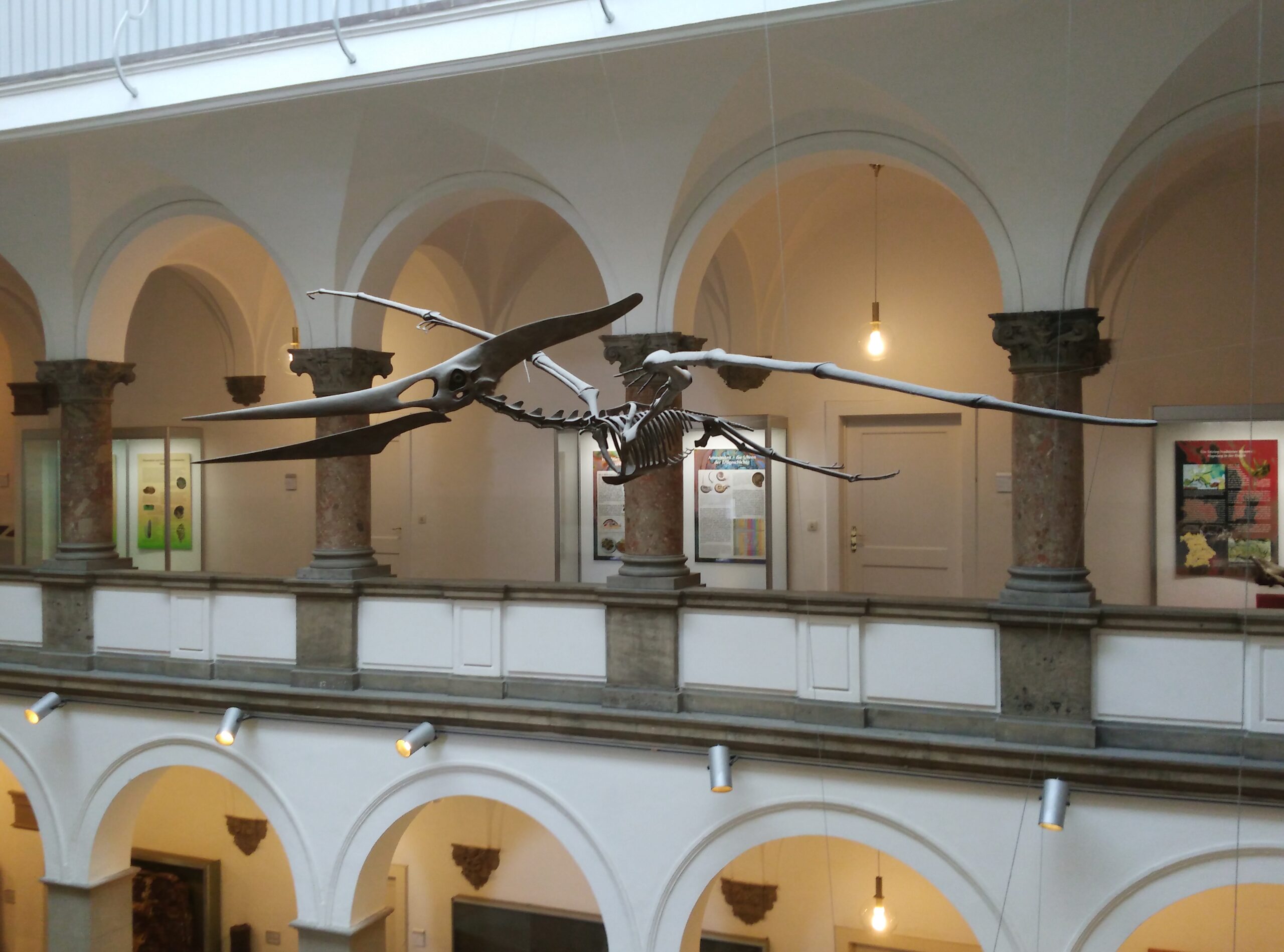 Photo Credit: ArticCynda / Wikimedia Commons
Imagine a time when the skies were ruled not by birds, but by magnificent flying reptiles like Pteranodon, a name that means “toothless wing.” This incredible creature, scientifically known as Pteranodon longiceps, glided gracefully above the shimmering waters of the Late Cretaceous period, around 70 to 100 million years ago. With a wingspan that could reach an astonishing 33 feet, Pteranodon was one of the largest flying animals ever to exist. Its long, backward-sweeping crest and elongated beak made it a striking figure against the backdrop of coastal cliffs and sandy beaches, where it hunted for fish and other marine life.
As Pteranodon soared through the air, it was not just a sight to behold; it was a marvel of evolution. Scientists and nature enthusiasts alike are captivated by its unique adaptations, which allowed it to thrive in a world filled with dinosaurs. With its lightweight bones and powerful wings, Pteranodon was perfectly designed for flight, effortlessly riding the ocean breezes. This ancient reptile played a crucial role in its ecosystem, acting as a skilled predator that helped maintain the balance of life in its coastal habitat. Join us as we explore the fascinating world of Pteranodon, uncovering the secrets of its life, behavior, and the environment it called home.
Pteranodon is a captivating figure in the tree of life, belonging to the fascinating group of flying reptiles known as pterosaurs. This ancient creature lived during the Late Cretaceous period, around 70 to 100 million years ago. What sets Pteranodon apart is its impressive wingspan, which could reach up to 33 feet, making it one of the largest known flying animals. Unlike birds, Pteranodon had a unique skeletal structure that allowed it to soar gracefully through the skies, showcasing the incredible diversity of life that once roamed our planet.
| Taxonomic Rank | Scientific Name | Meaning & Significance |
|---|---|---|
| Kingdom | Animalia | This name signifies that Pteranodon is part of the animal kingdom, which includes all multicellular organisms that are not plants, fungi, or bacteria. |
| Phylum | Chordata | Chordata means “having a notochord,” a flexible rod that supports the body. This group includes all animals with a backbone, highlighting Pteranodon’s connection to other vertebrates. |
| Class | Reptilia | Reptilia refers to reptiles, a class of cold-blooded vertebrates. Pteranodon shares this classification with modern-day lizards and snakes, emphasizing its ancient lineage. |
| Order | Pterosauria | Pterosauria means “winged lizards.” This order includes all pterosaurs, showcasing their unique adaptations for flight, which set them apart from other reptiles. |
| Family | Pteranodontidae | This family name indicates a group of large pterosaurs, with Pteranodon being one of the most well-known members, recognized for its distinctive cranial crest. |
| Genus | Pteranodon | The name Pteranodon translates to “toothless wing,” reflecting its lack of teeth and its impressive wingspan, which were key features of this magnificent flyer. |
Understanding Pteranodon’s classification reveals much about its evolutionary history. As a member of the Pterosauria order, it showcases the incredible adaptations that allowed reptiles to conquer the skies long before birds evolved. Its unique features, such as the absence of teeth and its massive wings, highlight the diverse evolutionary paths that life on Earth has taken. Pteranodon not only represents a fascinating chapter in the story of flight but also serves as a reminder of the vast array of life forms that have existed throughout our planet’s history.
The story of Pteranodon unfolds during the Late Cretaceous period, approximately 70 to 100 million years ago. This was a time when dinosaurs roamed the Earth, and the skies were filled with the majestic forms of pterosaurs, the flying reptiles that would eventually give rise to Pteranodon. As one of the largest pterosaurs, Pteranodon soared through the air, showcasing a remarkable evolutionary journey that highlights the adaptability of life.
Pteranodon evolved from earlier pterosaur ancestors, which were already experimenting with flight long before its time. These ancestors had smaller wings and were less specialized for soaring. Over millions of years, significant changes occurred, leading to the development of larger wingspans and lighter body structures. Pteranodon, in particular, boasted an impressive wingspan that could reach up to 33 feet, making it one of the largest flying animals ever. Its long, backward-sweeping crest, which varied in size and shape among species, likely played a role in attracting mates and establishing dominance.
These adaptations were vital for Pteranodon’s survival in a world filled with competition and predators. The massive wingspan allowed it to cover large areas in search of food, while the lightweight bones made flight less taxing. The crest not only served a social function but also helped it stand out in the skies. With its specialized beak, Pteranodon could efficiently catch fish, ensuring a steady food supply. Together, these features made Pteranodon a successful and awe-inspiring inhabitant of its time, showcasing the wonders of evolution in action.
Pteranodon was an awe-inspiring sight soaring through the skies of the Late Cretaceous period. With a wingspan that could stretch up to 33 feet, this giant pterosaur was one of the largest flying creatures to ever exist. Its long, slender body was perfectly designed for flight, featuring a lightweight skeleton that helped it glide effortlessly on the wind. The most striking aspect of Pteranodon was its impressive crest, a bony structure that jutted from the back of its head, varying in shape and size among individuals. This crest not only added to its majestic appearance but also played a role in communication and possibly even mating displays.
| Feature | Description |
|---|---|
| Wingspan | Up to 33 feet, making it one of the largest flying reptiles. |
| Body Structure | Long and slender, designed for efficient gliding. |
| Crest | A bony structure on the head, varying in shape, used for display and communication. |
| Skin Type | Covered in a thin layer of skin, similar to modern birds, allowing for lightweight flight. |
| Color | Likely varied, possibly featuring shades of brown or gray to blend into its environment. |
The combination of Pteranodon’s impressive wingspan and lightweight body allowed it to soar high above the ground, searching for fish and other prey in the waters below. Its crest not only made it visually striking but also served important social functions, helping it attract mates and communicate with others of its kind. With its specialized features, Pteranodon was perfectly adapted to its environment, showcasing the incredible diversity of life that once filled our planet.
Pteranodon thrived in coastal environments, where the land met the sea in a dramatic display of nature’s beauty. Imagine vast stretches of sandy beaches, rocky cliffs, and shallow waters teeming with life. These areas provided the perfect backdrop for Pteranodon, allowing it to glide gracefully above the waves, searching for fish and other marine delicacies. The skies were often filled with the calls of these magnificent creatures, their large wings casting shadows over the sunlit shores.
Pteranodon preferred warm, temperate climates, where the sun shone brightly and the winds were favorable for soaring. These environments often featured a mix of open water and land, providing ample opportunities for hunting. The shallow seas were rich in fish, which were a primary food source for this giant pterosaur. The gentle breezes and warm temperatures allowed Pteranodon to take to the skies with ease, making it a master of the air.
To thrive in these specific habitats, Pteranodon developed several adaptations. Its long, slender wings were perfectly designed for soaring, allowing it to cover great distances with minimal energy. The large crest on its head, which varied in shape and size among individuals, may have played a role in attracting mates or signaling to others. With its keen eyesight, Pteranodon could spot fish swimming below the surface, making it an efficient hunter. These adaptations not only helped it survive but also made it a dominant presence in its coastal world.
Pteranodon led a life filled with adventure and activity in the skies and along the coastlines of its Late Cretaceous habitat. Each day began with the sun rising over the horizon, casting golden light on the sandy beaches where these magnificent creatures roosted. As the day warmed, Pteranodon would take to the skies, gliding effortlessly on thermal updrafts—rising columns of warm air that help them soar without flapping their wings too much. They spent their mornings hunting for fish, diving gracefully into the water to catch their meals. After a satisfying breakfast, they would often engage in social interactions, displaying their impressive wings and crests to one another.
Social behavior among Pteranodon was quite dynamic, as these creatures often gathered in groups called colonies. These colonies provided safety in numbers, allowing them to watch for predators like large marine reptiles. Within these groups, Pteranodon communicated through a variety of vocalizations and body language, signaling their intentions and emotions. Males, with their striking crests, would often engage in displays to attract females, showcasing their strength and fitness. This social structure not only fostered relationships but also helped them coordinate hunting efforts, making it easier to catch fish in the abundant coastal waters.
| Behavior Type | Description |
|---|---|
| Hunting | Pteranodon hunted primarily for fish, using their keen eyesight to spot schools from the air before diving down to catch them. |
| Social Structure | They lived in colonies, which provided safety and opportunities for social interaction, including mating displays and cooperative hunting. |
| Communication | Pteranodon communicated through vocalizations and body language, using their impressive crests and movements to convey messages to one another. |
The behaviors of Pteranodon were essential for their survival in a world filled with challenges. By hunting in groups, they increased their chances of finding food, while their social interactions helped strengthen bonds within the colony. These connections were vital for raising young and ensuring the continuation of their species. In a time when the skies were filled with both wonder and danger, Pteranodon’s daily life was a testament to the power of cooperation and adaptation in the natural world.
Pteranodon was a carnivore, meaning it primarily ate meat. This impressive pterosaur had a diet that mainly consisted of fish, which it skillfully caught while flying over the water. With its long, pointed beak and keen eyesight, Pteranodon was well-adapted for spotting schools of fish swimming just beneath the surface. It would swoop down, using its sharp beak to snatch its prey with precision. This feeding behavior not only showcased its hunting prowess but also highlighted its role as a top predator in its coastal ecosystem.
| Dietary Aspect | Details |
|---|---|
| Diet Type | Carnivore |
| Favorite Foods | Fish |
| Prey Items | Small to medium-sized fish |
| Hunting/Foraging Strategies | Soaring above water to spot fish, then diving to catch them |
The diet of Pteranodon played a crucial role in shaping its ecology and daily routine. By feeding on fish, it helped maintain the balance of marine life in its environment. This not only ensured a steady food supply for itself but also influenced the populations of fish in the area. As a skilled hunter, Pteranodon spent much of its day soaring through the skies, scanning the waters for its next meal, making it a vital part of the coastal ecosystem during the Late Cretaceous period.
During the breeding season, Pteranodon engaged in elaborate courtship displays to attract mates. These displays often included impressive aerial maneuvers, showcasing their incredible flying abilities. Mating typically occurred in the warmer months when food was plentiful, ensuring that both parents could support their young. After a successful pairing, the female would prepare to lay her eggs, a crucial step in the continuation of their lineage.
| Reproductive Aspect | Details |
|---|---|
| Gestation Period | Approximately 3 months |
| Litter Size | 1 egg |
| Age of Maturity | 3 to 4 years |
| Name of Young | Chick |
After the egg is laid, the female Pteranodon would carefully guard it, ensuring it remained safe from predators. Once the chick hatched, both parents played a role in its upbringing. They provided food, which likely consisted of small fish and other marine life, and taught the young how to fly. As the chick grew, it developed the strong wings and keen hunting skills necessary for survival. By the time it reached maturity, the young Pteranodon was ready to take to the skies, continuing the cycle of life in the vibrant world of the Late Cretaceous.
Pteranodon held a significant position in the food web of its time, soaring high above the coastal waters and hunting for fish. As a skilled predator, it primarily fed on marine life, but it was not at the top of the food chain. Other creatures posed threats to this magnificent pterosaur, reminding us that even the mightiest flyers had to be cautious in their environment.
To survive these dangers, Pteranodon relied on its impressive flying abilities and keen eyesight. With its long wings, it could glide effortlessly, making quick escapes from potential threats. When faced with danger, it might have used its speed and agility to evade predators, darting away into the open sky or diving into the water to hide. These strategies helped Pteranodon navigate the challenges of its world, ensuring its place in the ancient ecosystem.
A keystone species is a vital part of its ecosystem, playing a crucial role in maintaining the structure and balance of that environment. If removed, the entire ecosystem could change dramatically. Pteranodon, with its impressive size and unique hunting abilities, qualifies as a keystone species in its Late Cretaceous habitat. Its presence influenced not only the populations of fish it preyed upon but also the dynamics of other species in the coastal ecosystems where it thrived.
Pteranodon primarily fed on fish, which made it a significant predator in its environment. By controlling fish populations, it helped maintain a balance in the marine food web. If Pteranodon caught too many fish, it could lead to overpopulation of certain species, which might then deplete resources and disrupt the ecosystem. Additionally, its hunting practices likely affected the behavior of fish, causing them to adapt and change their patterns to avoid being caught. This interaction illustrates how Pteranodon was not just a passive participant but an active influencer in its ecosystem.
Moreover, Pteranodon’s nesting habits contributed to the coastal environment. By nesting on cliffs and sandy beaches, it helped aerate the soil and contributed nutrients through its droppings. This nutrient cycling is essential for plant growth, which in turn supports a variety of other species. The presence of Pteranodon also provided opportunities for scavengers, as leftover fish remains could attract other animals looking for an easy meal.
If Pteranodon were to disappear from its ecosystem, the consequences could be severe. Fish populations might explode, leading to overgrazing of aquatic plants and destabilizing the marine environment. This imbalance could ripple through the food web, affecting not only other predators but also the plants and smaller organisms that rely on a balanced ecosystem. The loss of Pteranodon would not just mean the disappearance of a magnificent creature; it would signal a shift in the entire coastal ecosystem, highlighting the interconnectedness of life on Earth.
Pteranodon played a significant role in its ecosystem, particularly in coastal environments during the Late Cretaceous period. As a large flying reptile, it occupied a unique ecological niche, primarily as a predator of fish. This position allowed Pteranodon to influence not only the populations of its prey but also the overall health of the marine ecosystem. By controlling fish populations, it helped maintain a balance that benefited other species in its habitat.
| Ecosystem Service | Impact |
|---|---|
| Predation | Regulates fish populations, preventing overpopulation and promoting biodiversity. |
| Scavenging | Helps clean up dead marine life, contributing to nutrient cycling in the ecosystem. |
| Seed Dispersal | May have contributed to the spread of coastal plant species through its feeding habits. |
Pteranodon’s influence extended beyond just hunting fish. By preying on specific species, it likely affected the behavior and distribution of those fish, which in turn impacted the entire food web. For example, if Pteranodon favored a particular type of fish, that species might have been less abundant, allowing other fish species to thrive. This dynamic interaction helped create a diverse and balanced marine environment, where various species could coexist and flourish.
The broader ecological importance of Pteranodon cannot be overstated. As a keystone species, its presence was crucial for maintaining the structure of its ecosystem. If Pteranodon had disappeared, the ripple effects would have been felt throughout the food web, potentially leading to overpopulation of certain fish and a decline in others. This delicate balance highlights how interconnected life is in nature, reminding us that every species, no matter how large or small, plays a vital role in the health of our planet.
In the intricate web of life, symbiosis refers to the close interactions between different species, which can take on various forms. These relationships can be mutualistic, where both species benefit; parasitic, where one benefits at the expense of the other; or commensal, where one benefits while the other is neither helped nor harmed. Understanding these connections helps us appreciate how species like Pteranodon interacted with their environment and other organisms during the Late Cretaceous period.
| Species/Type | Relationship Type | Description |
|---|---|---|
| Small fish | Mutualistic | Pteranodon and small fish shared a beneficial relationship. As Pteranodon hunted for fish, it helped keep their populations in check, while the fish provided a food source for the pterosaur. |
| Marine scavengers | Commensal | After Pteranodon caught its fish, leftover scraps attracted marine scavengers like certain types of crustaceans. These scavengers benefited from the remains without affecting Pteranodon. |
| Parasites (like ticks) | Parasitic | Some parasites may have lived on Pteranodon, feeding on its blood. While the parasites gained nourishment, Pteranodon likely experienced discomfort and potential health issues. |
The evolution of these relationships was shaped by the needs and behaviors of the species involved. Over time, Pteranodon developed strategies to thrive in its environment, forming partnerships that enhanced its survival. Mutualistic relationships, like those with small fish, allowed both species to flourish, while commensal interactions provided benefits without direct competition. Even parasitic relationships, though harmful, played a role in the natural balance of ecosystems. Understanding these dynamics reveals the complexity of life in the Late Cretaceous and highlights the interconnectedness of all living things.
Pteranodon, a magnificent flying reptile from the Late Cretaceous period, continues to capture the imagination of scientists and nature lovers alike. With its impressive wingspan and unique adaptations, this ancient creature was truly a marvel of its time.
Pteranodon, a giant pterosaur that soared through the skies millions of years ago, has captured the imagination of humanity since its discovery. Early paleontologists unearthed its fossils, revealing a creature that was both awe-inspiring and mysterious. In various cultures, Pteranodon has been depicted in art and folklore, often symbolizing freedom and the power of flight. Its impressive wingspan and unique appearance have made it a subject of fascination, inspiring stories and even myths about ancient flying beasts. As we explore the past, we find that Pteranodon has not only been a scientific marvel but also a cultural icon, bridging the gap between ancient life and human creativity.
Today, our relationship with Pteranodon is primarily rooted in scientific study and conservation efforts. While these magnificent creatures are long extinct, their fossils provide valuable insights into the evolution of flight and the ecosystems of the Late Cretaceous period. Researchers continue to study Pteranodon to understand its role in the ancient food web and how it adapted to its environment. Additionally, the fascination with Pteranodon has led to educational programs aimed at teaching children and adults about prehistoric life and the importance of preserving our planet’s biodiversity. Although we cannot interact with Pteranodon directly, its legacy encourages us to protect the natural world and learn from the past.
Looking ahead, the relationship between humanity and the legacy of Pteranodon is poised to evolve further. As we continue to uncover more fossils and learn about these ancient creatures, we can deepen our understanding of Earth’s history. This knowledge not only enriches our appreciation for the past but also informs our efforts to protect the biodiversity we have today. By studying Pteranodon and other prehistoric life, we can inspire future generations to cherish and safeguard the natural world, ensuring that the stories of these magnificent beings live on in our hearts and minds.
Pteranodon, the magnificent flying reptile of the Late Cretaceous period, is classified as extinct. This means that there are no living members of this species today. While it once soared through ancient skies, its population has dwindled to zero, leaving behind only fossilized remains that tell the story of its existence millions of years ago. Understanding the reasons behind its extinction can help us learn more about the dynamics of life on Earth and the factors that can lead to the disappearance of a species.
| Conservation Factor | Status/Details |
|---|---|
| IUCN Status | Extinct |
| Population Estimates | None (extinct) |
| Trend Direction | Declining to extinct |
The main threats that led to the extinction of Pteranodon are still a topic of research and debate among scientists. During its time, dramatic changes in the environment, such as shifts in climate and sea levels, likely played a significant role. The Late Cretaceous period was marked by the rise of new species and the decline of others, possibly due to competition for resources. Additionally, catastrophic events, like asteroid impacts, could have drastically altered habitats, making it difficult for Pteranodon to survive.
While Pteranodon itself cannot be saved, studying its extinction provides valuable lessons for modern conservation efforts. By examining the factors that contributed to its demise, scientists can better understand how to protect current species facing similar threats. Efforts to preserve biodiversity today focus on habitat conservation, climate change mitigation, and protecting endangered species. The story of Pteranodon reminds us of the importance of safeguarding our planet’s ecosystems to ensure that future generations can enjoy the wonders of the natural world.
| Question | Answer |
|---|---|
| What was the habitat of Pteranodon? | Pteranodon lived during the Late Cretaceous period, around 70 million years ago. It primarily inhabited coastal areas, where it could easily access the ocean for food and find suitable nesting sites on cliffs or sandy beaches. |
| What did Pteranodon eat? | Pteranodon was a carnivore, meaning it primarily ate meat. Its diet likely consisted of fish and other marine animals, which it caught while flying over the water or diving down to snatch them up with its beak. |
| How did Pteranodon behave? | Pteranodon was a skilled flyer, using its large wingspan to glide gracefully through the air. It is believed to have been social, often seen in groups, which may have helped them find food and protect each other from predators. |
| How did Pteranodon reproduce? | Like many reptiles, Pteranodon laid eggs. The exact details of its nesting behavior are not fully known, but it likely built nests on cliffs or sandy shores, where the eggs could be protected from predators. |
| What were the threats to Pteranodon? | As a large flying reptile, Pteranodon faced threats from larger predators, including other marine reptiles. Additionally, environmental changes, such as shifts in climate or sea levels, could have impacted its food supply and nesting sites. |
| What are some interesting characteristics of Pteranodon? | Pteranodon is famous for its impressive wingspan, which could reach up to 33 feet, making it one of the largest flying creatures ever. It also had a distinctive crest on its head, which may have been used for display or to attract mates. |
| Is Pteranodon related to birds? | Yes, Pteranodon is part of a group called pterosaurs, which are flying reptiles closely related to dinosaurs. While they are not direct ancestors of modern birds, they share a common lineage and exhibit some similar features, like lightweight bones and wings. |