Taxonomy & Classification
- Kingdom
- Animalia
- Phylum
- Chordata
- Class
- Mammalia
- Order
- Carnivora
- Family
- Felidae
- Genus
- Puma
- Species
- Felis concolor

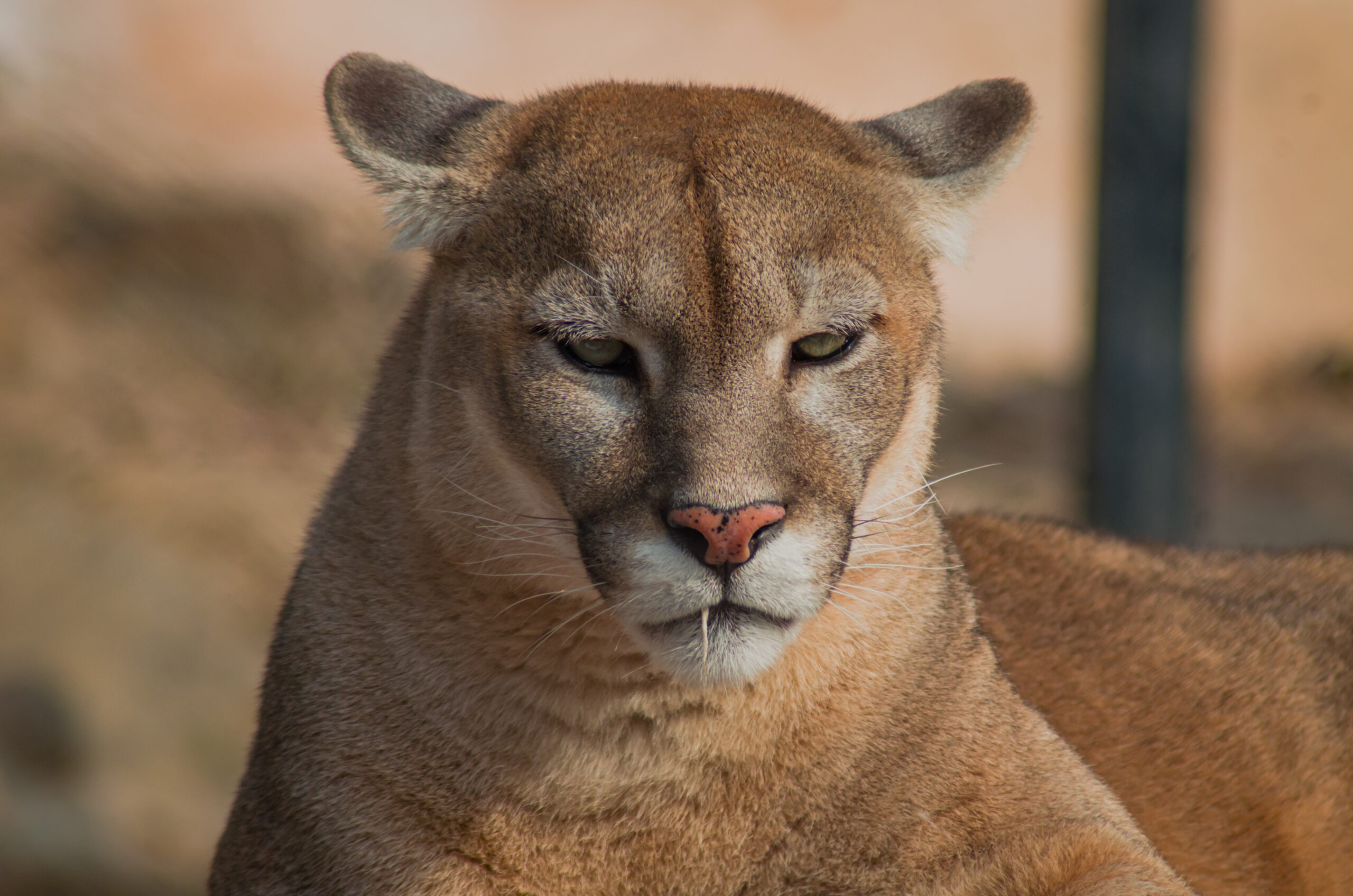 Photo Credit: Shahzaib Damn Cruze / Wikimedia Commons
In the heart of the Americas, the puma, scientifically known as Puma concolor, prowls through a tapestry of diverse landscapes, from the rugged mountains to the dense forests. With its sleek, tawny coat and piercing green eyes, this magnificent feline embodies both grace and power. As it moves silently through its territory, the puma showcases its remarkable agility, capable of leaping up to 20 feet in a single bound. This impressive ability not only aids in hunting but also captivates scientists and nature enthusiasts alike, who marvel at its prowess as an apex predator.
Imagine a twilight scene where the sun dips below the horizon, casting a golden glow over the landscape. The puma, a solitary hunter, emerges from the shadows, its keen senses attuned to the rustling of leaves and the distant calls of prey. With a diet that ranges from small rodents to larger animals like deer, the puma plays a crucial role in maintaining the balance of its ecosystem. As a keystone species, its presence influences the populations of other animals, making it an essential part of the natural world. Join us as we explore the life of the puma, uncovering its behaviors, habitats, and the vital role it plays in the wild.
The puma, also known as the cougar or mountain lion, holds a special place in the animal kingdom. Taxonomically, it belongs to the Kingdom Animalia, which includes all animals, and is classified under the Phylum Chordata, meaning it has a backbone. As a member of the Class Mammalia, pumas are warm-blooded and nurse their young with milk. They fall under the Order Carnivora, which includes meat-eating animals, and the Family Felidae, the group of cats. What makes the puma particularly interesting is its adaptability; it can thrive in diverse habitats, from forests to deserts, and is known for its incredible agility and stealth.
| Taxonomic Rank | Scientific Name | Meaning & Significance |
|---|---|---|
| Kingdom | Animalia | This name comes from the Latin word “animalis,” meaning “having breath” or “living.” It signifies all living organisms that breathe and move. |
| Phylum | Chordata | Derived from the Greek word “chorde,” meaning “string” or “cord,” this name refers to animals with a notochord, a flexible rod that supports the body, which in vertebrates becomes the backbone. |
| Class | Mammalia | This term comes from the Latin “mamma,” meaning “breast.” It highlights the defining feature of mammals: females possess mammary glands that produce milk for their young. |
| Order | Carnivora | From the Latin “carnivorus,” meaning “meat-eating,” this classification includes animals that primarily consume flesh, showcasing their role as predators in ecosystems. |
| Family | Felidae | This name is derived from the Latin “felis,” meaning “cat.” It encompasses all true cats, emphasizing their shared characteristics like retractable claws and keen senses. |
| Genus | Puma | The name “puma” comes from the Quechua word “puma,” which means “powerful.” This reflects the animal’s strength and agility, traits that make it a formidable predator. |
Understanding the puma’s classification reveals much about its evolutionary journey. As a member of the Felidae family, pumas share a common ancestor with other big cats, such as lions and tigers, which dates back millions of years. Their adaptability to various environments and their role as apex predators highlight their evolutionary success. This classification not only helps scientists study their biology and behavior but also emphasizes the importance of conserving their habitats, ensuring that these magnificent animals continue to thrive in the wild.
The evolutionary journey of the puma, also known as the cougar or mountain lion, stretches back millions of years. This agile feline belongs to the family Felidae and the genus Puma, with its ancestors roaming the Earth during the late Miocene epoch, around 10 million years ago. As the world changed, so did the puma, adapting to various environments and evolving into the powerful predator we recognize today.
The story of the puma begins with its ancestors, the early felids, which were small, tree-dwelling creatures. Over time, these ancestors transitioned into larger, more versatile hunters. One significant evolutionary leap occurred when the puma’s ancestors developed a more robust body structure, allowing them to take down larger prey. This adaptation was crucial as it enabled them to thrive in diverse habitats, from dense forests to open plains. Another major transition was the development of retractable claws, which help pumas climb trees and grip their prey tightly. Their keen eyesight and acute hearing also evolved, enhancing their hunting skills, especially during dawn and dusk when they are most active.
These adaptations have been vital for the puma’s survival across diverse landscapes. Their powerful limbs and keen senses make them formidable hunters, while their ability to blend into their surroundings ensures they can approach prey undetected. The puma’s flexible diet allows it to thrive in various ecosystems, ensuring that it can find food no matter where it roams. As a result, this magnificent feline continues to be a symbol of strength and adaptability in the wild.
The puma, a sleek and powerful feline, commands attention with its graceful yet muscular build. With a body designed for agility and strength, it can leap great distances and sprint at impressive speeds. Its long legs and broad shoulders give it a robust appearance, while its slender waist allows for quick movements through dense forests and rocky terrains. The puma’s overall silhouette is both elegant and formidable, making it a master of stealth in its natural habitat.
| Feature | Description |
|---|---|
| Weight | 67kg – 105kg (148lbs – 231.5lbs) |
| Skin Type | Fur |
| Most Distinctive Feature | Solid-coloured coat of fur |
The puma’s solid-colored coat of fur serves as a perfect camouflage, blending seamlessly into its surroundings, whether it be the golden grasses of the plains or the dappled shadows of the forest. This adaptation not only aids in hunting but also helps it avoid detection by potential threats. Coupled with its impressive weight range, which provides both power and agility, the puma is well-equipped for survival in diverse environments. Each feature of this magnificent animal works in harmony, showcasing nature’s incredible ability to craft a creature that is both beautiful and efficient.
The puma roams a diverse range of habitats, from the rugged mountain forests to the lush jungles. Picture towering trees that stretch toward the sky, their leaves whispering in the wind, and rocky cliffs that provide perfect vantage points for this stealthy predator. In these environments, the puma finds ample cover to stalk its prey, whether it be deer in the forest or smaller mammals in the underbrush. The interplay of sunlight filtering through the canopy and the shadows cast by the terrain creates a dynamic landscape where the puma thrives.
Pumas are adaptable animals, but they do have preferences when it comes to climate and environmental conditions. They typically favor areas that offer a mix of open spaces and dense cover, allowing them to hunt effectively while remaining hidden from both prey and potential threats. These felines are found in regions that experience a range of temperatures, from the cool, crisp air of mountainous areas to the warmer, humid conditions of jungles. This versatility helps them survive in various ecosystems.
To thrive in such diverse habitats, pumas have developed remarkable adaptations. Their powerful limbs and keen senses allow them to navigate both steep, rocky terrains and thick underbrush with ease. Their fur, which can vary in color from tawny to grayish, provides excellent camouflage, helping them blend into their surroundings. This ability to adapt not only aids in hunting but also plays a crucial role in avoiding detection by larger predators or human encroachment. The puma’s resilience and flexibility make it a true master of its environment.
The puma’s daily life is a blend of stealth, agility, and strategic hunting. These magnificent cats are primarily crepuscular, meaning they are most active during the twilight hours of dawn and dusk. As the sun rises or sets, pumas quietly patrol their territories, using their keen senses to detect movement. They rely on their powerful legs to leap and sprint, making them exceptional hunters. During the day, they often rest in shaded areas, conserving energy for their next hunt.
While pumas are solitary animals, they have fascinating social behaviors that revolve around their territories. Each puma establishes a home range, which can vary in size depending on the availability of prey and the landscape. Although they prefer to live alone, they communicate with one another through vocalizations, scent markings, and visual signals. These methods help them avoid confrontations and maintain their space while still being aware of other pumas in the area.
| Behavior Type | Description |
|---|---|
| Activity Patterns | Pumas are crepuscular, hunting primarily at dawn and dusk to take advantage of low light conditions. |
| Social Structure | They are solitary animals, each maintaining a territory that they mark and defend. |
| Communication Methods | Pumas use vocalizations like growls and screams, along with scent markings, to communicate with others. |
The behaviors of pumas are finely tuned to ensure their survival in the wild. By being crepuscular, they can hunt effectively while avoiding larger predators. Their solitary nature allows them to minimize competition for food, while their communication methods help them navigate their territories without unnecessary conflict. This combination of traits makes the puma a master of its environment, thriving in diverse habitats across the Americas.
The puma is a carnivore, which means it primarily eats meat. This big cat has a varied diet that includes a range of prey, from small rodents to larger animals like deer and sheep. Pumas are skilled hunters, using their keen senses and stealth to stalk and ambush their prey. They often hunt alone, relying on their powerful bodies and sharp claws to catch and subdue their meals.
| Dietary Aspect | Details |
|---|---|
| Diet Type | Carnivore |
| Favorite Foods | Deer, sheep, and small mammals like rats |
| Prey Items | Rats, deer, sheep |
| Hunting Strategies | Stalking and ambushing prey, often hunting alone |
This diet plays a crucial role in shaping the puma’s ecology and daily routine. By preying on various animals, pumas help maintain the balance of their ecosystems, controlling populations of herbivores like deer. Their solitary hunting style allows them to adapt to different environments, ensuring they can find food in diverse habitats. As they roam their territories, pumas not only seek out meals but also mark their presence, contributing to the intricate web of life in their surroundings.
When it comes to mating, pumas are solitary animals that come together only for reproduction. Their breeding season typically occurs in late winter to early spring, when the days start to lengthen. During this time, males will roam their territories, seeking out females. They communicate through vocalizations, scent markings, and even physical displays to attract a mate. Once a pair has formed, they will mate multiple times over a few days, ensuring the female has a good chance of becoming pregnant.
| Reproductive Aspect | Details |
|---|---|
| Gestation Period | 3 months |
| Average Litter Size | 4 |
| Age of Sexual Maturity | 2 – 3 years |
| Name of Young | Cub |
After the gestation period of about three months, the female puma gives birth to a litter of cubs, usually numbering around four. These tiny, helpless cubs are born blind and rely entirely on their mother for warmth, food, and protection. The mother is fiercely devoted, keeping her young hidden in a secure den, often in dense vegetation or rocky crevices. As the cubs grow, they begin to explore their surroundings and learn essential survival skills. By the time they reach sexual maturity at around two to three years old, they are ready to venture out on their own, continuing the cycle of life in the wild.
The puma occupies a vital role in the food web as an apex predator, meaning it sits at the top of the food chain. This powerful feline helps maintain the balance of ecosystems by controlling the populations of herbivores and smaller predators. However, despite its strength and adaptability, the puma faces several dangers that threaten its survival.
To defend against these threats, pumas have developed a range of survival strategies. They are masters of stealth, using their excellent camouflage to blend into their surroundings, making it harder for both predators and humans to spot them. Pumas are also highly adaptable, capable of adjusting their hunting patterns and territories in response to changes in their environment. When faced with danger, they can quickly retreat to remote areas or climb trees to escape, showcasing their agility and resourcefulness in the wild.
A keystone species is an organism that plays a crucial role in maintaining the structure of its ecosystem. Its presence and activities significantly influence the types and numbers of other species in that environment. The puma, also known as the cougar or mountain lion, qualifies as a keystone species due to its role as an apex predator. By controlling prey populations and influencing the behavior of other animals, pumas help shape the ecological balance in their habitats.
Pumas primarily inhabit mountain forests and jungles, where they exert a powerful influence on the ecosystem. As carnivores, they hunt a variety of prey, including deer and smaller mammals. By preying on these animals, pumas help regulate their populations, preventing overgrazing and allowing vegetation to thrive. This balance is essential for maintaining healthy plant communities, which in turn support a wide range of other species, from insects to birds.
Moreover, pumas can affect the behavior of their prey. When deer sense the presence of pumas, they often change their grazing patterns, moving to areas where they feel safer. This shift can lead to a more diverse plant life, as certain plants are given a chance to grow without being overbrowsed. The puma’s hunting strategies and territorial behaviors also create opportunities for other species, such as scavengers, to benefit from leftover kills.
If pumas were to disappear from their ecosystems, the consequences would be profound. Without these apex predators, prey populations like deer could explode, leading to overgrazing and a decline in plant diversity. This imbalance would ripple through the ecosystem, affecting not only the plants but also the many animals that depend on them for food and shelter. Ultimately, the absence of pumas would disrupt the intricate web of life, highlighting just how vital these magnificent cats are to their environments.
The puma, also known as the cougar or mountain lion, occupies a vital ecological niche as an apex predator. This means it sits at the top of the food chain, playing a crucial role in maintaining the balance of its ecosystem. By controlling the populations of herbivores and smaller carnivores, pumas help ensure that plant life and other animal species can thrive. Their presence influences the entire community of organisms in their habitat, which includes mountain forests and jungles.
| Ecosystem Service | Impact |
|---|---|
| Population Control | Regulates herbivore numbers, preventing overgrazing and promoting plant diversity. |
| Scavenger Support | Provides food for scavengers by leaving behind remains of prey. |
| Habitat Maintenance | Encourages healthy ecosystems by influencing the behavior and distribution of other species. |
| Genetic Diversity | Maintains genetic health of prey populations by preying on the weak and sick. |
Pumas have a significant influence on their environment through their hunting habits. For instance, when they prey on deer, they help control the deer population, which in turn allows vegetation to flourish. This is especially important in mountain forests, where overpopulation of deer can lead to the depletion of young trees and shrubs. Additionally, pumas often leave behind carcasses, which provide essential nutrients for scavengers like vultures and coyotes. This cycle of life and death supports a diverse array of species, creating a rich tapestry of life in their habitats.
The broader ecological importance of pumas cannot be overstated. As a keystone species, their presence shapes the structure of their ecosystems, influencing not just the populations of their prey but also the health of the entire environment. By maintaining balance, pumas help ensure that their habitats remain vibrant and diverse, supporting countless other species. In this way, the puma is not just a solitary hunter but a vital player in the intricate web of life that sustains our planet.
In the intricate web of life, pumas engage in various ecological relationships that highlight the beauty of symbiosis. Symbiosis refers to the close interactions between different species, which can be beneficial, harmful, or neutral. These relationships can take many forms, such as mutualism, where both species gain advantages, parasitism, where one benefits at the other’s expense, and commensalism, where one species benefits while the other is neither helped nor harmed. Understanding these connections helps us appreciate how pumas fit into their ecosystems and interact with other organisms.
| Species/Type | Relationship Type | Description |
|---|---|---|
| Birds (e.g., oxpeckers) | Mutualistic | These birds often perch on large mammals, including pumas, feeding on ticks and parasites found on their skin. In return, the pumas benefit from reduced irritation and potential disease. |
| Smaller mammals (e.g., rodents) | Parasitic | While pumas hunt these smaller animals for food, the rodents suffer as they become prey. This relationship is essential for the puma’s survival but detrimental to the rodents. |
| Plants (e.g., trees in their habitat) | Commensal | Pumas often use trees for shelter and as vantage points for hunting. The trees are not affected by the pumas’ presence, but the big cats gain a strategic advantage in their environment. |
These relationships have evolved over time, shaped by the needs and behaviors of the species involved. Pumas, as apex predators, play a crucial role in controlling populations of their prey, which helps maintain a balanced ecosystem. The mutualistic relationships, like those with birds, showcase how different species can work together for mutual benefit. Understanding these connections not only enriches our knowledge of pumas but also emphasizes the importance of preserving their habitats, ensuring that these intricate relationships continue to thrive.
Pumas, also known as cougars or mountain lions, are truly captivating animals that inspire awe and curiosity. These big cats are not just powerful hunters; they have a range of surprising traits and behaviors that make them stand out in the animal kingdom.
Throughout history, pumas have held a significant place in human culture and mythology. Native American tribes often revered these majestic cats, seeing them as symbols of strength and courage. In many stories, pumas were depicted as powerful guardians of the wilderness, embodying the spirit of the mountains and forests they inhabit. As settlers moved across North America, encounters with pumas were both awe-inspiring and fear-inducing. These big cats were often seen as threats to livestock, leading to a complex relationship filled with both admiration and conflict.
Today, the interactions between pumas and humans are multifaceted, reflecting a blend of conservation efforts and ongoing conflicts. As urban areas expand into puma habitats, encounters have become more common, sometimes resulting in dangerous situations for both species. Conservationists work tirelessly to protect puma populations, emphasizing their role as apex predators in maintaining healthy ecosystems. However, conflicts arise when pumas prey on livestock, leading to tensions between ranchers and wildlife advocates. Unlike domesticated animals, pumas cannot be tamed, but understanding their behavior can help reduce conflicts and promote coexistence.
Looking ahead, the future of the relationship between pumas and humanity hinges on our ability to adapt and find common ground. As we learn more about these incredible animals, we can develop strategies that promote coexistence rather than conflict. By fostering a deeper understanding of pumas and their ecological importance, we can ensure that these magnificent cats continue to roam the wild landscapes they call home, enriching our natural world for generations to come.
The puma, also known as the cougar or mountain lion, currently holds a conservation status of “Least Concern” according to the International Union for Conservation of Nature (IUCN). This means that, overall, pumas are not facing immediate extinction threats. With an estimated population size of around 50,000 individuals, their numbers are relatively stable in many regions. However, this does not mean that all puma populations are thriving equally; some local populations may be declining due to various environmental pressures.
| Conservation Factor | Status/Details |
|---|---|
| IUCN Status | Least Concern |
| Estimated Population Size | 50,000 |
| Population Trend | Stable in many areas, but some local declines |
Despite their overall stable status, pumas face several significant threats. Habitat loss is one of the most pressing issues, as urban development and agriculture encroach on their natural territories. This not only reduces the space available for pumas to roam and hunt but also fragments their populations, making it harder for them to find mates. Additionally, human-wildlife conflict can arise when pumas venture into populated areas in search of food, leading to negative interactions with people and livestock.
Conservation efforts are underway to protect pumas and their habitats. Wildlife corridors, which are protected pathways that allow animals to move safely between different areas, are being established to help connect fragmented habitats. Education programs are also crucial, as they inform communities about the importance of pumas in maintaining ecological balance. With continued efforts and awareness, the outlook for pumas remains hopeful, ensuring that these magnificent cats can continue to thrive in the wild for generations to come.
| Question | Answer |
|---|---|
| What is the natural habitat of a Puma? | Pumas, also known as cougars or mountain lions, thrive in diverse environments. They can be found in mountain forests and jungles, where they have plenty of cover for hunting and resting. |
| What do Pumas eat? | Pumas are carnivores, meaning they primarily eat meat. Their diet mainly consists of deer, but they also hunt smaller animals like rabbits and birds, showcasing their adaptability as hunters. |
| How do Pumas behave in the wild? | Pumas are solitary animals, preferring to live and hunt alone. They are also very territorial, marking their areas with scent to warn other Pumas to stay away. |
| How do Pumas reproduce? | Pumas typically mate in late winter or early spring. After a gestation period of about 90 to 95 days, the female gives birth to a litter of one to six kittens, which she raises alone until they are old enough to hunt. |
| What threats do Pumas face? | While Pumas are currently classified as Least Concern, they still face threats from habitat loss and human encroachment. Hunting and vehicle collisions also pose significant risks to their populations. |
| What is a unique characteristic of Pumas? | One of the most distinctive features of Pumas is their solid-colored coat of fur, which can range from tawny to grayish. This coloration helps them blend into their surroundings, making them effective hunters. |
| Are Pumas social animals? | Pumas are not social animals like lions or wolves. They prefer to live alone, coming together only to mate or when a mother is raising her young. |