Taxonomy & Classification
- Kingdom
- Animalia
- Phylum
- Arthropoda
- Class
- Insecta
- Order
- Lepidoptera
- Family
- Nymphalidae
- Genus
- Apatura
- Species
- Apatura iris

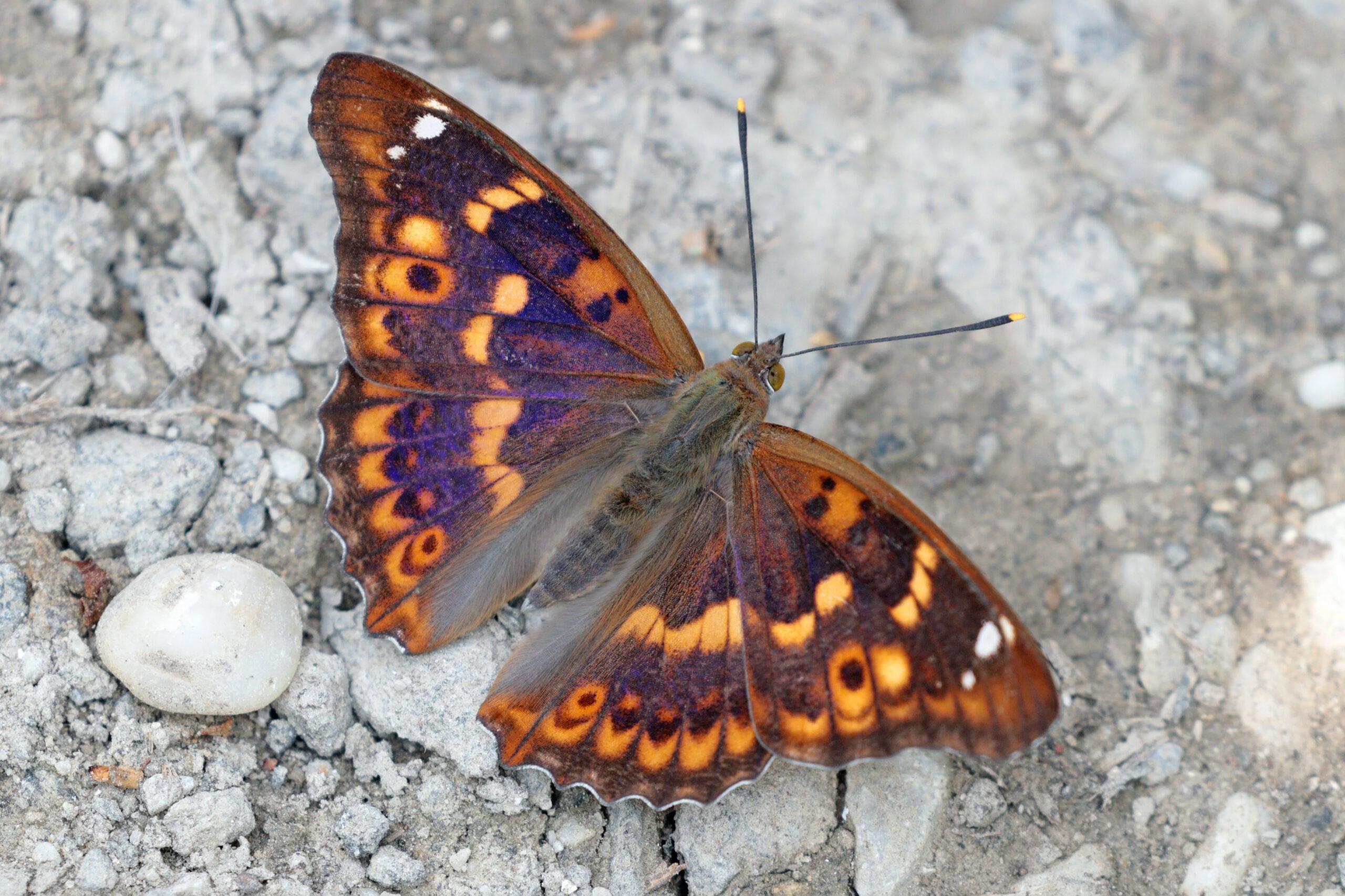 Photo Credit: Charlesjsharp / Wikimedia Commons
In the heart of lush deciduous woodlands, the Purple Emperor Butterfly, known scientifically as Apatura iris, flits gracefully among the sun-dappled leaves. With a wingspan that can reach up to three inches, this butterfly is a true spectacle of nature, showcasing a stunning blend of deep purples and iridescent blues that shimmer in the sunlight. As it dances through the trees, its vibrant colors catch the eye of both curious onlookers and dedicated scientists alike, who are captivated by its beauty and the mysteries of its life cycle.
The Purple Emperor Butterfly is not just a pretty face; it plays a vital role in its ecosystem. These butterflies are omnivorous, meaning they enjoy a varied diet that includes both plant materials and even some animal matter. This adaptability allows them to thrive in their woodland homes, where they contribute to the delicate balance of life. As they flutter from flower to flower, they help pollinate plants, ensuring the continuation of the vibrant forest around them. With their fascinating behaviors and unique ecological role, the Purple Emperor Butterfly invites us to explore the wonders of the natural world and the intricate connections that bind all living things together.
The Purple Emperor Butterfly, scientifically known as Apatura iris, holds a special place in the tree of life. This stunning insect belongs to the kingdom Animalia, which includes all animals, and is part of the phylum Arthropoda, home to creatures with exoskeletons, segmented bodies, and jointed legs. What sets the Purple Emperor apart is its striking iridescent wings that shimmer in shades of purple and blue, captivating anyone lucky enough to spot it. This butterfly is not just a pretty face; it plays a vital role in its ecosystem, helping to pollinate flowers while also serving as a food source for various predators.
| Taxonomic Rank | Scientific Name | Meaning & Significance |
|---|---|---|
| Kingdom | Animalia | This name means “animals” in Latin, highlighting that the Purple Emperor is part of the vast group of living organisms that are multicellular and consume organic material. |
| Phylum | Arthropoda | Derived from Greek, meaning “jointed feet,” this classification emphasizes the butterfly’s jointed legs and segmented body, which are key features of this diverse group. |
| Class | Insecta | This term comes from the Latin word for “cut,” referring to the segmented body structure of insects, including the Purple Emperor’s distinct body parts. |
| Order | Lepidoptera | From the Greek words for “scale” and “wing,” this name highlights the butterfly’s beautiful, scaled wings that create its vibrant colors. |
| Family | Nymphalidae | This family name is derived from “nymph,” referring to the youthful stage of insects, and reflects the beauty and grace of these butterflies. |
| Genus | Apatura | This name comes from the Greek word meaning “to fly away,” which is fitting for a butterfly known for its swift and agile flight. |
| Species | iris | Named after the Greek goddess of the rainbow, this species name captures the butterfly’s dazzling colors that change with the light. |
The classification of the Purple Emperor Butterfly reveals much about its evolutionary journey. As a member of the Nymphalidae family, it shares a lineage with many other butterflies that have adapted to various environments over millions of years. Its unique features, such as the iridescent wings and agile flight, are not just for show; they have evolved to help it survive and thrive in its habitat. Understanding its taxonomic position helps us appreciate the intricate web of life and the evolutionary processes that shape the diversity of species we see today.
The evolutionary journey of the Purple Emperor Butterfly, or Apatura iris, stretches back millions of years, weaving through the rich tapestry of life on Earth. This butterfly belongs to the family Nymphalidae, a diverse group that has adapted to various environments and ecological niches. The story of the Purple Emperor is one of transformation, showcasing how species evolve over time to thrive in their habitats.
The ancestors of the Purple Emperor likely emerged during the late Cretaceous period, around 100 million years ago, when flowering plants began to flourish. These early butterflies were simple in form, resembling moths more than the vibrant creatures we see today. As flowering plants evolved, so did the butterflies that depended on them for food. Major transitions occurred as these insects developed specialized mouthparts for sipping nectar, allowing them to exploit new food sources. Over time, the Purple Emperor’s ancestors adapted to their environments, developing striking colors and patterns that not only attracted mates but also provided camouflage against predators.
These adaptations have been crucial for the survival of the Purple Emperor Butterfly. The dazzling colors not only play a role in reproduction but also help it evade predators, while its preference for specific habitats ensures it has access to the resources it needs. By mastering the art of transformation and adapting to its environment, the Purple Emperor continues to thrive, a testament to the wonders of evolution.
The Purple Emperor Butterfly is a breathtaking sight, captivating anyone lucky enough to spot it. With a wingspan that can reach up to 3 inches, this butterfly boasts a striking combination of deep purples and blues that shimmer in the sunlight. Its body is slender and elegant, adorned with fine hairs that give it a velvety appearance. The wings are broad and slightly rounded, allowing for graceful gliding as it flits through its forested habitat. When perched, the butterfly often displays its vibrant colors, creating a stunning contrast against the greenery of its surroundings.
| Feature | Description |
|---|---|
| Size | Wingspan of up to 3 inches |
| Color | Deep purples and blues with iridescent qualities |
| Skin Type | Covered in fine hairs, giving a velvety texture |
| Wing Shape | Broad and slightly rounded for graceful flight |
The combination of its vibrant colors and delicate structure serves multiple purposes in the wild. The iridescent hues not only attract potential mates but also help the butterfly blend into the dappled light of the forest, making it harder for predators to spot. The fine hairs on its body can also play a role in temperature regulation, helping the butterfly maintain its warmth as it flits about in search of nectar. Together, these features create a stunning example of nature’s artistry, showcasing how beauty and function can work hand in hand for survival.
The Purple Emperor Butterfly thrives in the enchanting world of deciduous woodlands, where sunlight filters through a lush canopy of leaves. These vibrant forests are alive with the sounds of chirping birds and rustling leaves, creating a serene backdrop for this beautiful butterfly. The dappled light that dances on the forest floor provides the perfect setting for the Purple Emperor to flit gracefully among the trees, showcasing its stunning colors.
This butterfly prefers a climate that is mild and temperate, which means it enjoys warm summers and cool winters. Deciduous woodlands, where trees lose their leaves in the fall, offer a rich environment filled with diverse plant life. The Purple Emperor relies on specific trees, such as willows and oaks, for both food and shelter. These trees not only provide nectar-rich flowers for adult butterflies but also serve as host plants for their caterpillars, ensuring a steady supply of food.
To thrive in its woodland home, the Purple Emperor Butterfly has developed several clever adaptations. Its striking coloration helps it blend into the dappled light of the forest, making it less visible to predators. Additionally, the butterfly has a unique behavior of basking in the sun on tree trunks, which helps it warm up and become more active. This combination of camouflage and sunbathing allows the Purple Emperor to navigate its habitat with grace and agility, ensuring its survival in the wild.
The Purple Emperor Butterfly begins its day in the dappled light of deciduous woodlands, where it flits gracefully among the trees. As the sun rises, these butterflies emerge from their resting spots, often found perched on tree trunks or leaves. Their daily activities include basking in the sun to warm their bodies, which is essential for their flight. They spend time searching for food, primarily nectar from flowers, and engaging in courtship displays. These displays are not just for attracting mates; they also help establish territory among rivals.
Socially, Purple Emperor Butterflies exhibit intriguing behaviors that highlight their complex interactions. They are known to be somewhat solitary but can gather in small groups, especially during feeding or when basking. Males often engage in aerial displays to assert dominance and attract females, showcasing their vibrant colors and patterns. Communication among these butterflies is primarily visual, relying on their striking appearance and flight patterns to convey messages. This social structure allows them to maintain a balance between competition and cooperation, ensuring that they can thrive in their woodland habitats.
| Behavior Type | Description |
|---|---|
| Feeding | Purple Emperor Butterflies feed on nectar from various flowers, using their long proboscis to reach deep into blooms. |
| Basking | They bask in sunlight to warm their bodies, which is crucial for maintaining energy levels for flight. |
| Courtship Displays | Males perform aerial displays to attract females and establish territory, showcasing their vibrant colors. |
| Group Dynamics | While generally solitary, they may gather in small groups during feeding or basking, balancing competition and cooperation. |
| Communication | Visual signals, including flight patterns and color displays, are key methods of communication among these butterflies. |
The behaviors of the Purple Emperor Butterfly are finely tuned to ensure their survival in the wild. By basking in the sun, they maintain the energy needed for flight and foraging. Their courtship displays not only attract mates but also help establish territories, reducing conflicts with other males. The ability to communicate visually allows them to navigate their environment effectively, ensuring they can find food and mates while avoiding predators. Together, these behaviors create a dynamic lifestyle that supports their existence in the vibrant tapestry of the woodland ecosystem.
The Purple Emperor Butterfly has a diverse diet that reflects its omnivorous nature. This means it enjoys a variety of foods, including plant materials and animal matter. One of its favorite sources of nutrition comes from tree sap, which it skillfully extracts using its long, straw-like mouthpart called a proboscis. In addition to sap, these butterflies also consume larvae and even dung, which may sound unusual but is a rich source of nutrients. By feeding on these different food sources, the Purple Emperor Butterfly plays a vital role in its ecosystem, helping to recycle nutrients and support the health of its woodland habitat.
| Dietary Aspect | Details |
|---|---|
| Diet Type | Omnivore |
| Favorite Foods | Tree sap, larvae, dung |
| Prey Items | Larvae |
| Hunting/Foraging Strategies | Uses proboscis to extract sap; feeds on dung for nutrients |
The diet of the Purple Emperor Butterfly not only sustains its own life but also influences the ecosystem around it. By feeding on sap, it helps trees by promoting the flow of nutrients, while its consumption of larvae and dung aids in the breakdown of organic matter. This butterfly’s daily routine is intricately tied to its feeding habits, as it flits from tree to tree, seeking out the best sources of food. In doing so, it contributes to the vibrant life of the woodland, ensuring that the cycle of life continues in this beautiful habitat.
The mating behavior of the Purple Emperor Butterfly is as captivating as its appearance. During the breeding season, which typically occurs in late spring to early summer, males engage in a spectacular display to attract females. They flutter around, showcasing their vibrant colors and performing aerial dances. Once a female is attracted, the pair will mate, and the female will begin the process of laying eggs shortly after.
| Reproductive Aspect | Details |
|---|---|
| Gestation Period | About 10 days |
| Litter Size | Approximately 100 eggs |
| Age of Maturity | About 4 to 6 weeks |
| Name of Young | Caterpillars |
After the eggs hatch, the young caterpillars emerge and begin their journey of growth. These caterpillars are voracious eaters, munching on leaves and growing rapidly. As they develop, they go through several stages called instars, shedding their skin multiple times. Once they reach maturity, they will find a safe spot to pupate, transforming into chrysalises. This stage is crucial, as it allows them to undergo metamorphosis, eventually emerging as the stunning adult Purple Emperor Butterflies we admire. The parental care is minimal, as the female lays her eggs and leaves the young to fend for themselves, but the survival of the caterpillars is a testament to their resilience and adaptability in the wild.
The Purple Emperor Butterfly, or Apatura iris, occupies a fascinating niche in the food web of its woodland habitat. As a beautiful and vibrant insect, it plays a role as both a pollinator and a potential prey item for various predators. This delicate balance is crucial for maintaining the health of the ecosystem, where every species, including the Purple Emperor, contributes to the intricate web of life.
To survive these threats, the Purple Emperor Butterfly has developed several clever defensive strategies. One of its most effective tactics is its ability to blend into the dappled light of the forest, making it hard for predators to spot. Additionally, its striking coloration can confuse or startle potential threats, while its flight patterns are often erratic, helping it evade capture. By utilizing these adaptations, the Purple Emperor Butterfly continues to thrive in its woodland home, showcasing the resilience of nature.
A keystone species is an organism that has a disproportionately large impact on its environment relative to its abundance. This means that if it were removed, the ecosystem would change dramatically. The Purple Emperor Butterfly, or Apatura iris, is not typically classified as a keystone species. However, it plays an important role in its deciduous woodland habitat, influencing various ecological interactions.
The Purple Emperor Butterfly contributes to its ecosystem in several ways. As an omnivore, it feeds on a mix of plant materials and animal matter, which helps to maintain the balance of nutrients in the soil. By consuming decaying organic matter, it aids in decomposition, a vital process that recycles nutrients back into the ecosystem. Additionally, its presence supports a variety of predators, including birds and other insects, which rely on it as a food source. This interdependence highlights the butterfly’s role in the food web, where it connects different species and contributes to the overall health of the woodland.
Moreover, the Purple Emperor Butterfly is a pollinator, helping to fertilize plants as it moves from flower to flower in search of nectar. This activity is crucial for the reproduction of many flowering plants, which in turn provide food and habitat for other wildlife. The butterfly’s life cycle, which includes both larval and adult stages, also supports various ecological processes, as its caterpillars may serve as food for other animals while they develop.
If the Purple Emperor Butterfly were to disappear, the effects could ripple through its ecosystem. The loss of this butterfly would mean fewer pollination events, leading to declines in plant populations that rely on it for reproduction. This, in turn, could affect the animals that depend on those plants for food and shelter. Additionally, the absence of this butterfly would disrupt the food web, leaving predators without a key food source. Overall, the disappearance of the Purple Emperor Butterfly would create a cascade of changes, highlighting the interconnectedness of life in the woodland.
The Purple Emperor Butterfly, known scientifically as Apatura iris, plays a vital role in its ecosystem, particularly within the deciduous woodlands it calls home. This butterfly occupies a unique ecological niche, where it interacts with various plants and animals, contributing to the health and balance of its environment. By feeding on a mix of plant materials and animal matter, it helps to recycle nutrients and supports the intricate web of life in its habitat.
| Ecosystem Service | Impact |
|---|---|
| Pollination | Helps plants reproduce by transferring pollen, which is essential for fruit and seed production. |
| Nutrient Cycling | Contributes to the breakdown of organic matter, enriching the soil and supporting plant growth. |
| Food Source | Serves as prey for various birds and other predators, maintaining the balance of the food web. |
| Habitat Indicator | Reflects the health of woodland ecosystems, as their presence indicates a thriving environment. |
The influence of the Purple Emperor Butterfly extends beyond its beauty. For instance, as it flits from flower to flower, it plays a crucial role in pollination. This process is vital for many plants, allowing them to produce seeds and fruits that feed other wildlife. Additionally, the butterfly’s feeding habits help break down organic materials, returning nutrients to the soil. This nutrient cycling is essential for the growth of trees and plants, which in turn provide shelter and food for countless other species.
The broader ecological importance of the Purple Emperor Butterfly cannot be overstated. As a keystone species, its presence is a strong indicator of the health of the woodland ecosystem. If this butterfly were to disappear, the effects would ripple through the environment, potentially leading to declines in plant populations and the animals that depend on them. By supporting biodiversity and maintaining the balance of its habitat, the Purple Emperor Butterfly exemplifies the interconnectedness of life in the natural world.
In the intricate web of life, symbiosis refers to the close and often long-term interactions between different species. These relationships can take many forms, including mutualism, where both species benefit, parasitism, where one benefits at the expense of the other, and commensalism, where one benefits while the other is neither helped nor harmed. The Purple Emperor Butterfly, with its striking beauty and fascinating behaviors, engages in various ecological relationships that highlight the interconnectedness of nature.
| Species/Type | Relationship Type | Description |
|---|---|---|
| Ants | Mutualistic | The Purple Emperor Butterfly larvae are known to attract ants, which protect them from predators. In return, the ants benefit from the sugary secretions produced by the larvae. |
| Plants (Nectar-producing) | Mutualistic | As the Purple Emperor Butterfly feeds on nectar from flowers, it helps pollinate these plants, allowing them to reproduce. This relationship benefits both the butterfly and the plants. |
| Birds | Parasitic | While not a direct relationship, the Purple Emperor Butterfly can fall prey to birds, which benefit from the butterfly as a food source. This highlights the predator-prey dynamic in the ecosystem. |
These relationships have evolved over time, shaped by the needs and behaviors of the species involved. The mutualistic interactions, such as those with ants and flowering plants, illustrate how cooperation can enhance survival and reproduction for both parties. Meanwhile, the parasitic aspect of predation reminds us that life in the wild is a delicate balance of give and take. Understanding these connections not only enriches our appreciation of the Purple Emperor Butterfly but also emphasizes the importance of preserving the ecosystems they inhabit.
The Purple Emperor Butterfly, known scientifically as Apatura iris, is a dazzling insect that captures the imagination of nature lovers everywhere. With its vibrant colors and intriguing behaviors, this butterfly is full of surprises that reveal the wonders of the natural world.
The Purple Emperor Butterfly, or Apatura iris, has long enchanted humans with its beauty and grace. Historically, this butterfly has been a symbol of nature’s splendor in various cultures. In Japan, for instance, it is often associated with the spirit world, believed to carry messages from ancestors. In Europe, its striking colors and elusive nature have inspired artists and poets alike, making it a cherished subject in literature and art. These historical encounters highlight the deep connection between humanity and this magnificent insect, showcasing how it has woven itself into the fabric of human culture.
Today, the relationship between the Purple Emperor Butterfly and humans is evolving, particularly in the context of conservation. As habitats are threatened by urbanization and climate change, efforts are underway to protect the woodlands where these butterflies thrive. Conservationists are working to restore these environments, recognizing the butterfly’s role as a pollinator and a key species in maintaining ecological balance. However, conflicts can arise when land development encroaches on their habitats, leading to a delicate balance between human needs and wildlife preservation. While the Purple Emperor Butterfly is not domesticated, its presence in gardens and parks can foster a greater appreciation for biodiversity among people.
As we look to the future, the relationship between the Purple Emperor Butterfly and humanity holds promise. With increased awareness of environmental issues, more people are recognizing the importance of protecting not just this butterfly, but the ecosystems it represents. By fostering a sense of stewardship and connection to nature, we can ensure that future generations will continue to marvel at the beauty of the Purple Emperor Butterfly, allowing it to thrive alongside us in a harmonious world.
The Purple Emperor Butterfly, or Apatura iris, currently holds a conservation status of Near Threatened according to the International Union for Conservation of Nature (IUCN). This means that while the species is not yet endangered, it faces challenges that could lead to a decline in its population if not addressed. Recent population trends indicate that the numbers of these butterflies are fluctuating, with some areas experiencing declines due to habitat loss and other environmental pressures.
| Conservation Factor | Status/Details |
|---|---|
| IUCN Status | Near Threatened |
| Population Estimates | Fluctuating, with some local declines |
| Trend Direction | Potential decline if threats persist |
The main threats to the Purple Emperor Butterfly stem from habitat destruction and climate change. As forests are cleared for agriculture and urban development, the delicate balance of their woodland homes is disrupted. Additionally, changing weather patterns can affect the availability of food sources and suitable breeding sites. These factors can lead to a decrease in the butterfly’s population, making it harder for them to thrive in their natural environment.
Conservation efforts are underway to protect the Purple Emperor Butterfly and its habitat. Organizations are working to restore and preserve deciduous woodlands, ensuring that these butterflies have the space they need to flourish. Public awareness campaigns also play a crucial role in educating communities about the importance of protecting these beautiful insects. With continued efforts and support, there is hope that the Purple Emperor Butterfly can maintain its presence in our forests for generations to come.
| Question | Answer |
|---|---|
| What is the habitat of the Purple Emperor Butterfly? | The Purple Emperor Butterfly thrives in deciduous woodlands, which are forests made up of trees that lose their leaves in the fall. These habitats provide the right mix of sunlight and shade, essential for their life cycle and feeding habits. |
| What does the Purple Emperor Butterfly eat? | This butterfly is an omnivore, meaning it eats both plant and animal matter. Its diet includes tree sap, rotting fruit, and even the droppings of other animals, which provide essential nutrients. |
| How does the Purple Emperor Butterfly behave? | The Purple Emperor is known for its regal flight patterns, often soaring high in the trees. Males are particularly territorial and will chase away other males to protect their feeding areas. |
| How does the Purple Emperor Butterfly reproduce? | During mating season, males perform elaborate aerial displays to attract females. After mating, females lay their eggs on specific host plants, which provide food for the caterpillars once they hatch. |
| What are the main threats to the Purple Emperor Butterfly? | This butterfly faces threats from habitat loss due to deforestation and urban development. Climate change also poses a risk, as it can alter the delicate balance of their woodland habitats. |
| What are some interesting characteristics of the Purple Emperor Butterfly? | The Purple Emperor is famous for its stunning iridescent purple wings, which can appear blue or green depending on the angle of the light. Additionally, it has a unique behavior of feeding on tree sap and animal droppings, which is not common among butterflies. |
| Is the Purple Emperor Butterfly endangered? | While not critically endangered, the Purple Emperor Butterfly is classified as Near Threatened. Conservation efforts are important to ensure its populations remain stable in the face of environmental changes. |