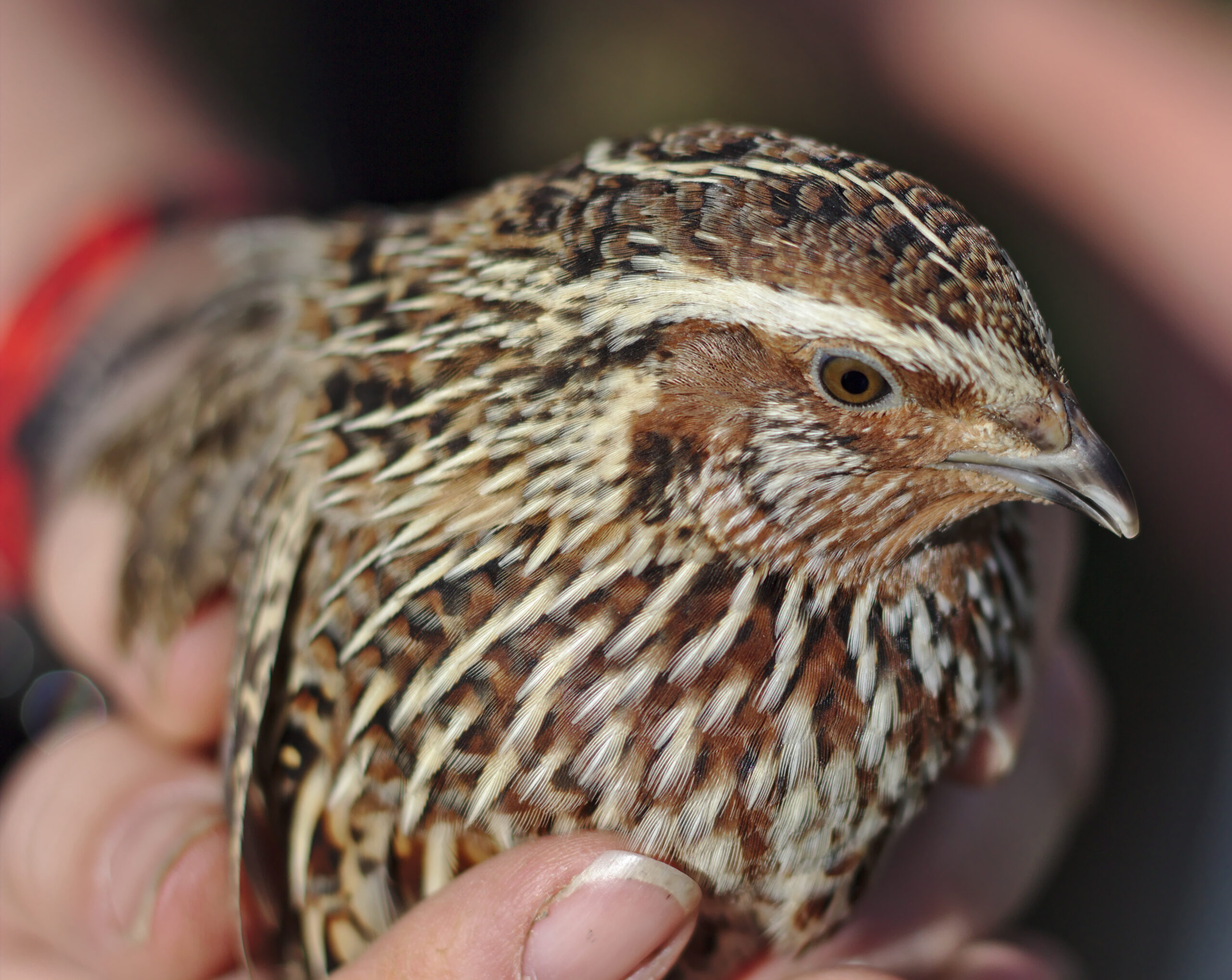
Taxonomy & Classification
- Kingdom
- Animalia
- Phylum
- Chordata
- Class
- Aves
- Order
- Galliformes
- Family
- Phasianidae
- Genus
- Coturnix
- Species
- Coturnix Coturnix

In the heart of sun-dappled woodlands, the quail, known scientifically as Coturnix, flits about with a delightful charm that captivates both nature lovers and scientists alike. With their plump bodies and short, rounded wings, these small birds are often seen scurrying through the underbrush, their soft, cooing calls echoing in the crisp morning air. Their distinctive features, such as the striking patterns on their feathers and their curious, bright eyes, make them a joy to observe. Quail are not just pretty faces; they play a vital role in their ecosystems, foraging for seeds and insects that help maintain the balance of their habitats.
As dawn breaks, quail emerge from their hidden nests, ready to greet the day. They thrive in a variety of environments, from grassy fields to dense forests, where they blend seamlessly into their surroundings. This adaptability is part of what makes them so fascinating. Scientists study their behaviors, from their intricate courtship displays to their social structures, revealing insights into the lives of these often-overlooked birds. With their endearing antics and essential role in the food web, quail invite us to explore the wonders of the natural world, reminding us that even the smallest creatures can have a big impact.
Quail are small, ground-dwelling birds that belong to the fascinating world of Aves, or birds. They sit within the class of animals known as Galliformes, which includes other familiar birds like chickens and turkeys. What makes quail particularly interesting is their adaptability to various environments, from grasslands to forests. These birds are known for their distinctive calls and social behavior, often seen in flocks. Their compact bodies and short tails make them easily recognizable, and their ability to camouflage helps them evade predators.
| Taxonomic Rank | Scientific Name | Meaning & Significance |
|---|---|---|
| Kingdom | Animalia | This name comes from the Latin word for “animal,” highlighting that quail are part of the vast group of living organisms that are multicellular and capable of movement. |
| Phylum | Chordata | Derived from the Greek word “chordē,” meaning “string,” this classification indicates that quail have a backbone, a key feature of all vertebrates. |
| Class | Aves | This term comes from the Latin word for “bird,” emphasizing the unique characteristics of birds, such as feathers and beaks, that distinguish them from other animals. |
| Order | Galliformes | From the Latin “gallus,” meaning “rooster,” this order includes birds that are generally ground-feeding and have a stout body, like quail. |
| Family | Phasianidae | This name is derived from “phasianus,” the Latin word for pheasant, indicating a family of birds that includes quail, pheasants, and partridges, known for their similar traits. |
| Genus | Coturnix | Originating from the Latin word for “quail,” this genus name directly connects to the bird’s identity and its historical significance in various cultures. |
Understanding the taxonomic classification of quail reveals much about their evolutionary journey. As members of the Galliformes order, quail share a common ancestry with other ground-feeding birds, which have adapted to life on the ground rather than in trees. This classification not only highlights their physical traits but also their behaviors and habitats, showcasing how they have evolved to thrive in diverse environments. The quail’s lineage reflects a rich history of adaptation and survival, making them a vital part of the ecosystem.
The evolutionary journey of quail stretches back millions of years, tracing their lineage to the early ancestors of birds. These small, plump birds belong to the family Phasianidae and the genus Coturnix. Their story begins in the late Cretaceous period, around 100 million years ago, when the first birds began to emerge from theropod dinosaurs. Over time, quail evolved through various adaptations that allowed them to thrive in diverse environments.
Ancestral forms of quail were likely similar to other early birds, with features that helped them navigate their surroundings. As they evolved, quail developed traits that enhanced their survival. One major transition was the shift from tree-dwelling to ground-dwelling lifestyles. This change led to shorter wings and a more robust body, making them agile runners rather than strong fliers. Additionally, quail adapted to their environments by developing a diet that included seeds and insects, which provided essential nutrients for their growth and reproduction.
These adaptations have been crucial for quail’s survival in the wild. By becoming ground-dwellers, they reduced their risk of predation while also gaining access to a variety of food sources. Their camouflage helps them remain hidden from hungry eyes, while their social behavior allows them to work together for safety. Finally, their ability to reproduce quickly ensures that even in challenging environments, quail populations can thrive and continue their evolutionary legacy.
Quail are charming little birds that capture the eye with their compact bodies and lively demeanor. Typically weighing between 70 to 140 grams, they are small and plump, making them look almost like little balls of fluff. Their rounded shapes are complemented by short, sturdy legs that allow them to scurry quickly across the ground. With their delicate necks and small heads, quail have a friendly appearance, often adorned with striking patterns that help them blend into their surroundings.
| Feature | Description |
|---|---|
| Size | Small, typically weighing between 70g and 140g (2.4oz – 4.9oz) |
| Color | Often brown or gray with intricate patterns of spots and stripes |
| Skin Type | Covered in soft, insulating feathers |
These physical features work together beautifully to enhance the quail’s survival. Their small size allows them to hide easily among grasses and underbrush, making them less visible to predators. The earthy colors and patterns on their feathers provide excellent camouflage, blending seamlessly with their natural habitat. Additionally, the soft feathers not only keep them warm but also help them move quietly through the undergrowth, allowing them to escape danger swiftly. In the world of quail, every detail serves a purpose, ensuring they thrive in their environment.
Quail thrive in a variety of habitats, but they are particularly fond of woodland and forest areas. Imagine a sun-dappled forest floor, where the light filters through the leaves, creating a patchwork of shadows and warmth. These birds prefer places where they can easily hide among the underbrush, with plenty of shrubs and grasses to provide cover. The gentle rustle of leaves and the soft chirping of other forest creatures create a lively backdrop for their daily activities.
Quail are adaptable birds, but they do have specific climate preferences. They thrive in temperate regions, where the weather is mild and the seasons change. These birds enjoy areas with a mix of open spaces and dense vegetation, which allows them to forage for seeds and insects while staying safe from predators. They are not fans of extreme cold or heat, so they tend to avoid areas with harsh climates.
To survive in their chosen habitats, quail have developed several clever adaptations. Their small size and camouflaged plumage help them blend seamlessly into the forest floor, making it difficult for predators to spot them. They are also excellent runners, using their strong legs to dart quickly through the underbrush when danger approaches. This combination of stealth and speed allows quail to thrive in environments where they can find food and shelter while avoiding threats.
Quail lead a life that is both simple and captivating, filled with daily routines that revolve around foraging, resting, and socializing. As dawn breaks, these small birds emerge from their hidden nests, often tucked away in dense underbrush or tall grass. Their day begins with a search for food, which primarily consists of seeds, insects, and green shoots. Quail are ground-dwellers, so they prefer to scurry along the forest floor, using their keen eyesight to spot potential meals. Throughout the day, they take breaks to preen their feathers, ensuring they stay clean and ready for flight if needed. As the sun sets, quail retreat to their roosting spots, where they huddle together for warmth and safety.
Socially, quail exhibit interesting dynamics, often forming small groups called coveys. These groups can consist of a few to several dozen birds, depending on the season and availability of resources. Within these coveys, quail communicate through a series of soft calls and whistles, which help them stay connected and alert each other to potential dangers. Their social structure is generally peaceful, with members taking turns foraging and keeping watch for predators. This cooperative behavior not only strengthens their bonds but also enhances their chances of survival in the wild.
| Behavior Type | Description |
|---|---|
| Foraging | Quail search for seeds, insects, and green shoots on the ground, using their sharp eyesight to find food. |
| Roosting | At night, quail gather in groups to rest, providing warmth and safety from predators. |
| Communication | They use soft calls and whistles to maintain contact with each other and alert the group to danger. |
| Group Dynamics | Quail form coveys, which are small groups that help them forage and protect each other from threats. |
The behaviors of quail are finely tuned to ensure their survival in the wild. By foraging together and communicating effectively, they can find food more efficiently and stay alert to predators. Their social structure not only fosters a sense of community but also enhances their ability to thrive in diverse environments. As they navigate their world, quail demonstrate the importance of cooperation and vigilance, traits that have helped them endure through the ages.
Quail are omnivores, which means they enjoy a varied diet that includes both plant and animal matter. These small birds primarily forage on the ground, using their keen eyesight to spot food. They are particularly fond of seeds and flowers, which they peck at with their small, pointed beaks. In addition to plant material, quail also munch on insects, adding a protein boost to their meals. This combination of foods helps them stay healthy and energetic, ready to dart away from predators at a moment’s notice.
| Dietary Aspect | Details |
|---|---|
| Diet Type | Omnivore |
| Favorite Foods | Seeds, flowers |
| Prey Items | Insects |
| Hunting/Foraging Strategies | Forage on the ground, using keen eyesight to spot food |
The diet of quail plays a crucial role in their ecology and daily routine. By feeding on a mix of seeds, flowers, and insects, they help to control insect populations and contribute to seed dispersal, which supports plant growth in their habitats. Their foraging behavior also keeps them active and social, as they often search for food in small groups. This not only strengthens their bonds with one another but also enhances their chances of spotting danger, making their daily lives a blend of adventure and survival.
During the breeding season, which typically occurs in spring and early summer, quail engage in lively courtship displays. Males are known for their distinctive calls, which they use to attract females. These calls can be a series of melodic notes that echo through their habitats, signaling their readiness to mate. Once a female selects a mate, the pair will often perform a dance, showcasing their vibrant plumage and energetic movements. This bonding ritual is crucial, as it helps strengthen their connection before they embark on the journey of raising their young.
| Reproductive Aspect | Details |
|---|---|
| Gestation Period | Quail do not have a gestation period like mammals; instead, they lay eggs that incubate for about 21 days. |
| Litter Size | A typical clutch can contain anywhere from 8 to 20 eggs, depending on the species and environmental conditions. |
| Age of Maturity | Quail reach sexual maturity at about 6 to 8 weeks of age, ready to start their own families. |
| Name of Young | The young quail are called chicks, and they are precocial, meaning they are relatively mature and mobile shortly after hatching. |
Once the eggs hatch, the chicks are quick to leave the nest, following their parents closely as they learn to forage for food. Quail parents are attentive and protective, guiding their young through the underbrush and teaching them essential survival skills. The chicks grow rapidly, developing their adult feathers and learning to navigate their environment. Within just a few weeks, they become independent, ready to explore the world on their own. This nurturing approach ensures that the next generation of quail is well-equipped to thrive in their natural habitat.
Quail play a vital role in the food web, serving as both prey and foragers. These small birds are a crucial food source for a variety of predators, helping to maintain the balance of their ecosystems. Their presence supports larger animals, while their foraging habits contribute to seed dispersal and plant growth. However, this position also makes them vulnerable to numerous threats in the wild.
To survive against these dangers, quail have developed several clever defensive behaviors. They often rely on their excellent camouflage, blending seamlessly into their surroundings to avoid detection. When threatened, quail can quickly take flight, darting away in a zigzag pattern to confuse predators. Additionally, they tend to stay close to the ground, using dense vegetation for cover. By employing these strategies, quail enhance their chances of evading danger and thriving in their natural habitats.
A keystone species is an organism that has a disproportionately large impact on its environment relative to its abundance. In other words, these species play a critical role in maintaining the structure of an ecosystem. Quail, with their unique behaviors and interactions, can indeed be considered a keystone species in their habitats, particularly in woodland and forest areas.
Quail contribute to their ecosystems in several important ways. As omnivores, they help control insect populations by foraging on various insects and seeds. This not only keeps the insect population in check but also promotes plant growth by dispersing seeds through their droppings. When quail eat seeds, they help in the germination process, allowing new plants to thrive. Additionally, their nesting habits create microhabitats that benefit other species, as the ground cover they create can provide shelter for smaller animals.
Quail also serve as a vital food source for many predators, including foxes, hawks, and snakes. By being part of the food web, they help sustain these predator populations, which in turn maintain the balance of the ecosystem. Their presence supports a diverse range of wildlife, making them essential for ecological health.
If quail were to disappear from their ecosystems, the effects would ripple through the food web. Insect populations could surge unchecked, leading to overgrazing of plants and a decline in vegetation health. This would not only affect the plants but also the animals that rely on those plants for food and shelter. Predators that depend on quail for sustenance would struggle to find enough food, potentially leading to their decline as well. The loss of quail would disrupt the delicate balance of their habitats, highlighting just how crucial these small birds are to the health of their ecosystems.
Quail occupy a vital ecological niche in woodland and forest areas, where they contribute significantly to the health of their ecosystems. As ground-dwelling birds, they forage for seeds, insects, and other small food items, helping to control insect populations and disperse plant seeds. This behavior not only supports their own survival but also promotes plant growth and diversity, creating a balanced environment for many other species.
| Ecosystem Service | Impact |
|---|---|
| Seed Dispersal | Quail help spread seeds, promoting plant diversity and growth. |
| Pest Control | By eating insects, quail help keep pest populations in check. |
| Food Source | Quail serve as prey for various predators, supporting the food web. |
| Soil Aeration | Their foraging behavior helps aerate the soil, improving its quality. |
Quail influence their environment in several specific ways. For instance, as they scratch the ground in search of food, they inadvertently aerate the soil, which enhances its ability to retain moisture and nutrients. This process benefits not only the plants that grow in the area but also the myriad of organisms that rely on healthy soil. Additionally, by consuming seeds and insects, quail help regulate the populations of these species, ensuring that no single type dominates the ecosystem. Their presence encourages a rich tapestry of life, from the plants that flourish to the predators that rely on quail as a food source.
The broader ecological importance of quail cannot be overstated. As a keystone species, they play a crucial role in maintaining the structure and balance of their habitats. Their activities support a diverse range of life forms, from the smallest insects to larger mammals that depend on quail for sustenance. By fostering plant growth and controlling pest populations, quail help create a thriving ecosystem that benefits all its inhabitants. In this way, these small birds are not just part of the landscape; they are essential players in the intricate web of life that sustains our natural world.
In the intricate web of life, quail engage in various partnerships with other species, showcasing the beauty of symbiosis. Symbiosis refers to the close interactions between different species, which can be beneficial, harmful, or neutral. These relationships can take many forms, such as mutualism, where both species gain advantages, parasitism, where one benefits at the other’s expense, and commensalism, where one species benefits while the other is neither helped nor harmed. Understanding these connections helps us appreciate the delicate balance of ecosystems and the roles that different species play within them.
| Species/Type | Relationship Type | Description |
|---|---|---|
| Ants | Mutualistic | Quail benefit from ants by having their nests protected from predators, while ants gain access to seeds and insects stirred up by the quail’s foraging. |
| Ticks | Parasitic | Ticks attach to quail and feed on their blood, which can weaken the birds and make them more vulnerable to disease. |
| Plants (like clover) | Commensal | Quail forage among clover and other plants, which provide cover and food, while the plants are unaffected by the quail’s presence. |
These relationships have evolved over time, shaped by the needs and behaviors of the species involved. Mutualistic partnerships, like that with ants, highlight how cooperation can enhance survival for both parties. In contrast, parasitic relationships, such as those with ticks, remind us of the challenges that come with living in a shared environment. Commensal relationships, like those with plants, illustrate how some species can thrive without impacting others. Together, these interactions create a dynamic ecosystem where quail and their partners contribute to the health and balance of their woodland and forest habitats.
Quail are small, charming birds that often go unnoticed in the wild, but they have some surprising traits that make them truly special. Here are a few intriguing facts that will spark your curiosity about these delightful creatures.
Quail have shared a long and storied relationship with humanity, dating back thousands of years. These small birds have been admired for their beauty and grace, often appearing in art, literature, and folklore across various cultures. In ancient times, quail were not only a source of food but also symbols of abundance and prosperity. Their presence in the wild has inspired countless tales, and they have been celebrated in festivals and rituals, highlighting their cultural significance. As people began to settle and farm, quail became an integral part of agricultural life, providing nourishment and companionship.
Today, the interaction between quail and humans has evolved, reflecting both cooperation and conflict. In many regions, conservation efforts are underway to protect quail populations, as habitat loss and hunting have threatened their numbers. Farmers often welcome quail into their fields, as these birds help control insect populations, acting as natural pest controllers. However, conflicts can arise when quail compete with domestic poultry for food and space. Additionally, domestication has led to the breeding of various quail species for meat and eggs, making them a staple in many households. This dual role of quail as both wild and domesticated birds showcases the complexity of our relationship with them.
As we look to the future, the relationship between quail and humanity holds promise and challenges. With increasing awareness of environmental issues, more people are advocating for the protection of quail habitats and the preservation of these charming birds. By fostering a deeper understanding of their ecological role, we can ensure that quail continue to thrive alongside us. As we learn to coexist with these delightful birds, we can celebrate the rich tapestry of life that connects us all, nurturing a bond that honors both nature and culture.
Quail are currently classified as “Least Concern” by the International Union for Conservation of Nature (IUCN), indicating that they are not facing immediate threats of extinction. Their populations are generally stable, although some local populations may experience fluctuations due to environmental changes. This status reflects a broader trend of resilience among quail species, allowing them to adapt to various habitats and conditions.
| Conservation Factor | Status/Details |
|---|---|
| IUCN Status | Least Concern |
| Population Estimates | Stable, with some local variations |
| Trend Direction | Generally stable |
Despite their overall stable status, quail face several significant threats that can impact their populations. Habitat loss is one of the primary concerns, as urban development and agricultural expansion reduce the natural spaces where quail thrive. Additionally, changes in land use, such as the conversion of forests to farmland, can disrupt their nesting and foraging areas. Predation by domestic animals and hunting also poses risks, particularly in regions where quail are popular game birds.
Conservation efforts are underway to ensure the continued survival of quail populations. Many organizations are working to restore and protect their habitats, focusing on sustainable land management practices that benefit both wildlife and humans. Education and awareness campaigns help promote the importance of quail in ecosystems, encouraging responsible hunting practices and habitat conservation. With these efforts, the outlook for quail remains hopeful, as they continue to adapt and thrive in a changing world.
| Question | Answer |
|---|---|
| What type of habitat do quail prefer? | Quail are commonly found in woodland and forest areas. They enjoy environments with plenty of cover, such as shrubs and grasses, which help them hide from predators. |
| What do quail eat? | Quail are omnivores, meaning they eat both plants and animals. Their diet includes seeds, fruits, insects, and small invertebrates, providing them with a balanced source of nutrients. |
| How do quail behave in the wild? | Quail are social birds that often live in small groups called coveys. They are known for their quick, darting movements and can be quite vocal, using calls to communicate with each other. |
| How do quail reproduce? | During the breeding season, quail engage in elaborate courtship displays. The female typically lays a clutch of about 10 to 20 eggs in a nest on the ground, and both parents help care for the chicks once they hatch. |
| What are the main threats to quail? | Quail face several threats, including habitat loss due to urban development and agriculture. Predators like foxes and hawks also pose a risk, especially to young quail. |
| What are some interesting characteristics of quail? | Quail are known for their distinctive calls, which can vary between species. They have a unique ability to run quickly on the ground, and when threatened, they often prefer to hide rather than fly away. |
| Are quail considered endangered? | Most quail species are classified as Least Concern, meaning they are not currently at risk of extinction. However, some local populations may be declining due to environmental changes. |