Taxonomy & Classification
- Kingdom
- Animalia
- Phylum
- Chordata
- Class
- Mammalia
- Order
- Carnivora
- Family
- Felidae
- Genus
- Felis
- Species
- Felis catus

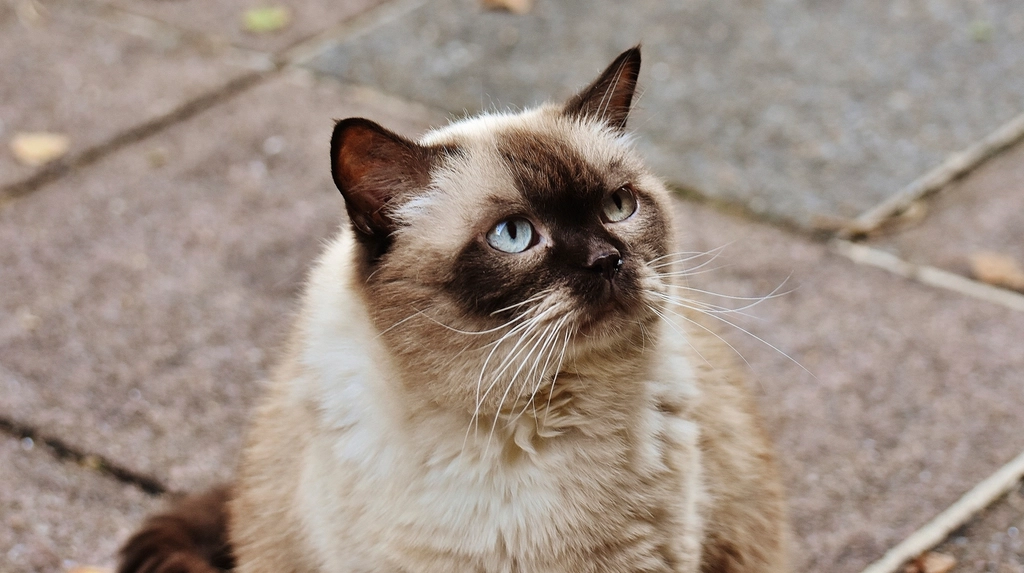 Photo Credit: Rawpixel
In the cozy corners of homes around the world, the Ragdoll cat, scientifically known as Felis catus, brings warmth and joy to families. With its striking blue eyes that seem to hold the secrets of the universe, this breed is not just a pretty face. Ragdolls are known for their large, muscular bodies and soft, semi-long fur that invites gentle strokes. Their affectionate nature and tendency to go limp when picked up—hence the name “Ragdoll”—make them a favorite among cat lovers and a subject of fascination for scientists studying animal behavior.
Imagine a sunlit living room where a Ragdoll sprawls lazily on a plush couch, its fur shimmering like a soft cloud. As it stretches and yawns, you can’t help but admire its graceful movements and gentle demeanor. These cats thrive in the comfort of human homes, where they engage in playful antics and share quiet moments with their companions. Their unique blend of beauty and charm not only enchants those who meet them but also sparks curiosity about their origins and the role they play in our lives. As we explore the world of Ragdolls, we’ll uncover their history, behavior, and the special bond they form with humans, revealing why they are truly one of nature’s delightful wonders.
The Ragdoll cat occupies a special place in the tree of life, showcasing a blend of beauty and charm that captivates many. Taxonomically, it belongs to the Kingdom Animalia, which includes all animals, and is classified under the Phylum Chordata, meaning it has a backbone. As a member of the Class Mammalia, Ragdolls are warm-blooded and nurse their young. They fall under the Order Carnivora, which includes meat-eating animals, and the Family Felidae, the group that encompasses all cats. What sets Ragdolls apart is their gentle temperament and tendency to go limp when picked up, a behavior that inspired their name. This unique characteristic, along with their striking blue eyes and semi-long fur, makes them a beloved breed among cat enthusiasts.
| Taxonomic Rank | Scientific Name | Meaning & Significance |
|---|---|---|
| Kingdom | Animalia | This name comes from the Latin word for “animal,” highlighting that Ragdolls are part of the vast group of living organisms that are not plants or fungi. |
| Phylum | Chordata | Derived from the Greek word “chordē,” meaning “string,” this term refers to animals with a notochord, a flexible rod that supports the body, which Ragdolls possess as vertebrates. |
| Class | Mammalia | This classification comes from the Latin “mamma,” meaning “breast,” indicating that Ragdolls, like all mammals, nurse their young with milk. |
| Order | Carnivora | From the Latin “carnivorus,” meaning “meat-eating,” this term reflects the Ragdoll’s ancestry, as they share traits with other carnivorous mammals. |
| Family | Felidae | This name is derived from the Latin “felis,” meaning “cat,” which connects Ragdolls to their feline relatives, emphasizing their shared characteristics. |
| Genus | Felis | Also from Latin, “felis” means “cat,” and it groups Ragdolls with other small cats, highlighting their common features and behaviors. |
The classification of the Ragdoll cat reveals much about its evolutionary history. As a member of the Felidae family, Ragdolls share a lineage with both wild and domestic cats, showcasing traits that have been honed over thousands of years. Their gentle nature and affectionate behavior suggest a long history of domestication, where they have adapted to live harmoniously with humans. Understanding their taxonomic position not only highlights their physical and behavioral traits but also connects them to a broader narrative of evolution, illustrating how these enchanting cats have developed alongside us.
The Ragdoll cat’s evolutionary journey is a captivating tale that stretches back thousands of years. This breed, known for its striking blue eyes and affectionate nature, is a relatively recent addition to the feline family tree. The Ragdoll emerged in the 1960s in California, but its ancestors have a much longer history, tracing back to the wild cats that roamed the earth long before humans began to domesticate them.
The story of the Ragdoll begins with its ancestors, the Felis genus, which includes many small cats that adapted to various environments. These early felines were skilled hunters, evolving sharp retractable claws and keen senses to catch prey. Over time, some of these cats began to live alongside humans, leading to domestication. The Ragdoll’s lineage is particularly linked to a white cat named Josephine, who was bred with other cats to create the gentle and sociable breed we know today. This breeding focused on traits like docility and a relaxed temperament, which set the Ragdoll apart from its more independent relatives.
The adaptations of the Ragdoll cat have played a crucial role in its survival and popularity. Their soft fur and gentle demeanor make them ideal companions, while their striking blue eyes and floppy bodies add to their charm. These traits not only help them thrive in domestic settings but also ensure they remain beloved pets in homes around the world. As they continue to evolve alongside humans, Ragdolls embody the perfect blend of beauty, affection, and adaptability.
The Ragdoll cat is a stunning sight to behold, with a body that exudes both grace and strength. These cats are large and muscular, often weighing between 10 to 20 pounds, which gives them a solid presence. Their long, flowing fur is soft to the touch, inviting you to run your fingers through it. With a gentle, rounded face and striking blue eyes that seem to sparkle with curiosity, Ragdolls have an enchanting look that draws people in. Their overall structure is designed for comfort and companionship, making them the perfect lap cats.
| Feature | Description |
|---|---|
| Weight | 10 to 20 pounds |
| Skin Type | Hair |
| Most Distinctive Feature | Gorgeous blue eyes |
The combination of their substantial size and luxurious coat not only makes Ragdolls visually appealing but also serves practical purposes. Their thick fur helps to keep them warm in cooler climates, while their large, expressive eyes enhance their ability to see in low light, making them effective hunters. This blend of features not only contributes to their beauty but also supports their survival instincts, allowing them to thrive in various environments while remaining the affectionate companions we adore.
The Ragdoll cat is a breed that thrives in the cozy comfort of human homes, often found lounging in sunny spots or nestled in soft blankets. While they are not wild animals, their ideal habitat is one that offers warmth, safety, and plenty of love. Ragdolls are known for their gentle and laid-back personalities, making them perfect companions in a variety of living environments, from bustling urban apartments to quiet suburban houses.
Ragdolls prefer a climate that is moderate and stable, as they are not particularly fond of extreme temperatures. They enjoy environments that are warm but not too hot, which allows them to maintain their fluffy coats without overheating. These cats thrive in homes where they can enjoy a mix of indoor comfort and safe outdoor exploration, provided the weather is pleasant.
To adapt to their chosen habitats, Ragdolls have developed a friendly and sociable demeanor that makes them well-suited for family life. Their affectionate nature encourages them to bond closely with their human companions, often following them from room to room. This adaptability allows them to feel at home in various settings, as long as they are surrounded by love and care.
Ragdoll cats lead a life filled with leisurely activities and playful moments. Their day often begins with a gentle stretch and a soft meow, signaling the start of their adventures. These cats enjoy lounging in sunny spots, soaking up warmth, and watching the world go by. They are known for their playful antics, which can include chasing after feather toys or pouncing on unsuspecting bits of string. As the day unfolds, they might take a few catnaps, curl up in cozy corners, or engage in a friendly game of hide-and-seek with their human companions.
Social behavior is a hallmark of the Ragdoll’s personality. These cats are incredibly affectionate and thrive on companionship, often following their humans from room to room. They are known to be gentle and tolerant, making them excellent pets for families, including those with children. Ragdolls often form strong bonds with their owners and may even greet them at the door with a soft purr. Their social structure is quite flexible; they enjoy the company of other pets and can adapt well to multi-pet households, creating a harmonious environment filled with playful interactions.
| Behavior Type | Description |
|---|---|
| Activity Patterns | Ragdolls are playful and enjoy interactive playtime, often engaging in gentle games with their owners. They also love to lounge and nap, making them expert relaxers. |
| Social Structure | These cats are highly social and thrive in the company of humans and other pets. They often form strong bonds and enjoy being part of a family unit. |
| Communication Methods | Ragdolls communicate through soft meows, purring, and body language, such as kneading or rubbing against their owners to show affection. |
The behaviors of Ragdoll cats are not just charming; they play a crucial role in their survival and happiness. Their affectionate nature helps them build strong relationships with their human families, ensuring they receive love and care. By being social and adaptable, Ragdolls can thrive in various environments, making them beloved companions. Their playful spirit keeps them active and engaged, which is essential for their physical and mental well-being. In essence, these behaviors create a fulfilling life for Ragdolls, allowing them to flourish in the warmth of human companionship.
Ragdoll cats are omnivores, which means they enjoy a varied diet that includes both animal and plant-based foods. In the wild, their ancestors would have hunted small prey, but today, Ragdolls primarily rely on their human companions for meals. They are known for their playful and curious nature, often investigating their surroundings for tasty treats. This breed tends to have a hearty appetite and enjoys a mix of high-quality cat food, which provides the necessary nutrients for their health and energy.
| Dietary Aspect | Details |
|---|---|
| Diet Type | Omnivore |
| Favorite Foods | High-quality cat food, fish, chicken, and occasional vegetables |
| Prey Items | Small rodents and birds (in a wild setting) |
| Hunting/Foraging Strategies | Playful stalking and pouncing, often mimicking hunting behavior |
The diet of a Ragdoll cat plays a significant role in shaping its daily routine and overall health. With their omnivorous nature, they require a balanced intake of proteins, fats, and carbohydrates to support their playful lifestyle. This diet not only fuels their energy for play and exploration but also contributes to their affectionate demeanor, as a well-fed Ragdoll is often a happy and social companion. By understanding their dietary needs, owners can ensure their Ragdoll thrives in a loving home environment.
When Ragdoll cats are ready to mate, they engage in a charming courtship dance. The breeding season typically occurs in the spring, when the days grow longer and warmer. During this time, female Ragdolls, known as queens, may call out with soft, inviting meows to attract potential mates. Males, or toms, respond with their own vocalizations, showcasing their interest. Once a pair has formed a bond, they will mate multiple times over a few days, ensuring the best chance of successful fertilization.
| Reproductive Aspect | Details |
|---|---|
| Gestation Period | Approximately 65 days |
| Litter Size | Average of 4 kittens |
| Age of Maturity | About 5 to 12 months |
| Name of Young | Kittens |
Once the kittens are born, the mother Ragdoll takes on the role of a dedicated caregiver. She keeps her little ones safe and warm, nursing them with her milk, which is rich in nutrients. As the kittens grow, they begin to open their eyes and explore their surroundings, usually around two weeks old. The mother encourages their playfulness, teaching them essential skills for survival. By the time they reach maturity, around five to twelve months, these kittens are ready to embark on their own adventures, carrying forward the affectionate and gentle nature that Ragdolls are known for.
Ragdoll cats, while beloved companions in many homes, still face dangers in their environment. As domesticated animals, they are not at the top of the food web, but they can still be vulnerable to various predators and threats. Their gentle nature and trusting demeanor make them less cautious than some other animals, which can put them at risk in certain situations.
To survive these threats, Ragdoll cats often rely on their instincts and behaviors. They may use their agility to escape from danger, darting away when they sense a predator nearby. Additionally, their affectionate nature means they often stay close to their human companions, who can provide protection. Ragdolls also have a tendency to seek out safe, cozy spots in the home, where they can feel secure and avoid potential threats. By combining their natural instincts with the safety of a loving environment, Ragdolls can navigate the challenges they face in the world.
A keystone species is a vital part of its ecosystem, playing a crucial role in maintaining the structure and balance of that environment. These species have a disproportionately large impact on their surroundings compared to their abundance. While Ragdoll cats are beloved pets known for their gentle nature and striking appearance, they do not qualify as a keystone species. This is primarily because they are domesticated animals that rely on humans for care and do not play a significant role in the natural ecosystems where they might have originated.
Ragdolls, as domesticated cats, do not have a direct ecological impact in the wild. However, their ancestors, like many wild cats, would have influenced their environments by controlling populations of small mammals and birds. In a natural setting, a cat’s hunting behavior helps keep prey populations in check, which can prevent overgrazing of vegetation and maintain a balanced ecosystem. Yet, since Ragdolls are primarily indoor pets, their influence is limited to the homes they inhabit, where they may help control pests like mice or insects.
In addition to their role in pest control, Ragdolls can also contribute to the emotional well-being of their human companions. This bond can lead to increased human engagement with nature, as pet owners may become more interested in wildlife and conservation efforts. While this is an indirect effect, it highlights how even domesticated animals can inspire positive ecological awareness.
If Ragdoll cats were to disappear entirely, the immediate impact on ecosystems would be minimal, given their domesticated status. However, their absence could lead to a shift in the dynamics of human-animal relationships. People might miss the joy and companionship these cats provide, potentially leading to a decrease in interest in pet ownership and animal welfare. This could, in turn, affect how humans engage with the natural world, as pets often serve as a bridge to understanding and appreciating wildlife.
The Ragdoll cat, while primarily a beloved companion in homes, plays an intriguing role in shaping its ecosystem, particularly in urban and suburban environments. As an omnivore, it contributes to the balance of local wildlife by influencing small animal populations and interacting with various plant species. This interaction helps maintain a dynamic ecosystem, where the presence of Ragdolls can lead to a healthier environment for both flora and fauna.
| Ecosystem Service | Impact |
|---|---|
| Population Control | Helps manage small rodent populations, preventing overpopulation. |
| Seed Dispersal | May contribute to the spread of certain plant seeds through their fur or by digging. |
| Soil Aeration | When they dig or play in the garden, they help aerate the soil, promoting healthy plant growth. |
| Companionship for Humans | Enhances human well-being, leading to more green spaces as people create pet-friendly environments. |
Ragdolls can influence their surroundings in various ways. For instance, their playful nature often leads them to explore gardens and yards, where they may dig in the soil. This digging not only provides them with entertainment but also aerates the soil, allowing water and nutrients to reach plant roots more effectively. Additionally, as they roam, they may inadvertently help with seed dispersal, carrying seeds on their fur or through their movements, which can encourage plant diversity in their habitats.
The broader ecological importance of Ragdolls extends beyond their immediate environment. By controlling small rodent populations, they help maintain a balance that benefits other wildlife and plants. Their presence in urban areas can also inspire humans to create more green spaces, fostering biodiversity and enhancing the overall health of the ecosystem. In this way, Ragdolls, though domesticated, play a vital role in the intricate web of life that surrounds us, reminding us that even our pets can have a significant impact on the world.
In the intricate web of life, symbiosis refers to the close interactions between different species, which can take many forms. These relationships can be mutualistic, where both species benefit, parasitic, where one benefits at the other’s expense, or commensal, where one benefits while the other is neither helped nor harmed. Understanding these connections helps us appreciate the delicate balance of ecosystems and the roles various species play within them.
| Species/Type | Relationship Type | Description |
|---|---|---|
| Humans | Mutualistic | Ragdoll cats provide companionship and emotional support to humans, while humans offer food, shelter, and care. |
| Fleas | Parasitic | Fleas can infest Ragdoll cats, feeding on their blood and causing discomfort and potential health issues. |
| Household pets (like dogs) | Commensal | Ragdolls may coexist with other pets, sharing space and resources without significantly affecting each other. |
These relationships have evolved over time, shaped by the needs and behaviors of the species involved. Ragdoll cats have developed a strong bond with humans, who appreciate their affectionate nature and playful spirit. This mutualism benefits both parties, as humans enjoy the companionship, while Ragdolls receive care and a safe environment. On the other hand, the presence of parasites like fleas highlights the challenges of living in close quarters with other species. Understanding these dynamics not only enriches our knowledge of Ragdolls but also emphasizes the importance of maintaining healthy relationships within ecosystems.
Ragdoll cats are not just beautiful companions; they have some surprising traits that make them truly special. Here are a few intriguing facts that will delight nature enthusiasts of all ages.
The Ragdoll cat has woven itself into the fabric of human culture and companionship since its emergence in the 1960s. This breed, known for its striking blue eyes and gentle demeanor, has captured the hearts of many. Ragdolls are often seen as symbols of comfort and affection, embodying the ideal pet for families and individuals alike. Their name comes from their tendency to go limp when picked up, a trait that has endeared them to countless owners. As they became popular, Ragdolls also found their way into art and literature, representing the bond between humans and animals.
Today, the relationship between Ragdolls and humans is characterized by companionship and care. These cats thrive in domestic settings, where they receive love and attention from their owners. Unlike wild animals, Ragdolls have been selectively bred for their friendly nature, making them excellent pets for families, seniors, and anyone seeking a loyal companion. However, this domestication also brings challenges, such as the need for responsible ownership to ensure their health and well-being. As more people adopt Ragdolls, the importance of understanding their needs and behaviors becomes crucial for fostering a harmonious relationship.
Looking ahead, the future of the Ragdoll-human relationship appears bright. As awareness of responsible pet ownership grows, more people are likely to appreciate the joys and responsibilities that come with having a Ragdoll. With proper care, these cats can lead long, healthy lives, continuing to bring joy and companionship to families for years to come. The bond between Ragdolls and humans is not just about having a pet; it’s about sharing a life filled with love, laughter, and mutual respect.
The Ragdoll cat, a beloved breed known for its affectionate nature and striking appearance, currently holds a conservation status of “Not Listed.” This means that there are no specific conservation measures in place for Ragdolls, as they are domesticated animals rather than wild species. Their population trends are generally stable, thanks to their popularity as pets. However, as with any breed, the overall health and well-being of Ragdolls can be influenced by breeding practices and the care they receive from their owners.
| Conservation Factor | Status/Details |
|---|---|
| IUCN Status | Not Listed |
| Population Estimates | Stable, but specific numbers are not documented |
| Trend Direction | Stable |
Despite their popularity, Ragdoll cats face certain threats that can impact their health and well-being. One of the main concerns is irresponsible breeding, which can lead to genetic issues and health problems. Additionally, as indoor pets, they may be at risk from environmental hazards, such as toxic plants or household chemicals. It’s essential for owners to provide a safe and nurturing environment to help mitigate these risks.
Conservation efforts for Ragdoll cats primarily focus on responsible breeding practices and education for pet owners. Organizations and breeders are working to promote the health of the breed by ensuring that Ragdolls are bred for temperament and genetic soundness. The outlook for Ragdolls remains positive, as their popularity continues to grow, and more people are becoming aware of the importance of proper care and responsible ownership. With the right attention and love, these charming cats will continue to thrive in homes around the world.
| Question | Answer |
|---|---|
| What is the habitat of Ragdolls? | Ragdolls are domestic cats, so they primarily live in human homes. They thrive in environments where they receive plenty of love and attention, making them perfect companions for families and individuals alike. |
| What do Ragdolls eat? | Ragdolls are omnivores, which means they eat both animal and plant-based foods. A balanced diet for a Ragdoll typically includes high-quality cat food, which provides the necessary proteins, fats, and vitamins to keep them healthy and happy. |
| What is the behavior of Ragdolls like? | Ragdolls are known for their gentle and affectionate nature. They often enjoy being held and cuddled, and they tend to follow their owners around the house, seeking companionship and interaction. |
| How do Ragdolls reproduce? | Like all cats, Ragdolls reproduce through mating. Female Ragdolls can have litters of kittens, usually ranging from two to six, and they typically give birth after a gestation period of about 63 to 65 days. |
| What threats do Ragdolls face? | As a domesticated breed, Ragdolls face fewer threats in the wild compared to feral cats. However, they can be at risk from common household dangers, such as toxic plants, chemicals, and accidents if they are allowed outside unsupervised. |
| What are some interesting characteristics of Ragdolls? | One of the most distinctive features of Ragdolls is their stunning blue eyes, which can be captivating. They are also known for their unique tendency to go limp when picked up, which is how they got their name! |
| Are Ragdolls good with children and other pets? | Yes, Ragdolls are generally very good with children and other pets. Their calm demeanor and friendly nature make them excellent companions for families, and they often get along well with dogs and other cats. |