Taxonomy & Classification
- Kingdom
- Animalia
- Phylum
- Chordata
- Class
- Mammalia
- Order
- Carnivora
- Family
- Canidae
- Genus
- Canis
- Species
- Canis lupus

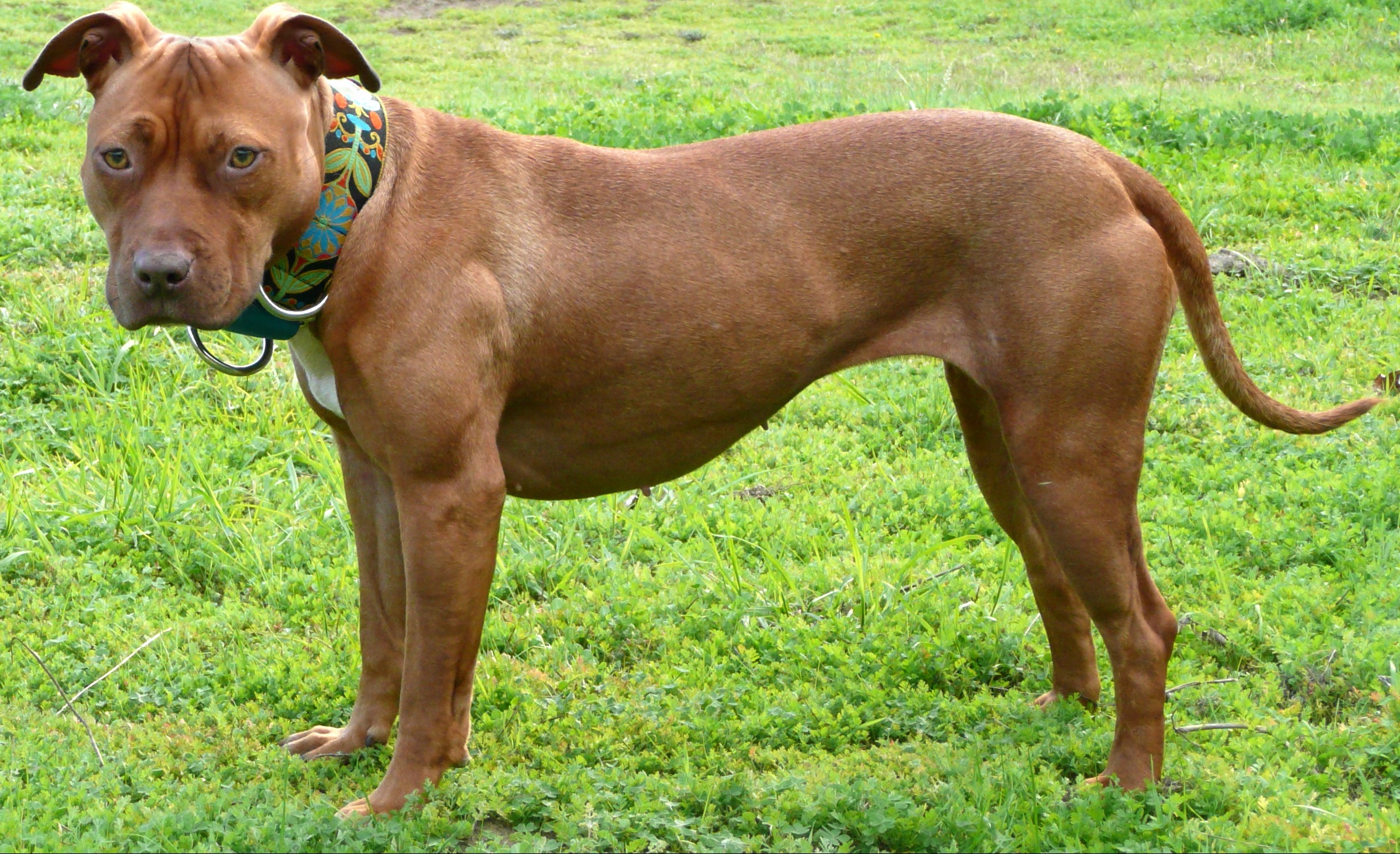
In the heart of bustling neighborhoods and sunlit parks, the Red Nose Pit Bull, scientifically known as Canis lupus familiaris, stands out with its striking appearance and vibrant personality. With a muscular build and a coat that gleams in shades of red and fawn, this breed captures the attention of everyone who crosses its path. Its most distinctive feature, the warm, reddish hue of its nose, adds a unique charm that sets it apart from other dogs. This captivating breed is not just a pretty face; it has a rich history and a spirited nature that fascinates both scientists and animal lovers alike.
As you watch a Red Nose Pit Bull bounding through the grass, its energy is infectious. These dogs are known for their playful demeanor and unwavering loyalty, making them beloved companions in many homes. Their athleticism and agility allow them to excel in various activities, from agility courses to playful games of fetch. But beyond their playful antics, the Red Nose Pit Bull has a complex background that intertwines with human history, originally bred for strength and resilience. This breed’s journey from the past to the present reveals much about our relationship with dogs and the roles they play in our lives. Join us as we explore the fascinating world of the Red Nose Pit Bull, uncovering its traits, behaviors, and the special bond it shares with humans.
The Red Nose Pit Bull, often simply called a Pit Bull, occupies a significant place in the animal kingdom’s tree of life. This breed is a member of the Canidae family, which includes dogs, wolves, and foxes. What sets the Red Nose Pit Bull apart is not just its striking appearance, characterized by a distinctive red nose and a muscular build, but also its history as a loyal companion and working dog. These dogs are known for their intelligence, strength, and affectionate nature, making them beloved pets for many families.
| Taxonomic Rank | Scientific Name | Meaning & Significance |
|---|---|---|
| Kingdom | Animalia | This term comes from the Latin word “animalis,” meaning “having breath” or “living.” It signifies that the Red Nose Pit Bull is part of the vast group of living organisms that breathe and move. |
| Phylum | Chordata | Derived from the Latin “chorda,” meaning “string” or “cord,” this classification indicates that Red Nose Pit Bulls have a backbone, a key feature of vertebrates, which includes all mammals, birds, reptiles, and more. |
| Class | Mammalia | This name comes from the Latin “mamma,” meaning “breast,” highlighting that Red Nose Pit Bulls, like all mammals, nurse their young with milk produced by mammary glands. |
| Order | Carnivora | From the Latin “carnivorus,” meaning “meat-eating,” this classification reflects the dietary habits of the ancestors of the Red Nose Pit Bull, which were primarily hunters and scavengers. |
| Family | Canidae | This name is derived from the Latin “canis,” meaning “dog.” It encompasses all dog-like mammals, emphasizing the Red Nose Pit Bull’s close relationship with other canines. |
| Genus | Canis | Also from the Latin “canis,” this genus includes domestic dogs, wolves, and other closely related species, showcasing the Red Nose Pit Bull’s lineage and shared traits with these animals. |
Understanding the taxonomic classification of the Red Nose Pit Bull reveals much about its evolutionary journey. As a member of the Canidae family, it shares a common ancestor with wolves and other wild canines, which explains its strong instincts and social behaviors. This classification not only highlights its physical characteristics but also its role in human society as a loyal companion and protector. The Red Nose Pit Bull’s lineage reflects a blend of strength, intelligence, and adaptability, traits that have allowed it to thrive alongside humans for generations.
The evolutionary journey of the Red Nose Pit Bull is a captivating tale that stretches back thousands of years. This breed, part of the Canidae family, shares a common ancestor with wolves and other dogs. The timeline of their evolution reveals a complex interplay of domestication, selective breeding, and adaptation to human needs, shaping them into the loyal companions we know today.
The ancestors of the Red Nose Pit Bull can be traced to ancient dogs that roamed alongside early humans. These early canines were likely used for hunting and protection, showcasing traits that would later be refined through selective breeding. Over time, as humans began to settle and form communities, certain dogs were chosen for their strength, agility, and temperament. This led to the development of various breeds, including those that would eventually give rise to the Pit Bull lineage. The Red Nose Pit Bull, specifically, emerged from a mix of bulldogs and terriers, combining the strength of the former with the tenacity of the latter.
The adaptations of the Red Nose Pit Bull have played a crucial role in its survival and success alongside humans. Their strength and intelligence make them versatile companions, capable of performing various tasks while also forming deep bonds with their families. The combination of physical prowess and a friendly disposition has allowed them to thrive in diverse environments, from urban settings to rural landscapes, ensuring their place in the hearts and homes of many.
The Red Nose Pit Bull is a striking dog that commands attention with its muscular build and confident stance. This breed boasts a strong, athletic body that is both powerful and agile, making it an impressive sight. With a broad chest and a well-defined neck, the Red Nose Pit Bull exudes strength and determination. Its overall appearance is a blend of grace and power, showcasing a dog that is built for both companionship and activity.
| Feature | Description |
|---|---|
| Size | Medium to large, typically weighing between 30 to 65 pounds |
| Color | Distinctive reddish coat, often with a matching nose |
| Skin Type | Fur, which is short and smooth to the touch |
| Build | Muscular and athletic, with a broad chest and strong legs |
| Eyes | Bright and expressive, often amber or brown |
These physical features work together to create a dog that is not only visually striking but also well-suited for various activities. The Red Nose Pit Bull’s muscular build allows for agility and strength, making it an excellent companion for active families. Its short fur is easy to maintain, while the reddish coat and nose give it a distinctive look that stands out in any crowd. This combination of traits not only enhances its appeal but also serves practical purposes, such as providing warmth and protection during outdoor adventures.
The Red Nose Pit Bull thrives in a variety of environments, but it is most commonly found in urban and suburban areas across the United States. These dogs are often seen in backyards, parks, and neighborhoods, where they can enjoy the company of their human families. With their friendly demeanor and playful spirit, they fit right into the bustling life of cities or the quieter pace of small towns.
This breed is adaptable and can handle different climates, but it generally prefers moderate temperatures. Red Nose Pit Bulls do well in environments that offer a mix of sunshine and shade, as they enjoy outdoor activities. They are not fond of extreme weather, whether it’s the sweltering heat of summer or the biting cold of winter. A comfortable, stable climate allows them to thrive and stay active, which is essential for their physical and mental well-being.
Over time, Red Nose Pit Bulls have developed traits that help them adjust to their surroundings. Their short coat is perfect for warmer climates, as it keeps them cool while still providing some protection from the elements. Additionally, their strong, muscular bodies allow them to be agile and energetic, making them well-suited for various activities, from playing fetch in the park to running alongside their owners. This adaptability is a key reason why they have become beloved companions in many American households.
The daily life of a Red Nose Pit Bull is filled with energy and curiosity. These dogs typically start their day with a burst of enthusiasm, eager to explore their surroundings. Morning walks are a highlight, where they can sniff out new scents and meet other dogs. After some exercise, they often enjoy a good nap, recharging for the adventures ahead. Throughout the day, they engage in playful activities, whether it’s chasing a ball or tugging on a favorite toy. Their keen intelligence means they also thrive on mental challenges, like puzzle toys or training sessions that keep their minds sharp.
Socially, Red Nose Pit Bulls can be quite complex. While they are largely solitary by nature, they form strong bonds with their human families. They are known for their loyalty and affection, often seeking out companionship and attention. When interacting with other dogs, they can display a range of behaviors, from playful to cautious, depending on their past experiences and socialization. These dogs communicate through body language, vocalizations, and even facial expressions, making it essential for their owners to understand their signals to foster positive interactions.
| Behavior Type | Description |
|---|---|
| Activity Patterns | Red Nose Pit Bulls enjoy vigorous play and exercise, often engaging in activities like fetch or agility training. They require regular physical activity to stay healthy and happy. |
| Social Structure | While they are largely solitary, they thrive in family settings and form strong attachments to their human companions. They can be selective in their interactions with other dogs. |
| Communication Methods | These dogs use a combination of barks, growls, and body language to express their feelings. Understanding their signals is key to ensuring positive interactions with both humans and other animals. |
The behaviors of Red Nose Pit Bulls are not just for fun; they play a crucial role in their survival. Their need for physical activity helps maintain their health and fitness, while their social bonds with humans provide them with security and companionship. By understanding their communication methods, owners can create a safe environment that nurtures their instincts and promotes well-being. In this way, the daily life of a Red Nose Pit Bull is a blend of play, connection, and instinct, all working together to ensure a happy and fulfilling life.
The Red Nose Pit Bull is an omnivore, which means it enjoys a varied diet that includes both plant and animal foods. This breed thrives on a balanced mix of proteins, carbohydrates, and fats, which helps maintain its strong physique and high energy levels. In the wild, dogs like the Red Nose Pit Bull would scavenge and hunt for food, but in a home environment, they often rely on their human companions to provide nutritious meals.
| Dietary Aspect | Details |
|---|---|
| Diet Type | Omnivore |
| Favorite Foods | Meat, vegetables, grains |
| Prey Items | Small mammals, birds (in wild settings) |
| Hunting/Foraging Strategies | Scavenging, social hunting with other dogs |
The diet of a Red Nose Pit Bull not only fuels its energetic lifestyle but also influences its social behavior. These dogs often enjoy mealtime as a bonding experience with their families, showcasing their friendly and affectionate nature. By sharing meals and engaging in playful activities, they strengthen their connections with humans and other pets, making their daily routine both fulfilling and dynamic.
When it comes to mating, Red Nose Pit Bulls exhibit behaviors that are both instinctual and social. The breeding season for these dogs can vary, but it often aligns with warmer months when conditions are more favorable for raising young. During this time, males may display heightened interest in females, engaging in playful behaviors and vocalizations to attract potential mates. This courtship can be quite lively, as the dogs communicate through body language and sounds, establishing a bond that is essential for successful reproduction.
| Reproductive Aspect | Details |
|---|---|
| Gestation Period | 60-68 days |
| Average Litter Size | 5 |
| Age of Sexual Maturity | Approximately 6-12 months |
| Name of Young | Puppy |
Once the puppies are born, the nurturing process begins. Red Nose Pit Bull mothers are known for their attentive care, ensuring their young are warm, fed, and safe. The puppies are born blind and deaf, relying entirely on their mother for survival in those early days. As they grow, they start to explore their surroundings, developing their senses and social skills. By the time they reach maturity, usually around 6 to 12 months, they are ready to embark on their own adventures, carrying with them the lessons learned from their caring parents. This journey from vulnerable puppies to confident adults is a testament to the strong bond between the mother and her young.
The Red Nose Pit Bull, like all dogs, occupies a unique position in the food web. While they are domesticated animals and not typically preyed upon in the wild, they can still face dangers from larger predators and human-related threats. In urban and suburban settings, their interactions with other animals and the environment can lead to challenges that require vigilance and adaptability.
To navigate these dangers, Red Nose Pit Bulls often rely on their strong instincts and social behaviors. They are known for their loyalty and protective nature, which can help them defend themselves and their families. When faced with threats, they may bark loudly to alert their owners or display assertive body language to deter potential aggressors. Additionally, their intelligence allows them to learn and adapt to their surroundings, making them resourceful in avoiding danger and ensuring their safety.
A keystone species is an organism that plays a critical role in maintaining the structure of an ecosystem. Its presence or absence can significantly impact the environment and the other species living there. While the Red Nose Pit Bull is a beloved companion animal, it does not qualify as a keystone species in the traditional ecological sense. This breed is primarily domesticated and does not have a direct role in wild ecosystems like some other animals do.
However, the Red Nose Pit Bull can influence its immediate environment in various ways. As an omnivore, it contributes to the balance of local food webs, even if indirectly. For instance, by consuming a variety of foods, including plants and small animals, it helps regulate populations of those species. This can prevent overpopulation, which might otherwise lead to resource depletion. Additionally, the presence of these dogs in urban areas can affect the behavior of local wildlife, as they may deter smaller animals from venturing into certain spaces.
Moreover, Red Nose Pit Bulls often engage in social interactions with humans and other pets, which can foster a sense of community. Their playful nature encourages outdoor activities, promoting a healthier lifestyle for their owners. This interaction can lead to increased green space usage, which benefits local flora and fauna.
If Red Nose Pit Bulls were to disappear from urban environments, the effects might be subtle but significant. Without these dogs, there could be an increase in small animal populations, which might lead to overgrazing of plants and a decline in local vegetation. Additionally, the absence of these dogs could reduce community engagement in outdoor activities, potentially leading to less green space usage. This shift could alter the dynamics of urban ecosystems, highlighting how even domesticated animals can play a role in their surroundings.
The Red Nose Pit Bull plays a fascinating role in its ecosystem, particularly in urban and suburban environments where it is most commonly found. As a domesticated breed, it interacts closely with humans and other animals, influencing the dynamics of its surroundings. This breed’s omnivorous diet allows it to adapt to various food sources, which can help control populations of smaller animals and contribute to the balance of local ecosystems. By being part of the community, Red Nose Pit Bulls also foster social connections among people, promoting a sense of responsibility and care for the environment.
| Ecosystem Service | Impact |
|---|---|
| Population Control | Helps manage the numbers of small mammals and pests. |
| Soil Aeration | Digging behavior can improve soil health and drainage. |
| Companionship | Strengthens human-animal bonds, encouraging outdoor activities. |
| Waste Recycling | Manages organic waste through their omnivorous diet. |
In specific examples, Red Nose Pit Bulls can influence their environment in several ways. Their natural instinct to dig can aerate the soil, which is beneficial for plant growth. This digging behavior can also create habitats for other small creatures, like insects and burrowing animals. Additionally, when they roam in parks or backyards, they help keep the area clean by consuming leftover food scraps, which can reduce waste. Their playful nature encourages families to spend more time outdoors, fostering a community that values nature and outdoor activities.
The broader ecological importance of the Red Nose Pit Bull extends beyond its immediate surroundings. As a keystone species, its presence can enhance biodiversity by promoting interactions among various species. By engaging with their environment and the people around them, these dogs help create a more vibrant ecosystem. Their role in fostering companionship and community awareness about wildlife and environmental stewardship is invaluable, reminding us that every creature, no matter how domesticated, has a part to play in the intricate web of life.
In the intricate web of life, symbiosis refers to the close interactions between different species, which can take many forms. These relationships can be mutualistic, where both species benefit, parasitic, where one benefits at the expense of the other, or commensal, where one benefits while the other is neither helped nor harmed. Understanding these connections helps us appreciate the balance of ecosystems and the roles that various species, including the Red Nose Pit Bull, play within them.
| Species/Type | Relationship Type | Description |
|---|---|---|
| Humans | Mutualistic | Red Nose Pit Bulls often form strong bonds with humans, providing companionship and protection while receiving care and love in return. |
| Fleas | Parasitic | Fleas can infest Red Nose Pit Bulls, feeding on their blood and causing discomfort, which is detrimental to the dog’s health. |
| Other Dogs | Commensal | When socialized, Red Nose Pit Bulls may interact with other dogs, benefiting from companionship while the other dogs may not gain anything significant. |
These relationships have evolved over time, shaped by the needs and behaviors of the species involved. The bond between Red Nose Pit Bulls and humans is a prime example of mutualism, where both parties gain from their interaction. As these dogs have been domesticated, they have adapted to thrive alongside humans, offering loyalty and protection in exchange for food and shelter. On the other hand, parasitic relationships, like those with fleas, highlight the challenges that can arise in nature. Understanding these dynamics not only enriches our knowledge of the Red Nose Pit Bull but also emphasizes the importance of maintaining healthy ecosystems for all species involved.
The Red Nose Pit Bull is a captivating breed that has captured the hearts of many with its striking appearance and spirited personality. Beyond their charming looks, these dogs have a rich history and some surprising traits that make them truly special.
The Red Nose Pit Bull has a long and storied relationship with humanity that dates back to the early 19th century. Originally bred in England for bull-baiting, a cruel sport where dogs would confront bulls, these dogs were valued for their strength and tenacity. When bull-baiting was outlawed, many of these dogs found new roles as companions and farm helpers in the United States. Over time, they became symbols of loyalty and courage, often depicted in popular culture as the quintessential family dog. Their cultural significance has evolved, reflecting both admiration and misunderstanding, as they are sometimes unfairly associated with aggression due to their muscular build and history.
Today, the interactions between Red Nose Pit Bulls and humans are complex and multifaceted. Many people embrace these dogs as beloved pets, appreciating their affectionate nature and intelligence. However, there are also challenges, as some communities impose breed-specific legislation due to fears surrounding dog attacks. This has led to conflicts between dog owners and local governments. On the positive side, organizations dedicated to animal welfare work tirelessly to promote responsible ownership and rehabilitation for dogs in need. These efforts highlight the importance of education and understanding in fostering a harmonious relationship between humans and these spirited dogs.
Looking ahead, the future of the relationship between Red Nose Pit Bulls and humanity holds promise. As more people become aware of the breed’s true nature, there is hope for a shift in public perception. Education and advocacy will play crucial roles in dispelling myths and fostering understanding. With continued efforts in responsible breeding, training, and community engagement, these dogs can thrive as cherished companions, enriching the lives of families and individuals alike. The bond between Red Nose Pit Bulls and humans can evolve into a partnership built on trust, respect, and love, paving the way for a brighter future together.
The Red Nose Pit Bull, a beloved breed known for its loyalty and spirited nature, currently holds a conservation status of “Least Concern.” This classification indicates that the breed is not facing any immediate threat of extinction. In fact, the population of Red Nose Pit Bulls remains stable, with many individuals thriving in homes across the United States. Their popularity as family pets contributes to a healthy population trend, allowing them to maintain a strong presence in both urban and suburban settings.
| Conservation Factor | Status/Details |
|---|---|
| IUCN Status | Least Concern |
| Population Estimates | Stable, with no specific numbers available |
| Trend Direction | Stable |
Despite their favorable conservation status, Red Nose Pit Bulls face several challenges that can impact their well-being. One of the main threats is the stigma surrounding the breed, often fueled by misconceptions about their temperament and behavior. This negative perception can lead to breed-specific legislation, which restricts or bans ownership of Pit Bulls in certain areas. Additionally, irresponsible breeding practices can result in health issues and behavioral problems, further complicating their situation.
Fortunately, there are numerous conservation efforts underway to promote the welfare of Red Nose Pit Bulls and similar breeds. Animal rescue organizations and advocacy groups work tirelessly to educate the public about the breed’s true nature, emphasizing their friendly and loyal characteristics. These organizations also focus on responsible breeding practices and provide resources for training and socialization. With continued support and awareness, the outlook for Red Nose Pit Bulls remains positive, ensuring that these spirited companions will continue to thrive in loving homes.
| Question | Answer |
|---|---|
| What is a Red Nose Pit Bull? | A Red Nose Pit Bull is a type of American Pit Bull Terrier known for its distinctive reddish coat and nose. This breed is often recognized for its strong build and friendly demeanor. |
| What is their natural habitat? | Red Nose Pit Bulls are domesticated animals, so they do not have a natural habitat in the wild. They thrive in human homes and can adapt to various living environments, from apartments to houses with yards. |
| What do Red Nose Pit Bulls eat? | As omnivores, Red Nose Pit Bulls eat a variety of foods, including meat, vegetables, and grains. A balanced diet is essential for their health, and many owners choose high-quality dog food that meets their nutritional needs. |
| What is their behavior like? | Red Nose Pit Bulls are known for being loyal, affectionate, and energetic. They are often very social and enjoy spending time with their families, making them great companions for active households. |
| How do Red Nose Pit Bulls reproduce? | Like all dogs, Red Nose Pit Bulls reproduce through mating. The female typically goes into heat twice a year, and after a gestation period of about 63 days, she gives birth to a litter of puppies, usually ranging from 4 to 10 pups. |
| What threats do Red Nose Pit Bulls face? | While Red Nose Pit Bulls are currently listed as Least Concern in terms of conservation status, they face threats from irresponsible breeding and negative stereotypes. These factors can lead to abandonment and mistreatment, which is a concern for their welfare. |
| What are some interesting characteristics of Red Nose Pit Bulls? | One fascinating characteristic of Red Nose Pit Bulls is their strong bond with humans. They are often described as "people-oriented" dogs, and their playful nature makes them great for families. Additionally, their reddish coat is a unique feature that sets them apart from other Pit Bull types. |