Taxonomy & Classification
- Kingdom
- Animalia
- Phylum
- Chordata
- Class
- Mammalia
- Order
- Carnivora
- Family
- Ailuridae
- Genus
- Ailurus
- Species
- Ailurus fulgens

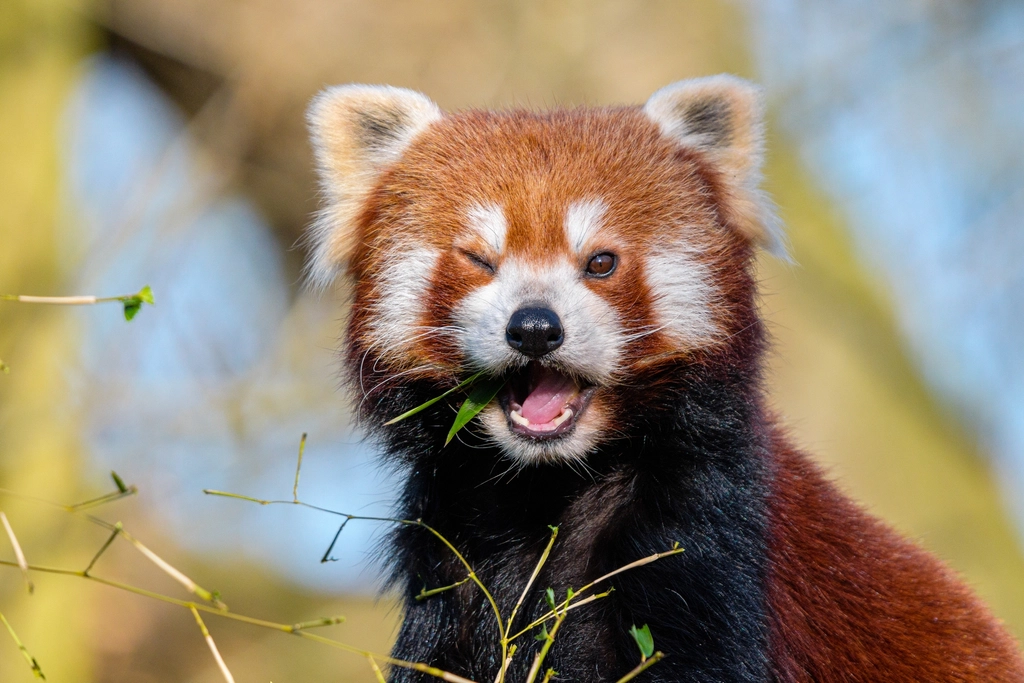 Photo Credit: Rawpixel
In the misty mountain forests of Asia, the red panda, known scientifically as Ailurus fulgens, dances gracefully among the treetops. With its striking rusty fur and bushy tail, this charming creature resembles a delightful mix of a raccoon and a small bear. As it nimbly climbs and leaps from branch to branch, its playful antics capture the hearts of anyone lucky enough to witness them. The red panda’s large, round face and expressive eyes add to its endearing appearance, making it a favorite among wildlife enthusiasts and scientists alike.
What makes the red panda truly captivating is not just its looks but also its unique lifestyle. These adorable animals are primarily nocturnal, meaning they are most active during the twilight hours when the world is painted in shades of purple and gold. As they forage for bamboo, their main food source, they play a crucial role in maintaining the health of their forest habitat. With fewer than 3,000 individuals left in the wild, the red panda’s endangered status has sparked a global effort to protect these enchanting animals and their homes. Join us as we explore the fascinating world of the red panda, uncovering its behaviors, diet, and the vital role it plays in its ecosystem.
The red panda, a charming and elusive animal, occupies a special place in the tree of life. Scientifically classified within the kingdom Animalia, phylum Chordata, class Mammalia, order Carnivora, and family Ailuridae, it stands out as a unique member of the animal kingdom. Unlike its larger, more ferocious relatives like bears and weasels, the red panda is a small, tree-dwelling mammal known for its striking reddish-brown fur and playful demeanor. Its classification reflects both its physical traits and its evolutionary journey, making it a captivating subject for both scientists and nature enthusiasts alike.
| Taxonomic Rank | Scientific Name | Meaning & Significance |
|---|---|---|
| Kingdom | Animalia | This name signifies that red pandas are part of the vast group of multicellular organisms that are primarily heterotrophic, meaning they consume organic material for energy. |
| Phylum | Chordata | Chordata refers to animals that have a notochord, a flexible rod that supports the body. In red pandas, this structure is present during their early development, showcasing their connection to other vertebrates. |
| Class | Mammalia | Mammalia indicates that red pandas are warm-blooded animals with fur and mammary glands, which allow females to nurse their young. This class includes all mammals, highlighting their shared characteristics. |
| Order | Carnivora | Carnivora is the order that includes meat-eating mammals. While red pandas primarily eat bamboo, their classification here reflects their evolutionary lineage, which is linked to other carnivorous animals. |
| Family | Ailuridae | Ailuridae is the family that includes red pandas and their closest relatives. The name comes from the Greek word “ailuros,” meaning “cat,” which hints at their feline-like features and behaviors. |
| Genus | Ailurus | The genus name Ailurus also derives from the Greek word for “cat.” This classification emphasizes the red panda’s agile, cat-like movements and its ability to climb trees with ease. |
Understanding the red panda’s taxonomic classification reveals much about its evolutionary history. As a member of the order Carnivora, it shares a common ancestor with other carnivorous mammals, yet its unique adaptations, such as a diet primarily consisting of bamboo, set it apart. The red panda’s lineage diverged from other members of Carnivora millions of years ago, leading to its distinct family, Ailuridae. This fascinating journey through the tree of life highlights the red panda’s role in the ecosystem and its importance in biodiversity, reminding us of the intricate connections that bind all living things.
The evolutionary journey of the red panda stretches back millions of years, weaving through a tapestry of environmental changes and adaptations. This captivating animal, known scientifically as Ailurus fulgens, is part of the family Ailuridae, which diverged from other carnivorous mammals around 25 million years ago. As the world transformed, so did the red panda, evolving traits that would help it thrive in its mountainous forest habitat.
The ancestors of the red panda were likely similar to other small carnivores, but over time, they adapted to a more specialized diet and lifestyle. One significant transition occurred when these ancestors began to rely heavily on bamboo, a plant that would become their primary food source. This shift required changes in their digestive systems, allowing them to process the tough, fibrous material efficiently. Additionally, as their habitats shifted to cooler, mountainous regions, red pandas developed thicker fur and a more robust body to withstand the chill.
These adaptations have been crucial for the red panda’s survival in a world that is constantly changing. By becoming experts at climbing and specializing in a bamboo diet, they have carved out a niche that allows them to thrive in their mountainous homes. Their thick fur not only protects them from the cold but also adds to their charm, making them a beloved species around the globe. As they continue to navigate the challenges of their environment, the red panda remains a testament to the power of evolution and adaptation.
The red panda is a delightful blend of charm and whimsy, captivating anyone lucky enough to catch a glimpse. With a body that resembles a cross between a raccoon and a small bear, it boasts a compact frame that typically weighs between 3 to 6.2 kilograms, or about 7 to 14 pounds. Its short, stocky legs and long, bushy tail add to its adorable appearance, making it look like a fluffy ball of energy as it scampers through the trees. The red panda’s overall structure is designed for life in the treetops, where it spends most of its time.
| Feature | Description |
|---|---|
| Weight | 3 kg – 6.2 kg (7 lbs – 14 lbs) |
| Skin Type | Fur |
| Most Distinctive Feature | Rusty colored thick fur and striped face |
The red panda’s striking rusty-colored fur serves a dual purpose: it provides excellent camouflage among the reddish-brown tree bark and foliage of its mountainous habitat, while also keeping it warm in cooler climates. Its thick fur is not just for show; it helps insulate the animal against the chill of its high-altitude home. The distinctive striped face adds to its expressive features, making it not only adorable but also helping it communicate with other red pandas. Together, these physical traits create a perfect package for survival, allowing the red panda to thrive in its forested realm.
The red panda calls the high-altitude mountain forests of Asia its home, where the air is crisp and the trees are tall. These enchanting forests are often cloaked in mist, creating a magical atmosphere that feels like stepping into a fairy tale. The lush greenery is filled with bamboo, the red panda’s favorite food, and the dappled sunlight filters through the leaves, providing a perfect playground for this adorable animal.
The climate in these mountainous regions is cool and temperate, with plenty of rainfall throughout the year. Red pandas thrive in environments where temperatures can drop significantly, especially during winter. They prefer areas that are rich in vegetation, particularly bamboo, which grows abundantly in these forests. The combination of altitude and moisture creates a habitat that is both diverse and supportive of their lifestyle.
To survive in these specific habitats, red pandas have developed some clever adaptations. Their thick fur keeps them warm in chilly temperatures, while their sharp claws help them climb trees with ease. They have a keen sense of smell, which aids in finding food and navigating their forest home. By being primarily nocturnal, they avoid the heat of the day and can forage for bamboo when it is cooler. These adaptations make the red panda perfectly suited to its mountainous environment, allowing it to thrive in a world that is both beautiful and challenging.
The daily life of a red panda is a blend of quiet exploration and playful antics, primarily taking place under the cover of night. As nocturnal animals, they are most active during the twilight hours, when the world is painted in shades of blue and gray. Their evenings are filled with climbing trees, foraging for bamboo, and engaging in playful behavior. With their keen sense of smell and sharp eyesight, red pandas navigate their forest homes with ease, searching for food and enjoying the solitude of their surroundings.
While red pandas are generally solitary creatures, they do exhibit interesting social behaviors, especially during mating season. Males and females will come together briefly to mate, but otherwise, they prefer to live alone. This solitary lifestyle allows them to establish their own territories, which they mark with scent to communicate their presence to others. When they do interact, it’s often through a series of vocalizations, body language, and scent markings, showcasing their unique ways of connecting with one another.
| Behavior Type | Description |
|---|---|
| Activity Patterns | Nocturnal foraging and climbing, primarily active at night. |
| Social Structure | Solitary, with brief interactions during mating season. |
| Communication Methods | Vocalizations, body language, and scent marking to establish territory. |
These behaviors are essential for the survival of red pandas in their mountainous habitats. By being nocturnal, they avoid many daytime predators and can take advantage of cooler temperatures while searching for food. Their solitary nature helps reduce competition for resources like bamboo, which is their primary diet. Through effective communication and territorial marking, they maintain their space and ensure they have enough food to thrive in the wild. Each aspect of their daily life is finely tuned to help them navigate the challenges of their environment, making them truly captivating inhabitants of the forest.
The red panda has a diverse diet that primarily consists of bamboo, but it is not a strict vegetarian. As an omnivore, it enjoys a variety of foods, including berries and eggs. This adorable animal has adapted its feeding behavior to thrive in its mountainous forest habitat, where it skillfully climbs trees to reach its favorite snacks. With its strong, curved claws and flexible wrists, the red panda can grasp bamboo stalks and strip the leaves with ease, making it a master forager in its environment.
| Dietary Aspect | Details |
|---|---|
| Diet Type | Omnivore |
| Favorite Foods | Bamboo, berries, eggs |
| Prey Items | Primarily bamboo, but also includes fruits and small animal eggs |
| Hunting/Foraging Strategies | Climbs trees to access bamboo and other food sources, using strong claws to grasp and strip leaves |
This varied diet plays a crucial role in the red panda’s ecology and daily routine. By consuming bamboo, which is abundant in its habitat, the red panda helps maintain the health of the forest ecosystem. Its foraging habits also influence the growth patterns of bamboo, as the animal selectively eats certain parts of the plant. This relationship highlights the interconnectedness of species and their environments, showcasing how the red panda’s feeding behavior shapes not only its own life but also the world around it.
When it comes to finding a mate, red pandas have a rather charming courtship ritual. Breeding season typically occurs in the spring, around March to May. During this time, males will often engage in playful behaviors to attract females, including vocalizations and scent marking. These delightful displays help establish their presence and readiness to mate. Once a pair has formed a bond, they will mate, and the female will carry the young for about four months before giving birth.
| Reproductive Aspect | Details |
|---|---|
| Gestation Period | 4 months |
| Average Litter Size | 3 |
| Age of Sexual Maturity | 18 months |
| Name of Young | Cub |
After the cubs are born, the mother red panda takes on the role of a dedicated caregiver. She will typically give birth in a cozy den, often located in a hollow tree or a sheltered area. The cubs are born blind and helpless, relying entirely on their mother for warmth and nourishment. As they grow, the mother provides them with a safe environment, teaching them essential skills for survival. By the time they reach about 18 months, the young red pandas are ready to venture out on their own, equipped with the knowledge and instincts needed to thrive in their forest home.
The red panda plays a vital role in its ecosystem, primarily as a herbivore that helps maintain the health of bamboo forests. These forests are crucial not only for the red panda but also for many other species that rely on them for food and shelter. However, despite its charming appearance, the red panda faces several dangers that threaten its survival in the wild.
To defend itself against these threats, the red panda has developed several survival strategies. Its excellent climbing skills allow it to escape predators by seeking refuge high in the trees. When threatened, it can also use its sharp claws and strong teeth to fend off attackers. Additionally, red pandas are known for their solitary nature, which helps them avoid confrontations with other animals. By staying hidden and using their agility, these adorable creatures navigate the challenges of their environment, ensuring their place in the delicate balance of the food web.
A keystone species is an organism that has a disproportionately large impact on its environment relative to its abundance. In other words, these species play a critical role in maintaining the structure of an ecosystem. The red panda, with its unique habits and dietary preferences, qualifies as a keystone species in its high-altitude mountain forest habitat. By influencing the growth and health of bamboo forests, red pandas help sustain the delicate balance of their ecosystem.
Red pandas primarily feed on bamboo, which makes up a significant portion of their diet. By consuming bamboo, they help control its growth and promote a diverse plant community. This is important because a healthy bamboo forest provides shelter and food for many other species, including birds, insects, and even other mammals. When red pandas munch on bamboo, they create openings in the dense foliage, allowing sunlight to reach the forest floor. This encourages the growth of various plants, which in turn supports a wider range of wildlife.
Additionally, red pandas contribute to seed dispersal. As they move through their habitat, they consume fruits and berries, and their droppings help spread seeds across the forest. This process is vital for plant reproduction and maintaining genetic diversity within the ecosystem. The presence of red pandas can also indicate the overall health of their environment, as they require specific conditions to thrive, such as clean water and abundant bamboo.
If red pandas were to disappear from their ecosystem, the consequences could be severe. Without these adorable animals, bamboo forests might become overgrown, leading to a decline in plant diversity. This would affect not only the red pandas but also countless other species that rely on a balanced environment. The loss of red pandas could trigger a chain reaction, destabilizing the entire ecosystem and diminishing its resilience to environmental changes. In essence, the disappearance of red pandas would echo through the forest, altering the lives of many creatures that share their home.
The red panda occupies a vital ecological niche in the high-altitude mountain forests of Asia. As an omnivore, it plays a significant role in maintaining the balance of its environment. By primarily feeding on bamboo, the red panda helps control the growth of this plant, ensuring that it does not overtake other vegetation. This balance is crucial for the overall health of the forest ecosystem, as it allows various plant and animal species to thrive alongside one another.
| Ecosystem Service | Impact |
|---|---|
| Bamboo management | Prevents bamboo overgrowth, promoting biodiversity. |
| Seed dispersal | Helps in spreading seeds of various plants through its diet. |
| Habitat creation | Contributes to the structure of the forest, providing shelter for other species. |
| Soil health | Through foraging, it aerates the soil, enhancing nutrient cycling. |
The red panda’s influence extends beyond its immediate diet. For instance, as it munches on bamboo, it creates clearings that allow sunlight to reach the forest floor, encouraging the growth of other plants. This not only supports a variety of herbivores but also attracts insects and birds, enriching the ecosystem. Additionally, by dispersing seeds through its droppings, the red panda aids in the propagation of various plant species, further enhancing the diversity of its habitat.
The broader ecological importance of the red panda cannot be overstated. As a keystone species, its presence helps maintain the structure and health of the forest ecosystem. The balance it creates allows for a rich tapestry of life, supporting countless other species that rely on the same habitat. Protecting the red panda and its environment is essential not just for this charming animal, but for the entire ecosystem that thrives in the misty mountain forests of Asia.
In the intricate web of life, red pandas engage in various ecological relationships that highlight the beauty of symbiosis. Symbiosis refers to the close interactions between different species, which can be beneficial, neutral, or harmful. These relationships can take many forms, such as mutualism, where both species gain advantages, or commensalism, where one benefits while the other is unaffected. Understanding these connections helps us appreciate how red pandas fit into their high-altitude mountain forest habitats and interact with other organisms.
| Species/Type | Relationship Type | Description |
|---|---|---|
| Bamboo | Mutualistic | Red pandas rely on bamboo for food, and in return, their feeding habits help promote the growth of new bamboo shoots. |
| Birds (e.g., treecreepers) | Commensal | Birds may benefit from the insects disturbed by red pandas as they forage, while the pandas remain unaffected. |
| Parasites (e.g., ticks) | Parasitic | Ticks can latch onto red pandas, feeding on their blood, which can harm the pandas by draining nutrients. |
These relationships have evolved over time, shaped by the needs and behaviors of the species involved. The red panda’s dependence on bamboo illustrates a mutualistic bond, where both the panda and the plant benefit from their interaction. Meanwhile, the presence of birds that follow red pandas showcases a commensal relationship, highlighting how different species can coexist and thrive together. However, the parasitic relationships remind us that not all interactions are beneficial. Understanding these dynamics is crucial for conservation efforts, as protecting red pandas also means safeguarding the delicate balance of their ecosystem.
The red panda, with its striking rusty fur and playful demeanor, is a captivating animal that often surprises those who take the time to learn about it. Here are some intriguing facts that showcase the red panda’s unique traits and behaviors.
The red panda has long enchanted humans, weaving its way into the cultural fabric of various societies. Historically, these adorable animals have been revered in regions like Nepal and China, where they are often seen as symbols of peace and harmony. In ancient Chinese folklore, the red panda is sometimes associated with the mystical and the divine, capturing the imagination of those who encounter it. This cultural significance has helped raise awareness about the species, fostering a sense of connection between people and these charming creatures.
Today, the relationship between red pandas and humanity is complex and multifaceted. On one hand, conservation efforts are underway to protect their dwindling populations and habitats, as deforestation and climate change pose significant threats. Organizations around the world are working tirelessly to create protected areas and promote sustainable practices. However, conflicts can arise, particularly in regions where human activities encroach on red panda habitats. While domestication is not a goal for red pandas, their playful nature and striking appearance have made them popular in zoos and wildlife parks, where they serve as ambassadors for their species.
Looking ahead, the future of the red panda and its relationship with humanity hinges on our collective efforts to protect the environment. As awareness grows and conservation initiatives expand, there is hope that these delightful animals will thrive in their natural habitats. By fostering a deeper understanding of their ecological importance and the challenges they face, we can ensure that future generations will continue to marvel at the red panda’s charm and beauty. Together, we can create a world where both humans and red pandas coexist harmoniously, celebrating the wonders of nature.
The red panda is currently classified as endangered, a status that highlights the urgent need for conservation efforts. With an estimated population of fewer than 3,000 individuals remaining in the wild, these charming animals are facing significant challenges. Their numbers have been declining due to various threats, making it crucial to understand and address the factors contributing to their precarious situation.
| Conservation Factor | Status/Details |
|---|---|
| IUCN Status | Endangered |
| Estimated Population Size | Less than 3,000 |
| Population Trend | Declining |
The main threats to red pandas stem from habitat loss and fragmentation, primarily due to human activities such as deforestation and agriculture. As forests are cleared for farming or urban development, red pandas lose their homes and the bamboo they rely on for food. Additionally, poaching and illegal wildlife trade pose serious risks, as these adorable animals are sometimes hunted for their beautiful fur or captured for the pet trade. Climate change also plays a role, as it can alter the delicate ecosystems where red pandas thrive.
Conservation efforts are underway to protect red pandas and their habitats. Organizations are working to create protected areas and restore degraded forests, ensuring that these animals have safe spaces to live and thrive. Education and awareness campaigns are also vital, helping local communities understand the importance of preserving red pandas and their environment. With continued dedication and support, there is hope for the future of this enchanting species, allowing them to flourish in the wild once more.
| Question | Answer |
|---|---|
| What is the habitat of the Red Panda? | Red Pandas live in high-altitude mountain forests, primarily in the eastern Himalayas and southwestern China. These forests are cool and moist, providing the perfect environment for the bamboo they love to eat. |
| What do Red Pandas eat? | Red Pandas are omnivores, which means they eat both plants and animals. Their diet mainly consists of bamboo, but they also enjoy fruits, acorns, and small animals like birds and rodents. |
| How do Red Pandas behave in the wild? | Red Pandas are mostly solitary creatures, meaning they prefer to live alone rather than in groups. They are also nocturnal, which means they are most active at night, climbing trees and foraging for food. |
| How do Red Pandas reproduce? | Red Pandas typically mate in the spring, and after a gestation period of about 90 to 150 days, the female gives birth to one to four cubs. The cubs are born blind and rely on their mother for warmth and food during their early weeks. |
| What threats do Red Pandas face? | Red Pandas are classified as endangered, facing threats from habitat loss due to deforestation and poaching. Climate change also poses a risk, as it can affect the availability of bamboo, their primary food source. |
| What is a unique characteristic of Red Pandas? | One of the most distinctive features of Red Pandas is their rusty-colored thick fur and their adorable striped face. This unique appearance helps them blend into their forest environment, providing camouflage from predators. |
| Can Red Pandas climb trees? | Yes, Red Pandas are excellent climbers! They have strong, curved claws that help them grip tree branches, allowing them to escape predators and find food high up in the trees. |