Taxonomy & Classification
- Kingdom
- Animalia
- Phylum
- Chordata
- Class
- Mammalia
- Order
- Carnivora
- Family
- Canidae
- Genus
- Canis
- Species
- Canis lupus rufus

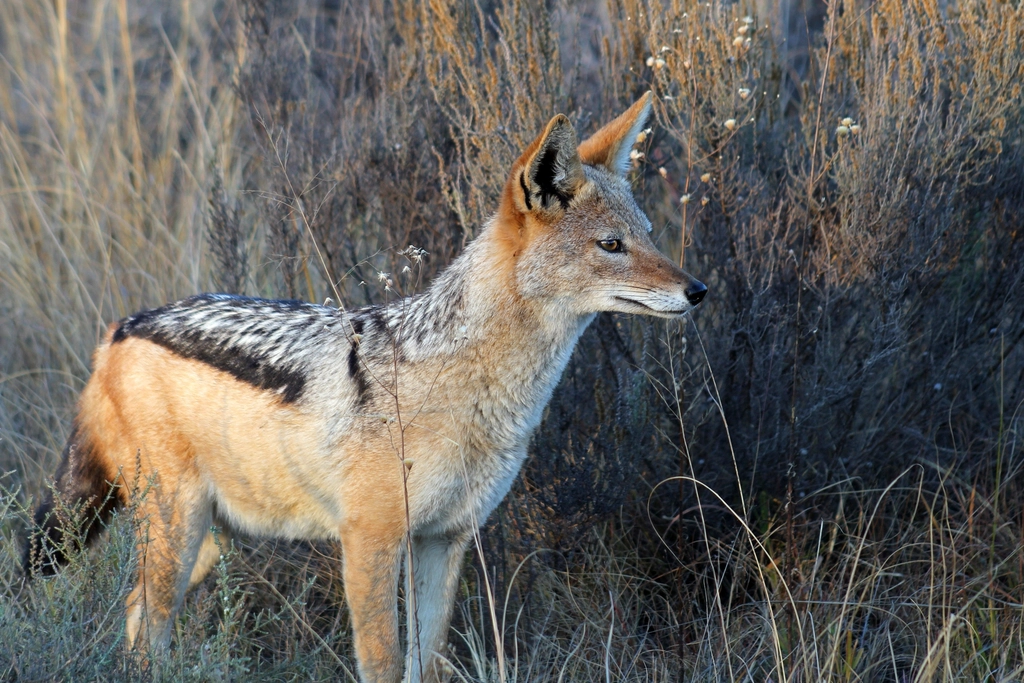 Photo Credit: Rawpixel
In the heart of the southeastern United States, the red wolf, or Canis rufus, roams the coastal prairies and marshlands, a striking symbol of wild beauty and resilience. With its lean, athletic body and a coat that blends shades of rusty red and tawny brown, this magnificent creature stands about 26 to 32 inches tall at the shoulder. Its large, expressive eyes and long legs give it an air of grace as it navigates through tall grasses and dense underbrush, always alert to the sounds of its surroundings. The red wolf is not just a captivating sight; it plays a crucial role in its ecosystem, helping to maintain the balance of nature as a top predator.
Scientists and nature enthusiasts alike are drawn to the red wolf for its unique story and the challenges it faces. Once widespread across the eastern United States, this species has seen its numbers dwindle dramatically, making it one of the most endangered mammals in North America. The red wolf’s complex social structure and cooperative hunting strategies showcase its intelligence and adaptability, traits that have fascinated researchers for years. As we explore the life of the red wolf, we will uncover its behaviors, diet, and the vital role it plays in its habitat, all while highlighting the urgent need for conservation efforts to protect this remarkable animal from extinction.
The red wolf, scientifically known as Canis rufus, occupies a special place in the tree of life. As a member of the Canidae family, which includes dogs, foxes, and other wolves, the red wolf is a fascinating example of adaptation and survival. This species is particularly unique because it is one of the few canids that is native to North America. With its striking reddish-brown fur and slender build, the red wolf is not just a beautiful animal; it also plays a crucial role in its ecosystem as a top predator, helping to maintain the balance of wildlife populations.
| Taxonomic Rank | Scientific Name | Meaning & Significance |
|---|---|---|
| Kingdom | Animalia | This name signifies that red wolves are part of the vast group of multicellular organisms that are primarily heterotrophic, meaning they consume other organisms for energy. |
| Phylum | Chordata | Chordata refers to animals that have a notochord, a flexible rod that supports the body. In red wolves, this structure is present during their early development, showcasing their vertebrate lineage. |
| Class | Mammalia | Mammalia indicates that red wolves are warm-blooded animals with fur or hair and mammary glands that produce milk for their young, highlighting their nurturing behavior. |
| Order | Carnivora | Carnivora is the order that includes meat-eating mammals. The red wolf’s sharp teeth and keen hunting skills are adaptations that allow it to thrive as a predator. |
| Family | Canidae | Canidae encompasses all dog-like mammals. The red wolf shares this family with its close relatives, showcasing its evolutionary ties to both domestic dogs and other wild canids. |
| Genus | Canis | Canis means “dog” in Latin, reflecting the red wolf’s close relationship to domestic dogs and other wolves, emphasizing their shared ancestry. |
| Species | rufus | Rufus is Latin for “red,” a nod to the animal’s distinctive reddish fur, which helps it blend into its natural habitat. |
Understanding the red wolf’s classification reveals much about its evolutionary history. As a member of the Canidae family, the red wolf shares a common ancestor with other canids, which dates back millions of years. This lineage has allowed it to develop specific traits suited for survival in its environment, such as its hunting strategies and social behaviors. However, the red wolf’s unique adaptations also highlight the challenges it faces today, as habitat loss and interbreeding with coyotes threaten its existence. By studying its taxonomic position, we gain insight into the intricate web of life and the importance of preserving such a vital species.
The evolutionary journey of the red wolf, or Canis rufus, stretches back thousands of years, weaving through the complex tapestry of life on Earth. This captivating species emerged around the late Pleistocene epoch, approximately 1 million years ago, when the world was a very different place. During this time, various canids roamed the land, adapting to the changing climates and environments that shaped their survival.
The ancestors of the red wolf are believed to have diverged from a common ancestor shared with the gray wolf and coyote. This divergence led to the development of distinct traits suited for their specific habitats. As the climate warmed and forests expanded, these early canids adapted to a more varied diet and social structure. Over time, the red wolf evolved to become a smaller, more agile predator, perfectly suited for the dense woodlands and wetlands of the southeastern United States.
The adaptations of the red wolf have been crucial for its survival in a rapidly changing world. Their smaller size and agility allow them to navigate through dense vegetation, while their vocalizations strengthen social bonds within packs. The ability to adapt their diet ensures they can thrive in various environments, and their social structure enhances their hunting success. Together, these traits have helped the red wolf endure through challenges, making it a symbol of resilience in the wild.
The red wolf is a striking figure in the wild, embodying a blend of grace and strength. With a lean, athletic body, it stands about 26 to 32 inches tall at the shoulder, giving it a commanding presence. Its long legs and slender frame are designed for agility, allowing it to navigate through its forest and wetland habitats with ease. The red wolf’s overall appearance is both elegant and powerful, making it a true marvel of nature.
| Feature | Description |
|---|---|
| Weight | 18-41 kg (40-90 lbs) |
| Skin Type | Fur |
| Color | Reddish-brown with a mix of gray and black |
| Eyes | Yellow to amber, providing excellent night vision |
| Ears | Pointed and erect, enhancing hearing |
These physical features work together to create a highly effective predator. The red wolf’s fur, with its reddish-brown hue, provides excellent camouflage in the dappled light of its forest home, helping it blend into the surroundings while stalking prey. Its keen eyesight and acute hearing, thanks to its large, upright ears, allow it to detect even the slightest movements in the underbrush. This combination of attributes not only aids in hunting but also plays a crucial role in social interactions within packs, making the red wolf a fascinating example of nature’s design for survival.
The red wolf calls the coastal prairies and marshlands of the southeastern United States its home. Imagine wide-open spaces filled with tall grasses swaying in the breeze, interspersed with patches of wetlands where water glistens under the sun. These habitats are rich in biodiversity, providing a perfect backdrop for the red wolf’s hunting and social behaviors. The mix of open land and dense vegetation creates a dynamic environment where these wolves can thrive.
The climate in these regions is typically warm and humid, with mild winters and hot summers. Red wolves prefer areas that offer a mix of open land and cover, allowing them to hunt effectively while also having places to hide from potential threats. The presence of water sources, like rivers and marshes, is crucial as it supports the diverse prey they rely on, such as small mammals and birds.
To survive in these specific habitats, red wolves have developed several adaptations. Their slender bodies and long legs make them agile hunters, able to navigate through tall grasses and marshy areas with ease. Their keen sense of hearing and smell helps them locate prey even in dense vegetation. Additionally, their social structure, often living in packs, allows them to work together to hunt and protect their territory, making them well-suited for life in the wild.
The daily life of a red wolf is a blend of adventure and teamwork. As dawn breaks, these wolves awaken in their dens, often nestled in the underbrush or among the roots of trees. Their day typically begins with a stretch and a yawn, followed by a group howl that echoes through their territory. This vocalization serves as both a morning greeting and a way to communicate their presence to other packs. After this ritual, the pack sets out to explore their surroundings, searching for food and marking their territory with scent.
Social behavior is at the heart of red wolf life. These animals are highly social and live in family groups called packs, which usually consist of a breeding pair and their offspring. The bonds within the pack are strong, built on cooperation and mutual support. They work together to hunt, often taking down prey like deer or small mammals. Communication is key in these interactions, and red wolves use a variety of sounds, body language, and even facial expressions to convey their feelings and intentions. This social structure not only strengthens their relationships but also enhances their chances of survival in the wild.
| Behavior Type | Description |
|---|---|
| Activity Patterns | Red wolves are crepuscular, meaning they are most active during dawn and dusk. This timing helps them hunt effectively while avoiding the heat of the day. |
| Social Structure | Packs typically consist of a breeding pair and their young, fostering strong family ties and cooperative hunting strategies. |
| Communication Methods | They use howls, growls, and body language to communicate with each other, ensuring coordination during hunts and maintaining pack unity. |
The behaviors of red wolves are finely tuned to ensure their survival in the wild. By living in packs, they can hunt larger prey and protect each other from threats. Their communication skills help them coordinate during hunts and maintain strong social bonds, which are essential for raising pups and defending their territory. In a world where every day brings new challenges, these wolves rely on their teamwork and social connections to thrive in their natural habitat.
The red wolf is a carnivore, which means it primarily eats meat. This clever predator has a varied diet that includes deer, rodents, and raccoons. Red wolves are skilled hunters, often working together in packs to track and capture their prey. Their social structure allows them to coordinate their efforts, making them more effective at hunting larger animals like deer. When they are not hunting, red wolves may also scavenge for food, taking advantage of any available resources in their environment.
| Dietary Aspect | Details |
|---|---|
| Diet Type | Carnivore |
| Favorite Foods | Deer, rodents, raccoons |
| Prey Items | Small to medium-sized mammals |
| Hunting/Foraging Strategies | Hunts in packs, uses teamwork to track and capture prey |
The red wolf’s diet plays a crucial role in its ecology and daily routine. By preying on various animals, it helps maintain the balance of the ecosystem, controlling populations of smaller mammals and ensuring that plant life can thrive. This balance is essential for the health of their habitat. Additionally, the need to hunt and forage shapes their social interactions and daily activities, as they rely on teamwork and communication to succeed in their quest for food.
Mating season for the red wolf typically occurs between late January and early March. During this time, males and females engage in elaborate courtship behaviors, which can include vocalizations, playful interactions, and scent marking. These rituals help strengthen their bond and establish territory. Once a pair has formed a strong connection, they will mate, and the female will prepare for the arrival of their young.
| Reproductive Aspect | Details |
|---|---|
| Gestation Period | About 63 days |
| Litter Size | Average of 5 |
| Age of Maturity | Approximately 10 months |
| Name of Young | Cub |
After the cubs are born, both parents play a crucial role in their upbringing. The mother stays close to the den, nursing and caring for the young, while the father helps by bringing food and protecting the family. As the cubs grow, they begin to explore their surroundings, learning essential survival skills through play and observation. By the time they reach maturity at around 10 months, these young wolves are ready to venture out and establish their own territories, continuing the cycle of life in the wild.
The red wolf, Canis rufus, plays a crucial role in its ecosystem as a top predator. Positioned at the apex of the food web, it helps maintain the balance of populations among its prey, which includes deer and smaller mammals. This balance is vital for the health of its habitat, ensuring that no single species overwhelms the environment. However, the red wolf faces numerous dangers that threaten its survival.
To defend against these threats, red wolves have developed several survival strategies. They are highly social animals, often living in packs that work together to hunt and protect their territory. Their keen senses of hearing and smell help them detect danger from afar, allowing them to avoid potential threats. Additionally, red wolves are known for their adaptability, often changing their hunting patterns and den locations to stay one step ahead of dangers in their environment. These behaviors are essential for their survival in a world where challenges abound.
A keystone species is an organism that has a disproportionately large impact on its environment relative to its abundance. In simpler terms, these species play a crucial role in maintaining the structure of an ecosystem. The red wolf, known scientifically as Canis rufus, qualifies as a keystone species due to its role as a top predator in its habitat. By controlling the populations of prey species, red wolves help to maintain the balance of their ecosystem, particularly in the coastal prairies and marshlands of the southeastern United States.
The ecological impact of red wolves is significant. As skilled hunters, they primarily prey on animals like deer, rodents, and raccoons. By keeping these populations in check, red wolves prevent overgrazing and overpopulation, which can lead to habitat degradation. For instance, when deer populations are too high, they can strip vegetation, leading to soil erosion and loss of plant diversity. This, in turn, affects other species that rely on those plants for food and shelter.
Moreover, red wolves also influence the behavior of their prey. The presence of these predators can cause deer to alter their grazing patterns, allowing vegetation to recover in certain areas. This phenomenon, known as “trophic cascades,” illustrates how the actions of one species can ripple through the ecosystem, affecting many others.
If red wolves were to disappear from their ecosystem, the consequences could be dire. Without these apex predators, prey populations like deer could explode, leading to overgrazing and significant changes in plant communities. This shift would not only affect the plants but also the myriad of other species that depend on those plants for survival. The loss of red wolves would disrupt the delicate balance of their habitat, potentially leading to a decline in biodiversity and the overall health of the ecosystem. In essence, the red wolf is not just a fascinating animal; it is a vital player in the intricate web of life.
The red wolf, known scientifically as Canis rufus, plays a vital role in its ecosystem, particularly in the coastal prairies and marshlands of the southeastern United States. As a top predator, it occupies an ecological niche that helps regulate the populations of various prey species. This balance is essential for maintaining the health of the environment, as it prevents overgrazing and promotes biodiversity. By controlling the numbers of herbivores, red wolves indirectly support the growth of vegetation, which in turn provides habitat for many other animals.
| Ecosystem Service | Impact |
|---|---|
| Population Control | Regulates prey species like deer and rodents, preventing overpopulation. |
| Biodiversity Support | Encourages a diverse range of plant and animal life by maintaining healthy ecosystems. |
| Scavenger Opportunities | Provides food for scavengers by leaving behind remains of prey. |
| Habitat Creation | Influences the structure of habitats through hunting patterns, which can create open spaces for other species. |
The influence of red wolves extends beyond just their role as hunters. For instance, by preying on herbivores like deer, they help maintain a balance that allows various plant species to thrive. This, in turn, creates a rich habitat for smaller animals, birds, and insects. When red wolves hunt, they often leave behind carcasses, which become a feast for scavengers such as vultures and raccoons. This cycle of life and death is crucial for the health of the ecosystem, as it supports a web of interactions among different species.
The broader ecological importance of the red wolf cannot be overstated. As a keystone species, its presence or absence can significantly alter the landscape and the dynamics of the ecosystem. When red wolves are thriving, they help ensure that the habitats they occupy remain vibrant and diverse. Conversely, their decline can lead to imbalances that affect many other species, including plants and smaller animals. Protecting red wolves is not just about saving one species; it’s about preserving the intricate web of life that depends on their existence.
In the intricate web of life, symbiosis refers to the close interactions between different species, which can take on various forms. These relationships can be mutualistic, where both species benefit, parasitic, where one benefits at the expense of the other, or commensal, where one benefits while the other is neither helped nor harmed. The red wolf, Canis rufus, engages in several ecological partnerships that highlight the interconnectedness of nature. These relationships not only enhance the survival of the red wolf but also contribute to the health of its ecosystem.
| Species/Type | Relationship Type | Description |
|---|---|---|
| White-tailed Deer | Mutualistic | Red wolves help control deer populations, which can prevent overgrazing and promote healthier plant communities. |
| Small Mammals (like rabbits and rodents) | Mutualistic | By preying on these small mammals, red wolves help maintain a balanced ecosystem, allowing for diverse plant growth. |
| Birds (like scavengers) | Commensal | Birds often follow red wolves to scavenge leftovers from their kills, benefiting from the wolves’ hunting success without affecting the wolves. |
The evolution of these relationships showcases the adaptability and resilience of the red wolf and its companions. Over time, these species have developed ways to coexist, benefiting from one another in a delicate balance. The red wolf’s role as a predator not only supports its own survival but also fosters a thriving ecosystem, where various species can flourish together. Understanding these connections deepens our appreciation for the natural world and the importance of preserving these relationships for future generations.
The red wolf, a captivating and endangered species, holds many secrets that intrigue nature lovers. Here are some surprising facts that showcase the extraordinary life of this remarkable animal.
The red wolf, or Canis rufus, has a long and storied history with humanity, woven into the cultural fabric of the regions it inhabits. Native American tribes often revered these wolves, seeing them as symbols of strength and loyalty. Folklore and stories passed down through generations highlight the red wolf’s role in the ecosystem and its connection to the spiritual world. However, as settlers expanded into the southeastern United States, encounters with red wolves became more complex. Misunderstandings and fear led to a decline in their populations, as they were often seen as threats to livestock and hunted relentlessly.
Today, the relationship between red wolves and humans is marked by both conflict and conservation efforts. With the red wolf now classified as critically endangered, dedicated organizations and wildlife agencies are working tirelessly to protect and restore their populations. This includes breeding programs and reintroduction efforts in their native habitats. However, challenges remain, such as habitat loss and conflicts with farmers who fear for their livestock. Some people are beginning to recognize the ecological importance of red wolves, understanding that their presence helps maintain a balanced ecosystem by controlling prey populations.
As we look to the future, the relationship between red wolves and humanity holds both promise and challenges. With continued education and awareness, people can learn to appreciate these magnificent animals for their ecological contributions rather than viewing them solely as threats. By fostering a spirit of coexistence, we can ensure that red wolves not only survive but thrive in their natural habitats, enriching our shared environment for generations to come.
The red wolf, known scientifically as Canis rufus, is currently classified as Critically Endangered. This status reflects a dire situation for this once-abundant species, with population estimates hovering around 20 to 30 individuals in the wild. The numbers have fluctuated over the years, but the overall trend remains troubling, as habitat loss and human activities continue to threaten their survival.
| Conservation Factor | Status/Details |
|---|---|
| IUCN Status | Critically Endangered |
| Population Estimates | 20 to 30 individuals in the wild |
| Trend Direction | Declining |
The main threats to the red wolf are numerous and complex. Habitat destruction, primarily due to urban development and agriculture, has significantly reduced the areas where these wolves can roam and hunt. Additionally, hybridization with coyotes poses a serious risk, as it dilutes the genetic purity of the red wolf population. This mixing can lead to a loss of unique traits that define the species. Furthermore, human-wildlife conflict, such as vehicle collisions and hunting, continues to endanger their survival.
Conservation efforts are underway to help the red wolf recover from the brink of extinction. Organizations and wildlife agencies are working tirelessly to protect their habitats and manage populations through breeding programs. Reintroduction initiatives have also been implemented, aiming to establish stable populations in the wild. While the outlook remains challenging, the dedication of conservationists and the growing awareness of the red wolf’s plight offer a glimmer of hope for this extraordinary species. With continued support and effective management, there is potential for the red wolf to reclaim its rightful place in the ecosystem.
| Question | Answer |
|---|---|
| What is the habitat of the Red Wolf? | Red Wolves primarily inhabit coastal prairies and marshlands. These areas provide the open space and cover they need for hunting and raising their young. |
| What do Red Wolves eat? | As carnivores, Red Wolves mainly hunt small to medium-sized mammals. Their diet includes animals like rabbits, rodents, and even deer, which they skillfully track and catch. |
| How do Red Wolves behave in the wild? | Red Wolves are social animals that often live in family groups called packs. They communicate through a variety of vocalizations, including howls, which help them coordinate during hunts and maintain territory. |
| How do Red Wolves reproduce? | Red Wolves typically mate once a year, usually in late winter. After a gestation period of about 60 to 63 days, the female gives birth to a litter of 2 to 8 pups, which are cared for by both parents. |
| What are the main threats to Red Wolves? | Red Wolves face several threats, including habitat loss and vehicle collisions. Additionally, they are often affected by competition with coyotes and human activities that disrupt their natural environment. |
| What is the conservation status of Red Wolves? | Red Wolves are critically endangered, with only a few dozen individuals remaining in the wild. Conservation efforts are underway to protect their habitat and increase their population through breeding programs. |
| What is an interesting characteristic of Red Wolves? | Red Wolves are unique in that they are one of the few wolf species that can be found in the eastern United States. They have a distinct reddish-brown coat, which helps them blend into their marshy surroundings. |