Taxonomy & Classification
- Kingdom
- Animalia
- Phylum
- Chordata
- Class
- Mammalia
- Order
- Artiodactyla
- Family
- Cervidae
- Genus
- Rangifer
- Species
- Rangifer Tarandus

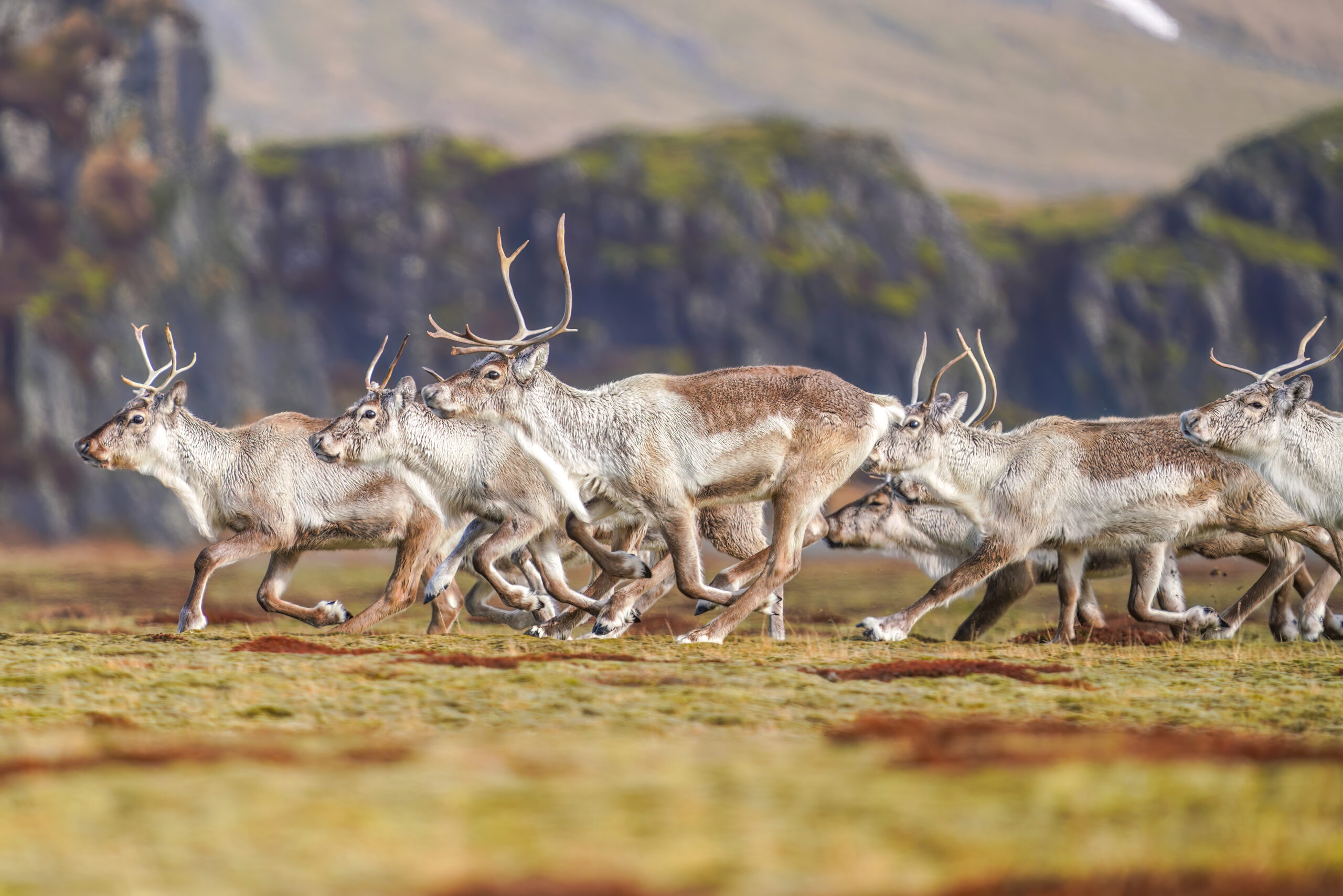 Photo Credit: Giles Laurent / Wikimedia Commons
In the vast, shimmering expanse of the Arctic tundra, the reindeer, known scientifically as Rangifer tarandus, roams gracefully across the snow-covered landscape. With their impressive antlers that can span nearly four feet and their thick, warm coats that shift from brown to white with the seasons, these animals are perfectly adapted to their frigid home. Imagine a herd of reindeer, their hooves crunching softly on the frozen ground, as they navigate through rolling hills and patches of hardy vegetation, embodying the spirit of resilience in one of the harshest climates on Earth.
What makes reindeer particularly captivating to scientists and nature lovers alike is their remarkable ability to thrive in extreme conditions. These herbivores have evolved unique adaptations, such as specialized noses that warm the cold air they breathe and a diet that includes lichens, grasses, and shrubs. Their migratory patterns are equally fascinating, as they travel long distances in search of food, following ancient routes that have been passed down through generations. As we delve deeper into the world of Rangifer tarandus, we will explore their behaviors, social structures, and the vital role they play in the Arctic ecosystem, revealing the intricate connections that bind them to their environment and to us.
Reindeer, known scientifically as Rangifer tarandus, hold a special place in the animal kingdom. They belong to the family Cervidae, which includes all deer species, and are part of the order Artiodactyla, a group characterized by even-toed ungulates, or hoofed animals. What sets reindeer apart is their incredible adaptability to cold environments, particularly in the Arctic and subarctic regions. They are one of the few deer species where both males and females grow antlers, a feature that plays a crucial role in their survival and social interactions. This unique trait, along with their migratory behavior, makes them a captivating subject of study in the context of evolution and ecology.
| Taxonomic Rank | Scientific Name | Meaning & Significance |
|---|---|---|
| Kingdom | Animalia | This name signifies that reindeer are part of the vast group of multicellular organisms that are primarily heterotrophic, meaning they consume organic material for energy. |
| Phylum | Chordata | Chordata refers to animals that have a notochord, a flexible rod that supports the body. In reindeer, this structure is present during their early development, showcasing their evolutionary link to other vertebrates. |
| Class | Mammalia | Mammalia indicates that reindeer are warm-blooded animals with fur and mammary glands, which allow females to nurse their young. This class is known for its diverse adaptations to various environments. |
| Order | Artiodactyla | Artiodactyla means “even-toed,” highlighting that reindeer have an even number of toes, which helps them navigate snowy terrains effectively. |
| Family | Cervidae | Cervidae is the family name for deer, derived from the Latin word “cervus,” meaning deer. This classification emphasizes their shared characteristics with other deer species. |
| Genus | Rangifer | Rangifer comes from the Old Norse word “hreindýr,” meaning “reindeer.” This name reflects their historical significance to indigenous cultures and their role in the ecosystem. |
| Species | tarandus | The species name tarandus is derived from the Latin term for reindeer, which connects to their long-standing presence in northern regions and their importance in local traditions. |
The classification of reindeer reveals much about their evolutionary journey. As members of the Cervidae family, they share a common ancestor with other deer species, showcasing the adaptations that have allowed them to thrive in harsh climates. Their unique traits, such as the ability to grow antlers and their migratory patterns, highlight the evolutionary pressures they have faced in their environments. Understanding where reindeer fit in the tree of life not only deepens our appreciation for these animals but also sheds light on the intricate web of life that connects all living beings.
The evolutionary journey of reindeer, or Rangifer tarandus, stretches back millions of years, weaving through the icy landscapes of the Northern Hemisphere. These animals are part of the Cervidae family, which includes all deer species, and their ancestors roamed the Earth during the late Miocene epoch, around 10 million years ago. Over time, reindeer adapted to the harsh conditions of the Arctic and subarctic regions, developing traits that would help them thrive in some of the coldest environments on the planet.
The story of reindeer begins with their ancestors, who were more similar to modern-day deer but lacked the specialized adaptations we see today. As the climate changed and glaciers advanced, these early deer began to evolve. One significant transition occurred when they developed larger hooves, which helped them walk on snow and ice without sinking. This adaptation was crucial for foraging in winter, allowing them to reach food sources buried beneath the snow. Another major change was the development of a thick, insulating coat of fur, which kept them warm in frigid temperatures. This coat is not just for show; it traps air close to the skin, providing excellent insulation.
The adaptations of reindeer have been vital for their survival in extreme environments. Their large hooves allow them to traverse snowy landscapes with ease, while their thick fur keeps them warm against biting winds. The seasonal growth of antlers not only plays a role in reproduction but also aids in foraging during the winter months. Together, these traits have enabled reindeer to thrive in the Arctic, showcasing the incredible power of evolution in shaping life on Earth.
Reindeer are striking animals that embody the spirit of the Arctic wilderness. With their sturdy bodies and long legs, they are built for life in some of the harshest climates on Earth. Their impressive antlers, which can span up to four feet, are a defining feature, especially in males. These antlers, along with their thick fur coats, give them a majestic appearance as they roam across vast, snowy landscapes. The combination of their size and unique adaptations makes them a symbol of resilience and grace in the wild.
| Feature | Description |
|---|---|
| Weight | 60-320 kg (132-705 lbs) |
| Skin Type | Fur |
| Color | Typically brown with lighter underbellies; seasonal changes can lead to a lighter, almost white coat in winter |
| Body Structure | Stocky build with long legs, adapted for traversing snow |
| Antlers | Large and branched, present in both males and females, with males shedding them after the breeding season |
These physical features are not just for show; they play crucial roles in the reindeer’s survival. Their thick fur provides insulation against frigid temperatures, while their large hooves act like snowshoes, allowing them to walk on soft snow without sinking. The antlers serve multiple purposes, from attracting mates during the breeding season to helping them forage for food beneath the snow. Together, these adaptations make reindeer perfectly suited to thrive in their icy habitats, showcasing the wonders of evolution in action.
Reindeer thrive in a captivating world where vast, open landscapes meet dense forests, particularly near the Arctic tundra. Imagine rolling hills blanketed in snow, with patches of hardy vegetation peeking through. These majestic animals roam across expansive terrains, where the ground is often frozen, and the air is crisp and invigorating. The scenery is a blend of shimmering white snow and the deep greens of coniferous trees, creating a stunning backdrop for their daily adventures.
Reindeer are well-suited to the cold climates of their habitats, which can experience extreme temperatures. They prefer areas where the climate is harsh but stable, with long winters and short summers. The environment is often characterized by permafrost, a layer of permanently frozen ground, which influences the types of plants that can grow. These animals rely on lichen, moss, and other hardy plants that can survive the cold, making them perfectly adapted to their surroundings.
To thrive in such challenging conditions, reindeer have developed remarkable adaptations. Their thick fur provides insulation against the biting cold, while their hooves are wide and splayed, allowing them to walk on snow without sinking. Additionally, they have a unique ability to find food beneath the snow, using their keen sense of smell to locate lichen hidden below the surface. These adaptations not only help them survive but also enable them to flourish in the stunning yet demanding landscapes they call home.
Reindeer, or Rangifer tarandus, lead a life that is both rhythmic and deeply connected to their environment. Each day begins with the rising sun, casting a warm glow over the snowy tundra. As the light breaks, these animals embark on their daily activities, which include foraging for food, socializing with their herd, and migrating across vast distances in search of better grazing grounds. Their diet mainly consists of lichens, grasses, and shrubs, which they skillfully uncover beneath the snow. This daily routine is not just about survival; it’s a dance of adaptation to the ever-changing Arctic landscape.
Social behavior is a cornerstone of reindeer life. They are highly social animals that thrive in herds, which can range from a few individuals to thousands during migration. This group dynamic provides safety in numbers, as there is strength in unity against predators. Within the herd, reindeer communicate through a variety of sounds, including grunts and bellows, which help maintain social bonds and alert others to danger. Mothers and calves share a particularly close relationship, with mothers often recognizing their young by their unique calls. This social structure is essential for nurturing and protecting the next generation.
| Behavior Type | Description |
|---|---|
| Activity Patterns | Reindeer are most active during the early morning and late afternoon, foraging for food and moving to new grazing areas. |
| Social Structure | They live in herds that provide safety and support, with strong bonds formed between mothers and their calves. |
| Communication Methods | Reindeer use a range of vocalizations, body language, and even scent marking to communicate with each other. |
The behaviors of reindeer are finely tuned to ensure their survival in a challenging environment. By living in herds, they can protect themselves from predators and share knowledge about food sources. Their communication skills help them stay connected, even in the vast, snowy expanses they call home. Each day, as they navigate their world, reindeer demonstrate the importance of cooperation and adaptability, traits that have allowed them to thrive in some of the most extreme conditions on Earth.
Reindeer are herbivores, which means they primarily eat plants. Their diet is rich and varied, consisting mainly of grasses, herbs, and berries. During the summer months, when the tundra bursts with life, reindeer graze on lush green vegetation. In winter, they adapt to the harsh conditions by digging through the snow to find lichen, a type of fungus that grows on trees and rocks. This ability to forage for food in challenging environments is crucial for their survival.
| Dietary Aspect | Details |
|---|---|
| Diet Type | Herbivore |
| Favorite Foods | Grass, herbs, and berries |
| Prey Items | None (strictly herbivorous) |
| Hunting/Foraging Strategies | Grazing in summer; digging through snow for lichen in winter |
The diet of reindeer plays a vital role in their ecology and daily routine. By consuming a variety of plant life, they help maintain the balance of their ecosystem, ensuring that vegetation remains healthy and diverse. Their foraging habits also influence the growth patterns of plants in their habitat. As they migrate in search of food, reindeer contribute to the nutrient cycle, enriching the soil with their droppings. This connection to their environment highlights the importance of their diet, shaping not only their survival but also the health of the landscapes they inhabit.
Reindeer have a fascinating mating ritual that takes place during the autumn months, typically from late September to early November. During this time, males, known as bulls, engage in a series of displays to attract females, or cows. They may engage in vocalizations, known as “grunting,” and even spar with other bulls to establish dominance. Once a bull successfully attracts a cow, they mate, and the female will carry the developing calf through the harsh winter months.
| Reproductive Aspect | Details |
|---|---|
| Gestation Period | About 230 days |
| Litter Size | 1 |
| Age of Maturity | 1 to 2 years |
| Name of Young | Calf |
Once the calf is born, usually in late May or early June, the mother provides attentive care. Reindeer calves are able to stand and walk shortly after birth, which is crucial for their survival in the wild. The mother stays close, guiding her young to food sources and teaching them essential survival skills. As the calves grow, they learn to graze and navigate their environment, gradually becoming independent. By the time they reach maturity at one to two years old, they are well-equipped to thrive in the challenging Arctic landscape, continuing the cycle of life in their icy home.
Reindeer play a vital role in the Arctic food web, serving as both grazers and prey. These magnificent animals are herbivores, munching on grasses, lichens, and shrubs, which helps maintain the balance of their ecosystem. However, their position also makes them targets for various predators, highlighting the delicate dance of survival in the wild.
To defend themselves against these threats, reindeer have developed several survival strategies. They often travel in herds, which provides safety in numbers, making it harder for predators to single out an individual. When danger approaches, reindeer can sprint at impressive speeds, reaching up to 50 miles per hour. Their keen senses also help them detect predators from afar, allowing them to react quickly. Additionally, during harsh winters, they can dig through snow to find food, ensuring they stay nourished even when resources are scarce. These adaptations showcase the resilience of reindeer in the face of challenges in their icy habitats.
A keystone species is an organism that has a disproportionately large impact on its environment relative to its abundance. In the case of reindeer, or Rangifer tarandus, they certainly qualify as a keystone species in their ecosystem. Their presence and activities significantly shape the landscape and influence the lives of many other species in the Arctic tundra and surrounding forests.
Reindeer are herbivores, meaning they primarily eat plants, and their grazing habits play a crucial role in maintaining the health of their habitat. By feeding on grasses, lichens, and shrubs, they help control plant growth, which in turn affects the entire ecosystem. For example, their grazing prevents certain plant species from dominating the landscape, allowing a diverse range of vegetation to thrive. This diversity is essential for other animals, as it provides food and shelter for various species, from insects to larger mammals.
Additionally, reindeer are a vital food source for predators such as wolves and bears. Their population dynamics can influence the numbers of these predators, creating a balance in the food web. When reindeer are abundant, predators thrive, but if their numbers decline, it can lead to a decrease in predator populations as well. This interconnectedness highlights the importance of reindeer in maintaining the ecological balance in their habitat.
Moreover, reindeer contribute to nutrient cycling in their environment. As they graze, they not only consume plants but also deposit waste that enriches the soil. This natural fertilization process supports plant growth, which is crucial for the entire ecosystem. Healthy vegetation, in turn, supports a variety of other wildlife, creating a vibrant and interconnected community.
If reindeer were to disappear from their ecosystem, the consequences would be profound. Without their grazing, certain plant species could overgrow, leading to a decline in biodiversity. This shift would not only affect the plants but also the animals that rely on them for food and shelter. Predators that depend on reindeer for sustenance would struggle to find enough food, potentially leading to their decline as well. The entire balance of the ecosystem would be disrupted, illustrating just how vital reindeer are to the health and stability of their environment.
Reindeer, or Rangifer tarandus, play a crucial role in shaping their ecosystem, particularly in the cold, northern regions where they roam. As herbivores, they primarily feed on grasses, lichens, and shrubs, which helps control plant growth and maintain the balance of their habitat. Their grazing habits not only influence the types of vegetation that thrive but also create open spaces that benefit other species. By moving in herds, reindeer also contribute to nutrient cycling, as their droppings enrich the soil, promoting plant health and diversity.
| Ecosystem Service | Impact |
|---|---|
| Grazing | Controls plant growth and promotes biodiversity |
| Nutrient cycling | Enriches soil through droppings, enhancing plant health |
| Seed dispersal | Helps spread plant seeds through their movement |
| Habitat creation | Opens up areas for other species to thrive |
One vivid example of reindeer’s influence can be seen in their grazing patterns. During the summer months, they feast on a variety of plants, which helps keep the tundra ecosystem in check. This grazing prevents any single species from dominating the landscape, allowing a rich tapestry of flora to flourish. Additionally, as reindeer migrate across vast distances, they inadvertently assist in seed dispersal. Seeds that cling to their fur or are passed through their digestive systems can sprout in new locations, promoting genetic diversity among plant populations.
The broader ecological importance of reindeer extends beyond their immediate environment. As a keystone species, their presence supports a wide array of wildlife, from predators like wolves to scavengers such as ravens. The health of the tundra ecosystem is closely tied to the well-being of reindeer populations. When they thrive, the entire ecosystem benefits, creating a dynamic and interconnected web of life. Understanding the role of reindeer helps us appreciate the delicate balance of nature and the importance of preserving these magnificent animals and their habitats.
In the intricate web of life, reindeer engage in various partnerships with other species, showcasing the beauty of symbiosis. Symbiosis refers to the close and often long-term interactions between different biological species. These relationships can be mutualistic, where both species benefit, parasitic, where one benefits at the other’s expense, or commensal, where one benefits while the other is neither helped nor harmed. Understanding these connections helps us appreciate how reindeer and their companions contribute to the health of their ecosystems.
| Species/Type | Relationship Type | Description |
|---|---|---|
| Lichens | Mutualistic | Reindeer rely on lichens as a primary food source during winter. In return, the lichens benefit from being dispersed through reindeer droppings, allowing them to spread and thrive in new areas. |
| Ticks | Parasitic | Ticks attach to reindeer to feed on their blood, which can weaken the animals and transmit diseases. This relationship is harmful to the reindeer but provides sustenance for the ticks. |
| Birds (e.g., ravens) | Commensal | Birds often follow reindeer herds, feeding on insects and parasites that are stirred up by the reindeer’s movement. The birds benefit from easy meals, while the reindeer are largely unaffected. |
These relationships have evolved over time, shaped by the needs and behaviors of the species involved. Reindeer have adapted to their harsh environments, forming partnerships that enhance their survival. For instance, their reliance on lichens during winter showcases a mutual benefit that supports both the reindeer and the lichens. Meanwhile, the presence of parasites like ticks highlights the challenges reindeer face in their ecosystems. Understanding these dynamics not only reveals the complexity of life in the Arctic but also emphasizes the importance of each species in maintaining ecological balance.
Reindeer, also known as caribou in North America, are truly captivating animals that thrive in some of the most extreme environments on Earth. Their adaptations and behaviors are not only fascinating but also essential for their survival in the Arctic and subarctic regions. Here are some surprising facts that showcase the incredible world of reindeer.
Reindeer and humans have shared a remarkable relationship for thousands of years, deeply woven into the fabric of various cultures, especially among Indigenous peoples of the Arctic. These majestic animals, known as Rangifer tarandus, have been a source of sustenance, clothing, and transportation. In many communities, reindeer are not just animals; they are integral to cultural identity and traditions. From the Sami people in Scandinavia to the Inuit in North America, reindeer herding has shaped lifestyles, stories, and even spiritual beliefs, highlighting the bond between humans and these resilient creatures.
Today, the interaction between reindeer and humanity continues to evolve, reflecting both cooperation and conflict. In some regions, reindeer are domesticated, providing milk, meat, and hides, while also serving as a means of transportation across snowy landscapes. However, modern challenges such as climate change, habitat loss, and industrial development threaten their populations and the traditional ways of life that depend on them. Conservation efforts are underway to protect both the reindeer and the cultural practices tied to them, but these efforts often face hurdles, including land disputes and changing environmental conditions.
As we look to the future, the relationship between reindeer and humanity stands at a crossroads. With increasing awareness of environmental issues and the importance of cultural heritage, there is hope for a more sustainable coexistence. By valuing the knowledge of Indigenous communities and implementing effective conservation strategies, we can ensure that reindeer continue to thrive alongside humans. This partnership not only enriches our understanding of the natural world but also fosters a deeper appreciation for the interconnectedness of all life on Earth.
Reindeer, or Rangifer tarandus, currently hold a conservation status of “Least Concern” according to the International Union for Conservation of Nature (IUCN). This means that, overall, they are not considered at immediate risk of extinction. However, their populations are not uniform across the globe. While some herds are stable, others are experiencing declines due to various environmental pressures. Understanding these trends is crucial for ensuring the long-term survival of this iconic species.
| Conservation Factor | Status/Details |
|---|---|
| IUCN Status | Least Concern |
| Population Estimates | Approximately 2 million globally |
| Trend Direction | Varies by region; some populations declining |
Reindeer face several significant threats that can impact their populations. Climate change is one of the most pressing issues, as it alters their habitat and affects the availability of food sources. Warmer temperatures can lead to changes in vegetation patterns, making it harder for reindeer to find the lichens and grasses they rely on. Additionally, human activities such as mining, logging, and infrastructure development encroach on their habitats, further stressing these animals. Predation by wolves and other carnivores can also affect local herds, especially when food becomes scarce.
Conservation efforts are underway to help protect reindeer and their habitats. Many organizations are working to monitor population trends and implement strategies to mitigate the impacts of climate change. In some regions, Indigenous communities are leading initiatives to manage reindeer herding sustainably, ensuring that both the animals and their ecosystems thrive. The outlook for reindeer varies by region, but with continued awareness and action, there is hope for maintaining healthy populations of these magnificent animals for generations to come.
| Question | Answer |
|---|---|
| Where do reindeer live? | Reindeer primarily inhabit forests close to the Arctic tundra. These regions provide the cold climate and open spaces they need to thrive, especially during the summer months when they migrate to find food. |
| What do reindeer eat? | Reindeer are herbivores, which means they eat plants. Their diet mainly consists of grasses, leaves, and lichens, especially a type called reindeer moss, which is rich in nutrients. |
| How do reindeer behave in the wild? | Reindeer are social animals that often travel in herds. They are known for their migratory behavior, moving long distances to find food and suitable breeding grounds, especially during the changing seasons. |
| How do reindeer reproduce? | Reindeer typically mate in the fall, and after a gestation period of about 230 days, females give birth to a single calf in the spring. This timing ensures that the young have access to abundant food as they grow. |
| What threats do reindeer face? | While reindeer are currently classified as Least Concern, they face threats from climate change, habitat loss, and hunting. Changes in temperature can affect their food sources and migration patterns. |
| What are some interesting characteristics of reindeer? | One fascinating fact about reindeer is that both males and females grow antlers, which is unusual among deer species. They also have a unique adaptation that allows them to see in the dark, helping them navigate during the long Arctic winters. |
| How do reindeer adapt to cold environments? | Reindeer have several adaptations for cold weather, including a thick coat of fur that insulates them from the freezing temperatures. They also have specialized hooves that help them walk on snow and ice, making it easier to find food. |