Taxonomy & Classification
- Kingdom
- Animalia
- Phylum
- Arthropoda
- Class
- Arachnida
- Order
- Scorpiones
- Family
- Scorpionoidea
- Genus
- Androctonus
- Species
- Scorpiones

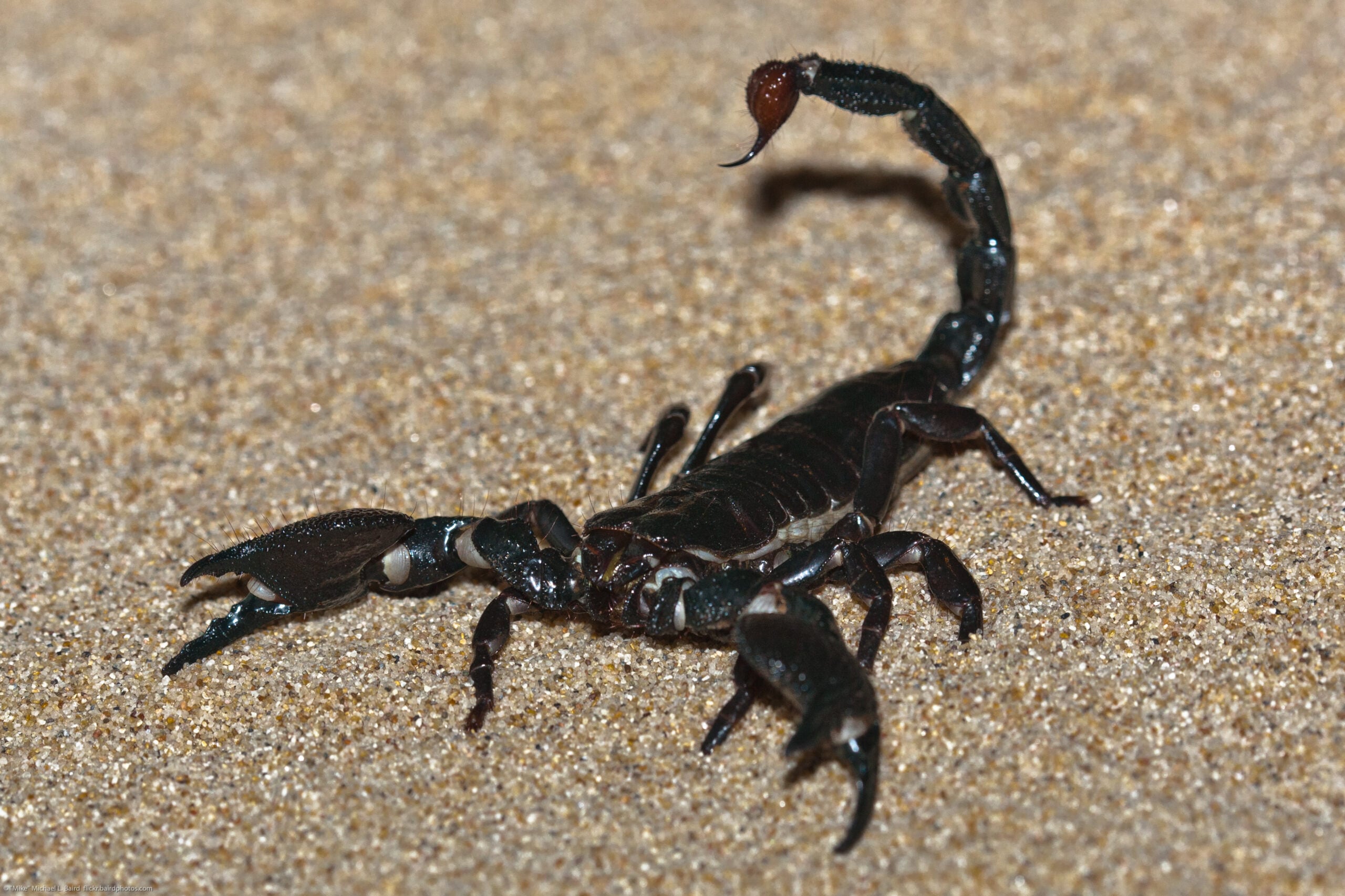 Photo Credit: Flickr upload bot / Wikimedia Commons
In the heart of a sun-drenched desert, the scorpion, known scientifically as *Scorpiones*, scuttles across the sandy terrain, its segmented body glistening under the bright sun. With its long, curved tail poised high, ready to strike, and its formidable pincers snapping in the air, this ancient arachnid presents a striking image of both beauty and danger. Scorpions have been roaming the Earth for over 400 million years, making them one of the oldest creatures still alive today. Their unique adaptations, such as the ability to glow under ultraviolet light, have captivated scientists and nature enthusiasts alike, sparking curiosity about their role in the ecosystem and their remarkable survival strategies.
As night falls, the desert transforms into a stage for the scorpion’s nightly hunt. With keen senses, it navigates the dark, searching for insects and small prey. This nocturnal lifestyle not only showcases their hunting prowess but also highlights their adaptability to harsh environments. Scorpions are not just survivors; they play a crucial role in their ecosystems, helping to control insect populations while also serving as prey for larger animals. Their fascinating behaviors, from intricate courtship dances to their methodical hunting techniques, reveal a world of complexity that invites us to explore the hidden lives of these remarkable creatures. Join us as we delve deeper into the captivating world of scorpions, uncovering the secrets of their survival and the vital roles they play in nature.
Scorpions are intriguing members of the animal kingdom, sitting firmly within the phylum Arthropoda, which includes all insects, spiders, and crustaceans. They belong to the class Arachnida, a group that also encompasses spiders and ticks. What sets scorpions apart is their ancient lineage; they have been roaming the Earth for over 400 million years, making them one of the oldest terrestrial animals. With their distinctive pincers and long, segmented tails tipped with a venomous stinger, scorpions are not just survivors but also skilled predators, showcasing a unique blend of adaptability and resilience in various environments.
| Taxonomic Rank | Scientific Name | Meaning & Significance |
|---|---|---|
| Kingdom | Animalia | The name “Animalia” comes from the Latin word “animalis,” meaning “having breath” or “living.” This classification highlights that scorpions are living organisms that breathe and move. |
| Phylum | Arthropoda | “Arthropoda” means “jointed legs” in Greek, referring to the scorpion’s segmented body and jointed appendages, which are key features of this diverse group. |
| Class | Arachnida | The term “Arachnida” is derived from the Greek word “arakhnē,” meaning “spider.” This class includes scorpions, spiders, and ticks, all of which share similar body structures, such as eight legs. |
| Order | Scorpiones | “Scorpiones” comes from the Latin word for scorpion, which is “scorpio.” This name emphasizes the distinctive appearance and predatory nature of these animals. |
| Family | Scorpionoidea | The name “Scorpionoidea” indicates that this family includes all true scorpions, highlighting their unique evolutionary traits and adaptations. |
| Genus | Androctonus | “Androctonus” translates to “man-killer” in Greek, a name that reflects the potency of the venom found in some species within this genus, which can be dangerous to humans. |
Understanding the taxonomic position of scorpions reveals much about their evolutionary journey. As ancient arthropods, they have adapted to a variety of habitats, from deserts to forests, showcasing their remarkable ability to thrive in diverse environments. Their classification not only highlights their physical characteristics but also underscores their role in the ecosystem as both predators and prey. This long history and unique position in the tree of life remind us of the intricate connections that bind all living organisms together.
The evolutionary journey of scorpions stretches back over 400 million years, making them one of the oldest terrestrial arthropods still roaming the Earth today. These ancient creatures first appeared during the Silurian period, a time when the planet was teeming with life, but most of it was still confined to the oceans. As they ventured onto land, scorpions began to adapt to their new environment, paving the way for their survival through various geological epochs.
The ancestors of modern scorpions were likely similar to other early arthropods, with segmented bodies and jointed limbs. Over time, they developed key adaptations that allowed them to thrive in diverse habitats. One major transition was the evolution of their exoskeleton, a hard outer covering that protects them from predators and prevents water loss. This adaptation was crucial for survival in arid environments. Another significant change was the development of specialized appendages, such as pincers, which not only help in capturing prey but also serve as a defense mechanism against threats. Additionally, scorpions evolved venomous stingers, enabling them to immobilize prey and deter potential predators.
These evolutionary adaptations have been vital for scorpions, allowing them to survive and flourish in a wide range of environments. Their tough exoskeleton and specialized limbs provide protection and hunting advantages, while their venom ensures they can capture prey effectively. As a result, scorpions have not only endured the test of time but have also become a successful group of animals, showcasing the incredible power of evolution in shaping life on Earth.
Scorpions are captivating beings that evoke both awe and a hint of fear. With their elongated bodies and distinctive pincers, they present a striking silhouette against the backdrop of their arid habitats. Their segmented bodies, which can range from slender to robust, are adorned with a tough, shell-like exoskeleton that glistens under the sun. This hard outer layer not only provides protection but also gives them a formidable appearance, making them look like miniature warriors of the desert.
| Feature | Description |
|---|---|
| Size | Typically ranges from 5 to 20 centimeters (2 to 8 inches) in length. |
| Weight | Weighs between 10 to 100 grams (0.4 to 3.5 ounces). |
| Color | Varies widely, often seen in shades of brown, yellow, or even green, helping them blend into their surroundings. |
| Skin Type | Covered in a tough, shell-like exoskeleton that protects against predators and environmental conditions. |
| Claws | Equipped with large pincers that are used for grasping prey and defending against threats. |
| Tail | Features a long, curved tail with a venomous stinger at the end, used for hunting and self-defense. |
These physical traits work together to create a highly effective survival strategy. The scorpion’s tough exoskeleton shields it from predators and harsh weather, while its coloration allows it to camouflage seamlessly into rocky or sandy environments. The powerful pincers are not just for show; they are essential for capturing prey and warding off attackers. Meanwhile, the venomous stinger at the end of its tail serves as a potent weapon, ensuring that scorpions can defend themselves and secure food in the wild. Together, these features make scorpions not only survivors but also fascinating examples of nature’s ingenuity.
Scorpions thrive in a variety of habitats that paint a vivid picture of their adaptability. Picture a sun-baked desert, where the ground is cracked and the air shimmers with heat. Imagine vast grasslands, where tall grasses sway gently in the breeze, or the lush greenery of tropical jungles, teeming with life. These environments provide the perfect backdrop for scorpions, who have evolved to make their homes in some of the most extreme and diverse conditions on Earth.
Scorpions prefer warm climates, often found in areas where temperatures can soar during the day and drop significantly at night. They thrive in environments with low humidity, which helps them conserve water. These arachnids are often nocturnal, meaning they are most active at night when the temperatures are cooler. This behavior not only helps them avoid the heat of the day but also allows them to hunt for food under the cover of darkness.
Adaptation is key to the survival of scorpions in their chosen habitats. Their tough exoskeletons help retain moisture, while their ability to burrow into the ground provides shelter from extreme temperatures. Some species have even developed a unique ability to fluoresce under ultraviolet light, which may help them communicate or attract mates in the dark. These remarkable adaptations ensure that scorpions can thrive in environments that might seem inhospitable to many other creatures.
Scorpions lead a life that is both intriguing and methodical. As night falls, these arachnids emerge from their hiding spots, ready to hunt. Their daily activities revolve around searching for food, which primarily consists of insects and small invertebrates. With their keen sense of touch and ability to detect vibrations, scorpions navigate their environment with precision. They often spend the day tucked away in crevices or under rocks, conserving energy and avoiding the heat of the sun. When dusk arrives, they become active hunters, using their pincers to capture prey and their venomous stingers to immobilize it.
While scorpions are primarily solitary creatures, they do exhibit some interesting social behaviors, especially during mating season. Males and females engage in a fascinating courtship dance, where they grasp each other’s pincers and move in a rhythmic pattern. This dance helps them assess each other’s fitness and compatibility. After mating, the female will carry her young on her back until they are ready to fend for themselves. Although they generally prefer to live alone, these brief interactions highlight the importance of social dynamics in their reproductive success.
| Behavior Type | Description |
|---|---|
| Activity Patterns | Scorpions are nocturnal hunters, primarily active at night when they search for food and mates. |
| Social Structure | Generally solitary, scorpions only come together for mating and sometimes for communal shelter. |
| Communication Methods | They communicate through tactile signals during courtship and can also use pheromones to attract mates. |
The behaviors of scorpions are finely tuned to ensure their survival in a challenging world. Their solitary nature allows them to avoid competition for resources, while their hunting skills and venom provide effective means of capturing prey. The brief social interactions during mating season are crucial for reproduction, ensuring that the next generation of scorpions can thrive. By adapting to their environment and honing their instincts, scorpions have successfully navigated the Earth for millions of years, showcasing the resilience of life in even the harshest conditions.
Scorpions are carnivorous hunters, primarily feeding on a diet of insects, spiders, and even small rodents. With their powerful pincers and venomous stingers, they are well-equipped to capture and subdue their prey. Scorpions often employ a strategy of ambush, waiting patiently in the shadows until an unsuspecting meal wanders too close. This stealthy approach allows them to conserve energy while maximizing their chances of a successful hunt.
| Dietary Aspect | Details |
|---|---|
| Diet Type | Carnivore |
| Favorite Foods | Insects, spiders, small rodents |
| Prey Items | Crickets, beetles, and other small invertebrates |
| Hunting/Foraging Strategies | Ambush predators, using pincers to grasp prey and venom to immobilize it |
This diet plays a crucial role in shaping the scorpion’s ecology and daily routine. By preying on various insects and small animals, scorpions help control pest populations, contributing to the balance of their ecosystems. Their nocturnal hunting habits also mean they are active when many of their prey are out and about, allowing them to thrive in their environments. This fascinating interplay between predator and prey highlights the importance of scorpions in maintaining the health of their habitats.
When it comes to reproduction, scorpions have a fascinating courtship ritual that can last several hours. During this time, a male scorpion will grasp the female’s pincers in a dance-like movement, often referred to as a “promenade à deux.” This intricate behavior helps the male to position himself for mating. The breeding season typically occurs in warmer months, when conditions are just right for the survival of the young. After mating, the female will carry the developing embryos inside her body until they are ready to be born.
| Reproductive Aspect | Details |
|---|---|
| Gestation Period | Approximately 6 to 12 months |
| Litter Size | Average of 6 |
| Age of Maturity | 1 to 3 years |
| Name of Young | Scorplings |
Once the scorplings are born, they are not left to fend for themselves immediately. Instead, they climb onto their mother’s back, where they stay for several weeks. This protective behavior ensures that the young are safe from predators and can develop in a secure environment. As they grow, the scorplings will molt several times, shedding their exoskeletons to accommodate their increasing size. Eventually, they will venture off on their own, ready to explore the world and begin their own life cycle. This nurturing approach highlights the remarkable bond between mother and young in the scorpion world.
Scorpions play a vital role in their ecosystems, acting as both predators and prey. Positioned near the top of the food web, they help control insect populations while also serving as a food source for various animals. Their presence indicates a healthy environment, as they thrive in diverse habitats, from deserts to grasslands. However, their position also makes them vulnerable to a range of threats.
To survive these dangers, scorpions have developed a variety of defensive behaviors. Their hard exoskeleton provides a tough barrier against many predators, while their venomous sting serves as a powerful deterrent. When threatened, scorpions can also use their pincers to defend themselves, pinching attackers with surprising strength. Additionally, many species are nocturnal, allowing them to hunt and avoid danger under the cover of darkness. By blending into their surroundings and using their natural defenses, scorpions have thrived for millions of years, showcasing their resilience in the face of adversity.
A keystone species is a vital part of its ecosystem, meaning its presence and activities have a significant impact on the environment and other organisms. Scorpions qualify as a keystone species due to their role in controlling insect populations and serving as prey for various animals. Their unique position in the food web helps maintain the balance of their habitats, which can range from dry deserts to lush tropical jungles.
Scorpions are carnivorous hunters, primarily feeding on insects and small invertebrates. By preying on these creatures, they help regulate their populations, preventing any one species from becoming too dominant. For example, if scorpions were to disappear, the number of insects could skyrocket, leading to overgrazing of plants and a decline in vegetation. This imbalance could ripple through the ecosystem, affecting other animals that rely on those plants for food and shelter.
Additionally, scorpions themselves are a food source for a variety of predators, including birds, mammals, and reptiles. Their presence supports these higher-level predators, which in turn helps maintain the diversity of species in the ecosystem. The intricate dance of predator and prey is essential for a healthy environment, and scorpions play a crucial role in this balance.
If scorpions were to vanish from their ecosystems, the consequences could be severe. Without these arachnids, insect populations would likely explode, leading to increased competition for resources among other animals. This could result in a decline in plant life, which would further impact herbivores and the predators that rely on them. The delicate balance of the ecosystem would be disrupted, showcasing just how important scorpions are to the health of their environments.
Scorpions occupy a crucial ecological niche, acting as both predators and prey in their environments. These fascinating arachnids thrive in diverse habitats, including dry deserts, grasslands, savannas, and tropical jungles. Their solitary lifestyle allows them to effectively hunt and control insect populations, which helps maintain the balance of their ecosystems. By preying on various insects and small animals, scorpions play a significant role in regulating the populations of these species, ensuring that no single group overwhelms the environment.
| Ecosystem Service | Impact |
|---|---|
| Predation | Controls insect populations, preventing overpopulation and promoting biodiversity. |
| Food Source | Serves as prey for larger animals, contributing to the food web. |
| Soil Aeration | Burrowing behavior helps aerate the soil, improving its quality and health. |
| Decomposition | Facilitates nutrient cycling by preying on decomposing organisms. |
Scorpions influence their ecosystems in several specific ways. For instance, by hunting insects, they help keep populations of pests in check, which can be especially important in agricultural areas. Their burrowing activities also contribute to soil health by aerating it, allowing water and nutrients to penetrate more effectively. Additionally, scorpions themselves become a food source for larger predators, such as birds and mammals, creating a vital link in the food web. This interconnectedness highlights their role in maintaining ecological balance.
The broader ecological importance of scorpions cannot be overstated. As keystone species, their presence significantly impacts the structure and function of their ecosystems. By regulating insect populations and serving as prey for larger animals, scorpions help sustain the delicate balance of life in their habitats. Their ancient lineage and adaptability also make them fascinating subjects for studying evolution and ecological dynamics. In essence, scorpions are not just survivors; they are essential players in the intricate web of life on Earth.
In the intricate web of life, symbiosis plays a vital role, connecting different species in various ways. Symbiosis refers to the close and often long-term interactions between two different biological species. These relationships can be mutualistic, where both species benefit; parasitic, where one benefits at the expense of the other; or commensal, where one benefits while the other is neither helped nor harmed. Scorpions, with their unique adaptations and behaviors, engage in several fascinating partnerships that illustrate the complexity of ecological relationships.
| Species/Type | Relationship Type | Description |
|---|---|---|
| Ants | Mutualistic | Some species of scorpions have a beneficial relationship with ants, where scorpions provide protection to ant colonies from predators, while ants help keep the scorpions’ environment clean by removing debris. |
| Ticks | Parasitic | Ticks can attach to scorpions, feeding on their blood. This relationship is harmful to the scorpion, as it can lead to health issues and weakened defenses against predators. |
| Fungi | Commensal | Certain fungi grow on scorpions, utilizing their bodies as a substrate. The fungi benefit from the nutrients, while the scorpions are generally unaffected by this relationship. |
These relationships have evolved over time, shaped by the needs and survival strategies of the species involved. Mutualistic partnerships, like those with ants, highlight how cooperation can enhance survival in harsh environments. In contrast, parasitic relationships, such as those with ticks, remind us of the challenges that come with being a predator in the wild. Understanding these connections not only enriches our knowledge of scorpions but also emphasizes the delicate balance of ecosystems where every species plays a role, whether as a partner, host, or bystander.
Scorpions are often seen as fearsome creatures, but they hold many surprises that reveal their incredible adaptations and behaviors. These ancient arachnids have been around for hundreds of millions of years, and their unique traits make them truly captivating.
Throughout history, scorpions have held a significant place in human culture and mythology. Ancient civilizations, from the Egyptians to the Greeks, often viewed these creatures with a mix of reverence and fear. In Egypt, the scorpion was associated with the goddess Serket, who was believed to protect against venomous bites. This connection highlights how scorpions have been woven into the fabric of human storytelling and symbolism. Their striking appearance and potent venom have made them subjects of fascination, often representing danger and mystery in various cultures.
In modern times, the relationship between scorpions and humans has evolved, reflecting both conflict and cooperation. While some people fear scorpions due to their venomous sting, others recognize their ecological importance. Scorpions help control insect populations, making them valuable allies in maintaining a balanced ecosystem. However, in areas where humans and scorpions coexist closely, encounters can lead to conflict, especially in homes and urban settings. Conservation efforts are also underway to protect certain scorpion species, as habitat loss threatens their survival. Interestingly, some researchers are exploring the potential of scorpion venom in medicine, which could lead to breakthroughs in pain management and cancer treatment.
As we look to the future, the relationship between scorpions and humanity is likely to continue evolving. With increasing awareness of their ecological roles, more people may come to appreciate these ancient arachnids rather than fear them. Education and conservation efforts can foster a deeper understanding of scorpions, highlighting their importance in our ecosystems. As science uncovers more about their potential benefits, such as medicinal uses, scorpions may shift from symbols of fear to icons of resilience and innovation. Embracing this complex relationship could lead to a more harmonious coexistence, where both humans and scorpions thrive.
The conservation status of scorpions is currently classified as “Least Concern” by the International Union for Conservation of Nature (IUCN). This means that, overall, scorpions are not facing immediate threats that could lead to their extinction. Their populations are stable in many regions, allowing them to thrive in various habitats around the world. However, this status can vary among different species, as some may be more vulnerable than others due to localized threats.
| Conservation Factor | Status/Details |
|---|---|
| IUCN Status | Least Concern |
| Population Estimates | Stable in many regions |
| Trend Direction | Stable |
Despite their overall stable status, scorpions face several threats that can impact specific species. Habitat destruction is a significant concern, as urban development and agriculture encroach on their natural environments. Pollution and climate change also pose risks, altering the delicate balance of ecosystems where scorpions reside. Additionally, some species are collected for the pet trade, which can lead to population declines in certain areas.
Conservation efforts for scorpions are essential to ensure their continued survival and ecological role. Protecting their habitats through conservation areas and sustainable land-use practices can help maintain healthy populations. Education and awareness campaigns can also play a crucial role in fostering respect for these ancient arachnids. With ongoing efforts, the outlook for scorpions remains positive, allowing them to continue their vital role in ecosystems around the globe.
| Question | Answer |
|---|---|
| Where do scorpions live? | Scorpions are found in a variety of habitats, including dry deserts, grasslands, savannas, and even tropical jungles. They prefer warm climates and often hide under rocks or in burrows to escape the heat. |
| What do scorpions eat? | Scorpions are carnivores, meaning they primarily eat other animals. Their diet mainly consists of insects, spiders, and sometimes small vertebrates like lizards or mice. |
| How do scorpions behave? | Scorpions are mostly nocturnal, which means they are active at night. They use their pincers to catch prey and their stingers to defend themselves or subdue their food. |
| How do scorpions reproduce? | Scorpions have a unique courtship ritual that can last several hours. After mating, the female carries the young on her back until they are ready to fend for themselves, which can take several weeks. |
| What threats do scorpions face? | While scorpions are generally not endangered and are classified as Least Concern, they face threats from habitat destruction and climate change. Some species may also be collected for the pet trade. |
| What are some interesting characteristics of scorpions? | Scorpions have a hard exoskeleton that protects them and can glow under ultraviolet light due to special proteins in their skin. They also have a unique ability to survive without food for long periods, sometimes up to a year! |
| Are all scorpions dangerous to humans? | Not all scorpions are dangerous to humans. While some species have venom that can be harmful or even fatal, most scorpions have venom that is mild and causes only minor irritation. |