Taxonomy & Classification
- Kingdom
- Animalia
- Phylum
- Chordata
- Class
- Mammalia
- Order
- Carnivora
- Family
- Canidae
- Genus
- Canis
- Species
- Canis lupus

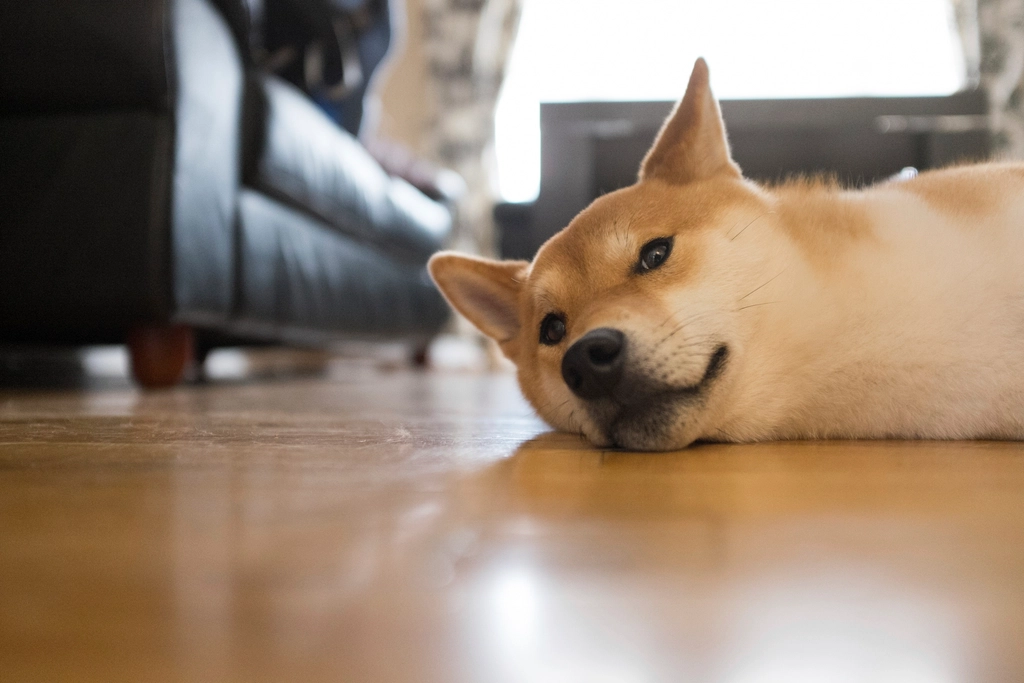 Photo Credit: Rawpixel
In the serene mountains of Japan, the Shiba Inu, scientifically known as Canis lupus familiaris, roams with an air of confidence and charm. With its striking fox-like face, erect ears, and a curled tail that dances playfully behind it, this spirited breed captures the hearts of all who encounter it. The Shiba Inu is not just a pretty face; its agile body and keen senses make it an excellent hunter, a trait that harks back to its ancient origins. This breed’s unique blend of independence and loyalty has fascinated both scientists and dog lovers alike, as they explore the intricate behaviors and rich history that define this remarkable canine.
Imagine a Shiba Inu bounding through the lush greenery, its coat shimmering in shades of red, sesame, or cream. As it navigates the rocky terrain, its playful spirit shines through, revealing a curious nature that is always eager to explore. This breed thrives in various environments, from the mountainous regions of its homeland to cozy urban settings, showcasing its adaptability. The Shiba Inu’s captivating personality and striking appearance make it a beloved companion, while its historical significance as a hunting dog adds depth to its story. Join us as we delve deeper into the world of the Shiba Inu, uncovering the secrets of its behavior, diet, and the special bond it shares with humans.
The Shiba Inu, a spirited and agile dog breed, holds a special place in the animal kingdom’s vast tree of life. Taxonomically, it belongs to the Kingdom Animalia, which includes all animals, and is classified under the Phylum Chordata, meaning it has a backbone. This breed is part of the Class Mammalia, indicating it is a warm-blooded animal that nurses its young with milk. Within the Order Carnivora, which encompasses meat-eating mammals, the Shiba Inu is a member of the Family Canidae, the group that includes dogs, wolves, and foxes. Its Genus, Canis, is where it shares its lineage with other domestic dogs and wild canids. What makes the Shiba Inu particularly captivating is its ancient roots, tracing back to Japan, where it was originally bred for hunting small game.
| Taxonomic Rank | Scientific Name | Meaning & Significance |
|---|---|---|
| Kingdom | Animalia | This name signifies that Shiba Inu is part of the animal kingdom, which includes all multicellular organisms that are heterotrophic, meaning they consume other organisms for energy. |
| Phylum | Chordata | Chordata refers to animals with a notochord, a flexible rod that supports the body. In Shiba Inu, this is represented by its backbone, a key feature of vertebrates. |
| Class | Mammalia | Mammalia indicates that Shiba Inu is a mammal, characterized by having fur or hair and the ability to produce milk for its young, showcasing its nurturing side. |
| Order | Carnivora | Carnivora means “meat-eaters,” highlighting the Shiba Inu’s ancestral diet and its sharp teeth designed for catching and consuming prey. |
| Family | Canidae | Canidae includes dogs, wolves, and foxes, emphasizing the Shiba Inu’s close relationship with these animals, sharing traits like social behavior and communication. |
| Genus | Canis | Canis is the genus that encompasses domestic dogs and their wild relatives, indicating that the Shiba Inu is part of a larger family of canids known for their intelligence and adaptability. |
The classification of the Shiba Inu reveals much about its evolutionary history. As a member of the Canidae family, it shares a common ancestor with wolves and other canids, which explains its keen instincts and hunting abilities. Its classification within the Carnivora order highlights its carnivorous heritage, while its status as a mammal underscores its nurturing behaviors. The Shiba Inu’s unique blend of ancient lineage and modern companionship illustrates how this breed has adapted over thousands of years, making it a beloved pet around the world today.
The Shiba Inu, a beloved dog breed known for its fox-like appearance and spirited personality, has a rich evolutionary history that stretches back thousands of years. This journey begins in ancient Japan, where the breed is believed to have descended from small hunting dogs that roamed the islands. These early canines were part of a larger family known as Canidae, which includes wolves, foxes, and domestic dogs. Over time, the Shiba Inu evolved through a series of adaptations that helped it thrive in various environments.
The ancestors of the Shiba Inu were likely small, agile dogs that assisted humans in hunting and guarding. These early dogs were well-suited to the rugged terrain of Japan, where they developed traits that would become essential for survival. As they adapted to their surroundings, they became more independent and resourceful, traits that are still evident in modern Shiba Inus. The breed’s name, which translates to “small dog” in Japanese, reflects its size and agility, making it an excellent companion for hunters.
These adaptations have played a crucial role in the Shiba Inu’s survival and success as a breed. Their compact size and agility enable them to navigate challenging terrains, while their strong prey drive ensures they can hunt effectively. The thick double coat not only protects them from harsh weather but also contributes to their overall health. Their vocalizations keep them connected to their human companions, alerting them to any potential threats. Finally, their independent nature allows them to thrive in various environments, making the Shiba Inu a resilient and cherished member of the canine family.
The Shiba Inu is a captivating blend of elegance and strength, often leaving a lasting impression with its fox-like features and spirited demeanor. This breed boasts a compact, muscular body that is both agile and sturdy, making it well-suited for various activities. With a proud stance and a curled tail that arches over its back, the Shiba Inu exudes confidence and charm. Its expressive eyes, often dark and almond-shaped, add to its alert and intelligent appearance, making it a favorite among dog lovers.
| Feature | Description |
|---|---|
| Size | Medium, typically weighing between 17 to 23 pounds |
| Color | Common colors include red, sesame (red with black-tipped hairs), black and tan, and cream |
| Skin Type | Covered in a double coat of hair, providing insulation and protection |
| Body Structure | Compact and muscular with a broad head and a well-defined neck |
| Tail | Curls over the back, adding to its distinctive silhouette |
The Shiba Inu’s physical features are not just for show; they serve important survival purposes. The double coat of hair acts as insulation, keeping the dog warm in colder climates while also providing protection from the elements. Its compact body structure allows for agility and speed, essential traits for a breed that was originally used for hunting small game. The curled tail is not only a charming characteristic but also helps to keep the dog warm by covering its back when it curls up. Together, these features create a breed that is not only beautiful but also well-adapted to its environment.
The Shiba Inu, a breed that hails from Japan, thrives in a variety of environments, but it is most commonly associated with the lush, mountainous regions of its homeland. Picture rolling hills, dense forests, and serene lakes, where these dogs can roam freely. The Shiba Inu’s natural habitat is often characterized by a mix of rugged terrain and open spaces, allowing them to explore and engage in their playful, curious nature. This breed is well-suited to both rural and suburban settings, where they can enjoy the great outdoors while remaining close to their human companions.
Shiba Inus are adaptable and can thrive in various climates, but they particularly enjoy temperate conditions. They are well-equipped to handle cold weather due to their double coat, which consists of a soft undercoat and a stiff outer coat. This unique fur structure helps insulate them against chilly temperatures while also providing some protection from heat. However, they prefer moderate climates where they can comfortably engage in outdoor activities without overheating or becoming too cold.
Over time, Shiba Inus have developed several adaptations that make them well-suited to their environments. Their keen senses and agile bodies allow them to navigate through forests and rugged landscapes with ease. Additionally, their strong instincts and alertness make them excellent watchdogs, always ready to protect their territory. This combination of physical traits and behavioral characteristics ensures that the Shiba Inu remains a beloved companion, whether in the heart of Japan or in homes around the world.
The daily life of a Shiba Inu is a delightful mix of playfulness, curiosity, and independence. These spirited dogs typically start their day with a burst of energy, eager to explore their surroundings. Morning walks are a favorite activity, where they can sniff out new scents and enjoy the fresh air. Throughout the day, Shiba Inus engage in playful antics, whether chasing after a ball or frolicking in the yard. Their keen intelligence means they also enjoy mental challenges, like puzzle toys that keep their minds sharp. As the sun sets, they often wind down, curling up in a cozy spot, ready to recharge for another day of adventure.
Social behavior is a key aspect of a Shiba Inu’s life. While they are known for their independent streak, they also form strong bonds with their human families. Shiba Inus are generally friendly but can be reserved around strangers, showcasing their protective instincts. They communicate through a variety of vocalizations, from playful barks to soft whines, expressing their needs and emotions. In a multi-dog household, they establish a clear social hierarchy, often taking on the role of the leader or the playful companion, depending on their personality. This dynamic helps them navigate their relationships and maintain harmony within the group.
| Behavior Type | Description |
|---|---|
| Activity Patterns | Shiba Inus are active and playful, enjoying walks, playtime, and mental challenges throughout the day. |
| Social Structure | In a group, they establish a hierarchy, often taking on leadership or companionship roles. |
| Communication Methods | They use a range of vocalizations, including barks and whines, to express their feelings and needs. |
The behaviors of Shiba Inus are not just for fun; they play a crucial role in their survival. Their independence allows them to explore and adapt to various environments, while their social skills help them bond with humans and other dogs. By communicating effectively, they can alert their families to potential dangers or express their needs, ensuring they remain safe and happy. This blend of playfulness and instinctive behavior makes the Shiba Inu a fascinating companion, perfectly suited to thrive in both family homes and adventurous settings.
The Shiba Inu is an omnivore, which means it enjoys a varied diet that includes both plant and animal foods. This breed has a natural inclination to forage, reflecting its historical roots as a hunting companion in Japan. Shiba Inus are known for their keen sense of smell and strong instincts, which help them locate food. They often enjoy meals that are rich in protein, but they also appreciate fruits and vegetables, making their diet quite diverse.
| Dietary Aspect | Details |
|---|---|
| Diet Type | Omnivore |
| Favorite Foods | Meat, fish, fruits, and vegetables |
| Prey Items | Small mammals, birds, and insects |
| Hunting/Foraging Strategies | Using keen senses to locate food, often foraging in various environments |
The Shiba Inu’s diet plays a crucial role in its ecology and daily routine. By consuming a mix of proteins and plant materials, these dogs maintain their energy levels and overall health. Their foraging behavior not only keeps them active but also connects them to their environment, allowing them to explore and engage with the world around them. This adaptability in diet and behavior helps the Shiba Inu thrive in various settings, making it a beloved companion for many families.
When it comes to reproduction, Shiba Inus exhibit interesting behaviors during their mating season, which typically occurs once a year in the spring. During this time, female Shiba Inus go into heat, a period when they are fertile and can conceive. Males, driven by instinct, become more attentive and may display behaviors like marking territory and showing off their strength to attract potential mates. This courtship dance is not just about finding a partner; it’s a vital part of ensuring the continuation of their lineage.
| Reproductive Aspect | Details |
|---|---|
| Gestation Period | Approximately 63 days |
| Litter Size | Usually 3 to 5 puppies |
| Age of Maturity | About 6 to 12 months |
| Name of Young | Puppies |
Once the puppies are born, the mother Shiba Inu takes on the role of a dedicated caregiver. She provides warmth, nourishment, and protection to her young, ensuring they thrive in their early days. The puppies are born blind and deaf, relying entirely on their mother for survival. As they grow, they begin to explore their surroundings, developing their senses and social skills. By the time they reach maturity, usually around six months to a year, they are ready to embrace their spirited personalities and join the world as confident, independent dogs. This nurturing process is essential, as it shapes not only their physical development but also their behavior and temperament as they transition into adulthood.
The Shiba Inu occupies a fascinating niche in the food web, primarily as a domesticated animal. While it is not a wild creature, it still faces various dangers from both natural and human-made threats. In the wild, its ancestors would have been preyed upon by larger carnivores, but today, the Shiba Inu’s challenges often come from its interactions with the environment and other animals.
To defend itself against these threats, the Shiba Inu employs a range of survival strategies. Its keen senses allow it to detect danger from afar, while its agile body enables quick escapes. Additionally, Shiba Inus are known for their spirited personalities, often displaying a boldness that can deter potential predators. Their strong instincts and alertness make them excellent watchdogs, ready to bark and alert their owners to any approaching danger. This combination of physical prowess and instinctive behavior helps ensure their safety in a world filled with challenges.
A keystone species is a vital part of its ecosystem, meaning its presence and activities significantly shape the environment and influence other species. While the Shiba Inu is a beloved dog breed known for its playful nature and striking appearance, it does not qualify as a keystone species. This is primarily because it is domesticated and does not play a direct role in the natural ecosystems where wild animals interact and depend on one another for survival.
However, the Shiba Inu does have an ecological impact, particularly in human-influenced environments. As an omnivore, it contributes to the balance of its surroundings by foraging for food, which can include plants, small animals, and even scavenging. This behavior can help control populations of certain species, ensuring that no single group becomes too dominant. For example, by hunting small rodents, Shiba Inus can help maintain a healthy balance in local ecosystems, preventing overpopulation that could lead to resource depletion.
Moreover, Shiba Inus often serve as companions to humans, which can lead to increased awareness and appreciation of wildlife and nature. Their playful and curious nature encourages outdoor activities, fostering a connection between people and the environment. This bond can inspire conservation efforts, as dog owners may become more invested in protecting natural habitats and the animals that live there.
If Shiba Inus were to disappear, the immediate effects would be felt in human households, where they provide companionship and joy. However, the broader ecological impact would be minimal since they are not a part of the wild ecosystem. Their absence might lead to a slight increase in the populations of small rodents, but this would likely be balanced out by other natural predators. Ultimately, while the Shiba Inu enriches human lives, it does not hold a keystone role in the natural world.
The Shiba Inu, a spirited and agile dog breed, plays a fascinating role in its ecosystem, particularly in human-influenced environments. As a domesticated animal, it interacts closely with people and other species, shaping its surroundings in unique ways. While it may not be a wild animal, the Shiba Inu’s behaviors and habits can influence local biodiversity, community dynamics, and even the emotional well-being of its human companions.
| Ecosystem Service | Impact |
|---|---|
| Companionship | Enhances human emotional health and social connections. |
| Foraging Behavior | Helps control small rodent populations through natural hunting instincts. |
| Waste Contribution | Provides nutrients to the soil, supporting plant growth. |
| Exercise Promotion | Encourages outdoor activity and environmental appreciation among owners. |
The Shiba Inu’s influence can be seen in various ways. For instance, its natural foraging behavior can help keep small rodent populations in check, which is beneficial for gardens and urban areas. When Shiba Inus are taken for walks, they not only get exercise but also encourage their owners to explore and appreciate nature. This interaction fosters a deeper connection between humans and the environment. Additionally, the waste produced by these dogs can enrich the soil, providing essential nutrients that support plant life in gardens and parks.
The broader ecological importance of the Shiba Inu extends beyond its immediate surroundings. By promoting outdoor activities, these dogs help raise awareness about local ecosystems and the need for conservation. Their presence in communities can inspire people to take better care of their environment, leading to healthier habitats for all species. In this way, the Shiba Inu, while primarily a companion animal, contributes to the intricate web of life that sustains our planet.
In the intricate web of life, symbiosis refers to the close interactions between different species, which can take many forms. These relationships can be mutualistic, where both species benefit, parasitic, where one benefits at the expense of the other, or commensal, where one benefits while the other is neither helped nor harmed. Understanding these connections helps us appreciate the balance of ecosystems and the roles that various species, including the Shiba Inu, play within them.
| Species/Type | Relationship Type | Description |
|---|---|---|
| Humans | Mutualistic | Shiba Inus provide companionship and security to humans, while receiving care, food, and shelter in return. |
| Fleas | Parasitic | Fleas can infest Shiba Inus, feeding on their blood and causing discomfort, while benefiting from a host. |
| Birds | Commensal | Birds may follow Shiba Inus in parks, picking up insects disturbed by their movement, benefiting from the dog’s activity without affecting it. |
These relationships have evolved over time, shaped by the needs and behaviors of the species involved. The bond between Shiba Inus and humans is a prime example of mutualism, where both parties gain significant advantages. As domesticated animals, Shiba Inus have adapted to live alongside humans, enhancing their survival through companionship and care. Meanwhile, the parasitic relationship with fleas highlights the challenges that come with living in close quarters with other species. Understanding these dynamics not only enriches our knowledge of the Shiba Inu but also emphasizes the importance of maintaining healthy ecosystems where all species can thrive.
The Shiba Inu is not just a charming companion; it has a rich history and some surprising traits that make it truly special. Here are a few intriguing facts that will delight nature enthusiasts of all ages.
The Shiba Inu, a breed that has captured hearts around the world, has a long and storied relationship with humanity. Originating in Japan, these spirited dogs were initially bred for hunting small game, showcasing their agility and keen senses. Over centuries, they have woven themselves into the fabric of Japanese culture, symbolizing loyalty and courage. In art and folklore, Shiba Inus often appear as symbols of good fortune, reflecting their esteemed status in society. Their unique appearance, reminiscent of a fox, has made them a favorite in both traditional and modern contexts, from ancient scrolls to contemporary social media.
Today, the bond between Shiba Inus and humans continues to evolve. As companions, they bring joy and energy to countless households, but their role extends beyond mere pets. In some regions, Shiba Inus are involved in conservation efforts, helping to track wildlife or assist in search and rescue missions. However, this relationship is not without its challenges. Urbanization and habitat loss can lead to conflicts, as these dogs may stray into areas where they encounter dangers or other wildlife. Domestication has also changed their behaviors, making them more reliant on humans for care and companionship, while still retaining their independent spirit.
As we look to the future, the relationship between Shiba Inus and humans is likely to deepen. With advancements in training and understanding of canine behavior, we can expect even more meaningful interactions. As these dogs continue to adapt to modern life, they will remain cherished companions, bridging the gap between nature and humanity. The Shiba Inu’s spirited nature and loyalty will undoubtedly keep them a beloved part of our lives for generations to come.
The Shiba Inu, a spirited and agile dog breed, currently holds a conservation status of “Not Listed” according to the International Union for Conservation of Nature (IUCN). This means that the breed is not considered endangered or threatened at this time. Population trends indicate that Shiba Inus are relatively stable, especially in their native Japan and in various parts of the world where they are popular as pets. Their charming personality and striking appearance have contributed to their growing popularity, ensuring a healthy population overall.
| Conservation Factor | Status/Details |
|---|---|
| IUCN Status | Not Listed |
| Population Estimates | Stable, with increasing popularity |
| Trend Direction | Stable |
Despite their stable status, Shiba Inus face some challenges that could impact their well-being. One of the main threats is irresponsible breeding practices, which can lead to health issues and genetic problems. Additionally, as a domesticated breed, they are vulnerable to changes in human lifestyles and preferences. If people begin to favor other breeds, the Shiba Inu could see a decline in popularity, which might affect their numbers in the long run. Furthermore, like many pets, they can be at risk from abandonment or neglect if owners do not understand their needs.
Conservation efforts for the Shiba Inu primarily focus on responsible breeding and education about the breed’s care. Organizations and breeders are working to promote ethical practices that prioritize the health and temperament of these dogs. As long as people continue to appreciate the Shiba Inu for its unique qualities and spirited nature, the outlook remains positive. With ongoing awareness and commitment to their well-being, this beloved breed is likely to thrive for generations to come.
| Question | Answer |
|---|---|
| What is the natural habitat of Shiba Inu? | Shiba Inu originally come from Japan, where they were bred to hunt small game in mountainous regions. They thrive in a variety of environments, but they are happiest in homes where they can have space to run and play. |
| What do Shiba Inu eat? | Shiba Inu are omnivores, which means they eat both plants and animals. A balanced diet for them includes high-quality dog food, vegetables, and occasional treats like fruits, ensuring they get the nutrients they need to stay healthy. |
| What is the behavior of Shiba Inu like? | Shiba Inu are known for their spirited and confident personalities. They can be independent and sometimes stubborn, but they are also loyal and affectionate with their families, making them great companions. |
| How do Shiba Inu reproduce? | Like most dogs, Shiba Inu reproduce through mating between a male and a female. The female typically goes into heat twice a year, and after a gestation period of about 63 days, she gives birth to a litter of puppies, usually ranging from three to five. |
| What threats do Shiba Inu face? | Shiba Inu are not currently listed as endangered, but they can face threats from overbreeding and poor breeding practices. Additionally, like all dogs, they can be at risk for certain health issues if not properly cared for. |
| What are some interesting characteristics of Shiba Inu? | Shiba Inu are famous for their fox-like appearance and their spirited personality. They are also known for their unique vocalizations, including a distinctive "yodel" sound, which adds to their charm and character. |
| How do Shiba Inu interact with other pets? | Shiba Inu can be quite territorial and may not always get along with other pets, especially smaller animals. However, with proper socialization from a young age, they can learn to coexist peacefully with other dogs and even cats. |