Taxonomy & Classification
- Kingdom
- Animalia
- Phylum
- Chordata
- Class
- Mammalia
- Order
- Carnivora
- Family
- Mephitidae
- Genus
- Mephitis

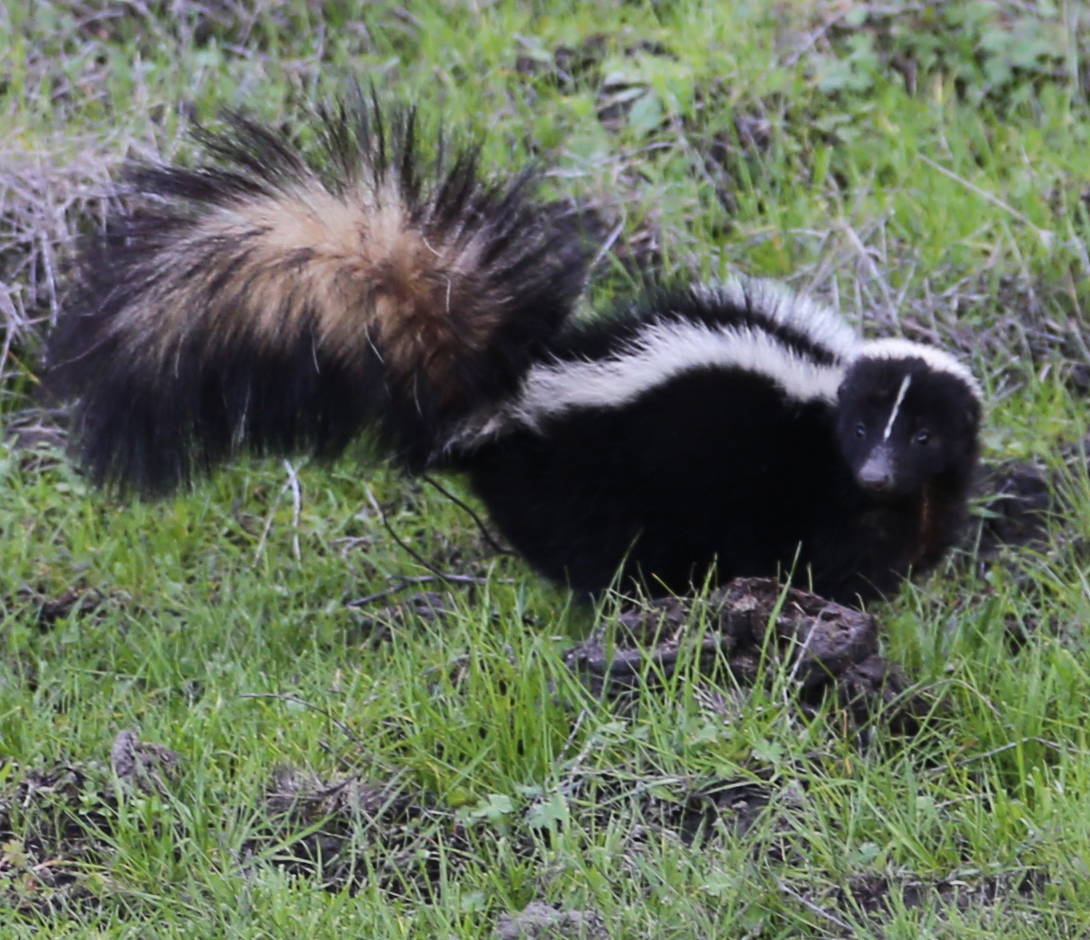 Photo Credit: Dcrjsr / Wikimedia Commons
In the heart of a sun-dappled forest, the striped silhouette of a skunk, or Mephitis mephitis, emerges from the underbrush. With its striking black and white fur glistening in the dappled sunlight, this small mammal captures the attention of anyone lucky enough to spot it. Skunks are not just known for their eye-catching appearance; they are also famous for their remarkable ability to spray a pungent liquid as a defense mechanism. This unique feature has fascinated scientists and nature enthusiasts alike, sparking curiosity about how these creatures have evolved to thrive in their environments.
As the sun sets and the forest transforms into a realm of shadows, the skunk begins its nightly adventures. With a compact body and a keen sense of smell, it forages for a diverse diet that includes insects, fruits, and even small animals. Skunks play a vital role in their ecosystems, helping to control insect populations while also serving as prey for larger predators. Their nocturnal lifestyle and intriguing behaviors make them a captivating subject of study, revealing the delicate balance of life in the wild. As we delve deeper into the world of skunks, we will uncover the secrets of their lives, their habitats, and the important roles they play in nature.
Skunks are intriguing members of the animal kingdom, known for their striking black and white fur and their infamous ability to spray a foul-smelling liquid as a defense mechanism. Taxonomically, skunks belong to the family Mephitidae, which sets them apart from other mammals. This family is part of the order Carnivora, which includes all meat-eating animals, but skunks are unique because they primarily feed on insects, fruits, and small animals. Their distinctive smell and coloration serve as a warning to potential predators, making them a fascinating example of how animals adapt to survive in their environments.
| Taxonomic Rank | Scientific Name | Meaning & Significance |
|---|---|---|
| Kingdom | Animalia | This name comes from the Latin word “animalis,” meaning “having breath” or “living.” It signifies all living organisms that are not plants or fungi. |
| Phylum | Chordata | Derived from the Greek word “chordē,” meaning “string,” this term refers to animals that have a notochord, a flexible rod that supports the body, at some stage of their development. |
| Class | Mammalia | This name comes from the Latin “mamma,” meaning “breast,” highlighting the defining feature of mammals: females possess mammary glands that produce milk for their young. |
| Order | Carnivora | From the Latin “carnivorus,” meaning “meat-eating,” this classification includes animals that primarily consume meat, although many, like skunks, have a varied diet. |
| Family | Mephitidae | This name is derived from the Algonquin word “mepit,” which means “to stink.” It perfectly captures the skunk’s most famous characteristic: its ability to spray a strong-smelling liquid. |
| Genus | Mephitis | Also rooted in the same Algonquin word, “Mephitis” emphasizes the skunk’s notorious odor, linking its name directly to its defensive behavior. |
The classification of skunks reveals much about their evolutionary history. As members of the Carnivora order, skunks share a common ancestor with other meat-eating mammals, but their unique adaptations, such as their powerful scent glands, have allowed them to carve out a niche that is quite different from their carnivorous relatives. This evolutionary path highlights the diverse strategies animals use to thrive in various environments, showcasing the incredible adaptability of life on Earth. Skunks remind us that even the most seemingly simple creatures have complex histories and roles in the ecosystem.
The evolutionary journey of skunks stretches back millions of years, weaving through the tapestry of time to reveal how these fascinating animals came to be. Skunks belong to the family Mephitidae, which diverged from other carnivorous mammals around 30 million years ago during the late Oligocene epoch. This period was marked by significant climatic changes and the emergence of new habitats, setting the stage for the evolution of many modern species.
The ancestors of skunks were small, weasel-like creatures that roamed the forests and grasslands. Over time, they adapted to various environments, leading to the development of their distinctive black and white coloration. This striking pattern serves as a warning to potential predators, a strategy known as aposematism, which signals that they are not a tasty meal. As skunks evolved, they also honed their ability to produce a potent spray from glands located near their tails, a remarkable adaptation that provides a powerful defense against threats.
These adaptations have been crucial for skunks’ survival in the wild. Their warning coloration and ability to spray have made them less appealing to predators, while their flexible diet allows them to find food in various environments. By being nocturnal, skunks can navigate their surroundings with less competition and danger. Together, these traits have helped skunks thrive in a world full of challenges, showcasing the incredible power of evolution in shaping life on Earth.
When you first catch sight of a skunk, the striking contrast of its black and white fur immediately draws your attention. These small mammals have a compact body structure, typically measuring about the size of a house cat. Their stout legs support a sturdy frame, allowing them to move with surprising agility despite their somewhat rotund appearance. With a bushy tail that often stands upright, skunks present a bold silhouette that is both charming and a little intimidating.
| Feature | Description |
|---|---|
| Weight | 0.5-6.3 kg (1.1-14 lbs) |
| Skin Type | Fur |
| Color | Black with white stripes |
| Body Structure | Compact and stout |
| Tail | Bushy and often held upright |
The combination of their weight and fur not only gives skunks a distinctive look but also plays a crucial role in their survival. The thick fur keeps them warm in cooler climates, while their coloration serves as a warning to potential predators. The bold black and white pattern signals danger, making many animals think twice before approaching. Together, these features create a perfect blend of beauty and practicality, allowing skunks to thrive in a variety of environments while keeping their unique charm intact.
Skunks thrive in a variety of habitats, but they particularly favor open woodlands and areas with dense shrubs. Imagine a sun-dappled forest where the trees stand tall, their leaves whispering in the breeze. Beneath the canopy, a rich undergrowth of shrubs and bushes provides both shelter and food. This environment is a perfect blend of open spaces and cozy hiding spots, allowing skunks to roam freely while also having places to retreat when they feel threatened.
Skunks are adaptable animals that can thrive in various climates, but they prefer temperate regions where the weather is mild. They enjoy areas that experience a mix of seasons, including warm summers and cool winters. These mammals are often found in places with plenty of vegetation, which helps them find food and stay hidden from predators. They are also known to inhabit urban areas, where they can scavenge for food in gardens and trash cans, showcasing their ability to adjust to human environments.
To survive in their chosen habitats, skunks have developed several clever adaptations. Their black and white coloration not only makes them easily recognizable but also serves as a warning to potential predators. This bold pattern signals that they are not to be messed with, thanks to their notorious spray. Additionally, skunks are excellent diggers, using their strong claws to burrow for insects and roots, which are essential parts of their diet. Their keen sense of smell helps them locate food, making them resourceful foragers in both wild and urban settings.
Skunks lead a life that is both intriguing and practical, filled with daily routines that help them thrive in their environments. As nocturnal animals, they come alive at night, venturing out to forage for food. Their diet is quite varied, consisting of insects, small mammals, fruits, and even plants. With their keen sense of smell, skunks can sniff out tasty treats hidden beneath leaves or in the soil. During the day, they often find cozy spots to rest, curling up in burrows or under thick brush to stay safe from predators.
While skunks are primarily solitary creatures, they do have interesting social behaviors, especially during mating season. Males may roam larger territories to find females, and during this time, they communicate through a series of sounds and scents. Although they prefer to live alone, skunks can sometimes be seen in small groups, especially when a mother is raising her young. The little ones stay close to their mother, learning essential survival skills while they explore their surroundings.
| Behavior Type | Description |
|---|---|
| Activity Patterns | Nocturnal foraging for food, resting during the day in burrows or dense vegetation. |
| Social Structure | Primarily solitary, but may gather in small groups during mating season or when mothers raise young. |
| Communication Methods | Use a combination of vocalizations, body language, and scent marking to communicate with others. |
Skunks’ behaviors are finely tuned to ensure their survival in the wild. Their solitary nature allows them to avoid competition for food, while their ability to communicate through scents helps them establish territory and attract mates. By being active at night, they reduce the risk of encounters with larger predators. All these traits work together, making skunks well-adapted to their environments and ensuring they can thrive in the diverse habitats they call home.
Skunks are omnivores, which means they enjoy a varied diet that includes both plants and animals. Their feeding behavior is quite adaptable, allowing them to thrive in different environments. Skunks primarily forage at night, using their keen sense of smell to locate food. They are not picky eaters and will consume whatever is available, from insects to small mammals, making them opportunistic feeders. This flexibility in diet helps them survive in diverse habitats.
| Dietary Aspect | Details |
|---|---|
| Diet Type | Omnivore |
| Favorite Foods | Insects, fruits, and small mammals |
| Prey Items | Rodents, rabbits, and various insects |
| Hunting/Foraging Strategies | Forages at night using keen sense of smell |
The diet of skunks plays a crucial role in their ecology and daily routine. By consuming a wide range of foods, they help control insect populations and contribute to the balance of their ecosystems. Their nocturnal foraging habits also mean they are active when many other predators are resting, allowing them to find food with less competition. This adaptability not only supports their survival but also enriches the environments they inhabit.
As spring approaches, skunks engage in a lively courtship ritual. Mating typically occurs between February and April, when the days grow longer and warmer. During this time, male skunks will often compete for the attention of females, showcasing their strength and agility. After a brief but intense mating season, the female skunk prepares for the arrival of her young.
| Reproductive Aspect | Details |
|---|---|
| Gestation Period | About 60 to 75 days |
| Litter Size | Average of 6 |
| Age of Maturity | Approximately 6 to 12 months |
| Name of Young | Kits |
Once the kits are born, the mother skunk takes on the role of a dedicated caregiver. She creates a cozy den, often in a burrow or under a pile of leaves, where the young can stay safe and warm. The kits are born blind and helpless, relying entirely on their mother for nourishment and protection. As they grow, they begin to open their eyes and explore their surroundings, learning essential survival skills. By the time they reach maturity, usually around six to twelve months, they are ready to venture out on their own, continuing the cycle of life in the wild.
Skunks play a vital role in the food web, acting as both prey and predators. They help control insect populations and are also a food source for larger animals. However, their position in this web makes them vulnerable to various threats. While their distinctive coloration warns many potential predators, not all animals heed this warning, and skunks must remain vigilant in their surroundings.
To survive these dangers, skunks rely on their famous defense mechanism: the ability to spray a noxious liquid from glands near their tails. This potent spray can deter even the most determined predators. Additionally, skunks are quite clever and often use their keen sense of smell to detect threats before they get too close. When faced with danger, they may also employ a strategy of bluffing, raising their tails and stomping their feet to warn off intruders. These behaviors, combined with their adaptability, help skunks navigate the challenges of their environment and thrive despite the risks they face.
A keystone species is a vital part of its ecosystem, meaning its presence and activities have a significant impact on the environment and other living things. Skunks, with their unique behaviors and dietary habits, can indeed be considered a keystone species. Their role in the ecosystem is multifaceted, influencing both plant and animal communities in ways that might not be immediately obvious.
One of the most important ways skunks affect their environment is through their diet. As omnivores, they consume a wide variety of foods, including insects, small mammals, fruits, and plants. This feeding behavior helps control insect populations, which can prevent outbreaks that might otherwise harm crops and other vegetation. For example, by munching on beetles and grubs, skunks help maintain a balance in the insect community, allowing plants to thrive.
Additionally, skunks contribute to seed dispersal. When they eat fruits, they often move away from the parent plant and later excrete the seeds in different locations. This process helps new plants grow in various areas, promoting biodiversity. Imagine a skunk munching on berries and then wandering off, unknowingly planting seeds that will sprout into new bushes, creating a richer habitat for other animals.
Skunks also serve as prey for larger predators, such as coyotes and owls. Their presence in the food web supports these predators, which rely on skunks as a food source. This relationship highlights the interconnectedness of species within an ecosystem, where the loss of one can ripple through the entire community.
If skunks were to disappear from their ecosystems, the consequences could be significant. Without skunks to keep insect populations in check, certain pests could multiply unchecked, leading to damage to crops and native plants. The loss of seed dispersal would also hinder the growth of new plants, reducing biodiversity and altering the landscape. Furthermore, larger predators that rely on skunks for food might struggle to find enough to eat, potentially leading to declines in their populations as well. In essence, the absence of skunks would create a ripple effect, disrupting the delicate balance of their ecosystems.
Skunks occupy a fascinating ecological niche as both foragers and prey within their habitats. These adaptable mammals thrive in open woodlands and areas with dense shrubs, where they play a crucial role in maintaining the balance of their ecosystems. As omnivores, skunks consume a wide variety of foods, including insects, fruits, and small animals, which helps regulate populations of these species. Their solitary lifestyle allows them to explore and utilize their environment effectively, making them important contributors to the health of their ecosystems.
| Ecosystem Service | Impact |
|---|---|
| Insect Control | Skunks help keep insect populations in check by feeding on beetles, grubs, and other pests. |
| Seed Dispersal | By eating fruits and berries, skunks aid in the dispersal of seeds, promoting plant growth. |
| Soil Aeration | Their digging behavior helps aerate the soil, improving its quality and promoting healthy plant life. |
| Food Source | Skunks serve as prey for larger predators, contributing to the food web and supporting biodiversity. |
Skunks influence their environment in several specific ways. For instance, by consuming large quantities of insects, they help control pest populations that could otherwise damage crops and plants. This natural pest control is especially beneficial for farmers and gardeners. Additionally, when skunks eat fruits, they not only enjoy a tasty meal but also help disperse seeds through their droppings. This process encourages the growth of new plants, which can lead to healthier ecosystems. Their digging habits, while often seen as a nuisance, actually aerate the soil, allowing water and nutrients to reach plant roots more effectively.
The broader ecological importance of skunks cannot be overstated. As a keystone species, their presence and activities significantly impact the health and stability of their ecosystems. By controlling insect populations, aiding in seed dispersal, and serving as a food source for larger animals, skunks help maintain a balanced environment. Their role highlights the interconnectedness of all living things, reminding us that even the smallest creatures can have a big impact on the world around us. Understanding and appreciating skunks can inspire us to protect their habitats and the delicate ecosystems they support.
In the intricate web of nature, many species form partnerships that benefit them in various ways. These relationships can be classified into three main types: mutualism, where both species gain; commensalism, where one benefits while the other is neither helped nor harmed; and parasitism, where one species benefits at the expense of the other. Skunks, with their adaptable nature and diverse diet, engage in several of these ecological relationships, showcasing the interconnectedness of life.
| Species/Type | Relationship Type | Description |
|---|---|---|
| Birds (e.g., American Robins) | Mutualistic | Skunks disturb the ground while foraging, uncovering insects and grubs. Birds benefit by snatching up these easy meals while skunks enjoy their varied diet. |
| Ticks | Parasitic | Ticks latch onto skunks to feed on their blood, benefiting from the skunk’s body while potentially harming its health. |
| Plants (e.g., berry bushes) | Commensal | Skunks help disperse seeds from the fruits they eat, aiding plant reproduction without directly benefiting from the plants themselves. |
These relationships have evolved over time, shaped by the needs and behaviors of the species involved. Mutualistic partnerships, like those with birds, highlight how cooperation can lead to shared benefits, while parasitic relationships, such as those with ticks, remind us of the darker side of survival. Commensal interactions with plants illustrate how one species can thrive without impacting another. Together, these connections enrich the ecosystem, demonstrating that every creature, big or small, plays a role in the grand tapestry of life.
Skunks are often misunderstood creatures, primarily known for their notorious spray. However, there’s much more to these fascinating animals than meets the eye.
Throughout history, skunks have held a curious place in human culture. These small mammals, easily recognized by their striking black and white fur, have been both feared and admired. In many Native American cultures, skunks symbolize protection and defense, often seen as guardians of the earth. Folklore and stories have depicted them as clever tricksters, showcasing their ability to outsmart predators and humans alike. This cultural significance has shaped how people view skunks, often leading to a mix of fascination and wariness.
In modern times, the relationship between skunks and humans has evolved. While some people still regard them with caution due to their notorious spray, others appreciate their role in the ecosystem. Skunks help control insect populations and contribute to soil health by foraging for grubs and roots. However, conflicts can arise when skunks invade gardens or burrow under homes, leading to a need for humane management strategies. Interestingly, some people have even considered domestication, with a few individuals keeping skunks as pets, although this practice is not widespread and often requires special permits.
As we look to the future, the relationship between skunks and humanity is likely to continue evolving. With increasing urbanization, understanding and respecting these animals will be crucial. Education about their ecological role can foster a more harmonious coexistence, reducing conflicts and promoting conservation efforts. By appreciating skunks for their contributions to the environment, we can ensure that these misunderstood creatures remain a vital part of our shared world.
Skunks currently hold a conservation status of “Least Concern,” according to the International Union for Conservation of Nature (IUCN). This means that, overall, their populations are stable and not facing immediate threats of extinction. While specific population estimates can vary by region, skunks are generally widespread across North America, thriving in diverse habitats. Their adaptability has allowed them to maintain healthy numbers, making them a common sight in both urban and rural areas.
| Conservation Factor | Status/Details |
|---|---|
| IUCN Status | Least Concern |
| Population Estimates | Stable and widespread |
| Trend Direction | Stable |
Despite their stable status, skunks face several challenges that could impact their populations in the future. Habitat loss due to urban development and agricultural expansion poses a significant threat. As humans continue to encroach on their natural environments, skunks may find it harder to find food and shelter. Additionally, road traffic can lead to increased mortality rates, as these nocturnal animals often venture out at night. Pollution and pesticide use can also affect their health and food sources, making it crucial to monitor these factors.
Conservation efforts for skunks focus on habitat preservation and public education. Organizations work to protect natural areas where skunks thrive, ensuring they have safe spaces to live and reproduce. Community awareness programs help people understand the importance of skunks in the ecosystem, highlighting their role in pest control and soil health. With continued efforts, the outlook for skunks remains positive, as they adapt to changing environments and maintain their populations across North America.
| Question | Answer |
|---|---|
| What is the natural habitat of skunks? | Skunks typically live in open woodlands and areas with dense shrubs. They prefer places where they can find shelter and food, making forests and fields ideal environments for them. |
| What do skunks eat? | Skunks are omnivores, which means they eat both plants and animals. Their diet includes insects, small mammals, fruits, and even some plants, allowing them to adapt to various food sources in their environment. |
| How do skunks behave in the wild? | Skunks are mostly nocturnal, meaning they are active at night. They are known for their curious nature and often forage for food alone, although they can sometimes be seen in small family groups. |
| How do skunks reproduce? | Skunks typically mate in late winter or early spring. After a gestation period of about two months, female skunks give birth to a litter of 2 to 10 kits, which they raise in a den until they are old enough to venture out. |
| What are the main threats to skunks? | Skunks face threats from habitat loss, predators, and vehicle collisions. While they are currently classified as Least Concern, their populations can be affected by changes in their environment and human activities. |
| What interesting characteristics do skunks have? | One of the most famous traits of skunks is their ability to spray a foul-smelling liquid as a defense mechanism. This spray can reach up to 10 feet away and is a powerful deterrent against predators. |
| Can skunks be kept as pets? | While some people do keep skunks as pets, it is important to note that they require special care and attention. In many places, owning a skunk as a pet is regulated or illegal, so it's essential to check local laws before considering one. |