Taxonomy & Classification
- Kingdom
- Animalia
- Phylum
- Chordata
- Class
- Mammalia
- Order
- Carnivora
- Family
- Felidae
- Genus
- Panthera
- Species
- Panthera uncia

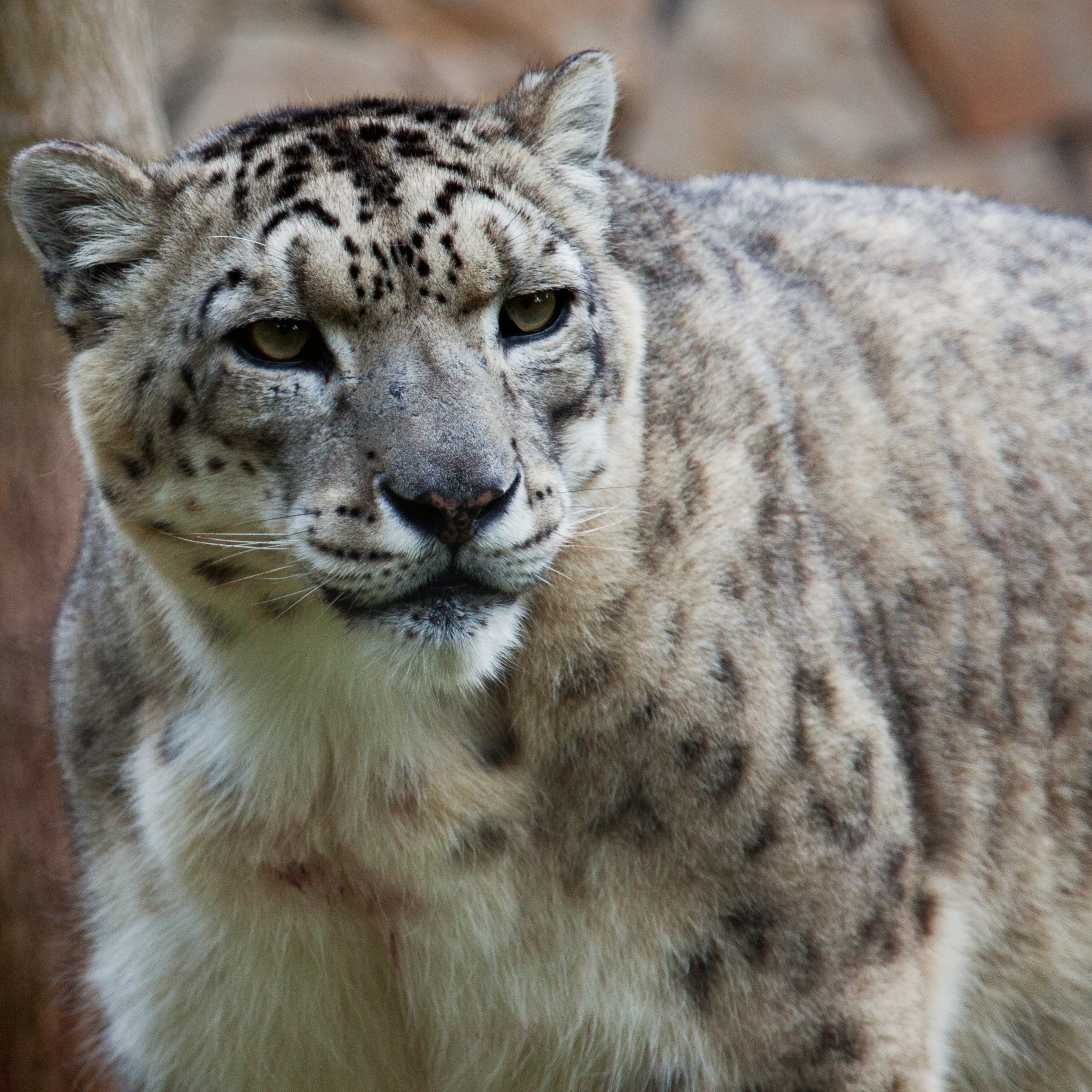 Photo Credit: Alfonsopazphoto / Wikimedia Commons
In the breathtaking heights of the Himalayas and the rugged mountains of Central Asia, the snow leopard, scientifically known as Panthera uncia, prowls with an air of mystery and grace. This magnificent big cat, often referred to as the “ghost of the mountains,” is a master of camouflage, blending seamlessly into its rocky surroundings with its thick, smoky-gray fur adorned with dark rosettes. Its long, bushy tail not only adds to its striking appearance but also serves as a balancing tool, helping it navigate the steep, treacherous cliffs where it hunts and roams.
Snow leopards are not just beautiful; they are also fascinating to scientists and nature enthusiasts alike. Their solitary nature and elusive behavior make them a challenge to study, adding to their allure. These incredible animals are perfectly adapted to their harsh environment, with powerful limbs that allow them to leap great distances and keen eyesight that helps them spot prey from afar. As top predators in their ecosystem, snow leopards play a crucial role in maintaining the balance of life in these high-altitude habitats. Join us as we explore the captivating world of the snow leopard, uncovering its behaviors, diet, and the challenges it faces in a rapidly changing environment.
The snow leopard, a majestic inhabitant of the high mountain ranges of Central and South Asia, holds a special place in the animal kingdom. Taxonomically, it belongs to the family Felidae, which includes all cats, from the tiny domestic cat to the powerful tiger. What sets the snow leopard apart is its incredible adaptation to cold environments, featuring thick fur and long tail that aids in balance on steep, rocky terrain. This elusive big cat is not just a symbol of the wild; it represents a unique evolutionary path that has allowed it to thrive in some of the harshest climates on Earth.
| Taxonomic Rank | Scientific Name | Meaning & Significance |
|---|---|---|
| Kingdom | Animalia | This term means “animals” and includes all multicellular organisms that are not plants, fungi, or bacteria. |
| Phylum | Chordata | Chordata refers to animals with a backbone, highlighting the snow leopard’s place among vertebrates. |
| Class | Mammalia | Mammals are warm-blooded animals that have fur or hair and typically give live birth, which is true for the snow leopard. |
| Order | Carnivora | Carnivora means “meat-eaters,” indicating that snow leopards primarily hunt for prey like ibex and blue sheep. |
| Family | Felidae | Felidae is the family of cats, emphasizing the snow leopard’s close relationship with other feline species. |
| Genus | Panthera | Panthera means “big cats,” which includes the snow leopard and its larger relatives like lions and tigers. |
| Species | Uncia uncia | The name “Uncia” is derived from the Latin word for “ounce,” a term historically used for snow leopards, while the repetition of “uncia” emphasizes its unique characteristics. |
Understanding the snow leopard’s classification reveals much about its evolutionary history. As a member of the Panthera genus, it shares a common ancestor with other big cats, but its adaptations to cold, mountainous habitats have set it apart. This lineage showcases how species can evolve distinct traits in response to their environments, allowing the snow leopard to become a master of its icy domain. Its classification not only highlights its biological connections but also underscores the importance of conserving this incredible animal and its fragile habitat.
The evolutionary journey of the snow leopard stretches back millions of years, weaving through the rugged terrains of Central and South Asia. This magnificent feline, scientifically known as Panthera uncia, is a product of a long lineage that has adapted to the harsh conditions of its mountainous habitat. The snow leopard’s ancestors roamed the Earth during the late Miocene epoch, around 10 to 12 million years ago, when the climate and geography began to shift dramatically.
The snow leopard’s ancestors were part of the larger family Felidae, which includes all modern cats. Over time, these early felids evolved into various species, adapting to their environments. The snow leopard’s lineage diverged from other big cats, such as lions and tigers, around 4 to 5 million years ago. This separation allowed the snow leopard to develop specialized traits suited for life in the cold, high-altitude regions of the Himalayas and surrounding mountains.
These adaptations have been crucial for the snow leopard’s survival in one of the most challenging environments on Earth. The combination of physical traits allows it to hunt effectively, stay warm, and navigate its steep, rugged home. As a result, the snow leopard has become a symbol of resilience and beauty in the wild, showcasing the wonders of evolution in action.
The snow leopard is a breathtaking sight, embodying the spirit of the rugged mountains it calls home. With a sturdy, muscular build, this big cat is perfectly designed for life in the harsh, rocky terrain of its high-altitude habitat. Its long, thick tail not only aids in balance as it navigates steep cliffs but also serves as a warm blanket during cold nights. The snow leopard’s body is compact yet powerful, allowing it to leap great distances—up to six times its body length—while hunting in the snow-covered landscape.
| Feature | Description |
|---|---|
| Size | Typically weighs between 60 to 120 pounds and measures about 3 to 4.5 feet in length, excluding the tail. |
| Color | Pale gray coat with dark gray spots, providing excellent camouflage against rocky backgrounds. |
| Skin Type | Thick fur that insulates against the cold, with a soft undercoat for added warmth. |
| Tail | Long and thick, measuring about 2 to 3 feet, used for balance and warmth. |
| Paws | Large, furry paws that act like snowshoes, preventing the snow leopard from sinking into deep snow. |
These physical features work in harmony to ensure the snow leopard thrives in its challenging environment. The pale gray coat with dark spots not only provides camouflage, helping it blend seamlessly into the rocky terrain, but also reflects the light of its snowy surroundings. Its thick fur keeps it warm in frigid temperatures, while the large paws allow for silent movement across the snow. Together, these adaptations make the snow leopard a masterful predator, perfectly suited to the breathtaking heights of its mountainous home.
The snow leopard roams the breathtaking heights of the world’s tallest mountains, where the air is crisp and the landscape is a stunning mix of rocky outcrops and steep cliffs. These elusive cats thrive in the rugged terrain, often found at elevations ranging from 3,000 to 4,500 meters (about 9,800 to 14,800 feet). Here, they navigate through a world of snow and ice, blending seamlessly with their surroundings thanks to their thick, spotted fur that mimics the rocky environment.
Snow leopards prefer a cold, dry climate, which is typical of their mountainous homes. These regions experience harsh winters with heavy snowfall, while summers are short and mild. The snow leopard’s habitat is often characterized by sparse vegetation, which includes grasses, shrubs, and occasional trees. This environment not only provides the perfect backdrop for their hunting strategies but also helps them stay hidden from both prey and potential threats.
To thrive in such challenging conditions, snow leopards have developed several remarkable adaptations. Their thick fur keeps them warm in freezing temperatures, while their large paws act like natural snowshoes, allowing them to walk effortlessly on soft snow. Additionally, their keen eyesight and powerful legs enable them to spot and chase down prey across vast distances. These adaptations make the snow leopard a true master of its mountainous domain, perfectly suited to life in one of the most extreme habitats on Earth.
The daily life of a snow leopard is a blend of stealth, patience, and adaptability. These magnificent cats are primarily solitary creatures, spending most of their time alone as they navigate the rugged terrains of their mountainous habitats. Their day often begins at dawn or dusk, when they are most active, a behavior known as crepuscular activity. During these twilight hours, they stealthily stalk their prey, which includes animals like ibex and blue sheep. The snow leopard’s thick fur and long tail help it blend into the rocky landscape, making it a master of camouflage.
Socially, snow leopards are quite independent. They establish large territories that they mark with scent to communicate their presence to others. While they may come together during mating season, they generally prefer to keep their distance from one another. This solitary lifestyle allows them to reduce competition for food and resources. However, mothers are fiercely protective of their cubs, teaching them essential survival skills before they venture out on their own.
| Behavior Type | Description |
|---|---|
| Activity Patterns | Snow leopards are crepuscular, meaning they are most active during dawn and dusk, which helps them hunt effectively. |
| Social Structure | These cats are solitary, establishing large territories to minimize competition for food. |
| Communication Methods | They use scent marking and vocalizations, like growls and hisses, to communicate with others in their territory. |
The behaviors of snow leopards are finely tuned to ensure their survival in the harsh mountain environment. Their solitary nature allows them to be stealthy hunters, while their territorial instincts help them avoid conflicts with other leopards. By being active during the quieter hours of the day, they can take advantage of their surroundings, making them one of the most skilled predators in their habitat. Each aspect of their daily life is a testament to their adaptability and resilience in the wild.
The snow leopard is a carnivore, which means it primarily eats meat. This big cat has a diet that consists of various prey, including sheep, deer, antelopes, yaks, and even smaller mammals and birds. To catch its food, the snow leopard relies on its incredible stealth and agility. It often stalks its prey, using the rocky terrain to hide and get as close as possible before launching a powerful leap to make the kill. This hunting strategy is essential for survival in the harsh mountain environment where food can be scarce.
| Dietary Aspect | Details |
|---|---|
| Diet Type | Carnivore |
| Favorite Foods | Sheep, deer, antelopes, yaks, smaller mammals, and birds |
| Prey Items | Mountain goats, ibex, and various species of deer |
| Hunting/Foraging Strategies | Stalking and ambushing prey using stealth and agility |
The snow leopard’s diet plays a crucial role in its ecology and daily routine. By preying on herbivores like yaks and deer, it helps maintain the balance of the ecosystem in its mountainous habitat. This big cat’s hunting habits also dictate its movements, as it must constantly search for food while navigating the challenging terrain. The snow leopard’s ability to adapt its hunting strategies to the environment ensures its survival in one of the most rugged landscapes on Earth.
When it comes to love in the snowy mountains, snow leopards have a fascinating courtship ritual. The breeding season typically occurs between January and March, when the male and female leopards come together to mate. During this time, males will often engage in vocalizations, marking their territory with scent, and displaying their strength to attract a female. After a successful courtship, the female will find a secluded den, often in a rocky crevice, to prepare for the arrival of her young.
| Reproductive Aspect | Details |
|---|---|
| Gestation Period | 90 to 105 days |
| Litter Size | 1 to 5 cubs |
| Age of Sexual Maturity | 2 to 3 years |
| Name of Young | Cub |
Once the cubs are born, the mother snow leopard becomes fiercely protective. She will nurse her young for several months, teaching them essential survival skills. The cubs are born blind and helpless, relying entirely on their mother for warmth and food. As they grow, they begin to explore their surroundings, learning to climb and hunt under her watchful eye. By the time they reach about two years of age, they are ready to venture out on their own, equipped with the skills needed to thrive in the harsh mountain environment. This nurturing phase is crucial, as it ensures that the next generation of snow leopards is prepared to face the challenges of their rugged habitat.
The snow leopard occupies a crucial role in its mountainous ecosystem, acting as a top predator. This means it helps maintain the balance of the food web by controlling the populations of its prey, which includes animals like sheep and deer. By keeping these populations in check, snow leopards ensure that vegetation remains healthy and diverse, supporting the entire ecosystem.
To survive against these threats, snow leopards have developed several defensive behaviors. Their thick fur and long tails help them navigate the cold, rugged terrain, while their excellent camouflage allows them to blend into the rocky landscape, making it harder for both predators and humans to spot them. Additionally, their solitary nature means they can avoid confrontations, relying on stealth and patience to hunt rather than engaging in risky encounters. These adaptations are vital for their survival in an increasingly challenging world.
A keystone species is an animal that plays a critical role in maintaining the structure of its ecosystem. This means that its presence and activities significantly influence the types and numbers of other species in the environment. The snow leopard, with its position as a top predator in the high mountain ranges of Central and South Asia, certainly qualifies as a keystone species. By controlling the populations of its prey, the snow leopard helps to maintain a balanced ecosystem, ensuring that no single species dominates the landscape.
The ecological impact of the snow leopard is profound. As a carnivore, it primarily preys on animals like sheep, deer, and antelopes. By hunting these herbivores, the snow leopard prevents overgrazing, which can lead to habitat degradation. For instance, if the population of wild sheep were to grow unchecked, they could strip the mountains of vegetation, leading to soil erosion and loss of plant diversity. This, in turn, affects other species that rely on those plants for food and shelter.
Moreover, the snow leopard’s solitary nature means it requires large territories to thrive. This need for space encourages the preservation of vast areas of mountainous habitat, which benefits countless other species. The presence of snow leopards can also promote biodiversity, as their hunting habits create opportunities for smaller predators and scavengers to thrive. When they leave behind remnants of their kills, these leftovers provide food for other animals, contributing to a rich and diverse ecosystem.
If snow leopards were to disappear from their habitats, the consequences would be dire. Without these majestic cats to keep herbivore populations in check, the balance of the ecosystem would be disrupted. Overgrazing could lead to significant vegetation loss, which would not only affect the plants but also the many animals that depend on them for survival. This ripple effect could ultimately result in a decline in biodiversity, making the mountains less vibrant and healthy. The snow leopard is not just a beautiful animal; it is a vital part of its ecosystem, and its absence would be felt far and wide.
The snow leopard occupies a vital ecological niche in the high-altitude ecosystems of Central and South Asia. As a top predator, it plays a crucial role in maintaining the balance of its environment. By preying on herbivores like sheep and deer, the snow leopard helps regulate their populations, preventing overgrazing and allowing vegetation to thrive. This balance is essential for the health of the entire ecosystem, as it supports a diverse range of plant and animal life.
| Ecosystem Service | Impact |
|---|---|
| Population Control | Regulates herbivore numbers, preventing overgrazing. |
| Habitat Maintenance | Promotes healthy vegetation growth, supporting other species. |
| Food Web Stability | Maintains balance among various species in the ecosystem. |
| Genetic Diversity | Encourages a healthy gene pool among prey species. |
The influence of the snow leopard extends beyond its immediate hunting practices. For instance, when snow leopards hunt, they often target weaker or older individuals in prey populations. This not only keeps the prey healthy but also allows younger animals to thrive, ensuring a robust future generation. Additionally, the presence of snow leopards can encourage other wildlife to flourish, as their hunting habits create opportunities for scavengers and smaller predators to access leftover food.
The broader ecological importance of the snow leopard cannot be overstated. As a keystone species, its presence is essential for the overall health of its mountainous habitat. By maintaining the balance of the food web, snow leopards help ensure that various species can coexist, contributing to a rich and diverse ecosystem. Protecting these magnificent cats is not just about saving one species; it is about preserving the intricate web of life that depends on their existence.
In the intricate web of life, symbiosis refers to the close relationships between different species that can benefit one or both parties involved. These ecological partnerships can take various forms, including mutualism, where both species gain advantages; commensalism, where one benefits while the other is neither helped nor harmed; and parasitism, where one species benefits at the expense of the other. The snow leopard, a solitary predator of the high mountains, engages in several fascinating relationships with other species that highlight the interconnectedness of nature.
| Species/Type | Relationship Type | Description |
|---|---|---|
| Mountain Goats | Mutualistic | Mountain goats help snow leopards by maintaining a healthy population of herbivores, which in turn supports the balance of the ecosystem. The presence of these goats provides a food source for the leopards. |
| Birds of Prey | Commensal | Birds of prey, such as eagles, often follow snow leopards to scavenge on leftover carcasses. While the leopards benefit from their hunting prowess, the birds gain an easy meal without affecting the leopards. |
| Ticks | Parasitic | Ticks can latch onto snow leopards, feeding on their blood. This relationship is harmful to the leopards, as it can lead to health issues, but it provides sustenance for the ticks. |
These relationships have evolved over time, shaped by the needs and behaviors of the species involved. The snow leopard’s role as a top predator influences the populations of its prey, while its interactions with other species help maintain the delicate balance of its mountainous ecosystem. Understanding these connections not only highlights the snow leopard’s importance in its habitat but also emphasizes the broader theme of interdependence in nature, where every species plays a part in the grand tapestry of life.
The snow leopard, often called the “ghost of the mountains,” is a captivating big cat that thrives in some of the harshest environments on Earth. With its stunning appearance and elusive nature, this remarkable feline has many secrets that even the most seasoned nature enthusiasts might not know.
The snow leopard has long captured the imagination of people living in the rugged mountains of Central and South Asia. Historically, these elusive big cats have been woven into the cultural fabric of local communities, often symbolizing strength and resilience. In many cultures, they are revered as spiritual beings, embodying the wild beauty of the high-altitude landscapes they inhabit. Ancient folklore and art frequently depict the snow leopard, highlighting its significance in the lives of those who share its habitat. This deep-rooted connection has fostered a sense of respect and admiration, even as the realities of coexistence have evolved over time.
Today, the relationship between snow leopards and humans is complex and multifaceted. As conservation efforts gain momentum, communities are increasingly recognizing the importance of protecting these magnificent animals. However, conflicts can arise, particularly when snow leopards prey on livestock, leading to tension between farmers and wildlife. In some regions, initiatives are underway to promote coexistence, such as compensation programs for livestock losses and community-based conservation projects. These efforts aim to foster understanding and reduce conflict, allowing both humans and snow leopards to thrive in their shared environment.
As we look to the future, the relationship between snow leopards and humanity holds both challenges and opportunities. With ongoing conservation efforts and a growing awareness of the need for coexistence, there is hope for a more harmonious future. By fostering respect for these incredible animals and their habitats, we can ensure that the snow leopard continues to roam the mountains, a symbol of the wild spirit that connects us all. Together, we can create a world where both humans and snow leopards thrive, sharing the breathtaking landscapes of the high altitudes.
The snow leopard is currently classified as Vulnerable on the IUCN Red List, indicating that this magnificent big cat faces significant threats to its survival. Recent estimates suggest that there are around 8,478 snow leopards left in the wild. While this number may seem substantial, it represents a decline in population trends due to various environmental and human-induced factors. Conservationists are working tirelessly to monitor these elusive cats and implement strategies to protect their habitats.
| Conservation Factor | Status/Details |
|---|---|
| IUCN Status | Vulnerable |
| Estimated Population Size | Approximately 8,478 |
| Population Trend | Declining |
The main threats to snow leopards stem from habitat loss, poaching, and human-wildlife conflict. As human populations expand into mountainous regions, the natural habitats of these big cats are increasingly fragmented. This means that snow leopards have less space to roam and hunt. Additionally, poaching for their beautiful fur and the illegal wildlife trade pose serious risks. When livestock are attacked by snow leopards, local herders may retaliate, leading to further declines in their numbers.
Despite these challenges, there is hope for the snow leopard’s future. Conservation efforts are underway across their range, focusing on habitat protection, community engagement, and anti-poaching initiatives. Organizations are working with local communities to promote coexistence, helping people understand the importance of preserving these incredible animals. With continued dedication and support, there is a chance to stabilize and even increase the snow leopard population, ensuring that this “ghost of the mountains” continues to grace the high peaks of Asia for generations to come.
| Question | Answer |
|---|---|
| Where do Snow Leopards live? | Snow leopards are found in the rugged mountains of Central and South Asia. They prefer steep, rocky terrains at high altitudes, often between 3,000 and 4,500 meters (9,800 to 14,800 feet) above sea level, where they can easily navigate their environment. |
| What do Snow Leopards eat? | As carnivores, snow leopards primarily hunt for prey like ibex, blue sheep, and small mammals. They are skilled hunters, using their excellent camouflage and stealth to stalk and ambush their food. |
| How do Snow Leopards behave? | Snow leopards are solitary animals, meaning they prefer to live alone except during mating season or when a mother is raising her cubs. They are also crepuscular, which means they are most active during dawn and dusk, taking advantage of the low light to hunt. |
| How do Snow Leopards reproduce? | Snow leopards typically mate between January and March. After a gestation period of about 90 to 100 days, the female gives birth to a litter of one to five cubs, which she raises in a secluded den until they are old enough to venture out. |
| What threats do Snow Leopards face? | Snow leopards are classified as vulnerable due to habitat loss, poaching, and retaliatory killings by herders protecting their livestock. Climate change also poses a significant threat, as it affects their mountain habitats and prey availability. |
| What is a unique characteristic of Snow Leopards? | One of the most distinctive features of snow leopards is their beautiful pale gray coat adorned with dark gray spots. This unique coloration helps them blend into their rocky surroundings, making them excellent hunters in their mountainous habitat. |
| How do Snow Leopards adapt to their environment? | Snow leopards have several adaptations that help them thrive in cold, mountainous regions. Their thick fur and long tail provide warmth and balance, while their large paws act like snowshoes, allowing them to walk on soft snow without sinking. |