Taxonomy & Classification
- Kingdom
- Animalia
- Phylum
- Chordata
- Class
- Mammalia
- Order
- Carnivora
- Family
- Felidae
- Genus
- Felis
- Species
- Felis catus

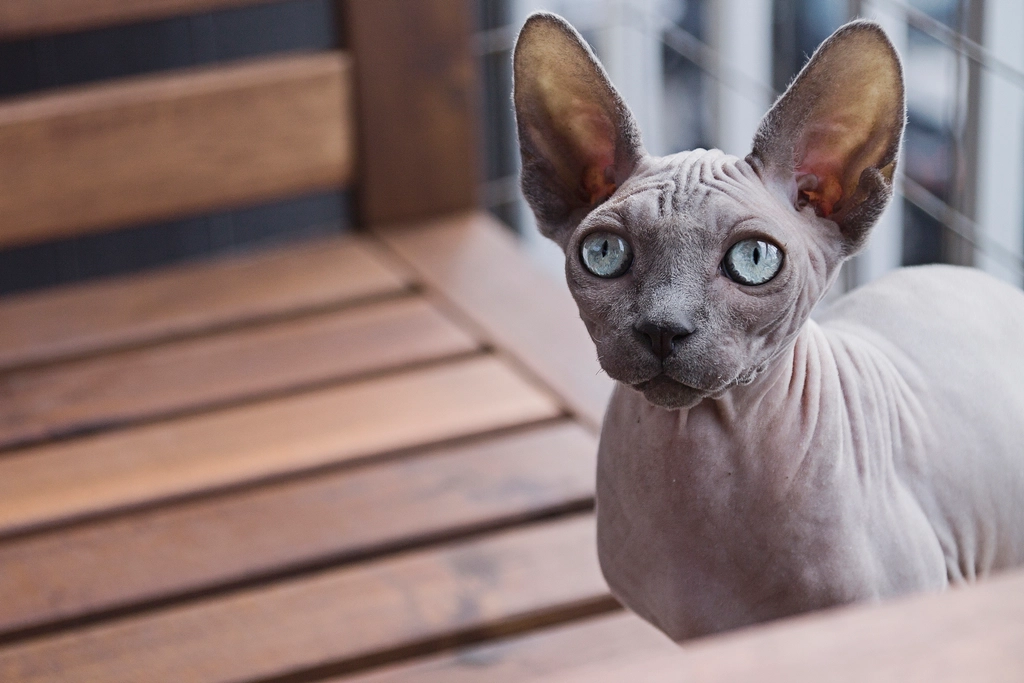 Photo Credit: Rawpixel
In the cozy corners of our homes, the Sphynx cat, scientifically known as Felis catus, captivates hearts with its strikingly hairless appearance and playful spirit. Imagine a warm, sunlit room where this unique feline lounges, its skin glowing softly in the light. With large, bat-like ears and expressive eyes, the Sphynx is a living testament to the wonders of evolution and selective breeding. While many cats are cloaked in fur, the Sphynx stands out, inviting curiosity and admiration from both scientists and cat lovers alike.
What makes the Sphynx so intriguing? Beyond its unusual lack of fur, this breed is known for its affectionate nature and boundless energy. These cats thrive on human interaction, often seeking out companionship and playtime. Their warm skin, which feels almost like a gentle embrace, adds to their charm, making them feel like little living heaters. As we explore the world of the Sphynx, we will uncover its fascinating history, playful behaviors, and the special bond it shares with humans, revealing why this extraordinary breed has earned a cherished place in our lives.
The Sphynx cat, a breed known for its hairless appearance and playful personality, occupies a distinctive place in the tree of life. Taxonomically, it belongs to the Kingdom Animalia, which includes all animals, and is classified under the Phylum Chordata, meaning it has a backbone. As a member of the Class Mammalia, Sphynx cats share traits like warm-bloodedness and the ability to nurse their young. They fall under the Order Carnivora, which includes meat-eating animals, and the Family Felidae, the group that encompasses all cats. The Sphynx’s unique lack of fur is not just a quirky trait; it reflects a fascinating genetic mutation that has captured the hearts of many cat lovers around the world.
| Taxonomic Rank | Scientific Name | Meaning & Significance |
|---|---|---|
| Kingdom | Animalia | This name comes from the Latin word for “animal,” highlighting that Sphynx cats are part of the vast group of living organisms that are multicellular and capable of movement. |
| Phylum | Chordata | Derived from the Greek word “chordē,” meaning “string,” this term refers to animals with a notochord, a flexible rod that supports the body, which all vertebrates, including Sphynx cats, possess at some stage of development. |
| Class | Mammalia | This classification comes from the Latin word “mamma,” meaning “breast,” indicating that Sphynx cats, like all mammals, have mammary glands to feed their young. |
| Order | Carnivora | From the Latin “carnivorus,” meaning “meat-eating,” this term reflects the Sphynx’s dietary needs, as it requires protein-rich food to thrive. |
| Family | Felidae | This name is derived from the Latin word “felis,” meaning “cat,” and it encompasses all species of cats, both big and small, highlighting their shared ancestry. |
| Genus | Felis | Also from Latin, “felis” means “cat,” and it groups the Sphynx with other small cats, emphasizing their close genetic relationships. |
The classification of the Sphynx cat reveals much about its evolutionary history. As a member of the Felidae family, it shares a common ancestor with other cats, which likely lived millions of years ago. The Sphynx’s unique traits, such as its hairlessness, are the result of selective breeding and genetic mutations, showcasing how human intervention can shape the evolution of a species. Understanding its place in the animal kingdom not only highlights its biological connections but also invites us to appreciate the diversity and adaptability of life on Earth.
The evolutionary journey of the Sphynx cat is a captivating tale that stretches back thousands of years. This breed, known for its striking hairless appearance, is a product of both natural and human-driven evolution. The story begins in the ancient world, where cats first emerged around 10 to 15 million years ago. Over time, these felines adapted to various environments, leading to the diverse species we see today, including the Sphynx.
The Sphynx’s ancestors were part of the Felidae family, which includes all modern cats. The earliest members of this family were small, agile hunters that roamed the earth. As they evolved, they developed traits suited for survival, such as sharp retractable claws and keen senses. The Sphynx itself is a relatively recent development, originating in the 1960s when a hairless kitten was born to a domestic cat in Canada. Breeders recognized the potential of this unusual trait and began selectively breeding these cats, leading to the establishment of the Sphynx breed we know today.
These adaptations have played a vital role in the Sphynx’s survival and popularity. The hairlessness not only makes them visually striking but also allows them to thrive in warmer climates. Their social nature fosters strong bonds with humans, making them beloved companions. Additionally, their heightened sensitivity and unique physical traits enhance their ability to navigate their environment, ensuring they remain agile and aware. As a result, the Sphynx cat stands as a testament to the power of evolution and selective breeding, blending ancient instincts with modern companionship.
The Sphynx cat presents an unforgettable sight, captivating all who encounter it. With its hairless body, this breed showcases a blend of elegance and curiosity. Its skin, often warm to the touch, reveals a muscular frame that is surprisingly robust for its size. The Sphynx typically weighs between 6 to 12 pounds, making it a medium-sized feline. Its large, bat-like ears and prominent cheekbones give it an expressive face, while its wrinkled skin adds a touch of whimsy. This unique combination of features creates an impression of both vulnerability and strength, inviting admiration and intrigue.
| Feature | Description |
|---|---|
| Weight | 6 to 12 pounds |
| Skin Type | Fur-less, with a warm and soft texture |
| Most Distinctive Feature | Lack of hair, showcasing wrinkles and skin folds |
The Sphynx’s lack of fur is not just a quirky trait; it serves important survival purposes. Without a thick coat, these cats rely on their body heat to stay warm, making them endothermic, which means they generate their own body heat. Their exposed skin allows for better temperature regulation, but it also requires extra care to keep it clean and healthy. The Sphynx’s unique appearance, with its large ears and expressive features, enhances its ability to communicate and connect with humans, making it a beloved companion. Together, these characteristics create a breed that is not only visually striking but also well-adapted to its role as a playful and affectionate pet.
The Sphynx cat thrives in the cozy corners of human homes, often nestled in warm, sunny spots. These playful companions are most commonly found in urban environments, where they can enjoy the company of their families. Whether lounging on a windowsill or exploring a living room, Sphynx cats have a knack for making any space feel like their own. Their affectionate nature makes them popular pets, and they often become beloved members of the household.
Sphynx cats prefer environments that are warm and comfortable. They are sensitive to cold temperatures due to their lack of fur, which means they need a cozy home to stay happy and healthy. Ideal conditions for these cats include a stable indoor climate, where they can avoid chilly drafts and enjoy the warmth of their human companions. They thrive in homes that provide plenty of sunlight, as they love to bask in the sun’s rays, soaking up the heat.
To adapt to their specific habitats, Sphynx cats have developed a few clever strategies. Their hairless skin allows them to absorb warmth from their surroundings, making them feel cozy even in cooler indoor environments. Additionally, they often seek out soft blankets or warm laps to snuggle into, ensuring they stay comfortable. This breed’s playful and social nature also helps them bond with their families, creating a warm and loving atmosphere that suits their needs perfectly.
The daily life of a Sphynx cat is a delightful mix of playfulness, exploration, and social interaction. These cats are known for their energetic nature, often starting their day with a burst of activity. They love to chase after toys, climb to high perches, and engage in playful antics that can bring smiles to anyone watching. As the day unfolds, they might take breaks to bask in warm sunlight, a favorite pastime that helps them regulate their body temperature since they lack fur. Their curiosity drives them to investigate every nook and cranny of their home, making each day an adventure.
Social behavior is a key aspect of the Sphynx’s life. These cats thrive on companionship, not just with humans but also with other pets. They are known to form strong bonds with their families, often following their owners from room to room. Their sociable nature means they enjoy interactive play and can even learn tricks or commands, showcasing their intelligence. When they are with other cats, Sphynx cats often engage in playful wrestling or grooming sessions, reinforcing their social ties and creating a harmonious environment.
| Behavior Type | Description |
|---|---|
| Activity Patterns | Active during the day, Sphynx cats engage in play, exploration, and basking in warm spots. |
| Social Structure | Highly sociable, they form strong bonds with humans and other pets, often seen following their owners. |
| Communication Methods | Use vocalizations, body language, and playful gestures to express their needs and emotions. |
These behaviors are not just for fun; they play a crucial role in the Sphynx’s survival. By staying active and engaged, they maintain their physical health and mental stimulation. Their social interactions help them develop strong relationships, which can be vital for emotional well-being. In a world where they rely on their human companions for care and affection, these behaviors ensure that Sphynx cats remain happy, healthy, and cherished members of the family.
The Sphynx cat is an omnivore, which means it enjoys a varied diet that includes both animal and plant-based foods. This breed has a hearty appetite and often seeks out a mix of proteins, carbohydrates, and fats to fuel its playful and energetic lifestyle. Sphynx cats are known for their curious nature, which often leads them to explore their surroundings in search of tasty treats. They are not picky eaters and will happily munch on a range of foods provided by their human companions.
| Dietary Aspect | Details |
|---|---|
| Diet Type | Omnivore |
| Favorite Foods | High-quality cat food, cooked meats, and some fruits and vegetables |
| Prey Items | Small rodents, birds, and insects (when hunting instinct kicks in) |
| Hunting/Foraging Strategies | Exploratory behavior, stalking, and pouncing during playtime |
The Sphynx’s diverse diet plays a crucial role in its ecology and daily routine. By consuming a mix of foods, these cats maintain their energy levels and support their active lifestyle. Their foraging and hunting instincts, even in a domestic setting, keep them engaged and mentally stimulated. This adaptability not only helps them thrive in various environments but also strengthens their bond with their human families, as they share meals and experiences together.
When it comes to reproduction, Sphynx cats have some intriguing behaviors. They typically mate during the warmer months, which is their breeding season. Female Sphynx cats go into heat, a period when they are ready to mate, and they can be quite vocal and affectionate during this time. Males, on the other hand, are drawn to the scent of a female in heat and will often display playful and assertive behaviors to attract her attention. This courtship can be a lively affair, filled with playful chases and gentle nibbles.
| Reproductive Aspect | Details |
|---|---|
| Gestation Period | Approximately 63 to 65 days |
| Litter Size | Typically 3 to 5 kittens |
| Age of Maturity | 12 months |
| Name of Young | Kitten |
Once the kittens are born, they enter a world filled with warmth and care. Sphynx mothers are attentive and nurturing, ensuring their young are well-fed and comfortable. The kittens are born blind and deaf, relying entirely on their mother for safety and nourishment. As they grow, they begin to explore their surroundings, developing their playful personalities. By the time they reach maturity at around 12 months, these kittens have transformed into lively, affectionate companions, ready to bring joy to their new families. The bond between a Sphynx mother and her kittens is a beautiful example of parental care in the animal kingdom.
The Sphynx cat, with its striking hairless appearance, holds a unique position in the food web, primarily as a domesticated animal. Unlike wild cats that face the harsh realities of nature, Sphynx cats rely on humans for their safety and sustenance. However, they are not entirely free from dangers, as they can still encounter threats from both the natural world and their own environment.
To defend themselves against these threats, Sphynx cats have developed several survival strategies. Their keen senses allow them to detect danger quickly, and their agility helps them escape if needed. Additionally, their strong bond with humans provides a layer of protection, as they often stay indoors where they are safe from predators. With their playful and curious nature, Sphynx cats also engage in behaviors that keep them alert and aware of their surroundings, ensuring they can navigate their world with confidence.
A keystone species is a vital part of its ecosystem, meaning its presence and activities significantly influence the environment and other species within it. While the Sphynx cat is a beloved companion animal, it does not qualify as a keystone species. Keystone species are typically wild animals that play a crucial role in maintaining the structure of their ecological community, such as wolves in a forest or sea otters in kelp forests. The Sphynx, being a domesticated breed, primarily interacts with human environments rather than shaping natural ecosystems.
Even though Sphynx cats may not be keystone species, they still have an interesting ecological impact, especially in urban settings. Their sociable nature encourages companionship and interaction, which can foster a sense of community among pet owners. This social behavior can lead to increased awareness of animal welfare and responsible pet ownership, indirectly benefiting local wildlife by promoting conservation efforts.
Moreover, as omnivores, Sphynx cats contribute to the local food web, albeit in a limited way. They help control populations of small rodents and insects, which can prevent these species from becoming overly abundant. This predatory behavior, while not as impactful as that of wild predators, still plays a role in maintaining balance in their immediate environment.
If Sphynx cats were to disappear from urban environments, the immediate effects might not be drastic, but there would be noticeable changes. The absence of these playful companions could lead to a decrease in social interactions among pet owners, potentially weakening community ties. Additionally, without their presence, there might be a slight increase in the populations of small pests, which could lead to more significant issues for homeowners. While the Sphynx may not be a keystone species, their role in human lives and local ecosystems is still meaningful and worth appreciating.
The Sphynx cat, with its playful spirit and hairless charm, plays a unique role in the ecosystems it inhabits, particularly in urban environments. As a domesticated breed, it interacts closely with humans and other pets, creating a dynamic ecological niche. This cat’s presence can influence local biodiversity, social structures among pets, and even the behavior of its human companions. By being a part of households, Sphynx cats help shape the way people engage with their environment, often leading to increased awareness of animal welfare and responsible pet ownership.
| Ecosystem Service | Impact |
|---|---|
| Companionship | Enhances human emotional well-being and encourages responsible pet ownership. |
| Pest Control | Helps manage small rodent populations in urban settings. |
| Social Interaction | Promotes bonding among family members and other pets. |
| Awareness of Animal Welfare | Inspires discussions about adoption and care for all animals. |
Sphynx cats can significantly influence their surroundings in various ways. For instance, their playful nature often encourages families to spend more time outdoors, engaging in activities that promote a healthy lifestyle. Additionally, their presence can deter pests like mice, as their hunting instincts kick in, even if they are primarily indoor pets. This natural pest control can help maintain a balanced environment in urban areas, where such small animals might otherwise thrive unchecked. Furthermore, the Sphynx’s unique appearance and personality often spark conversations about animal care, leading to greater community involvement in local shelters and rescue organizations.
The broader ecological importance of the Sphynx cat extends beyond its immediate environment. By fostering connections between humans and animals, these cats help cultivate a culture of empathy and responsibility. Their role in promoting awareness about animal welfare can lead to positive changes in how communities approach pet ownership and wildlife conservation. In this way, the Sphynx cat not only enriches the lives of those around it but also contributes to a more harmonious relationship between people and the natural world.
In the intricate web of life, symbiosis refers to the close and often long-term interactions between different species. These relationships can take many forms, including mutualism, where both species benefit, parasitism, where one benefits at the expense of the other, and commensalism, where one benefits while the other is neither helped nor harmed. Understanding these ecological relationships helps us appreciate how species, including the Sphynx cat, coexist and thrive in their environments.
| Species/Type | Relationship Type | Description |
|---|---|---|
| Humans | Mutualistic | Sphynx cats provide companionship and emotional support to humans, while humans offer food, shelter, and care. |
| Fleas | Parasitic | Fleas can infest Sphynx cats, feeding on their blood and causing discomfort, which is harmful to the cat. |
| Household pets (like dogs) | Commensal | While Sphynx cats may share space with other pets, they often do not significantly affect each other’s well-being. |
These relationships have evolved over time, shaped by the needs and behaviors of the species involved. The bond between Sphynx cats and humans is particularly strong, as these playful and affectionate animals thrive in a domestic setting. Their sociable nature makes them excellent companions, while humans provide the warmth and care they need. On the other hand, relationships like those with fleas highlight the challenges of living in close quarters with other species. Understanding these dynamics not only enriches our knowledge of the Sphynx cat but also emphasizes the importance of maintaining healthy interactions within our shared ecosystems.
The Sphynx cat is a breed that surprises many with its unusual traits and behaviors. While they are best known for their lack of fur, there’s so much more to discover about these charming companions.
The Sphynx cat has a rich history intertwined with humanity, dating back to ancient civilizations. These fascinating felines were first recognized in the 1960s when a hairless kitten was born in Canada, but their roots can be traced to ancient Egypt, where they were revered as sacred animals. The Egyptians believed that cats were protectors of the home and symbols of grace and beauty. This cultural significance has persisted through the ages, as Sphynx cats continue to capture the hearts of people around the world with their playful antics and affectionate nature.
Today, the relationship between Sphynx cats and humans is more dynamic than ever. As beloved pets, they thrive in homes, bringing joy and companionship to families. However, this bond is not without its challenges. Some Sphynx cats face health issues due to their unique genetics, which can lead to skin problems and temperature sensitivity. Responsible pet ownership and veterinary care are essential to ensure their well-being. Additionally, as urban living expands, Sphynx cats often encounter conflicts with local wildlife, highlighting the need for awareness and education about cohabitation in shared environments.
As we look to the future, the bond between Sphynx cats and humans is likely to deepen. With advancements in veterinary care and a growing understanding of their needs, these affectionate companions will continue to thrive in our homes. As more people become aware of the importance of responsible pet ownership, the Sphynx cat’s role as a cherished family member will only grow stronger. Together, we can ensure that these remarkable cats enjoy a happy and healthy life alongside us.
The Sphynx cat, a beloved breed known for its hairless appearance and playful demeanor, currently holds a conservation status of “Not Listed.” This means that it is not considered endangered or threatened in the wild, primarily because Sphynx cats are domesticated animals. Their population is stable, largely due to their popularity as pets. However, as a breed, they are dependent on responsible breeding practices to maintain their health and genetic diversity.
| Conservation Factor | Status/Details |
|---|---|
| IUCN Status | Not Listed |
| Population Estimates | Stable, with no specific estimates available |
| Trend Direction | Stable |
Despite their stable status, Sphynx cats face certain challenges. One of the main threats to their well-being is the potential for health issues that can arise from selective breeding. This breed is prone to specific genetic conditions, such as hypertrophic cardiomyopathy, a heart disease that can affect their lifespan. Additionally, their lack of fur makes them more susceptible to temperature extremes and skin problems, requiring attentive care from their owners.
Conservation efforts for the Sphynx cat focus on responsible breeding practices and education for pet owners. Breeders are encouraged to prioritize the health and genetic diversity of their cats, ensuring that they do not perpetuate harmful traits. As long as these practices are followed, the outlook for Sphynx cats remains positive. With their playful nature and affectionate personalities, they continue to thrive in homes around the world, bringing joy to families and individuals alike.
| Question | Answer |
|---|---|
| What is a Sphynx cat's habitat? | Sphynx cats are domestic animals, which means they live in homes with people. They thrive in warm environments since they lack fur to keep them insulated. This makes them great companions for indoor living. |
| What do Sphynx cats eat? | Sphynx cats are omnivores, meaning they eat both plant and animal-based foods. A balanced diet typically includes high-quality cat food, which provides the necessary nutrients for their health. They may also enjoy occasional treats like cooked chicken or fish. |
| What is the behavior of a Sphynx cat? | Sphynx cats are known for their playful and affectionate nature. They love to interact with their human companions and often seek attention. Their curious personalities make them adventurous, and they enjoy exploring their surroundings. |
| How do Sphynx cats reproduce? | Sphynx cats reproduce like other domestic cats. The female goes into heat, attracting males, and after mating, she carries the kittens for about 63 to 65 days. A typical litter can have anywhere from one to six kittens. |
| What threats do Sphynx cats face? | While Sphynx cats are not listed as endangered, they can face health issues due to their unique genetics. Common problems include skin conditions and heart disease. Additionally, like all pets, they are at risk from accidents and neglect if not properly cared for. |
| What is an interesting characteristic of Sphynx cats? | The most distinctive feature of Sphynx cats is their lack of hair. This unique trait makes them stand out among other breeds. Their skin feels warm and soft to the touch, and they often require regular baths to keep their skin healthy. |
| Are Sphynx cats hypoallergenic? | Many people believe Sphynx cats are hypoallergenic, but this isn't entirely true. They still produce allergens, mainly in their saliva and skin oils. However, some allergy sufferers may find they react less to Sphynx cats compared to furry breeds. |