Taxonomy & Classification
- Kingdom
- Animalia
- Phylum
- Arthropoda
- Class
- Insecta
- Order
- Coleoptera
- Family
- Coccinellidae
- Genus
- Epilachna
- Species
- Epilachna borealis

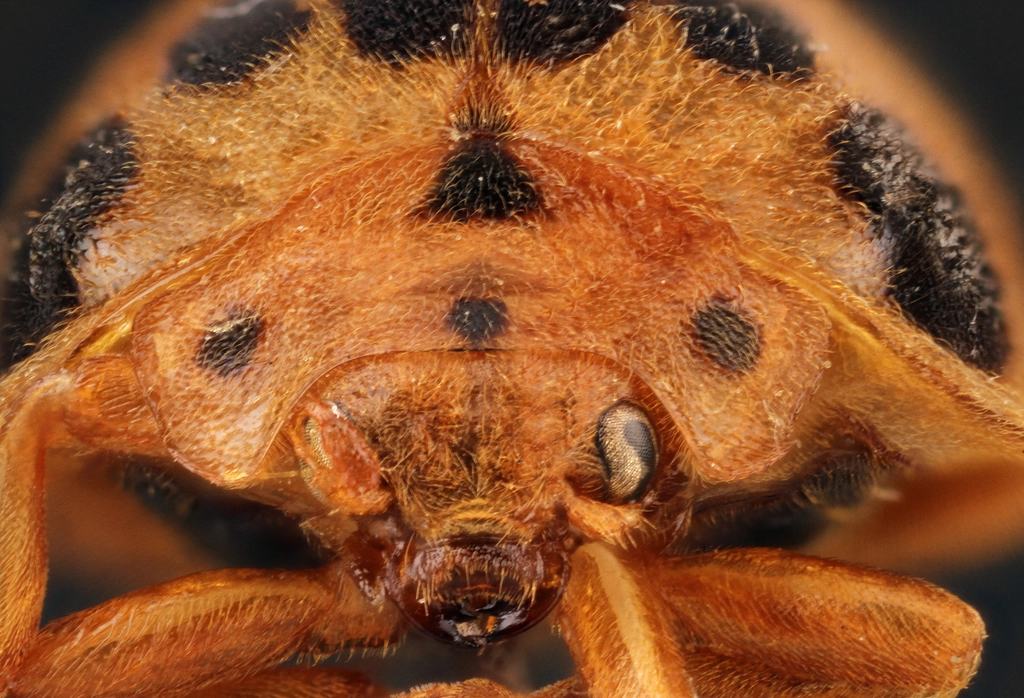 Photo Credit: insectsunlockedproject / Rawpixel
In the warm embrace of a sunlit garden, the Squash Beetle, scientifically known as Epilachna, scuttles among the sprawling leaves of vibrant squash plants. With its distinctive shield-like body, this little insect captures the eye with a blend of colors that range from deep orange to striking black spots. As it navigates the lush greenery, the Squash Beetle plays a crucial role in the ecosystem, munching on the leaves and stems of its favorite plants. This behavior not only sustains the beetle but also influences the health of the garden, making it a fascinating subject for scientists and nature lovers alike.
What makes the Squash Beetle particularly intriguing is its evolutionary history, which intertwines with the flowering plants it depends on. These beetles have been around for millions of years, adapting to their environment in remarkable ways. As they emerge from their hiding spots at dawn, they engage in lively courtship rituals, showcasing their vibrant colors to attract mates. This lively dance is just one of the many captivating aspects of their life cycle, which includes a fascinating journey from egg to adult. By exploring the world of the Squash Beetle, we uncover not just the life of a small insect, but also the intricate connections that bind all living things in the garden.
The Squash Beetle, scientifically known as Epilachna, occupies a distinctive position in the tree of life. It belongs to the kingdom Animalia, which includes all animals, and is part of the phylum Arthropoda, known for its jointed limbs and exoskeletons. As a member of the class Insecta, this beetle showcases the incredible diversity of insects, which are the most numerous group of animals on Earth. What sets the Squash Beetle apart is its close relationship with plants, particularly squash and other cucurbits, as it feeds on their leaves. This dietary preference not only influences its behavior but also highlights its role in the ecosystem, where it can be both a gardener’s foe and a fascinating subject of study.
| Taxonomic Rank | Scientific Name | Meaning & Significance |
|---|---|---|
| Kingdom | Animalia | This name means “animals” in Latin, representing all multicellular organisms that are not plants or fungi. |
| Phylum | Arthropoda | Derived from Greek, meaning “jointed feet,” this term refers to the jointed limbs and segmented bodies of creatures like insects, spiders, and crustaceans. |
| Class | Insecta | This name comes from the Latin word for “cut into sections,” highlighting the segmented body structure that is characteristic of insects. |
| Order | Coleoptera | From the Greek for “sheath wing,” this name describes the hard outer wings that protect the delicate flying wings of beetles. |
| Family | Coccinellidae | This family name means “ladybird beetles” in Latin, often associated with their bright colors and beneficial role in controlling pests. |
| Genus | Epilachna | This name is derived from Greek, meaning “upon the spot,” which may refer to the distinctive spots found on some species within this genus. |
The classification of the Squash Beetle reveals much about its evolutionary journey. As part of the Coccinellidae family, it shares a lineage with other beetles that have adapted to various ecological niches. Its specific adaptations, such as its feeding habits and physical characteristics, reflect the evolutionary pressures it has faced in its environment. Understanding where the Squash Beetle fits in the grand tapestry of life not only enriches our knowledge of biodiversity but also emphasizes the interconnectedness of species within ecosystems. Each taxonomic rank tells a story of survival, adaptation, and the intricate web of life that sustains our planet.
The evolutionary journey of the Squash Beetle, belonging to the genus Epilachna, stretches back millions of years, intertwining with the history of flowering plants. These beetles are part of the Coccinellidae family, which is known for its diverse members, including the well-loved ladybugs. As plants evolved, so did the insects that depended on them, leading to a fascinating co-evolutionary relationship that shaped the Squash Beetle’s adaptations.
The ancestors of the Squash Beetle likely resembled other early beetles, which were small, winged insects that thrived in various habitats. Over time, as flowering plants emerged and diversified, these beetles adapted to feed on specific plants, particularly those in the gourd family, such as squash and pumpkins. This specialization allowed them to exploit a rich food source, but it also meant they had to develop defenses against predators and environmental challenges. As they evolved, they developed unique traits that helped them thrive in their specific niches.
These adaptations have been crucial for the Squash Beetle’s survival in a world filled with challenges. Their bright colors not only deter predators but also signal their presence to potential mates. The ability to feed effectively on specific plants ensures they have a reliable food source, while their reproductive strategies help maintain their populations. By blending into their environments, they can evade danger, showcasing the intricate balance of life and evolution that has allowed the Squash Beetle to thrive through the ages.
The Squash Beetle presents a striking appearance that captures the eye with its shield-like body. This beetle, belonging to the genus Epilachna, has a rounded, somewhat flattened shape that resembles a tiny, armored tank. Its exoskeleton, a hard outer covering, provides both protection and structure, allowing it to navigate its environment with ease. The overall impression is one of resilience and adaptability, making it a fascinating subject for both young explorers and seasoned naturalists.
| Feature | Description |
|---|---|
| Size | Typically around 0.25 to 0.5 inches long |
| Color | Often a vibrant yellow or orange, sometimes with black spots |
| Skin Type | Exoskeleton, providing durability and protection |
| Body Shape | Shield-like and rounded, aiding in camouflage |
These features work together to enhance the Squash Beetle’s survival in its natural habitat. The bright colors can serve as a warning to potential predators, signaling that it may not be a tasty meal. Meanwhile, the shield-like shape allows it to blend in with the leaves and flowers of squash plants, its primary food source. This clever combination of coloration and form not only helps the Squash Beetle evade danger but also enables it to thrive in the lush environments where it is commonly found.
The Squash Beetle thrives in a variety of environments that provide it with the shelter and food it needs to survive. Picture a warm garden filled with vibrant squash plants, their broad leaves creating a lush canopy. These beetles often make their homes under plant debris, where they can hide from predators and harsh weather. They also seek refuge near buildings and rocks, finding cozy nooks that offer protection and a steady supply of food.
The Squash Beetle prefers climates that are warm and temperate, which means it enjoys mild to hot weather. These beetles are often found in areas where the sun shines brightly, as they thrive in sunny spots that help them stay active. The presence of squash plants is crucial, as these beetles feed on their leaves, making gardens and farms ideal habitats. They are also adaptable to various soil types, as long as there is enough organic matter to provide cover.
To survive in these specific habitats, the Squash Beetle has developed clever adaptations. Its ability to hide under debris or in crevices helps it avoid danger from birds and other predators. Additionally, its diet of squash leaves allows it to flourish in gardens where these plants are abundant. This close relationship with its environment not only supports its survival but also plays a role in the health of the gardens it inhabits, showcasing the interconnectedness of nature.
The Squash Beetle leads a life filled with activity and purpose, primarily focused on foraging and reproduction. As the sun rises, these beetles emerge from their hiding spots among the lush leaves of squash plants. They spend their day munching on the tender foliage, which provides them with essential nutrients. Their feeding habits are not just about satisfying hunger; they also play a crucial role in their growth and development. As evening approaches, they seek shelter under leaves or in the soil, resting until the next day’s adventures begin.
Socially, Squash Beetles exhibit fascinating group dynamics. They often gather in colonies, which are groups that provide safety in numbers. This social structure allows them to communicate through chemical signals, known as pheromones, which help them find food and mates. When one beetle discovers a particularly tasty leaf, it can signal others to join in. This cooperative behavior not only enhances their foraging efficiency but also strengthens their bonds within the colony, making them more resilient against predators.
| Behavior Type | Description |
|---|---|
| Feeding | Squash Beetles feed on the leaves of squash plants, which are rich in nutrients necessary for their growth. |
| Colony Living | They form colonies, which provide safety and enhance foraging success through cooperative feeding. |
| Communication | These beetles use pheromones to communicate, signaling food sources and potential mates to others in the colony. |
The behaviors of the Squash Beetle are finely tuned to ensure their survival in a world filled with challenges. By living in colonies, they not only protect themselves from predators but also maximize their chances of finding food and reproducing. Their ability to communicate effectively within their group enhances their overall success, allowing them to thrive in their vibrant garden habitats. Each day is a testament to their adaptability and the intricate balance of life in the natural world.
The Squash Beetle, known scientifically as Epilachna, has a diet that primarily consists of plant material, making it a herbivore. These beetles have a particular fondness for the leaves and stems of squash plants, which provide them with the nutrients they need to thrive. Using their strong mandibles, or mouthparts, they chew through the plant tissue, creating distinctive holes that can sometimes lead to significant damage. This feeding behavior not only sustains the beetles but also plays a role in the ecosystem by influencing plant health and growth.
| Dietary Aspect | Details |
|---|---|
| Diet Type | Herbivore |
| Favorite Foods | Leaves and stems of squash plants |
| Prey Items | N/A (as a herbivore, it does not consume other animals) |
| Hunting/Foraging Strategies | Chewing through plant tissue with strong mandibles |
The Squash Beetle’s diet significantly shapes its role in the ecosystem. By feeding on squash plants, these beetles can impact the health of the plants, which in turn affects the entire garden environment. Their daily routine revolves around foraging for food, which is essential for their growth and reproduction. This relationship with their food source highlights the interconnectedness of species in nature, where the actions of one organism can ripple through the ecosystem, influencing the lives of many others.
As the warm days of spring arrive, Squash Beetles begin their courtship rituals. Males engage in a dance of sorts, showcasing their vibrant colors to attract females. Once a pair has formed, they mate, and the female lays her eggs on the undersides of squash leaves. This strategic choice helps protect the eggs from predators and harsh weather. The breeding season is a busy time, filled with the promise of new life.
| Reproductive Aspect | Details |
|---|---|
| Gestation Period | 10 days |
| Litter Size | Varies, typically dozens of eggs |
| Age of Maturity | Less than 1 year old |
| Name of Young | Nymphs |
After the eggs hatch, the young Squash Beetles, known as nymphs, emerge. These nymphs look quite different from their adult counterparts; they are smaller and lack the full coloration of mature beetles. As they grow, they undergo several molts, shedding their exoskeletons to accommodate their increasing size. During this time, they remain close to the squash plants, feeding on the leaves and stems. Parental care is minimal, as the nymphs must learn to fend for themselves. However, the safety of their chosen habitat provides them with the resources they need to develop into healthy adults, ready to continue the cycle of life.
The Squash Beetle, or Epilachna, plays a vital role in the food web, primarily as a herbivore that feeds on the leaves and stems of squash plants. This diet positions it as a food source for various predators, making it an important link in the ecosystem. However, its presence also attracts attention from those who see it as a pest, leading to a complex relationship with both nature and humans.
To survive these threats, the Squash Beetle has developed several defensive behaviors. For instance, when disturbed, it may drop to the ground and remain still, blending in with the soil and debris. This camouflage helps it avoid detection by hungry predators. Additionally, some Squash Beetles can secrete chemicals that make them taste bad, discouraging birds and other animals from eating them. These strategies, combined with their ability to reproduce quickly, help ensure that they can withstand the dangers they face in their environment.
A keystone species is an organism that has a disproportionately large impact on its environment relative to its abundance. This means that if it were removed, the ecosystem would change dramatically. The Squash Beetle, known scientifically as Epilachna, does not fit the classic definition of a keystone species. While it plays an important role in its habitat, its absence would not lead to the collapse of the ecosystem. However, it does contribute to the balance of its environment in several significant ways.
Squash Beetles primarily feed on the leaves and stems of squash plants, making them herbivores. By consuming these plants, they help regulate their growth, which can prevent any one species from dominating the garden. This feeding behavior creates space for other plants to thrive, promoting biodiversity. Additionally, the Squash Beetle serves as a food source for various predators, including birds and other insects. This connection helps maintain the food web, where energy and nutrients flow from one organism to another.
Moreover, Squash Beetles often live in colonies, which can influence the local ecosystem dynamics. Their collective feeding can lead to noticeable changes in plant health, which in turn affects the insects and animals that rely on those plants for food and shelter. The presence of these beetles can also attract other species, such as pollinators, that are drawn to the flowering plants that thrive in a balanced environment.
If the Squash Beetle were to disappear, the immediate effects might not be catastrophic, but the ripple effects could be significant over time. Without these beetles to control squash plant growth, certain plants could become overly dominant, leading to a decline in plant diversity. This shift could affect the insects and animals that depend on a variety of plants for food and habitat. In essence, while the Squash Beetle may not be a keystone species, its presence helps maintain a healthy and balanced ecosystem, showcasing the interconnectedness of all living things.
The Squash Beetle, known scientifically as Epilachna, plays a vital role in its ecosystem, particularly in gardens and agricultural areas where squash plants thrive. As a herbivore, it primarily feeds on the leaves and stems of these plants, shaping the growth and health of the vegetation around it. This feeding behavior not only influences the plants directly but also affects the entire community of organisms that depend on these plants for food and shelter.
| Ecosystem Service | Impact |
|---|---|
| Herbivory | Controls plant growth and health, promoting biodiversity |
| Food Source | Serves as prey for various predators, supporting the food web |
| Soil Health | Contributes to nutrient cycling through plant decay |
| Pollination Support | Encourages a diverse insect population that aids in pollination |
The Squash Beetle’s influence can be seen in how it interacts with its environment. By feeding on squash plants, it helps regulate their growth, preventing any one species from dominating the garden. This balance allows for a variety of plants to flourish, which in turn supports a wider range of insects and animals. For example, the presence of Squash Beetles can attract birds and other predators that rely on them for food, creating a dynamic food web. Additionally, as these beetles consume and break down plant material, they contribute to the nutrient cycle, enriching the soil and promoting healthy plant growth.
The broader ecological importance of the Squash Beetle cannot be overstated. As a keystone species, its presence or absence can significantly alter the landscape of its habitat. When Squash Beetles thrive, they help maintain a balanced ecosystem that supports diverse plant and animal life. Conversely, if their populations decline, it can lead to overgrowth of certain plants, reduced biodiversity, and a less resilient ecosystem. By understanding the role of the Squash Beetle, we gain insight into the intricate connections that sustain life in our gardens and beyond.
In the intricate web of life, symbiosis plays a crucial role in shaping the relationships between different species. Symbiosis refers to the close interactions between organisms, which can be beneficial, harmful, or neutral. These relationships can take many forms, such as mutualism, where both species gain advantages, parasitism, where one benefits at the expense of the other, and commensalism, where one species benefits while the other is neither helped nor harmed. The Squash Beetle, known scientifically as Epilachna, engages in various ecological partnerships that highlight the complexity of nature.
| Species/Type | Relationship Type | Description |
|---|---|---|
| Squash Plants | Mutualistic | The Squash Beetle feeds on the leaves of squash plants, which helps control their growth by removing excess foliage. In return, the beetle benefits from a steady food source. |
| Ants | Commensal | Some species of ants may protect Squash Beetles from predators in exchange for honeydew, a sugary substance the beetles produce. The ants gain food while the beetles enjoy a safer environment. |
| Predatory Insects | Parasitic | Predatory insects, such as certain wasps, may target Squash Beetles as a food source for their larvae, leading to a harmful relationship for the beetles. |
The evolution of these relationships showcases the dynamic nature of ecosystems. Over time, species like the Squash Beetle have adapted to their environments and the organisms around them, forming partnerships that enhance their survival. Mutualistic relationships, such as those with squash plants, allow both species to thrive, while commensal interactions with ants provide additional protection. However, the presence of predators reminds us that not all relationships are beneficial. Understanding these connections helps us appreciate the delicate balance of nature and the roles each species plays in maintaining it.
The Squash Beetle, known scientifically as Epilachna, is a captivating little insect that plays a significant role in our gardens and ecosystems. With its striking shield-like body and fascinating behaviors, this beetle is more than just a garden pest; it’s a remarkable part of nature’s tapestry.
The Squash Beetle, or Epilachna, has a long history of interaction with humanity, dating back to ancient agricultural societies. These beetles, known for their affinity for squash plants, have been both a source of fascination and frustration for farmers. In many cultures, they symbolize the delicate balance between nature and agriculture. The vibrant colors of the Squash Beetle have even inspired art and folklore, showcasing their cultural significance. As people cultivated squash, they inevitably encountered these beetles, leading to a complex relationship that has evolved over centuries.
Today, the interactions between Squash Beetles and humans are multifaceted. On one hand, they are seen as pests in gardens and farms, where their feeding habits can damage crops. Farmers often find themselves in conflict with these beetles, seeking ways to protect their plants without harming the environment. On the other hand, there is a growing movement towards conservation and understanding of these beetles. Researchers are studying their role in ecosystems, recognizing that they contribute to the balance of plant life. Some gardeners even embrace natural pest control methods, allowing beneficial insects to thrive alongside the Squash Beetle.
The future of the relationship between Squash Beetles and humanity is likely to be shaped by our growing awareness of ecological balance. As we learn more about the roles these beetles play in our gardens and ecosystems, we may find innovative ways to coexist with them. By embracing sustainable practices and fostering a deeper understanding of these insects, we can ensure that both our crops and the Squash Beetles thrive together. This partnership could lead to healthier gardens and a more harmonious relationship with the natural world.
The conservation status of the Squash Beetle, scientifically known as Epilachna, is currently not well-defined. While there is no specific data on its population size, it is believed that the numbers are stable in many regions where squash plants are cultivated. However, the lack of comprehensive studies means that trends in population dynamics remain largely unknown. This uncertainty highlights the need for further research to better understand the Squash Beetle’s status in various ecosystems.
| Conservation Factor | Status/Details |
|---|---|
| IUCN Status | Data Deficient |
| Population Estimates | Unknown |
| Trend Direction | Stable (but unverified) |
The main threats to the Squash Beetle include habitat loss and pesticide use. As agricultural practices intensify, the natural habitats where these beetles thrive can be destroyed or altered. Pesticides, which are chemicals used to kill pests, can also harm beneficial insects like the Squash Beetle. When farmers apply these chemicals to protect their crops, they may unintentionally reduce the populations of these beetles, disrupting the balance of the ecosystem.
Conservation efforts for the Squash Beetle are still in their infancy, but there is hope for the future. Raising awareness about the importance of these beetles in gardens and agricultural systems can lead to more sustainable farming practices. Encouraging organic farming methods, which avoid harmful pesticides, can help protect the Squash Beetle and its habitat. With continued research and community engagement, there is potential for a brighter outlook for this intriguing insect and the ecosystems it supports.
| Question | Answer |
|---|---|
| What is the habitat of the Squash Beetle? | Squash Beetles are commonly found under plant debris, near buildings, and around rocks. They prefer sheltered places where they can hide from predators and harsh weather. |
| What do Squash Beetles eat? | Squash Beetles are herbivores, meaning they primarily feed on plants. They particularly enjoy munching on squash and other cucurbits, which are plants in the gourd family. |
| How do Squash Beetles behave? | These beetles are generally slow-moving and tend to stay close to their food sources. They can often be seen resting on leaves or hiding under debris during the day. |
| How do Squash Beetles reproduce? | Squash Beetles lay their eggs on the undersides of leaves, where the larvae can find food once they hatch. The life cycle includes several stages: egg, larva, pupa, and adult. |
| What are the threats to Squash Beetles? | Squash Beetles face threats from predators like birds and other insects. Additionally, pesticides used in gardens can harm their populations, making it important to use them carefully. |
| What is an interesting characteristic of the Squash Beetle? | One of the most distinctive features of the Squash Beetle is its shield-like body shape. This unique form helps it blend into its surroundings, providing camouflage from predators. |
| Can Squash Beetles be beneficial? | While they are often seen as pests in gardens, Squash Beetles can also play a role in the ecosystem by helping to break down plant material. This process enriches the soil and supports plant growth. |