Taxonomy & Classification
- Kingdom
- Animalia
- Phylum
- Chordata
- Class
- Mammalia
- Order
- Rodentia
- Family
- Sciuridae
- Genus
- Sciurus

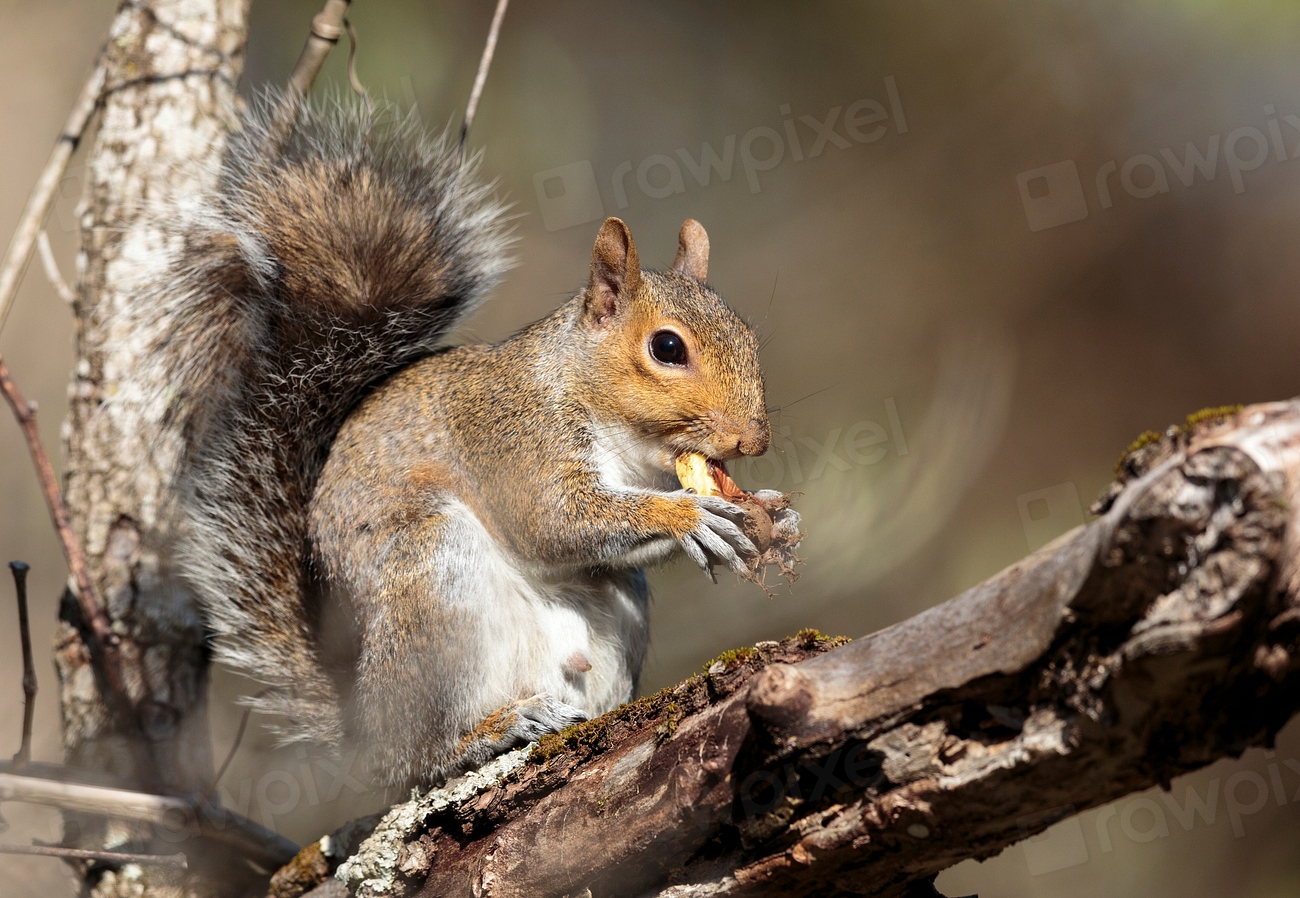 Photo Credit: National Park Service / Rawpixel
Meet the squirrel, scientifically known as Sciurus, a lively little mammal that brings joy and curiosity to anyone who encounters it. Picture a sunlit forest, where the air is filled with the rustling of leaves and the soft chirps of birds. Amidst this vibrant backdrop, squirrels leap from branch to branch, their bushy tails trailing behind like fluffy banners. With their sharp, bright eyes and nimble bodies, these creatures are perfectly designed for life in the trees, showcasing a blend of agility and charm that captivates both scientists and nature lovers alike.
Squirrels are not just adorable; they play a crucial role in their ecosystems. As they scurry about, they gather nuts and seeds, often burying them for later. This behavior helps to plant new trees, making squirrels essential for forest growth. Their playful antics and social interactions provide endless entertainment, but they also reveal a complex world of communication and survival strategies. From their impressive ability to leap distances several times their body length to their keen sense of smell that helps them locate hidden food, squirrels are a testament to nature’s ingenuity. Join us as we explore the fascinating life of these remarkable animals, uncovering the secrets of their behavior, diet, and the vital roles they play in our environment.
Squirrels are captivating members of the animal kingdom, sitting comfortably within the vast tree of life. They belong to the class Mammalia, which means they are warm-blooded animals that nurse their young with milk. Squirrels are part of the order Rodentia, the largest group of mammals, known for their continuously growing front teeth. What makes squirrels particularly interesting is their adaptability; they thrive in diverse environments, from urban parks to dense forests. Their agile bodies and bushy tails not only help them navigate the treetops but also play a role in their communication and balance.
| Taxonomic Rank | Scientific Name | Meaning & Significance |
|---|---|---|
| Kingdom | Animalia | This name comes from the Latin word “animalis,” meaning “having breath.” It signifies all living creatures that breathe and move. |
| Phylum | Chordata | Derived from the Greek word “chordē,” meaning “string,” this classification includes animals with a notochord, a flexible rod that supports the body during development. |
| Class | Mammalia | This term comes from the Latin “mamma,” meaning “breast.” It highlights the defining feature of mammals: the ability to produce milk for their young. |
| Order | Rodentia | From the Latin “rodere,” meaning “to gnaw,” this name reflects the characteristic behavior of rodents, which have strong front teeth for chewing through tough materials. |
| Family | Sciuridae | This name is derived from the Greek word “skiouros,” meaning “shadow tail,” which describes the bushy tails that help squirrels balance and communicate. |
| Genus | Sciurus | Also from the Greek “skiouros,” this genus name emphasizes the tail’s importance in the squirrel’s lifestyle, aiding in agility and navigation. |
Understanding where squirrels fit in the tree of life reveals much about their evolutionary journey. As members of the Rodentia order, they share common ancestors with other rodents, showcasing a long history of adaptation and survival. Their unique physical traits, like their sharp incisors and bushy tails, have evolved to help them thrive in various habitats. This classification not only highlights their biological connections but also underscores the incredible diversity of life on Earth, reminding us of the intricate web of relationships that bind all living beings together.
The evolutionary journey of squirrels stretches back millions of years, weaving through the tapestry of time to reveal a lineage that has adapted to diverse environments. These agile mammals belong to the family Sciuridae, which emerged during the late Eocene epoch, around 35 million years ago. As they evolved, squirrels branched out into various species, each adapting to their surroundings in unique ways.
The earliest ancestors of modern squirrels were small, tree-dwelling creatures that thrived in the lush forests of the Eocene. Over time, they developed traits that would help them navigate their arboreal habitats. One significant transition occurred when these ancestors began to exhibit a more specialized diet, shifting from a generalist feeding strategy to one that included a heavy reliance on nuts and seeds. This change not only influenced their physical characteristics but also their behavior, leading to the development of caching, or storing food for later use.
These evolutionary adaptations have been crucial for squirrels’ survival in a variety of habitats. Their ability to climb and leap allows them to escape predators and access food high in the trees. The sharp incisors enable them to exploit a diet rich in hard-shelled nuts, while their bushy tails not only aid in balance but also help them regulate body temperature. With keen eyesight, they can detect danger from afar, ensuring they remain one step ahead in the wild. Through these adaptations, squirrels have thrived, showcasing the wonders of evolution in action.
Squirrels are lively little mammals that capture our attention with their playful antics and bushy tails. Their bodies are built for agility, featuring a compact frame that allows them to dart up trees and leap from branch to branch with ease. With their large, expressive eyes and twitching noses, they exude a sense of curiosity and energy. Their most striking feature, the fluffy tail, not only adds to their charm but also serves important functions in balance and communication.
| Feature | Description |
|---|---|
| Weight | 250-1,000 grams (0.5-2.2 pounds) |
| Skin Type | Fur |
| Color | Varies from gray to reddish-brown, often with lighter underbellies |
| Body Structure | Compact and agile, with strong hind legs for jumping |
| Tail | Long and bushy, used for balance and signaling |
These physical traits work together to enhance the squirrel’s survival in the wild. Their lightweight bodies allow for quick movements, making it easier to escape predators. The fur not only keeps them warm during chilly months but also provides camouflage among the leaves and branches. The bushy tail plays a crucial role in maintaining balance while navigating the treetops and can also be used to communicate with other squirrels. Together, these features create a well-adapted animal that thrives in various environments, from urban parks to dense forests.
Squirrels thrive in a variety of habitats, but they are particularly fond of woodlands and dense forests. Imagine a sun-dappled forest, where towering trees stretch high into the sky, their leaves whispering in the gentle breeze. The ground is a patchwork of soft moss and fallen leaves, providing a perfect playground for these energetic animals. Squirrels can often be seen leaping from branch to branch, their bushy tails trailing behind them like flags of adventure.
These lively mammals prefer climates that offer a mix of warmth and coolness, as well as plenty of trees for shelter and food. They thrive in areas where the seasons change, enjoying the crisp air of autumn and the fresh blooms of spring. Squirrels need environments that provide ample food sources, such as nuts, seeds, and fruits, which are abundant in their forest homes. They also require places to build nests, often found in tree hollows or leafy branches, where they can stay safe from predators.
Squirrels have developed impressive adaptations to make the most of their forest habitats. Their sharp claws allow them to climb trees with ease, while their keen eyesight helps them spot food and potential dangers. They are also excellent at storing food for the winter, burying nuts in the ground to ensure they have enough to eat when resources are scarce. This clever behavior not only helps them survive but also plays a vital role in forest ecology, as some of the buried nuts may grow into new trees, continuing the cycle of life in their woodland homes.
Squirrels lead a vibrant daily life filled with activity and exploration. As dawn breaks, these energetic mammals emerge from their nests, often found in tree hollows or leafy dens. Their day begins with a search for food, which typically includes nuts, seeds, and fruits. Squirrels are known for their impressive memory, allowing them to locate hidden food caches they’ve buried during the previous seasons. Throughout the day, they engage in playful chases, climbing, and leaping from branch to branch, showcasing their remarkable agility and dexterity.
While squirrels are primarily solitary creatures, they do exhibit interesting social behaviors, especially during the breeding season or when food is abundant. They communicate through a variety of vocalizations, including chirps and barks, which can signal alarm or attract mates. Although they often prefer to forage alone, you might spot a few squirrels gathering in the same area, especially when they’re competing for the same food source. This social interaction can lead to playful sparring, where they chase each other in a friendly manner, demonstrating their agility and strength.
| Behavior Type | Description |
|---|---|
| Activity Patterns | Squirrels are diurnal, meaning they are active during the day. They spend their time foraging for food, climbing trees, and engaging in playful activities. |
| Social Structure | Primarily solitary, squirrels may come together during breeding season or when food is plentiful. They communicate through vocalizations and body language. |
| Communication Methods | Squirrels use a range of sounds, including chirps and barks, to convey messages. They also use tail movements to signal to other squirrels. |
The behaviors of squirrels are finely tuned to ensure their survival in the wild. Their foraging skills and memory help them find food, while their agility allows them to escape predators. By understanding their social dynamics, we see how even solitary animals can benefit from occasional interactions. These daily activities not only keep them fed but also help them thrive in their natural habitats, showcasing the intricate balance of life in the animal kingdom.
Squirrels are omnivores, which means they enjoy a varied diet that includes both plant and animal matter. Their primary food sources are fruits, seeds, and even insects. With their sharp front teeth, they can easily crack open hard shells to access the nutritious seeds inside. Squirrels are known for their clever foraging strategies, often burying nuts and seeds to save for later. This behavior not only helps them survive during leaner times but also plays a crucial role in forest ecology by aiding in seed dispersal.
| Dietary Aspect | Details |
|---|---|
| Diet Type | Omnivore |
| Favorite Foods | Fruits, seeds, nuts |
| Prey Items | Insects |
| Hunting/Foraging Strategies | Burying nuts for later, climbing trees to access food |
This diverse diet shapes a squirrel’s daily routine and ecological role. By foraging for a variety of foods, squirrels help maintain the health of their habitats. When they bury seeds, they inadvertently plant new trees, contributing to forest growth. Their energetic lifestyle, filled with searching for food and storing it for winter, keeps them active and engaged in their environment, making them essential players in the ecosystems they inhabit.
Squirrels have a lively and intriguing mating season that typically occurs in late winter to early spring. During this time, males engage in playful chases and displays to attract females. These energetic courtship rituals can be quite a sight, as males leap and dart around, showcasing their agility. Once a female chooses a mate, they will mate several times over a few days to ensure successful reproduction.
| Reproductive Aspect | Details |
|---|---|
| Gestation Period | About 44 days |
| Litter Size | Average of 3 |
| Age of Maturity | 6 to 12 months |
| Name of Young | Kits or pups |
After the gestation period, the female squirrel gives birth to a litter of kits, which are born blind and hairless. The mother is incredibly attentive, keeping her young warm and safe in the nest. As the kits grow, they begin to develop fur and open their eyes, becoming more active and curious about their surroundings. The mother teaches them essential survival skills, such as foraging for food and climbing trees. By the time they reach maturity, usually within six to twelve months, these young squirrels are ready to venture out on their own, continuing the cycle of life in the vibrant world of the forest.
Squirrels play a vital role in the food web, acting as both prey and foragers. They are a key food source for many predators, helping to maintain the balance of their ecosystems. By feeding on seeds and nuts, they also contribute to forest regeneration, as they often bury food that later grows into new plants. However, this lively role comes with its own set of dangers.
Squirrels have developed a range of defensive behaviors to survive these threats. They are incredibly agile, able to leap from branch to branch with ease, making it hard for predators to catch them. When they sense danger, squirrels often freeze in place, blending into their surroundings. They also use their sharp senses to detect movement and sounds, allowing them to escape before a predator gets too close. Additionally, their bushy tails serve as a balance aid during quick escapes and can even act as a signal to other squirrels about potential dangers. Through these clever strategies, squirrels continue to thrive in their environments despite the many challenges they face.
A keystone species is an organism that has a disproportionately large impact on its environment relative to its abundance. This means that if it were removed, the ecosystem would change dramatically. Squirrels can be considered a keystone species in many of their habitats, particularly in woodlands and dense forests. Their activities and behaviors significantly influence the structure and health of these ecosystems.
Squirrels play a crucial role in seed dispersal, which is vital for plant reproduction. As they forage for food, they often bury nuts and seeds, forgetting some of their hidden treasures. This behavior helps to plant new trees and plants, promoting forest growth and diversity. For example, oak trees rely on squirrels to spread their acorns, which can lead to the establishment of new oak forests. Additionally, by consuming a variety of seeds and fruits, squirrels help control plant populations, ensuring that no single species dominates the landscape.
Moreover, squirrels are an important food source for various predators, including hawks, foxes, and snakes. Their presence supports these predator populations, contributing to the balance of the food web. When squirrels are active and plentiful, they provide a reliable meal for these hunters, which in turn helps regulate their numbers. This interconnectedness illustrates how squirrels contribute to the overall health of their ecosystems.
If squirrels were to disappear from their ecosystems, the consequences would be significant. Without their seed dispersal activities, many tree species could struggle to reproduce, leading to a decline in forest health and diversity. This loss would not only affect the plants but also the animals that rely on those trees for food and shelter. Predators that depend on squirrels for sustenance would face food shortages, potentially leading to their decline as well. The ripple effects would alter the entire ecosystem, demonstrating just how vital squirrels are to the natural world.
Squirrels occupy a vital ecological niche, acting as both foragers and prey within their habitats. These lively mammals are often found in woodlands and dense forests, where they play a crucial role in shaping their environment. By gathering and storing food, they help disperse seeds and promote plant growth, which in turn supports a diverse array of wildlife. Their energetic antics and adaptability make them key players in the ecosystems they inhabit.
| Ecosystem Service | Impact |
|---|---|
| Seed Dispersal | Squirrels bury seeds and nuts, which can grow into new plants, helping forests thrive. |
| Food Source | They provide nourishment for various predators, including hawks, foxes, and snakes. |
| Soil Aeration | As they dig for food, squirrels help aerate the soil, improving its health and fertility. |
| Habitat Creation | By gnawing on tree bark and branches, they can create habitats for other species. |
Squirrels influence their ecosystems in many fascinating ways. For instance, when they bury acorns, they often forget some of their hidden treasures. These forgotten seeds can sprout into new oak trees, contributing to forest regeneration. Additionally, their digging habits not only help aerate the soil but also create small burrows that can be used by other animals. This interconnectedness highlights how squirrels are not just solitary foragers but essential contributors to the health of their environment.
The broader ecological importance of squirrels cannot be overstated. As keystone species, their activities help maintain the balance of their ecosystems. Without them, the dynamics of plant growth and predator-prey relationships would shift dramatically. By supporting biodiversity and promoting healthy forests, squirrels play a crucial role in sustaining the natural world. Their presence is a reminder of how even the smallest creatures can have a big impact on the environment around them.
In the intricate web of life, many species form partnerships that enhance their survival and well-being. These relationships can be classified into three main types: mutualism, where both species benefit; commensalism, where one species benefits while the other is neither helped nor harmed; and parasitism, where one species benefits at the expense of the other. Squirrels, with their lively personalities and adaptable nature, engage in various ecological relationships that illustrate the beauty of symbiosis in the natural world.
| Species/Type | Relationship Type | Description |
|---|---|---|
| Oak Trees | Mutualistic | Squirrels help disperse acorns, which grow into new oak trees, while the trees provide food for the squirrels. |
| Birds (e.g., Blue Jays) | Commensal | Squirrels and birds often share the same habitat; while squirrels forage on the ground, birds benefit from the seeds and insects disturbed by their activity. |
| Fungi (Mycorrhizae) | Mutualistic | Squirrels consume truffles, a type of fungus, and in doing so, help spread its spores, aiding in the fungus’s reproduction. |
| Ticks | Parasitic | Ticks attach to squirrels, feeding on their blood, which can harm the squirrels but benefits the ticks. |
These relationships have evolved over time, shaped by the needs and behaviors of the species involved. Mutualistic partnerships, like those with oak trees and fungi, highlight how cooperation can lead to thriving ecosystems. Squirrels not only gain food but also play a crucial role in forest regeneration. Meanwhile, commensal relationships with birds show how different species can coexist and benefit from each other’s presence. Even parasitic interactions, like those with ticks, remind us that nature is a complex balance of give and take. Understanding these connections helps us appreciate the delicate dance of life that sustains our planet.
Squirrels are more than just cute little animals that scurry around parks and backyards; they are fascinating creatures with some surprising traits and behaviors. Here are a few intriguing facts that showcase their remarkable lives.
Throughout history, squirrels have woven themselves into the fabric of human culture and daily life. These lively creatures have been depicted in folklore, art, and literature, often symbolizing playfulness and resourcefulness. Ancient civilizations revered them, while in modern times, they have become beloved park inhabitants, delighting children and adults alike with their acrobatics. From the tales of Aesop to contemporary cartoons, squirrels have captured our imagination, serving as reminders of the natural world that exists alongside our urban landscapes.
Today, our interactions with squirrels are a mix of admiration and conflict. In many urban areas, squirrels are seen as charming companions, often spotted foraging for food in parks and gardens. However, they can also be a source of frustration for homeowners, as they sometimes raid bird feeders or invade attics. Conservation efforts are underway in some regions to protect their habitats, ensuring that these agile mammals continue to thrive. Interestingly, some people have even attempted to domesticate squirrels, raising them as pets, although this practice is not widespread and can be challenging due to their wild nature.
As we look to the future, the relationship between squirrels and humanity will likely continue to evolve. With increasing urbanization, it is essential to find ways to coexist peacefully with these agile mammals. By fostering understanding and respect for their role in our ecosystems, we can ensure that squirrels remain a vibrant part of our shared environment. As we learn more about their behaviors and needs, we can create spaces where both humans and squirrels can thrive, enriching our lives and the natural world around us.
Squirrels, with their lively antics and bushy tails, are currently classified as Near Threatened by the International Union for Conservation of Nature (IUCN). This status indicates that while they are not yet endangered, their populations are facing challenges that could lead to a decline if not addressed. In many regions, squirrel populations are stable, but in others, they are experiencing a downward trend due to various environmental pressures.
| Conservation Factor | Status/Details |
|---|---|
| IUCN Status | Near Threatened |
| Population Estimates | Varies by species; some populations are stable while others are declining |
| Trend Direction | Some populations are decreasing |
Squirrels face several threats that impact their survival. Habitat loss is one of the most significant challenges, as urban development and deforestation reduce the natural spaces where they thrive. Additionally, climate change alters their habitats and food availability, making it harder for them to find the resources they need. Predation by domestic cats and other animals also poses a risk, especially in urban areas where squirrels may be more vulnerable.
Conservation efforts are underway to help protect squirrel populations and their habitats. Organizations are working to preserve woodlands and green spaces, ensuring that these playful mammals have safe environments to live and thrive. Public awareness campaigns also encourage people to create squirrel-friendly spaces in their backyards. With continued efforts and community support, the outlook for squirrels can improve, allowing future generations to enjoy their lively presence in nature.
| Question | Answer |
|---|---|
| Where do squirrels live? | Squirrels are commonly found in woodlands and dense forests. They thrive in areas with plenty of trees, which provide them with food and shelter. |
| What do squirrels eat? | Squirrels are omnivores, meaning they eat both plants and animals. Their diet mainly consists of nuts, seeds, fruits, and sometimes insects or small animals. |
| How do squirrels behave? | Squirrels are known for their playful and energetic behavior. They are often seen climbing trees, jumping from branch to branch, and foraging for food. |
| How do squirrels reproduce? | Squirrels typically mate in the winter and spring. After a gestation period of about 44 days, the female gives birth to a litter of 2 to 8 baby squirrels, called kits. |
| What are the threats to squirrels? | Squirrels face several threats, including habitat loss due to deforestation and urban development. They are also vulnerable to predators like hawks, owls, and domestic cats. |
| What are some interesting characteristics of squirrels? | Squirrels have excellent memory, which helps them locate their buried food. They can also rotate their hind feet, allowing them to climb down trees headfirst! |
| Are squirrels social animals? | While some squirrel species are solitary, others can be quite social. Tree squirrels often live in groups, especially during the breeding season, to help protect each other from predators. |