Taxonomy & Classification
- Kingdom
- Animalia
- Phylum
- Chordata
- Class
- Mammalia
- Order
- Primates
- Family
- Cebidae
- Genus
- Saimiri
- Species
- Saimiri

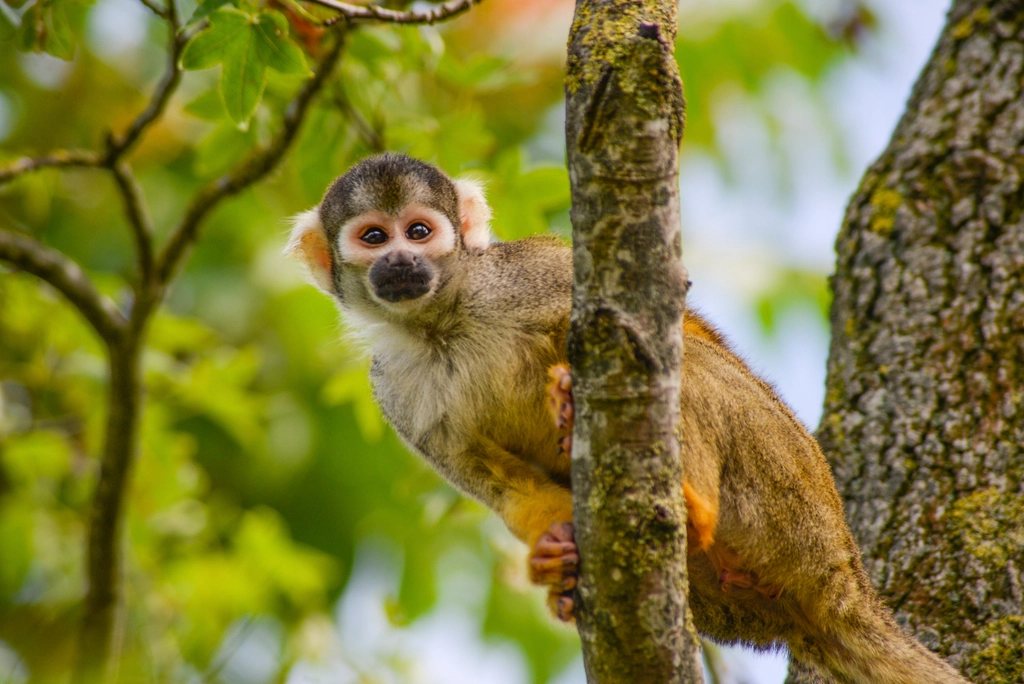 Photo Credit: Rawpixel
In the heart of South America’s lush rainforests, the squirrel monkey, known scientifically as Saimiri sciureus, leaps gracefully from branch to branch, its small body a blur of energy and curiosity. With its striking golden-yellow fur contrasting against the deep greens of the jungle, this lively primate captures the attention of anyone lucky enough to witness its playful antics. Squirrel monkeys are not just adorable; they are also incredibly intelligent, showcasing complex social behaviors that fascinate scientists and nature lovers alike. Their expressive faces and agile movements make them a joy to observe, revealing a world of interaction and communication that is both intricate and delightful.
As the sun filters through the dense canopy, illuminating the vibrant life below, squirrel monkeys engage in a symphony of sounds, from chattering calls to playful squeaks. These diurnal creatures, meaning they are active during the day, thrive in the humid embrace of their tropical habitat, where they forage for fruits, insects, and flowers. Their role in the ecosystem is vital, as they help disperse seeds and maintain the health of their forest home. With their keen social structures and lively personalities, squirrel monkeys invite us to explore the wonders of the natural world, reminding us of the intricate connections that bind all living things together.
The squirrel monkey, a lively and agile primate, occupies a special place in the tree of life. Scientifically classified within the kingdom Animalia, phylum Chordata, class Mammalia, order Primates, family Cebidae, and genus Saimiri, this small monkey is known for its playful nature and social behavior. Squirrel monkeys are particularly unique due to their striking coloration, with bright yellow fur and expressive faces, which help them communicate and bond with their troops. Their adaptability to various habitats, from tropical rainforests to savannas, showcases their evolutionary success and resilience.
| Taxonomic Rank | Scientific Name | Meaning & Significance |
|---|---|---|
| Kingdom | Animalia | This name comes from the Latin word “animalis,” meaning “having breath,” which reflects the living nature of these organisms. |
| Phylum | Chordata | Derived from the Latin “chorda,” meaning “string,” this term refers to animals with a notochord, a flexible rod that supports the body during development. |
| Class | Mammalia | This name comes from the Latin “mamma,” meaning “breast,” highlighting the defining feature of mammals: females produce milk to nourish their young. |
| Order | Primates | From the Latin “primus,” meaning “first,” this classification includes humans and their closest relatives, emphasizing their advanced cognitive abilities and social structures. |
| Family | Cebidae | This name is derived from the Greek word “kebos,” referring to a type of monkey, which highlights the family’s diverse and playful nature. |
| Genus | Saimiri | Originating from the Tupi-Guarani word for “monkey,” this name reflects the cultural significance of these animals in their native habitats. |
Understanding the squirrel monkey’s classification reveals much about its evolutionary journey. As a member of the primate order, it shares a common ancestor with humans and other primates, showcasing traits like social interaction and problem-solving skills. The Cebidae family, to which it belongs, is known for its diverse adaptations, allowing these monkeys to thrive in various environments. This evolutionary history not only highlights the squirrel monkey’s adaptability but also its role in the intricate web of life, reminding us of the connections we share with all living beings.
The evolutionary journey of the squirrel monkey stretches back millions of years, tracing its roots to the early primates that roamed the forests of South America. These small, agile monkeys belong to the family Cebidae and the genus Saimiri, which emerged around 20 million years ago during the Miocene epoch. This period was marked by significant climatic changes and the development of diverse habitats, setting the stage for the evolution of many primate species.
Squirrel monkeys are believed to have evolved from a common ancestor shared with other New World monkeys. This ancestor adapted to life in the trees, developing traits that would help it navigate the complex canopy of the rainforest. Over time, squirrel monkeys underwent major evolutionary transitions, including the development of their distinctive long tails, which aid in balance and agility. Their social structures also evolved, allowing them to live in large groups, which enhances protection against predators and increases foraging efficiency.
These adaptations have been crucial for the survival of squirrel monkeys in their lush, competitive habitats. Their social structures not only provide safety but also enhance their ability to find food and raise young. The prehensile tail and keen eyesight allow them to navigate the treetops efficiently, while their varied diet ensures they can adapt to changing food availability. Together, these traits have helped squirrel monkeys thrive in the vibrant ecosystems of South America, showcasing the wonders of evolution in action.
The squirrel monkey is a small, lively primate that captures attention with its playful demeanor and striking appearance. With a body length ranging from 25 to 36 centimeters, or about 9.8 to 14 inches, these monkeys are compact yet full of energy. Their fur is soft and dense, providing both warmth and protection as they navigate the treetops of their tropical habitats. One of the most eye-catching features is their long, slender tail, which is often longer than their body. This tail is not just for show; it plays a crucial role in helping them balance as they leap from branch to branch in search of food and adventure.
| Feature | Description |
|---|---|
| Height | 25cm – 36cm (9.8in – 14in) |
| Weight | 0.75kg – 1.1kg (1.7lbs – 2.4lbs) |
| Skin Type | Fur |
| Most Distinctive Feature | Longer tail than body used for balance |
The combination of their small size, soft fur, and especially that long tail makes squirrel monkeys perfectly adapted for life in the trees. Their lightweight bodies allow them to move quickly and nimbly, while their fur helps them blend into the dappled sunlight of the forest canopy. The tail, acting as a fifth limb, provides stability and support during acrobatic feats, ensuring they can reach food sources and evade predators with ease. Together, these features create a dynamic and agile primate, perfectly suited for the vibrant ecosystems they inhabit.
The squirrel monkey thrives in the lush embrace of dense tropical jungles, where the air is thick with humidity and the sounds of nature create a vibrant symphony. These lively primates are often found near streams, where the water glistens under the dappled sunlight filtering through the canopy of leaves. The jungle is a maze of towering trees, vines, and colorful flowers, providing both shelter and a playground for these energetic monkeys.
The climate in these regions is typically warm and humid, with temperatures often ranging from 75 to 90 degrees Fahrenheit. Squirrel monkeys prefer areas with plenty of rainfall, as this helps maintain the lush vegetation they depend on for food and shelter. The dense foliage not only offers protection from predators but also provides a rich source of fruits, insects, and small animals that make up their diet.
Adapted to life in the treetops, squirrel monkeys have developed remarkable skills for navigating their environment. Their long limbs and prehensile tails allow them to swing gracefully from branch to branch, while their keen eyesight helps them spot food and potential threats. Living in social groups, they communicate with a variety of calls and gestures, enhancing their ability to thrive in the bustling ecosystem of the jungle.
Squirrel monkeys lead vibrant and active lives, filled with a variety of daily activities that keep them engaged and alert. As diurnal creatures, they rise with the sun, using the daylight hours to forage for food, socialize, and explore their lush jungle habitats. Their diet mainly consists of fruits, insects, and small animals, which they skillfully locate among the branches. Throughout the day, they leap from tree to tree, showcasing their impressive agility and dexterity. This constant movement not only helps them find food but also keeps them fit and ready to escape from potential predators.
Social behavior is a cornerstone of squirrel monkey life. These primates live in troops, which can consist of anywhere from a few individuals to over a hundred. Within these groups, they form strong bonds, often grooming each other to reinforce friendships and maintain social harmony. Communication is key in these lively communities, and squirrel monkeys use a variety of vocalizations, body language, and facial expressions to convey their feelings and intentions. This social structure helps them work together to find food and protect one another from threats, creating a supportive environment for all members.
| Behavior Type | Description |
|---|---|
| Activity Patterns | Squirrel monkeys are diurnal, meaning they are active during the day. They spend their time foraging for food, playing, and exploring their environment. |
| Social Structure | They live in troops, which can range from a small group to large gatherings of over a hundred individuals, fostering strong social bonds. |
| Communication Methods | These monkeys use a mix of vocalizations, body language, and facial expressions to communicate with each other, helping to maintain group cohesion. |
The behaviors of squirrel monkeys are not just entertaining; they are essential for their survival. By living in troops, they benefit from the safety of numbers, making it harder for predators to target any single individual. Their social interactions and communication skills help them coordinate during foraging, ensuring that everyone gets enough to eat. This blend of agility, social structure, and teamwork allows squirrel monkeys to thrive in their vibrant jungle homes, showcasing the beauty of cooperation in the animal kingdom.
Squirrel monkeys are omnivores, which means they enjoy a varied diet that includes both plant and animal matter. Their primary food sources consist of fruits, insects, and flowers. These lively primates are known for their agile movements, which help them navigate the treetops in search of tasty treats. With their keen eyesight and sharp sense of smell, squirrel monkeys can spot ripe fruits and hidden insects among the leaves, making them skilled foragers in their tropical habitats.
| Dietary Aspect | Details |
|---|---|
| Diet Type | Omnivore |
| Favorite Foods | Fruits, flowers |
| Prey Items | Insects |
| Hunting/Foraging Strategies | Agile climbing, keen eyesight, and social foraging |
The squirrel monkey’s diet plays a crucial role in its ecology and daily routine. By consuming a variety of foods, they help to disperse seeds throughout the forest, promoting plant growth and maintaining the health of their ecosystem. Their foraging behavior also encourages social interactions within their groups, as they often work together to locate food. This not only strengthens their bonds but also enhances their survival in the competitive world of the rainforest.
Squirrel monkeys have a lively and engaging mating behavior that often captivates observers. They typically breed during the rainy season, which provides ample food resources for the young. Males will display their interest through vocalizations and playful antics, showcasing their agility and charm. This courtship can involve chasing and grooming, which helps strengthen bonds between potential mates.
| Reproductive Aspect | Details |
|---|---|
| Gestation Period | 170 days |
| Average Litter Size | 1 |
| Age of Sexual Maturity | 3 – 5 years |
| Name of Young | Infant |
Once the infant is born, the care provided by the mother is crucial for its survival. Squirrel monkey mothers are attentive and nurturing, often carrying their young on their backs as they navigate through the treetops. This close contact not only keeps the infant safe but also helps it learn essential skills for life in the wild. As the young grow, they begin to explore their surroundings, gradually gaining independence while still relying on their mothers for guidance. By the time they reach sexual maturity at around three to five years, they are well-prepared to take on the challenges of adult life in their vibrant jungle home.
Squirrel monkeys play a vital role in their ecosystem, often found high in the treetops of tropical rainforests. As both prey and foragers, they contribute to the food web by helping to disperse seeds and pollinate plants. However, their position also makes them vulnerable to various predators and environmental threats that can impact their survival.
To defend themselves against these dangers, squirrel monkeys have developed several clever strategies. They often live in large groups, which provides safety in numbers; when one monkey spots a predator, it can alert the others with a loud call. Their agility and quick reflexes allow them to leap between branches, making it difficult for predators to catch them. Additionally, their keen eyesight helps them spot threats from afar, giving them a head start to escape. By using these tactics, squirrel monkeys navigate the challenges of their environment, ensuring their survival in a world full of dangers.
A keystone species is a vital part of its ecosystem, meaning its presence and activities have a significant impact on the environment and other living things. The squirrel monkey, with its energetic lifestyle and social structure, qualifies as a keystone species in its tropical jungle habitat. By influencing the dynamics of its ecosystem, this small primate plays a crucial role in maintaining the balance of life around it.
Squirrel monkeys are omnivores, which means they eat both plants and animals. This diverse diet allows them to help control insect populations and disperse seeds from the fruits they consume. When they eat fruit, they often travel long distances, dropping seeds along the way. This seed dispersal is essential for the growth of new plants, which in turn provides food and shelter for countless other species. Additionally, their foraging behavior can help aerate the soil, promoting healthier plant growth.
The social structure of squirrel monkeys also contributes to their ecological impact. Living in troops, they engage in cooperative behaviors that enhance their survival and that of other species. For example, their alarm calls warn other animals of approaching predators, which can benefit not only their troop but also other creatures in the vicinity. This interconnectedness highlights how their social interactions ripple through the ecosystem.
If squirrel monkeys were to disappear from their habitat, the effects would be profound. Without their seed dispersal, many plant species could decline, leading to less food and shelter for other animals. This could create a domino effect, disrupting the entire ecosystem. The loss of these lively primates would not only diminish biodiversity but also alter the very fabric of the tropical jungle, showcasing just how crucial they are to their environment.
The squirrel monkey plays a crucial role in its ecosystem, particularly within the dense tropical jungles it calls home. These lively primates are not just charming to observe; they are integral to the health and balance of their environment. By foraging for food and interacting with various plant species, squirrel monkeys help maintain the intricate web of life that supports countless other organisms. Their activities influence everything from plant growth to the behavior of other animals, making them a key player in their ecological niche.
| Ecosystem Service | Impact |
|---|---|
| Seed Dispersal | Squirrel monkeys consume fruits and then excrete the seeds, helping new plants to grow in different areas. |
| Food Source | They serve as prey for larger predators, contributing to the food web. |
| Insect Control | By eating insects, they help regulate pest populations in their habitat. |
| Soil Enrichment | Their droppings provide nutrients to the soil, promoting plant health. |
Squirrel monkeys are particularly effective at seed dispersal. When they eat fruits, they often travel considerable distances before digesting the seeds. This means that new plants can sprout far from the parent tree, promoting biodiversity in the forest. Additionally, their diet includes a variety of insects, which helps keep pest populations in check. By munching on these critters, squirrel monkeys contribute to a balanced ecosystem where no single species can dominate. Their playful antics also attract the attention of larger predators, ensuring that they are an essential part of the food web.
The broader ecological importance of squirrel monkeys cannot be overstated. As keystone species, their presence supports a diverse range of life forms, from plants to other animals. By facilitating seed dispersal and controlling insect populations, they help maintain the health of their tropical jungle habitat. This interconnectedness highlights the delicate balance of ecosystems, where every species, no matter how small, plays a vital role in sustaining life. Observing these energetic primates in their natural environment reminds us of the intricate relationships that define our planet’s biodiversity.
In the vibrant tapestry of the rainforest, squirrel monkeys engage in various ecological relationships that highlight the beauty of symbiosis. Symbiosis is a term that describes how different species interact and live together, often forming partnerships that benefit one or both parties. These relationships can take many forms, including mutualism, where both species gain advantages, parasitism, where one benefits at the other’s expense, and commensalism, where one benefits while the other is neither helped nor harmed. Understanding these connections helps us appreciate the intricate balance of life in the wild.
| Species/Type | Relationship Type | Description |
|---|---|---|
| Capuchin monkeys | Mutualistic | Squirrel monkeys often forage alongside capuchin monkeys. They share information about food sources, which helps both species find more fruits and insects. |
| Birds (e.g., toucans) | Commensal | As squirrel monkeys move through the trees, they disturb insects and fruits, which attract birds. The birds benefit from the easy meal, while the monkeys are unaffected. |
| Parasites (e.g., ticks) | Parasitic | Ticks can latch onto squirrel monkeys, feeding on their blood. This relationship harms the monkeys, as it can lead to health issues. |
These relationships have evolved over time, shaped by the needs and behaviors of the species involved. Mutualistic partnerships, like those with capuchin monkeys, enhance foraging success, allowing both species to thrive in their lush environment. Commensal relationships with birds illustrate how one species can benefit from the actions of another without causing harm. However, parasitic relationships remind us that not all interactions are beneficial. Understanding these dynamics helps us see how squirrel monkeys and their companions contribute to the rich biodiversity of their rainforest home, showcasing the interconnectedness of life.
Squirrel monkeys are not just adorable; they are also full of surprises that make them truly captivating. These lively primates have some remarkable traits and behaviors that set them apart in the animal kingdom.
Squirrel monkeys have long captured the imagination of humans, weaving their way into our history and culture. Indigenous peoples of South America have revered these playful primates, often depicting them in art and folklore. Their lively antics and social structures have made them symbols of agility and community. Historically, they were also subjects of scientific study, helping researchers understand primate behavior and evolution. This connection has fostered a sense of wonder and respect for these small monkeys, highlighting their significance in both nature and human culture.
In modern times, the relationship between squirrel monkeys and humanity has evolved, reflecting both cooperation and conflict. Conservation efforts are underway to protect their habitats, as deforestation and habitat loss threaten their populations. However, these monkeys sometimes find themselves in conflict with humans, particularly in agricultural areas where they may raid crops. While domestication is not a common practice for squirrel monkeys, they are often kept in zoos and research facilities, where they contribute to our understanding of primate health and behavior. This complex interaction showcases the need for balance between human development and wildlife preservation.
As we look to the future, the relationship between squirrel monkeys and humanity holds both challenges and opportunities. With increasing awareness of environmental issues, there is hope for stronger conservation efforts that protect these vibrant primates and their habitats. By fostering a deeper understanding of their role in the ecosystem, we can work towards a harmonious coexistence. The playful spirit of squirrel monkeys reminds us of the joy and wonder of the natural world, urging us to protect it for generations to come.
The conservation status of the squirrel monkey is currently classified as “Least Concern” by the International Union for Conservation of Nature (IUCN). This means that, at present, they are not facing an immediate threat of extinction. However, while their overall population is not precisely known, it is essential to monitor trends closely, as habitat loss and other factors could impact their numbers in the future.
| Conservation Factor | Status/Details |
|---|---|
| IUCN Status | Least Concern |
| Estimated Population Size | Not Known |
| Population Trend | Stable, but requires monitoring |
Despite their current status, squirrel monkeys face several significant threats that could jeopardize their future. One of the primary dangers is habitat destruction, primarily due to deforestation for agriculture and urban development. As trees are cut down, these agile primates lose their homes and food sources. Additionally, illegal pet trade and hunting pose risks, as some people capture these monkeys for entertainment or as exotic pets, further diminishing their populations in the wild.
Conservation efforts are underway to protect squirrel monkeys and their habitats. Organizations are working to preserve the tropical rainforests where these monkeys thrive, promoting sustainable land use practices that benefit both wildlife and local communities. Education and awareness campaigns are also crucial, helping people understand the importance of these lively primates in their ecosystems. With continued efforts, there is hope that squirrel monkeys will maintain their populations and continue to play their vital role in the vibrant tapestry of the rainforest.
| Question | Answer |
|---|---|
| Where do Squirrel Monkeys live? | Squirrel Monkeys are found in the dense, tropical jungles of Central and South America. They prefer areas close to streams, where they can find plenty of food and stay safe from predators. |
| What do Squirrel Monkeys eat? | These little primates are omnivores, which means they eat both plants and animals. Their diet includes fruits, nuts, seeds, and insects, providing them with a balanced mix of nutrients. |
| How do Squirrel Monkeys behave in the wild? | Squirrel Monkeys are very social animals, often living in groups of 10 to 30 individuals. They communicate with each other using a variety of vocalizations and body language, which helps them stay connected and alert to dangers. |
| How do Squirrel Monkeys reproduce? | During mating season, female Squirrel Monkeys attract males with their calls and scent. After a gestation period of about five months, a single baby is born, and the mother takes care of it with the help of other group members. |
| What threats do Squirrel Monkeys face? | While Squirrel Monkeys are currently classified as Least Concern, they still face threats from habitat loss due to deforestation and illegal pet trade. Protecting their natural habitats is crucial for their survival. |
| What is a unique characteristic of Squirrel Monkeys? | One of the most distinctive features of Squirrel Monkeys is their long tail, which is often longer than their body. This tail helps them maintain balance as they leap through the trees in their jungle homes. |
| Are Squirrel Monkeys good climbers? | Yes, Squirrel Monkeys are excellent climbers! Their strong limbs and flexible joints allow them to navigate the treetops with agility, making it easy for them to escape predators and find food. |