Taxonomy & Classification
- Kingdom
- Animalia
- Phylum
- Echinodermata
- Class
- Asteroidea
- Family
- Asteriidae
- Genus
- Asterias

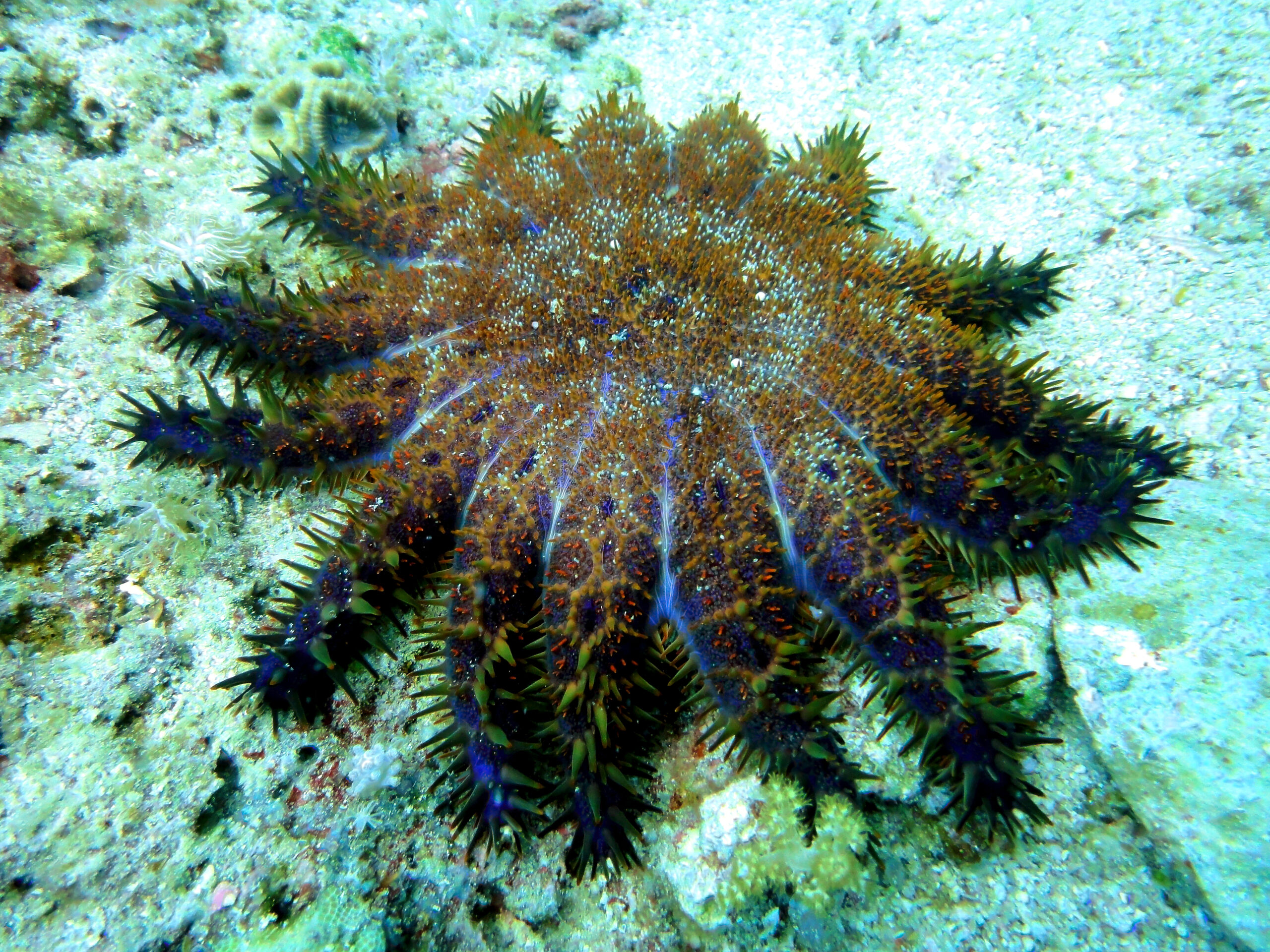 Photo Credit: Archaeodontosaurus / Wikimedia Commons
In the shimmering depths of the ocean, the starfish, or sea star, known scientifically as Asteroidea, sprawls across the rocky seafloor, a vibrant splash of color against the blues and greens of its underwater world. With its iconic star-shaped body, often adorned with hues of orange, purple, and even bright red, this remarkable creature captures the imagination of both scientists and nature lovers alike. Each of its five arms, or sometimes more, is lined with tiny tube feet that allow it to glide gracefully over the ocean floor, exploring its habitat and searching for food.
Starfish are not just beautiful; they are also incredibly important to their ecosystems. As carnivores, they play a vital role in controlling populations of mollusks, such as clams and oysters, ensuring a balanced marine environment. Their unique ability to regenerate lost arms adds to their allure, showcasing nature’s incredible resilience. This fascinating process not only helps them survive but also sparks curiosity about the mysteries of regeneration in the animal kingdom. As we dive deeper into the world of starfish, we will uncover their behaviors, diets, and the critical roles they play in the health of our oceans, revealing why these enchanting sea stars are truly a marvel of marine life.
Starfish, often called sea stars, hold a special place in the animal kingdom due to their unique body structure and fascinating abilities. These marine animals belong to the phylum Echinodermata, which means “spiny skin.” This group also includes sea urchins and sand dollars. What sets starfish apart is their radial symmetry, which means their body parts are arranged around a central axis, allowing them to move in any direction. With over 2,000 species, starfish are not just beautiful to look at; they play vital roles in their ecosystems, helping to maintain the balance of marine life.
| Taxonomic Rank | Scientific Name | Meaning & Significance |
|---|---|---|
| Kingdom | Animalia | The name “Animalia” comes from the Latin word “animalis,” meaning “having breath” or “living.” This classification includes all multicellular organisms that are capable of movement and responsive to their environment. |
| Phylum | Echinodermata | “Echinodermata” is derived from the Greek words “echinos,” meaning “spiny,” and “derma,” meaning “skin.” This name highlights the spiny exterior that characterizes many members of this group, including starfish. |
| Class | Asteroidea | The term “Asteroidea” comes from the Greek word “aster,” meaning “star.” This name reflects the star-like shape of these animals, which is one of their most recognizable features. |
| Family | Asteriidae | The family name “Asteriidae” is a variation of “Asteroidea,” emphasizing the star-like form of its members. It includes many of the common starfish we see in oceans around the world. |
| Genus | Asterias | “Asterias” is derived from the Greek word for “star,” further reinforcing the star shape of these organisms. This genus includes some of the most well-known starfish species. |
The classification of starfish reveals much about their evolutionary journey. As members of the Echinodermata phylum, they share a common ancestor with other spiny-skinned animals, dating back hundreds of millions of years. Their unique adaptations, such as the ability to regenerate lost arms and their specialized feeding methods, showcase how they have evolved to thrive in diverse marine environments. Understanding their place in the tree of life helps us appreciate the intricate connections between all living organisms and the importance of preserving their habitats.
The evolutionary journey of starfish, or sea stars, stretches back over 500 million years, making them ancient residents of our oceans. They first appeared during the Cambrian period, a time when life was just beginning to flourish in the seas. As the world changed, so did these remarkable animals, adapting to various environments and challenges that arose over millions of years.
Starfish are part of a larger group called Echinodermata, which includes sea urchins and sea cucumbers. Their ancestors were likely soft-bodied creatures that lived on the ocean floor. Over time, they developed a hard, calcareous (meaning made of calcium carbonate) skeleton, which provided protection against predators. This transition to a more rigid structure allowed them to thrive in diverse habitats, from coral reefs to rocky shores. Another significant change was the evolution of their radial symmetry, which means their bodies are arranged around a central axis. This design helps them move efficiently and capture prey from all directions.
Starfish have thrived for millions of years thanks to these incredible adaptations. Their ability to regenerate lost limbs not only aids in survival but also allows them to continue their role as important predators in marine ecosystems. The tube feet and water vascular system enable them to explore and exploit their surroundings effectively, while their unique feeding strategies ensure they can find food in various environments. Together, these traits have made starfish resilient and successful inhabitants of our oceans, showcasing the wonders of evolution in action.
Starfish, or sea stars, present a captivating sight beneath the waves. With their star-shaped bodies, they often have five arms, though some species can have many more. Their skin is a vibrant tapestry of colors, ranging from deep blues to bright oranges, and is covered in a bumpy, spiny texture that gives them a rugged appearance. This unique structure not only makes them visually striking but also plays a crucial role in their survival in the ocean’s diverse environments.
| Feature | Description |
|---|---|
| Weight | 0.1-6 kg (0.2-13 lbs) |
| Skin Type | Spiky |
| Most Distinctive Feature | Bumpy, spiny skin |
The combination of their weight and spiky skin serves multiple purposes. The spines help deter predators, making it less likely for fish or other animals to munch on them. Their varied colors can also provide camouflage, allowing them to blend into the rocky or sandy ocean floor. This clever design not only protects them but also aids in their ability to thrive in a world full of challenges, showcasing the incredible adaptability of life in the sea.
Starfish, or sea stars, thrive in the vibrant underwater world of coral reefs, where they find both shelter and food. These colorful ecosystems are bustling with life, providing a rich tapestry of corals, fish, and other marine organisms. The intricate structures of coral reefs create nooks and crannies, perfect for starfish to hide from predators and hunt for their next meal. As they cling to the rocky surfaces, their unique bodies blend seamlessly with the colorful corals, making them a delightful sight for divers and snorkelers alike.
Starfish prefer warm, shallow waters where sunlight can penetrate, allowing the corals to thrive. These areas typically have a stable temperature, usually between 68°F and 82°F (20°C to 28°C). The water is often clear, which helps starfish find food like mollusks and small fish. They also enjoy environments with plenty of structure, as this provides both hunting grounds and hiding spots from larger predators. The salinity, or saltiness, of the water is also important, as starfish are adapted to live in marine environments with specific salt concentrations.
To survive in their coral reef homes, starfish have developed some impressive adaptations. Their tough, spiny skin helps protect them from predators, while their tube feet, which operate like tiny suction cups, allow them to cling to surfaces and move across the reef. Starfish can also regenerate lost arms, a remarkable ability that helps them recover from injuries. This means that even if they face danger, they have a good chance of bouncing back and continuing their life in the bustling underwater world they call home.
Starfish lead a life that is both tranquil and intriguing. Each day, they slowly navigate the ocean floor, using their tube feet to glide over rocks and sand. These tube feet, which are part of a unique water vascular system, help them move and grip surfaces. Starfish are primarily nocturnal, meaning they are most active at night when they hunt for food. Their diet mainly consists of mollusks, such as clams and oysters, which they can pry open with their powerful arms. During the day, they often rest in crevices or under rocks, blending in with their surroundings to avoid predators.
While starfish are generally solitary creatures, they do exhibit some interesting behaviors when it comes to their interactions with others. They may occasionally be found near one another, especially in areas rich in food. However, they do not form social groups or colonies like some other marine animals. Instead, each starfish focuses on its own survival, using its keen sense of touch and chemical signals to detect food and potential mates. Their communication is subtle, relying on the environment and their own body language rather than vocal sounds.
| Behavior Type | Description |
|---|---|
| Activity Patterns | Starfish are primarily nocturnal, hunting for food at night and resting during the day. |
| Social Structure | Starfish are solitary animals, typically not forming groups or colonies. |
| Communication Methods | They communicate through chemical signals and body language, rather than vocal sounds. |
The behaviors of starfish are finely tuned to ensure their survival in the vast ocean. By being active at night, they reduce the risk of predation while hunting for food. Their solitary nature allows them to focus on their own needs without the competition that comes with group living. This independence, combined with their unique adaptations, helps them thrive in diverse marine environments, showcasing the incredible resilience of life beneath the waves.
Starfish are carnivorous animals, meaning they primarily eat other animals. Their favorite foods include mollusks, which are soft-bodied creatures often protected by hard shells, like clams and oysters. To obtain their meals, starfish have developed some clever feeding strategies. They can extend their stomachs out of their bodies to envelop and digest their prey right on the spot. This unique method allows them to consume animals that are often much larger than their mouths!
| Dietary Aspect | Details |
|---|---|
| Diet Type | Carnivore |
| Favorite Foods | Mollusks, such as clams and oysters |
| Prey Items | Soft-bodied animals with hard shells |
| Hunting/Foraging Strategies | Extending their stomachs to digest prey externally |
This diet plays a crucial role in the ecology of their habitats. By preying on mollusks, starfish help maintain the balance of marine ecosystems. Their feeding habits can influence the population dynamics of these shellfish, which in turn affects the overall health of coral reefs and other underwater environments. As they go about their daily routines, starfish contribute to the intricate web of life beneath the waves, showcasing the interconnectedness of all ocean inhabitants.
Starfish have a fascinating approach to reproduction that often takes place during the warmer months of the year. During the breeding season, which can vary depending on the species and location, these marine animals engage in a spectacular mating ritual. Male starfish release sperm into the water, while females simultaneously release eggs. This synchronized release increases the chances of fertilization, as the sperm and eggs mix in the ocean currents.
| Reproductive Aspect | Details |
|---|---|
| Gestation Period | 4-8 weeks |
| Average Litter Size | 1 Million |
| Age of Maturity | 2-3 years |
| Name of Young | Larvae |
Once the eggs are fertilized, they develop into larvae, which are tiny and free-floating. These larvae drift in the ocean for several weeks, feeding on plankton and growing as they go. After this stage, they undergo a transformation, settling on the ocean floor and gradually developing into adult starfish. Interestingly, starfish do not provide parental care after the eggs are released, relying instead on the vastness of the ocean to nurture their young. This strategy allows them to produce millions of offspring, ensuring that some will survive to adulthood in the bustling underwater world.
Starfish, or sea stars, play an important role in the marine food web. As carnivores, they help control populations of mollusks and other small invertebrates, ensuring a balanced ecosystem. However, they are not at the top of the food chain. Various predators and environmental threats can impact their survival, making them vulnerable despite their tough exterior.
To defend themselves against these threats, starfish have developed several survival strategies. One of their most fascinating abilities is regeneration; if a starfish loses an arm, it can grow a new one! This not only helps them recover from predator attacks but also allows them to escape when necessary. Additionally, their tough, spiny skin can deter some predators, while their ability to blend into the ocean floor provides camouflage. By using these clever tactics, starfish continue to thrive in the ever-changing marine environment.
A keystone species is an organism that has a disproportionately large impact on its environment relative to its abundance. In the case of starfish, or sea stars, they certainly qualify as a keystone species in their ecosystems, particularly in coral reefs. Their presence and feeding habits help maintain the balance of marine life, making them crucial players in the underwater world.
Starfish are carnivorous and primarily feed on mollusks, such as clams and oysters. By preying on these animals, they help control their populations. If starfish were to disappear, the number of mollusks could explode, leading to overgrazing of algae and other marine plants. This imbalance can disrupt the entire ecosystem, affecting not just the plants but also the many species that rely on them for food and habitat.
Additionally, starfish contribute to the health of coral reefs by keeping the populations of certain invertebrates in check. For example, they can prevent the overpopulation of sea urchins, which, if left unchecked, can devastate coral by consuming it. This predatory behavior helps maintain the biodiversity of the reef, allowing various species to thrive in a balanced environment.
Starfish also play a role in nutrient cycling. As they consume their prey, they break down organic matter, which contributes to the nutrient pool in the water. This process supports the growth of other marine organisms, creating a vibrant and diverse ecosystem.
If starfish were to vanish from their habitats, the consequences would be dire. The unchecked growth of mollusk populations could lead to a decline in coral health, resulting in less shelter and food for countless marine species. This chain reaction could ultimately lead to a less diverse and less resilient ecosystem, making it harder for many marine animals to survive. The loss of starfish would not only affect the immediate environment but could also ripple through the entire oceanic food web, highlighting just how vital these fascinating creatures are to the health of our oceans.
Starfish, also known as sea stars, play a vital role in shaping their underwater ecosystems, particularly in coral reefs. These fascinating creatures are not just beautiful to look at; they are also essential for maintaining the balance of marine life. As carnivores, they primarily feed on mollusks, such as clams and oysters, which helps regulate these populations. By doing so, starfish ensure that no single species dominates the ecosystem, allowing for a diverse range of marine organisms to thrive.
| Ecosystem Service | Impact |
|---|---|
| Population Control | Starfish keep mollusk populations in check, preventing overpopulation and promoting biodiversity. |
| Habitat Maintenance | By feeding on certain species, starfish help maintain the health of coral reefs, which are crucial for many marine species. |
| Food Source | Starfish serve as prey for various marine animals, contributing to the food web. |
| Bioturbation | Their movement across the ocean floor helps aerate the substrate, promoting a healthy environment for other organisms. |
Starfish influence their ecosystems in several specific ways. For instance, when they consume bivalves like clams, they prevent these mollusks from overgrowing and smothering coral reefs. This feeding behavior allows corals to receive the sunlight they need to grow and thrive. Additionally, starfish are known to create small disturbances in the ocean floor, which can help other organisms, like sea cucumbers and various invertebrates, flourish. Their presence is a clear indicator of a healthy marine environment, as they contribute to the intricate web of life in coral reefs.
The broader ecological importance of starfish cannot be overstated. As keystone species, their impact on the ecosystem is significant compared to their numbers. By controlling the populations of other marine organisms, they help maintain the delicate balance of life in coral reefs. This balance is crucial not only for the health of the reef itself but also for the countless species that depend on it for survival. In essence, starfish are not just inhabitants of the ocean; they are vital architects of their underwater world, ensuring that it remains vibrant and diverse for generations to come.
Symbiosis is a captivating concept in nature, where different species interact in ways that can benefit one or both parties. These ecological relationships can take many forms, including mutualism, where both species gain advantages, parasitism, where one benefits at the other’s expense, and commensalism, where one species benefits while the other is neither helped nor harmed. Starfish, or sea stars, engage in various partnerships with other marine organisms, showcasing the intricate web of life beneath the waves.
| Species/Type | Relationship Type | Description |
|---|---|---|
| Coral | Mutualistic | Starfish help control coral-eating predators, while corals provide shelter and habitat for the starfish. |
| Sea Urchins | Parasitic | Some starfish may feed on sea urchins, taking nutrients from them, which can harm the urchin population. |
| Barnacles | Commensal | Barnacles attach to the starfish’s surface, gaining mobility and access to food without affecting the starfish. |
These relationships have evolved over millions of years, shaped by the needs and behaviors of the species involved. Starfish have developed strategies to thrive in their environments, whether by forming beneficial partnerships with corals or by preying on sea urchins. Each interaction plays a role in maintaining the balance of marine ecosystems, highlighting the importance of cooperation and competition in the natural world. Understanding these connections helps us appreciate the complexity of life in our oceans and the delicate balance that sustains it.
Starfish, or sea stars, are truly captivating inhabitants of our oceans, showcasing a range of surprising traits that many people might not know. These remarkable creatures are not just beautiful; they also possess some extraordinary abilities and adaptations that make them stand out in the marine world.
Throughout history, starfish have captivated human imagination and culture. Ancient civilizations often viewed these marine wonders as symbols of regeneration and resilience, thanks to their remarkable ability to regenerate lost arms. In various cultures, they have appeared in art and folklore, representing the mysteries of the ocean. From the shores of the Mediterranean to the coasts of the Pacific, starfish have been a source of inspiration and curiosity, reminding us of the beauty and complexity of marine life.
In modern times, our interactions with starfish have evolved significantly. Conservation efforts are underway to protect their habitats, especially as climate change and pollution threaten their survival. However, conflicts can arise, particularly in coastal areas where starfish populations can impact local fisheries. Some species, like the crown-of-thorns starfish, can become invasive, leading to coral reef damage and prompting human intervention. Interestingly, there are also efforts to study starfish for potential applications in medicine, as their unique biological properties may hold secrets for human health.
Looking ahead, the relationship between starfish and humanity is poised for change. As we become more aware of the delicate balance within marine ecosystems, our approach to starfish will likely shift towards greater stewardship and respect. By fostering a deeper understanding of these incredible creatures, we can ensure that future generations appreciate their role in the ocean’s tapestry. Together, we can work towards a harmonious coexistence that benefits both starfish and the human communities that cherish them.
Starfish, or sea stars, are currently classified as Near Threatened according to the International Union for Conservation of Nature (IUCN). This status indicates that while they are not yet endangered, their populations are facing significant pressures that could lead to a decline if not addressed. The exact number of starfish in the oceans remains unknown, making it challenging to assess their overall health and trends. However, scientists are increasingly concerned about the impacts of environmental changes on these fascinating marine animals.
| Conservation Factor | Status/Details |
|---|---|
| IUCN Status | Near Threatened |
| Estimated Population Size | Unknown |
| Population Trend | Declining |
One of the main threats to starfish populations is climate change, which is causing ocean temperatures to rise. Warmer waters can lead to coral bleaching, affecting the habitats where many starfish thrive. Additionally, ocean acidification, a result of increased carbon dioxide levels, can harm the delicate balance of marine ecosystems. Overfishing and habitat destruction also pose significant risks, as they disrupt the food web and reduce the availability of prey for these remarkable animals.
Conservation efforts are underway to protect starfish and their habitats. Marine protected areas are being established to safeguard critical ecosystems, allowing starfish populations to recover. Researchers are also studying the effects of climate change on marine life, aiming to develop strategies to mitigate these impacts. With continued awareness and action, there is hope for the future of starfish, ensuring that these captivating creatures remain a vibrant part of our oceans for generations to come.
| Question | Answer |
|---|---|
| Where do starfish live? | Starfish are commonly found in coral reefs, which are vibrant underwater ecosystems. They thrive in warm, shallow waters where they can easily find food and shelter among the corals and rocks. |
| What do starfish eat? | Starfish are carnivores, meaning they primarily eat other animals. Their diet often includes mollusks like clams and oysters, which they can pry open using their strong arms and unique feeding technique. |
| How do starfish behave? | Starfish are known for their slow movement and unique way of exploring their environment. They use tiny tube feet located on their underside to crawl along the ocean floor, and they can also regenerate lost arms, which is a fascinating behavior that helps them survive. |
| How do starfish reproduce? | Starfish can reproduce both sexually and asexually. In sexual reproduction, they release eggs and sperm into the water, where fertilization occurs. Asexually, they can regenerate a new starfish from a single arm, as long as part of the central disc is attached. |
| What threats do starfish face? | Starfish are currently classified as Near Threatened due to various environmental challenges. These include habitat loss from coral reef destruction, climate change, and pollution, which can impact their populations and ecosystems. |
| What is a unique characteristic of starfish? | One of the most distinctive features of starfish is their bumpy, spiny skin. This texture not only helps protect them from predators but also allows them to blend into their surroundings, making them less visible to potential threats. |
| Can starfish feel pain? | While starfish do not have a brain like humans, they have a complex nervous system that allows them to respond to their environment. This means they can sense danger and react, but whether they experience pain in the same way we do is still a topic of scientific debate. |