Taxonomy & Classification
- Kingdom
- Animalia
- Phylum
- Chordata
- Class
- Aves
- Order
- Ciconiiformes
- Family
- Ciconiidae
- Genus
- Ciconia

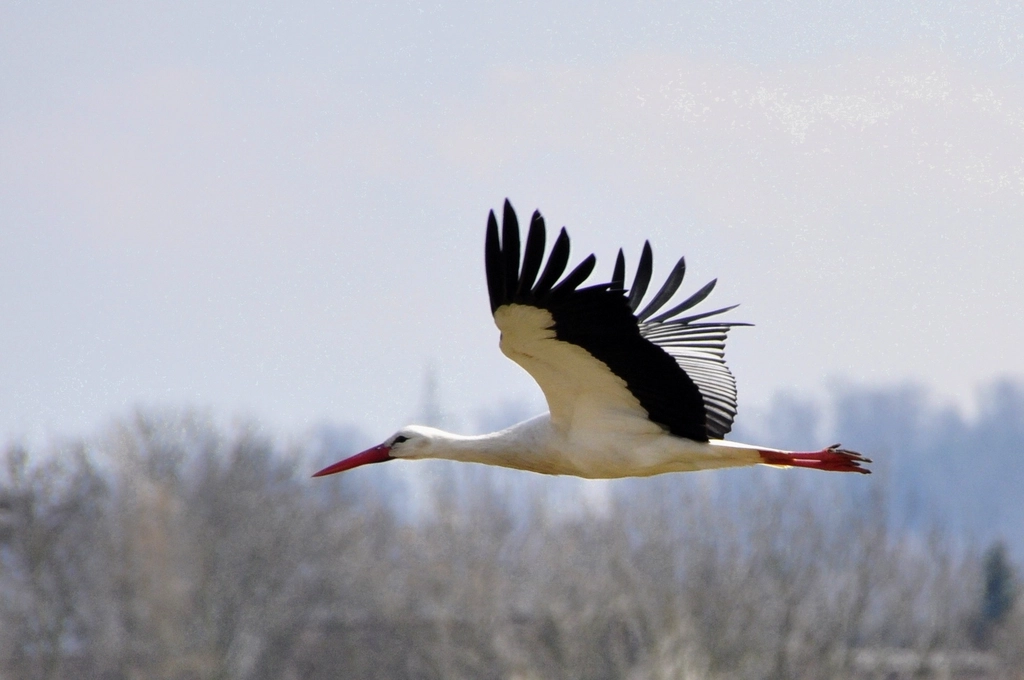 Photo Credit: Rawpixel
In the shimmering light of dawn, the stork, known scientifically as Ciconia, stands tall and poised at the edge of a tranquil marsh. With its long, slender legs and striking white plumage, this elegant bird captures the attention of anyone lucky enough to witness its graceful presence. The stork’s distinctive long neck and sharp, pointed bill are perfectly designed for its diet, which includes a variety of small creatures like fish, frogs, and insects. As it wades through the shallow waters, the stork’s keen eyes scan the surface, ready to strike with precision. This captivating bird is not just a beautiful sight; it plays a vital role in its ecosystem, helping to maintain the balance of nature.
Storks have fascinated scientists and nature enthusiasts alike for centuries, not only for their striking appearance but also for their intriguing behaviors. These birds are known for their elaborate courtship rituals, which often involve impressive aerial displays and synchronized movements. They are also remarkable for their migratory patterns, traveling thousands of miles between breeding and wintering grounds. As they soar through the sky, storks symbolize hope and renewal in many cultures, often associated with good fortune and new beginnings. Join us as we explore the world of storks, uncovering their secrets and the vital roles they play in our ecosystems.
Storks are captivating birds that hold a special place in the animal kingdom. They belong to the class Aves, which means they are part of the diverse group of animals known as birds. Storks are particularly interesting because of their long legs, large wingspans, and distinctive bills, which they use to hunt for fish, frogs, and other small creatures. These elegant birds are often seen wading in shallow waters or soaring gracefully through the sky. Their unique nesting habits, often building large nests on tall structures, add to their charm and make them a symbol of good luck in many cultures.
| Taxonomic Rank | Scientific Name | Meaning & Significance |
|---|---|---|
| Kingdom | Animalia | This name comes from the Latin word for “animal,” highlighting that storks are multicellular organisms that consume organic material for energy. |
| Phylum | Chordata | Derived from the Greek word “chordē,” meaning “string,” this classification indicates that storks have a backbone, a key feature of vertebrates. |
| Class | Aves | This term is Latin for “birds,” emphasizing the unique characteristics of storks, such as feathers and the ability to lay eggs. |
| Order | Ciconiiformes | From the Latin “ciconia,” meaning “stork,” this order groups storks with other similar wading birds, highlighting their shared traits. |
| Family | Ciconiidae | This family name also comes from “Ciconia,” reinforcing the connection between storks and their relatives, which share similar physical features and behaviors. |
| Genus | Ciconia | The genus name is directly linked to the stork itself, emphasizing its identity and the characteristics that define this group of birds. |
Understanding the taxonomic classification of storks reveals much about their evolutionary history. As members of the Ciconiidae family, storks share a common ancestor with other wading birds, which adapted to life near water. Their long legs and specialized bills are perfect for foraging in wetlands, showcasing how evolution shapes physical traits to suit environmental needs. This classification not only highlights their biological relationships but also illustrates the fascinating journey of adaptation that has allowed storks to thrive in diverse habitats around the world.
The evolutionary journey of storks stretches back millions of years, tracing their lineage to the late Cretaceous period, around 70 million years ago. This was a time when the Earth was teeming with dinosaurs, and the ancestors of modern birds were just beginning to take flight. As the ages passed, these early avian forms evolved, adapting to changing environments and climates, leading to the storks we recognize today.
Storks belong to the family Ciconiidae and the genus Ciconia. Their ancestors were likely wading birds that thrived in wetlands and marshes. Over time, they developed long legs and necks, which allowed them to forage in shallow waters for fish, frogs, and other small creatures. This adaptation was crucial as it enabled them to exploit a variety of food sources. The transition from forest-dwelling birds to those that preferred open habitats marked a significant evolutionary step, allowing storks to spread across diverse landscapes.
These evolutionary adaptations have been vital for the survival of storks in various environments. Their long legs and strong beaks allow them to thrive in wetlands, while their large wings enable them to migrate across vast distances in search of food and favorable climates. By developing social behaviors, storks can protect themselves from predators, ensuring their continued existence. Each of these traits has played a crucial role in helping storks navigate the challenges of their habitats, making them successful and enduring members of the avian world.
Storks are striking birds that command attention with their tall, elegant stature. Standing on long, slender legs, they can reach impressive heights, often towering over other birds in their habitat. Their long necks give them a graceful appearance, while their elongated bills are perfectly designed for foraging in shallow waters. With a body that is both sturdy and streamlined, storks are built for both flight and wading, making them versatile hunters in their wetland homes.
| Feature | Description |
|---|---|
| Weight | 6.2 to 7.3 lbs |
| Skin Type | Feathers |
| Most Distinctive Feature | Long legs, long neck, and long bill |
The combination of these features plays a crucial role in the stork’s survival. Their long legs allow them to wade through water with ease, searching for fish and amphibians. The long neck helps them reach into deeper waters or tall grasses, while their sharp bill is perfect for snatching up prey. Together, these adaptations make storks highly effective hunters, enabling them to thrive in their aquatic environments.
Storks thrive in a variety of habitats that paint a picture of serene landscapes. Imagine wide-open grasslands where the sun shines brightly, light woodlands that provide a gentle shade, and marshes filled with the sounds of chirping insects and rustling reeds. These birds are often found near rivers and ponds, where they can wade through shallow waters in search of food. Their homes are a blend of lush greenery and sparkling water, creating a perfect setting for these elegant birds to live and thrive.
Storks prefer climates that offer a mix of warmth and moisture. They are often found in regions where the weather is mild, allowing for the growth of rich vegetation. Wet meadows and marshes provide the necessary water sources, while open grasslands offer ample space for foraging. These environments are not only comfortable for storks but also support a variety of prey, such as fish, frogs, and insects, which are essential for their diet.
To thrive in these diverse habitats, storks have developed several adaptations. Their long legs allow them to wade through shallow waters with ease, while their keen eyesight helps them spot food from a distance. Storks are also skilled at building nests in tall trees or on high structures, providing safety for their young. These adaptations enable them to make the most of their surroundings, ensuring they can find food and raise their chicks successfully in the wild.
Storks lead a daily life that is both structured and dynamic, filled with activities that revolve around their need for food, social interaction, and nesting. As dawn breaks, these elegant birds begin their day by foraging for food, often wading through shallow waters or scouring fields for tasty morsels. Their diet mainly consists of fish, frogs, insects, and small mammals, which they skillfully catch with their long, pointed beaks. Throughout the day, storks can be seen standing patiently, waiting for the perfect moment to strike, or gracefully walking through their habitat in search of their next meal.
Social behavior is a key aspect of stork life, as these birds often gather in groups, especially during the breeding season. They are known for their strong pair bonds, which they form during courtship displays that include elaborate dances and synchronized movements. Storks communicate with each other through a variety of vocalizations, such as clattering their bills, which serves as a way to establish territory and strengthen social bonds. These gatherings not only enhance their social structure but also provide safety in numbers, as they can alert each other to potential threats.
| Behavior Type | Description |
|---|---|
| Foraging | Storks search for food in shallow waters and fields, using their long beaks to catch fish, frogs, and insects. |
| Social Interaction | They gather in groups, especially during breeding, and engage in courtship displays to strengthen pair bonds. |
| Communication | Storks use vocalizations, like bill clattering, to communicate with each other and establish territory. |
| Nesting | They build large nests in tall trees or on man-made structures, often returning to the same site year after year. |
The behaviors of storks are not just fascinating; they are essential for their survival. By foraging in groups, they increase their chances of finding food and staying safe from predators. Their social structures help them raise young more effectively, as both parents often participate in caring for the chicks. Through their intricate communication methods, storks maintain strong relationships within their flocks, ensuring that they can thrive in their environments. Each behavior plays a vital role in the delicate balance of life, showcasing the beauty of nature’s design.
Storks are carnivorous birds, meaning they primarily eat meat. Their diet is diverse, consisting of a variety of prey that includes insects, amphibians, small mammals, bird eggs, fish, and crustaceans. Storks are skilled foragers, using their keen eyesight to spot food from a distance. They often wade through shallow waters or walk through grasslands, using their long legs to probe the ground or water for hidden treats. This feeding behavior not only showcases their adaptability but also highlights their role as opportunistic hunters in their ecosystems.
| Dietary Aspect | Details |
|---|---|
| Diet Type | Carnivore |
| Favorite Foods | Insects, amphibians, small mammals, bird eggs, fish, crustaceans |
| Prey Items | Insects, frogs, small rodents, fish, and crustaceans |
| Hunting/Foraging Strategies | Wading through shallow waters, walking through grasslands, using keen eyesight to spot prey |
The diet of storks plays a crucial role in shaping their ecology and daily routines. By consuming a wide range of prey, they help control insect populations and maintain the balance of their habitats. Their foraging habits also influence their migratory patterns, as they often follow food sources during seasonal changes. This connection between diet and behavior illustrates how storks are not just passive inhabitants of their environments but active participants in the intricate web of life.
Storks are known for their elaborate courtship rituals, which often take place during the breeding season. This season varies depending on the species and their geographical location, but it typically occurs in spring. During this time, storks engage in impressive displays, such as synchronized flying and dancing, to attract mates. Once a pair has formed a bond, they will work together to build a sturdy nest, often returning to the same nesting site year after year. This commitment to their partner and nesting location is a key part of their reproductive behavior.
| Reproductive Aspect | Details |
|---|---|
| Gestation Period | About 30 days |
| Litter Size | Typically 2 to 5 eggs |
| Age of Maturity | 2 to 4 years |
| Name of Young | Chicks |
Once the eggs hatch, the stork parents take on the important role of caregivers. They feed their chicks a diet of regurgitated food, which is rich in nutrients and helps the young birds grow strong. The chicks are born covered in downy feathers and are initially helpless, relying entirely on their parents for warmth and protection. As they grow, they begin to develop their feathers and learn to stand and walk. By the time they reach maturity, usually between 2 to 4 years, they are ready to take on the world, often returning to the same nesting sites to start families of their own. This cycle of life continues, showcasing the enduring bond between storks and their young.
Storks occupy a vital role in the food web, acting as both predators and prey. These elegant birds primarily feed on small animals, helping to control populations of insects and amphibians. However, they are not at the top of the food chain. Various predators and environmental threats can impact their survival, making their existence a delicate balance within their ecosystems.
To defend themselves against these dangers, storks have developed several survival strategies. They often nest in high, inaccessible places to avoid ground predators. When threatened, they can take flight with their powerful wings, soaring away to safety. Additionally, their long legs allow them to wade through shallow waters, where they can find food while staying out of reach from some land-based threats. By adapting to their environment and using their keen senses, storks continue to thrive despite the challenges they face.
A keystone species is an organism that plays a crucial role in maintaining the structure of its ecosystem. This means that its presence and activities significantly influence the environment and the other species living there. Storks qualify as a keystone species due to their unique position in the food web and their impact on the habitats they occupy.
Storks are carnivorous birds that primarily feed on small animals, including insects, amphibians, and fish. By preying on these species, they help regulate their populations, preventing any one group from becoming too dominant. For example, by controlling insect populations, storks contribute to the health of the grasslands and wetlands where they live. This balance is essential for the growth of plants and the overall health of the ecosystem. Additionally, storks often nest in large colonies, which can create a microhabitat that supports various other species, from insects to small mammals.
The presence of storks also indicates a healthy environment. They thrive in open grasslands, light woodlands, and marshes, which are all vital ecosystems. Their nesting and feeding habits can help shape the landscape, promoting biodiversity. For instance, as they forage for food, they disturb the soil and water, which can benefit plant growth and create habitats for other animals.
If storks were to disappear from their ecosystems, the consequences could be significant. Without these birds, insect and amphibian populations could surge, leading to overgrazing of vegetation and a decline in plant diversity. This imbalance could ripple through the food web, affecting other species that rely on plants for food and shelter. Ultimately, the loss of storks would not only disrupt the delicate balance of their habitats but could also diminish the overall health and resilience of the ecosystems they help sustain.
Storks play a vital role in their ecosystems, acting as both predators and indicators of environmental health. These elegant birds thrive in open grasslands, light woodlands, and marshes, where they find abundant food and nesting sites. Their presence signals a balanced ecosystem, as they rely on healthy populations of fish, amphibians, and insects. By maintaining their habitat, storks contribute to the overall biodiversity of the areas they inhabit.
| Ecosystem Service | Impact |
|---|---|
| Predation | Control populations of insects and small animals, helping to maintain ecological balance. |
| Habitat Creation | Build nests in trees and wetlands, providing shelter for other species. |
| Indicator Species | Reflect the health of wetland ecosystems, signaling changes in environmental conditions. |
| Seed Dispersal | Assist in the spread of plant species through their feeding habits. |
Storks influence their environment in several specific ways. For instance, by feeding on amphibians and insects, they help regulate these populations, preventing overpopulation that could lead to habitat degradation. Their nesting activities can also create opportunities for other birds and small mammals, as abandoned nests may be repurposed by different species. Additionally, storks often forage in shallow waters, which can help aerate the soil and promote healthy plant growth in wetlands.
The broader ecological importance of storks cannot be overstated. As keystone species, their presence is crucial for maintaining the structure and function of their ecosystems. When stork populations decline, it can signal underlying issues such as habitat loss or pollution, which can have cascading effects on other wildlife. By protecting storks and their habitats, we not only ensure the survival of these magnificent birds but also support the health of entire ecosystems, making our world a richer and more vibrant place.
In the intricate web of life, storks engage in various partnerships with other species, showcasing the beauty of symbiosis. Symbiosis refers to the close interactions between different species, which can be beneficial, harmful, or neutral. These relationships can take many forms, such as mutualism, where both species gain advantages, parasitism, where one benefits at the other’s expense, and commensalism, where one species benefits while the other is neither helped nor harmed. Understanding these connections helps us appreciate the delicate balance of ecosystems and the roles that different animals play within them.
| Species/Type | Relationship Type | Description |
|---|---|---|
| Oxpeckers | Mutualistic | Oxpeckers are small birds that perch on storks, feeding on ticks and parasites found on their skin. This helps keep the storks healthy while providing food for the oxpeckers. |
| Fish | Commensal | Storks often hunt in shallow waters where fish swim. While the storks benefit from the easy meal, the fish are generally unaffected by the storks’ presence. |
| Leeches | Parasitic | Leeches can attach to storks, feeding on their blood. This relationship is harmful to the storks, as it can lead to blood loss and potential infections. |
These relationships have evolved over time, shaped by the needs and behaviors of the species involved. Mutualistic partnerships, like that between storks and oxpeckers, highlight how cooperation can enhance survival for both parties. Meanwhile, parasitic relationships, such as those with leeches, remind us of the challenges that come with living in a shared environment. By understanding these interactions, we gain insight into the complex dynamics of ecosystems and the importance of each species in maintaining ecological balance.
Storks are fascinating birds that have captured the imagination of people for centuries. Known for their long legs, necks, and bills, these elegant creatures are more than just a pretty sight. Here are some surprising facts about storks that will intrigue nature enthusiasts of all ages.
Throughout history, storks have woven themselves into the fabric of human culture and folklore. These elegant birds, often seen gliding gracefully through the sky, have been symbols of good luck, fertility, and new beginnings in many societies. In ancient times, people believed that storks brought babies, a notion that still lingers in popular culture today. Their migratory patterns and nesting habits have inspired countless stories and traditions, making them a beloved part of our shared human experience.
In modern times, the relationship between storks and humanity has evolved, reflecting both cooperation and conflict. Conservation efforts have emerged to protect stork habitats, as many species face threats from habitat loss and climate change. In some regions, storks have adapted to urban environments, nesting on rooftops and chimneys, which can lead to conflicts with homeowners. Interestingly, some cultures have embraced storks as domesticated birds, raising them for their beauty and ecological benefits, such as pest control.
As we look to the future, the relationship between storks and humanity holds both promise and challenges. With ongoing conservation efforts and a growing awareness of the importance of biodiversity, there is hope for a harmonious coexistence. By valuing these magnificent birds and their role in our ecosystems, we can ensure that storks continue to inspire and enrich our lives for generations to come.
The conservation status of storks is currently classified as “Least Concern” by the International Union for Conservation of Nature (IUCN). This means that, overall, storks are not facing immediate threats that could lead to their extinction. With an estimated population size of over 700,000 individuals, these birds are relatively stable in many regions. However, while some populations are thriving, others may be experiencing localized declines due to various environmental pressures.
| Conservation Factor | Status/Details |
|---|---|
| IUCN Status | Least Concern |
| Estimated Population Size | 700,000+ |
| Population Trend | Stable in many areas, but some local declines |
Despite their overall stable status, storks face several significant threats that can impact their populations. Habitat loss is one of the primary concerns, as wetlands and marshes—essential for their feeding and nesting—are often drained for agriculture or urban development. Pollution also poses a risk, as chemicals can contaminate their food sources, leading to health issues. Additionally, climate change is altering their habitats and food availability, which can disrupt their breeding and migratory patterns.
Conservation efforts are underway to protect stork populations and their habitats. Organizations are working to restore wetlands and promote sustainable land-use practices that benefit both wildlife and humans. Public awareness campaigns aim to educate communities about the importance of storks in ecosystems and the need to preserve their natural environments. With continued efforts and support, the outlook for storks remains hopeful, allowing future generations to enjoy these magnificent birds soaring through the skies.
| Question | Answer |
|---|---|
| What is the habitat of storks? | Storks thrive in open grasslands, light woodlands, marshes, and wet meadows. They are often found near rivers and ponds, where they can easily find food and nesting sites. |
| What do storks eat? | Storks are carnivores, which means they primarily eat meat. Their diet mainly consists of fish, frogs, insects, and small mammals, which they catch using their long bills. |
| How do storks behave in the wild? | Storks are known for their graceful movements and social behavior. They often gather in large groups, especially during migration, and communicate with each other through a series of clattering sounds made by their bills. |
| How do storks reproduce? | Storks typically mate for life and return to the same nesting sites each year. They build large nests made of sticks and other materials, where the female lays 2 to 5 eggs that both parents help to incubate. |
| What threats do storks face? | While storks are currently classified as Least Concern, they still face threats from habitat loss due to urban development and pollution. Climate change can also impact their migratory patterns and food availability. |
| What are some interesting characteristics of storks? | Storks are easily recognized by their long legs, long necks, and long bills, which help them wade through water and catch prey. They are also known for their impressive migratory journeys, traveling thousands of miles between breeding and wintering grounds. |
| Do storks have any special adaptations? | Yes, storks have several adaptations that help them survive. Their long legs allow them to wade in shallow waters, while their keen eyesight helps them spot prey from a distance. |