Taxonomy & Classification
- Kingdom
- Animalia
- Phylum
- Chordata
- Class
- Aves
- Order
- Passeriformes
- Family
- Hirundinidae
- Genus
- Tachycineta, Atticora, and more
- Species
- Tachycineta bicolor, Atticora fasciata, and more

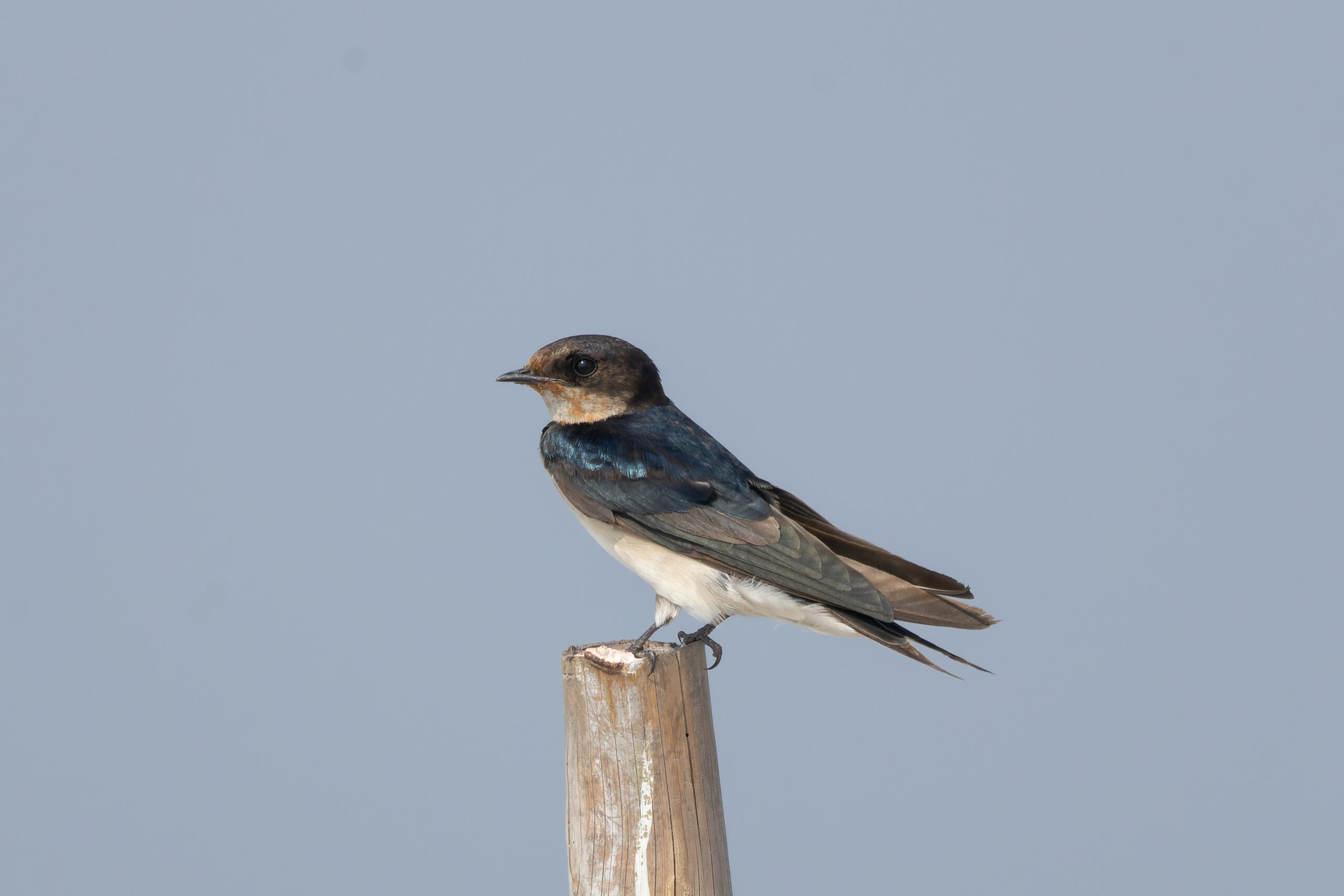 Photo Credit: Tisha Mukherjee / Wikimedia Commons
In the world of birds, the swallow, known scientifically as Hirundo, stands out with its streamlined body and pointed wings, making it a master of the skies. Picture a warm summer evening, where the sun dips low on the horizon, casting a golden glow over open fields and shimmering lakes. Here, swallows dance through the air, their agile forms darting and swooping with breathtaking precision. With their iridescent feathers glinting in the fading light, these birds are not just a delight to the eyes; they are a marvel of nature that captivates scientists and nature lovers alike.
Swallows are more than just beautiful flyers; they play a crucial role in their ecosystems. As insectivores, they feast on a variety of insects, helping to keep pest populations in check. Their impressive aerial acrobatics, which include catching food mid-flight, showcase their remarkable adaptations for survival. This combination of grace and utility makes swallows a fascinating subject of study, revealing insights into the delicate balance of nature. As we explore the life of these enchanting birds, we will uncover their behaviors, habitats, and the challenges they face in a rapidly changing world. Join us on this journey to discover the secrets of the swallow and the vital role it plays in our environment.
Swallows are captivating birds that belong to the family Hirundinidae, which is part of the larger order Passeriformes, known as perching birds. These agile flyers are celebrated for their incredible aerial skills and their ability to catch insects mid-flight. With their streamlined bodies and long, pointed wings, swallows are perfectly adapted for life on the wing. Their unique nesting habits, often building mud nests under eaves or in cliffs, further set them apart in the animal kingdom. This combination of physical traits and behaviors makes swallows not only fascinating to observe but also important indicators of environmental health.
| Taxonomic Rank | Scientific Name | Meaning & Significance |
|---|---|---|
| Kingdom | Animalia | This name signifies that swallows are part of the vast group of multicellular organisms that are primarily heterotrophic, meaning they consume organic material for energy. |
| Phylum | Chordata | Chordata refers to animals that have a notochord, a flexible rod that supports the body. In swallows, this structure is present during their early development. |
| Class | Aves | Aves is the class that includes all birds. The name comes from the Latin word for bird, highlighting their feathered bodies and ability to fly. |
| Order | Passeriformes | This order, known as perching birds, derives its name from the Latin word “passer,” meaning sparrow. It emphasizes the diverse group of birds that includes swallows, which are known for their perching habits. |
| Family | Hirundinidae | The family name Hirundinidae comes from the Latin word “hirundo,” meaning swallow. This directly connects to the birds’ swift flight and their insect-catching prowess. |
| Genus | Tachycineta, Atticora, and more | Tachycineta means “swift swimmer” in Greek, reflecting their fast flying abilities, while Atticora refers to their nesting habits, often found in close association with human structures. |
The classification of swallows reveals a rich evolutionary history that connects them to a diverse lineage of birds. As members of the order Passeriformes, they share a common ancestor with many other songbirds, showcasing the adaptability and specialization that have allowed them to thrive in various environments. Their unique adaptations, from their aerodynamic bodies to their social behaviors, highlight the intricate web of life that has evolved over millions of years. Understanding where swallows fit in the tree of life not only deepens our appreciation for these remarkable birds but also emphasizes the importance of conserving their habitats for future generations.
The evolutionary journey of swallows stretches back millions of years, tracing their lineage to the late Cretaceous period, around 70 million years ago. This was a time when the Earth was teeming with dinosaurs, and the ancestors of modern birds were just beginning to take flight. Over time, these early avian forms evolved, adapting to various environments and lifestyles, leading to the diverse family of swallows we see today.
Swallows belong to the family Hirundinidae, which includes several genera like Tachycineta and Atticora. Their ancestors were likely small, insect-eating birds that took to the skies, developing traits that would help them thrive in open habitats. One major transition in their evolution was the development of a streamlined body shape, which allowed for agile flight. This adaptation was crucial for catching insects mid-air, a primary food source for these birds. Additionally, swallows evolved long, pointed wings that enhance their speed and maneuverability, making them expert fliers. Their short, forked tails also play a role in steering during rapid turns, helping them evade predators and navigate through complex environments.
The adaptations of swallows have been vital for their survival in a world filled with challenges. Their ability to fly swiftly and efficiently allows them to catch insects on the wing, providing a steady food source. The aerodynamic features of their bodies not only enhance their hunting skills but also help them migrate over long distances, ensuring they can find suitable habitats throughout the year. As a result, swallows have thrived in diverse environments, showcasing the power of evolution in shaping life on Earth.
Swallows are a sight to behold, embodying grace and agility in their sleek forms. With their streamlined bodies, these birds are built for speed, allowing them to dart through the air with remarkable ease. Their pointed wings stretch out like arrows, enabling swift maneuvers as they chase after insects. The overall impression of a swallow is one of elegance, with a silhouette that seems to dance against the backdrop of the sky.
| Feature | Description |
|---|---|
| Weight | 0.35 to 2.12 ounces |
| Skin Type | Feathers |
| Most Distinctive Feature | Streamlined bodies, pointed wings |
These physical characteristics are not just for show; they play crucial roles in the swallow’s survival. The lightweight body allows for quick takeoffs and rapid changes in direction, which are essential for catching flying insects mid-air. The pointed wings reduce drag, making it easier for swallows to glide effortlessly through the air. Together, these features create a perfect blend of form and function, enabling swallows to thrive in their environments as agile hunters and skilled fliers.
Swallows thrive in a variety of habitats that paint a picture of open skies and vibrant landscapes. They are often found in open grasslands and woodlands, where the air is filled with the sounds of chirping and the sight of these agile birds swooping gracefully. Picture a sunny day with swallows darting above fields, their wings glinting in the sunlight as they hunt for insects. These birds are not just limited to one type of environment; they adapt to different settings, making them a common sight across the globe.
Swallows prefer climates that offer a mix of warmth and open space. They thrive in areas where the temperature is mild, allowing them to hunt for insects easily. These birds are often seen in regions with plenty of sunshine, as they rely on the warmth to help them stay active and energetic. The presence of water sources nearby, like rivers or lakes, is also beneficial, as it attracts the insects they feed on.
To make the most of their habitats, swallows have developed some impressive adaptations. Their long, pointed wings and forked tails allow them to maneuver swiftly through the air, making it easier to catch flying insects. They are also social birds, often seen in flocks, which helps them find food more efficiently. By nesting in sheltered areas like eaves of buildings or cliffs, they protect their young from predators and harsh weather. These clever adaptations ensure that swallows not only survive but thrive in their diverse environments.
Swallows lead a lively and active daily life, filled with a series of rhythmic activities that reflect their diurnal nature, meaning they are most active during the day. As dawn breaks, these agile birds take to the skies, performing acrobatic aerial displays while hunting for insects. Their diet primarily consists of flying insects, which they catch mid-air with impressive precision. Throughout the day, swallows engage in a variety of behaviors, including foraging, preening their feathers, and socializing with their flock. As the sun sets, they return to their roosting sites, often gathering in large groups to rest and prepare for the next day’s adventures.
Socially, swallows exhibit semi-social behavior, which means they enjoy the company of others but are not entirely dependent on group living. They often form loose flocks, especially during feeding times, where they can be seen swooping and diving together in a mesmerizing display of coordination. Communication among swallows is lively and varied, involving chirps and calls that help them maintain group cohesion and alert each other to potential dangers. This social structure not only enhances their foraging success but also provides safety in numbers, as they can watch out for predators while enjoying the company of their peers.
| Behavior Type | Description |
|---|---|
| Foraging | Swallows hunt for insects in mid-air, showcasing their agility and speed. |
| Preening | They spend time grooming their feathers to maintain flight efficiency and insulation. |
| Socializing | Swallows gather in flocks, communicating through chirps and calls to strengthen bonds. |
| Roosting | At night, they return to communal roosts, providing safety from predators. |
The behaviors of swallows are finely tuned to ensure their survival in a dynamic environment. By foraging in groups, they increase their chances of finding food while also reducing the risk of being caught by predators. Their social interactions not only foster a sense of community but also enhance their ability to thrive in the wild. As they navigate the skies, swallows exemplify the beauty of cooperation and adaptability, making them a vital part of the ecosystems they inhabit.
Swallows are primarily insectivores, which means their diet consists mainly of insects. These nimble birds have developed impressive feeding behaviors that allow them to catch their food mid-flight. With their wide mouths and agile bodies, swallows swoop and dive through the air, snatching up insects as they go. This dynamic hunting style not only showcases their aerial prowess but also helps them consume a large quantity of food quickly, which is essential for their energy needs.
| Dietary Aspect | Details |
|---|---|
| Diet Type | Insectivore |
| Favorite Foods | Grasshoppers, crickets, caterpillars, spiders, worms, and snails |
| Hunting/Foraging Strategies | Catch insects mid-air while flying; often feed in groups to maximize foraging efficiency |
This insect-rich diet plays a crucial role in the swallow’s ecology and daily routine. By consuming vast numbers of insects, swallows help control pest populations, making them valuable allies in maintaining the balance of their ecosystems. Their energetic feeding habits also require them to be active throughout the day, often seen darting through the skies in search of their next meal. This constant movement not only fuels their bodies but also keeps them engaged in the vibrant world around them.
Swallows are known for their intricate mating behaviors, which often begin in the spring as the breeding season approaches. During this time, males perform aerial displays, swooping and diving to impress potential mates. These acrobatic flights are not just for show; they demonstrate the male’s fitness and ability to find food. Once a pair forms, they work together to build a nest, usually in sheltered locations like eaves or cliffs, where they can raise their young safely.
| Reproductive Aspect | Details |
|---|---|
| Gestation Period | Approximately 14 days |
| Litter Size | 3 to 7 eggs |
| Age of Maturity | One year |
| Name of Young | Chicks |
Once the eggs hatch, the parents take on the important role of caregivers. Swallow chicks are born helpless, covered in soft down feathers, and rely entirely on their parents for food and warmth. The adults tirelessly feed their young a diet of insects, which helps them grow quickly. As the chicks develop, they begin to grow feathers and learn to flap their wings. After about three weeks, they are ready to leave the nest and take their first flights. This journey from helpless chicks to independent birds is a thrilling adventure, showcasing the dedication of their parents and the resilience of the young swallows.
Swallows play a vital role in the food web, acting as both predators and prey. These agile birds feast on insects, helping to control pest populations. However, they are also a target for various predators, making their survival a delicate balance within their ecosystem. The interconnectedness of life means that while swallows contribute to the health of their environment, they must constantly navigate threats that could disrupt their existence.
To defend themselves against these dangers, swallows have developed several clever survival strategies. Their incredible flying skills allow them to perform sharp turns and rapid dives, making it difficult for predators to catch them. Additionally, swallows often nest in colonies, which provides safety in numbers. By staying alert and using their swift movements, they can evade threats and continue to thrive in their environments.
A keystone species is a vital part of its ecosystem, meaning its presence and activities have a significant impact on the environment and other living things. Swallows, with their unique behaviors and ecological roles, can indeed be considered a keystone species. Their influence extends beyond their own survival, affecting the balance of their habitats in important ways.
Swallows primarily feed on insects, making them essential for controlling insect populations. By consuming vast quantities of flying insects, they help maintain a healthy balance in the ecosystem. For example, a single swallow can eat hundreds of mosquitoes in a day, which not only benefits humans by reducing pest populations but also supports other wildlife that relies on a balanced food web. Additionally, swallows are semi-social birds, often nesting in colonies. This social behavior can enhance the survival of their young, as the presence of many swallows can deter predators and create a safer environment for nesting.
Moreover, swallows contribute to the nutrient cycle in their habitats. When they feed, they excrete waste that enriches the soil, promoting plant growth. This, in turn, supports a variety of other species, from insects to larger animals that depend on those plants for food and shelter. Their aerial acrobatics also play a role in pollination, as they inadvertently transfer pollen while feeding on insects that may have visited flowering plants.
If swallows were to disappear from their ecosystems, the effects would be profound. Insect populations could surge, leading to increased pest problems for both humans and other animals. This imbalance could disrupt the food web, affecting not only the plants that rely on healthy soil but also the predators that depend on swallows for food. The loss of swallows would ripple through the ecosystem, highlighting just how crucial these small birds are to maintaining the health and balance of their environments.
Swallows occupy a crucial ecological niche as insectivores, meaning they primarily feed on insects. This dietary preference allows them to play a significant role in controlling insect populations, which can otherwise explode and lead to imbalances in their ecosystems. By consuming vast quantities of flying insects, swallows help maintain a healthy environment, benefiting both plants and animals. Their presence is a clear indicator of a balanced ecosystem, as they thrive in areas rich in insect life, such as open grasslands and woodlands.
| Ecosystem Service | Impact |
|---|---|
| Insect Control | Reduces pest populations, benefiting agriculture and human health. |
| Food Source | Serves as prey for larger birds and mammals, supporting the food web. |
| Nesting Material | Utilizes mud and plant materials, contributing to soil health and structure. |
| Pollination | While primarily insectivores, their movement between plants can aid in pollination. |
Swallows influence their environment in several specific ways. For instance, by consuming large numbers of mosquitoes and other flying insects, they help reduce the spread of insect-borne diseases, making outdoor spaces more enjoyable for humans and other animals. Their nesting habits also contribute to the ecosystem; swallows often build their nests using mud and plant materials, which can enhance soil quality and structure. Additionally, their presence can attract other wildlife, creating a more diverse habitat.
The broader ecological importance of swallows cannot be overstated. As a keystone species, their activities support a wide range of life forms, from the insects they consume to the predators that rely on them for food. By maintaining insect populations and contributing to the health of their habitats, swallows help ensure the stability of their ecosystems. Their graceful flight and vibrant presence remind us of the interconnectedness of life and the vital roles that even the smallest creatures play in the grand tapestry of nature.
In the intricate web of life, swallows engage in various partnerships with other species, showcasing the beauty of symbiosis. Symbiosis refers to the close interactions between different species, which can be beneficial, harmful, or neutral. These relationships can take many forms, such as mutualism, where both species gain advantages, parasitism, where one benefits at the other’s expense, and commensalism, where one species benefits while the other is neither helped nor harmed. Understanding these connections helps us appreciate the delicate balance of ecosystems and the roles that different species play within them.
| Species/Type | Relationship Type | Description |
|---|---|---|
| Insects (various species) | Mutualistic | Swallows feed on insects, helping to control their populations while benefiting from a reliable food source. |
| Plants (nesting sites) | Commensal | Swallows often build their nests in human-made structures or trees, gaining shelter without affecting the plants. |
| Other birds (e.g., starlings) | Parasitic | Some birds may lay their eggs in swallow nests, leading to competition for resources, which can harm the swallow chicks. |
These relationships have evolved over time, shaped by the needs and behaviors of the species involved. Swallows have adapted to thrive in environments where they can find ample food and suitable nesting sites. Their mutualistic relationship with insects not only provides nourishment but also helps maintain ecological balance by controlling pest populations. Meanwhile, their interactions with plants and other birds illustrate the complexity of nature, where every action can ripple through the ecosystem. By understanding these connections, we can better appreciate the roles swallows and their partners play in the vibrant tapestry of life.
Swallows are enchanting birds that capture our imagination with their aerial acrobatics and vibrant presence. Here are some surprising facts that reveal just how extraordinary these feathered friends truly are.
Swallows have long held a special place in human culture and history. These agile birds, known for their graceful flight and cheerful chirping, have been symbols of hope and renewal in many societies. In ancient times, swallows were often associated with the arrival of spring, heralding warmer weather and the promise of new beginnings. Their nests, built in close proximity to human dwellings, were seen as good omens, believed to bring luck and prosperity. Across various cultures, swallows have inspired folklore, art, and poetry, reflecting humanity’s deep connection to these remarkable birds.
Today, the relationship between swallows and humans continues to evolve. While many people appreciate their beauty and ecological role, conflicts can arise, particularly when swallows choose to nest in inconvenient locations, such as under eaves or in barns. This can lead to challenges for homeowners and farmers, who may view the birds as pests. However, conservation efforts are underway to protect swallow populations, as they play a crucial role in controlling insect populations. By promoting awareness of their ecological importance, many communities are finding ways to coexist with these feathered friends, celebrating their presence rather than viewing them as a nuisance.
As we look to the future, the bond between swallows and humanity holds great potential. With increasing awareness of environmental issues, more people are recognizing the importance of protecting these birds and their habitats. By fostering a spirit of coexistence, we can ensure that swallows continue to grace our skies, enriching our lives with their beauty and vital ecological contributions. Together, we can create a world where both humans and swallows thrive, celebrating the wonders of nature that connect us all.
The conservation status of swallows is currently alarming, as they are classified as Critically Endangered. This designation indicates that their populations are facing an extremely high risk of extinction in the wild. While specific population estimates are unknown, the trend is concerning, suggesting a significant decline in numbers. This decline is a wake-up call for conservationists and bird enthusiasts alike, highlighting the urgent need for action to protect these remarkable birds.
| Conservation Factor | Status/Details |
|---|---|
| IUCN Status | Critically Endangered |
| Estimated Population Size | Unknown |
| Population Trend | Declining |
The main threats to swallows stem from habitat loss and environmental changes. Urbanization, which involves the expansion of cities and towns, has led to the destruction of nesting sites and feeding grounds. Additionally, the use of pesticides in agriculture reduces the availability of insects, which are essential for their diet. Climate change also plays a role, as shifting weather patterns can disrupt migration routes and breeding seasons, further endangering these birds.
Conservation efforts are underway to help swallows recover from their precarious situation. Organizations are working to restore habitats and create safe nesting sites, while also promoting sustainable agricultural practices that protect insect populations. Public awareness campaigns aim to educate communities about the importance of swallows in our ecosystems. With continued dedication and support, there is hope that these agile birds can rebound and thrive once more in the skies.
| Question | Answer |
|---|---|
| What is the habitat of swallows? | Swallows are commonly found in open grasslands and woodlands. They prefer areas where they can easily catch insects while flying, often near water sources where insects are abundant. |
| What do swallows eat? | Swallows are insectivores, meaning their diet mainly consists of insects. They catch their food in mid-air, using their agile flying skills to snatch up flies, beetles, and other small bugs. |
| How do swallows behave? | Swallows are known for their graceful flight and social behavior. They often gather in large groups, especially during migration, and can be seen swooping and diving as they hunt for food. |
| How do swallows reproduce? | Swallows typically build their nests in sheltered locations, often under eaves or in cliffs. The female lays a clutch of eggs, usually around 3 to 7, and both parents help care for the chicks once they hatch. |
| What threats do swallows face? | Swallows are currently classified as critically endangered, facing threats from habitat loss and climate change. Pesticides also reduce their food supply, making it harder for them to find enough insects to eat. |
| What is a distinctive feature of swallows? | One of the most distinctive features of swallows is their streamlined bodies and pointed wings. This unique shape allows them to fly quickly and efficiently, making them excellent hunters of flying insects. |
| Are swallows migratory birds? | Yes, many swallow species are migratory, traveling long distances between their breeding and wintering grounds. They often migrate in large flocks, showcasing their incredible flying abilities during the journey. |