Taxonomy & Classification
- Kingdom
- Animalia
- Phylum
- Arthropoda
- Class
- Arachnida
- Order
- Araneae
- Family
- Theraphosidae
- Genus
- Theraphosa

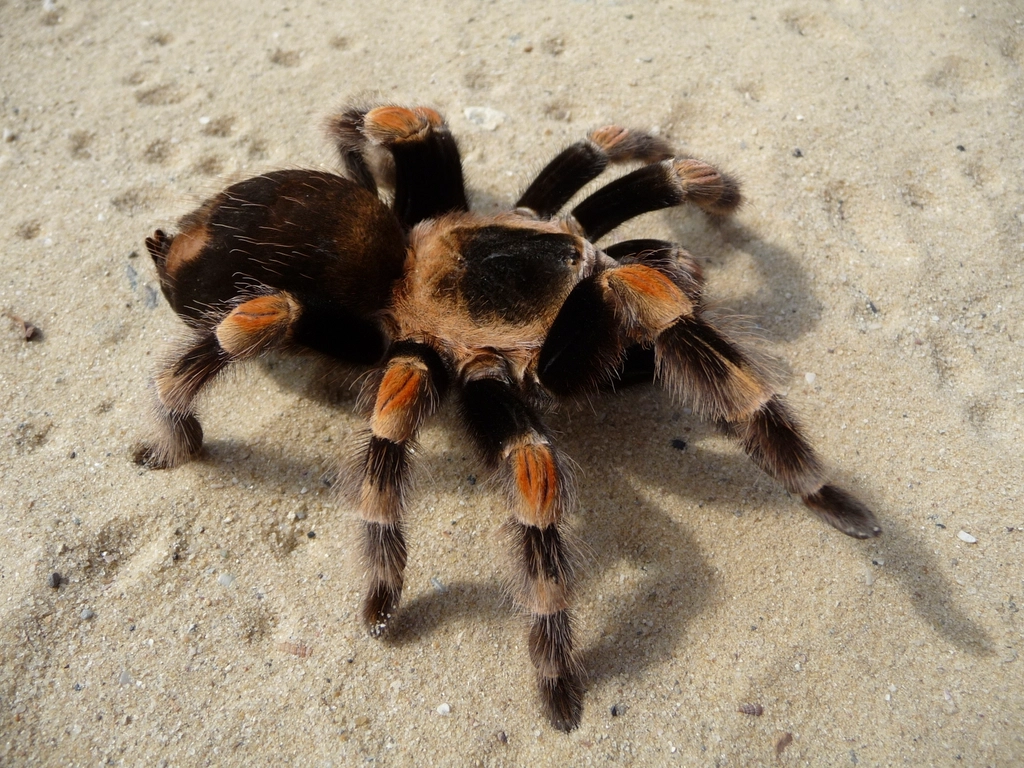 Photo Credit: Rawpixel
In the heart of a sun-drenched savanna or the depths of a lush rainforest, the tarantula, scientifically known as Theraphosidae, emerges as a true marvel of nature. With its large, hairy body that can span nearly a foot across, this arachnid commands attention and sparks curiosity. Its striking appearance, complete with long, spindly legs and a fuzzy exterior, makes it one of the most recognizable spiders on the planet. But it’s not just its size that captivates scientists and nature enthusiasts alike; it’s the tarantula’s fascinating behaviors and adaptations that truly set it apart in the animal kingdom.
As a nocturnal hunter, the tarantula spends its days tucked away in burrows or hidden beneath rocks, waiting for the cover of night to embark on its hunting adventures. With a diet that includes insects, small vertebrates, and even other spiders, these creatures play a vital role in their ecosystems, helping to maintain balance among various species. Their evolutionary history stretches back over 300 million years, making them ancient survivors that have adapted to a wide range of habitats. From the arid deserts to the humid jungles, the tarantula’s ability to thrive in diverse environments only adds to its allure, inviting us to explore the intricate web of life it inhabits.
Tarantulas are captivating members of the animal kingdom, sitting firmly within the phylum Arthropoda, which includes all invertebrates with exoskeletons, segmented bodies, and jointed legs. These fascinating spiders belong to the class Arachnida, a group that also includes scorpions and ticks. What sets tarantulas apart is their impressive size and distinctive hairy bodies, which can be both intimidating and intriguing. With over 1,000 species, they showcase a variety of colors and patterns, making them a striking example of nature’s creativity.
| Taxonomic Rank | Scientific Name | Meaning & Significance |
|---|---|---|
| Kingdom | Animalia | The name “Animalia” comes from the Latin word “animalis,” meaning “having breath.” This reflects the living, breathing nature of all animals, including tarantulas. |
| Phylum | Arthropoda | “Arthropoda” means “jointed feet” in Greek, highlighting the jointed legs that are a key feature of tarantulas and their relatives. |
| Class | Arachnida | The term “Arachnida” is derived from the Greek word “arakhnē,” meaning “spider.” This class includes all spiders, scorpions, and ticks, showcasing their shared characteristics. |
| Order | Araneae | “Araneae” is the scientific name for spiders, coming from the Latin word for spider. It emphasizes the web-spinning abilities of many spider species, although tarantulas are known for their burrowing habits. |
| Family | Theraphosidae | The name “Theraphosidae” comes from the Greek word “theraphos,” meaning “beast” or “monster,” which reflects the large size and sometimes fearsome appearance of tarantulas. |
| Genus | Theraphosa | “Theraphosa” is derived from the same Greek root as the family name, emphasizing the impressive size and robust nature of these spiders. |
Understanding the taxonomic classification of tarantulas reveals much about their evolutionary journey. As members of the ancient lineage of arachnids, they have adapted to diverse environments, from tropical rainforests to arid deserts. Their unique features, such as their size and behavior, not only help them survive but also illustrate the incredible variety of life forms that have evolved over millions of years. By studying tarantulas, we gain insight into the complex web of life that connects all living organisms on our planet.
The evolutionary journey of tarantulas stretches back over 300 million years, placing them among the ancient inhabitants of our planet. These fascinating arachnids belong to the family Theraphosidae and have evolved through significant changes that have allowed them to thrive in diverse environments. Their lineage can be traced to early arachnids, which emerged during the Carboniferous period, a time when lush forests and giant insects dominated the Earth.
Tarantulas have undergone several major evolutionary transitions that have shaped their current form. Their ancestors were likely smaller and less specialized, but over time, they developed larger body sizes and more robust features. This shift allowed them to become formidable predators, capable of taking down larger prey. The evolution of their silk-spinning abilities also played a crucial role, enabling them to create webs for various purposes, from building shelters to capturing food. Additionally, the development of venom, which helps subdue prey and defend against threats, has been a significant advantage in their survival.
These adaptations have been vital for the survival of tarantulas in a variety of habitats, from rainforests to deserts. Their size and strength allow them to dominate their ecological niche, while their venom and silk production enhance their hunting and reproductive strategies. As a result, tarantulas have not only survived but thrived, showcasing the incredible power of evolution in shaping life on Earth.
Tarantulas are truly awe-inspiring, with their large, hairy bodies that command attention. These spiders can range in size from a few inches to nearly a foot across, making them one of the largest spider species on Earth. Their robust form is supported by eight long, jointed legs that allow them to move gracefully despite their bulk. The exoskeleton, a hard outer covering, gives them both protection and structure, while the fine hairs covering their bodies serve multiple purposes, from sensing their environment to deterring predators.
| Feature | Description |
|---|---|
| Weight | 0.9 to 6 ounces |
| Skin Type | Exoskeleton |
| Most Distinctive Feature | Large size |
The combination of their size and exoskeleton plays a crucial role in their survival. The exoskeleton not only protects them from potential threats but also helps them retain moisture, which is vital in their often dry habitats. Their large size can intimidate smaller animals, making them less likely to be attacked. Additionally, the fine hairs on their bodies can detect even the slightest vibrations, alerting them to danger. Together, these features make tarantulas not just fascinating to observe, but also highly adapted to thrive in their environments.
Tarantulas thrive in a variety of habitats that showcase their adaptability and resilience. Picture a sun-drenched savanna, where tall grasses sway gently in the breeze, or a lush rainforest, bursting with vibrant life and towering trees. These remarkable spiders can also be found in arid deserts, where they burrow into the sandy soil to escape the heat, and in scrublands, where they weave their webs among the low shrubs. Each of these environments offers a unique setting for tarantulas to flourish, demonstrating their ability to make a home in diverse landscapes.
The climate in these habitats varies widely, but tarantulas generally prefer warm temperatures and moderate humidity. In rainforests, they enjoy the moist air and abundant food sources, while in deserts, they have adapted to survive with minimal water. These spiders are often found in areas where the temperature can range from 70 to 90 degrees Fahrenheit, allowing them to remain active and hunt for prey. The environmental conditions they thrive in are crucial for their survival, as they rely on warmth to maintain their body temperature and humidity to keep their exoskeletons from drying out.
Tarantulas have developed several fascinating adaptations to suit their homes. In the dry, sandy deserts, they dig deep burrows to escape the scorching sun and conserve moisture. In contrast, those living in rainforests have evolved to be excellent climbers, using their strong legs and sharp claws to navigate the complex canopy. Their ability to camouflage with their surroundings also helps them avoid predators and ambush unsuspecting prey. These adaptations not only enhance their survival but also highlight the incredible ways in which tarantulas have evolved to thrive in their specific habitats.
Tarantulas lead a life that is both intriguing and solitary. As primarily nocturnal hunters, they spend their days resting in burrows or hidden under rocks and foliage, emerging at night to search for food. Their daily activities revolve around hunting insects, small mammals, and even other spiders. With their keen senses, they detect vibrations in the ground, alerting them to potential prey. Once they locate a meal, they use their powerful fangs to inject venom, immobilizing their catch before enjoying a feast. This routine of resting and hunting is essential for their survival in the wild.
When it comes to social behavior, tarantulas are quite the loners. Unlike some spider species that thrive in groups, tarantulas prefer to keep to themselves. This solitary lifestyle means they do not form social structures or communities. However, they do communicate with each other during mating season, using a series of vibrations and gestures to attract potential partners. Despite their solitary nature, these interactions are crucial for reproduction, ensuring the continuation of their species.
| Behavior Type | Description |
|---|---|
| Activity Patterns | Tarantulas are primarily nocturnal, hunting at night and resting during the day in burrows or under cover. |
| Social Structure | These spiders are solitary, preferring to live alone rather than in groups. |
| Communication Methods | During mating, they use vibrations and body movements to signal to potential mates. |
The behaviors of tarantulas are finely tuned to ensure their survival in a world filled with predators and competition for food. Their solitary nature allows them to avoid confrontations with other tarantulas and conserve energy for hunting. By being active at night, they reduce the risk of being spotted by daytime predators. This combination of hunting prowess and careful communication during mating ensures that these ancient arachnids continue to thrive in their diverse habitats.
Tarantulas are carnivorous hunters, primarily feasting on a variety of invertebrates and small vertebrates. Their diet includes insects, larvae, and even other spiders, showcasing their role as both predator and scavenger in their ecosystems. These spiders are equipped with powerful fangs and venom, which they use to subdue their prey. When hunting, tarantulas often rely on a combination of stealth and ambush tactics, waiting patiently for the right moment to strike.
| Dietary Aspect | Details |
|---|---|
| Diet Type | Carnivore |
| Favorite Foods | Insects, larvae, small mammals, birds, reptiles, amphibians, and fish |
| Prey Items | Invertebrates like crickets and beetles, as well as small vertebrates |
| Hunting Strategies | Stealthy ambush and waiting for prey to come close |
This diverse diet not only shapes the tarantula’s daily routine but also plays a crucial role in maintaining the balance of their ecosystems. By preying on various species, they help control populations of insects and other small animals, preventing overpopulation and promoting biodiversity. Their nocturnal hunting habits allow them to thrive in their habitats, ensuring they find food while avoiding larger predators. In this way, tarantulas are not just solitary hunters; they are vital players in the intricate web of life that surrounds them.
When it comes to tarantula reproduction, the process is as intriguing as the spiders themselves. Mating typically occurs during the warmer months, when temperatures rise and food is plentiful. Male tarantulas often embark on a quest to find a female, using their keen sense of smell to detect pheromones, which are chemical signals that attract mates. Once a male finds a female, he performs a courtship dance, tapping his legs to impress her. If she is receptive, they mate, and the male must be cautious, as some females may see him as a meal after the act!
| Reproductive Aspect | Details |
|---|---|
| Gestation Period | Approximately 4 to 6 weeks |
| Litter Size | 50 to 200 spiderlings |
| Age of Maturity | 2 to 4 years |
| Name of Young | Spiderling or sling |
After mating, the female tarantula lays her eggs in a silk sac, which she carefully guards. This sac can contain anywhere from 50 to 200 tiny eggs, depending on the species. Once the eggs hatch, the young, known as spiderlings or slings, emerge and are initially independent. They are miniature versions of adults, equipped with all the necessary traits to survive. As they grow, they will molt several times, shedding their exoskeletons to accommodate their increasing size. While tarantulas do not provide extensive parental care, the initial protection of the egg sac is crucial for the survival of the next generation, ensuring that these fascinating arachnids continue to thrive in their environments.
Tarantulas play a significant role in their ecosystems, acting as both predators and prey. As carnivorous hunters, they help control populations of insects and other small animals. However, they are not at the top of the food chain. Various creatures see tarantulas as a tasty meal, which places them in a delicate position within the food web.
To survive these threats, tarantulas have developed a range of defensive behaviors. When faced with danger, they can use their impressive size and intimidating appearance to scare off potential predators. Some species can even flick their urticating hairs—tiny, irritating bristles—from their abdomens to deter attackers. Additionally, tarantulas often retreat to their burrows or hide under rocks, using their natural camouflage to blend into their surroundings. These strategies help them navigate the challenges of their environment and continue to thrive in the wild.
A keystone species is a vital part of its ecosystem, meaning its presence and activities have a significant impact on the environment and other living things. Tarantulas can indeed be considered a keystone species in many of the habitats they occupy, such as savannas, rainforests, and deserts. Their role as both predator and prey helps maintain the balance of their ecosystems, making them essential for the health of their surroundings.
Tarantulas primarily hunt insects and small vertebrates, which helps control these populations. By keeping insect numbers in check, they prevent overpopulation that could lead to crop damage and the spread of disease. For example, a single tarantula can consume a variety of insects, including beetles and crickets, which are often pests in their environments. This predatory behavior not only benefits plants and other animals but also supports the overall biodiversity of their habitats.
Moreover, tarantulas serve as a food source for larger predators, such as birds and mammals. This connection creates a web of life where each species relies on others for survival. When tarantulas are present, they contribute to the food chain, ensuring that other animals have the nutrition they need. Their burrows also provide shelter for various small creatures, further enhancing the ecosystem’s complexity.
If tarantulas were to disappear from their ecosystems, the effects would be profound. Insect populations could surge, leading to potential agricultural issues and imbalances in the food web. Without tarantulas, larger predators might struggle to find enough food, which could lead to their decline as well. The loss of this single species could ripple through the ecosystem, demonstrating just how interconnected life truly is. The absence of tarantulas would not only disrupt the balance of nature but also diminish the rich tapestry of life that thrives in their habitats.
Tarantulas occupy a fascinating ecological niche as both predators and prey within their habitats. These large arachnids are found in diverse environments, including savannas, rainforests, and deserts. By hunting insects and small vertebrates, they help maintain the balance of their ecosystems. Their solitary lifestyle means they are often the top predators in their immediate surroundings, influencing the populations of other species and contributing to the overall health of their habitats.
| Ecosystem Service | Impact |
|---|---|
| Population Control | Tarantulas regulate the numbers of insects and small animals, preventing overpopulation and promoting biodiversity. |
| Soil Aeration | Their burrowing behavior helps aerate the soil, improving its quality and allowing for better water absorption. |
| Food Source | Tarantulas serve as a food source for larger predators, such as birds and mammals, thus supporting the food web. |
| Decomposition | By preying on dead or dying organisms, they contribute to the decomposition process, returning nutrients to the soil. |
Tarantulas influence their ecosystems in several specific ways. For instance, by preying on insects, they help control pest populations that could otherwise damage plants and crops. In a rainforest, a tarantula might hunt down a variety of beetles and crickets, keeping these populations in check. Their burrows also create homes for other small creatures, fostering a community of life beneath the surface. This interaction highlights their role as a keystone species, meaning their presence is crucial for maintaining the structure of their ecosystem.
The broader ecological importance of tarantulas cannot be overstated. As both predators and prey, they are integral to the food web, supporting a variety of life forms. Their activities promote soil health and biodiversity, which are essential for resilient ecosystems. By understanding the role of tarantulas, we gain insight into the delicate balance of nature and the interconnectedness of all living things. These remarkable arachnids remind us that even the smallest creatures can have a big impact on the world around us.
In the intricate web of life, symbiosis plays a crucial role in shaping the relationships between different species. Symbiosis refers to the close interactions between organisms, which can be beneficial, harmful, or neutral. These ecological relationships can take many forms, such as mutualism, where both species gain advantages, parasitism, where one benefits at the expense of the other, and commensalism, where one species benefits while the other is neither helped nor harmed. Tarantulas, with their solitary nature, may not seem like social creatures, but they do engage in fascinating partnerships with other species that highlight the complexity of their ecosystems.
| Species/Type | Relationship Type | Description |
|---|---|---|
| Ants | Mutualistic | Tarantulas and certain ant species can form a mutualistic relationship where ants protect the tarantula’s burrow from predators, while the tarantula provides a safe environment for the ants. |
| Fungi | Commensal | Some tarantulas may have fungi growing in their burrows. The fungi benefit from the organic matter in the burrow, while the tarantula is largely unaffected. |
| Parasitoid Wasps | Parasitic | Certain wasps lay their eggs inside tarantula bodies. The wasp larvae feed on the tarantula, ultimately leading to its death, showcasing a parasitic relationship. |
These relationships have evolved over time, shaped by the needs and survival strategies of the species involved. Mutualistic partnerships, like that with ants, demonstrate how cooperation can enhance survival for both parties. In contrast, parasitic interactions, such as those with parasitoid wasps, highlight the darker side of nature, where one species thrives at the expense of another. Understanding these connections not only enriches our knowledge of tarantulas but also emphasizes the delicate balance of ecosystems, where every species plays a role in the grand tapestry of life.
Tarantulas are not just large and hairy; they are full of surprises that make them truly captivating. These fascinating arachnids have unique adaptations and behaviors that set them apart in the animal kingdom.
Tarantulas have long been a source of intrigue and fear for humans, weaving their way into our history and culture. Ancient civilizations often viewed these large spiders with a mix of reverence and dread. In some cultures, they were seen as symbols of strength and resilience, while in others, they sparked tales of danger and mystery. From folklore to modern media, tarantulas have captured our imagination, often portrayed as fearsome creatures lurking in the shadows. This complex relationship has shaped how we perceive these arachnids, blending fascination with a healthy dose of caution.
Today, our interactions with tarantulas are as varied as the species themselves. In some regions, conservation efforts are underway to protect their habitats, recognizing their role in maintaining ecological balance. However, conflicts arise when tarantulas venture into human spaces, leading to fear and misunderstanding. Some people keep tarantulas as exotic pets, drawn to their unique appearance and behaviors. This domestication has sparked debates about animal welfare and the responsibilities of pet ownership. As we learn more about these creatures, our relationship continues to evolve, highlighting the need for education and understanding.
As we look to the future, the relationship between humans and tarantulas holds promise and challenges. With increased awareness and education, we can foster a deeper appreciation for these remarkable arachnids. By understanding their ecological importance and respecting their place in the natural world, we can coexist more harmoniously. The journey ahead invites curiosity and compassion, encouraging us to see tarantulas not just as creatures to fear, but as vital partners in the intricate web of life.
The conservation status of tarantulas varies significantly among different species, but many face serious challenges. Currently, several species are classified as Critically Endangered, which means they are at an extremely high risk of extinction in the wild. Population estimates can be difficult to determine because they fluctuate widely depending on the specific species and their habitats. Overall, the trend for many tarantula populations is declining, raising concerns among conservationists and researchers alike.
| Conservation Factor | Status/Details |
|---|---|
| IUCN Status | Critically Endangered |
| Population Estimates | Varies widely depending on species |
| Trend Direction | Declining |
The main threats to tarantulas stem from habitat loss, illegal pet trade, and climate change. As forests are cleared for agriculture and urban development, these spiders lose their homes and the ecosystems they rely on. Additionally, the demand for exotic pets has led to over-collection in the wild, further diminishing their populations. Climate change also poses a significant risk, as shifting temperatures and weather patterns can disrupt their breeding and feeding habits.
Conservation efforts are underway to protect tarantulas and their habitats. Organizations are working to raise awareness about the importance of these arachnids in ecosystems and the threats they face. Some species are being bred in captivity to help bolster wild populations. The outlook for tarantulas depends on continued conservation initiatives and the commitment of individuals and communities to protect these fascinating creatures. With concerted efforts, there is hope that we can ensure a future for tarantulas in the wild.
| Question | Answer |
|---|---|
| Where do tarantulas live? | Tarantulas can be found in a variety of habitats, including savannas, grasslands, rainforests, deserts, and even mountains. They prefer warm climates and often create burrows or live under rocks and logs to stay safe from predators. |
| What do tarantulas eat? | Tarantulas are carnivores, meaning they primarily eat other animals. Their diet mainly consists of insects, but they can also catch small mammals, birds, and reptiles, using their powerful fangs to subdue their prey. |
| How do tarantulas behave? | Tarantulas are generally solitary creatures, preferring to live alone rather than in groups. They are mostly nocturnal, which means they are active at night, and they use their keen sense of touch to navigate their environment. |
| How do tarantulas reproduce? | During mating, male tarantulas perform a courtship dance to attract females. After mating, the female lays hundreds of eggs in a silk sac, which she guards until the spiderlings hatch, ready to start their own lives. |
| What threats do tarantulas face? | Tarantulas face several threats, including habitat loss due to deforestation and urban development. They are also hunted by larger animals and sometimes collected for the pet trade, which can impact their populations. |
| What is a unique characteristic of tarantulas? | One of the most distinctive features of tarantulas is their large size, with some species having a leg span of up to 12 inches! They also have a unique ability to shed their exoskeleton, allowing them to grow larger over time. |
| Can tarantulas be kept as pets? | Yes, many people keep tarantulas as pets due to their fascinating behaviors and relatively low maintenance. However, it's important to research the specific needs of the species you choose, as they require proper habitat and care to thrive. |