Taxonomy & Classification
- Kingdom
- Animalia
- Phylum
- Chordata
- Class
- Actinopterygii
- Order
- Elopiformes
- Family
- Megalopidae
- Genus
- Megalops

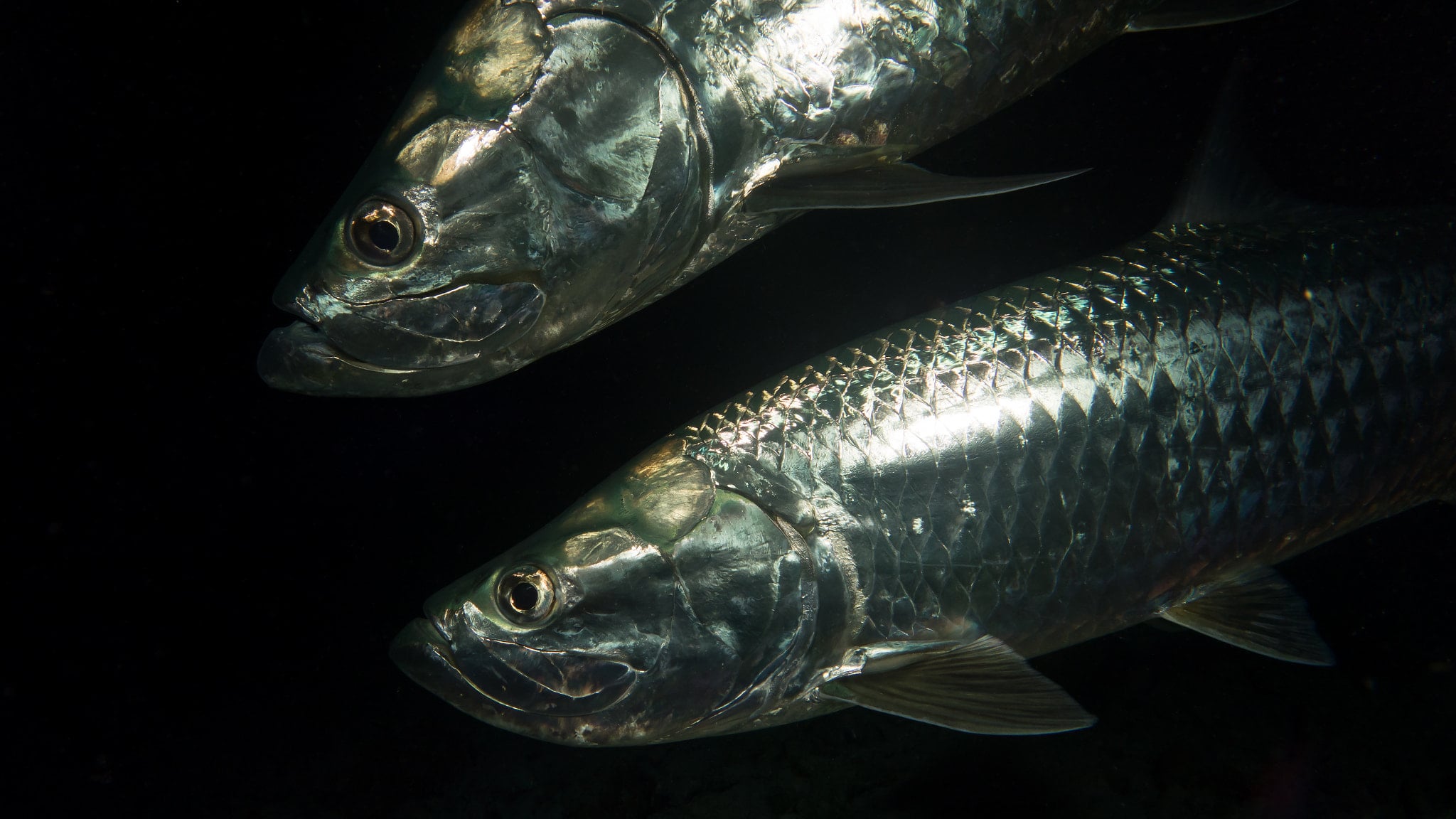 Photo Credit: Kris Mikael Krister / Wikimedia
In the sun-drenched waters of coastal bays and mangrove lagoons, the tarpon, scientifically known as Megalops atlanticus, glides gracefully through its vibrant habitat. With its sleek, silver body shimmering like a polished mirror, this magnificent fish can grow to impressive lengths of over six feet and weigh more than 100 pounds. What truly sets the tarpon apart is its remarkable ability to leap high into the air, performing acrobatic flips that leave onlookers in awe. This behavior not only captivates fishermen and nature enthusiasts alike but also serves a practical purpose: it helps the tarpon shake off pesky parasites and evade predators lurking below.
Scientists are equally fascinated by the tarpon’s ancient lineage, tracing back millions of years to a time when dinosaurs roamed the Earth. As a keystone species, the tarpon plays a crucial role in its ecosystem, helping to maintain the balance of marine life. Its diet consists mainly of smaller fish and large invertebrates, making it a vital predator in the coastal food web. As we dive deeper into the world of the tarpon, we will explore its unique behaviors, reproductive rituals, and the challenges it faces in a changing environment, revealing why this extraordinary fish continues to inspire curiosity and admiration across generations.
The tarpon, a dazzling fish known for its acrobatic leaps and shimmering scales, occupies a special place in the animal kingdom. Taxonomically, it belongs to the Kingdom Animalia, which includes all animals, and is classified under the Phylum Chordata, meaning it has a backbone. Within this phylum, the tarpon is part of the Class Actinopterygii, which encompasses ray-finned fishes. This classification highlights its evolutionary adaptations, such as a streamlined body and powerful fins, that allow it to thrive in coastal waters and estuaries. The tarpon’s unique ability to gulp air and survive in low-oxygen environments further sets it apart from many other fish.
| Taxonomic Rank | Scientific Name | Meaning & Significance |
|---|---|---|
| Kingdom | Animalia | This name signifies the broadest category of living organisms, encompassing all animals. |
| Phylum | Chordata | Derived from the Greek word “chordē,” meaning “string,” this refers to the notochord, a flexible rod that supports the body, found in all members of this group. |
| Class | Actinopterygii | This term means “ray-finned fishes,” highlighting the structure of their fins, which are supported by bony rays. |
| Order | Elopiformes | From the Greek “elops,” meaning “a type of fish,” this order includes species that share certain anatomical features, such as elongated bodies. |
| Family | Megalopidae | This name comes from the Greek “mega,” meaning “large,” and “lops,” referring to the fish’s size and distinctive shape. |
| Genus | Megalops | Similar to its family name, “Megalops” emphasizes the large size and notable characteristics of these fish. |
Understanding the tarpon’s classification reveals much about its evolutionary journey. As a member of the ray-finned fishes, it shares a common ancestor with a vast array of aquatic life, showcasing the diversity of adaptations that have emerged over millions of years. The tarpon’s ability to thrive in both salt and brackish waters, along with its impressive size and agility, reflects the evolutionary pressures it has faced in its environment. This classification not only highlights its biological traits but also connects it to the broader tapestry of life in our oceans.
The evolutionary journey of the tarpon stretches back millions of years, tracing its lineage to ancient fish that swam in the oceans long before dinosaurs roamed the Earth. These fish belong to the family Megalopidae and the genus Megalops, with the earliest ancestors appearing during the late Cretaceous period, around 100 million years ago. Over time, these ancestors adapted to various environmental changes, leading to the modern tarpon we see today.
Ancestral forms of tarpon were quite different from their contemporary relatives. Early fish in the Megalopidae family were likely smaller and less streamlined, but they shared some key features, such as a bony structure and a swim bladder, which is an internal gas-filled organ that helps fish maintain buoyancy. As the climate and ocean conditions evolved, so did these fish. They developed larger bodies and elongated shapes, allowing them to swim faster and more efficiently. This transition was crucial for escaping predators and catching prey.
These evolutionary adaptations have played a vital role in the survival of tarpon. Their streamlined bodies and ability to swim quickly help them evade predators while also allowing them to catch fast-moving prey. The swim bladder not only aids in buoyancy but also gives them an edge in various aquatic environments. With their reflective scales, tarpon can blend into their surroundings, making them less visible to both predators and prey. Finally, their unique ability to gulp air allows them to inhabit diverse habitats, ensuring they can thrive even when conditions change. This combination of traits has made the tarpon a successful and enduring species in the ever-evolving tapestry of marine life.
The tarpon is a striking fish that captures the eye with its sleek, elongated body and impressive size. Growing to over 100 pounds, this fish is built for speed and agility in the water. Its streamlined shape allows it to glide effortlessly through the ocean, while its large, silvery scales shimmer like polished metal under the sun. The tarpon’s powerful tail propels it forward, making it a master of acrobatics, often leaping high out of the water in spectacular displays.
| Feature | Description |
|---|---|
| Weight | 100 pounds or more |
| Skin Type | Scales |
| Most Distinctive Feature | Large, silvery scales on sides |
These physical characteristics are not just for show; they play vital roles in the tarpon’s survival. The large, silvery scales help reflect light, making it harder for predators to spot them in the shimmering waters. Their streamlined body and powerful tail enable quick bursts of speed, allowing them to escape threats and catch prey. Together, these features create a perfect blend of beauty and functionality, making the tarpon a true marvel of the aquatic world.
The tarpon thrives in a vibrant world of shimmering waters and lush coastal landscapes. Picture a sun-drenched bay, where the gentle waves lap against the shore, and mangrove trees stand tall, their roots dipping into the salty sea. This is the tarpon’s playground, a habitat that offers both shelter and abundant food. The interplay of sunlight and water creates a dazzling environment, perfect for these magnificent fish to leap and glide.
Tarpons prefer warm, shallow waters, often found in bays and lagoons where the temperature is just right. They thrive in areas with a mix of saltwater and freshwater, which is essential for their growth and health. The mangroves provide not only a nursery for young tarpons but also a rich source of food, as these areas are teeming with small fish and crustaceans. The climate in these regions is typically tropical, with plenty of sunshine and occasional rain, creating a perfect balance for the tarpon’s lifestyle.
Adapted to their coastal habitats, tarpons have developed remarkable skills that help them survive and flourish. Their streamlined bodies allow them to swim swiftly through the water, while their ability to leap high into the air helps them evade predators. Additionally, tarpons can gulp air at the surface, which is a handy trick for living in oxygen-poor waters. This combination of physical traits and behavioral adaptations makes the tarpon a true master of its environment, perfectly suited to the dynamic ecosystems it calls home.
As the sun rises over the warm coastal waters, tarpon begin their day with a burst of energy. These fish are known for their lively behavior, often seen swimming in schools, which are groups that help them navigate their environment more effectively. Throughout the day, they engage in various activities, including foraging for food and leaping out of the water in spectacular displays. This acrobatic behavior not only helps them shake off parasites but also serves as a way to communicate with other tarpon.
Socially, tarpon are quite the social butterflies of the fish world. They prefer to swim in schools, which can consist of dozens or even hundreds of individuals. This group dynamic offers safety in numbers, making it harder for predators to single out one fish. Within these schools, tarpon communicate through body language and splashes, signaling their presence and intentions. Their social structure is fluid, allowing them to join or leave groups as they please, which adds to their adaptability in the ever-changing marine environment.
| Behavior Type | Description |
|---|---|
| Activity Patterns | Tarpon are active swimmers, often seen foraging for food and leaping out of the water to shake off parasites. |
| Social Structure | They swim in schools, providing safety and enhancing their ability to find food. |
| Communication Methods | Tarpon communicate through body language and splashes, signaling to each other within their schools. |
The behaviors of tarpon are not just for show; they play a crucial role in their survival. By swimming in schools, they reduce the risk of being caught by predators, while their acrobatic leaps help maintain their health and alert others in their group. This combination of social interaction and physical activity ensures that tarpon thrive in their vibrant coastal habitats, showcasing the beauty of life beneath the waves.
The tarpon is a carnivorous fish, meaning it primarily eats other animals. Its diet mainly consists of smaller fish and large invertebrates, which are creatures without backbones, like shrimp and crabs. Tarpon are skilled hunters, using their speed and agility to chase down their prey. They often hunt in schools, which not only makes them more effective at catching food but also provides safety in numbers. With their keen eyesight, they can spot potential meals from a distance, making them formidable predators in their coastal habitats.
| Dietary Aspect | Details |
|---|---|
| Diet Type | Carnivore |
| Favorite Foods | Small fish and large invertebrates |
| Prey Items | Fish, shrimp, and crabs |
| Hunting/Foraging Strategies | Hunts in schools, uses speed and keen eyesight |
This diet plays a crucial role in the tarpon’s ecology and daily routine. By feeding on smaller fish and invertebrates, tarpon help maintain the balance of marine ecosystems. Their hunting behavior not only influences the populations of their prey but also impacts the overall health of their habitats. As they swim through the waters, tarpon contribute to the vibrant tapestry of life in coastal regions, showcasing the interconnectedness of all living things in the ocean.
When it comes to reproduction, tarpon have a fascinating mating ritual that takes place during the warmer months, typically from April to August. During this breeding season, males and females gather in large groups in coastal waters. The males perform acrobatic displays, leaping out of the water to attract females. This energetic behavior not only showcases their strength but also helps them establish dominance among competitors. Once a female selects a mate, she releases her eggs into the water, where the males fertilize them. This process is known as external fertilization, meaning the eggs are fertilized outside the female’s body.
| Reproductive Aspect | Details |
|---|---|
| Gestation Period | Tarpon do not have a gestation period as they spawn eggs directly into the water. |
| Litter Size | A single female can release up to 12 million eggs in one spawning event. |
| Age of Maturity | Tarpon typically reach sexual maturity between 3 to 4 years of age. |
| Name of Young | The young tarpon are called fry. |
After the eggs are fertilized, they float in the water until they hatch into tiny fry. These young tarpon are incredibly vulnerable at this stage, relying on the currents to carry them to safer, shallower waters where they can find food and shelter. Interestingly, tarpon do not provide parental care; instead, the fry must fend for themselves right from the start. As they grow, they develop into strong, agile fish, eventually reaching impressive sizes. With their remarkable ability to adapt and thrive in various environments, young tarpon embark on a journey that will lead them back to the same coastal waters where they were born, continuing the cycle of life.
The tarpon plays a vital role in the marine food web, acting as both predator and prey. As a large, carnivorous fish, it feasts on smaller fish and invertebrates, while also being a target for various predators. This dynamic position makes the tarpon an essential part of its ecosystem, contributing to the balance of marine life.
To survive these threats, tarpon have developed several clever defensive behaviors. Their impressive swimming speed allows them to dart away from predators, while their ability to leap out of the water can startle attackers. Additionally, tarpon often swim in schools, which provides safety in numbers. By staying alert and using their agility, these fish can navigate the challenges of their environment and continue to thrive in their coastal habitats.
A keystone species is an organism that has a disproportionately large impact on its environment relative to its abundance. In simpler terms, if you remove a keystone species, the entire ecosystem can change dramatically. The tarpon, with its significant role in coastal and marine ecosystems, qualifies as a keystone species. This impressive fish not only influences the populations of other marine life but also helps maintain the health of its habitat.
Tarpon are carnivorous fish that primarily feed on smaller fish and large invertebrates, such as shrimp and crabs. By preying on these species, tarpon help regulate their populations, preventing any one species from becoming too dominant. This balance is crucial for maintaining biodiversity, which is the variety of life in a particular habitat. When tarpon are present, they contribute to a dynamic food web, where energy flows from one organism to another, supporting a rich array of marine life.
Moreover, tarpon often swim in schools, which can create a spectacle in coastal waters. This schooling behavior not only aids in their protection from predators but also influences the behavior of other fish species. For example, smaller fish may change their feeding patterns or habitats in response to the presence of tarpon schools. This interaction showcases how the tarpon’s behavior can ripple through the ecosystem, affecting various species and their relationships.
If tarpon were to disappear from their habitats, the consequences would be significant. Without these fish, the populations of smaller fish and invertebrates could explode, leading to overgrazing of seagrass beds and coral reefs. This overpopulation could disrupt the entire marine ecosystem, resulting in a decline in biodiversity and the health of coastal waters. The absence of tarpon would not only affect marine life but could also impact local fishing industries and communities that rely on these vibrant ecosystems for their livelihoods. In essence, the loss of tarpon would create a ripple effect, altering the balance of life in the waters they inhabit.
The tarpon is a fascinating fish that plays a crucial role in its ecosystem, particularly in coastal waters, bays, and mangrove lagoons. As a carnivore, it helps maintain the balance of marine life by controlling the populations of smaller fish and invertebrates. This makes the tarpon an important player in the food web, where it interacts with various species, both as a predator and as prey. Its presence in these habitats not only supports biodiversity but also contributes to the overall health of the marine environment.
| Ecosystem Service | Impact |
|---|---|
| Population Control | Regulates the numbers of smaller fish and invertebrates, preventing overpopulation. |
| Food Source | Serves as prey for larger predators, including sharks and birds, supporting the food chain. |
| Habitat Health | Contributes to the health of mangrove ecosystems by influencing species diversity. |
| Tourism and Recreation | Attracts anglers and nature enthusiasts, boosting local economies and conservation efforts. |
The tarpon’s influence extends beyond its immediate interactions. For example, by preying on smaller fish, it helps maintain a balanced ecosystem, ensuring that no single species dominates the waters. This balance is vital for the health of mangrove lagoons, where diverse species coexist. Additionally, the tarpon’s acrobatic leaps and shimmering scales attract anglers, promoting eco-tourism. This not only provides economic benefits to local communities but also raises awareness about the importance of preserving these unique habitats.
In a broader ecological context, the tarpon is considered a keystone species, meaning its presence is essential for the stability of its environment. If tarpon populations were to decline, the effects would ripple through the ecosystem, potentially leading to overpopulation of smaller fish and a decline in biodiversity. By supporting various marine life and contributing to the health of coastal ecosystems, the tarpon plays a vital role in sustaining the intricate web of life in our oceans.
In the intricate web of life, symbiosis refers to the close and often long-term interactions between different species. These relationships can take many forms, including mutualism, where both species benefit, parasitism, where one benefits at the expense of the other, and commensalism, where one benefits while the other is neither helped nor harmed. Tarpon, the magnificent fish known for its impressive leaps and shimmering scales, engages in various ecological partnerships that highlight the interconnectedness of marine life.
| Species/Type | Relationship Type | Description |
|---|---|---|
| Remora | Mutualistic | Remoras attach themselves to tarpon using a special suction disc on their heads. They benefit by getting a free ride and access to leftover food, while tarpon enjoy a cleaner body as remoras eat parasites and debris. |
| Cleaner Shrimp | Mutualistic | Cleaner shrimp often hang around tarpon, picking off parasites and dead skin. This relationship helps keep the tarpon healthy, while the shrimp get a meal. |
| Sea Turtles | Commensal | Sometimes, small fish, including juvenile tarpon, can be found swimming near sea turtles. The turtles do not benefit or suffer from this relationship, but the fish gain protection from predators by staying close to the larger turtles. |
These relationships have evolved over time, shaped by the needs and behaviors of the species involved. The mutualistic partnerships, like those with remoras and cleaner shrimp, showcase how cooperation can lead to healthier individuals and thriving ecosystems. As tarpon swim through their coastal habitats, they not only play a vital role in their environment but also foster connections that enhance the survival of other species. This beautiful dance of life reminds us that in nature, every creature has a role to play, and together, they create a balanced and vibrant world.
The tarpon is a captivating fish that has intrigued nature enthusiasts for generations. With its impressive size and acrobatic leaps, this remarkable creature is full of surprises that reveal the wonders of the natural world.
The relationship between tarpon and humanity is rich and multifaceted, stretching back centuries. Historically, these magnificent fish have been revered by coastal communities, particularly in the Caribbean and along the southeastern United States. Indigenous peoples often viewed tarpon as a symbol of strength and resilience, incorporating them into their cultural practices and folklore. Fishermen have long celebrated the thrill of catching tarpon, known for their spectacular jumps and powerful fights, making them a prized target for sport fishing. This cultural significance has woven the tarpon into the fabric of local traditions and economies, highlighting the deep connection between humans and these remarkable fish.
In contemporary times, the interaction between tarpon and humans has evolved, reflecting both conservation efforts and challenges. As awareness of environmental issues grows, many communities are working to protect tarpon habitats, recognizing their role in maintaining healthy marine ecosystems. However, conflicts can arise, particularly in areas where fishing pressures threaten their populations. Some regions have implemented catch-and-release practices to ensure that tarpon can continue to thrive while still allowing for recreational fishing. Additionally, there are ongoing discussions about the potential for aquaculture, or fish farming, to help meet demand without further depleting wild populations.
As we look to the future, the relationship between tarpon and humanity holds both promise and responsibility. With continued efforts in conservation and sustainable practices, there is hope for a thriving coexistence. By fostering a deeper understanding of these incredible fish and their ecosystems, we can ensure that future generations will not only enjoy the thrill of tarpon fishing but also appreciate the vital role these fish play in our oceans. Together, we can create a legacy that honors both the tarpon and the communities that cherish them.
The conservation status of the tarpon is currently classified as Vulnerable, indicating that this magnificent fish faces significant threats that could lead to its decline. While the population of tarpon is not in immediate danger of extinction, it is essential to monitor their numbers closely. The overall trend suggests that their populations are stable in some areas, but localized declines have been observed, particularly in regions heavily impacted by human activities.
| Conservation Factor | Status/Details |
|---|---|
| IUCN Status | Vulnerable |
| Population Estimates | Stable in some areas, localized declines in others |
| Trend Direction | Stable overall, but caution is advised |
The main threats to tarpon populations stem from human activities. Overfishing is a significant concern, as these fish are highly sought after for sport fishing and commercial purposes. Additionally, habitat loss due to coastal development, pollution, and climate change poses serious risks to their breeding and feeding grounds. As coastal ecosystems are altered, the delicate balance that supports tarpon and other marine life is disrupted, making it crucial to address these challenges.
Conservation efforts are underway to protect the tarpon and their habitats. Various organizations are working to promote sustainable fishing practices and restore coastal ecosystems. By raising awareness about the importance of tarpon in marine environments, these initiatives aim to ensure that future generations can enjoy the thrill of seeing these spectacular fish leap through the waves. With continued commitment to conservation, there is hope for the tarpon’s future, allowing them to thrive in the vibrant waters they call home.
| Question | Answer |
|---|---|
| Where do Tarpon live? | Tarpon are commonly found in warm coastal waters, including bays, mangrove lagoons, and estuaries. They prefer shallow areas where they can easily find food and escape from predators. |
| What do Tarpon eat? | As carnivores, Tarpon primarily feed on smaller fish, crustaceans, and other marine creatures. Their diet helps them grow large and strong, making them one of the most exciting fish to catch. |
| How do Tarpon behave? | Tarpon are known for their acrobatic leaps out of the water, which can be quite a sight! They are social fish, often found in schools, especially during feeding times. |
| How do Tarpon reproduce? | Tarpon spawn in open waters, usually during the warmer months. Females can release millions of eggs, which float to the surface, where they are fertilized by males. |
| What threats do Tarpon face? | Tarpon are considered vulnerable due to overfishing and habitat loss. Pollution and changes in water quality also pose significant threats to their populations. |
| What is a unique characteristic of Tarpon? | One of the most distinctive features of Tarpon is their large, silvery scales that shimmer in the sunlight. These scales not only make them beautiful but also help protect them from predators. |
| Can Tarpon breathe air? | Yes, Tarpon have a special adaptation that allows them to gulp air from the surface. This ability helps them survive in low-oxygen environments, making them quite resilient. |