Taxonomy & Classification
- Kingdom
- Animalia
- Phylum
- Arthropoda
- Class
- Insecta
- Order
- Orthoptera
- Family
- Gryllidae
- Genus
- Oecanthus

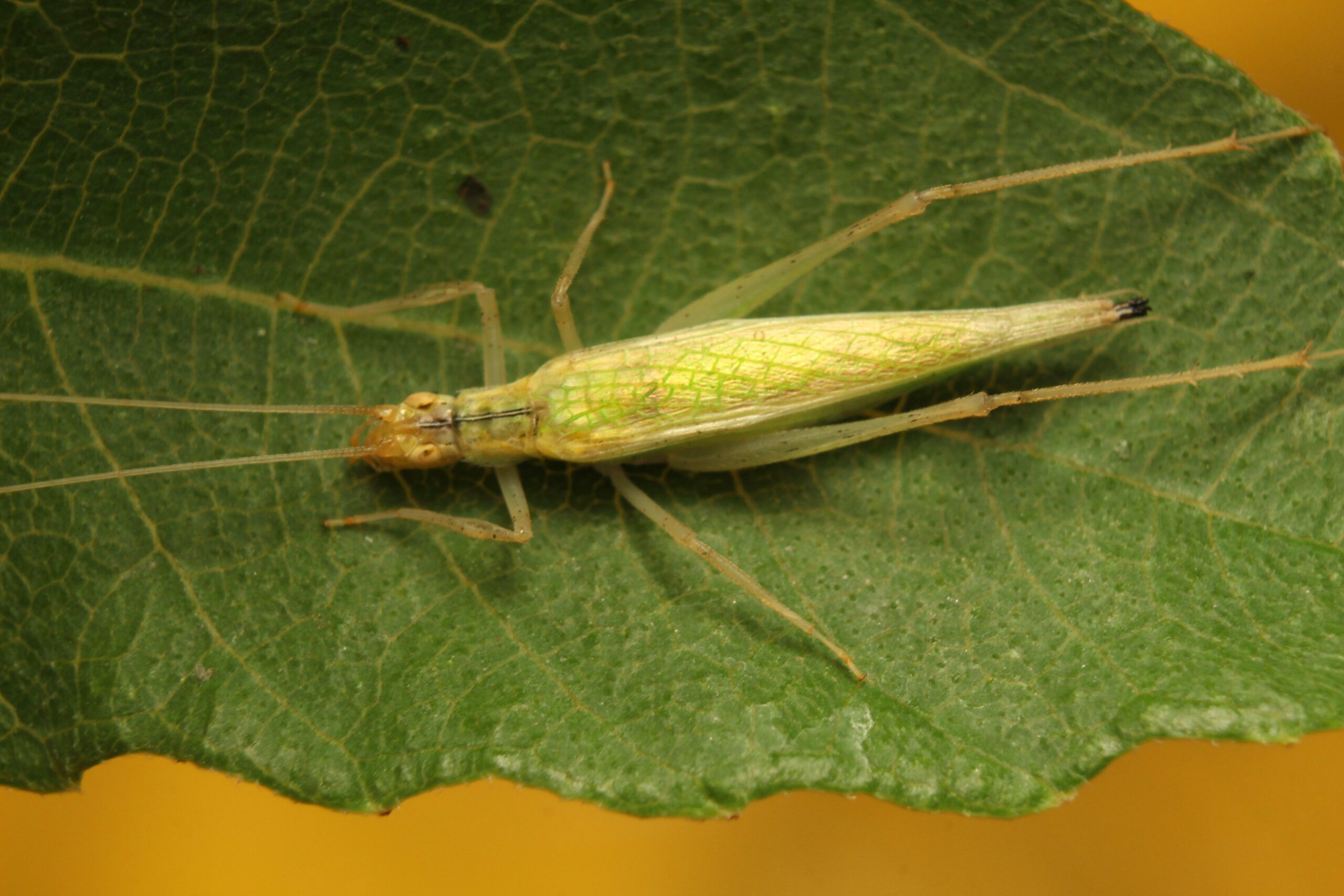 Photo Credit: Suhaib Yatoo / Wikimedia Commons
In the heart of a warm summer evening, the Tree Cricket, known scientifically as Oecanthus, emerges from its leafy hideaway. With its slender body and long, delicate legs, this small insect is a master of camouflage, blending seamlessly into the vibrant greens of trees and shrubs. As twilight descends, the air fills with the sweet scent of blooming flowers, and the Tree Cricket begins its nightly serenade, producing a series of rhythmic chirps that echo through the warm night. This enchanting song not only captivates the ears of nature enthusiasts but also plays a crucial role in the Tree Cricket’s life, as males use their melodies to attract females and establish their territory.
What makes the Tree Cricket particularly fascinating to scientists is its unique ability to adapt to its environment. These insects are not just skilled musicians; they are also omnivores, feasting on tender leaves and small insects, which helps maintain the balance of their ecosystem. Their presence is vital, as they serve as both prey and predator, weaving themselves into the intricate web of life that surrounds them. As we explore the world of Tree Crickets, we will uncover their behaviors, life cycle, and the important roles they play in their habitats, revealing just how remarkable these tiny musicians truly are.
Tree crickets hold a special place in the animal kingdom, nestled within the vast and diverse tree of life. These intriguing insects belong to the order Orthoptera, which includes grasshoppers and katydids. What sets tree crickets apart is their melodious song, produced by the males to attract females. This unique behavior not only showcases their role in reproduction but also highlights their adaptation to their environment. With their slender bodies and long antennae, tree crickets are perfectly designed for life among the leaves, blending seamlessly into their surroundings.
| Taxonomic Rank | Scientific Name | Meaning & Significance |
|---|---|---|
| Kingdom | Animalia | This name comes from the Latin word “animalis,” meaning “having breath.” It signifies all living organisms that are not plants or fungi, highlighting the tree cricket’s status as a breathing, moving creature. |
| Phylum | Arthropoda | Derived from the Greek words “arthron,” meaning “joint,” and “pous,” meaning “foot,” this name refers to the jointed limbs that characterize insects, including tree crickets. |
| Class | Insecta | This term comes from the Latin “insectum,” meaning “cut into,” which describes the segmented body structure of insects. Tree crickets, with their three-part bodies, fit perfectly into this classification. |
| Order | Orthoptera | From the Greek “orthos,” meaning “straight,” and “ptera,” meaning “wings,” this name refers to the straight wings of many insects in this order, including the tree cricket. |
| Family | Gryllidae | This family name comes from the Latin word “gryllus,” meaning “cricket.” It emphasizes the chirping sound that crickets, including tree crickets, are known for. |
| Genus | Oecanthus | Derived from the Greek “oikos,” meaning “house,” and “anthos,” meaning “flower,” this name reflects the tree cricket’s habitat, often found in trees and shrubs, where they create their homes. |
The classification of tree crickets reveals much about their evolutionary journey. As members of the Gryllidae family, they share a common ancestry with other crickets, showcasing the adaptations that have allowed them to thrive in various environments. Their unique songs and physical features, such as long antennae and slender bodies, are not just for show; they are vital for survival and reproduction. Understanding where tree crickets fit in the tree of life helps us appreciate the intricate connections between species and the remarkable adaptations that have evolved over millions of years.
The evolutionary journey of tree crickets stretches back millions of years, weaving through the rich tapestry of life on Earth. These small yet captivating insects belong to the family Gryllidae, which includes crickets and their relatives. The earliest ancestors of tree crickets emerged during the late Permian period, around 250 million years ago, a time when the planet was teeming with diverse life forms. As the world changed, so did these insects, adapting to new environments and challenges.
Tree crickets are believed to have evolved from ancient crickets that thrived in lush, forested habitats. Over time, they developed specialized traits that allowed them to exploit their surroundings more effectively. One major transition was the shift from ground-dwelling lifestyles to arboreal living, meaning they adapted to life in trees. This change not only provided safety from predators but also opened up new opportunities for feeding and mating. Their ability to produce distinctive songs, a trait that evolved to attract mates, became a crucial part of their survival strategy.
The adaptations of tree crickets have played a vital role in their survival. Their camouflage helps them evade predators, while their songs not only attract mates but also establish their presence in a crowded environment. Long antennae enhance their sensory perception, allowing them to respond quickly to threats or opportunities. By being adaptable, tree crickets can inhabit diverse ecosystems, ensuring their lineage continues to thrive in a world that is always changing.
Tree crickets are enchanting little insects that often go unnoticed among the leaves and branches of trees. With their slender bodies and long, delicate legs, they blend seamlessly into their surroundings. Their exoskeleton, a hard outer shell that protects their soft insides, gives them a sturdy yet lightweight form. This design allows them to navigate the world of foliage with ease, while their long antennae, which can be several times the length of their bodies, help them sense their environment.
| Feature | Description |
|---|---|
| Size | Typically 1 to 2 inches long |
| Color | Green or brown, allowing for excellent camouflage |
| Skin Type | Exoskeleton, providing protection and support |
| Most Distinctive Feature | Ability to make musical noises with their wings |
The combination of their slender form, vibrant colors, and the ability to produce musical sounds plays a crucial role in their survival. The green and brown hues help them hide from predators, while their songs attract mates and establish territory. This harmonious blend of features not only enhances their chances of reproduction but also allows them to thrive in their leafy habitats, making tree crickets a delightful part of the ecosystem.
Tree crickets thrive in lush environments where they can easily blend into their surroundings. Picture a warm summer evening, with the sun setting and the air filled with the sweet scent of blooming flowers. These tiny insects make their homes in trees, shrubs, and even tall herbs, creating a symphony of chirps that fills the air. Their habitats are often found in gardens, forests, and fields, where the greenery provides both shelter and food.
Tree crickets prefer warm climates, as they are sensitive to temperature changes. They thrive in areas where the weather is mild, typically enjoying temperatures that range from 70 to 90 degrees Fahrenheit. These insects are also found in regions with high humidity, which helps keep their bodies hydrated. The combination of warmth and moisture creates the perfect environment for tree crickets to flourish, allowing them to sing their distinctive songs and attract mates.
To survive in their chosen habitats, tree crickets have developed some clever adaptations. Their green or brown coloration helps them camouflage against leaves and branches, making it difficult for predators to spot them. Additionally, their long legs allow them to navigate through dense vegetation with ease. By being active during the warmer months and finding shelter in the foliage, tree crickets have become masters of their environment, ensuring their survival and continuing their enchanting chorus in the night.
As the sun dips below the horizon, tree crickets begin their nightly symphony. These nocturnal insects are most active after dark, spending their evenings hopping from leaf to leaf in search of food and mates. Their diet mainly consists of tender plant leaves, which they nibble on with their sharp mouthparts. During the night, they engage in a variety of activities, from foraging to singing, creating a chorus that fills the air with their rhythmic chirps. This nightly routine is not just about survival; it’s also a time for communication and attracting potential partners.
Tree crickets are primarily solitary creatures, but they do have interesting social behaviors when it comes to mating. Males are known for their distinctive songs, which they produce by rubbing their wings together in a process called stridulation. This musical display serves two purposes: it helps them establish territory and attracts females. While they may not form large groups, the presence of other males can influence a male’s song, leading to a competitive atmosphere where the loudest and most appealing calls win the attention of females. This dynamic creates a unique social structure, where each male must balance the need for individuality with the pressures of competition.
| Behavior Type | Description |
|---|---|
| Activity Patterns | Nocturnal foraging and singing, primarily active at night. |
| Social Structure | Mainly solitary, with males competing for female attention through song. |
| Communication Methods | Stridulation, where males rub their wings to produce chirping sounds. |
The behaviors of tree crickets are finely tuned to ensure their survival in the wild. By being active at night, they avoid many predators that hunt during the day. Their ability to communicate through song not only helps them find mates but also establishes their territory, reducing conflicts with other males. This blend of solitary habits and strategic social interactions allows tree crickets to thrive in their environments, showcasing the delicate balance of life in the natural world.
Tree crickets are omnivores, which means they enjoy a varied diet that includes both plant material and other small creatures. Their favorite foods consist of tender leaves and soft-bodied insects, particularly aphids. These little critters are skilled foragers, using their long antennae to sense their surroundings and locate food sources. As they hop from leaf to leaf, they carefully select the tastiest morsels, making the most of their lush habitats.
| Dietary Aspect | Details |
|---|---|
| Diet Type | Omnivore |
| Favorite Foods | Tender leaves and soft-bodied insects |
| Prey Items | Aphids and other small insects |
| Hunting/Foraging Strategies | Using long antennae to sense food and hopping from leaf to leaf |
This diverse diet plays a crucial role in the tree cricket’s ecology and daily routine. By feeding on both plants and insects, they help control pest populations, like aphids, which can damage vegetation. Their foraging habits also contribute to the health of their environment, as they help maintain a balance in the ecosystem. As they search for food under the cover of night, tree crickets not only sustain themselves but also participate in the intricate web of life that surrounds them.
As summer approaches, tree crickets engage in a lively courtship ritual that fills the air with their melodic songs. Males produce a series of rhythmic chirps to attract females, showcasing their fitness and vitality. This mating behavior typically peaks during warm months, when conditions are just right for reproduction. Once a female selects a mate, she lays her eggs in the soil or on plant stems, ensuring that the next generation has a safe place to develop.
| Reproductive Aspect | Details |
|---|---|
| Gestation Period | Approximately 2 to 3 weeks |
| Litter Size | 20 to 100 eggs |
| Age of Maturity | 6 to 8 weeks |
| Name of Young | Nymph |
After the eggs hatch, the young tree crickets, known as nymphs, emerge and begin their journey of growth. These nymphs resemble miniature adults but lack fully developed wings. They go through several molts, shedding their exoskeletons as they grow larger. During this time, they learn to navigate their environment, forage for food, and develop the skills they need to thrive. Parental care is minimal, as tree crickets rely on their instincts to survive. Eventually, after a few weeks of growth, these nymphs will mature into adult crickets, ready to join the chorus of their ancestors.
Tree crickets play a vital role in their ecosystems, serving as both prey and predator. Positioned in the food web, they are an important food source for various animals, helping to maintain the balance of nature. Their presence supports the diets of many creatures, while they also contribute to the health of their habitats by feeding on plant material and small insects.
To defend themselves against these threats, tree crickets have developed several clever survival strategies. Their ability to camouflage, or blend in with their surroundings, makes it difficult for predators to spot them among the leaves. Additionally, their nocturnal lifestyle allows them to avoid many daytime hunters. When threatened, some species can also produce a loud, startling sound by rubbing their wings together, which may distract or deter potential attackers. These adaptations help ensure that tree crickets can continue to thrive in their environments, despite the dangers they face.
A keystone species is an organism that has a disproportionately large impact on its environment relative to its abundance. In other words, if it were removed, the ecosystem would change dramatically. Tree crickets, while not as widely recognized as some other keystone species, do play an important role in their habitats, particularly in the ecosystems of trees, shrubs, and herbs where they reside.
Tree crickets contribute to their ecosystems in several significant ways. As omnivores, they help control the populations of both plant material and small insects. By munching on tender leaves and soft-bodied insects, they assist in maintaining a balance in plant growth and insect populations. This balance is crucial for the health of the plants and the animals that depend on them. Additionally, tree crickets serve as a food source for various predators, including birds and small mammals. Their presence supports these higher trophic levels, creating a web of life that is interconnected and reliant on one another.
Moreover, the melodic songs of male tree crickets during their courtship rituals not only attract females but also contribute to the acoustic environment of their habitats. This soundscape can influence the behavior of other species, including potential predators and competitors. The songs may also play a role in marking territory, which helps reduce conflicts among males, allowing for a more stable community of tree crickets.
If tree crickets were to disappear from their ecosystems, the effects would ripple through the food web. Without them, the populations of the plants they feed on could become unbalanced, potentially leading to overgrowth or the decline of certain species. Predators that rely on tree crickets for food would face starvation, which could lead to a decline in their populations as well. The loss of their unique songs would alter the acoustic environment, affecting the behaviors of other animals. In essence, the absence of tree crickets would create a cascade of changes, highlighting their vital role in maintaining the health and balance of their ecosystems.
Tree crickets occupy a vital ecological niche, acting as both consumers and prey within their habitats. These small insects thrive in trees, shrubs, and herbs, where they contribute to the balance of their ecosystems. By feeding on plant material and small insects, tree crickets help regulate plant growth and control pest populations. Their nocturnal lifestyle adds a unique rhythm to the night, influencing the behaviors of other animals around them.
| Ecosystem Service | Impact |
|---|---|
| Pollination | Tree crickets can aid in the pollination of certain plants as they move from flower to flower, transferring pollen. |
| Food Source | They serve as an important food source for birds, bats, and other predators, supporting the food web. |
| Soil Aeration | As they burrow and move through the soil, tree crickets help aerate it, promoting healthy plant growth. |
| Pest Control | By consuming small insects, they help keep pest populations in check, benefiting surrounding plants. |
Tree crickets influence their environment in several specific ways. For instance, their feeding habits can help maintain the health of the plants they inhabit. By munching on soft-bodied insects, they reduce the number of pests that might otherwise damage leaves and flowers. Additionally, their presence attracts various predators, such as birds and bats, which rely on them for sustenance. This interaction creates a dynamic balance, where tree crickets support both plant health and the survival of other species.
The broader ecological importance of tree crickets cannot be overstated. As a keystone species, their role in the ecosystem is crucial; without them, the balance of their habitats could shift dramatically. Their activities not only support plant life but also contribute to the overall health of the ecosystem. By understanding the impact of tree crickets, we gain insight into the intricate web of life that sustains our natural world, reminding us of the interconnectedness of all living things.
In the intricate web of life, tree crickets engage in various partnerships with other species, showcasing the beauty of symbiosis. Symbiosis refers to the close interactions between different species, which can be beneficial, harmful, or neutral. These relationships are essential for the survival and thriving of many organisms, including tree crickets. By forming connections with other species, tree crickets not only enhance their own lives but also contribute to the health of their ecosystems.
| Species/Type | Relationship Type | Description |
|---|---|---|
| Ants | Mutualistic | Tree crickets and ants often share a beneficial relationship. Ants protect tree crickets from predators, while crickets provide ants with honeydew, a sugary substance they produce. |
| Parasitic Wasps | Parasitic | Some wasps lay their eggs inside tree crickets. The wasp larvae feed on the cricket, which can harm or even kill it. This relationship is detrimental to the cricket. |
| Fungi | Commensal | Tree crickets can sometimes be found living among fungi. The fungi benefit from the nutrients the crickets leave behind, while the crickets gain shelter without affecting the fungi. |
These relationships have evolved over time, shaped by the needs and behaviors of the species involved. Mutualistic partnerships, like that of tree crickets and ants, highlight how cooperation can lead to greater survival for both parties. In contrast, parasitic relationships, such as those with wasps, illustrate the darker side of nature, where one species benefits at the expense of another. Commensal relationships, like those with fungi, show how some species can coexist without impacting each other. Together, these interactions create a dynamic balance in ecosystems, demonstrating the interconnectedness of life.
Tree crickets are not just ordinary insects; they are nature’s little musicians, filling the night air with their enchanting songs. These fascinating creatures have a variety of surprising traits that make them stand out in the insect world.
Tree crickets have danced through the pages of human history, often celebrated for their enchanting songs that fill the night air. In many cultures, these tiny musicians symbolize the arrival of warm weather and the beauty of nature. Ancient civilizations revered them, believing their melodies brought good fortune and prosperity. In Japan, for instance, tree crickets are cherished as symbols of autumn, inspiring poetry and art. Their presence has sparked curiosity and admiration, weaving them into the cultural fabric of societies around the world.
Today, our interactions with tree crickets are multifaceted. While many people appreciate their songs, others may see them as pests, especially when they invade gardens or homes. Conservation efforts are underway to protect their habitats, as urbanization and climate change threaten their populations. Some enthusiasts even keep tree crickets as pets, fascinated by their behavior and songs. This blend of admiration and conflict highlights the complex relationship we share with these insects, as we navigate the balance between preserving nature and managing our living spaces.
As we look to the future, the relationship between tree crickets and humanity holds promise. With growing awareness of biodiversity and the importance of all species, more people are likely to appreciate these small yet significant insects. By fostering a deeper understanding of their role in ecosystems, we can create a world where tree crickets thrive alongside us. Together, we can ensure that their melodies continue to enchant generations to come, reminding us of the beauty and complexity of the natural world.
The conservation status of tree crickets is currently not listed by the International Union for Conservation of Nature (IUCN). This means that, as of now, there is no specific classification indicating that they are at risk of extinction. However, population trends can vary by region and species, and ongoing research is essential to monitor their numbers and health in the wild. While some local populations may be stable, others could be facing challenges that require attention.
| Conservation Factor | Status/Details |
|---|---|
| IUCN Status | Not Listed |
| Population Estimates | Varies by region; specific numbers not available |
| Trend Direction | Unknown; requires further study |
Despite their current status, tree crickets face several threats that could impact their populations in the future. Habitat loss is a significant concern, as urban development and agricultural expansion can destroy the lush environments where these insects thrive. Additionally, pesticide use can harm tree crickets directly or reduce their food sources, making survival more challenging. Climate change also poses a risk, altering the delicate balance of ecosystems and potentially affecting the availability of suitable habitats.
Conservation efforts for tree crickets are still in their infancy, but awareness is growing. Researchers and conservationists are beginning to study these insects more closely to understand their ecological roles and population dynamics. By promoting habitat preservation and responsible land use, we can help ensure that tree crickets continue to thrive in their natural environments. The outlook for these small yet vital insects depends on our commitment to protecting the ecosystems they inhabit and the ongoing research that will shed light on their needs.
| Question | Answer |
|---|---|
| Where do Tree Crickets live? | Tree Crickets are commonly found in trees, shrubs, and herbs. They prefer habitats that provide plenty of foliage for hiding and singing, as they are often found in gardens and forests. |
| What do Tree Crickets eat? | Tree Crickets are omnivores, which means they eat both plants and other small insects. Their diet can include leaves, flowers, and even decaying plant matter, making them important for the ecosystem. |
| How do Tree Crickets behave? | Tree Crickets are known for their musical calls, which they produce by rubbing their wings together. This behavior, called stridulation, is mainly used by males to attract females and establish territory. |
| How do Tree Crickets reproduce? | During mating season, male Tree Crickets call to attract females. After mating, the female lays her eggs in plant stems or soil, where they will hatch into nymphs, resembling miniature adults. |
| What threats do Tree Crickets face? | Tree Crickets face threats from habitat loss due to urban development and pesticide use. These factors can reduce their populations and disrupt their natural behaviors. |
| What is a unique characteristic of Tree Crickets? | One of the most distinctive features of Tree Crickets is their ability to produce musical sounds with their wings. This unique talent not only helps them communicate but also adds a delightful soundtrack to summer evenings. |
| Are Tree Crickets endangered? | Tree Crickets are currently not listed as endangered, which means they are not facing immediate threats to their survival. However, ongoing habitat destruction could impact their populations in the future. |