Taxonomy & Classification
- Kingdom
- Animalia
- Phylum
- Chordata
- Class
- Actinopterygii
- Order
- Tetraodontiformes
- Family
- Balistidae
- Genus
- Balistoides

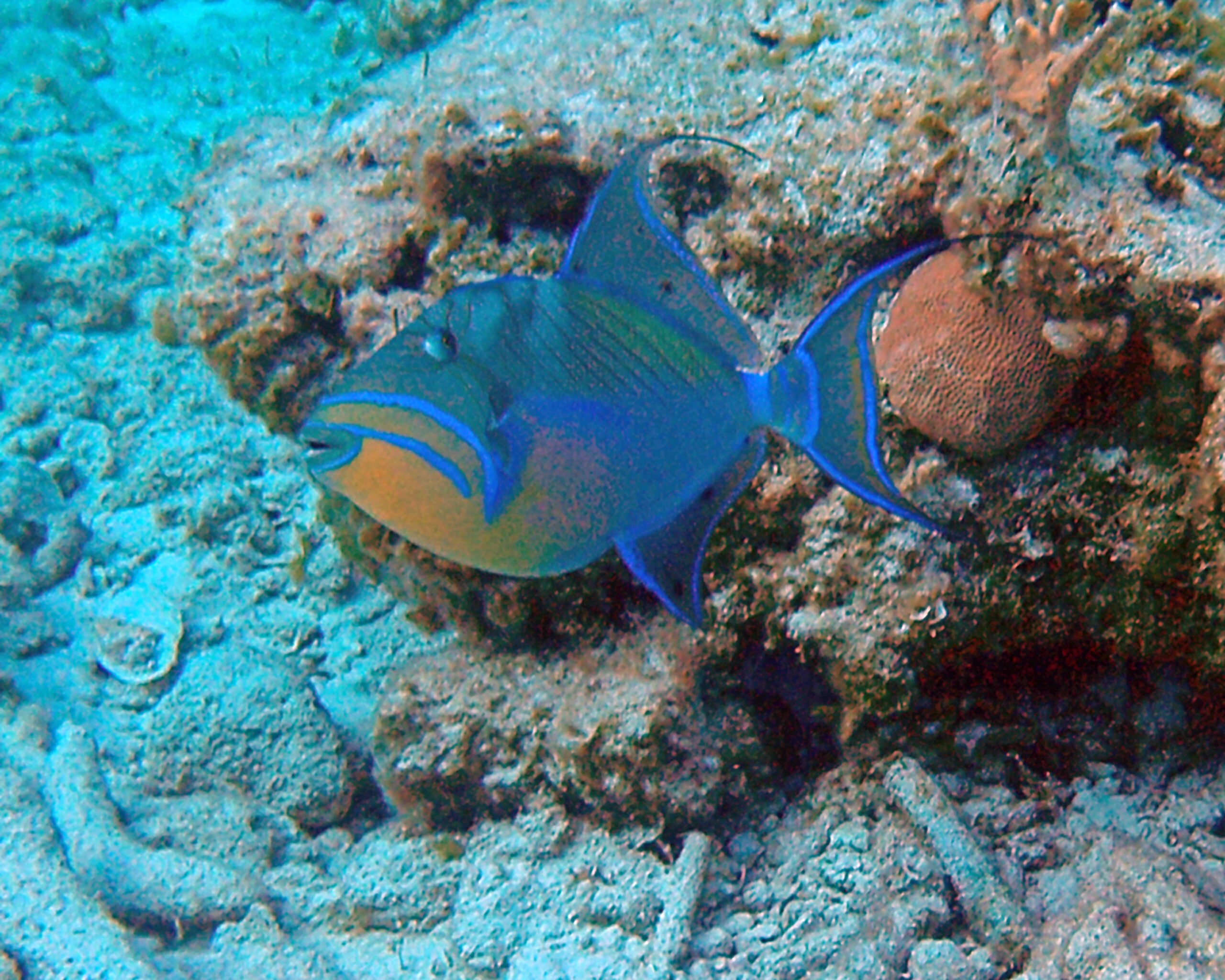 Photo Credit: Natuur12 / Wikimedia Commons
In the shimmering waters of tropical coral reefs, the triggerfish, known scientifically as Balistidae, glides gracefully among the vibrant corals and swaying sea grasses. With their striking colors and robust, oval bodies, these fish are like living jewels of the ocean. Their tough skin and powerful jaws are not just for show; they are perfectly adapted for cracking open the hard shells of mollusks and sea urchins, making them skilled foragers in their underwater realm. Scientists and nature enthusiasts alike are captivated by their unique behaviors, from their curious personalities to their intricate mating rituals, which add a layer of intrigue to their already colorful lives.
As the sun filters through the water, illuminating the coral gardens, triggerfish patrol their territories with a sense of purpose. They are known for their boldness, often standing their ground against larger fish, showcasing a fierce determination that belies their size. This combination of beauty and tenacity makes them a keystone species in their ecosystem, playing a crucial role in maintaining the balance of life beneath the waves. Join us as we dive deeper into the world of triggerfish, exploring their fascinating adaptations, behaviors, and the vital role they play in the health of coral reefs.
Triggerfish hold a special place in the tree of life, showcasing a fascinating blend of characteristics that set them apart in the animal kingdom. These vibrant fish belong to the family Balistidae and are known for their distinctive body shapes and bold colors. With their strong jaws and tough skin, triggerfish are well-adapted to life on coral reefs, where they use their powerful teeth to crack open hard-shelled prey like sea urchins and mollusks. Their unique adaptations not only make them effective hunters but also highlight their evolutionary journey through millions of years.
| Taxonomic Rank | Scientific Name | Meaning & Significance |
|---|---|---|
| Kingdom | Animalia | This name signifies that triggerfish are part of the vast group of multicellular organisms that are primarily heterotrophic, meaning they consume other organisms for energy. |
| Phylum | Chordata | Chordata refers to animals that have a notochord, a flexible rod that supports the body. In triggerfish, this structure is present during their early development. |
| Class | Actinopterygii | This class includes ray-finned fishes, which have fins supported by bony spines. Triggerfish are part of this group, showcasing their evolutionary adaptation to aquatic life. |
| Order | Tetraodontiformes | This order includes fish known for their unique body shapes and behaviors. The name comes from the Greek words for “four” and “tooth,” referring to the four prominent teeth that many members possess. |
| Family | Balistidae | The family name Balistidae is derived from the Greek word “balistes,” meaning “to throw,” which relates to the fish’s ability to quickly dart away from predators. |
| Genus | Balistoides | This genus name combines “balistes” with the suffix “-oides,” meaning “like” or “resembling,” indicating a close relationship to other triggerfish within the family. |
Understanding the taxonomic classification of triggerfish reveals much about their evolutionary history. As members of the Actinopterygii class, they share a lineage with a diverse array of fish, showcasing adaptations that have allowed them to thrive in various marine environments. Their unique features, such as their strong jaws and specialized teeth, reflect millions of years of evolution, enabling them to exploit specific ecological niches. This classification not only highlights their biological connections but also emphasizes the intricate web of life that connects all species in the ocean.
The evolutionary journey of triggerfish spans millions of years, tracing back to ancient marine environments. These colorful fish, belonging to the family Balistidae, have adapted to a variety of ocean habitats, showcasing a remarkable ability to thrive in diverse conditions. Their lineage can be traced to the late Cretaceous period, around 100 million years ago, when the ancestors of modern fish began to diversify in response to changing ocean ecosystems.
Ancestral forms of triggerfish were likely more streamlined and less robust than their modern descendants. Over time, they underwent significant evolutionary transitions, developing distinctive features that would help them survive in their environments. One of the most notable changes was the evolution of their strong, laterally compressed bodies, which allow them to maneuver skillfully among coral reefs and rocky substrates. Additionally, their teeth evolved to be more specialized for crushing hard-shelled prey, such as sea urchins and mollusks, giving them a competitive edge in their feeding habits.
These adaptations have been crucial for the survival of triggerfish in the ever-changing marine world. Their powerful jaws and specialized teeth enable them to exploit a wide range of food sources, while their vibrant colors and defensive spines provide protection against predators. The combination of adaptability and intelligence allows triggerfish to thrive in diverse environments, ensuring their place in the rich tapestry of ocean life. As they continue to evolve, these fascinating fish remind us of the intricate connections that shape the natural world.
In the vibrant world beneath the waves, triggerfish stand out with their striking appearance and robust body structure. These fish have a somewhat oval shape, giving them a compact and sturdy look. Their bodies are often adorned with a dazzling array of colors, ranging from bright yellows and greens to deep blues and browns, making them a visual delight in coral reefs. With a strong, pointed snout and large, expressive eyes, triggerfish are not just beautiful; they are built for life in the bustling ocean.
| Feature | Description |
|---|---|
| Size | Typically range from 12 to 24 inches long, depending on the species. |
| Color | Vibrant hues including yellows, greens, blues, and browns, often with intricate patterns. |
| Skin Type | Covered in tough, protective scales that help them navigate rocky environments. |
| Distinctive Feature | Ability to lock their fin spines, which can be released like a “trigger” for defense. |
The combination of their sturdy body, vibrant colors, and unique fin-locking mechanism serves multiple purposes in the wild. The tough scales protect them from predators and rough coral, while their bright colors can either attract mates or serve as a warning to potential threats. When faced with danger, the ability to lock their spines provides an effective defense, making it difficult for predators to swallow them. Together, these features create a well-adapted fish that thrives in the dynamic and colorful underwater world.
In the warm embrace of tropical waters, triggerfish find their home among the vibrant coral reefs and shallow coastal areas. These lively environments are alive with color and movement, where sunlight dances on the surface and illuminates the intricate patterns of coral formations. The reefs provide not only shelter but also a rich hunting ground filled with small invertebrates and algae, which are essential to the triggerfish’s diet.
Triggerfish thrive in warm, shallow waters, typically found in areas where the temperature ranges from 70 to 85 degrees Fahrenheit. These fish prefer environments with plenty of structure, such as coral reefs, where they can hide from predators and find food. The clear waters of tropical regions allow them to see their surroundings well, making it easier to spot both prey and potential threats.
Over time, triggerfish have developed several adaptations that help them succeed in their specific habitats. Their strong, beak-like teeth are perfect for cracking open hard-shelled prey, while their ability to swim quickly and maneuver skillfully among the coral helps them evade larger predators. Additionally, their vibrant colors not only make them a sight to behold but also serve as a form of communication with other fish, signaling their presence and intentions in the bustling underwater world.
Triggerfish lead a dynamic daily life filled with exploration and interaction. As the sun rises over the coral reefs, these colorful fish begin their day by patrolling their territory. They are known for their curious nature, often darting in and out of crevices and around coral formations. Their diet consists mainly of hard-shelled invertebrates, which they skillfully crack open using their strong jaws. Throughout the day, triggerfish engage in foraging, searching for food while also keeping an eye out for potential threats.
While triggerfish are primarily solitary, they do exhibit interesting social behaviors during certain times, especially during breeding seasons. Males may display vibrant colors and perform elaborate dances to attract females. These displays are not just for show; they help establish dominance and attract mates. Although they prefer to roam alone, triggerfish can sometimes be seen in small groups, particularly when feeding in areas rich in food. Their interactions are often marked by a mix of curiosity and caution, as they navigate their surroundings while being aware of larger predators.
| Behavior Type | Description |
|---|---|
| Foraging | Triggerfish search for food, primarily hard-shelled invertebrates, using their strong jaws to crack open shells. |
| Territorial Patrol | They patrol their territory, ensuring that no other fish encroach on their feeding grounds. |
| Breeding Displays | Males perform colorful displays and dances to attract females, showcasing their health and vitality. |
| Solitary Behavior | While they can be seen in small groups, triggerfish are mostly solitary, preferring to explore alone. |
| Communication | They communicate through body language and color changes, signaling their mood and intentions to others. |
The behaviors of triggerfish are finely tuned to ensure their survival in the vibrant yet challenging marine environment. Their solitary nature allows them to be stealthy hunters, while their occasional social interactions during breeding seasons help maintain genetic diversity. By mastering their territory and employing clever foraging techniques, triggerfish thrive in their underwater world, showcasing the delicate balance of life beneath the waves.
Triggerfish are omnivores, meaning they enjoy a varied diet that includes both plant and animal matter. These lively fish are particularly fond of munching on mollusks, crustaceans, and sea urchins. With their strong jaws and specialized teeth, they can crack open hard shells to access the tasty morsels inside. Triggerfish are not just passive eaters; they actively hunt and forage for food, often using their keen eyesight to spot potential prey hiding among the coral or sand.
| Dietary Aspect | Details |
|---|---|
| Diet Type | Omnivore |
| Favorite Foods | Mollusks, crustaceans, sea urchins |
| Prey Items | Clams, snails, crabs, shrimp |
| Hunting/Foraging Strategies | Using strong jaws to crack shells, keen eyesight to locate prey |
The diet of triggerfish plays a crucial role in their ecology and daily routine. By feeding on a variety of organisms, they help maintain the balance of their coral reef habitats. Their foraging activities can also influence the distribution of other marine species, as they create opportunities for new growth by consuming certain prey. This dynamic relationship with their environment not only shapes their behavior but also contributes to the overall health of the vibrant ecosystems they inhabit.
In the vibrant underwater world, triggerfish engage in captivating mating rituals during their breeding season, which typically occurs in warmer months. Males often display their bright colors and perform elaborate dances to attract females. These displays can include swimming in circles, puffing up their bodies, and even nudging the female to show their interest. Once a pair has formed, they will work together to prepare a nest, usually in sandy or rocky areas, where the female will lay her eggs.
| Reproductive Aspect | Details |
|---|---|
| Gestation Period | Approximately 5 to 10 days |
| Litter Size | Up to 1,000 eggs |
| Age of Maturity | 1 to 2 years |
| Name of Young | Fry |
After the eggs are laid, the male often takes on the role of protector, guarding the nest from potential threats. Once the eggs hatch, the tiny fry emerge, ready to explore their surroundings. These young fish are initially quite vulnerable, relying on their natural instincts to find food and avoid predators. As they grow, they gradually develop the skills needed to thrive in their colorful coral reef homes. With time, they will transform into the vibrant adults that contribute to the lively ecosystem, showcasing the beauty of life beneath the waves.
In the intricate web of ocean life, triggerfish occupy a vital role as both predators and prey. These colorful fish thrive in coral reefs, where they feast on a variety of marine organisms. However, their position in the food web makes them vulnerable to several threats, both natural and human-induced. Understanding these dangers is crucial for appreciating the delicate balance of their ecosystem.
To survive these challenges, triggerfish have developed impressive defensive behaviors. They are known for their strong jaws and sharp teeth, which they use to crack open hard-shelled prey. When threatened, triggerfish can also bury themselves in the sand or hide among coral, making it difficult for predators to spot them. Their ability to quickly dart away and their territorial nature help them defend their homes against larger fish. By employing these strategies, triggerfish continue to thrive in their vibrant underwater world, despite the dangers they face.
A keystone species is a vital part of its ecosystem, playing a crucial role in maintaining the structure and balance of that environment. Triggerfish, with their unique behaviors and dietary habits, can indeed be considered a keystone species in their coral reef habitats. Their presence influences the abundance and diversity of other marine life, making them essential for the health of their ecosystem.
One of the most significant ways triggerfish impact their environment is through their feeding habits. As omnivores, they consume a variety of organisms, including mollusks, crustaceans, and sea urchins. By preying on these species, triggerfish help control their populations, preventing any one group from overwhelming the reef. This balance is crucial because an overabundance of certain species can lead to a decline in coral health, which is the foundation of the reef ecosystem.
Additionally, triggerfish are known for their territorial behavior. They often defend their nesting sites vigorously, which can influence the distribution of other fish species in the area. By establishing territories, they create safe zones for smaller fish to thrive, promoting biodiversity. This interaction helps maintain a rich tapestry of life within the reef, where various species coexist and support one another.
Moreover, triggerfish contribute to the physical environment of the reef. Their feeding activities can help aerate the substrate, allowing for better water flow and nutrient exchange. This process is essential for the growth of corals and other marine plants, which rely on healthy conditions to flourish.
If triggerfish were to disappear from their ecosystems, the consequences could be dire. Without these fish to regulate prey populations, certain species could explode in numbers, leading to overgrazing of coral reefs. This would not only harm the corals but also disrupt the entire marine community that relies on them for shelter and food. The vibrant underwater world would lose its balance, resulting in diminished biodiversity and a less resilient ecosystem. In essence, the absence of triggerfish would send ripples through the reef, affecting countless marine species and the health of the ocean itself.
In the bustling underwater world of coral reefs, triggerfish carve out a significant ecological niche. These vibrant fish are not just colorful inhabitants; they play a crucial role in maintaining the health and balance of their marine environment. By foraging for food and interacting with other species, triggerfish help shape the ecosystem in ways that are both fascinating and essential for the survival of many marine organisms.
| Ecosystem Service | Impact |
|---|---|
| Grazing on algae | Helps control algae growth, promoting coral health |
| Prey for larger fish | Supports the food web by providing nourishment |
| Habitat creation | Use of nesting sites contributes to reef structure |
| Seed dispersal | Facilitates the growth of seagrasses and other plants |
Triggerfish are particularly influential in their role as grazers. By munching on algae, they prevent overgrowth that can smother corals, allowing these vital structures to thrive. Their feeding habits also create small clearings on the reef, which can benefit other marine life by providing space for different species to settle and grow. Additionally, triggerfish serve as prey for larger predators, such as sharks and barracudas, thus supporting the intricate food web that sustains the entire ecosystem.
The broader ecological importance of triggerfish cannot be overstated. As keystone species, they help maintain the balance of their environment, ensuring that coral reefs remain vibrant and diverse. Their interactions with both the plant and animal life around them contribute to a healthy marine ecosystem, which in turn supports countless other species, including humans who rely on these waters for food and recreation. By understanding the role of triggerfish, we gain insight into the delicate connections that sustain life beneath the waves.
In the intricate tapestry of ocean life, symbiosis plays a vital role in shaping the relationships between different species. Symbiosis refers to the close interactions between organisms, which can be beneficial, harmful, or neutral. These ecological relationships can be classified into three main types: mutualism, where both species benefit; parasitism, where one species benefits at the expense of another; and commensalism, where one species benefits while the other is neither helped nor harmed. Triggerfish, with their vibrant colors and unique behaviors, engage in various partnerships that highlight the complexity of marine ecosystems.
| Species/Type | Relationship Type | Description |
|---|---|---|
| Cleaner Shrimp | Mutualistic | Triggerfish often visit cleaner shrimp, which remove parasites and dead skin from their bodies. In return, the shrimp get a meal and protection from predators. |
| Sea Urchins | Commensal | Triggerfish may be found near sea urchins, which provide shelter. The triggerfish benefit from the protection offered by the urchins, while the urchins remain unaffected. |
| Coral Reefs | Mutualistic | Triggerfish help maintain coral reefs by feeding on algae that can overgrow and suffocate corals. This keeps the reef healthy, benefiting both the fish and the corals. |
These relationships have evolved over time, shaped by the needs and behaviors of the species involved. The mutualistic partnerships, like those with cleaner shrimp, showcase how cooperation can enhance survival for both parties. Meanwhile, the commensal interactions with sea urchins highlight the importance of shelter in the ocean’s dynamic environment. As triggerfish navigate their vibrant habitats, they not only contribute to the health of their ecosystems but also demonstrate the interconnectedness of life beneath the waves.
Triggerfish are truly captivating inhabitants of the ocean, known for their vibrant colors and intriguing behaviors. These fish are not just beautiful; they have some surprising traits that make them stand out in the underwater world.
Throughout history, triggerfish have captivated the imaginations of coastal communities and cultures around the world. These colorful fish, often found in vibrant coral reefs, have been featured in folklore and art, symbolizing the beauty and mystery of the ocean. In many cultures, they are seen as a sign of good fortune or a connection to the sea’s bounty. Fishermen have long recognized their importance, not only as a source of food but also as indicators of healthy marine ecosystems. The relationship between triggerfish and humanity is steeped in respect and admiration, reflecting our deep connection to the natural world.
In modern times, interactions between triggerfish and humans have evolved, focusing on conservation and sustainable practices. As awareness of environmental issues grows, many communities are working to protect coral reefs, which are vital habitats for these fish. However, conflicts can arise, particularly in areas where fishing pressures are high. Some species of triggerfish are targeted for their meat, leading to concerns about overfishing. Additionally, as more people engage in recreational activities like snorkeling and diving, the delicate balance of these ecosystems can be disrupted. Efforts to domesticate or farm triggerfish are also being explored, aiming to provide a sustainable source of seafood while reducing pressure on wild populations.
As we look to the future, the relationship between triggerfish and humanity holds both challenges and opportunities. With increasing awareness of the importance of marine conservation, there is hope for a more harmonious coexistence. By prioritizing sustainable practices and protecting coral reef ecosystems, we can ensure that triggerfish continue to thrive in their natural habitats. This partnership not only benefits the fish but also enriches our lives, reminding us of the beauty and complexity of the underwater world. Together, we can foster a future where both triggerfish and humans flourish in a balanced and respectful relationship.
The conservation status of triggerfish is currently classified as “Least Concern” by the International Union for Conservation of Nature (IUCN). This means that, overall, they are not facing immediate threats that could lead to their extinction. Their populations are stable in many regions, although local declines can occur due to specific environmental pressures. As vibrant inhabitants of coral reefs, triggerfish continue to thrive in their natural habitats, showcasing their resilience in the face of changing ocean conditions.
| Conservation Factor | Status/Details |
|---|---|
| IUCN Status | Least Concern |
| Population Estimates | Stable in many regions |
| Trend Direction | Generally stable, with local declines |
Despite their overall stable status, triggerfish face several threats that can impact their populations. One of the main challenges is habitat degradation, particularly due to coral reef destruction caused by climate change, pollution, and overfishing. As coral reefs are vital for their survival, any decline in these ecosystems can lead to a decrease in triggerfish numbers. Additionally, the aquarium trade can put pressure on certain species, as collectors may remove them from their natural habitats, disrupting local populations.
Conservation efforts are underway to protect triggerfish and their habitats. Marine protected areas (MPAs) are being established to safeguard coral reefs and the diverse life they support. These areas help ensure that triggerfish can thrive without the pressures of fishing and habitat destruction. Public awareness campaigns also play a crucial role in educating communities about the importance of preserving marine ecosystems. With continued efforts, the outlook for triggerfish remains positive, allowing these colorful fish to continue their vibrant lives in the ocean.
| Question | Answer |
|---|---|
| Where do Triggerfish live? | Triggerfish are commonly found in reef environments and shallow waters. They prefer warm, tropical oceans, often hiding among coral reefs where they can find shelter and food. |
| What do Triggerfish eat? | Triggerfish are omnivores, which means they eat both plants and animals. Their diet includes algae, small invertebrates, and even crustaceans, making them versatile feeders in their underwater homes. |
| How do Triggerfish behave? | Triggerfish are known for their curious and bold nature. They often display territorial behavior, especially during breeding season, and can be quite aggressive if they feel threatened. |
| How do Triggerfish reproduce? | During mating season, Triggerfish engage in elaborate courtship displays. Females lay eggs in nests that the males guard fiercely, ensuring the safety of their young until they hatch. |
| What threats do Triggerfish face? | While Triggerfish are currently classified as Least Concern, they still face threats from habitat destruction and pollution. Overfishing can also impact their populations, especially in areas where they are targeted for the aquarium trade. |
| What is a unique feature of Triggerfish? | One of the most distinctive features of Triggerfish is their ability to lock their dorsal fins. They can raise their spines to defend themselves and then unlock them to swim freely, which is quite a fascinating adaptation. |
| Can Triggerfish be kept in aquariums? | Yes, many species of Triggerfish are popular in home aquariums. However, they require ample space and specific care due to their aggressive nature and need for a varied diet. |