Taxonomy & Classification
- Kingdom
- Animalia
- Phylum
- Chordata
- Class
- Actinopterygii
- Order
- Salmoniformes
- Family
- Salmonidae
- Genus
- Salmo, Oncorhynchus, Salvelinus

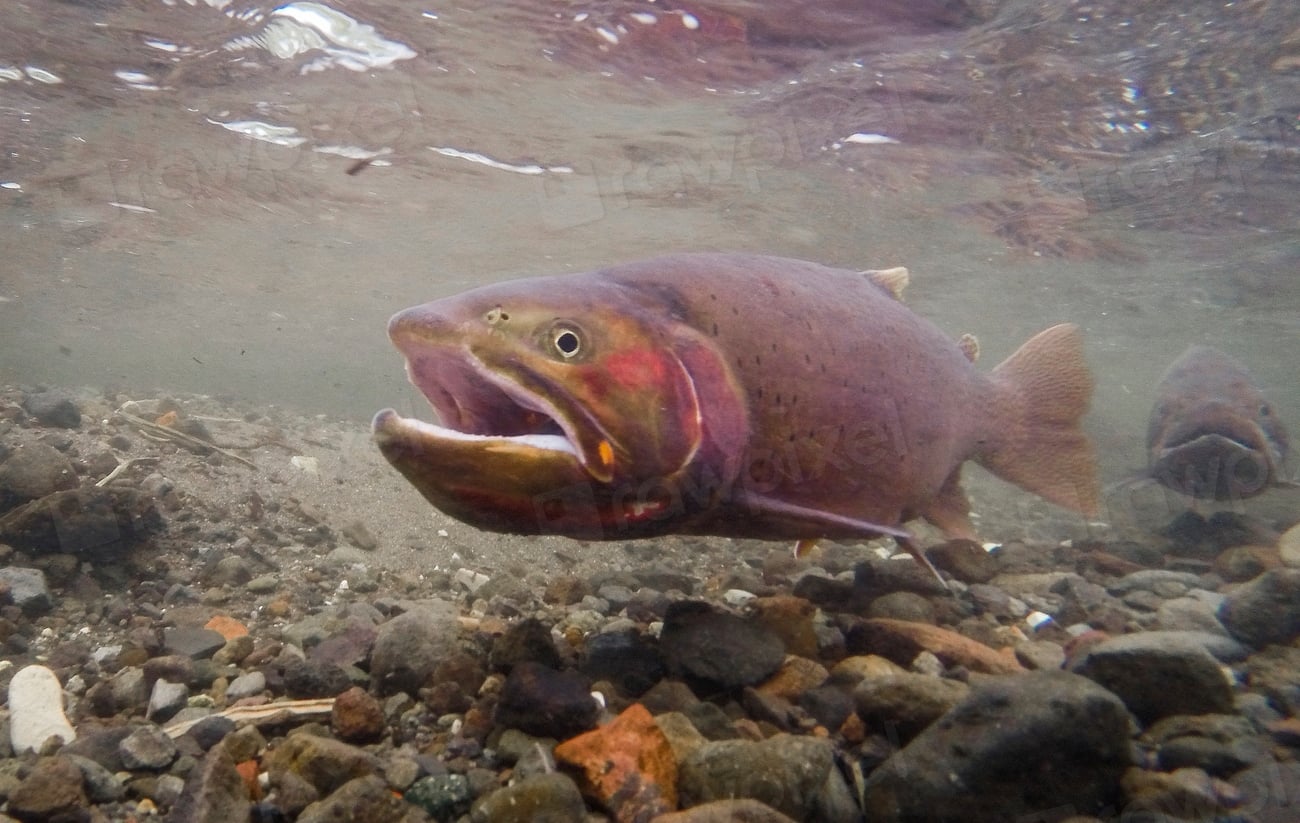 Photo Credit: National Park Service / Rawpixel
In the shimmering waters of North America, the trout, scientifically known as Salmo trutta, glides gracefully through its freshwater home. With its sleek, streamlined body and vibrant patterns of spots and colors, this fish is a true marvel of nature. Imagine a sun-dappled river, where the cool, clear water flows over smooth stones, creating a perfect habitat for these agile swimmers. Trout are not just beautiful; they are also fascinating to scientists and nature lovers alike because of their complex behaviors and vital role in the ecosystem.
As dawn breaks, the trout becomes a lively character in this aquatic drama, darting through the water in search of small insects and other creatures to eat. Their keen eyesight and swift movements make them skilled hunters, showcasing their adaptability in a world where every moment counts. Trout are also known for their impressive life cycle, which includes a remarkable journey from egg to adult, often involving migration to find the best spawning grounds. This journey not only highlights their resilience but also their importance in maintaining the balance of their freshwater ecosystems. Join us as we dive deeper into the world of trout, exploring their habitats, behaviors, and the critical roles they play in nature.
Trout are captivating members of the animal kingdom, belonging to the family Salmonidae, which includes both trout and salmon. These fish are primarily found in freshwater environments, such as rivers and lakes, and are known for their vibrant colors and distinctive patterns. What sets trout apart is their adaptability; they can thrive in a variety of habitats, from cold mountain streams to warmer lakes. This versatility, combined with their importance in ecosystems and human culture, makes them a significant group within the vast tree of life.
| Taxonomic Rank | Scientific Name | Meaning & Significance |
|---|---|---|
| Kingdom | Animalia | The name “Animalia” comes from the Latin word “animalis,” meaning “having breath” or “living.” This classification includes all multicellular organisms that are capable of movement and responsive to their environment. |
| Phylum | Chordata | “Chordata” is derived from the Latin word “chorda,” meaning “string” or “cord.” This refers to the notochord, a flexible rod that supports the body in the early stages of development, a feature that all members of this phylum share. |
| Class | Actinopterygii | The term “Actinopterygii” means “ray-finned fish” in Greek, highlighting the structure of their fins, which are supported by bony rays. This class includes the majority of fish species, showcasing their evolutionary success in aquatic environments. |
| Order | Salmoniformes | Named after the salmon, “Salmoniformes” indicates a group of fish that share similar characteristics, such as a streamlined body and a preference for cold, clear waters, which are essential for their survival and reproduction. |
| Family | Salmonidae | The name “Salmonidae” comes from the Latin “salmo,” which means “salmon.” This family is known for its economic and ecological importance, as many species, including trout, are vital for both sport fishing and maintaining healthy aquatic ecosystems. |
| Genus | Salmo, Oncorhynchus, Salvelinus | Each genus name reflects specific traits: “Salmo” refers to the true salmon and trout, “Oncorhynchus” includes Pacific salmon, and “Salvelinus” is used for char, highlighting their unique adaptations and habitats. |
Understanding the taxonomic classification of trout reveals much about their evolutionary journey. As members of the Salmonidae family, they share a common ancestor with salmon, which dates back millions of years. This lineage showcases how trout have adapted to various environments, developing unique traits that allow them to thrive in diverse habitats. Their classification not only highlights their biological relationships but also emphasizes their role in the ecosystem, where they contribute to the health of freshwater environments and the balance of aquatic life.
The evolutionary journey of trout stretches back millions of years, weaving through the tapestry of Earth’s history. These fish belong to the family Salmonidae, which emerged during the late Cretaceous period, around 100 million years ago. As the continents shifted and climates changed, trout adapted to a variety of freshwater habitats, evolving into the diverse species we see today.
Trout’s ancestors were likely small, primitive fish that thrived in ancient seas. Over time, as some species ventured into freshwater environments, they began to develop key adaptations. One significant transition was the shift from saltwater to freshwater living, which required changes in their physiology. This included the development of specialized kidneys to help regulate salt and water balance. Another major evolutionary leap was the emergence of different genera, such as Salmo, Oncorhynchus, and Salvelinus, each adapting to specific environments and food sources. These adaptations allowed trout to exploit various niches, from fast-flowing rivers to tranquil lakes.
These evolutionary adaptations have been vital for trout’s survival in diverse environments. Their streamlined bodies allow them to navigate swiftly through water, while their vibrant colors help them blend in or attract mates. Efficient gills ensure they can thrive in oxygen-rich waters, and their flexible diets enable them to take advantage of whatever food is available. Finally, their unique reproductive strategies help ensure the continuation of their species, allowing trout to flourish in a variety of habitats across the globe.
Trout are striking fish that command attention with their sleek, streamlined bodies. Their form is designed for agility, allowing them to dart through the water with grace. With a body that tapers towards the tail, they can swim swiftly, making quick turns to evade predators. The overall impression is one of elegance and power, with a muscular build that hints at their strength and speed.
| Feature | Description |
|---|---|
| Weight | 10 to 30 pounds |
| Skin Type | Scales |
| Most Distinctive Feature | Spotted dorsal fin |
These physical characteristics work together to enhance the trout’s survival in their aquatic habitats. The scales provide a protective layer, shielding them from parasites and injuries. Their weight allows for a balance between buoyancy and strength, enabling them to navigate both calm waters and swift currents. The spotted dorsal fin not only adds to their beauty but also plays a role in communication and mating displays. Together, these features make trout not just survivors, but also a vital part of the ecosystems they inhabit.
Trout thrive in a variety of freshwater habitats, painting a picture of life in clear, cool waters. Imagine a sparkling river winding through a lush forest, its banks lined with vibrant greenery. The water flows swiftly, creating a perfect home for these agile fish. Trout can also be found in tranquil lakes, where they glide through the depths, seeking shelter among rocks and aquatic plants. Whether in a rushing stream or a serene pond, trout are always close to the surface, where they can catch a glimpse of the world above.
Trout prefer environments that are cool and well-oxygenated. They thrive in waters that range from 50 to 65 degrees Fahrenheit, which is about 10 to 18 degrees Celsius. These fish are sensitive to temperature changes, so they often seek out shaded areas or deeper waters during hot summer days. Clean, flowing water is essential for their survival, as it carries oxygen and helps remove waste. Trout are also found in areas with plenty of rocks and vegetation, which provide hiding spots from predators and places to hunt for food.
To adapt to their specific habitats, trout have developed several fascinating traits. Their streamlined bodies allow them to swim swiftly against strong currents, while their keen eyesight helps them spot insects and smaller fish from a distance. Trout also have a unique ability to sense vibrations in the water, which aids them in detecting both prey and potential threats. These adaptations not only help them survive but also thrive in the diverse environments they call home.
Trout lead a dynamic daily life that revolves around their aquatic environment. As dawn breaks, these fish become active, swimming through the cool waters of rivers and lakes. They spend their mornings searching for food, which includes insects, small fish, and crustaceans. Trout are known for their keen eyesight, allowing them to spot prey even in murky waters. Throughout the day, they alternate between foraging and resting, often finding shelter among rocks or vegetation to avoid predators. As evening approaches, their activity levels rise again, making them more likely to hunt and socialize.
Socially, trout are often found in schools, which are groups that swim together for safety and efficiency. This schooling behavior helps them evade larger predators, as there is safety in numbers. Within these groups, trout establish a hierarchy, where larger or more dominant individuals often lead the school. Communication among trout is subtle but effective; they use body language and changes in swimming patterns to signal each other. This social structure not only enhances their chances of survival but also fosters a sense of community among them.
| Behavior Type | Description |
|---|---|
| Activity Patterns | Trout are most active during dawn and dusk, engaging in foraging and social interactions. |
| Social Structure | Trout form schools, with a hierarchy where dominant individuals lead and protect the group. |
| Communication Methods | They communicate through body language and swimming patterns, signaling to each other about food and threats. |
The behaviors of trout are finely tuned to ensure their survival in a complex ecosystem. By swimming in schools, they reduce the risk of being targeted by predators, while their active foraging strategies allow them to efficiently find food. Their ability to communicate and establish social hierarchies further enhances their chances of thriving in their freshwater habitats. In this way, trout exemplify the intricate balance of life in the water, where every behavior plays a crucial role in their ongoing journey.
Trout are carnivorous fish, meaning they primarily eat other animals. Their diet is rich and varied, consisting mainly of small creatures found in their freshwater habitats. Trout are skilled hunters, using their keen eyesight and swift movements to catch prey. They often feed on insects, small fish, and even crustaceans like crayfish. This diet not only fuels their growth but also plays a crucial role in maintaining the balance of their ecosystem.
| Dietary Aspect | Details |
|---|---|
| Diet Type | Carnivore |
| Favorite Foods | Insects, small fish, crayfish |
| Prey Items | Crayfish, minnows, various insects |
| Hunting/Foraging Strategies | Using keen eyesight and quick movements to catch prey |
The diet of trout significantly influences their role in the ecosystem. By preying on smaller fish and insects, they help control these populations, ensuring a balanced food web. Their feeding habits also dictate their daily routines, as they are most active during dawn and dusk when their prey is plentiful. This dynamic relationship with their environment highlights the importance of trout in freshwater ecosystems, showcasing their role as both predator and prey.
As the seasons change and the water temperatures rise, trout enter their breeding season, a time filled with vibrant displays and energetic courtship. Males often engage in elaborate behaviors to attract females, showcasing their bright colors and performing intricate swimming patterns. This mating ritual typically occurs in the spring or fall, depending on the species and local climate. Once a female selects a mate, she will lay her eggs in a carefully prepared nest, known as a redd, which is usually located in gravelly riverbeds.
| Reproductive Aspect | Details |
|---|---|
| Gestation Period | 66-104 days |
| Litter Size | 200-8,000 eggs |
| Age of Maturity | 2-4 years |
| Name of Young | Alevins |
After the eggs are fertilized, they are buried in the gravel, where they will develop in relative safety. The young trout, called alevins, hatch from the eggs and remain in the gravel for several weeks, relying on their yolk sacs for nourishment. As they grow, they emerge from their nests and begin to explore their surroundings. Parental care is minimal, as trout do not guard their young after laying eggs. Instead, the alevins must learn to navigate the challenges of their environment on their own. Over time, they develop into juvenile trout, gradually maturing into adults ready to continue the cycle of life in the water.
Trout occupy a vital position in the food web, serving as both predator and prey. These agile fish feast on smaller aquatic creatures, but they also find themselves on the menu for a variety of larger animals. This dual role highlights their importance in maintaining the balance of freshwater ecosystems. However, their existence is constantly challenged by a range of threats that can disrupt their populations and habitats.
To survive these dangers, trout have developed several clever defensive behaviors. They often rely on their remarkable swimming abilities to evade predators, darting quickly into the safety of underwater structures like rocks and vegetation. Additionally, their natural coloration helps them blend into their surroundings, making it harder for hungry eyes to spot them. By staying alert and using their environment wisely, trout can navigate the challenges of their aquatic world and continue to thrive.
A keystone species is an organism that plays a critical role in maintaining the structure of an ecosystem. Its presence or absence can significantly impact the environment and the other species that inhabit it. Trout, with their dynamic role in freshwater ecosystems, certainly qualify as a keystone species. Their interactions with both the aquatic environment and the organisms within it help shape the community around them.
Trout are not just beautiful fish; they are essential players in their ecosystems. As carnivores, they help control populations of smaller aquatic creatures, such as insects and smaller fish. By keeping these populations in check, trout prevent overpopulation, which can lead to imbalances in the ecosystem. For example, if trout were to disappear, the number of insects could explode, leading to increased competition for food and habitat among other species.
Moreover, trout serve as a vital food source for larger predators, including birds, mammals, and even humans. Their presence supports a diverse range of wildlife, creating a rich tapestry of life in freshwater habitats. Additionally, trout contribute to nutrient cycling in their environments. When they spawn, they release nutrients into the water, which supports plant growth and benefits other aquatic organisms. This nutrient boost is crucial for maintaining the health of the ecosystem.
If trout were to vanish from their habitats, the consequences would ripple through the ecosystem. The explosion of smaller fish and insect populations could lead to overgrazing of aquatic plants, disrupting the balance of the ecosystem. This, in turn, would affect other species that rely on those plants for food and shelter. The loss of trout would not only diminish the diversity of life in freshwater systems but could also lead to the decline of other species, ultimately altering the entire ecosystem. The interconnected web of life would be weakened, showcasing just how vital trout are to their watery worlds.
Trout play a vital role in shaping their ecosystems, acting as both predators and prey in freshwater environments. These fish thrive in rivers, streams, and lakes, where they contribute to the balance of aquatic life. By feeding on smaller organisms, trout help control populations of insects and other fish, ensuring that no single species dominates the ecosystem. Their presence supports a diverse community of plants and animals, making them essential players in the intricate web of life.
| Ecosystem Service | Impact |
|---|---|
| Predation | Controls populations of smaller fish and aquatic insects |
| Nutrient Cycling | Contributes to the transfer of nutrients through their feeding and waste |
| Habitat Creation | Provides shelter and spawning grounds for other species |
| Food Source | Serves as prey for larger fish, birds, and mammals |
Trout influence their surroundings in many fascinating ways. For instance, when they hunt for food, they stir up sediment in the water, which can help distribute nutrients that support plant life. Their waste products also enrich the water, promoting the growth of algae and aquatic plants. Additionally, trout create habitats for other organisms by digging nests in riverbeds, which can provide shelter for eggs and young fish. This interaction fosters a rich biodiversity, allowing various species to thrive alongside them.
The broader ecological importance of trout cannot be overstated. As a keystone species, their presence helps maintain the health of freshwater ecosystems. When trout populations are stable, they indicate a balanced environment, which is crucial for the survival of many other species. Conversely, a decline in trout numbers can signal problems in the ecosystem, such as pollution or habitat destruction. By understanding and protecting trout, we also safeguard the intricate relationships that sustain life in our rivers and lakes.
In the intricate web of life, symbiosis refers to the close interactions between different species, which can take many forms. These relationships can be mutualistic, where both species benefit, parasitic, where one benefits at the expense of the other, or commensal, where one benefits while the other is neither helped nor harmed. Trout, with their dynamic presence in freshwater ecosystems, engage in various partnerships that highlight the complexity of nature. These relationships not only enhance their survival but also contribute to the health of their habitats.
| Species/Type | Relationship Type | Description |
|---|---|---|
| Algae | Mutualistic | Trout benefit from the oxygen produced by algae during photosynthesis, while algae thrive in the nutrient-rich waters where trout reside. |
| Leeches | Parasitic | Leeches attach to trout and feed on their blood, gaining nourishment while potentially harming the fish. |
| Insects | Commensal | Insects like mayflies and caddisflies often lay their eggs in the same waters where trout live, benefiting from the habitat without affecting the trout. |
These relationships have evolved over time, shaped by the needs and adaptations of the species involved. Mutualistic partnerships, like that between trout and algae, create a thriving ecosystem where both can flourish. Parasitic interactions, while harmful to the trout, can help regulate fish populations, ensuring a balance in the ecosystem. Commensal relationships allow other species to thrive in the same environment, showcasing the interconnectedness of life. Understanding these dynamics not only deepens our appreciation for trout but also highlights the importance of preserving their habitats for future generations.
Trout are not just ordinary fish; they are fascinating creatures with a wealth of surprising traits that make them stand out in the aquatic world. Here are some intriguing facts that will surely captivate nature enthusiasts of all ages.
Trout have long held a special place in human history, weaving their way through cultures and traditions across the globe. Ancient civilizations revered these fish, often associating them with purity and abundance. In many cultures, trout symbolize the connection between water and life, appearing in folklore and art. From the early days of fishing for sustenance to modern recreational angling, trout have been a source of nourishment and joy. Their presence in rivers and lakes has inspired countless stories, making them a beloved part of humanity’s relationship with nature.
Today, our interactions with trout are more complex, reflecting both conservation efforts and challenges. As we become more aware of environmental issues, many communities are working to protect trout habitats from pollution and overfishing. Conservation programs aim to restore rivers and streams, ensuring that these fish can thrive for generations to come. However, conflicts arise as human activities, such as agriculture and urban development, encroach on their natural habitats. Additionally, trout farming has emerged as a way to meet the demand for fish while reducing pressure on wild populations. This domestication process raises questions about genetic diversity and the health of wild trout.
As we look to the future, the relationship between trout and humanity will continue to evolve. With growing awareness of environmental stewardship, there is hope for a more harmonious coexistence. By prioritizing sustainable practices and protecting natural habitats, we can ensure that trout remain a vibrant part of our ecosystems. Together, we can celebrate the beauty of these fish while safeguarding their future, fostering a deeper connection between people and the natural world.
Trout are currently classified as “Least Concern” on the IUCN Red List, which means they are not facing immediate extinction threats. However, their population trends can vary significantly depending on the specific species and local conditions. While some trout populations are stable, others may be experiencing declines due to environmental changes and human activities. Understanding these trends is crucial for ensuring the long-term survival of these beautiful fish.
| Conservation Factor | Status/Details |
|---|---|
| IUCN Status | Least Concern |
| Estimated Population Size | Unknown |
| Population Trend | Varies by species; some stable, others declining |
One of the main threats to trout populations comes from habitat degradation. This can occur due to pollution, deforestation, and the construction of dams, which disrupt the natural flow of rivers and streams. Additionally, climate change poses a significant risk, as rising water temperatures can affect trout’s breeding and feeding patterns. Overfishing and the introduction of non-native species also contribute to the challenges these fish face in their natural habitats.
Conservation efforts are underway to protect trout and their ecosystems. Many organizations are working to restore habitats, improve water quality, and promote sustainable fishing practices. By raising awareness and engaging local communities, these initiatives aim to ensure that trout populations remain healthy and vibrant for future generations. With continued dedication to conservation, the outlook for trout can be optimistic, allowing these fish to thrive in their freshwater homes.
| Question | Answer |
|---|---|
| Where do trout live? | Trout are commonly found in clean, cold waters like rivers, streams, and lakes. They prefer areas with plenty of oxygen and often seek out spots with rocks and vegetation for shelter. |
| What do trout eat? | Trout are carnivores, meaning they primarily eat other animals. Their diet includes insects, small fish, and crustaceans, which they hunt with quick, agile movements. |
| How do trout behave? | Trout are known for their playful and curious nature. They often swim in schools, especially when young, but as they grow, they may become more solitary, preferring to patrol their own territory. |
| How do trout reproduce? | Trout typically spawn in the spring or fall, laying eggs in gravel beds in shallow waters. The female trout can lay thousands of eggs, which hatch into fry, or baby fish, after a few weeks. |
| What threats do trout face? | Trout face several threats, including habitat loss due to pollution and dam construction. Overfishing and climate change also impact their populations, making it important to protect their natural environments. |
| What is a distinctive feature of trout? | One of the most distinctive features of trout is their spotted dorsal fin, which helps them blend into their surroundings. This camouflage is crucial for avoiding predators in their natural habitats. |
| Are trout considered endangered? | Most trout species are classified as Least Concern, meaning they are not currently at risk of extinction. However, some specific populations may be threatened, highlighting the need for conservation efforts. |