Taxonomy & Classification
- Kingdom
- Animalia
- Phylum
- Chordata
- Class
- Aves
- Order
- Passeriformes
- Family
- Paridae
- Genus
- Baeolophus
- Species
- B. bicolor

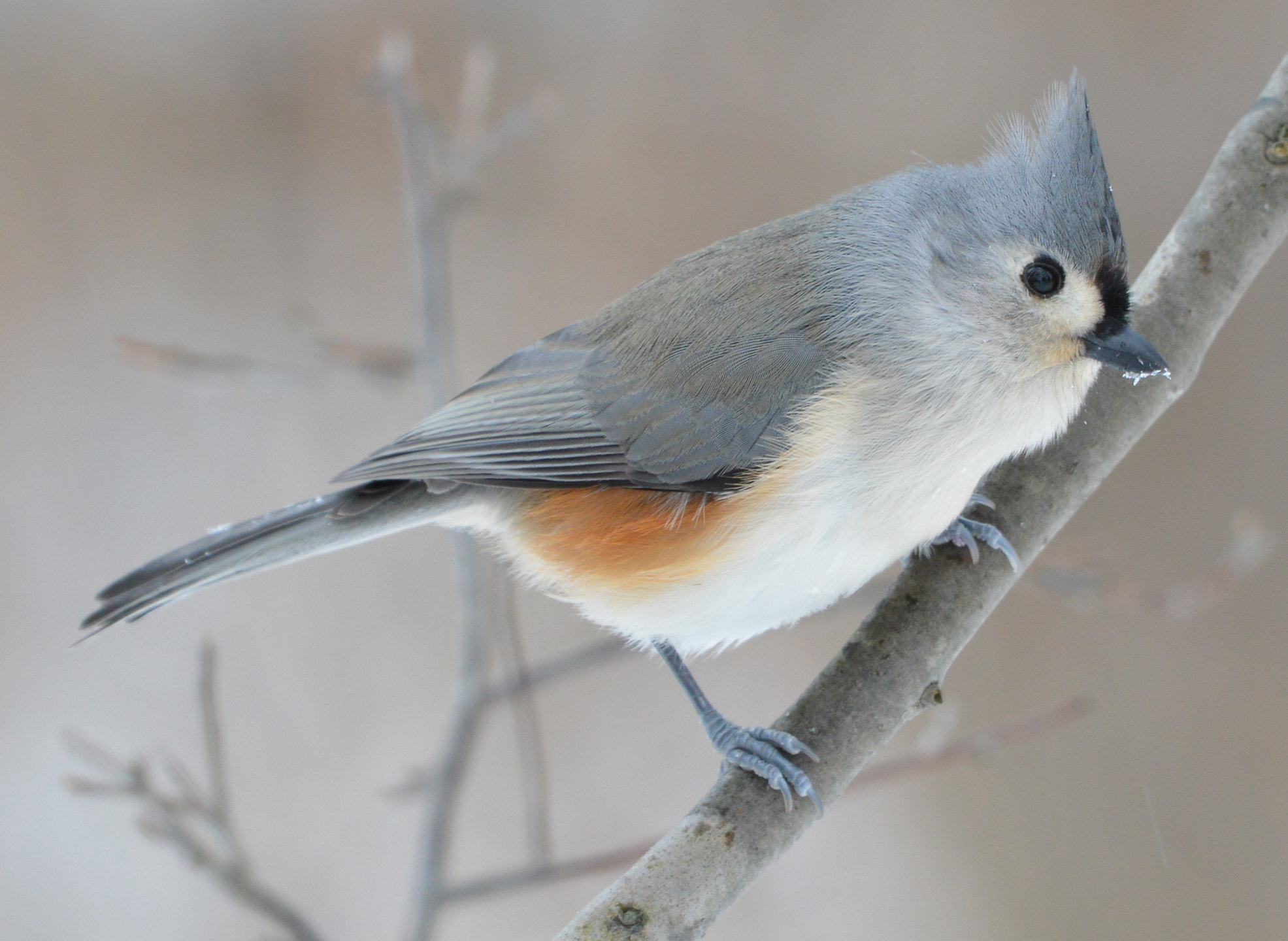 Photo Credit: Jocelyn Anderson / Wikimedia
In the heart of the eastern United States, the Tufted Titmouse, known scientifically as Baeolophus bicolor, flits through the branches of deciduous forests and suburban gardens. With its striking gray plumage, a distinctive tufted crest, and a cheerful, melodic call, this small songbird captures the attention of anyone lucky enough to spot it. Imagine walking through a sun-dappled woodland, where the trees stand tall and the air is filled with the sounds of nature. Suddenly, a flash of movement catches your eye, and there it is—the Tufted Titmouse, hopping playfully from branch to branch, its curious black eyes sparkling with mischief.
What makes the Tufted Titmouse so captivating to scientists and nature lovers alike is not just its charming appearance but also its lively personality and adaptability. These birds are known for their intelligence, often using tools like twigs to extract insects from crevices. They thrive in a variety of habitats, from dense forests to backyard feeders, showcasing their ability to coexist with humans. As we delve deeper into the world of the Tufted Titmouse, we will explore its fascinating behaviors, diet, and the vital role it plays in its ecosystem, revealing why this little bird is a beloved symbol of the natural world.
The Tufted Titmouse is a charming little bird that holds a special place in the animal kingdom. Taxonomically, it belongs to the Kingdom Animalia, which includes all animals, and it is classified under the Phylum Chordata, meaning it has a backbone. This delightful bird is part of the Class Aves, which encompasses all birds, and it falls within the Order Passeriformes, known as perching birds or songbirds. What makes the Tufted Titmouse particularly interesting is its family, Paridae, which includes titmice and chickadees. Its scientific name, Baeolophus bicolor, reflects its distinctive features and behaviors, showcasing its evolutionary adaptations.
| Taxonomic Rank | Scientific Name | Meaning & Significance |
|---|---|---|
| Kingdom | Animalia | This name signifies that the Tufted Titmouse is part of the vast group of multicellular organisms that are heterotrophic, meaning they consume other organisms for energy. |
| Phylum | Chordata | Chordata indicates that this bird has a notochord, a flexible rod that supports its body, which is a key feature of all vertebrates. |
| Class | Aves | Aves is the class that includes all birds, characterized by feathers, beaks, and the ability to lay eggs. |
| Order | Passeriformes | This order is known for its diverse group of songbirds, which are adept at perching and often have complex vocalizations. |
| Family | Paridae | The name Paridae comes from the Latin word “parus,” meaning “tit,” which refers to the small size and lively nature of these birds. |
| Genus | Baeolophus | Baeolophus is derived from Greek, where “baeos” means “deep” and “lophus” means “crest,” referring to the bird’s distinctive tufted crest on its head. |
| Species | bicolor | This species name means “two colors,” highlighting the Tufted Titmouse’s striking gray and white plumage. |
The classification of the Tufted Titmouse reveals much about its evolutionary history. As a member of the Paridae family, it shares common ancestors with other small, agile birds that thrive in wooded environments. Its unique adaptations, such as its tufted crest and vocal abilities, have evolved to help it navigate its habitat and communicate effectively with others. Understanding its place in the tree of life not only highlights its biological connections but also emphasizes the intricate web of relationships that define the natural world.
The Tufted Titmouse, a delightful songbird found in the eastern United States, has a rich evolutionary history that stretches back millions of years. This small bird belongs to the family Paridae, which includes other titmice and chickadees. The evolutionary journey of the Tufted Titmouse is intertwined with the development of its ancestors, who adapted to changing environments and ecological niches over time.
The story begins with the early ancestors of the titmice, which emerged during the late Eocene epoch, around 34 to 56 million years ago. These birds were small, agile, and well-suited for life in the trees. As forests expanded and diversified, so did the titmice. Over time, they developed key adaptations that allowed them to thrive in various habitats. The Tufted Titmouse, specifically, evolved from a lineage that adapted to the temperate forests of North America, showcasing a blend of traits that helped it navigate its environment effectively.
The adaptations of the Tufted Titmouse have been crucial for its survival in a world filled with challenges. Its strong beak allows it to access a variety of food sources, while its social nature enhances its chances of finding food and avoiding predators. The ability to communicate effectively through vocalizations strengthens group cohesion, making it easier to navigate their environment. With a tufted crest that may aid in social interactions and a remarkable adaptability to different habitats, the Tufted Titmouse continues to flourish, a testament to the power of evolution in shaping life on Earth.
The Tufted Titmouse is a delightful little bird that captures the eye with its charming appearance. This small songbird has a compact body, measuring about 5.5 to 6.3 inches in length. Its most striking feature is the tuft of feathers on its head, which gives it a playful, almost whimsical look. With a rounded body and a short tail, the Tufted Titmouse is perfectly designed for flitting through trees and shrubs, making it a lively presence in its woodland habitat.
| Feature | Description |
|---|---|
| Size | 5.5 to 6.3 inches in length |
| Weight | 0.6 to 0.9 ounces |
| Color | Grayish upperparts with a white belly and rust-colored flanks |
| Skin Type | Feathers |
| Beak | Short and stout, perfect for cracking seeds |
The combination of its soft gray feathers and warm rust-colored flanks helps the Tufted Titmouse blend into its surroundings, providing a layer of camouflage against predators. Its short, sturdy beak is designed for cracking open seeds, which is a primary food source. The tuft on its head not only adds to its charm but may also play a role in communication, helping it express emotions or attract mates. Together, these features create a bird that is not only visually appealing but also well-equipped for survival in its forested home.
The Tufted Titmouse thrives in a variety of inviting environments, often found flitting about in mixed forests, gardens, and parks. Imagine walking through a sun-dappled woodland, where the trees stand tall and the underbrush is alive with the sounds of chirping birds. The Tufted Titmouse, with its soft gray feathers and distinctive tufted crest, can be spotted hopping from branch to branch, searching for seeds and insects. These lively birds are not just content in the wild; they also make their homes in suburban areas, where they bring a touch of nature to our backyards.
The Tufted Titmouse prefers habitats that offer a mix of trees and open spaces. They thrive in areas with a temperate climate, which means they enjoy warm summers and cool winters. These birds are often found in regions that experience a good amount of rainfall, as this helps support the lush vegetation they rely on for food and shelter. The presence of oak, maple, and pine trees is particularly important, as these trees provide both nesting sites and a bounty of insects and seeds to eat.
Adaptation is key to the Tufted Titmouse’s success in its chosen habitats. With their agile bodies and sharp beaks, they are well-equipped to navigate through branches and forage for food. Their ability to thrive in both wild and urban settings showcases their flexibility. They have learned to take advantage of bird feeders in gardens, making them a common sight in backyards. This adaptability not only helps them find food but also allows them to escape predators and find safe nesting spots, ensuring their survival in a variety of environments.
The Tufted Titmouse leads a lively daily life filled with activity and exploration. As dawn breaks, these small birds begin their day with a chorus of cheerful calls, signaling the start of their foraging adventures. They flit from branch to branch, searching for seeds, insects, and berries to fuel their energetic bodies. Throughout the day, they engage in a variety of behaviors, including preening their feathers to keep them clean and in top condition. This grooming is essential for maintaining their ability to fly and stay warm. As the sun sets, they settle into their chosen roosting spots, often in tree cavities or dense foliage, where they can rest safely from nighttime predators.
Social interactions are a key part of the Tufted Titmouse’s life. These birds are known for their friendly and curious nature, often forming small groups called flocks. Within these flocks, they communicate through a series of whistles and calls, which help them stay connected and alert each other to potential dangers. This social structure not only provides companionship but also enhances their foraging success. By working together, they can cover more ground and find food more efficiently. The bonds formed within these groups are strong, and they often engage in playful behaviors, such as chasing each other through the trees.
| Behavior Type | Description |
|---|---|
| Foraging | Searching for seeds, insects, and berries, often in groups to increase efficiency. |
| Social Structure | Forming flocks that provide companionship and safety in numbers. |
| Communication | Using a variety of whistles and calls to alert others to food sources and predators. |
| Preening | Grooming feathers to maintain flight ability and insulation against cold. |
The behaviors of the Tufted Titmouse are not just charming; they are vital for survival. By foraging in groups, they increase their chances of finding food and avoiding predators. Their social bonds help them navigate their environment more effectively, ensuring that they can thrive in their habitats. Through communication and cooperation, these little birds demonstrate the power of teamwork in the natural world, making their daily lives a fascinating blend of adventure and community.
The Tufted Titmouse is an omnivorous bird, meaning it enjoys a varied diet that includes both plant and animal matter. This little songbird primarily feeds on insects, which provide essential protein, especially during the breeding season when it needs extra energy. In addition to insects, it also munches on seeds, nuts, and berries, making it a versatile forager. With its curious nature, the Tufted Titmouse often explores its surroundings, using its sharp beak to crack open seeds and extract tasty morsels from tree bark.
| Dietary Aspect | Details |
|---|---|
| Diet Type | Omnivore |
| Favorite Foods | Insects, seeds, nuts, and berries |
| Prey Items | Various insects, including caterpillars and beetles |
| Hunting/Foraging Strategies | Flits through trees, pecks at bark, and searches under leaves |
The diet of the Tufted Titmouse plays a crucial role in its daily routine and the ecosystem it inhabits. By consuming insects, it helps control pest populations, contributing to a balanced environment. Its foraging habits also aid in seed dispersal, promoting plant growth in its habitat. As it flits from branch to branch, the Titmouse not only sustains itself but also supports the intricate web of life around it, showcasing the interconnectedness of nature.
As spring arrives, the Tufted Titmouse begins its enchanting courtship rituals. Males are known for their lively displays, which include singing sweet melodies and performing acrobatic flights to attract a mate. This breeding season typically spans from late March to early July, when the days grow longer and warmer. Once a pair forms, they work together to find a suitable nesting site, often choosing tree cavities or birdhouses.
| Reproductive Aspect | Details |
|---|---|
| Gestation Period | About 12 to 14 days |
| Litter Size | 3 to 7 eggs |
| Age of Maturity | Around 1 year |
| Name of Young | Nestlings |
After the eggs hatch, the devoted parents take on the important role of caregivers. Both the male and female work tirelessly to feed their nestlings, bringing them a diet rich in insects and seeds. As the young birds grow, they develop their feathers and learn to flap their wings, preparing for their first flight. By the time they leave the nest, usually around 16 to 20 days after hatching, they are well on their way to becoming independent. The nurturing care provided by their parents is crucial, helping them transition from vulnerable nestlings to confident young titmice ready to explore the world.
The Tufted Titmouse occupies an important role in the food web, serving as both a forager and a prey species. This small bird, with its cheerful demeanor and lively calls, is a vital part of its ecosystem. It helps control insect populations while also providing nourishment for various predators. Understanding the dangers it faces is crucial to appreciating its place in nature.
To survive these threats, the Tufted Titmouse employs several clever strategies. It often forages in flocks, which helps keep an eye out for danger. When a predator is spotted, these birds can quickly take flight, darting through trees and shrubs to evade capture. Their ability to blend into their surroundings with gray and white plumage also provides a layer of protection. By staying alert and using their agility, Tufted Titmice can navigate the challenges of their environment and thrive despite the risks they encounter.
A keystone species is an organism that plays a crucial role in maintaining the structure of its ecosystem. Its presence and activities significantly influence the environment and the other species that inhabit it. The Tufted Titmouse, a small and lively bird found in the eastern United States, does indeed qualify as a keystone species. Its behaviors and interactions with the ecosystem help shape the community of plants and animals around it.
The Tufted Titmouse contributes to its ecosystem in several important ways. As an omnivore, it feeds on a variety of foods, including insects, seeds, and fruits. By consuming insects, it helps control their populations, preventing any one species from becoming too dominant. This balance is essential for the health of the forest and garden ecosystems where it resides. Additionally, the titmouse plays a role in seed dispersal. When it eats fruits and berries, it often drops seeds in different locations, allowing new plants to grow and thrive in various areas.
Moreover, the social behavior of the Tufted Titmouse enhances its ecological impact. These birds often forage in groups, which can lead to more efficient foraging and a greater spread of seeds. Their cheerful calls and lively interactions also attract other species, creating a vibrant community of birds and other wildlife. This social structure fosters a dynamic environment where different species can coexist and thrive.
If the Tufted Titmouse were to disappear, the effects would ripple through its ecosystem. Without this bird, insect populations could surge, leading to potential damage to plants and trees. The loss of seed dispersal would hinder the growth of new plants, reducing biodiversity and altering the landscape. Additionally, the absence of the titmouse would create a gap in the food web, affecting the predators that rely on it for sustenance. In essence, the disappearance of the Tufted Titmouse would disrupt the delicate balance of its ecosystem, highlighting just how vital this small bird truly is.
The Tufted Titmouse is a small but mighty player in its ecosystem, primarily found in mixed forests, gardens, and parks across the eastern United States. This lively bird occupies an ecological niche as both a forager and a prey species, contributing to the balance of its environment. By feeding on a variety of insects and seeds, the Tufted Titmouse helps control insect populations while also dispersing seeds, which promotes plant growth. Its cheerful presence and energetic behavior make it a delightful sight, but its role in the ecosystem is far more significant than just its charming appearance.
| Ecosystem Service | Impact |
|---|---|
| Insect Control | Reduces pest populations, benefiting plant health. |
| Seed Dispersal | Helps in the growth of new plants, promoting biodiversity. |
| Food Source | Serves as prey for larger birds and mammals, supporting the food web. |
| Habitat Indicator | Reflects the health of forest ecosystems, guiding conservation efforts. |
The Tufted Titmouse’s influence can be seen in various ways. For instance, by consuming insects, it helps keep the populations of these pests in check, which is vital for the health of trees and plants in its habitat. When it forages for seeds, it often drops some, allowing new plants to sprout in different areas. This behavior not only aids in plant reproduction but also enhances the diversity of the ecosystem. Additionally, as a food source for larger predators, the Tufted Titmouse plays a crucial role in the food web, connecting different species and maintaining ecological balance.
In a broader sense, the Tufted Titmouse is a key player in the health of its ecosystem. Its activities support not just its own survival but also the well-being of many other species. By helping to control insect populations and promote plant growth, this small bird contributes to a thriving environment. The presence of the Tufted Titmouse can indicate the overall health of its habitat, making it an important species for conservation efforts. Observing these delightful birds can inspire us to appreciate and protect the intricate web of life that surrounds us.
In the intricate web of nature, many species form partnerships that help them survive and thrive. These relationships can be classified into three main types: mutualism, where both species benefit; commensalism, where one species benefits while the other is neither helped nor harmed; and parasitism, where one species benefits at the expense of another. The Tufted Titmouse, a lively little bird, engages in various ecological relationships that highlight the interconnectedness of life in its habitat.
| Species/Type | Relationship Type | Description |
|---|---|---|
| Oak Trees | Mutualistic | Tufted Titmice often nest in oak trees, which provide shelter and nesting materials. In return, the birds help control insect populations that can harm the trees. |
| Other Birds | Commensal | Tufted Titmice may follow larger birds, like woodpeckers, to access insects and larvae that are exposed when the larger birds peck at tree bark. The larger birds are unaffected by this behavior. |
| Parasites (like mites) | Parasitic | While not a direct relationship, Tufted Titmice can host parasites such as mites, which feed on their blood. This relationship is harmful to the birds, as it can lead to health issues. |
These relationships have evolved over time, shaped by the needs and behaviors of the species involved. The mutualistic bond with oak trees not only provides the Tufted Titmouse with a safe place to raise its young but also helps maintain the health of the forest ecosystem. By controlling insect populations, these birds contribute to the overall balance of their environment. Meanwhile, the commensal interactions with other birds showcase the clever adaptability of the Tufted Titmouse, allowing it to thrive in a competitive world. Understanding these connections deepens our appreciation for the delicate balance of life in nature, reminding us that every species plays a role in the grand tapestry of the ecosystem.
The Tufted Titmouse is a delightful little bird that brings joy to many nature enthusiasts with its lively personality and charming appearance. Here are some surprising facts that showcase just how special this small songbird truly is.
The Tufted Titmouse has long been a delightful companion to humans, weaving its way into our lives through history and culture. Native to the eastern United States, this small songbird has been admired for its cheerful calls and charming appearance. In many cultures, the Tufted Titmouse symbolizes joy and curiosity, often appearing in folklore and art. Its presence in backyards and parks has made it a familiar sight, fostering a connection between people and nature that has endured for generations.
Today, the relationship between the Tufted Titmouse and humanity continues to evolve. As urban areas expand, these birds have adapted remarkably well, often seen flitting about in gardens and parks. Many people actively participate in birdwatching and feeding, creating a bond with these lively creatures. However, challenges remain, such as habitat loss and climate change, which threaten their populations. Conservation efforts are underway to protect their habitats and ensure that future generations can enjoy the sight and sound of these charming birds.
As we look to the future, the relationship between the Tufted Titmouse and humanity holds promise. With increased awareness of environmental issues, more people are taking steps to protect the natural world. By fostering habitats and supporting conservation efforts, we can ensure that these delightful birds continue to brighten our lives. The Tufted Titmouse serves as a reminder of the joy that nature brings and the importance of preserving it for generations to come.
The Tufted Titmouse is currently classified as “Least Concern” by the International Union for Conservation of Nature (IUCN). This means that, overall, the species is not facing immediate threats to its survival. With an estimated population size of around 8 million individuals, the Tufted Titmouse has shown stable population trends in recent years. This cheerful little bird continues to thrive in its preferred habitats across the eastern United States, bringing joy to birdwatchers and nature lovers alike.
| Conservation Factor | Status/Details |
|---|---|
| IUCN Status | Least Concern |
| Estimated Population Size | Approximately 8 million |
| Population Trend | Stable |
Despite its stable status, the Tufted Titmouse faces several challenges that could impact its future. Habitat loss is a significant threat, as urban development and deforestation reduce the availability of mixed forests and parks where these birds thrive. Additionally, climate change poses risks by altering their habitats and food sources. As temperatures shift and weather patterns change, the delicate balance of their ecosystem may be disrupted, affecting their survival.
Conservation efforts are underway to ensure the continued success of the Tufted Titmouse. Organizations focused on habitat preservation work to protect and restore the natural environments these birds depend on. By promoting sustainable land use and encouraging the planting of native trees and shrubs, these initiatives help create safe spaces for the Tufted Titmouse to flourish. With ongoing support and awareness, the outlook for this charming songbird remains bright, allowing future generations to enjoy its delightful presence in our backyards and woodlands.
| Question | Answer |
|---|---|
| What is the habitat of the Tufted Titmouse? | Tufted Titmice are commonly found in mixed forests, gardens, and parks. They prefer areas with plenty of trees and shrubs, which provide them with food and nesting sites. |
| What do Tufted Titmice eat? | These birds are omnivores, meaning they eat a variety of foods. Their diet includes seeds, nuts, fruits, and insects, allowing them to adapt to different environments and seasons. |
| How do Tufted Titmice behave? | Tufted Titmice are known for their curious and social nature. They often forage in small groups and are quite vocal, using a variety of calls to communicate with each other. |
| How do Tufted Titmice reproduce? | During the breeding season, female Tufted Titmice build nests in tree cavities or birdhouses. They typically lay 3 to 7 eggs, which both parents help to incubate until they hatch. |
| What threats do Tufted Titmice face? | While Tufted Titmice are currently classified as Least Concern, they can face threats from habitat loss and predation. Urban development and changes in land use can reduce their natural habitats. |
| What are some interesting characteristics of Tufted Titmice? | One of the most distinctive features of the Tufted Titmouse is its tufted crown, which gives it a unique appearance. They are also known for their ability to store food, hiding seeds and nuts to eat later. |
| Are Tufted Titmice migratory birds? | Tufted Titmice are generally non-migratory, meaning they stay in the same area year-round. However, they may move to lower elevations during harsh winter conditions to find food more easily. |