Taxonomy & Classification
- Kingdom
- Animalia
- Phylum
- Chordata
- Class
- Reptilia
- Order
- Squamata
- Family
- Viperinae
- Genus
- Various

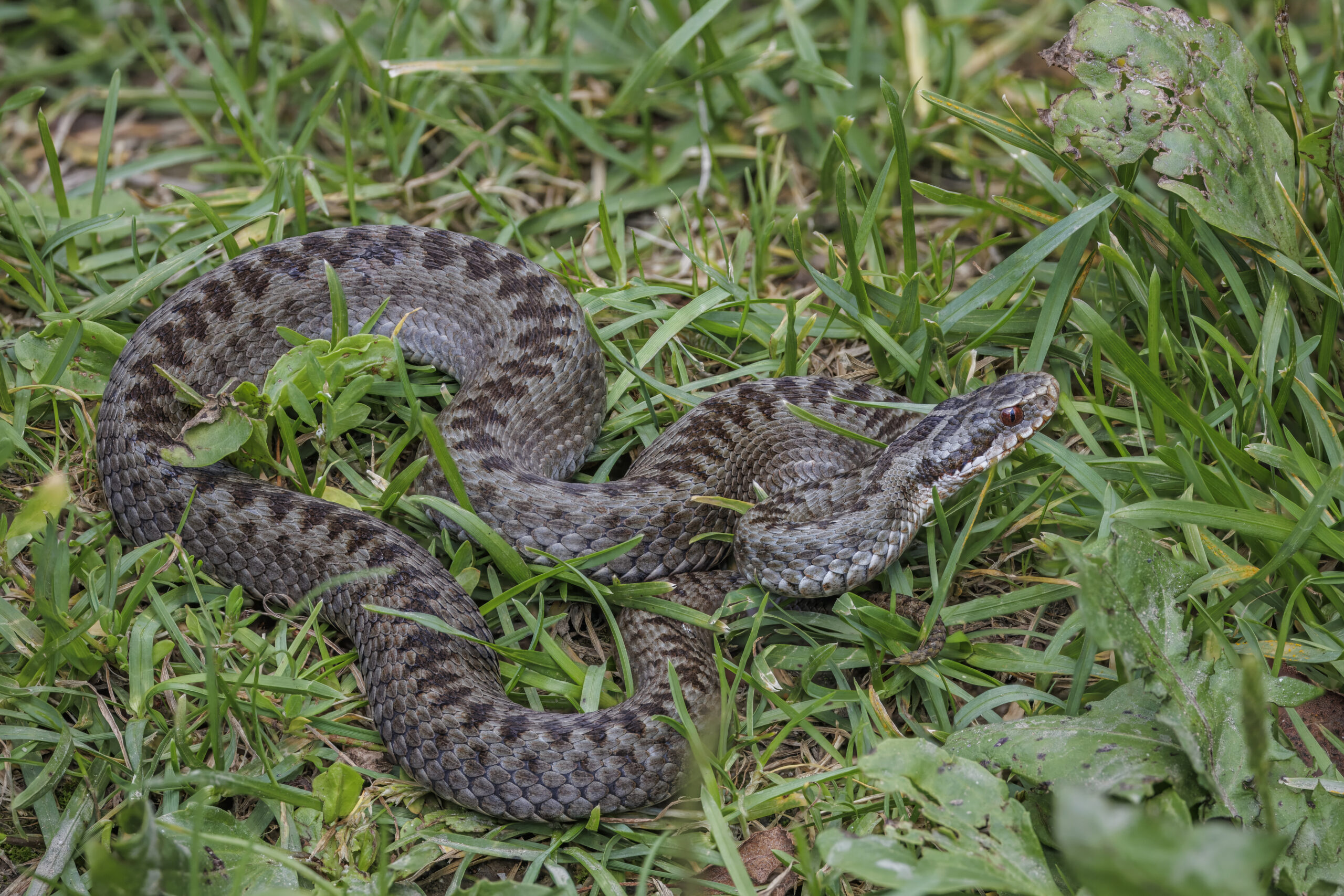 Photo Credit: Charlesjsharp / Wikimedia Commons
In the heart of a sun-dappled forest, the viper, known scientifically as Viperinae, slithers silently among the underbrush. With its sleek, elongated body and striking patterns, this snake is a master of camouflage, blending seamlessly into its surroundings. The viper’s most distinctive feature is its hollow fangs, which fold up into its mouth when not in use, allowing it to deliver venom with precision. This remarkable adaptation not only aids in hunting but also captivates scientists and nature enthusiasts alike, who marvel at the viper’s evolutionary prowess.
As dusk settles over the landscape, the viper becomes more active, showcasing its crepuscular behavior—meaning it hunts during the twilight hours. This strategic timing allows it to stalk small mammals and birds with stealth and grace. The viper’s role in the ecosystem is vital; it helps maintain the balance of nature by controlling prey populations. With a history that stretches back millions of years, these snakes are not just survivors; they are key players in the intricate web of life, making them a subject of endless fascination for those who seek to understand the natural world.
Vipers hold a special place in the tree of life, showcasing a blend of evolutionary adaptations that make them stand out in the animal kingdom. These intriguing reptiles belong to the family Viperinae, which is part of the larger order Squamata, encompassing all lizards and snakes. Vipers are known for their distinctive triangular heads, long fangs, and potent venom, which they use to immobilize prey. Their unique adaptations not only help them survive in diverse habitats but also highlight their evolutionary journey through millions of years.
| Taxonomic Rank | Scientific Name | Meaning & Significance |
|---|---|---|
| Kingdom | Animalia | This name signifies that vipers are part of the vast group of multicellular organisms that are primarily heterotrophic, meaning they consume other organisms for energy. |
| Phylum | Chordata | Chordata refers to animals that have a notochord, a flexible rod that supports the body. In vipers, this structure is present during their early development, showcasing their connection to other vertebrates. |
| Class | Reptilia | Reptilia indicates that vipers are reptiles, characterized by their scaly skin and cold-blooded nature, meaning they rely on external sources to regulate their body temperature. |
| Order | Squamata | Squamata, which means “scaly,” highlights the presence of scales covering the bodies of vipers and their relatives, a key feature that helps protect them and retain moisture. |
| Family | Viperinae | The name Viperinae is derived from the Latin word “viper,” which means “snake.” This family is known for its venomous species, emphasizing their role as skilled hunters. |
| Genus | Various | Vipers belong to several genera, each with its own unique characteristics. The diversity within these genera reflects the adaptability of vipers to different environments and prey. |
Understanding the taxonomic classification of vipers reveals much about their evolutionary history. As members of the reptilian class, they share common ancestors with other reptiles, while their specific adaptations, such as venom and body structure, illustrate how they have evolved to thrive in various ecosystems. This classification not only helps scientists study their biology and behavior but also sheds light on the intricate web of life that connects all living organisms. Vipers, with their specialized traits, are a testament to the wonders of evolution and the diversity of life on our planet.
The evolutionary journey of vipers stretches back millions of years, weaving through the tapestry of time to reveal a lineage that has adapted to a variety of environments. These snakes belong to the family Viperinae, which emerged during the late Eocene epoch, around 34 to 56 million years ago. As they evolved, vipers developed a range of features that helped them thrive in diverse habitats, from arid deserts to lush forests.
The ancestors of modern vipers were likely similar to other early snakes, possessing a more generalized body structure. Over time, they underwent significant changes, particularly in their hunting strategies and physical adaptations. One of the most notable transitions was the development of their distinctive triangular heads, which not only aids in striking prey but also enhances their ability to camouflage within their surroundings. Additionally, vipers evolved specialized fangs that can deliver venom, a powerful tool for subduing prey and defending against predators. This venom, which varies in potency among species, has become a key factor in their survival and success as ambush predators.
These evolutionary adaptations have been crucial for vipers, enabling them to become effective hunters and survivors in a variety of ecosystems. Their ability to sense heat, blend into their surroundings, and deliver venom has allowed them to thrive where other species might struggle. As they continue to adapt to changing environments, vipers remain a testament to the power of evolution in shaping life on Earth.
Vipers are striking snakes that command attention with their sleek, elongated bodies and distinctive features. Their overall impression is one of elegance mixed with a hint of danger. With a muscular build, they can range in size from small to quite large, depending on the species. Their skin is covered in smooth, overlapping scales that glisten in the light, often displaying a mesmerizing array of colors and patterns. This combination of form and function makes them both beautiful and formidable hunters in their habitats.
| Feature | Description |
|---|---|
| Size | Vipers can vary significantly in size, with some species measuring just a few feet long, while others can grow to over six feet. |
| Color | They often exhibit a range of colors, including browns, greens, and grays, which help them blend into their surroundings. |
| Skin Type | Vipers have smooth, overlapping scales that provide protection and aid in movement. |
| Most Distinctive Feature | Their hollow fangs, which fold up into their mouths, allow them to inject venom into their prey effectively. |
The combination of these features plays a crucial role in the viper’s survival. Their coloration allows them to camouflage seamlessly with their environment, making it easier to ambush unsuspecting prey. The smooth scales reduce friction as they glide through the underbrush, enhancing their stealth. Most importantly, the hollow fangs are a key adaptation for hunting; they enable vipers to deliver venom quickly and efficiently, immobilizing their prey before consumption. Together, these characteristics create a perfect blend of beauty and lethal efficiency, showcasing the viper’s mastery of its environment.
Vipers are often found in a variety of habitats that reflect their adaptability and survival skills. They thrive in environments ranging from rocky hillsides to dense forests, and even arid deserts. Picture a sun-drenched landscape where these snakes can blend seamlessly into their surroundings, thanks to their intricate patterns and colors. Whether nestled among the leaves or coiled on a warm rock, vipers are masters of camouflage, making them both elusive and fascinating to observe.
Vipers prefer climates that offer a mix of warmth and shelter. They are often found in regions with moderate to warm temperatures, where they can bask in the sun to regulate their body heat. These snakes thrive in areas with plenty of cover, such as shrubs, grasses, and rocky outcrops, which provide both hunting grounds and hiding spots from predators. The right balance of humidity and dryness is also crucial, as it helps them maintain hydration and supports their prey, which includes small mammals and birds.
To survive in these diverse habitats, vipers have developed several clever adaptations. Their ability to blend into their environment not only helps them avoid detection by predators but also allows them to ambush unsuspecting prey. Their heat-sensing pits, located between their eyes and nostrils, enable them to detect warm-blooded animals even in low light. This remarkable feature, combined with their swift striking ability, makes them efficient hunters in the varied landscapes they call home.
Vipers lead a life that is both intriguing and strategic, primarily active during the twilight hours of dawn and dusk, a behavior known as being crepuscular. This timing allows them to hunt effectively while avoiding the heat of the day and the chill of night. During these hours, they emerge from their hiding spots, often nestled among rocks or in dense foliage, to search for prey. Their diet mainly consists of small mammals, birds, and sometimes other reptiles, which they ambush with their quick strikes and venomous bites. After a successful hunt, they may spend several days digesting their meal, conserving energy for the next hunt.
While vipers are generally solitary creatures, their interactions can be quite fascinating. They do not form social groups like some other animals, but they do have a complex relationship with their environment and occasional encounters with other vipers. During the mating season, males may engage in displays of strength and agility to attract females. Communication among vipers is subtle; they rely on body language and chemical signals, using their forked tongues to pick up scents in the air. This helps them navigate their territory and find potential mates, even when they are not in direct contact.
| Behavior Type | Description |
|---|---|
| Activity Patterns | Vipers are crepuscular, meaning they are most active during dawn and dusk, allowing them to hunt while avoiding extreme temperatures. |
| Social Structure | Vipers are primarily solitary, preferring to live and hunt alone, except during mating season when they may interact with others. |
| Communication Methods | They communicate through body language and chemical signals, using their forked tongues to detect scents in their environment. |
The behaviors of vipers are finely tuned to ensure their survival in the wild. By being crepuscular, they maximize their hunting efficiency while minimizing exposure to predators and harsh weather. Their solitary nature allows them to maintain control over their territory and resources, while their subtle communication methods help them navigate their environment effectively. Together, these behaviors create a well-adapted lifestyle that has allowed vipers to thrive in diverse habitats around the world.
Vipers are skilled hunters with a diet that primarily consists of small animals. They are carnivorous, meaning they eat meat, and their meals often include rodents, bats, birds, lizards, frogs, and even scorpions. Vipers have a unique way of obtaining food; they rely on their keen senses and ambush tactics. By blending into their surroundings, they can wait patiently for unsuspecting prey to come close before striking with precision.
| Dietary Aspect | Details |
|---|---|
| Diet Type | Carnivorous |
| Favorite Foods | Rodents, bats, birds, lizards, frogs, scorpions |
| Prey Items | Small mammals, reptiles, amphibians, and invertebrates |
| Hunting Strategies | Ambush predators that rely on camouflage and quick strikes |
This diet plays a crucial role in the viper’s ecology and daily routine. By preying on a variety of animals, vipers help control populations of these species, maintaining a balance in their ecosystems. Their hunting habits also dictate their activity patterns, as they often hunt during twilight hours when their prey is most active. This strategic feeding behavior not only ensures their survival but also highlights their important role in the web of life.
Vipers have a captivating mating ritual that often takes place during the warmer months, typically in spring. During this time, males engage in a series of courtship displays to attract females. These displays can include intricate movements and even combat with other males, showcasing their strength and fitness. Once a female selects a mate, the pair will engage in a process called copulation, which can last several hours. After mating, the female will prepare for the next exciting phase of her life: laying eggs or giving birth to live young, depending on the species.
| Reproductive Aspect | Details |
|---|---|
| Gestation Period | Approximately 3 to 6 months |
| Litter Size | Typically 5 to 20 young |
| Age of Maturity | 2+ years |
| Name of Young | Neonate or snakelet |
Once the young vipers, known as neonates or snakelets, are born, they are already miniature versions of their parents, fully equipped to fend for themselves. Vipers do not exhibit parental care after giving birth, which means the young must rely on their instincts to survive. They are born with a venomous bite, allowing them to hunt small prey right away. As they grow, these young snakes will shed their skin several times, a process called ecdysis, which helps them grow and develop into the striking adults they are destined to become. This journey from neonate to mature viper is filled with challenges, but it is also a testament to the resilience and adaptability of these fascinating reptiles.
Vipers occupy a crucial role in the food web, serving as both predators and prey. As skilled hunters, they help control populations of small mammals and birds, maintaining a balance in their ecosystems. However, their position also makes them vulnerable to various threats, which can impact their survival.
To defend themselves against these dangers, vipers have developed a range of survival strategies. Their cryptic coloration allows them to blend seamlessly into their surroundings, making it difficult for predators to spot them. When threatened, many vipers can strike quickly, delivering a venomous bite that deters attackers. Additionally, some species can even flatten their bodies to appear larger or hiss loudly to scare off potential threats. These adaptations showcase the viper’s resilience and ingenuity in the face of danger.
A keystone species is a vital part of its ecosystem, meaning its presence and activities have a significant impact on the environment and other living things. Vipers can indeed be considered a keystone species in many habitats. Their role as predators helps maintain the balance of populations among various small animals, which in turn supports the overall health of their ecosystem.
Vipers are skilled hunters, primarily preying on small mammals, birds, and reptiles. By controlling these populations, they prevent any one species from becoming too dominant, which could lead to overgrazing or depletion of vegetation. For example, if a viper population is healthy, it keeps the numbers of rodents in check. This balance is crucial because too many rodents can lead to the destruction of plant life, affecting other animals that rely on those plants for food and shelter.
Additionally, vipers themselves serve as prey for larger predators, such as birds of prey and some mammals. This means they are an important link in the food web, contributing to the energy flow within their ecosystem. Their presence supports a diverse range of species, creating a rich tapestry of life that thrives together.
If vipers were to disappear from their ecosystems, the consequences could be severe. Without these snakes to keep small mammal populations in check, there could be a rapid increase in their numbers. This surge would likely lead to overgrazing, which would harm plant life and disrupt the habitats of countless other species. The ripple effects could destabilize the entire ecosystem, demonstrating just how crucial vipers are to maintaining the balance of nature.
Vipers play a crucial role in shaping their ecosystems, acting as both predators and prey. These fascinating snakes are often found in diverse habitats, from rocky hillsides to dense forests. By hunting small mammals, birds, and other creatures, vipers help maintain the balance of their environments. Their presence influences the population dynamics of various species, ensuring that no single group becomes too dominant. This balance is essential for the health of the ecosystem, allowing a variety of plants and animals to thrive.
| Ecosystem Service | Impact |
|---|---|
| Population Control | Vipers regulate the numbers of small mammals and birds, preventing overpopulation. |
| Food Source | They serve as prey for larger predators, contributing to the food web. |
| Soil Health | By controlling rodent populations, vipers help protect plant life and soil integrity. |
| Seed Dispersal | Some vipers contribute to seed dispersal through their diet, aiding plant reproduction. |
Vipers influence their surroundings in many specific ways. For instance, by preying on rodents, they help keep these populations in check. This is important because rodents can cause significant damage to crops and vegetation if left unchecked. Additionally, when vipers are consumed by larger animals, they provide essential nutrients that support the health of those predators. Their hunting habits also create opportunities for other species, as the remains of their meals can nourish scavengers and enrich the soil.
The broader ecological importance of vipers cannot be overstated. As keystone species, their activities have a ripple effect throughout their ecosystems. By maintaining balance and supporting biodiversity, vipers contribute to the resilience of their habitats. This means that when vipers thrive, the entire ecosystem benefits, leading to healthier plants, animals, and overall environmental stability. Understanding the role of vipers helps us appreciate the intricate connections that sustain life on our planet.
In the intricate web of life, symbiosis refers to the close interactions between different species, which can take on various forms. These relationships can be mutualistic, where both species benefit; parasitic, where one benefits at the expense of the other; or commensal, where one benefits while the other is neither helped nor harmed. Vipers, with their solitary nature, may not seem like social creatures, but they do engage in fascinating ecological relationships that highlight the interconnectedness of life.
| Species/Type | Relationship Type | Description |
|---|---|---|
| Birds (e.g., Crows) | Commensal | Birds often follow vipers to scavenge on the remains of their prey, benefiting from the snake’s hunting success without affecting the viper. |
| Ticks | Parasitic | Ticks attach to vipers to feed on their blood, benefiting from the host while potentially harming the snake by draining its nutrients. |
| Small Mammals (e.g., Rodents) | Mutualistic | While vipers prey on small mammals, these mammals help control insect populations in their habitat, indirectly benefiting the viper by maintaining a balanced ecosystem. |
These relationships have evolved over time, shaped by the needs and behaviors of the species involved. Vipers, as solitary hunters, may not actively seek out partnerships, but their presence influences the dynamics of their environment. The scavenging birds benefit from the vipers’ hunting prowess, while the ticks find a host to thrive on. Meanwhile, the small mammals play a crucial role in the ecosystem, ensuring that the environment remains healthy and balanced. Each interaction, whether beneficial or detrimental, contributes to the rich tapestry of life, showcasing how interconnected all species truly are.
Vipers are not just ordinary snakes; they are fascinating creatures with a host of surprising traits that make them stand out in the animal kingdom. Here are some intriguing facts that will captivate nature enthusiasts of all ages.
Throughout history, vipers have sparked both fear and fascination in human cultures around the globe. Ancient civilizations often viewed these snakes as symbols of power and danger, weaving them into myths and legends. In some cultures, vipers were revered as protectors, while in others, they were seen as harbingers of misfortune. Their striking appearance and potent venom have made them subjects of both awe and caution, leading to a complex relationship with humanity that has evolved over centuries.
In modern times, our interactions with vipers have shifted significantly. While some people still fear these snakes, many are working towards their conservation. Habitat destruction and climate change pose serious threats to viper populations, prompting conservationists to advocate for their protection. However, conflicts can arise when vipers venture into human-populated areas, leading to encounters that can be dangerous for both parties. Unlike domesticated animals, vipers remain wild and unpredictable, which can complicate efforts to coexist peacefully.
Looking ahead, the future of the relationship between vipers and humanity will depend on our ability to understand and respect these remarkable reptiles. As we learn more about their ecological roles and the benefits they provide, we can foster a more harmonious coexistence. By promoting education and conservation efforts, we can ensure that vipers continue to thrive in their natural habitats while also enriching our lives with their unique presence. The journey ahead is one of discovery, where curiosity and respect can lead to a brighter future for both vipers and humans alike.
The conservation status of vipers is a pressing concern, as many species within this group are facing significant threats. Currently, some viper species are classified as Critically Endangered, indicating that they are at an extremely high risk of extinction in the wild. While certain populations may be widespread, the overall trend for many vipers is troubling, with numbers declining due to various environmental pressures.
| Conservation Factor | Status/Details |
|---|---|
| IUCN Status | Critically Endangered |
| Estimated Population Size | Widespread |
| Trend Direction | Declining |
Vipers face a multitude of threats that contribute to their precarious situation. Habitat loss is one of the most significant challenges, as urban development, agriculture, and deforestation encroach on their natural environments. Additionally, climate change alters the ecosystems they depend on, affecting their food sources and breeding grounds. Human activities, such as poaching and the illegal pet trade, further exacerbate their decline, putting additional pressure on already vulnerable populations.
Conservation efforts are underway to help protect vipers and their habitats. Organizations are working to raise awareness about the importance of these snakes in ecosystems and the need for their preservation. Protected areas are being established to safeguard their natural environments, and research is being conducted to better understand their biology and behavior. With continued efforts and public support, there is hope that vipers can recover and thrive in the wild once more, ensuring their place in the intricate web of life.
| Question | Answer |
|---|---|
| What is the habitat of Vipers? | Vipers are found in a variety of habitats, including forests, grasslands, and deserts. They prefer areas where they can easily hide, such as under rocks or in dense vegetation, which helps them ambush their prey. |
| What do Vipers eat? | Vipers are carnivorous, meaning they primarily eat other animals. Their diet mainly consists of small mammals, birds, and sometimes reptiles, which they catch using their quick strikes and venomous bites. |
| How do Vipers behave? | Vipers are generally solitary creatures, preferring to hunt and live alone. They are known for their ambush hunting style, where they remain still and wait for unsuspecting prey to come close before striking. |
| How do Vipers reproduce? | Vipers typically reproduce through a process called ovoviviparity, meaning they give birth to live young rather than laying eggs. The female carries the developing embryos inside her body until they are ready to be born, usually in late summer or early fall. |
| What threats do Vipers face? | Vipers are critically endangered due to habitat loss, climate change, and hunting. Their populations are declining as their natural habitats are destroyed for agriculture and urban development. |
| What is an interesting characteristic of Vipers? | One of the most distinctive features of Vipers is their hollow fangs that fold up into their mouths. This unique adaptation allows them to deliver venom deep into their prey when they bite, making them effective hunters. |
| Are Vipers dangerous to humans? | While Vipers possess venom that can be dangerous, they typically avoid human contact. Most bites occur when they are accidentally stepped on or provoked, so it's important to respect their space in the wild. |