Taxonomy & Classification
- Kingdom
- Animalia
- Phylum
- Chordata
- Class
- Mammalia
- Order
- Carnivora
- Family
- Odobenidae
- Genus
- Odobenus
- Species
- Odobenus rosmarus

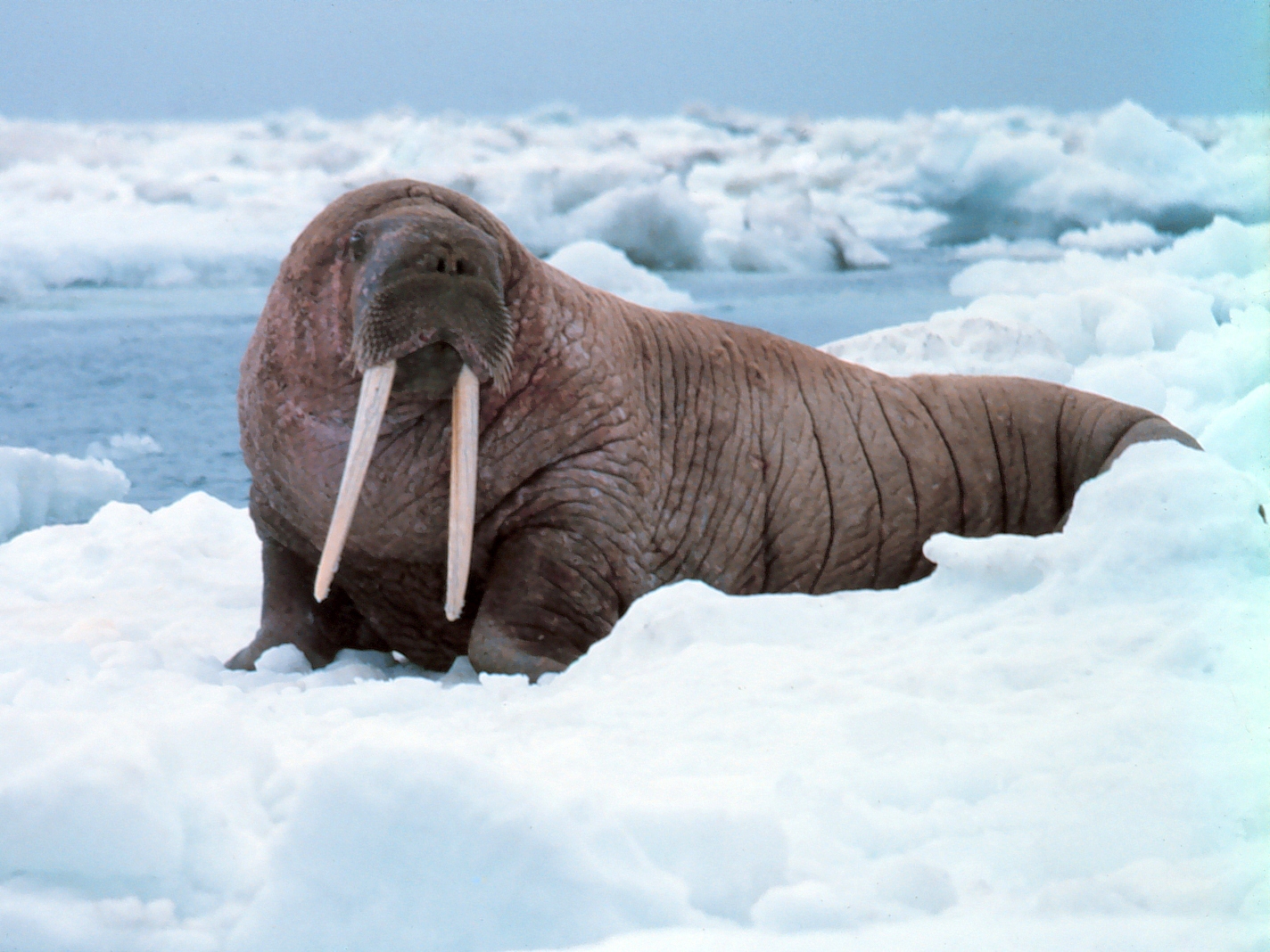 Photo Credit: A. C. Tatarinov / Wikimedia Commons
In the icy realms of the Arctic and sub-Arctic, the walrus, known scientifically as Odobenus rosmarus, commands attention with its impressive presence. Imagine a massive creature lounging on a floating ice floe, its thick, wrinkled skin glistening in the pale sunlight. With tusks that can grow up to three feet long, these formidable teeth are not just for show; they help walruses haul their hefty bodies out of the water and assert dominance among their peers. The sight of a walrus, with its whiskered face and blubbery body, is a reminder of the wild beauty and harsh realities of life in one of the planet’s most extreme environments.
Scientists and nature enthusiasts alike are captivated by the walrus for many reasons. These marine mammals are not only skilled foragers, diving deep into the frigid waters to hunt for shellfish and other tasty treats, but they also play a crucial role in their ecosystem. As a keystone species, walruses help maintain the balance of their habitat, influencing the populations of the creatures they prey upon. Their social behaviors, from vocalizations to playful interactions, reveal a complex world beneath the surface of the ice. As we explore the life of the walrus, we uncover the intricate connections that bind these magnificent animals to their environment and to us.
The walrus, a captivating marine mammal, holds a distinctive place in the tree of life. Classified within the kingdom Animalia, it belongs to the phylum Chordata, which includes all animals with a backbone. As a member of the class Mammalia, walruses are warm-blooded and nurse their young with milk, just like other mammals. What sets walruses apart is their impressive tusks, which are elongated canine teeth that can grow up to three feet long. These tusks are not just for show; they help walruses haul themselves out of icy waters and assert dominance within their social groups.
| Taxonomic Rank | Scientific Name | Meaning & Significance |
|---|---|---|
| Kingdom | Animalia | This name signifies that walruses are part of the vast group of multicellular organisms known as animals. |
| Phylum | Chordata | Chordata means “having a notochord,” a flexible rod that supports the body, which all walruses possess during their development. |
| Class | Mammalia | Mammalia refers to mammals, highlighting that walruses are warm-blooded and have fur, along with the ability to produce milk for their young. |
| Order | Carnivora | Carnivora, meaning “meat-eaters,” indicates that walruses primarily feed on marine organisms, such as clams and other invertebrates. |
| Family | Odobenidae | Odobenidae translates to “tooth-walking,” a nod to the walrus’s unique tusks that aid in movement on ice and land. |
| Genus | Odobenus | The genus name Odobenus means “tooth,” emphasizing the walrus’s prominent tusks, which are a defining feature of the species. |
The classification of the walrus reveals much about its evolutionary journey. As a member of the order Carnivora, walruses share a lineage with other meat-eating mammals, yet their adaptations to a marine lifestyle set them apart. Their tusks and blubbery bodies are perfect for life in frigid waters, showcasing how evolution shapes species to thrive in their environments. Understanding where walruses fit in the tree of life not only highlights their unique characteristics but also connects them to a broader narrative of survival and adaptation in the animal kingdom.
The evolutionary journey of the walrus stretches back millions of years, weaving through the icy waters of the Arctic and sub-Arctic regions. These fascinating marine mammals belong to the family Odobenidae and the genus Odobenus. Their ancestors roamed the seas during the late Miocene epoch, around 10 to 15 million years ago, marking the beginning of a remarkable adaptation to life in cold environments.
The walrus’s ancestors were likely similar to modern-day seals, but over time, they evolved distinct features that set them apart. One of the most significant transitions was the development of their large tusks, which are elongated canine teeth. These tusks, found in both males and females, are not just for show; they help walruses haul themselves out of the water onto ice and serve as tools for foraging on the ocean floor. As they adapted to their frigid habitats, walruses also developed a thick layer of blubber, or fat, beneath their skin. This blubber acts as insulation, keeping them warm in icy waters and providing energy reserves during lean times.
These adaptations have been crucial for the walrus’s survival in harsh Arctic environments. The combination of tusks, blubber, and social structures allows them to navigate the challenges of their icy habitat, from finding food to avoiding predators. As they continue to thrive in their unique ecosystem, walruses remind us of the incredible power of evolution in shaping life on Earth.
The walrus is an impressive sight, embodying the rugged spirit of the Arctic. With its massive body, it can weigh anywhere from 800 to 1,700 kilograms, which is about as heavy as a small car! Its skin, covered in short hair, is a blend of browns and grays, often appearing mottled or spotted. This coloration helps it blend into the rocky shores and icy waters where it resides. The walrus’s most striking features are its long tusks, which can grow up to one meter in length. These tusks, which are actually elongated canine teeth, give the walrus a regal appearance and serve multiple purposes in its daily life.
| Feature | Description |
|---|---|
| Weight | 800kg – 1,700kg (1,764lbs – 3,748lbs) |
| Skin Type | Short hair, mottled brown and gray |
| Tusks | Long canine teeth, can grow up to 1m |
The walrus’s impressive size and unique features are not just for show; they play vital roles in its survival. The thick layer of blubber beneath its skin provides insulation against the frigid waters, while the tusks are essential for hauling itself onto ice and for social interactions within its groups. These adaptations allow the walrus to thrive in one of the harshest environments on Earth, showcasing the incredible ways nature equips its inhabitants for survival.
The walrus thrives in some of the most breathtaking and harsh environments on Earth. Picture vast, icy landscapes where the sea meets the sky, dotted with floating ice floes and rugged coastlines. These marine mammals are often seen lounging on the ice, basking in the sun, or diving into the frigid waters to hunt for food. Their habitat is a stunning blend of frozen beauty and wild adventure, where the chill of the Arctic winds shapes their daily lives.
The walrus prefers areas where the climate is cold and the waters are rich in nutrients. These regions are characterized by long, harsh winters and short, cool summers. The ice floes provide a perfect resting place for walruses, allowing them to haul out of the water and socialize, rest, or care for their young. The surrounding waters are teeming with life, offering a buffet of clams, mollusks, and other tasty treats that walruses love to eat.
Adaptation is key to the walrus’s survival in this challenging environment. With their thick blubber, which acts like a natural insulator, they can keep warm even in icy waters. Their tusks, which can grow up to three feet long, are not just for show; they help walruses haul themselves onto the ice and can even be used to defend against predators. These adaptations make the walrus a true master of its Arctic home, perfectly suited to thrive in one of the planet’s most extreme habitats.
Walruses lead a diurnal lifestyle, meaning they are most active during the day. Their daily activities revolve around foraging for food, socializing, and resting. In the early morning, walruses often haul themselves onto ice floes or rocky shores to bask in the sun. This sunbathing helps them regulate their body temperature, especially after diving into the chilly waters. As the day progresses, they dive into the ocean to hunt for their favorite snacks, which include clams, mollusks, and other tasty marine invertebrates. After a hearty meal, they return to their resting spots, where they may nap or engage in social interactions with their fellow walruses.
Social behavior is a vital part of walrus life. These animals are known for their strong herd dynamics, often gathering in groups that can number in the hundreds. Within these herds, walruses communicate through a variety of vocalizations, including barks, growls, and bell-like sounds. This chatter helps them maintain social bonds and coordinate activities. Hierarchies can form within the group, with larger males often taking on dominant roles. These social structures are essential for protecting the young and ensuring that everyone has access to food and safe resting spots.
| Behavior Type | Description |
|---|---|
| Foraging | Walruses dive to the ocean floor to search for clams and other invertebrates, using their sensitive whiskers to detect food. |
| Resting | After feeding, walruses haul out onto ice or land to rest and socialize, often forming large groups for warmth and safety. |
| Communication | They use a range of sounds, including barks and growls, to express themselves and maintain group cohesion. |
| Social Structure | Walrus herds can be large, with social hierarchies where dominant males lead and protect the group. |
The behaviors of walruses are not just fascinating; they are crucial for their survival in the harsh Arctic environment. By foraging in groups, they increase their chances of finding food and protecting each other from predators. Their social interactions help strengthen bonds within the herd, ensuring that young walruses learn essential skills from older members. In this way, walruses thrive in their icy homes, showcasing the importance of community and cooperation in the animal kingdom.
Walruses are carnivores, which means they primarily eat meat. Their diet mainly consists of a variety of marine invertebrates, including shellfish, worms, and snails. These hefty mammals are skilled foragers, using their sensitive whiskers to detect food on the ocean floor. When they dive, they can hold their breath for up to 30 minutes, allowing them to search for tasty treats hidden beneath the sand and mud.
| Dietary Aspect | Details |
|---|---|
| Diet Type | Carnivore |
| Favorite Foods | Shellfish, worms, snails |
| Prey Items | Clams, mussels, and other benthic invertebrates |
| Hunting/Foraging Strategies | Using whiskers to sense food, diving to the ocean floor, and sometimes using their tusks to break through ice or dig in the sediment |
The walrus’s diet plays a crucial role in its ecology and daily routine. By feeding on a variety of invertebrates, walruses help maintain the balance of their marine ecosystem. Their foraging activities also influence the distribution of prey species, as they stir up the ocean floor while searching for food. This not only provides sustenance for the walrus but also supports the health of the underwater environment, showcasing the interconnectedness of life in the Arctic seas.
During the breeding season, which typically occurs in the spring, walruses engage in a variety of intriguing mating behaviors. Males often display their strength and dominance through vocalizations and physical displays, such as tusk clashing. These interactions help establish hierarchies among males, as they compete for the attention of females. Once a female selects a mate, the pair will mate in the water, and after a lengthy gestation period, the female will give birth to a single pup.
| Reproductive Aspect | Details |
|---|---|
| Gestation Period | 15 months |
| Average Litter Size | 1 |
| Age of Sexual Maturity | 6 – 10 years |
| Name of Young | Pup |
After giving birth, a walrus mother is incredibly attentive to her pup. The young walrus, known as a pup, is born weighing around 100 kilograms and is covered in a soft, fine fur. For the first few weeks, the mother keeps her pup close, nursing it with her rich milk, which is high in fat to help the pup grow strong. As the pup matures, it learns essential survival skills by observing its mother and other walruses. This nurturing bond is crucial, as it helps the young walrus develop into a capable adult, ready to thrive in the challenging Arctic environment.
The walrus occupies a vital role in the Arctic food web, serving as both predator and prey. These large marine mammals feast on a variety of marine invertebrates, but they also face threats from other animals and human activities. As they navigate their icy habitats, walruses must be aware of the dangers lurking in the frigid waters and on the ice.
To defend themselves against these threats, walruses have developed several survival strategies. Their thick skin and blubber provide insulation against the cold and protection from predators. When threatened, walruses can use their impressive tusks, which can grow up to three feet long, to fend off attackers. Additionally, they often gather in large groups, which helps deter predators and provides safety in numbers. By using these tactics, walruses continue to thrive in their challenging Arctic environment.
A keystone species is an organism that plays a critical role in maintaining the structure of an ecosystem. Its presence or absence can significantly impact the environment and the other species that live there. The walrus qualifies as a keystone species in its Arctic habitat due to its unique interactions with the ecosystem and the various roles it plays.
Walruses are not just large, blubbery mammals; they are essential players in the Arctic marine ecosystem. By foraging for food, they help control the populations of marine invertebrates, such as clams and snails. This foraging behavior not only provides food for the walruses themselves but also influences the distribution and abundance of these invertebrates. When walruses dive to the ocean floor to feed, they disturb the sediment, which can promote the growth of seagrasses and other underwater plants. These plants are vital for many marine species, providing habitat and food.
Additionally, walruses are social animals that often gather in large herds on ice floes or rocky coastlines. This group behavior can create a unique microhabitat for other species. For example, the presence of walruses can attract birds and other marine life that rely on the same habitats. Their large bodies also create opportunities for smaller animals, like crabs and fish, to thrive in the areas they frequent.
If walruses were to disappear from their environment, the consequences would ripple through the ecosystem. Without these marine mammals, the populations of invertebrates could explode, leading to overgrazing of seagrasses and other vital underwater plants. This imbalance would not only affect the walrus’s prey but also the entire food web, including the predators that rely on walruses for sustenance. The loss of walruses would ultimately disrupt the delicate balance of the Arctic ecosystem, highlighting just how crucial these magnificent animals are to their icy home.
The walrus occupies a vital ecological niche in the Arctic and sub-Arctic regions, where it plays a significant role in shaping its environment. As a large marine mammal, the walrus influences the ecosystem through its feeding habits, social behaviors, and interactions with other species. By foraging for food on the ocean floor, it helps maintain the balance of marine life, while its presence affects the populations of both prey and predator species. This makes the walrus not just a participant in its ecosystem, but a key player in its health and stability.
| Ecosystem Service | Impact |
|---|---|
| Foraging | Controls populations of marine invertebrates, such as clams and snails. |
| Habitat modification | Creates resting areas on ice floes, which can benefit other species. |
| Nutrient cycling | Contributes to nutrient distribution in the ocean through waste products. |
| Prey for predators | Serves as a food source for apex predators like polar bears and orcas. |
The walrus’s foraging behavior is particularly impactful. By diving to the ocean floor and using its sensitive whiskers to locate clams and other invertebrates, it helps regulate their populations. This feeding not only provides food for the walrus but also ensures that these species do not overpopulate, which could lead to imbalances in the ecosystem. Additionally, when walruses haul out on ice floes, they create resting spots that can be used by other animals, such as seabirds and seals, enhancing the biodiversity of the area.
The broader ecological importance of the walrus cannot be overstated. As a keystone species, its presence is crucial for maintaining the structure of the Arctic ecosystem. The walrus influences not just the species it directly interacts with, but also the entire food web. By supporting various marine life and contributing to nutrient cycling, the walrus helps sustain the delicate balance of its icy habitat. Protecting this magnificent animal is essential for preserving the health of the Arctic environment and all the creatures that call it home.
In the intricate web of life, symbiosis plays a crucial role in how species interact and thrive together. Symbiosis refers to the close and often long-term relationships between different species, which can be beneficial, harmful, or neutral. These ecological relationships can take many forms, such as mutualism, where both species benefit, parasitism, where one benefits at the expense of the other, and commensalism, where one benefits while the other is neither helped nor harmed. The walrus, a magnificent marine mammal, engages in various partnerships with other species, showcasing the diverse ways life on Earth is interconnected.
| Species/Type | Relationship Type | Description |
|---|---|---|
| Barnacles | Commensalism | Barnacles attach themselves to the skin of walruses, gaining a free ride and access to food particles in the water, while the walrus is largely unaffected. |
| Seagulls | Mutualism | Seagulls often follow walruses to feed on the scraps left behind after the walrus forages for food. In return, the walrus benefits from the seagulls alerting them to potential predators. |
| Parasitic worms | Parasitism | Some species of worms can live inside walruses, feeding on their nutrients and potentially harming their health. |
These relationships have evolved over time, shaped by the needs and behaviors of the species involved. The barnacles and seagulls have found ways to benefit from the walrus without causing it harm, while parasitic worms have adapted to exploit the walrus for their own survival. Such interactions highlight the delicate balance of ecosystems, where each species plays a role in the larger story of life. Understanding these connections not only deepens our appreciation for the walrus but also emphasizes the importance of preserving the habitats that support these fascinating relationships.
Walruses are truly extraordinary animals that capture the imagination with their unique adaptations and behaviors. Here are some surprising facts that showcase just how remarkable these marine mammals are.
Throughout history, walruses have held a special place in the hearts and cultures of Arctic peoples. Indigenous communities have long revered these magnificent marine mammals, relying on them for food, clothing, and tools. The walrus’s tusks, which can grow up to three feet long, were often carved into intricate art pieces or used as tools. Stories and legends about walruses have been passed down through generations, highlighting their significance in the cultural tapestry of the North. These encounters have fostered a deep respect for the walrus, intertwining its fate with that of human communities.
In modern times, the relationship between walruses and humans has become more complex. As climate change alters their icy habitats, conservation efforts are crucial to ensure their survival. Organizations are working to protect walrus populations and their environments, recognizing their role as a keystone species in the Arctic ecosystem. However, conflicts can arise, particularly as walruses venture closer to human settlements in search of food and resting areas. While domestication of walruses is not feasible, understanding their needs and behaviors is essential for coexisting peacefully.
Looking ahead, the future of the walrus-human relationship hinges on our ability to adapt and respond to environmental changes. As we face the challenges of climate change, it is vital to foster a sense of stewardship for these incredible animals. By promoting conservation and understanding, we can ensure that walruses continue to thrive in their natural habitats while maintaining the cultural connections that have existed for centuries. Together, we can create a future where both walruses and humans coexist harmoniously in the Arctic’s breathtaking landscape.
The walrus is currently classified as Near Threatened, indicating that while it is not yet at immediate risk of extinction, its population is facing challenges that could lead to a decline. Recent estimates suggest that there are between 200,000 and 250,000 walruses in the wild. However, this number is not stable, and trends indicate that their populations may be affected by various environmental and human-induced factors.
| Conservation Factor | Status/Details |
|---|---|
| IUCN Status | Near Threatened |
| Estimated Population Size | 200,000 – 250,000 |
| Population Trend | Potential decline |
The main threats to walruses stem from climate change, habitat loss, and human activities. As the Arctic ice melts due to rising temperatures, walruses lose their resting and breeding grounds. This loss of ice also affects their food sources, as they rely on marine invertebrates that thrive in these icy waters. Additionally, increased shipping traffic and oil exploration in the Arctic pose further risks, leading to disturbances in their natural habitats and potential conflicts with humans.
Conservation efforts are underway to protect walruses and their habitats. Organizations and governments are working together to monitor populations and implement strategies to mitigate the impacts of climate change. By creating marine protected areas and promoting sustainable practices, there is hope for the walrus population to stabilize and thrive. The future of these magnificent marine mammals depends on our commitment to preserving their icy homes and the delicate balance of the Arctic ecosystem.
| Question | Answer |
|---|---|
| Where do walruses live? | Walruses are found in the Arctic and sub-Arctic regions. They prefer ice floes and rocky, remote coastlines where they can rest and breed. |
| What do walruses eat? | Walruses are carnivores, meaning they primarily eat meat. Their diet mainly consists of benthic invertebrates, like clams and mollusks, which they find on the ocean floor. |
| How do walruses behave in the wild? | Walruses are social animals that often gather in large groups, called herds. They communicate through a variety of vocalizations and can be quite playful, especially the young ones. |
| How do walruses reproduce? | Walruses typically mate in the water, and after a gestation period of about 15 to 16 months, females give birth to a single calf. The mother nurses her calf for about two years, teaching it essential survival skills. |
| What threats do walruses face? | Walruses are classified as Near Threatened due to habitat loss from climate change and melting sea ice. They also face threats from hunting and human activities that disturb their habitats. |
| What is the most distinctive feature of a walrus? | The walrus is famous for its long tusks, which can grow up to 1 meter long. These tusks are actually elongated canine teeth and are used for various purposes, including breaking through ice and establishing dominance. |
| Can walruses swim well? | Yes, walruses are excellent swimmers! They can dive to depths of over 80 meters (about 260 feet) and can hold their breath for up to 30 minutes while searching for food. |