Taxonomy & Classification
- Kingdom
- Animalia
- Phylum
- Chordata
- Class
- Mammalia
- Order
- Artiodactyla
- Family
- Suidae
- Genus
- Phacochoerus
- Species
- Phacochoerus africanus

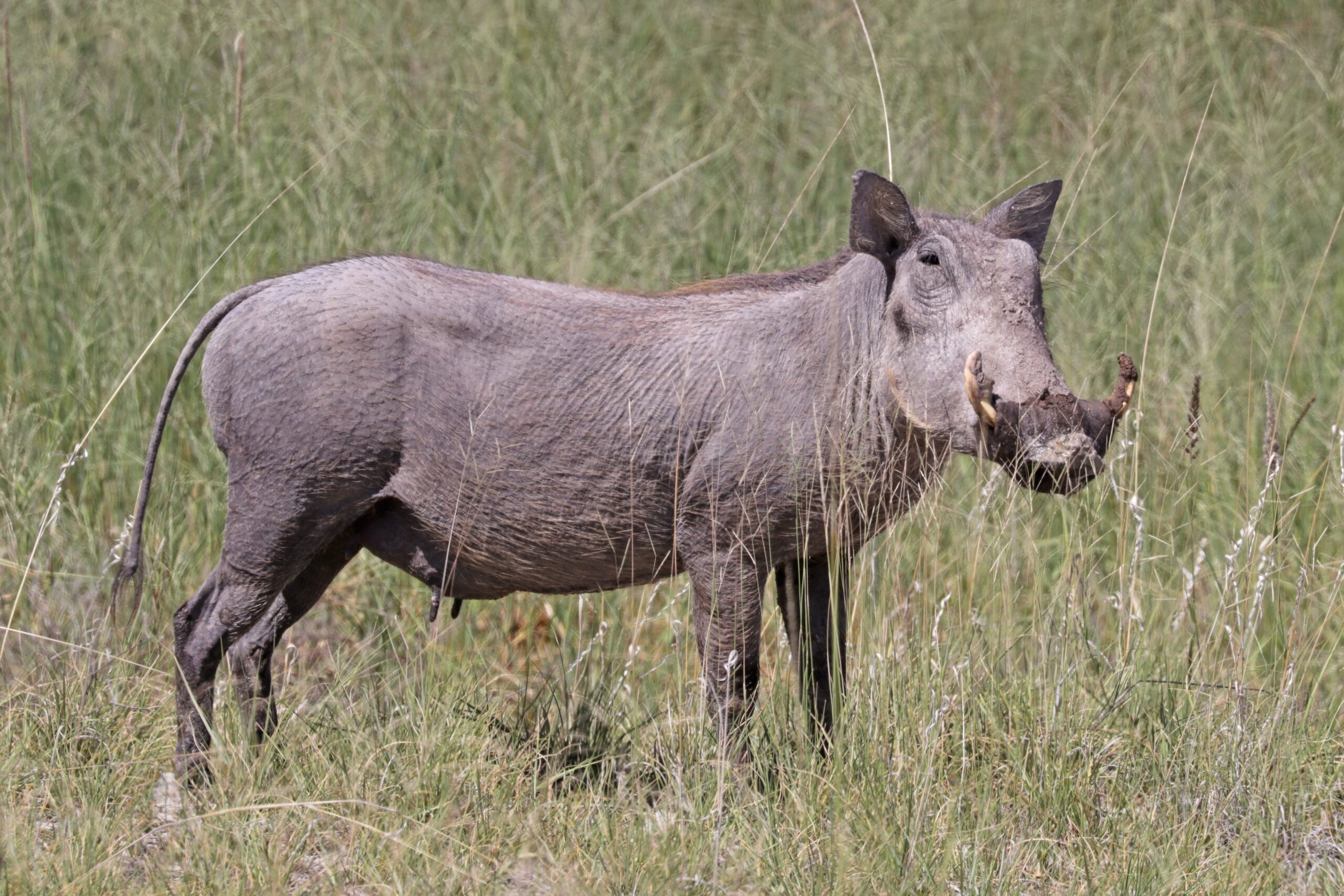 Photo Credit: Charlesjsharp / Wikimedia Commons
In the heart of Africa’s sun-drenched savannas, the warthog, scientifically known as Phacochoerus africanus, roams with a rugged charm that captivates all who encounter it. With its sturdy body, short legs, and distinctive facial warts—actually thickened skin that protects its face during fights—this remarkable animal stands out in the wild. The warthog’s large, tusk-like teeth, which protrude from its mouth, add to its unique appearance and serve as tools for digging up roots and bulbs, making it a master forager in its arid habitat.
As the sun rises, casting golden rays over the grassy plains, warthogs emerge from their burrows, ready to greet the day. Their playful nature and social behavior make them a delight to observe. Often seen in small family groups, these animals engage in a lively routine of foraging and grooming, showcasing their adaptability and resourcefulness. Scientists and nature enthusiasts alike are drawn to the warthog not just for its striking looks, but also for its vital role in the ecosystem. By digging up the earth and promoting plant growth, warthogs help maintain the delicate balance of their environment, making them a keystone species in the African savanna.
The warthog, a captivating member of the animal kingdom, holds a special place in the tree of life. Scientifically classified under the family Suidae, which includes pigs and hogs, the warthog is known for its distinctive appearance and behavior. With its large tusks, rugged skin, and unique facial warts, this animal is not just a sight to behold but also a fascinating example of adaptation. Warthogs are primarily found in the savannas and grasslands of Africa, where they have evolved to thrive in their environment, showcasing the incredible diversity of life on our planet.
| Taxonomic Rank | Scientific Name | Meaning & Significance |
|---|---|---|
| Kingdom | Animalia | This name signifies that warthogs are part of the vast group of multicellular organisms known as animals, which are characterized by their ability to move and respond to their environment. |
| Phylum | Chordata | Chordata means “having a notochord,” a flexible rod that supports the body. Warthogs, like all chordates, have a backbone, which is a key feature of this group. |
| Class | Mammalia | Mammalia refers to mammals, animals that possess mammary glands to nurse their young. Warthogs are warm-blooded and have fur, which are typical traits of mammals. |
| Order | Artiodactyla | This order includes even-toed ungulates, meaning animals that walk on an even number of toes. Warthogs have two main weight-bearing toes on each foot, which helps them run swiftly across their habitats. |
| Family | Suidae | Suidae is the family that encompasses pigs and hogs. The name is derived from the Latin word for pig, highlighting the warthog’s close relationship with these animals. |
| Genus | Phacochoerus | Phacochoerus comes from Greek, meaning “warthog,” which directly refers to the animal’s prominent facial warts that are characteristic of the species. |
Understanding the warthog’s classification reveals much about its evolutionary journey. As a member of the Suidae family, it shares a common ancestor with other pigs, showcasing how different species can adapt to their environments in unique ways. The warthog’s adaptations, such as its tusks for defense and its ability to thrive in open habitats, highlight the intricate connections between form, function, and survival in the wild. This classification not only helps us appreciate the warthog’s role in its ecosystem but also emphasizes the rich tapestry of life that has evolved over millions of years.
The evolutionary journey of the warthog stretches back millions of years, weaving through the rich tapestry of life on Earth. This fascinating animal belongs to the family Suidae, which includes pigs and hogs, and its ancestors roamed the planet during the late Miocene epoch, around 10 million years ago. As the environment changed, so did the warthog, adapting to the challenges of its surroundings in Africa.
Warthogs are descendants of ancient pig-like creatures that first appeared in Eurasia. Over time, these early ancestors migrated to Africa, where they evolved into the warthogs we recognize today. One significant transition occurred as they adapted to a more terrestrial lifestyle, moving from forested areas to open savannas. This shift required changes in their diet and behavior, leading to the development of their distinctive tusks and a more robust body shape. These adaptations allowed them to dig for roots and tubers, which became a vital food source.
Warthogs have thrived in their environments thanks to these remarkable adaptations. Their tusks not only serve as tools for foraging but also as weapons against predators, ensuring their survival in the wild. The ability to run on their knuckles allows them to escape danger swiftly, while their tough skin provides protection from the harsh elements of their habitat. Together, these features have enabled warthogs to flourish in the diverse landscapes of Africa, showcasing the incredible power of evolution in shaping life on our planet.
The warthog is a striking animal that captures attention with its rugged appearance and distinctive features. With a sturdy body built for strength, it stands on short, powerful legs that support its hefty frame. The warthog’s head is large and elongated, adorned with prominent tusks that curve outward, giving it a fierce look. Its skin is tough and covered in coarse hair, which helps protect it from the elements and potential predators. Overall, the warthog presents an image of resilience and adaptability, perfectly suited for its environment.
| Feature | Description |
|---|---|
| Weight | 50-150 kg (110-330 lbs) |
| Skin Type | Coarse hair |
| Body Structure | Sturdy and muscular with short legs |
| Tusks | Prominent, curved tusks that can be quite long |
| Color | Typically brown or gray, blending well with their surroundings |
These physical characteristics work together to enhance the warthog’s survival in the wild. Its robust body allows it to navigate through dense brush and tough terrain, while the coarse hair provides a layer of protection against thorns and rough vegetation. The tusks, which can be formidable weapons, serve both as tools for digging up roots and as defenses against predators. The warthog’s coloration helps it blend into the savanna landscape, making it less visible to threats. Together, these features create a well-adapted animal that thrives in its natural habitat.
The warthog roams the sun-drenched landscapes of Africa, where arid savannas and expansive grass plains stretch as far as the eye can see. These habitats are often dotted with acacia trees and patches of scrub, providing both shelter and food. The ground is usually dry and hard, but after a rain, it transforms into a vibrant green oasis, attracting a variety of wildlife. Warthogs can often be seen foraging in the open, their bristly hair glistening under the sun as they dig for roots and tubers.
The climate in these regions is typically warm and dry, with distinct wet and dry seasons. Warthogs thrive in areas where temperatures can soar during the day, often reaching over 100 degrees Fahrenheit. They are well-adapted to survive in environments that may experience long periods of drought, relying on their keen sense of smell to locate food and water sources. The grasslands provide ample grazing opportunities, while the occasional rainfall brings a burst of life to their surroundings.
Warthogs have developed several clever adaptations to thrive in their chosen habitats. Their strong legs allow them to run swiftly across the plains, while their flat snouts are perfect for rooting around in the soil for tasty morsels. They also have a unique behavior of wallowing in mud, which helps them cool off and protects their skin from sunburn and parasites. These adaptations not only enhance their survival but also make them a vital part of the ecosystem, as they help aerate the soil and promote plant growth.
Warthogs lead a lively and engaging daily life, filled with activities that reflect their adaptability and resourcefulness. As the sun rises over the African savanna, these fascinating animals begin their day by foraging for food. Their diet mainly consists of grasses, roots, and tubers, which they skillfully dig up using their strong snouts. Warthogs are primarily active during the day, a behavior known as diurnal, meaning they are awake and active in the daylight hours. They often take breaks to wallow in mud, which helps them cool off and protects their skin from the sun and pesky insects.
Socially, warthogs are quite gregarious, often forming groups called sounders. These sounders typically consist of females and their young, while males tend to be more solitary or form small bachelor groups. The bonds within a sounder are strong, as they work together to keep an eye out for predators. Communication among warthogs is essential; they use a variety of sounds, from grunts to snorts, to convey messages to one another. This social structure not only helps them find food but also enhances their safety in the wild.
| Behavior Type | Description |
|---|---|
| Foraging | Warthogs use their strong snouts to dig for grasses, roots, and tubers, which make up their diet. |
| Wallowing | They enjoy rolling in mud to cool off and protect their skin from the sun and insects. |
| Group Living | Warthogs form sounders, usually consisting of females and their young, to enhance safety and foraging success. |
| Communication | They communicate through various sounds, including grunts and snorts, to alert each other of danger or to coordinate activities. |
The behaviors of warthogs are finely tuned to ensure their survival in the wild. By foraging in groups, they increase their chances of finding food while also keeping watch for predators. Their social structure allows them to share information and resources, making them more resilient in the face of challenges. Wallowing not only provides comfort but also serves as a crucial defense against the harsh sun and irritating insects. Together, these daily activities and social interactions create a dynamic lifestyle that helps warthogs thrive in their natural habitat.
Warthogs are omnivores, which means they enjoy a varied diet that includes both plant and animal matter. Their primary feeding behavior revolves around foraging for grasses, roots, and bulbs, which they dig up using their strong snouts. Warthogs are particularly fond of tender grasses, making them well-suited for life in the savanna where these plants thrive. They often feed in the early morning or late afternoon, taking advantage of cooler temperatures to search for food.
| Dietary Aspect | Details |
|---|---|
| Diet Type | Omnivore |
| Favorite Foods | Grasses, roots, and bulbs |
| Prey Items | Primarily plant-based, with occasional insects |
| Hunting/Foraging Strategies | Using their strong snouts to dig up roots and bulbs |
This diverse diet plays a crucial role in the warthog’s ecology and daily routine. By feeding on grasses and roots, they help maintain the health of their habitat, promoting new plant growth. Their foraging behavior also influences the distribution of plant species in the savanna. As they dig for food, they aerate the soil, which benefits other organisms in the ecosystem. This interconnectedness highlights the importance of the warthog’s diet, not just for its survival, but for the overall balance of its environment.
Warthogs have a fascinating mating ritual that takes place during the breeding season, which typically occurs in the rainy months. Males, known as boars, engage in a series of displays to attract females, or sows. These displays can include vocalizations, scent marking, and even physical confrontations with other males. Once a female is ready to mate, she will often choose a dominant male, ensuring that her offspring have the best chance of survival.
| Reproductive Aspect | Details |
|---|---|
| Gestation Period | Approximately 5 to 6 months |
| Litter Size | Average of 4 piglets |
| Age of Maturity | About 18 months |
| Name of Young | Piglets |
After the piglets are born, the mother warthog provides attentive care. She will nurse her young for several weeks, ensuring they receive the nutrients they need to grow strong. As the piglets develop, they begin to accompany their mother on foraging trips, learning how to find food and navigate their environment. This nurturing phase is crucial, as it helps the young warthogs become independent and ready to face the challenges of life in the wild. By the time they reach maturity at around 18 months, they are well-equipped to thrive in their natural habitat.
Warthogs play a vital role in the African savanna’s food web, where they are both grazers and prey. As they forage for grasses and roots, they help maintain the ecosystem by promoting plant growth. However, their position also makes them targets for various predators, highlighting the delicate balance of life in their habitat.
Warthogs have developed several clever strategies to evade these threats. When danger approaches, they often retreat to their burrows, which provide a safe haven. Their sharp tusks, which can be formidable weapons, are used for defense if cornered. Additionally, warthogs are known for their quick bursts of speed, allowing them to escape predators in the open savanna. By staying alert and using their natural instincts, these resilient animals navigate the challenges of survival in a world filled with dangers.
A keystone species is an organism that has a disproportionately large impact on its environment relative to its abundance. In other words, if a keystone species were to disappear, the entire ecosystem could change dramatically. Warthogs, with their unique behaviors and ecological roles, qualify as a keystone species in their African savanna habitats. Their presence helps maintain the balance of their ecosystem, influencing both plant and animal life.
Warthogs play a crucial role in their environment by foraging for grasses, roots, and bulbs. As they dig into the ground, they aerate the soil, which allows water and nutrients to penetrate deeper. This process not only benefits the plants they feed on but also encourages the growth of other vegetation in the area. By keeping grasslands trimmed, warthogs prevent the overgrowth of certain plant species, promoting biodiversity. This balance is essential for many other animals that rely on these plants for food and shelter.
Additionally, warthogs serve as prey for larger predators, such as lions and hyenas. Their presence supports the food web, providing sustenance for these carnivores. When warthogs are abundant, they help sustain predator populations, which in turn keeps herbivore numbers in check. This dynamic is vital for maintaining the health of the savanna ecosystem, as it prevents overgrazing and promotes a diverse array of species.
If warthogs were to vanish from their ecosystems, the consequences would be significant. Without their foraging activities, the soil would become compacted, leading to reduced plant growth and a decline in the overall health of the savanna. This could trigger a chain reaction, affecting not only the plants but also the herbivores that depend on them for food. As predator populations decline due to a lack of prey, the balance of the ecosystem would be disrupted, potentially leading to a loss of biodiversity. The warthog’s disappearance would echo through the savanna, illustrating just how interconnected life truly is.
The warthog plays a vital role in shaping its ecosystem, particularly in the arid savannas and grass plains of Africa. As an omnivore, it forages for a variety of foods, including grasses, roots, and bulbs. This feeding behavior not only sustains the warthog but also influences the plant community around it. By rooting around in the soil, warthogs help aerate it, allowing water and nutrients to reach plant roots more effectively. Their presence in these ecosystems is essential for maintaining the balance of plant life and supporting other species that rely on these habitats.
| Ecosystem Service | Impact |
|---|---|
| Soil Aeration | Warthogs dig into the ground, loosening the soil and allowing better water absorption. |
| Plant Growth Promotion | By foraging, they help control plant overgrowth, encouraging a diverse plant community. |
| Seed Dispersal | As they eat fruits and seeds, warthogs help spread these plants across the landscape. |
| Prey for Predators | Warthogs serve as a food source for larger predators, contributing to the food web. |
Warthogs influence their environment in several specific ways. For instance, their foraging habits can create small clearings in dense grasslands, which allows sunlight to reach the ground and encourages the growth of new plants. This not only benefits the warthogs but also provides habitats for smaller animals and insects. Additionally, when warthogs dig for roots, they inadvertently create homes for other creatures, such as burrowing animals. Their presence helps maintain a healthy balance in the ecosystem, supporting a variety of life forms.
The broader ecological importance of warthogs cannot be overstated. As a keystone species, their activities have a ripple effect throughout their habitat. If warthogs were to disappear, the consequences would be felt far and wide, potentially leading to overgrown vegetation and a decline in other species that depend on the savanna ecosystem. By understanding the role of warthogs, we gain insight into the intricate connections that sustain life in these vibrant landscapes, reminding us of the delicate balance that exists in nature.
In the intricate web of life, symbiosis refers to the close and often long-term interactions between different species. These relationships can take many forms, including mutualism, where both species benefit, commensalism, where one benefits while the other is neither helped nor harmed, and parasitism, where one species benefits at the expense of the other. Warthogs, with their unique lifestyle and habitat, engage in various ecological partnerships that highlight the interconnectedness of nature.
| Species/Type | Relationship Type | Description |
|---|---|---|
| Oxpeckers | Mutualistic | These small birds perch on warthogs, feeding on ticks and parasites found on their skin. In return, the warthogs enjoy a cleaner coat and reduced irritation from pests. |
| Acacia Trees | Commensal | Warthogs often forage around acacia trees, which provide shade and shelter. While the trees are not directly affected, the warthogs benefit from the protection they offer from the sun. |
| Large Predators (e.g., lions) | Parasitic | While not a direct relationship, warthogs can fall prey to large predators. This relationship is detrimental to the warthogs, as it benefits the predators by providing them with food. |
These relationships have evolved over time, shaped by the needs and behaviors of the species involved. The mutualistic bond between warthogs and oxpeckers is a perfect example of how cooperation can enhance survival. By allowing birds to feed on their parasites, warthogs not only keep themselves healthier but also create a reliable food source for the birds. Meanwhile, the commensal relationship with acacia trees shows how animals can benefit from their environment without causing harm. Understanding these connections helps us appreciate the delicate balance of ecosystems and the roles each species plays in maintaining it.
Warthogs are truly captivating animals that offer a glimpse into the wonders of nature. These fascinating creatures are not just your average wild pigs; they have some surprising traits and behaviors that make them stand out in the animal kingdom.
Warthogs have long been intertwined with human culture and history, particularly in Africa, where they inhabit the same landscapes. Ancient tribes often viewed these animals as symbols of strength and resilience. In various African folklore, warthogs are depicted in stories that highlight their cleverness and adaptability. Their distinctive tusks and rugged appearance have made them subjects of art and storytelling, reflecting the deep connection between these animals and the communities that share their environment.
Today, the relationship between warthogs and humans is complex and multifaceted. On one hand, warthogs are often seen as pests by farmers, as they can damage crops while foraging for food. This can lead to conflicts between humans and these wild animals. On the other hand, conservation efforts are underway to protect warthogs and their habitats, recognizing their role in the ecosystem. Some communities have even embraced ecotourism, where visitors come to observe these fascinating creatures in their natural settings, fostering a sense of appreciation and respect for wildlife.
Looking ahead, the future of the warthog-human relationship will likely depend on our ability to balance agricultural needs with wildlife conservation. As awareness grows about the ecological importance of warthogs, more communities may find ways to coexist peacefully with these animals. By fostering understanding and respect, we can ensure that both humans and warthogs thrive in the rich tapestry of life that is our shared planet.
The warthog, a distinctive inhabitant of the African savanna, currently holds a conservation status of “Least Concern” according to the International Union for Conservation of Nature (IUCN). This means that, at present, warthogs are not facing an immediate threat of extinction. Their populations are relatively stable, although local declines can occur due to various pressures. Overall, the warthog’s adaptability and wide distribution across Africa contribute to its resilience in the face of environmental changes.
| Conservation Factor | Status/Details |
|---|---|
| IUCN Status | Least Concern |
| Population Estimates | Stable, with local variations |
| Trend Direction | Stable |
Despite their current stable status, warthogs face several significant threats that could impact their populations in the future. Habitat loss is a major concern, primarily due to agricultural expansion and urban development, which encroach on their natural environments. Additionally, poaching for bushmeat and hunting for sport can lead to localized declines. As human populations grow and land use changes, the delicate balance of the warthog’s habitat becomes increasingly precarious.
Conservation efforts are underway to ensure the continued survival of warthogs in their natural habitats. Protected areas and national parks play a crucial role in safeguarding these animals from poaching and habitat destruction. Education and awareness programs help local communities understand the importance of preserving warthogs and their ecosystems. With ongoing efforts and a commitment to conservation, the outlook for warthogs remains hopeful, allowing future generations to appreciate these fascinating animals in the wild.
| Question | Answer |
|---|---|
| What is the habitat of warthogs? | Warthogs are commonly found in arid savannas and grass plains across Africa. These open areas provide them with plenty of grass to eat and space to roam. |
| What do warthogs eat? | Warthogs are omnivores, which means they eat both plants and animals. Their diet mainly consists of grasses, roots, and fruits, but they will also munch on insects and small animals when the opportunity arises. |
| How do warthogs behave in the wild? | Warthogs are social animals that often live in groups called sounders, usually made up of females and their young. They are known for their unique way of running, which involves keeping their heads low to the ground. |
| How do warthogs reproduce? | Warthogs typically mate year-round, but most births occur during the rainy season when food is plentiful. After a gestation period of about 5 months, a female warthog usually gives birth to 2 to 4 piglets. |
| What threats do warthogs face? | Warthogs face threats from habitat loss due to agriculture and human development. They are also hunted for their meat and can fall prey to large predators like lions and hyenas. |
| What are some interesting characteristics of warthogs? | Warthogs are easily recognized by their large tusks, which are actually elongated teeth that they use for digging and defense. They also have a unique grooming behavior, often rolling in mud to keep their skin cool and free of parasites. |
| Are warthogs endangered? | Warthogs are currently classified as Least Concern by the IUCN, meaning they are not at immediate risk of extinction. However, their populations can be affected by habitat destruction and hunting. |