Taxonomy & Classification
- Kingdom
- Animalia
- Phylum
- Chordata
- Class
- Mammalia
- Order
- Artiodactyla
- Family
- Bovidae
- Genus
- Bubalus
- Species
- Bubalus bubalis

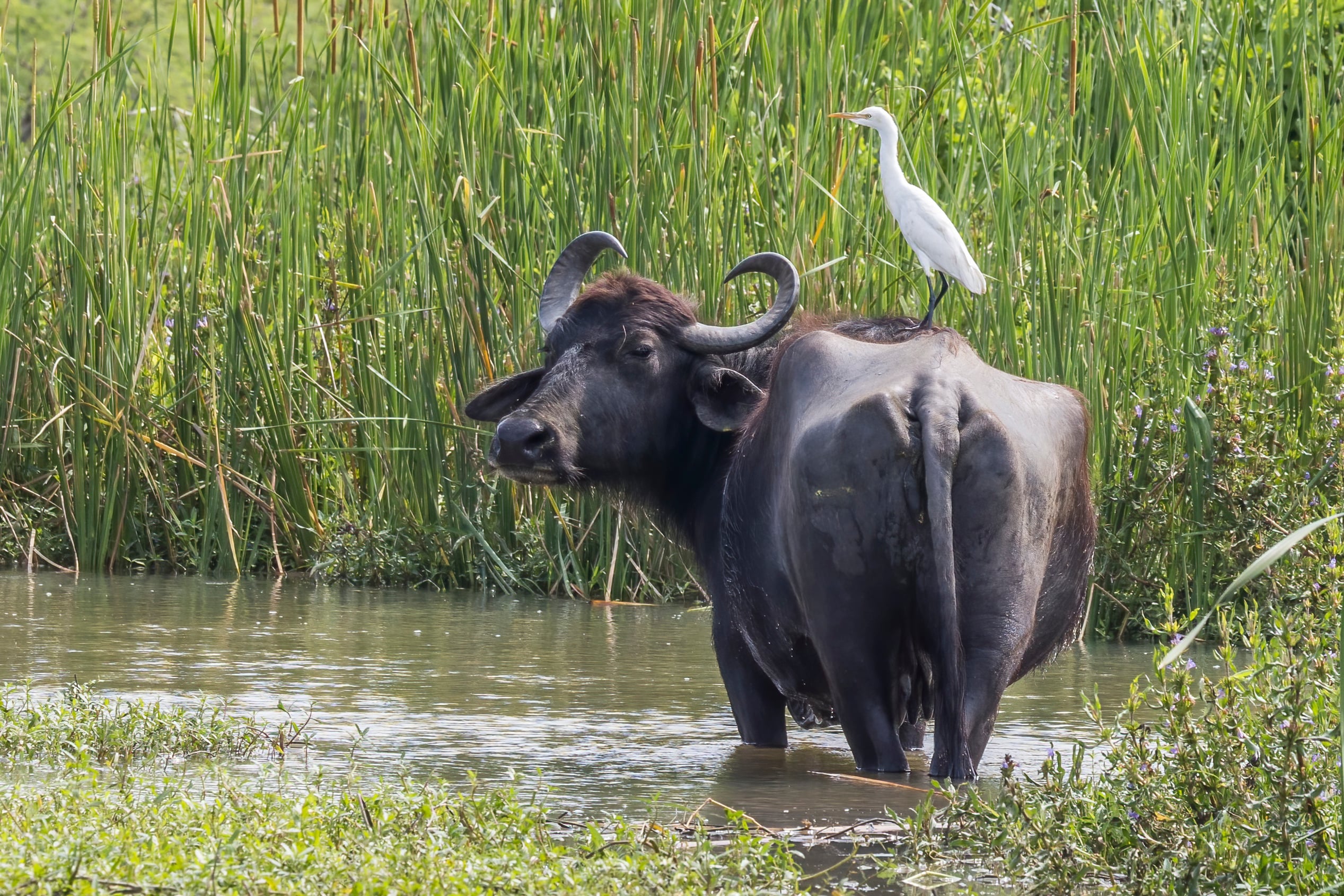 Photo Credit: Charlesjsharp / Wikimedia Commons
In the shimmering wetlands of Southeast Asia, the water buffalo, known scientifically as Bubalus, roams gracefully through the lush greenery. With its massive, muscular frame and curved horns that can span nearly five feet, this gentle giant is a striking sight against the backdrop of vibrant marshes and tranquil rivers. The water buffalo’s dark, glossy coat glistens in the sunlight, while its large, soulful eyes seem to reflect the wisdom of ages past. These magnificent animals are not just captivating to behold; they play a crucial role in their ecosystems, shaping the landscape and supporting a variety of life around them.
Scientists and nature enthusiasts alike are drawn to the water buffalo for its fascinating adaptations and social behaviors. As herbivores, they graze on grasses and aquatic plants, helping to maintain the health of their habitats. Their presence in the wetlands creates a dynamic environment, as they trample down dense vegetation, allowing new plant life to flourish. This keystone species, meaning it has a significant impact on its ecosystem, is also known for its strong social bonds, often seen in groups that provide protection and companionship. As we explore the world of the water buffalo, we will uncover the intricate relationships it shares with its environment and the challenges it faces in a rapidly changing world.
The water buffalo, known scientifically as Bubalus, holds a special place in the animal kingdom. This impressive mammal belongs to the family Bovidae, which includes other hoofed animals like cows and goats. What sets the water buffalo apart is its remarkable adaptability to wet environments, particularly in Asia, where it thrives in marshes and rice paddies. With its large, curved horns and sturdy build, the water buffalo is not just a vital source of labor and milk for many cultures, but it also plays a crucial role in maintaining the ecosystems it inhabits.
| Taxonomic Rank | Scientific Name | Meaning & Significance |
|---|---|---|
| Kingdom | Animalia | This name signifies that water buffalo are part of the vast group of multicellular organisms known as animals, which are characterized by their ability to move and respond to their environment. |
| Phylum | Chordata | Chordata means “having a notochord,” a flexible rod that supports the body. This feature is a key characteristic of all vertebrates, including the water buffalo. |
| Class | Mammalia | Mammalia refers to mammals, which are warm-blooded animals that have fur or hair and produce milk to feed their young. The water buffalo exemplifies these traits with its thick coat and nurturing behavior. |
| Order | Artiodactyla | This order includes even-toed ungulates, meaning animals that walk on an even number of toes. The water buffalo’s hooves are perfectly adapted for traversing muddy terrains. |
| Family | Bovidae | Bovidae is the family that encompasses cattle, antelopes, and sheep. The name is derived from “bos,” the Latin word for cow, highlighting the buffalo’s close relationship with these animals. |
| Genus | Bubalus | The genus name Bubalus is thought to come from the Greek word for “buffalo,” emphasizing its identity as a distinct type of large, horned mammal. |
Understanding the water buffalo’s classification reveals much about its evolutionary journey. As a member of the Bovidae family, it shares a common ancestor with other hoofed mammals, showcasing the diverse adaptations that have allowed these animals to thrive in various environments. The water buffalo’s unique traits, such as its affinity for water and its role in agriculture, highlight how evolution shapes not just physical characteristics, but also the relationships between species and their habitats. This fascinating animal is a testament to the intricate web of life that connects all living beings on our planet.
The evolutionary journey of the water buffalo, scientifically known as Bubalus, stretches back millions of years. This impressive animal is part of the Bovidae family, which includes a variety of hoofed mammals. The ancestors of modern water buffalo roamed the Earth during the late Miocene epoch, around 8 to 12 million years ago. Over time, these ancestors adapted to their environments, leading to the diverse forms we see today.
The early ancestors of water buffalo were small, forest-dwelling creatures that gradually adapted to more open habitats. As they evolved, they developed larger bodies and stronger limbs, allowing them to traverse different terrains. One significant transition occurred when these animals began to thrive in wetland areas, leading to the emergence of the water buffalo as we know it. This adaptation to a semi-aquatic lifestyle was crucial, as it allowed them to exploit new food sources and evade predators.
The adaptations of the water buffalo have been vital for its survival in diverse habitats. Their robust bodies and social structures enable them to thrive in challenging environments, while their physical features help them fend off predators and access food. As a result, water buffalo have become not only resilient survivors but also essential contributors to the ecosystems they inhabit, showcasing the power of evolution in shaping life on Earth.
The water buffalo is a striking animal that commands attention with its powerful presence. With a robust body and sturdy legs, it stands as a symbol of strength in the wetlands and grasslands it inhabits. Its large, curved horns sweep gracefully from its head, creating an impressive silhouette against the horizon. The water buffalo’s broad frame is complemented by a thick neck and a deep chest, giving it a solid, muscular appearance. This impressive structure not only aids in mobility but also supports its role as a hardworking beast of burden in many cultures.
| Feature | Description |
|---|---|
| Weight | 400-900 kg (880-2,000 lbs) |
| Skin Type | Leather |
These physical features are not just for show; they play crucial roles in the water buffalo’s survival. The thick leather-like skin provides protection against the elements and potential predators, while its substantial weight allows it to navigate through muddy terrains with ease. The powerful legs and muscular build enable the water buffalo to carry heavy loads, making it an invaluable partner for farmers and communities. Together, these characteristics create a well-adapted animal that thrives in its environment, showcasing the beauty of nature’s design.
The water buffalo thrives in lush marshes and expansive swamplands, where the air is thick with the scent of wet earth and the sounds of nature echo all around. These habitats are often dotted with tall grasses and reeds, providing the perfect backdrop for this magnificent animal. As they wade through shallow waters, their large, curved horns and sturdy bodies create a striking silhouette against the vibrant greens and blues of their environment.
Water buffalo prefer warm, humid climates that offer plenty of water and vegetation. They are well-suited to areas with a tropical or subtropical climate, where temperatures can soar and rainfall is abundant. These conditions not only support the growth of the grasses they love to munch on but also provide the muddy waters they enjoy wallowing in. This mud helps keep them cool and protects their skin from sunburn and pesky insects.
Over time, water buffalo have developed remarkable adaptations to thrive in their watery homes. Their large, splayed hooves allow them to navigate through muddy terrain without sinking, while their strong bodies are built for both swimming and walking in shallow waters. Additionally, their ability to tolerate high temperatures and humidity makes them perfectly suited for life in the marshes. These adaptations not only help them survive but also enable them to play a vital role in their ecosystems, helping to maintain the health of the wetlands they call home.
Water buffalo lead a daily life that revolves around their natural instincts and social structures. As the sun rises, these magnificent animals begin their day by grazing on the lush grasses and aquatic plants that thrive in their wetland habitats. They spend a significant portion of their time foraging, using their strong, broad mouths to pull up vegetation. Water buffalo are also known for their love of water, often taking breaks to wallow in mud or swim in rivers. This not only helps them cool off but also protects their skin from sunburn and pesky insects.
Socially, water buffalo are highly gregarious animals, meaning they enjoy the company of their herd. They typically live in groups that can range from a few individuals to several dozen. Within these herds, they establish a clear social hierarchy, where dominant individuals lead the group and make decisions about movement and feeding. Communication is key in these social structures; water buffalo use a variety of vocalizations, body language, and even scent marking to convey messages to one another. This strong social bond helps them stay safe from predators and ensures that they can find food and water together.
| Behavior Type | Description |
|---|---|
| Activity Patterns | Water buffalo spend most of their day grazing, resting, and wallowing in mud or water to regulate their body temperature and protect their skin. |
| Social Structure | They live in herds with a clear hierarchy, where dominant individuals lead and make decisions for the group. |
| Communication Methods | Water buffalo communicate through vocalizations, body language, and scent marking, which helps maintain social bonds and alert others to danger. |
The behaviors of water buffalo are not just fascinating; they are essential for their survival. By living in herds, they can protect each other from predators and work together to find food and water sources. Their social interactions and communication methods strengthen their bonds, making the herd a formidable unit in the wild. This cooperative lifestyle allows water buffalo to thrive in their natural habitats, showcasing the beauty of teamwork in the animal kingdom.
Water buffalo are herbivores, which means they primarily eat plants. Their diet mainly consists of grasses, leaves, and aquatic plants. These gentle giants are well-adapted to their wetland habitats, where they can often be seen wading through shallow waters, munching on the lush vegetation that grows in and around these areas. With their strong, broad mouths, they can easily graze on tough grasses and pull leaves from trees, making them efficient foragers in their environment.
| Dietary Aspect | Details |
|---|---|
| Diet Type | Herbivore |
| Favorite Foods | Grass, leaves, aquatic plants |
| Prey Items | None (as they are herbivores) |
| Hunting/Foraging Strategies | Grazing and wading through water to access plants |
The diet of the water buffalo plays a crucial role in shaping its ecology and daily routine. By grazing on grasses and aquatic plants, they help maintain the health of their wetland ecosystems. Their feeding habits promote plant growth and create habitats for other species. Additionally, their foraging behavior influences the distribution of plant life, which in turn affects the entire food web in their environment. As they move through their habitats, water buffalo not only sustain themselves but also contribute to the vibrant tapestry of life around them.
During the breeding season, which typically occurs in the cooler months, water buffalo engage in fascinating mating behaviors. Males, known as bulls, often compete for the attention of females, or cows, by displaying their strength and size. This can include head-butting and vocalizations to establish dominance. Once a bull successfully attracts a cow, mating occurs, leading to the development of a new generation of water buffalo.
| Reproductive Aspect | Details |
|---|---|
| Gestation Period | Approximately 10 months |
| Litter Size | 1 |
| Age of Maturity | 2-3 years |
| Name of Young | Calf |
After a gestation period of about ten months, a single calf is born. This young water buffalo is quite vulnerable at first, but the care it receives from its mother is crucial for its survival. Cows are attentive parents, often staying close to their calves and teaching them essential skills for life in the wild. As the calf grows, it learns to graze and socialize with other members of the herd. By the time it reaches maturity at around two to three years, the young buffalo is well-prepared to navigate the challenges of its environment, continuing the cycle of life in the wetlands.
The water buffalo, a vital part of its ecosystem, occupies a unique position in the food web. As a large herbivore, it plays a crucial role in shaping its environment by grazing on grasses and aquatic plants. This feeding behavior not only helps maintain the health of wetlands but also provides a food source for various predators. However, despite its size and strength, the water buffalo faces several dangers in the wild.
To defend itself against these threats, the water buffalo has developed several survival strategies. When faced with predators, they often form tight-knit groups, using their collective strength to deter attackers. Their thick skin and powerful horns serve as formidable defenses, allowing them to fight back if necessary. Additionally, water buffalo are known to take refuge in water, where they can escape from land-based predators. These behaviors highlight their adaptability and resilience in the face of danger, ensuring their survival in challenging environments.
A keystone species is an organism that has a disproportionately large impact on its environment relative to its abundance. In other words, if it were removed, the ecosystem would change dramatically. The water buffalo, known scientifically as Bubalus, qualifies as a keystone species in its habitat of marshes and swamplands. Its presence helps maintain the balance of these ecosystems, supporting a variety of other plants and animals.
Water buffalo play a vital role in their ecosystems by influencing the structure of the vegetation around them. As herbivores, they graze on grasses and aquatic plants, which helps control plant growth. This grazing prevents certain species from dominating the landscape, allowing a diverse range of plants to thrive. For example, by munching on thick reeds and grasses, water buffalo create open areas that can be used by other animals, such as birds and small mammals, for nesting and foraging.
Additionally, water buffalo contribute to nutrient cycling in their habitats. Their waste, rich in nutrients, fertilizes the soil and water, promoting the growth of plants. This, in turn, supports a variety of life forms, from insects to larger mammals. The muddy wallows they create while bathing not only provide a cooling spot for themselves but also create habitats for other species, such as frogs and insects, which thrive in these moist environments.
If water buffalo were to disappear from their ecosystems, the consequences would be significant. Without their grazing, certain plant species could overgrow, leading to a decline in plant diversity. This would affect not only the plants but also the animals that rely on them for food and shelter. The overall health of the marshes and swamplands would decline, disrupting the delicate balance of life that depends on the water buffalo. In essence, the loss of this keystone species would ripple through the ecosystem, leading to a less vibrant and less resilient environment.
The water buffalo, known scientifically as Bubalus, plays a vital role in shaping its ecosystem, particularly in marshes and swamplands. As a large herbivore, it influences the plant life around it through its grazing habits. By consuming vast amounts of grasses and aquatic plants, the water buffalo helps maintain the balance of these wetland environments. This grazing not only prevents overgrowth but also promotes the growth of diverse plant species, creating a rich habitat for other wildlife.
| Ecosystem Service | Impact |
|---|---|
| Grazing | Controls plant growth and promotes biodiversity |
| Soil Aeration | Improves soil quality through movement and trampling |
| Nutrient Cycling | Contributes to nutrient distribution in the ecosystem |
| Habitat Creation | Provides shelter and food for various species |
In specific examples, water buffalo can be seen creating pathways through dense vegetation as they move in herds. This not only opens up the landscape for other animals but also allows water to flow more freely, which is crucial in wetland areas. Their grazing habits encourage the growth of certain plants that are essential for the survival of smaller herbivores and various bird species. Additionally, as they trample the ground, they aerate the soil, making it easier for other plants to take root and thrive.
The broader ecological importance of the water buffalo cannot be overstated. As a keystone species, its presence is essential for maintaining the health of its ecosystem. Without water buffalo, the delicate balance of marshes and swamplands would be disrupted, leading to a decline in plant diversity and the animals that depend on these habitats. By supporting a variety of life forms, water buffalo help sustain the intricate web of life that thrives in these vibrant ecosystems.
In the intricate web of life, symbiosis refers to the close and often long-term interactions between different species. These relationships can take many forms, including mutualism, where both species benefit, commensalism, where one benefits while the other is neither helped nor harmed, and parasitism, where one species benefits at the expense of the other. Water buffalo, with their gentle demeanor and significant presence in wetlands, engage in various ecological partnerships that highlight the beauty of nature’s interconnectedness.
| Species/Type | Relationship Type | Description |
|---|---|---|
| Oxpeckers | Mutualistic | These small birds perch on the backs of water buffalo, feeding on ticks and other parasites. In return, the buffalo enjoy a cleaner coat and relief from irritating pests. |
| Fish (e.g., catfish) | Commensal | When water buffalo wade into shallow waters, they stir up mud and debris, making it easier for fish to find food. The fish benefit from the disturbed environment, while the buffalo remain unaffected. |
| Flies | Parasitic | Certain flies lay their eggs on water buffalo, and their larvae can feed on the buffalo’s skin. This relationship is harmful to the buffalo, as it can cause irritation and infection. |
These relationships have evolved over time, shaped by the needs and behaviors of the species involved. The mutualistic bond between water buffalo and oxpeckers is a perfect example of how cooperation can lead to benefits for both parties. As the buffalo graze, they provide a steady source of food for the birds, while the birds help keep the buffalo free from pests. Meanwhile, the commensal relationship with fish showcases how one species can thrive without impacting the other. Understanding these connections not only highlights the complexity of ecosystems but also emphasizes the importance of preserving habitats where such interactions can flourish.
Water buffalo are truly captivating animals that have adapted to their environments in remarkable ways. These gentle giants are not just farm animals; they play a vital role in their ecosystems and have fascinating behaviors that many people may not know about.
The relationship between water buffalo and humanity stretches back thousands of years, deeply woven into the fabric of many cultures. These magnificent animals, known scientifically as Bubalus, have been domesticated for their strength and endurance, serving as vital partners in agriculture and transportation. In regions like Southeast Asia, water buffalo are celebrated in festivals and folklore, symbolizing prosperity and hard work. Their presence in rice paddies and fields has made them indispensable to farming communities, where they help plow the land and transport goods.
Today, the interactions between water buffalo and humans are multifaceted, encompassing both cooperation and conflict. While many farmers rely on these animals for their labor and milk, the encroachment of urban development and habitat loss poses significant challenges. Conservation efforts are underway to protect wild populations, which face threats from poaching and habitat destruction. Additionally, domesticated water buffalo are sometimes involved in conflicts over land use, as their grazing habits can impact local ecosystems. This complex relationship highlights the need for sustainable practices that benefit both humans and these remarkable animals.
Looking ahead, the future of the relationship between water buffalo and humanity will depend on our ability to balance agricultural needs with conservation efforts. As urban areas expand and climate change impacts ecosystems, finding sustainable ways to coexist with these animals will be crucial. By valuing their contributions and protecting their habitats, we can ensure that water buffalo continue to thrive alongside us, enriching our lives and the environments we share.
The water buffalo, known scientifically as Bubalus, is currently classified as Endangered on the IUCN Red List. This status reflects a concerning decline in their population, primarily due to habitat loss and other human-related pressures. While exact population estimates can be challenging to determine, it is believed that there are fewer than 400,000 individuals remaining in the wild. This decline is alarming, as it indicates a trend that could lead to further endangerment if not addressed.
| Conservation Factor | Status/Details |
|---|---|
| IUCN Status | Endangered |
| Population Estimates | Fewer than 400,000 |
| Trend Direction | Declining |
The main threats to water buffalo populations stem from habitat destruction, primarily due to agricultural expansion and urban development. As wetlands and grasslands are drained for farming or construction, these animals lose their natural homes. Additionally, hunting and poaching pose significant risks, as some cultures value water buffalo for their meat and hides. Climate change also plays a role, altering the delicate ecosystems that support these magnificent creatures.
Conservation efforts are underway to protect the water buffalo and its habitat. Organizations are working to establish protected areas and promote sustainable farming practices that allow for coexistence with wildlife. Education and awareness campaigns are also crucial, helping local communities understand the importance of preserving this species. With continued efforts and support, there is hope that the water buffalo can recover and thrive once more in its natural environment.
| Question | Answer |
|---|---|
| What is the natural habitat of the Water Buffalo? | Water Buffalos thrive in marshes and swamplands, where they can easily access water. These environments provide them with the mud they love to wallow in, which helps keep their skin cool and free from parasites. |
| What do Water Buffalos eat? | As herbivores, Water Buffalos primarily graze on grasses, reeds, and other aquatic plants. Their strong, flat teeth are perfect for tearing through tough vegetation, allowing them to thrive in their wetland habitats. |
| How do Water Buffalos behave in the wild? | Water Buffalos are social animals that often live in herds. They communicate with each other through a variety of sounds and body language, and they are known for their strong bonds within the group. |
| How do Water Buffalos reproduce? | Water Buffalos typically mate during the rainy season when food is abundant. After a gestation period of about 10 months, a single calf is born, which stays close to its mother for protection and nourishment. |
| What are the main threats to Water Buffalos? | Water Buffalos face several threats, including habitat loss due to agriculture and urban development. Additionally, hunting and poaching for their meat and horns have contributed to their endangered status. |
| What are some interesting characteristics of Water Buffalos? | Water Buffalos are known for their impressive horns, which can grow up to 5 feet long and are used for defense and dominance displays. They are also excellent swimmers, using their buoyant bodies to navigate through deep water with ease. |
| Are Water Buffalos domesticated? | Yes, many Water Buffalos have been domesticated and are used as working animals in agriculture. They help plow fields and transport goods, making them valuable to farmers in many parts of the world. |