Taxonomy & Classification
- Kingdom
- Animalia
- Phylum
- Chordata
- Class
- Mammalia
- Order
- Carnivora
- Family
- Canidae
- Genus
- Canis
- Species
- Canis lupus

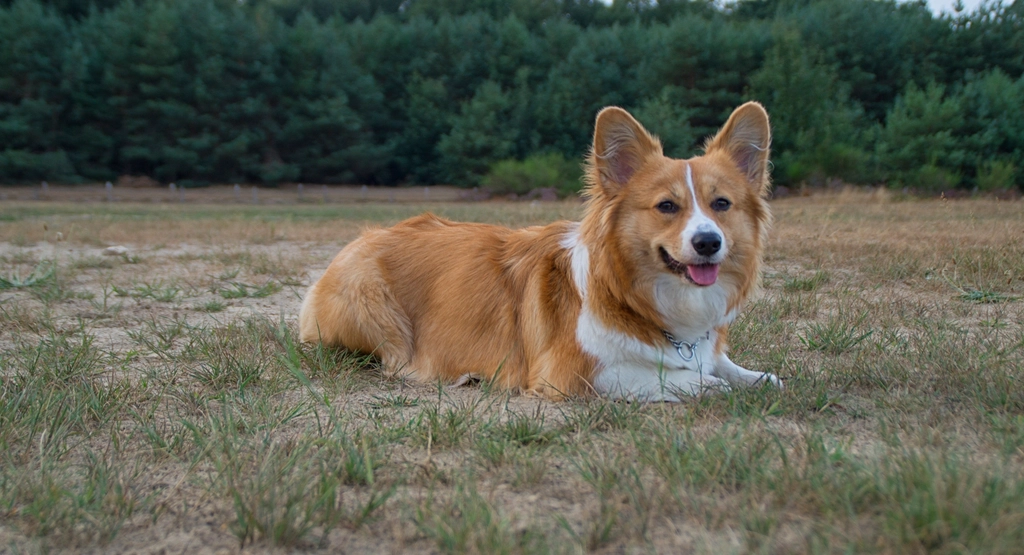 Photo Credit: Rawpixel
In the rolling green hills of Wales, the Welsh Corgi, scientifically known as Canis lupus familiaris, prances with a joyful spirit that captures the hearts of all who encounter it. With its short legs and long, sturdy body, this breed is instantly recognizable, embodying a delightful mix of charm and energy. Corgis were originally bred as herding dogs, and their keen intelligence and agility made them exceptional at guiding livestock. Today, they are beloved companions, known for their playful antics and loyal nature, which continue to fascinate both scientists and dog lovers alike.
Imagine a sunny afternoon in a picturesque Welsh village, where a group of Corgis frolics in a lush pasture, their tails wagging like flags in the breeze. As they dart around, their expressive faces and perky ears reveal a world of curiosity and excitement. These dogs are not just cute; they play a vital role in their ecosystems, interacting with humans and other animals in ways that highlight their adaptability and social nature. From their unique physical traits to their rich history, the Welsh Corgi invites us to explore the wonders of the animal kingdom, reminding us of the joy and companionship that comes from our furry friends.
The Welsh Corgi, a beloved breed known for its short legs and lively personality, occupies a special place in the animal kingdom. Taxonomically, it belongs to the Kingdom Animalia, which includes all animals, and is classified under the Phylum Chordata, meaning it has a backbone. As a member of the Class Mammalia, it shares traits with all mammals, such as being warm-blooded and having fur. The Corgi is part of the Order Carnivora, which includes meat-eating animals, and it falls under the Family Canidae, the group that encompasses dogs, wolves, and foxes. Its Genus, Canis, is where it shares its lineage with other dog breeds. What makes the Welsh Corgi particularly interesting is its history as a herding dog, showcasing its intelligence and agility, traits that have been honed over generations.
| Taxonomic Rank | Scientific Name | Meaning & Significance |
|---|---|---|
| Kingdom | Animalia | The name comes from the Latin word “animalis,” meaning “having breath,” which reflects the living nature of all animals. |
| Phylum | Chordata | This term is derived from the Greek word “chordē,” meaning “string” or “cord,” referring to the notochord, a flexible rod that supports the body in the early stages of development. |
| Class | Mammalia | From the Latin “mamma,” meaning “breast,” this classification highlights the defining feature of mammals: females possess mammary glands to nurse their young. |
| Order | Carnivora | Originating from the Latin “carnivorus,” meaning “meat-eating,” this order includes animals that primarily consume meat, showcasing their predatory adaptations. |
| Family | Canidae | This name comes from the Latin “canis,” meaning “dog,” which connects all members of this family, including domestic dogs and their wild relatives. |
| Genus | Canis | Also derived from the Latin word for “dog,” this genus encompasses various species of dogs, emphasizing their shared ancestry and characteristics. |
Understanding the Welsh Corgi’s classification reveals much about its evolutionary journey. As a domesticated breed, it has adapted alongside humans, developing traits that make it an excellent companion and worker. Its place in the Canidae family highlights its close relationship with wolves and foxes, showcasing a lineage that has thrived in diverse environments. The Corgi’s unique physical features, such as its short stature and lively demeanor, are not just charming; they are the result of centuries of selective breeding for specific tasks, particularly herding. This fascinating blend of history and biology illustrates how the Welsh Corgi is not just a pet but a living testament to the intricate web of life on our planet.
The story of the Welsh Corgi begins thousands of years ago, tracing back to the ancient herding dogs of Europe. These dogs were bred for their intelligence and agility, traits that made them excellent companions for farmers and shepherds. As humans settled in Wales, they began to refine these early canines, leading to the development of the Corgi we know today.
The Welsh Corgi’s ancestors were likely medium-sized herding dogs that roamed the British Isles. Over time, selective breeding emphasized certain traits, such as a low stature and a strong work ethic. This was crucial for their role in herding cattle, as their short legs allowed them to nip at the heels of larger animals without getting kicked. The Corgi’s lineage can be traced back to the 10th century, where they were used by farmers to manage livestock.
These adaptations have played a vital role in the survival and popularity of the Welsh Corgi. Their short legs and strong work ethic made them indispensable on farms, while their vocal nature ensured they could alert their owners to any dangers. As society evolved, Corgis transitioned from working dogs to beloved companions, showcasing their remarkable ability to adapt to human lifestyles. Today, they continue to charm people around the world with their playful spirit and loyal hearts.
The Welsh Corgi is a delightful blend of charm and sturdiness, instantly recognizable by its short legs and long body. This breed stands low to the ground, giving it a unique silhouette that is both adorable and practical. With a lively expression and a wagging tail, the Corgi exudes an air of confidence and playfulness. Its compact form is designed for agility, allowing it to dart around with surprising speed, making it an excellent herding dog.
| Feature | Description |
|---|---|
| Weight | 38 lbs |
| Skin Type | Hair |
| Body Structure | Short legs, long body |
| Color | Commonly red, sable, fawn, or black and tan |
| Eyes | Round and expressive, often dark |
| Ears | Large, erect, and pointed |
These physical features work together to create a breed that is not only visually striking but also well-suited for its historical role as a herding dog. The short legs allow the Corgi to maneuver easily around livestock, while its long body provides stability and balance. The erect ears and keen eyes enhance its ability to stay alert and aware of its surroundings, making it an effective guardian. With its vibrant colors and lively demeanor, the Welsh Corgi is a perfect example of how form and function can beautifully intertwine in the animal kingdom.
The Welsh Corgi calls the lush, rolling hills of Wales its home. This enchanting landscape is dotted with vibrant green pastures, ancient stone walls, and charming villages. Corgis thrive in environments where they can roam freely, often seen trotting alongside farmers as they herd livestock. The picturesque countryside, with its mild climate and rich history, provides the perfect backdrop for these spirited dogs, who have been part of Welsh culture for centuries.
Welsh Corgis are well-suited to a temperate climate, which means they enjoy mild summers and cool winters. They thrive in environments that offer a mix of sunshine and shade, allowing them to play and explore without overheating. The gentle rains of Wales keep the grass lush and the earth soft, making it an ideal playground for these energetic dogs. They are adaptable, but they prefer areas where they can engage in physical activities, like running and herding.
Over time, Welsh Corgis have developed traits that help them excel in their natural habitats. Their short legs are perfect for navigating the uneven terrain of the countryside, while their keen intelligence allows them to quickly learn commands and tasks. Corgis have a thick double coat that protects them from the elements, keeping them warm during chilly days and cool during warmer months. This combination of physical and behavioral adaptations makes them not just survivors, but thriving companions in the beautiful landscapes they call home.
The daily life of a Welsh Corgi is a delightful mix of play, work, and companionship. These energetic dogs typically start their day with a burst of enthusiasm, ready to explore their surroundings. Mornings often involve a brisk walk or a playful romp in the yard, where they can stretch their legs and engage their curious minds. Throughout the day, Corgis enjoy a variety of activities, from herding games that tap into their natural instincts to cozy naps that recharge their batteries. Their playful nature keeps them engaged, and they thrive on routine, which helps them feel secure and happy.
Social behavior is a key aspect of a Welsh Corgi’s life. These dogs are known for their friendly and outgoing personalities, making them excellent companions for families and other pets. Corgis are pack animals, meaning they enjoy being part of a group, whether it’s with their human family or other dogs. They communicate through a range of vocalizations, from barks to playful yips, and their body language is just as expressive. When interacting with others, Corgis often display a mix of confidence and affection, which helps them build strong bonds and navigate their social world effectively.
| Behavior Type | Description |
|---|---|
| Activity Patterns | Welsh Corgis are active and playful, enjoying walks, games, and herding activities that stimulate their minds and bodies. |
| Social Structure | Corgis thrive in social settings, forming strong bonds with their human families and other pets, often displaying loyalty and affection. |
| Communication Methods | They use a variety of vocalizations, including barks and yips, along with body language to express their feelings and needs. |
The behaviors of Welsh Corgis are not just for fun; they play a crucial role in their survival and happiness. Their active lifestyle keeps them physically fit, while their social nature helps them form protective bonds with their families. By communicating effectively, Corgis can express their needs and emotions, ensuring they receive the care and attention they require. This blend of activity and social interaction not only enriches their lives but also strengthens the connections they share with the world around them.
The Welsh Corgi is an omnivore, which means it enjoys a varied diet that includes both plant and animal foods. This breed has a hearty appetite and thrives on a balanced mix of proteins, carbohydrates, and fats. Corgis are known for their playful nature, and their feeding behavior reflects their energetic lifestyle. They often eat meals provided by their human companions, but they also have a knack for scavenging and exploring their environment for tasty treats.
| Dietary Aspect | Details |
|---|---|
| Diet Type | Omnivore |
| Favorite Foods | High-quality dog food, vegetables, fruits, and occasional treats |
| Prey Items | Small animals like rodents, if they were to hunt |
| Hunting/Foraging Strategies | Scavenging and exploring, often relying on their keen sense of smell |
The diet of a Welsh Corgi plays a significant role in shaping its ecology and daily routine. With their omnivorous diet, these dogs are adaptable and can thrive in various environments, whether in a cozy home or a bustling farm. Their foraging instincts keep them active and engaged, allowing them to explore their surroundings while searching for food. This not only supports their health but also enriches their lives, making every meal an adventure.
Welsh Corgis have a fascinating mating behavior that typically occurs once a year, during the spring. This is when the female, known as a bitch, goes into heat, a period when she is fertile and can conceive. Males, or dogs, are drawn to the scent of a female in heat, and they may engage in playful courtship rituals. Once mating occurs, the female will carry the puppies for about two months before giving birth. This time is crucial, as it allows the developing puppies to grow strong and healthy.
| Reproductive Aspect | Details |
|---|---|
| Gestation Period | Approximately 63 days |
| Litter Size | Usually 4 to 6 puppies |
| Age of Maturity | About 6 to 12 months |
| Name of Young | Puppies |
After the puppies are born, the mother Corgi takes on the important role of caregiver. She provides warmth, nourishment, and protection to her young. The puppies are born blind and deaf, relying entirely on their mother for survival. As they grow, they begin to open their eyes and ears, exploring their surroundings with curiosity. The mother teaches them essential skills, such as socializing with other dogs and understanding their environment. By the time they reach maturity, these playful puppies are ready to embark on their own adventures, carrying on the spirited legacy of the Welsh Corgi.
The Welsh Corgi, with its playful spirit and keen intelligence, holds a unique position in the food web. While these charming dogs are primarily companions to humans, they can also be seen as prey for larger predators in the wild. In their natural habitat, they may face threats from animals that see them as potential meals, reminding us that even the most beloved pets have to navigate dangers in their environment.
To defend themselves against these threats, Welsh Corgis rely on their agility and alertness. Their low stature allows them to dart quickly into hiding spots, while their sharp barks serve as a warning to potential predators. Additionally, their strong bond with humans provides a layer of protection, as they are often kept in safe environments. With their cleverness and spirited nature, Corgis have developed survival strategies that help them navigate the challenges of their world, ensuring they remain the lively companions we adore.
A keystone species is an organism that plays a critical role in maintaining the structure of an ecosystem. Its presence or absence can significantly impact the environment and the other species that inhabit it. While the Welsh Corgi is a beloved companion animal, it does not qualify as a keystone species. Instead, it primarily serves as a domesticated pet, influencing human lives more than the natural ecosystem.
Welsh Corgis were originally bred for herding livestock, which means they have historically interacted with various species in agricultural settings. Their herding instincts help manage the movement of sheep and cattle, ensuring that these animals stay together and do not wander off. This behavior can indirectly support the health of grasslands by preventing overgrazing in certain areas, allowing vegetation to thrive. However, in a broader ecological context, their impact is limited compared to true keystone species like wolves or sea otters, which directly influence the populations of other animals and the health of their habitats.
Moreover, as omnivores, Welsh Corgis have a varied diet that includes both plant and animal foods. This dietary flexibility allows them to adapt to different environments, but it also means they rely heavily on human-provided food sources. In urban settings, their role shifts from that of a working dog to a family pet, where they contribute to human well-being and companionship rather than ecological balance.
If Welsh Corgis were to disappear, the immediate effects would be felt in households that cherish their companionship. Farmers might find it more challenging to manage livestock without these skilled herders, potentially leading to increased stress on both animals and the land. However, the overall ecosystem would likely remain stable, as the Welsh Corgi does not play a pivotal role in the natural balance of wildlife. Their absence would primarily affect human lives rather than the intricate web of nature.
The Welsh Corgi, with its lively spirit and keen intelligence, plays a fascinating role in shaping its ecosystem. As a domesticated breed, it primarily interacts with human environments, yet its presence influences local wildlife and plant life in various ways. Corgis are known for their herding instincts, which can help manage populations of smaller animals, and their omnivorous diet allows them to contribute to the balance of their surroundings. By foraging and exploring, they can also help disperse seeds, promoting plant diversity in their habitats.
| Ecosystem Service | Impact |
|---|---|
| Population Control | Corgis help manage the numbers of small mammals and birds, preventing overpopulation. |
| Seed Dispersal | As they forage, Corgis can unintentionally spread seeds, aiding plant growth. |
| Soil Aeration | Their digging behavior can help aerate the soil, improving its health and nutrient availability. |
| Companionship for Humans | Corgis enhance human well-being, promoting outdoor activities and social interactions. |
In specific instances, Welsh Corgis can influence their environment in delightful ways. For example, when they chase after small animals, they help keep those populations in check, which can be beneficial for local flora. Their playful digging can aerate the soil, allowing water and nutrients to reach plant roots more effectively. Additionally, as they explore their surroundings, they may inadvertently scatter seeds from the fruits and plants they consume, contributing to the growth of new vegetation. This interaction with their environment showcases how even a small breed can have a significant impact.
The broader ecological importance of the Welsh Corgi extends beyond their immediate surroundings. By fostering a balance in local ecosystems, they help maintain biodiversity, which is crucial for a healthy environment. Their role as companions also encourages humans to engage more with nature, promoting conservation efforts and a deeper appreciation for wildlife. In this way, the Welsh Corgi not only enriches our lives but also plays a vital part in the intricate web of life that sustains our planet.
In the intricate web of life, symbiosis refers to the close and often long-term interactions between different species. These relationships can take many forms, including mutualism, where both species benefit, commensalism, where one benefits while the other is neither helped nor harmed, and parasitism, where one species benefits at the expense of another. The Welsh Corgi, with its friendly demeanor and adaptability, engages in various ecological relationships that highlight the interconnectedness of life.
| Species/Type | Relationship Type | Description |
|---|---|---|
| Humans | Mutualistic | Welsh Corgis provide companionship and protection to humans, while receiving food, shelter, and care in return. |
| Livestock (e.g., sheep) | Mutualistic | Corgis are often used as herding dogs, helping farmers manage livestock, which benefits both the dogs and the farmers. |
| Fleas | Parasitic | Fleas can infest Corgis, feeding on their blood and causing discomfort, which is harmful to the dogs. |
The evolution of these relationships showcases the adaptability of the Welsh Corgi and its ability to thrive alongside other species. Over time, Corgis have developed a strong bond with humans, becoming beloved companions and skilled herders. This partnership not only enhances the lives of the dogs but also enriches human experiences. However, the presence of parasites like fleas reminds us that not all relationships are beneficial. Understanding these dynamics helps us appreciate the delicate balance of ecosystems and the roles each species plays within them.
Welsh Corgis are not just adorable companions; they have a rich history and some surprising traits that make them truly special. Here are some intriguing facts that will delight nature enthusiasts of all ages.
The Welsh Corgi has a long and storied relationship with humanity that dates back centuries. Originating in Wales, these charming dogs were initially bred for herding livestock, particularly cattle. Their small stature and agile bodies made them perfect for nipping at the heels of larger animals, guiding them with ease. Over time, Corgis became more than just working dogs; they became beloved companions, especially among the British royal family. Their cultural significance is evident in folklore, where they were often depicted as fairy steeds, adding a touch of magic to their already enchanting presence.
Today, the interactions between Welsh Corgis and humans have evolved significantly. While they still retain their herding instincts, many Corgis now enjoy a life of leisure as family pets. This shift has led to a deeper bond between the breed and their human companions. Corgis are known for their playful and affectionate nature, making them excellent family dogs. However, this domestication also brings challenges, such as the need for proper training and socialization to prevent behavioral issues. As humans continue to care for and love these dogs, they also play a role in conservation efforts, promoting responsible breeding practices to ensure the health and well-being of the breed.
As we look to the future, the relationship between Welsh Corgis and humans is likely to continue evolving. With increasing awareness of animal welfare and the importance of responsible pet ownership, more people are recognizing the value of these delightful dogs. As companions, Corgis will remain cherished members of families, while their unique traits will inspire new ways to engage with and appreciate them. Together, humans and Corgis will navigate the changing landscape of companionship, ensuring that this bond remains strong and vibrant for generations to come.
The Welsh Corgi, a breed cherished for its playful nature and charming appearance, currently holds a conservation status of “Not Listed.” This means that, according to the International Union for Conservation of Nature (IUCN), there are no immediate concerns regarding their population levels. While specific population estimates are not readily available, the breed remains popular, particularly in households around the world. As a result, their numbers appear stable, with no significant decline observed in recent years.
| Conservation Factor | Status/Details |
|---|---|
| IUCN Status | Not Listed |
| Population Estimates | Not specifically available |
| Trend Direction | Stable |
Despite their stable status, Welsh Corgis face some challenges that could impact their well-being. One of the main threats is the risk of overbreeding, which can lead to health issues such as hip dysplasia and obesity. Additionally, as a breed that thrives on companionship and activity, Corgis can suffer from behavioral problems if not given enough exercise or mental stimulation. This makes it essential for owners to provide a loving and engaging environment for their furry friends.
Conservation efforts for the Welsh Corgi primarily focus on responsible breeding practices and promoting awareness about their needs. Organizations dedicated to dog welfare work tirelessly to educate potential owners about the importance of adopting from reputable breeders or rescue organizations. With continued attention to their health and well-being, the outlook for Welsh Corgis remains positive, ensuring that these delightful dogs will continue to bring joy to families for generations to come.
| Question | Answer |
|---|---|
| What is the natural habitat of Welsh Corgis? | Welsh Corgis were originally bred in Wales, where they thrived in rural environments. They are adaptable dogs that can live comfortably in various settings, from farms to urban homes, as long as they get enough exercise and mental stimulation. |
| What do Welsh Corgis eat? | Welsh Corgis are omnivores, which means they eat both plants and animals. A balanced diet for them includes high-quality dog food, vegetables, and occasional treats, but it's important to avoid overfeeding since they can gain weight easily. |
| What is the behavior of Welsh Corgis like? | Welsh Corgis are known for their friendly and playful nature. They are intelligent and eager to please, making them great companions, but they can also be a bit stubborn, so consistent training is key to their happiness. |
| How do Welsh Corgis reproduce? | Like most dogs, Welsh Corgis reproduce through mating between a male and a female. The female typically goes into heat twice a year, and after a gestation period of about 63 days, she gives birth to a litter of puppies, usually ranging from 3 to 8 pups. |
| What threats do Welsh Corgis face? | While Welsh Corgis are not currently listed as endangered, they can face health issues like hip dysplasia and obesity. Responsible breeding and regular veterinary care are essential to keep them healthy and happy. |
| What are some interesting characteristics of Welsh Corgis? | Welsh Corgis are famous for their short legs and long bodies, which give them a unique appearance. They are also known for their herding instincts, often trying to herd people or other pets, which can be both amusing and endearing. |
| How much exercise do Welsh Corgis need? | Welsh Corgis are energetic dogs that require regular exercise to stay healthy and happy. Daily walks, playtime, and mental challenges like puzzle toys are great ways to keep them active and engaged. |