Taxonomy & Classification
- Kingdom
- Animalia
- Phylum
- Chordata
- Class
- Mammalia
- Order
- Perissodactyla
- Family
- Rhinocerotidae
- Genus
- Ceratotherium
- Species
- Ceratotherium simum

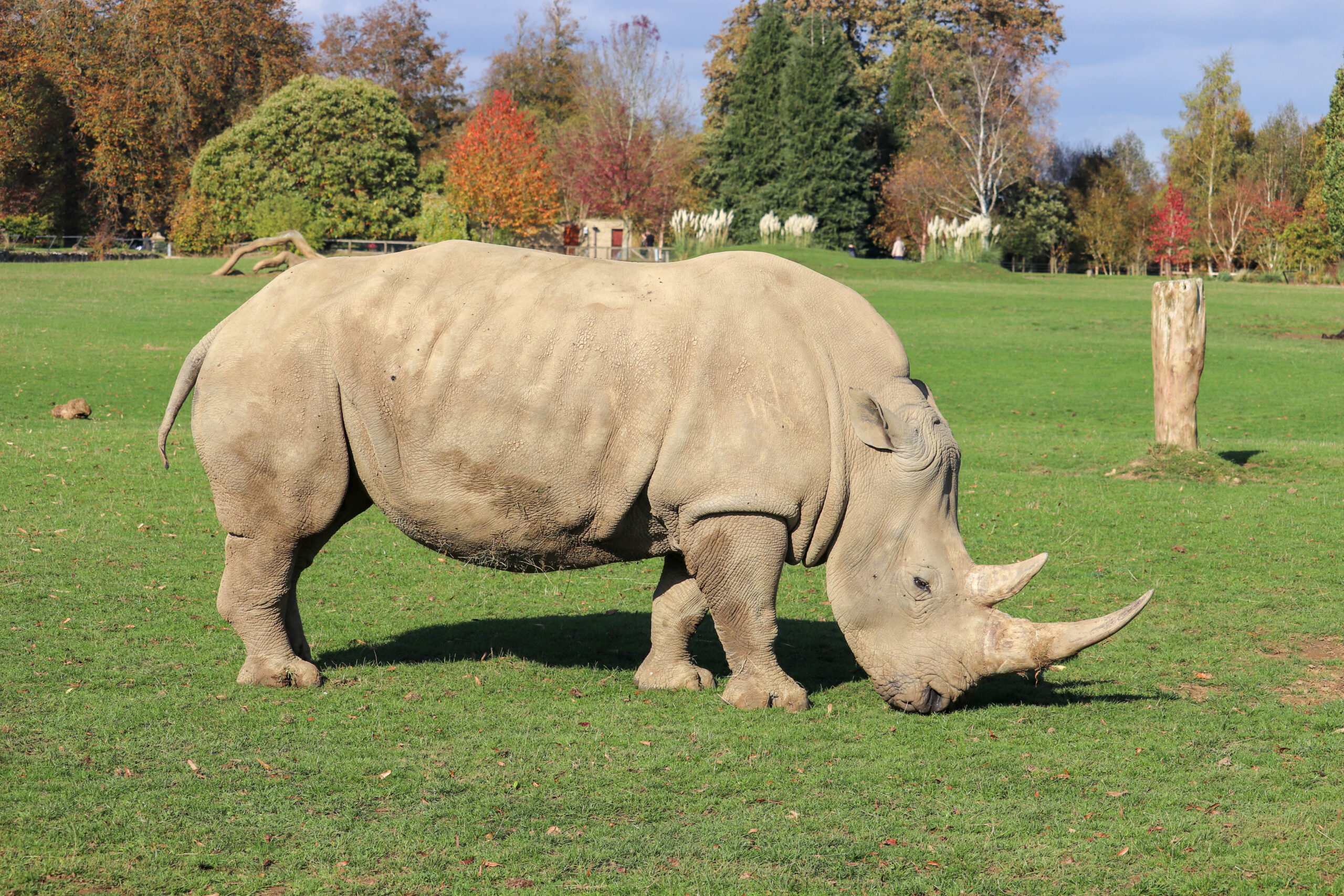 Photo Credit: Vauxford / Wikimedia Commons
In the sun-drenched savannas of Africa, the White Rhinoceros, or Ceratotherium simum, stands as a colossal figure of strength and grace. With its broad, square-shaped mouth and two impressive horns, this gentle giant captures the imagination of scientists and nature lovers alike. Weighing between 3,000 and 8,000 pounds, the White Rhino is one of the largest land mammals on Earth, and its sheer size is matched only by its remarkable presence in the wild. As it grazes on the lush grasses of its habitat, the rhino plays a vital role in shaping the landscape, promoting new plant growth and supporting the diverse ecosystem around it.
Imagine a warm afternoon where the golden sun casts long shadows across the rolling hills, dotted with acacia trees. Here, the White Rhinoceros roams, often seen in small groups, known as crashes, where mothers and their young share a bond that is both protective and nurturing. These magnificent animals are not just fascinating for their size; they are also key players in their environment, helping to maintain the balance of life in the savanna. As we delve deeper into the world of the White Rhinoceros, we will explore its behavior, diet, and the challenges it faces in a rapidly changing world, revealing the intricate connections that make this species so essential to the health of its ecosystem.
The White Rhinoceros, a magnificent giant of the African savannas, holds a special place in the animal kingdom. Taxonomically, it belongs to the Kingdom Animalia, which includes all animals, and is classified under the Phylum Chordata, meaning it has a backbone. This impressive mammal is part of the Class Mammalia, which encompasses all mammals, and it falls into the Order Perissodactyla, a group known for odd-toed ungulates like horses and zebras. The White Rhinoceros is unique not only for its size—being the second-largest land mammal after the elephant—but also for its distinctive square-shaped mouth, which is perfectly adapted for grazing on grasses.
| Taxonomic Rank | Scientific Name | Meaning & Significance |
|---|---|---|
| Kingdom | Animalia | This name signifies that the White Rhinoceros is part of the vast group of multicellular organisms that are primarily heterotrophic, meaning they consume other organisms for energy. |
| Phylum | Chordata | Chordata refers to animals that possess a notochord, a flexible rod that supports the body, at some stage of their development. This group includes all vertebrates, highlighting the White Rhinoceros’s backbone. |
| Class | Mammalia | Mammalia indicates that this species is warm-blooded, has fur or hair, and typically gives live birth while nursing their young with milk, showcasing its maternal care. |
| Order | Perissodactyla | Perissodactyla means “odd-toed,” referring to the White Rhinoceros’s three toes on each foot, a characteristic that distinguishes it from even-toed ungulates like cows and deer. |
| Family | Rhinocerotidae | This family name comes from the Greek words for “nose” and “horn,” aptly describing the rhinoceros’s most notable features: its large nose and impressive horns. |
| Genus | Ceratotherium | Ceratotherium translates to “horned beast,” which is fitting given the White Rhinoceros’s prominent horns, made of keratin, the same material as human hair and nails. |
The classification of the White Rhinoceros reveals much about its evolutionary journey. As a member of the Perissodactyla order, it shares a common ancestor with horses and tapirs, dating back millions of years. This lineage highlights the adaptations that have allowed the White Rhinoceros to thrive in its environment, from its grazing habits to its social structure. Understanding its taxonomic position not only enriches our knowledge of this incredible animal but also emphasizes the importance of conservation efforts to protect its future in the wild.
The evolutionary journey of the White Rhinoceros stretches back millions of years, tracing its roots to the ancient ancestors of modern-day rhinos. These majestic animals belong to the family Rhinocerotidae and the genus Ceratotherium. The story begins in the late Eocene epoch, around 35 million years ago, when the first members of the rhinoceros family began to emerge. Over time, these early forms adapted to their environments, leading to the diverse species we see today.
The ancestors of the White Rhinoceros were quite different from the hulking giants we recognize now. Early rhinos were smaller and more varied in form, with some even resembling horses. As the climate changed and grasslands expanded, certain species began to adapt to these new habitats. The transition from browsing on leaves to grazing on grasses marked a significant evolutionary shift. This change allowed them to thrive in open savannas, where food was abundant.
The adaptations of the White Rhinoceros have played a crucial role in its survival. Its large size and thick skin provide defense against predators, while its specialized mouth allows it to efficiently graze on grasses, a primary food source in its habitat. Social behavior enhances protection and nurturing of young, ensuring the continuation of the species. Together, these traits have enabled the White Rhinoceros to thrive in the diverse landscapes of Africa, showcasing the incredible power of evolution in shaping life on Earth.
The White Rhinoceros stands as a colossal symbol of strength and resilience in the wild. With its massive body, this impressive animal can weigh between 1,440 and 3,600 kilograms, which is about as heavy as a small car! Its broad, sturdy frame is supported by thick legs, designed to carry its weight across the vast African savannas. The rhino’s skin, resembling tough leather, is not just for show; it serves as a protective barrier against the harsh elements and pesky insects.
| Feature | Description |
|---|---|
| Size | Can weigh between 1,440 and 3,600 kg (3,168-7,920 lbs) |
| Color | Typically a grayish hue, which can appear lighter or darker depending on the environment |
| Skin Type | Thick, leathery skin that provides protection |
These physical features work together to ensure the White Rhinoceros thrives in its habitat. The thick skin not only shields it from the sun and insects but also helps it navigate through dense brush and thorny undergrowth. Its impressive size deters many predators, while its strong legs allow for quick movements when necessary. Together, these adaptations make the White Rhinoceros a true survivor in the wild, embodying the spirit of the African landscape it calls home.
The White Rhinoceros roams the vast landscapes of Africa, where its home is a blend of tropical bushland, open grasslands, and sun-drenched savannas. Picture rolling hills dotted with acacia trees, where the golden grasses sway gently in the breeze. This environment is not just beautiful; it provides the perfect setting for these enormous animals to thrive. The wide-open spaces allow them to graze on the abundant vegetation, while the scattered trees offer shade and shelter from the sun.
The climate in these regions is typically warm and dry, with distinct wet and dry seasons. White Rhinos prefer areas where they can find plenty of grass to munch on, as they are herbivores, meaning they eat plants. They thrive in environments that provide a mix of open land for grazing and some cover for protection. Rainfall is crucial, as it helps maintain the lush grasses they depend on for food.
These magnificent animals have adapted beautifully to their habitats. Their large mouths are specially designed for grazing, allowing them to efficiently munch on tough grasses. Their thick skin, which can be up to two inches in places, protects them from the sun and helps them stay cool. Additionally, their keen sense of smell and hearing helps them detect predators, ensuring they can roam their home with confidence. The White Rhinoceros is truly a testament to nature’s ability to shape and mold life to fit its surroundings.
The daily life of a White Rhinoceros is a blend of foraging, resting, and social interactions, all set against the backdrop of Africa’s stunning landscapes. These magnificent animals typically start their day at dawn, when the air is cool and the grass is dewy. They spend several hours grazing on grasses, which make up the bulk of their diet. As the sun rises higher, they often take breaks to rest in the shade, conserving energy during the hottest parts of the day. In the late afternoon, they resume their feeding, continuing to munch on vegetation until dusk.
While White Rhinos are primarily solitary creatures, they do exhibit interesting social behaviors, especially when it comes to mothers and their calves. A mother will fiercely protect her young, teaching them essential survival skills. Occasionally, you might spot a few adults gathered together, particularly in areas rich in food or water. These gatherings are usually brief, as each rhino prefers its own space. Communication among them is subtle but effective; they use body language, vocalizations, and even scent marking to convey messages to one another.
| Behavior Type | Description |
|---|---|
| Feeding | White Rhinos graze primarily on grasses, spending up to 12 hours a day foraging for food. |
| Resting | During the hottest parts of the day, they seek shade to rest and conserve energy. |
| Social Structure | Generally solitary, but mothers and calves form close bonds, and adults may gather in resource-rich areas. |
| Communication | They communicate through body language, vocal sounds, and scent marking to establish territory and social connections. |
The behaviors of the White Rhinoceros are finely tuned to ensure their survival in the wild. By grazing efficiently and resting during the heat, they maintain their strength and health. The protective nature of mothers and the occasional social interactions help young rhinos learn vital skills for life. Through their unique communication methods, they navigate their environment and establish their presence, ensuring they thrive in the diverse ecosystems of Africa.
The White Rhinoceros is a true herbivore, meaning it primarily eats plants. Its diet mainly consists of grasses, which it grazes on with its wide, square-shaped mouth. This mouth is perfectly designed for pulling up tough grass from the ground. In addition to grass, the White Rhino enjoys munching on fruits, berries, and leaves when they are available. This feeding behavior is not just about satisfying hunger; it plays a crucial role in shaping the ecosystem around them.
| Dietary Aspect | Details |
|---|---|
| Diet Type | Herbivore |
| Favorite Foods | Grass, fruits, berries, leaves |
| Prey Items | None (as a herbivore, it does not hunt) |
| Foraging Strategies | Grazing with a wide mouth, using its strong lips to grasp grass |
The diet of the White Rhinoceros significantly influences its daily routine and the environment it inhabits. By grazing on grasses, these rhinos help maintain the balance of their ecosystem, preventing overgrowth and promoting new plant growth. This not only benefits the rhinos but also supports a variety of other animals that share their habitat. As they move through the savanna, they create pathways and clearings that other species can use, making the White Rhino an important player in the intricate web of life in Africa.
The mating behavior of the White Rhinoceros is as intriguing as it is essential for the survival of the species. Mating typically occurs throughout the year, but there are peaks during certain seasons when conditions are favorable. Male rhinos engage in a series of courtship rituals, which can include vocalizations, scent marking, and displays of strength. Once a female is receptive, she will allow a male to mate with her, leading to the creation of a new life.
| Reproductive Aspect | Details |
|---|---|
| Gestation Period | Approximately 16 months |
| Litter Size | 1 |
| Age of Maturity | 3 to 4 years |
| Name of Young | Calf |
Once a calf is born, the journey of growth and development begins. The mother plays a crucial role in nurturing her young, providing not just food but also protection from predators and guidance in their early days. Calves stay close to their mothers for several years, learning essential survival skills and social behaviors. As they grow, they gradually become more independent, eventually reaching maturity around the age of three to four years. This close bond between mother and calf is vital, ensuring that the next generation of White Rhinoceroses can thrive in their natural habitat.
The White Rhinoceros plays a crucial role in its ecosystem, primarily as a herbivore that helps shape the landscape of the African savannas. By grazing on grasses, it promotes new plant growth and maintains the balance of its habitat. This gentle giant is not at the top of the food web, but it is a vital part of the community, supporting various other species that share its environment.
Despite facing numerous threats, the White Rhinoceros has developed some impressive defensive behaviors. When threatened, these massive animals can charge at high speeds, using their size and strength to intimidate potential predators. They also rely on their keen sense of hearing and smell to detect danger early. Additionally, living in groups, known as crashes, provides safety in numbers, allowing them to watch out for each other and respond quickly to threats. These strategies are essential for their survival in a world where dangers lurk around every corner.
A keystone species is an organism that has a disproportionately large impact on its environment relative to its abundance. In simpler terms, if you remove a keystone species, the entire ecosystem can change dramatically. The White Rhinoceros qualifies as a keystone species due to its significant role in shaping the African savanna ecosystem. By grazing on grasses, it influences plant communities and creates habitats for other species.
The ecological impact of the White Rhinoceros is profound. As a large herbivore, it helps maintain the balance of grasslands by preventing any one species of grass from dominating. This grazing behavior encourages a diverse range of plant life, which in turn supports various animals and insects. For example, when rhinos graze, they create open patches in the grassland. These patches allow sunlight to reach the ground, promoting the growth of new plants and providing food for smaller herbivores like antelopes and zebras.
Moreover, the White Rhinoceros contributes to nutrient cycling in its habitat. As it feeds, it also deposits dung, which is rich in nutrients. This dung not only fertilizes the soil but also attracts insects and other scavengers, creating a bustling community of life. The presence of these insects can help pollinate plants, further enhancing biodiversity in the area.
If the White Rhinoceros were to disappear, the consequences would be severe. The grasslands could become overgrown with a few dominant species, leading to a decline in plant diversity. This would affect not only the rhinos’ direct competitors but also the myriad of animals that rely on a rich variety of plants for food and shelter. The entire ecosystem would suffer, highlighting just how crucial the White Rhinoceros is to the health of its environment.
The White Rhinoceros occupies a vital ecological niche in the African savannas, where it plays a crucial role in maintaining the health of its environment. As a large herbivore, it primarily feeds on grasses, which helps control plant growth and promotes biodiversity. By grazing, the White Rhino not only shapes the landscape but also creates habitats for other species, making it an essential player in its ecosystem.
| Ecosystem Service | Impact |
|---|---|
| Grazing | Controls grass growth and promotes new plant life. |
| Seed Dispersal | Helps spread seeds through its dung, aiding plant diversity. |
| Habitat Creation | Opens up areas for smaller animals by preventing overgrowth. |
| Soil Aeration | Tramples the ground, improving soil health and water retention. |
The influence of the White Rhinoceros extends beyond its immediate actions. For instance, when it grazes, it not only keeps the grass short but also encourages a variety of plant species to thrive. This diversity is crucial for many other animals that rely on different plants for food and shelter. Additionally, the rhino’s dung serves as a nutrient-rich fertilizer, promoting the growth of new plants and providing food for insects and other organisms. By creating open spaces, the White Rhino allows smaller animals to flourish, contributing to a balanced ecosystem.
The broader ecological importance of the White Rhinoceros cannot be overstated. As a keystone species, its presence supports a wide range of life forms, from plants to insects to other mammals. Without the White Rhino, the savanna ecosystem would face significant changes, potentially leading to a decline in biodiversity. Protecting this magnificent animal is not just about saving a species; it is about preserving the intricate web of life that depends on it. By understanding and valuing the role of the White Rhinoceros, we can better appreciate the delicate balance of nature and the importance of conservation efforts.
In the intricate web of life, symbiosis refers to the close relationships between different species that can benefit one or both parties involved. These ecological partnerships can take various forms, including mutualism, where both species gain advantages; commensalism, where one benefits while the other is neither helped nor harmed; and parasitism, where one species benefits at the expense of the other. The White Rhinoceros, a gentle giant of the African savannas, engages in several fascinating partnerships with other species, showcasing the beauty of nature’s interconnectedness.
| Species/Type | Relationship Type | Description |
|---|---|---|
| Oxpecker Birds | Mutualistic | Oxpeckers perch on the rhino’s back, eating ticks and parasites. In return, the rhino gets a good cleaning, which helps keep its skin healthy. |
| Warthogs | Commensal | Warthogs often follow rhinos to feed on the grass that the rhinos disturb while grazing. The rhinos are unaffected by the warthogs’ presence. |
| Various Insects | Parasitic | Some insects, like certain types of flies, may lay eggs on the rhino’s skin. While the insects benefit, the rhino can suffer from irritation and potential infections. |
These relationships have evolved over time, shaped by the needs and behaviors of the species involved. The mutualistic bond between the White Rhinoceros and oxpecker birds is a perfect example of how cooperation can enhance survival. By allowing these birds to feed on their skin, rhinos not only rid themselves of pesky parasites but also create a habitat for the birds. Meanwhile, the warthogs benefit from the rhinos’ grazing habits without causing any harm. Understanding these connections helps us appreciate the delicate balance of ecosystems and the importance of each species in maintaining the health of their environment.
The White Rhinoceros is not just a symbol of strength; it is a creature filled with surprises that reveal the wonders of nature. Here are some intriguing facts that showcase the extraordinary life of this magnificent animal.
The relationship between the White Rhinoceros and humanity is steeped in history and cultural significance. For centuries, these majestic animals have captured the imagination of people around the world. In many African cultures, the White Rhino is revered as a symbol of strength and endurance. Ancient rock art depicts these giants, showcasing their importance in the lives of early humans. Additionally, their impressive horns have been sought after for traditional medicine and as status symbols, leading to both admiration and exploitation.
Today, the interactions between White Rhinos and humans are complex and often fraught with tension. Conservation efforts are underway to protect these magnificent creatures from poaching and habitat loss, as their numbers have dwindled dramatically. Organizations work tirelessly to create safe environments for them, while local communities sometimes face conflicts over land use and resources. Some innovative programs even explore the idea of domestication, where humans and rhinos can coexist more harmoniously, but this remains a challenging endeavor.
As we look to the future, the relationship between White Rhinos and humanity hangs in a delicate balance. With continued efforts in conservation and education, there is hope for a more sustainable coexistence. By fostering respect and understanding, we can ensure that these incredible animals not only survive but thrive in their natural habitats. The journey ahead will require collaboration and commitment, but the rewards of preserving such a magnificent species are immeasurable.
The White Rhinoceros, a magnificent symbol of Africa’s wildlife, currently faces a conservation status classified as Near Threatened. This means that while the species is not yet endangered, it is at risk of becoming so if current trends continue. Population estimates suggest that there are about 18,000 individuals remaining in the wild, primarily concentrated in South Africa, Namibia, Zimbabwe, and Kenya. Fortunately, conservation efforts have led to a slight increase in numbers over the past few years, but challenges remain.
| Conservation Factor | Status/Details |
|---|---|
| IUCN Status | Near Threatened |
| Population Estimates | Approximately 18,000 individuals |
| Trend Direction | Increasing, but still at risk |
The main threats to the White Rhinoceros are poaching and habitat loss. Poaching, driven by the illegal trade of rhino horns, poses a significant danger. Rhino horns are highly valued in some cultures for their supposed medicinal properties, leading to relentless hunting. Additionally, as human populations grow, the natural habitats of these majestic animals are being encroached upon for agriculture and development, further diminishing their living space.
Conservation efforts are underway to protect the White Rhinoceros and ensure its survival. Organizations and governments are working together to combat poaching through anti-poaching units and stricter laws. Protected areas and reserves have been established to provide safe habitats for these animals. The outlook for the White Rhinoceros is cautiously optimistic, as ongoing efforts show promise in stabilizing and potentially increasing their populations. With continued dedication and awareness, we can help secure a future for this iconic species.
| Question | Answer |
|---|---|
| What is the habitat of the White Rhinoceros? | The White Rhinoceros primarily lives in tropical bushland, grasslands, and savannas. These environments provide the open spaces and vegetation they need to thrive. |
| What do White Rhinoceroses eat? | White Rhinoceroses are herbivores, meaning they eat only plants. Their diet mainly consists of grasses, leaves, and shoots, which they graze on throughout the day. |
| How do White Rhinoceroses behave in the wild? | White Rhinoceroses are generally social animals, often found in groups called crashes. They communicate through various sounds and body language, and they can be quite protective of their young. |
| How do White Rhinoceroses reproduce? | White Rhinoceroses have a gestation period of about 16 months, which is quite long! After this time, a single calf is born, and the mother will care for it for up to three years, teaching it how to survive in the wild. |
| What are the main threats to White Rhinoceroses? | The biggest threats to White Rhinoceroses are poaching and habitat loss. Poachers hunt them for their horns, which are highly valued in some cultures, while expanding human activities reduce their natural habitats. |
| What are some interesting characteristics of White Rhinoceroses? | White Rhinoceroses are the largest species of rhino and can weigh up to 2,300 kilograms (about 5,000 pounds). They have a distinctive square-shaped mouth, which is perfect for grazing on grass. |
| How do White Rhinoceroses protect themselves? | Despite their size, White Rhinoceroses can run surprisingly fast, reaching speeds of up to 40 kilometers per hour (25 miles per hour). They also have thick skin that acts as armor against predators. |