Taxonomy & Classification
- Kingdom
- Animalia
- Phylum
- Chordata
- Class
- Chondrichthyes
- Order
- Lamniformes
- Family
- Lamnidae
- Genus
- Carcharodon
- Species
- Carcharodon carcharias

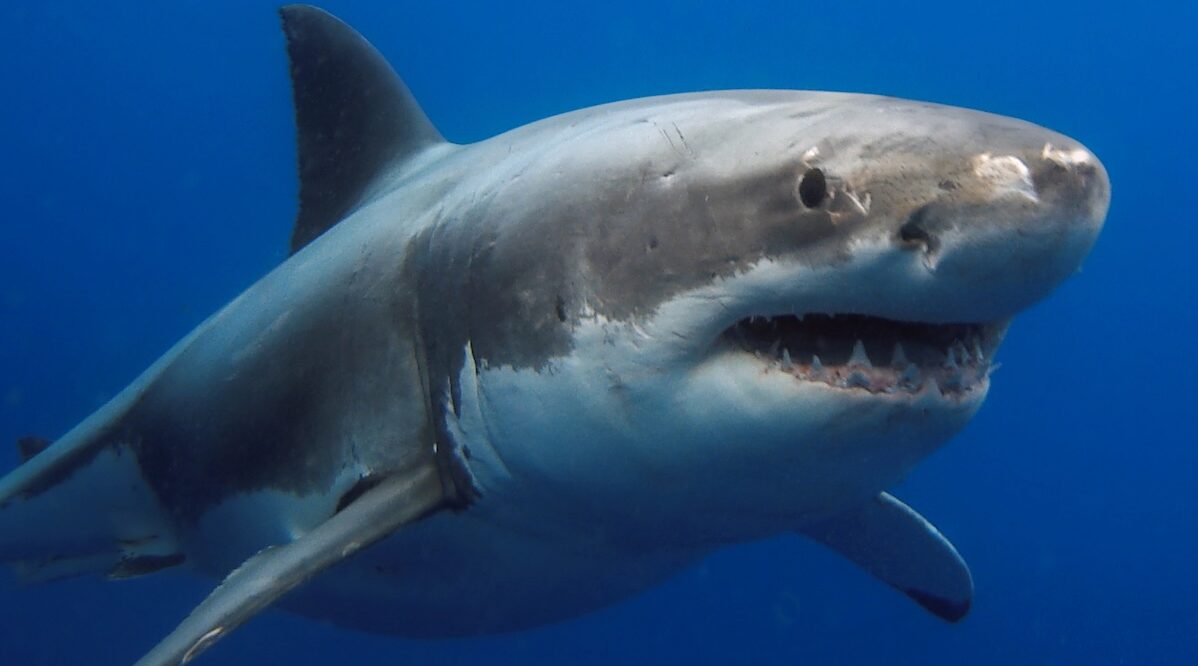 Photo Credit: Whitepointer at Deposit Photos
In the vast, shimmering blue of the ocean, the white shark, known scientifically as Carcharodon carcharias, glides with an elegance that belies its reputation as a fierce predator. With its powerful, streamlined body and a distinctive conical snout, this magnificent creature commands attention as it patrols the waters, embodying both grace and strength. Its sharp, serrated teeth, designed for gripping and tearing, are a testament to its role as an apex predator, a title that means it sits at the top of the food chain with few natural enemies.
Scientists and nature enthusiasts alike are captivated by the white shark’s complex behaviors and adaptations. These remarkable animals are not just fearsome hunters; they are also vital players in their ecosystems, helping to maintain the balance of marine life. As they navigate the ocean depths, they engage in fascinating social interactions and hunting strategies that reveal their intelligence and adaptability. From their migratory patterns to their unique reproductive behaviors, the world of Carcharodon carcharias is filled with mysteries waiting to be uncovered, inviting us to explore the depths of the ocean and the life that thrives within it.
The white shark, scientifically known as Carcharodon carcharias, holds a prominent position in the animal kingdom, showcasing a blend of power and precision that few can rival. As a member of the phylum Chordata, which includes all animals with a backbone, the white shark is part of the class Chondrichthyes. This class is particularly interesting because it comprises cartilaginous fish, meaning their skeletons are made of cartilage rather than bone. This unique feature, along with its streamlined body and impressive hunting skills, makes the white shark a true marvel of evolution.
| Taxonomic Rank | Scientific Name | Meaning & Significance |
|---|---|---|
| Kingdom | Animalia | This name signifies that white sharks belong to the broad group of multicellular organisms that are heterotrophic, meaning they consume other organisms for energy. |
| Phylum | Chordata | Chordata refers to animals that possess a notochord, a flexible rod that supports the body, at some stage of their development. This includes all vertebrates, like the white shark. |
| Class | Chondrichthyes | Chondrichthyes means “cartilage fish,” highlighting that these sharks have skeletons made of cartilage, which is lighter and more flexible than bone. |
| Order | Lamniformes | This order includes fast-swimming sharks, known for their torpedo-shaped bodies and powerful tails, which help them be efficient predators. |
| Family | Lamnidae | The name Lamnidae refers to the mackerel sharks, which are characterized by their large size and sharp teeth, traits that are well represented in the white shark. |
| Genus | Carcharodon | Carcharodon translates to “jagged tooth,” a fitting description for the white shark’s formidable teeth, which are designed for gripping and tearing prey. |
| Species | carcharias | This species name is derived from Greek, meaning “sharp,” which aptly describes the white shark’s keen hunting abilities and its role as a top predator in marine ecosystems. |
Understanding the white shark’s classification reveals much about its evolutionary journey. As a member of the Chondrichthyes class, it shares a lineage with ancient fish that have existed for hundreds of millions of years. This long history highlights the white shark’s adaptability and resilience in a constantly changing ocean environment. Its unique adaptations, from its cartilaginous structure to its predatory prowess, showcase how evolution has shaped this magnificent animal into one of the ocean’s most efficient hunters.
The evolutionary journey of the white shark, or Carcharodon carcharias, stretches back millions of years, weaving through a tapestry of ancient oceans and shifting ecosystems. This apex predator has a lineage that dates back to the late Cretaceous period, around 100 million years ago, when its ancestors began to emerge. Over time, these early sharks adapted to their environments, leading to the formidable hunters we see today.
The story begins with the ancestors of modern sharks, which were simple, cartilaginous fish. These early forms had a basic body structure, but as they evolved, they developed more complex features. One significant transition occurred with the rise of the Lamnidae family, which includes the white shark. This family is known for its fast-swimming, powerful members, and the white shark is a prime example. Over millions of years, these sharks adapted to become more efficient hunters, developing keen senses and a streamlined body shape that allows them to glide through the water with ease.
These adaptations have been crucial for the survival of the white shark in a competitive marine environment. Their powerful jaws and sharp teeth make them formidable predators, while their ability to regulate body temperature allows them to hunt in a variety of oceanic conditions. With acute senses, they can detect prey even in murky waters, ensuring they never go hungry. The streamlined body shape enhances their speed, making them efficient hunters. Together, these traits have helped the white shark thrive for millions of years, solidifying its place as one of the ocean’s most successful predators.
The white shark, or Carcharodon carcharias, commands attention with its sleek, muscular body that glides through the ocean with grace and power. Its streamlined shape is designed for speed, allowing it to cut through water like a torpedo. With a conical snout and a wide mouth filled with rows of sharp teeth, this magnificent predator is built for hunting. The white shark’s impressive size can reach lengths of up to 20 feet, making it one of the largest fish in the sea. Its presence is both awe-inspiring and intimidating, a true testament to the wonders of marine life.
| Feature | Description |
|---|---|
| Weight | 1,100 – 5,000 pounds |
| Skin Type | Permeable, allowing for the exchange of gases and other substances |
| Color | Typically grayish-blue on top with a white underbelly, providing camouflage |
| Teeth | Sharp, serrated teeth designed for gripping and tearing flesh |
| Fins | Powerful pectoral fins for steering and a large dorsal fin for stability |
These physical features work together to enhance the white shark’s survival in the ocean. Its size and weight give it the strength to overpower prey, while the unique coloration helps it blend into the ocean depths, making it less visible to both prey and predators. The permeable skin not only aids in breathing but also plays a role in sensing the environment, allowing the shark to detect changes in water pressure and temperature. Each characteristic is finely tuned for a life of hunting and thriving in the vast, blue expanse of the sea.
The white shark, known scientifically as Carcharodon carcharias, thrives in the vast, open waters of the world’s oceans. Picture a shimmering blue expanse, where sunlight dances on the surface and the depths hold secrets of the deep. These magnificent sharks prefer coastal regions, often found near the shorelines where the water is rich with marine life. They are drawn to areas with abundant food sources, such as seals and fish, making their homes in places where the ocean floor drops steeply, creating a perfect hunting ground.
White sharks are adaptable and can be found in a variety of climates, but they prefer temperate waters that range from about 54 to 75 degrees Fahrenheit (12 to 24 degrees Celsius). These sharks are often seen in areas with strong currents and upwellings, where nutrient-rich waters rise to the surface, supporting a diverse array of marine life. They are also known to migrate long distances in search of warmer waters or abundant food, showcasing their ability to thrive in different environmental conditions.
To survive in these dynamic habitats, white sharks have developed several impressive adaptations. Their keen sense of smell allows them to detect prey from miles away, while their powerful bodies enable them to swim swiftly and efficiently. They can also regulate their body temperature, a trait known as endothermy, which helps them maintain warmth in cooler waters. This combination of sensory prowess and physical strength makes them formidable hunters, perfectly suited to their oceanic homes.
The daily life of a white shark is a blend of hunting, exploring, and resting, all driven by the need to survive in the vast ocean. These magnificent animals are often found patrolling their territories, which can span hundreds of miles. They are most active during dawn and dusk, a time known as crepuscular activity, when their prey, like seals and fish, are also on the move. With their keen sense of smell and ability to detect electrical signals in the water, white sharks are expert hunters, using stealth and speed to catch their meals.
While white sharks are often seen as solitary creatures, they do exhibit interesting social behaviors, especially during feeding frenzies or in areas with abundant food. They may gather in small groups, particularly around rich hunting grounds. These gatherings can be quite dynamic, with sharks displaying a hierarchy based on size and strength. Communication among them is subtle but effective, involving body language and even the use of low-frequency sounds to signal their presence or intentions to one another.
| Behavior Type | Description |
|---|---|
| Hunting | White sharks use stealth and speed to ambush prey, often attacking from below. |
| Social Structure | They may form loose groups during feeding, with a hierarchy based on size. |
| Communication | Body language and low-frequency sounds help them convey messages to each other. |
| Resting | They often rest near the ocean floor or in shallow waters, remaining alert to threats. |
These behaviors are crucial for the survival of white sharks. By honing their hunting skills and understanding social dynamics, they can effectively compete for food and avoid danger. Their ability to communicate and adapt to their environment ensures they remain at the top of the ocean’s food chain, a testament to their evolutionary success. In the ever-changing marine world, these strategies are not just habits; they are essential for thriving in the deep blue sea.
The white shark, or Carcharodon carcharias, is primarily an opportunistic feeder, meaning it eats whatever is available and suitable for its size. While it is often thought of as a fierce predator, its diet is quite varied. This powerful fish has a taste for large marine animals, including seals, sea lions, and even smaller sharks. Its hunting strategy is a combination of stealth and speed, allowing it to ambush prey with surprising agility.
| Dietary Aspect | Details |
|---|---|
| Diet Type | Omnivore |
| Favorite Foods | Seals, sea lions, smaller sharks, and fish |
| Prey Items | Marine mammals, fish, and occasionally carrion (dead animals) |
| Hunting/Foraging Strategies | Ambush tactics, breaching (jumping out of the water), and using speed to surprise prey |
The diet of the white shark plays a crucial role in its ecological niche. As an apex predator, it helps maintain the balance of marine ecosystems by controlling the populations of its prey. This not only ensures a healthy ocean environment but also influences the behavior and distribution of other marine species. By understanding its feeding habits, we gain insight into the intricate web of life beneath the waves and the importance of preserving these magnificent creatures and their habitats.
The mating behavior of the white shark is as intriguing as the creature itself. During the breeding season, which typically occurs in the warmer months, males engage in a courtship ritual that involves swimming closely alongside females. This dance can be quite intense, with males sometimes biting the females gently to establish dominance and interest. After a successful courtship, the female will store the male’s sperm for several months before fertilizing her eggs, a process known as delayed fertilization. This allows her to choose the best time to give birth, ensuring the young have the best chance of survival.
| Reproductive Aspect | Details |
|---|---|
| Gestation Period | 11 months |
| Litter Size | 2 to 14 pups |
| Age of Maturity | 26 to 33 years |
| Name of Young | Pups |
After the gestation period, which lasts about 11 months, the female white shark gives birth to live young, known as pups. These pups are born fully formed and ready to swim away immediately, a crucial adaptation for survival in the open ocean. Unlike many other species, white sharks do not provide parental care after birth. Instead, the pups must fend for themselves from the moment they enter the water. As they grow, they rely on their instincts and hunting skills to thrive in their environment, gradually maturing into the powerful predators they are destined to become.
The white shark, or Carcharodon carcharias, stands at the top of the oceanic food web, often referred to as an apex predator. This means it has few natural enemies and plays a crucial role in maintaining the balance of marine ecosystems. By preying on various species, including seals and fish, white sharks help regulate populations and ensure the health of their environment. However, despite their powerful position, these magnificent sharks face several dangers that threaten their survival.
To defend themselves against these threats, white sharks have developed several survival strategies. They are known for their incredible speed and agility, allowing them to evade potential dangers in the water. Additionally, their keen senses help them detect changes in their environment, alerting them to the presence of threats. While they may not have many natural predators, the challenges posed by humans and environmental changes require these sharks to adapt and navigate their world with caution.
A keystone species is a vital part of its ecosystem, meaning its presence has a significant impact on the environment and other species within it. The white shark, or Carcharodon carcharias, certainly qualifies as a keystone species. As an apex predator, it helps maintain the balance of marine life, influencing the population dynamics of various species and the overall health of ocean ecosystems.
White sharks play a crucial role in controlling the populations of their prey, which includes seals, sea lions, and various fish species. By keeping these populations in check, they prevent overgrazing of kelp forests and other habitats. For example, when white shark numbers decline, seal populations can explode, leading to overconsumption of fish and other marine life. This imbalance can disrupt the entire ecosystem, affecting everything from the smallest plankton to the largest marine mammals.
Additionally, white sharks contribute to the health of the ocean through their hunting behavior. When they hunt, they often target the sick or weak individuals in prey populations. This natural selection process helps ensure that only the healthiest animals reproduce, leading to stronger populations over time. Their presence also creates opportunities for scavengers, as the remains of their meals provide food for a variety of other marine animals, including smaller sharks, fish, and even seabirds.
If white sharks were to disappear from the ocean, the consequences would be dire. Without these powerful predators, prey populations would surge, leading to overfishing of certain species and the degradation of marine habitats. This could result in a domino effect, where the loss of one species leads to the decline of others, ultimately destabilizing the entire marine ecosystem. The ocean’s intricate web of life relies on the presence of white sharks, making their conservation essential for a healthy planet.
The white shark, or Carcharodon carcharias, occupies a crucial ecological niche as an apex predator in marine environments. This means it sits at the top of the food chain, helping to regulate the populations of other marine species. By preying on seals, fish, and even smaller sharks, the white shark maintains a balance in the ecosystem, ensuring that no single species dominates. This balance is essential for the health of ocean habitats, as it promotes biodiversity and the overall stability of marine life.
| Ecosystem Service | Impact |
|---|---|
| Population Control | Regulates the numbers of prey species, preventing overpopulation. |
| Habitat Maintenance | Encourages healthy ecosystems by influencing the distribution of species. |
| Nutrient Cycling | Contributes to the breakdown of organic matter, enriching the ocean floor. |
| Food Web Dynamics | Shapes the interactions between various marine species, promoting diversity. |
The influence of the white shark extends beyond its immediate hunting practices. For instance, when white sharks hunt seals, they often target the sick or weak individuals. This not only helps keep the seal population healthy but also allows for stronger genetic traits to thrive. Additionally, by preying on fish and other marine animals, white sharks help maintain the balance of species in their habitat. This balance is vital for the survival of various marine plants and animals, which rely on a stable environment to flourish.
The broader ecological importance of the white shark cannot be overstated. As a keystone species, its presence is essential for the health of marine ecosystems. Without white sharks, the populations of their prey could explode, leading to overgrazing of kelp forests and coral reefs. This would disrupt the entire marine food web, affecting countless species, including those that humans rely on for food and recreation. By understanding and protecting the white shark, we help safeguard the intricate web of life in our oceans, ensuring that these vibrant ecosystems continue to thrive for generations to come.
In the intricate web of life beneath the ocean’s surface, symbiosis plays a vital role in shaping the relationships between species. Symbiosis refers to the close interactions between different organisms, which can be beneficial, harmful, or neutral. These ecological relationships can be classified into three main types: mutualism, where both species benefit; parasitism, where one species benefits at the expense of another; and commensalism, where one species benefits while the other is neither helped nor harmed. Understanding these connections helps us appreciate the delicate balance of marine ecosystems, where every creature, including the formidable white shark, has its part to play.
| Species/Type | Relationship Type | Description |
|---|---|---|
| Remora Fish | Mutualistic | Remoras attach themselves to the white shark, gaining protection and transportation, while the shark benefits from the removal of parasites and leftover food scraps. |
| Sea Lice | Parasitic | These tiny crustaceans attach to the skin of the white shark, feeding on its blood and tissue, which can cause irritation and stress to the shark. |
| Cleaner Wrasse | Commensal | These small fish clean the white shark by eating parasites and dead skin. The shark benefits from this cleaning service, while the wrasse gains a meal without affecting the shark. |
The evolution of these relationships showcases the adaptability and interconnectedness of marine life. Over time, species have developed these partnerships to enhance their survival and thrive in their environments. For instance, the mutualistic bond between the white shark and remora fish highlights how cooperation can lead to benefits for both parties. Meanwhile, parasitic relationships, like that of sea lice, remind us that not all interactions are positive. Understanding these dynamics not only enriches our knowledge of the ocean but also emphasizes the importance of preserving these delicate ecosystems for future generations.
The white shark, or Carcharodon carcharias, is often seen as a fearsome predator, but there’s so much more to this incredible species than meets the eye. Here are some surprising facts that reveal the hidden wonders of these magnificent ocean dwellers.
The relationship between the white shark and humanity is as complex as the ocean itself. Historically, these magnificent creatures have inspired both awe and fear. Ancient cultures often revered the white shark, seeing it as a symbol of strength and power. In some Pacific Islander traditions, it was believed that the spirits of ancestors could take the form of sharks, guiding and protecting their descendants. However, as humans began to explore the seas more extensively, encounters with white sharks often led to tales of terror, especially after high-profile attacks on swimmers and surfers. This duality of reverence and fear has shaped our cultural narratives around these apex predators.
In modern times, the interactions between white sharks and humans have evolved significantly. Conservation efforts are gaining momentum as scientists and activists work to protect these vital marine animals from overfishing and habitat loss. While some people still view white sharks as threats, many are beginning to appreciate their role in maintaining healthy ocean ecosystems. Unfortunately, conflicts arise when sharks venture into popular swimming areas, leading to calls for culling or other drastic measures. On the other hand, shark tourism has emerged as a way for people to safely observe these creatures in their natural habitat, fostering a sense of respect and understanding.
As we look to the future, the relationship between white sharks and humanity holds promise. With increased awareness and education, we can shift from fear to understanding, recognizing that these incredible animals are essential to the health of our oceans. By fostering a sense of stewardship, we can ensure that future generations will not only coexist with white sharks but also appreciate their vital role in the marine ecosystem. Together, we can create a world where humans and white sharks thrive side by side, each respecting the other’s place in the vast tapestry of life.
The conservation status of the white shark, or Carcharodon carcharias, is currently classified as Vulnerable. This means that while the species is not yet endangered, it faces significant threats that could lead to a decline in its population if not addressed. Recent studies suggest that the global population of white sharks is decreasing, primarily due to human activities. As apex predators, their health is crucial for maintaining the balance of marine ecosystems, making their conservation a priority for scientists and environmentalists alike.
| Conservation Factor | Status/Details |
|---|---|
| IUCN Status | Vulnerable |
| Population Estimates | Unknown, but decreasing |
| Trend Direction | Decreasing |
The main threats to white sharks stem from human activities. Overfishing is a significant concern, as these sharks are often caught unintentionally in fishing gear, a practice known as bycatch. Additionally, the demand for shark fins has led to targeted fishing, which can severely impact their populations. Habitat degradation, such as pollution and coastal development, also poses risks to their breeding and feeding grounds. These factors combined create a challenging environment for the survival of white sharks.
Conservation efforts are underway to protect white sharks and their habitats. Many countries have implemented regulations to limit fishing and protect critical habitats. Organizations are also working to raise awareness about the importance of these magnificent animals and the roles they play in marine ecosystems. The outlook for white sharks depends on continued conservation efforts and global cooperation to ensure their populations can recover and thrive in the wild. With the right actions, we can help secure a future for these incredible creatures.
| Question | Answer |
|---|---|
| What is the habitat of the White Shark? | White Sharks, also known as great white sharks, are found in coastal waters of all major oceans. They prefer temperate and subtropical regions, often near the surface where they can hunt for prey. |
| What do White Sharks eat? | White Sharks are omnivores, meaning they eat a variety of foods. Their diet mainly consists of fish, seals, and even other sharks, making them powerful predators in the ocean. |
| How do White Sharks behave? | White Sharks are known for their curious nature and can often be seen breaching the water or swimming close to boats. They are solitary hunters but can also be social, gathering in groups when feeding. |
| How do White Sharks reproduce? | White Sharks have a unique reproductive method called ovoviviparity, which means the eggs hatch inside the female's body. After a gestation period of about 11 months, the female gives birth to live young, usually between 2 to 14 pups. |
| What threats do White Sharks face? | White Sharks are classified as vulnerable due to threats like overfishing, habitat loss, and pollution. They are often caught accidentally in fishing gear, which can harm their populations. |
| What are some interesting characteristics of White Sharks? | White Sharks can grow up to 20 feet long and weigh over 2,000 pounds! They have a keen sense of smell and can detect blood in the water from miles away, making them efficient hunters. |
| How fast can White Sharks swim? | White Sharks are surprisingly fast swimmers, capable of reaching speeds up to 25 miles per hour in short bursts. This speed helps them catch their prey and evade threats in the ocean. |