Taxonomy & Classification
- Kingdom
- Animalia
- Phylum
- Arthropoda
- Class
- Arachnida
- Order
- Araneae
- Family
- Lycosidae
- Genus
- Hogna

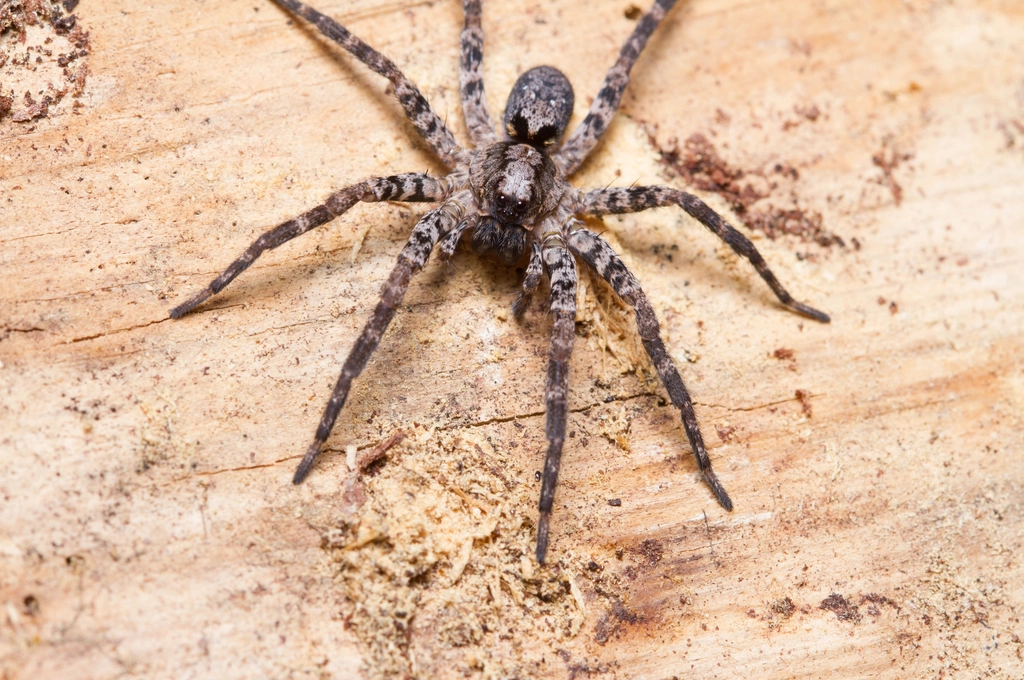 Photo Credit: insectsunlockedproject / Rawpixel
In the heart of a sun-drenched meadow, the wolf spider, scientifically known as Lycosidae, prowls with a quiet confidence. With its robust body and long, spindly legs, this eight-legged marvel is a master of stealth, blending seamlessly into its surroundings. As the golden rays of sunlight filter through the tall grass, the wolf spider emerges, its keen eyes scanning the ground for movement. Unlike many of its web-spinning relatives, this arachnid is a hunter, relying on speed and agility to capture its prey. Its fascinating ability to chase down insects makes it a subject of intrigue for scientists and nature lovers alike.
What truly sets the wolf spider apart is its remarkable adaptability and role in the ecosystem. These spiders can thrive in a variety of habitats, from lush forests to arid deserts, showcasing their resilience in the face of changing environments. As they patrol their territory, they not only help control insect populations but also serve as a vital food source for larger predators. With their captivating courtship dances in the spring and their unique hunting techniques, wolf spiders invite us to explore the intricate web of life that connects all creatures, big and small. Join us as we delve deeper into the world of the wolf spider, uncovering the secrets of its behavior, diet, and the essential role it plays in nature.
The wolf spider is a captivating member of the animal kingdom, sitting firmly within the intricate web of life. Taxonomically, it belongs to the Kingdom Animalia, which includes all animals, and is classified under the Phylum Arthropoda, known for its jointed limbs and exoskeletons. Within this phylum, the wolf spider is part of the Class Arachnida, which encompasses spiders, scorpions, and ticks. What sets wolf spiders apart is their exceptional hunting ability; unlike many spiders that spin webs to catch prey, these agile predators actively chase down their food, showcasing a unique blend of speed and stealth.
| Taxonomic Rank | Scientific Name | Meaning & Significance |
|---|---|---|
| Kingdom | Animalia | This name means “animals” in Latin, highlighting the diverse group of multicellular organisms that share certain characteristics, such as the ability to move and respond to their environment. |
| Phylum | Arthropoda | Derived from Greek, meaning “jointed feet,” this name reflects the jointed appendages that are a hallmark of this vast group, which includes insects, arachnids, and crustaceans. |
| Class | Arachnida | This term comes from the Greek word for “spider,” emphasizing the eight-legged nature of its members, which distinguishes them from insects that have six legs. |
| Order | Araneae | Simply meaning “spider” in Latin, this classification groups all true spiders, which share common features like fangs and the ability to produce silk. |
| Family | Lycosidae | This name is derived from the Greek word “lykos,” meaning “wolf,” which reflects the hunting style of these spiders, known for their speed and predatory behavior. |
| Genus | Hogna | The name “Hogna” is thought to be derived from a Latin term meaning “to hunt,” which is fitting for these active hunters that rely on their keen eyesight and agility. |
Understanding the wolf spider’s classification reveals much about its evolutionary journey. As a member of the Lycosidae family, it has adapted to a predatory lifestyle that emphasizes speed and agility, traits that have been honed over millions of years. This evolutionary path showcases the spider’s ability to thrive in various environments, from forests to grasslands, making it a successful hunter in the diverse tapestry of life on Earth. The wolf spider’s unique position in the tree of life not only highlights its fascinating adaptations but also underscores the intricate connections that bind all living organisms together.
The evolutionary journey of the wolf spider stretches back millions of years, tracing its roots to the early ancestors of arachnids. These ancient creatures emerged during the Silurian period, around 430 million years ago, when the first land-dwelling animals began to adapt to life outside of water. Over time, the wolf spider evolved within the family Lycosidae, showcasing a series of remarkable adaptations that have allowed it to thrive in diverse environments.
Ancestral forms of spiders were quite different from the agile hunters we see today. Early arachnids were likely small and less specialized, relying on simple webs for trapping prey. As time progressed, the wolf spider lineage branched out, developing key traits that enhanced its predatory skills. One major transition was the shift from web-building to active hunting. This change allowed wolf spiders to chase down their prey, making them more efficient hunters. Their keen eyesight, a result of evolving larger and more complex eyes, further supported this hunting strategy, enabling them to spot movement from a distance.
These adaptations have been crucial for the survival of wolf spiders in various habitats, from forests to grasslands. Their ability to hunt actively and remain hidden from both prey and predators has allowed them to flourish in ecosystems around the world. As they continue to evolve, wolf spiders exemplify the incredible resilience and adaptability of life on Earth.
The wolf spider is an impressive sight, embodying both strength and agility. With a robust body and long, spindly legs, it moves with a confidence that is both captivating and slightly intimidating. Its overall form is designed for hunting, featuring a compact, muscular build that allows it to pounce on prey with remarkable speed. The combination of its large eyes and prominent mouthparts gives it a fierce appearance, making it a true predator of the night.
| Feature | Description |
|---|---|
| Weight | Less than 1 oz (30 g) |
| Skin Type | Hairy |
| Most Distinctive Feature | Large eyes and mouthparts |
These physical traits work together to enhance the wolf spider’s survival skills. Its lightweight body allows for quick movements, while the hairy skin helps it blend into its surroundings, providing excellent camouflage. The large eyes are perfect for spotting movement in low light, making it an effective nocturnal hunter. Meanwhile, the prominent mouthparts are essential for capturing and consuming prey, ensuring that this spider remains a formidable predator in its environment. Each feature plays a vital role in its ability to thrive in the wild, showcasing the beauty of nature’s design.
The wolf spider thrives in a variety of habitats, showcasing its adaptability and resilience. Picture a sun-drenched forest floor, where dappled light filters through the leaves, or an open plain where grasses sway in the breeze. These spiders can also be found in the sandy expanses of deserts and the lush greenery of wetlands. Their homes are often hidden among rocks, leaf litter, or even burrows, making them masters of camouflage in their surroundings.
Wolf spiders prefer environments that offer a mix of moisture and warmth. They thrive in areas where the temperature is moderate, as extreme cold can be challenging for them. These spiders are often found in places with plenty of cover, such as under logs or in dense vegetation, which helps them stay hidden from predators and provides a suitable hunting ground for their prey.
To survive in these diverse habitats, wolf spiders have developed several clever adaptations. Their excellent vision, thanks to multiple pairs of eyes, allows them to spot movement quickly, making them effective hunters. They are also agile and fast, which helps them chase down their prey rather than spinning webs to catch it. This adaptability not only aids in their survival but also allows them to thrive in various environments across the globe.
The daily life of a wolf spider is a blend of stealth, agility, and keen hunting instincts. As the sun rises, these eight-legged hunters emerge from their hiding spots, ready to patrol their territory. Unlike many spiders that spin webs to catch prey, wolf spiders are active hunters. They rely on their excellent vision and quick reflexes to chase down insects. Throughout the day, they can be seen scuttling across the ground, using their keen sense of sight to spot potential meals. When night falls, their activity ramps up even more, as they take advantage of the darkness to hunt.
Wolf spiders are primarily solitary creatures, preferring to navigate the world on their own rather than in groups. This independence allows them to be stealthy hunters, but it also means they have to be cautious. They communicate with each other mainly through vibrations and subtle movements, which can signal everything from territory boundaries to mating readiness. While they may cross paths with other wolf spiders, they typically avoid direct interaction, focusing instead on their own survival and hunting strategies.
| Behavior Type | Description |
|---|---|
| Hunting | Wolf spiders actively chase and pounce on their prey, relying on speed and agility rather than webs. |
| Social Structure | These spiders are solitary, preferring to hunt and live alone rather than in groups. |
| Communication | They communicate through vibrations and body movements, which help them signal to others without direct contact. |
The behaviors of wolf spiders are finely tuned to ensure their survival in the wild. Their solitary nature allows them to be stealthy and efficient hunters, while their communication methods help them navigate encounters with others of their kind. By relying on their keen senses and quick reflexes, wolf spiders thrive in diverse environments, showcasing the incredible adaptability of life in the natural world.
Wolf spiders are fascinating omnivores, meaning they eat both plants and animals, but they primarily feast on other creatures. Their diet mainly consists of insects, making them skilled hunters in their environments. With their keen eyesight and remarkable speed, wolf spiders stalk their prey rather than spinning webs to catch it. This active hunting style allows them to chase down insects like crickets, grasshoppers, and even other spiders, showcasing their agility and predatory prowess.
| Dietary Aspect | Details |
|---|---|
| Diet Type | Omnivore |
| Favorite Foods | Insects, including crickets, grasshoppers, and other small arthropods |
| Prey Items | Various insects and sometimes small vertebrates |
| Hunting/Foraging Strategies | Stalking and pouncing on prey; using speed and camouflage |
The diet of wolf spiders plays a crucial role in their ecology and daily routines. By controlling insect populations, they help maintain a balanced ecosystem. Their hunting habits also dictate their activity patterns, as they are most active during the night when many of their prey are on the move. This nocturnal lifestyle not only enhances their hunting success but also allows them to avoid larger predators, making them efficient and adaptable hunters in the wild.
As the warm days of spring arrive, wolf spiders engage in a captivating courtship dance. Males perform elaborate displays to attract females, showcasing their agility and strength. This breeding season is a time of excitement, as males use their specialized pedipalps—small appendages near their mouths—to transfer sperm to the females. After mating, the female wolf spider prepares for a crucial phase in her life: the gestation of her young.
| Reproductive Aspect | Details |
|---|---|
| Gestation Period | About 2 to 3 weeks |
| Litter Size | Up to 100 spiderlings |
| Age of Maturity | A few weeks |
| Name of Young | Spiderling |
Once the eggs are ready, the female carefully spins a silk egg sac, where she will place her eggs. After a few weeks, tiny spiderlings emerge, ready to face the world. In a remarkable display of maternal care, the mother carries her young on her back for several days, providing them with protection and warmth. As they grow, these spiderlings gradually learn to hunt and fend for themselves, eventually maturing into independent adults. This nurturing behavior highlights the strong bond between the mother and her offspring, ensuring the survival of the next generation of wolf spiders.
Wolf spiders play a crucial role in their ecosystems, acting as both predators and prey. They help control insect populations, which is vital for maintaining the balance of their habitats. However, these agile hunters face various dangers that threaten their survival. As they navigate the intricate web of life, they must be constantly aware of the threats lurking around them.
To defend themselves against these predators, wolf spiders have developed several clever survival strategies. They rely on their excellent camouflage, blending into their surroundings to avoid detection. When threatened, they can quickly scuttle away, using their speed to escape danger. Additionally, their keen eyesight allows them to spot potential threats from a distance, giving them a head start in evading capture. By employing these tactics, wolf spiders continue to thrive in the wild, showcasing their resilience in the face of adversity.
A keystone species is a vital part of its ecosystem, meaning its presence and activities have a significant impact on the environment and other living things. The wolf spider qualifies as a keystone species due to its role as a predator and its influence on the populations of other organisms. By keeping insect numbers in check, these spiders help maintain the balance of their habitats, making them essential players in the web of life.
Wolf spiders are skilled hunters, primarily preying on insects. This predatory behavior is crucial because it helps control insect populations, preventing any one species from becoming too dominant. For example, by consuming large numbers of grasshoppers and beetles, wolf spiders help protect plants from overgrazing and damage. This, in turn, supports the health of the entire ecosystem, allowing various plant and animal species to thrive.
Additionally, wolf spiders serve as a food source for larger animals, such as birds and small mammals. Their presence supports a diverse food web, where energy flows from one level to another. When wolf spiders are abundant, they provide a steady meal for these predators, which helps sustain their populations. This interconnectedness highlights the importance of wolf spiders in maintaining ecological balance.
If wolf spiders were to disappear from their ecosystems, the consequences could be severe. Insect populations would likely surge, leading to overgrazing and potential collapse of plant communities. This imbalance could ripple through the food web, affecting not only the predators that rely on wolf spiders for food but also the plants and other animals that depend on a stable environment. The loss of wolf spiders would disrupt the delicate balance of their habitats, showcasing just how crucial these eight-legged hunters are to the health of our natural world.
The wolf spider occupies a crucial ecological niche as a skilled predator in various habitats, including forests, plains, deserts, and wetlands. This adaptable arachnid plays a significant role in maintaining the balance of its ecosystem. By preying on a wide range of insects, the wolf spider helps control their populations, preventing any one species from overwhelming the environment. Its presence ensures a healthy food web, where energy flows from one organism to another, supporting a diverse array of life.
| Ecosystem Service | Impact |
|---|---|
| Insect Population Control | Reduces the number of pests, helping to maintain ecological balance. |
| Soil Aeration | Burrowing behavior helps aerate the soil, promoting plant health. |
| Food Source for Other Animals | Serves as prey for birds, reptiles, and other predators, supporting biodiversity. |
| Indicator of Ecosystem Health | Presence indicates a balanced ecosystem, as they thrive in healthy environments. |
The influence of wolf spiders extends beyond just hunting. For instance, their burrowing activities can aerate the soil, which is essential for plant growth. This process allows water and nutrients to penetrate deeper into the ground, benefiting the entire plant community. Additionally, wolf spiders serve as a food source for various animals, including birds and small mammals. Their role in the food web highlights their importance in supporting a diverse range of species, ensuring that energy and nutrients circulate throughout the ecosystem.
In a broader sense, the wolf spider exemplifies the interconnectedness of life. As a keystone species, its presence is vital for the health of its environment. By controlling insect populations and contributing to soil health, wolf spiders help create a thriving habitat for countless organisms. Their ability to adapt to different environments further emphasizes their importance in maintaining ecological balance. Understanding the role of wolf spiders encourages us to appreciate the intricate web of life that sustains our planet.
In the intricate tapestry of nature, symbiosis refers to the close and often long-term interactions between different species. These relationships can take many forms, including mutualism, where both species benefit, parasitism, where one benefits at the expense of the other, and commensalism, where one benefits while the other is neither helped nor harmed. Wolf spiders, with their keen hunting skills and adaptable nature, engage in various ecological relationships that highlight the interconnectedness of life.
| Species/Type | Relationship Type | Description |
|---|---|---|
| Ants | Mutualistic | Wolf spiders may benefit from the presence of ants, as the ants help keep the area free of other pests, while the spiders can control insect populations that might threaten the ants’ food sources. |
| Fungi | Commensal | Wolf spiders often inhabit areas where fungi grow, benefiting from the shelter and moisture provided by the fungi without affecting the fungi’s growth. |
| Small Birds | Parasitic | While not a direct relationship, small birds may prey on young wolf spiders, illustrating a parasitic dynamic where the birds benefit at the spiders’ expense. |
These relationships have evolved over time, shaped by the needs and behaviors of the species involved. The mutualistic interactions, like those with ants, demonstrate how cooperation can enhance survival for both parties. Meanwhile, the commensal relationships with fungi show how some species can thrive alongside others without causing harm. Understanding these connections helps us appreciate the delicate balance of ecosystems and the roles that each species, including the wolf spider, plays in maintaining that balance.
Wolf spiders are truly captivating creatures that blend agility with remarkable hunting skills. These eight-legged hunters are not just your average spiders; they possess a range of surprising traits that make them stand out in the animal kingdom.
Throughout history, wolf spiders have danced in and out of human lives, often evoking a mix of fascination and fear. In many cultures, these agile hunters have been symbols of strength and resilience. Ancient peoples revered them for their hunting prowess, while in folklore, they sometimes represented cunning and survival. Their ability to thrive in diverse environments has made them a subject of curiosity, leading to various interpretations in art and literature. As humans began to understand the natural world, the wolf spider emerged as a creature that, while often misunderstood, plays a vital role in the ecosystem.
In modern times, our interactions with wolf spiders have evolved. While many people still view them with trepidation, there is a growing appreciation for their ecological importance. These spiders help control insect populations, acting as natural pest controllers in gardens and homes. However, conflicts can arise when they venture too close to human dwellings, leading to fear and attempts to eliminate them. Conservation efforts are increasingly recognizing the value of all species, including wolf spiders, in maintaining healthy ecosystems. This shift in perspective encourages coexistence rather than conflict, promoting a deeper understanding of these remarkable arachnids.
As we look to the future, the relationship between humans and wolf spiders is poised for transformation. With increased awareness of biodiversity and the importance of every species, more people are likely to embrace these eight-legged hunters as allies rather than adversaries. By fostering a sense of curiosity and respect for wolf spiders, we can create a world where humans and nature coexist harmoniously. This shift not only benefits the spiders but also enriches our understanding of the intricate web of life that surrounds us.
The conservation status of the wolf spider is currently classified as “Least Concern” by the International Union for Conservation of Nature (IUCN). This means that, overall, their populations are stable and not facing immediate threats of extinction. Wolf spiders are widespread and adaptable, thriving in various habitats across the globe. While specific population estimates can be challenging to determine due to their elusive nature, they are generally considered to be abundant in many regions.
| Conservation Factor | Status/Details |
|---|---|
| IUCN Status | Least Concern |
| Population Estimates | Abundant in many regions |
| Trend Direction | Stable |
Despite their stable status, wolf spiders face several threats that could impact their populations in the future. Habitat loss is a significant concern, as urban development and agricultural expansion can destroy the natural environments where these spiders thrive. Additionally, pesticide use can reduce their prey availability and directly harm the spiders themselves. Climate change also poses a risk, as shifting temperatures and weather patterns can alter their habitats and food sources.
Conservation efforts for wolf spiders primarily focus on habitat preservation and responsible land management. By protecting natural areas and promoting biodiversity, we can help ensure that these remarkable arachnids continue to thrive. Public awareness and education about the importance of spiders in ecosystems can also foster a greater appreciation for these creatures. With continued efforts, the outlook for wolf spiders remains positive, allowing them to play their vital role in nature for years to come.
| Question | Answer |
|---|---|
| Where do wolf spiders live? | Wolf spiders can be found in a variety of habitats, including forests, plains, deserts, and wetlands. They are adaptable creatures, often making their homes in leaf litter, under rocks, or even in grasslands. |
| What do wolf spiders eat? | These spiders are omnivores, meaning they eat both plants and animals. Their diet mainly consists of insects, but they can also consume small invertebrates, making them effective hunters in their ecosystems. |
| How do wolf spiders behave? | Wolf spiders are known for their active hunting style. Unlike many spiders that build webs to catch prey, they rely on their speed and keen eyesight to stalk and pounce on insects. |
| How do wolf spiders reproduce? | During mating, male wolf spiders perform a courtship dance to attract females. After mating, the female lays her eggs in a silk sac, which she carries with her until they hatch, ensuring their safety. |
| What threats do wolf spiders face? | While wolf spiders are currently classified as Least Concern in terms of conservation status, they still face threats from habitat loss and pesticide use. These factors can reduce their populations and disrupt their natural habitats. |
| What is a distinctive feature of wolf spiders? | One of the most distinctive features of wolf spiders is their large eyes and mouthparts. Their big eyes help them see well in low light, making them effective nocturnal hunters. |
| Are wolf spiders dangerous to humans? | Wolf spiders are not considered dangerous to humans. While they can bite if threatened, their venom is not harmful, and their bites usually result in mild irritation similar to a bee sting. |