Taxonomy & Classification
- Kingdom
- Animalia
- Phylum
- Chordata
- Class
- Mammalia
- Order
- Proboscidea
- Family
- Elephantidae
- Genus
- Mammuthus
- Species
- Mammuthus Primigenius

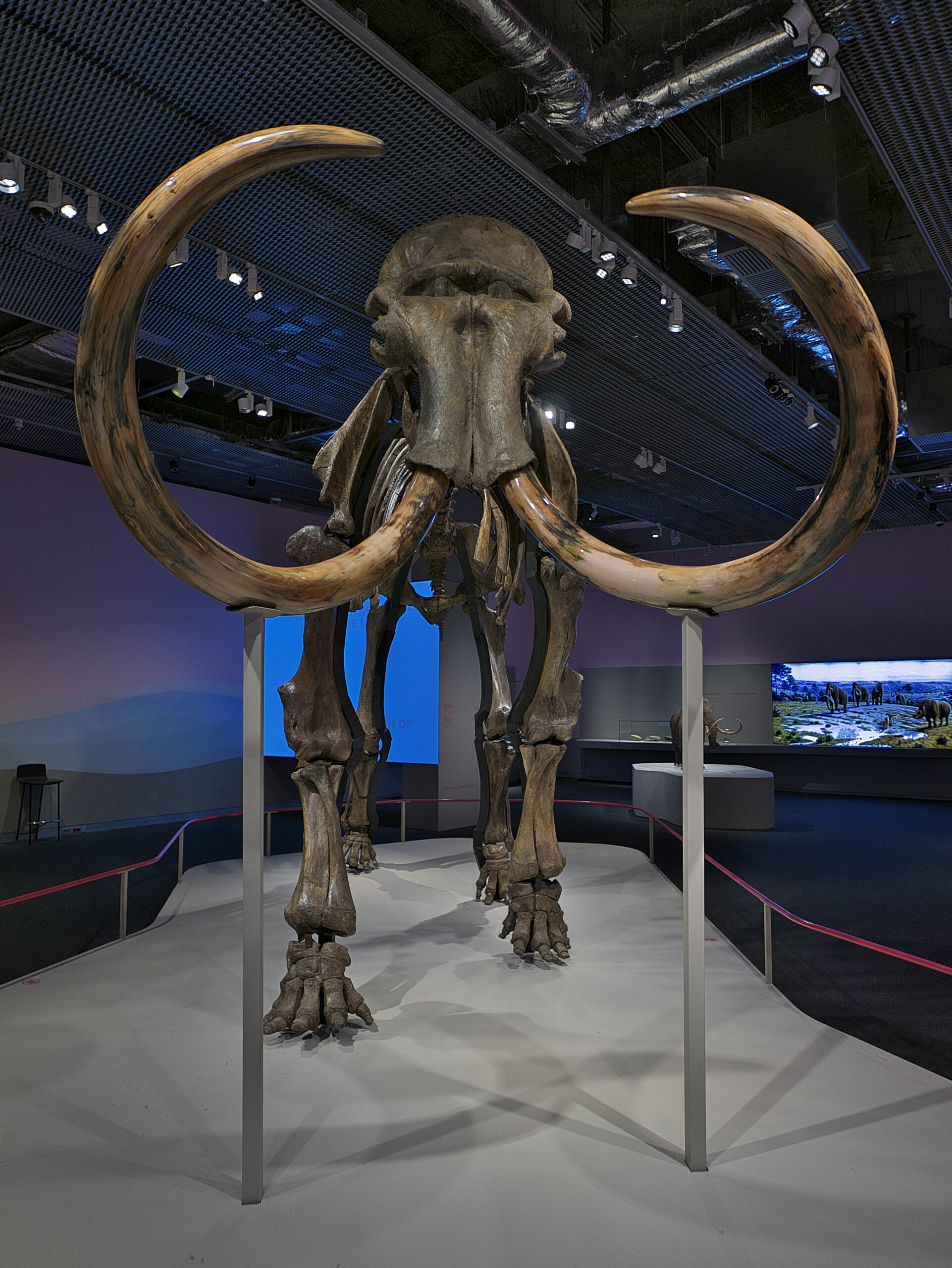 Photo Credit: Jl FilpoC / Wikimedia Commons
Imagine a vast, frozen landscape where the air is crisp and the ground is blanketed in shimmering snow. Here, in this icy realm, roamed the Woolly Mammoth, known scientifically as Mammuthus primigenius. With its towering stature, reaching up to 13 feet tall, and its long, curved tusks that could stretch over 15 feet, this magnificent creature was perfectly adapted to survive the harsh conditions of the last Ice Age. Its thick, shaggy coat, made of long hair and a woolly underlayer, kept it warm against the biting cold, while its large hump of fat stored energy for the long winters.
Woolly Mammoths were not just impressive in size; they were also vital to their ecosystem. As herbivores, they grazed on grasses, shrubs, and other vegetation, shaping the landscape around them. Their presence helped maintain the balance of the Arctic tundra, making them a keystone species. Scientists and nature enthusiasts alike are captivated by these ancient giants, not only because of their striking appearance but also due to the mysteries surrounding their extinction and their relationship with early humans. As we delve deeper into the world of the Woolly Mammoth, we uncover the fascinating adaptations, behaviors, and ecological roles that made them one of the most iconic animals of their time.
The Woolly Mammoth, a magnificent giant that roamed the Earth during the last Ice Age, holds a special place in the animal kingdom. Taxonomically, it belongs to the Kingdom Animalia, which includes all animals, and is classified under the Phylum Chordata, meaning it has a backbone. This incredible creature is part of the Class Mammalia, which encompasses all mammals, and it falls within the Order Proboscidea, a group known for their long trunks. The Woolly Mammoth is closely related to modern elephants, sharing the Family Elephantidae. Its Genus, Mammuthus, highlights its unique characteristics, such as its thick fur and long, curved tusks, which helped it survive in cold environments.
| Taxonomic Rank | Scientific Name | Meaning & Significance |
|---|---|---|
| Kingdom | Animalia | This name means “animals” in Latin, representing all living organisms that are not plants, fungi, or bacteria. |
| Phylum | Chordata | Derived from the Greek word “chordē,” meaning “string,” this refers to animals with a notochord, or backbone, at some stage of their life. |
| Class | Mammalia | This term comes from “mamma,” the Latin word for “breast,” highlighting that mammals nurse their young with milk. |
| Order | Proboscidea | From the Latin “proboscis,” meaning “trunk,” this order includes animals with elongated noses, like elephants and their relatives. |
| Family | Elephantidae | This name is derived from “elephant,” which comes from the Greek “elephas,” referring to the large size and distinctive features of these animals. |
| Genus | Mammuthus | From the Russian word “mamut,” this name reflects the mammoth’s large size and its ancient lineage, connecting it to the past. |
The classification of the Woolly Mammoth reveals much about its evolutionary journey. As a member of the Proboscidea order, it shares a common ancestor with modern elephants, showcasing how species can adapt to their environments over time. The Woolly Mammoth’s thick fur and large tusks were not just for show; they were essential for survival in the frigid climates of the Ice Age. Understanding its taxonomic position helps us appreciate the intricate web of life and the remarkable adaptations that have allowed animals to thrive in diverse habitats throughout history.
The story of the Woolly Mammoth begins over 400,000 years ago, during a time when the Earth was gripped by the last Ice Age. This period was marked by vast, icy landscapes and fluctuating climates, which shaped the evolution of many species. The Woolly Mammoth, scientifically known as Mammuthus primigenius, emerged as a remarkable adaptation to these harsh conditions, evolving from earlier relatives that roamed the planet.
The ancestors of the Woolly Mammoth can be traced back to the early members of the Elephantidae family, which includes modern elephants. These ancestors adapted to various environments, but it was the emergence of the Mammuthus genus that set the stage for the Woolly Mammoth. As the climate cooled, these mammals developed thick fur and a layer of fat beneath their skin, allowing them to thrive in frigid temperatures. Their large, curved tusks were not just for show; they were essential tools for digging through snow to find food, such as grasses and shrubs hidden beneath the ice.
These adaptations were vital for the Woolly Mammoth’s survival in a world dominated by ice and snow. The combination of thick fur, a protective layer of fat, and powerful tusks allowed them to thrive in their environment, while their social structures helped them navigate the challenges of life in the harsh tundra. As they roamed the vast landscapes, these magnificent creatures became symbols of resilience, showcasing the incredible power of evolution in shaping life on Earth.
The Woolly Mammoth is an awe-inspiring sight, a colossal creature that once roamed the icy tundras of the Earth. Standing between 6 and 13 feet tall, these giants were built like massive tanks, with sturdy legs supporting their hefty bodies. Their most striking feature is the long, thick hair that covered them, giving them a shaggy appearance that helped them survive in frigid temperatures. With their large, curved tusks and a hump of fat on their backs, Woolly Mammoths were perfectly adapted to their harsh environments, making them one of the most iconic animals of the Ice Age.
| Feature | Description |
|---|---|
| Height | 1.8m – 4m (6ft – 13ft) |
| Weight | 12,000 lbs |
| Skin Type | Hair |
| Most Distinctive Feature | Long, thick hair |
The combination of their towering height, massive weight, and thick fur allowed Woolly Mammoths to thrive in their icy habitats. Their long hair acted as insulation, keeping them warm in freezing temperatures, while their large tusks were not just for show; they were essential tools for digging through snow to find food. This impressive physical form was not just for looks; it was a perfect blend of features that enabled these magnificent animals to survive and flourish in one of the harshest climates on Earth.
The Woolly Mammoth thrived in the frigid expanses of the Arctic tundra, a landscape characterized by its cold temperatures, vast open spaces, and a unique blend of vegetation. Imagine a world where the ground is often frozen, yet dotted with hardy grasses, shrubs, and mosses that manage to survive despite the harsh conditions. This icy realm, with its sweeping plains and occasional hills, provided the perfect backdrop for these magnificent giants as they roamed in search of food and shelter.
The climate of the tundra is a crucial factor in the Woolly Mammoth’s habitat. This region experiences long, bitterly cold winters and short, cool summers. The average temperature can plummet to well below freezing, making it essential for the mammoths to adapt to such extreme conditions. The environment is also marked by permafrost, a layer of permanently frozen ground that shapes the landscape and influences the types of plants that can grow.
To survive in this challenging habitat, Woolly Mammoths developed several remarkable adaptations. Their thick, shaggy fur provided insulation against the cold, while a layer of fat beneath their skin helped keep them warm. Their long, curved tusks were not just for show; they were used to dig through the snow to reach vegetation hidden beneath. These adaptations allowed them to thrive in a world where few other animals could endure the biting cold and scarce resources.
Woolly Mammoths led fascinating lives filled with daily routines that revolved around survival in their icy habitats. Each day began with the search for food, as these enormous animals grazed on grasses, shrubs, and other vegetation that thrived in the tundra. They used their long, curved tusks to dig through the snow, uncovering hidden plants beneath the frost. As the sun rose, the herd would move together, following well-trodden paths to their favorite feeding grounds. Their days were filled with foraging, resting, and socializing, all essential activities for maintaining their strength and health.
Social behavior was a cornerstone of Woolly Mammoth life. These majestic creatures lived in herds, often consisting of family groups led by a matriarch, the oldest and wisest female. This social structure provided safety in numbers, as the herd could protect its young from predators. Communication among the members was vital, and they used a variety of sounds, from low rumbles to trumpeting calls, to convey messages. This strong bond within the herd helped them navigate their harsh environment, as they worked together to find food and care for their young.
| Behavior Type | Description |
|---|---|
| Feeding | Woolly Mammoths grazed on grasses and shrubs, using their tusks to dig through snow for hidden vegetation. |
| Social Structure | Herds were typically led by a matriarch, providing guidance and protection for the group. |
| Communication | They communicated through a range of sounds, helping to maintain group cohesion and alert others to danger. |
| Resting | After foraging, they would rest together, reinforcing social bonds and conserving energy for the next day. |
The behaviors of Woolly Mammoths were finely tuned to ensure their survival in a challenging environment. By living in herds, they not only protected each other from predators but also shared knowledge about food sources and migration routes. Their ability to communicate effectively allowed them to respond quickly to threats and coordinate their movements. Together, these daily activities and social dynamics created a resilient community, enabling Woolly Mammoths to thrive in the icy landscapes they called home.
Woolly Mammoths were herbivores, meaning they primarily ate plants. Their diet mainly consisted of grasses, twigs, and rushes, which they found in the cold, open landscapes of the Arctic tundra. With their long, curved tusks, these massive creatures could dig through snow to reach the vegetation hidden beneath. This feeding behavior was essential for their survival, especially during the harsh winter months when food was scarce.
| Dietary Aspect | Details |
|---|---|
| Diet Type | Herbivore |
| Favorite Foods | Grasses, twigs, rushes |
| Prey Items | None (as they are herbivores) |
| Hunting/Foraging Strategies | Using tusks to dig through snow for vegetation |
The diet of the Woolly Mammoth played a crucial role in shaping its ecology and daily routine. By foraging for grasses and other plants, they helped maintain the balance of their environment, preventing overgrowth and promoting biodiversity. Their constant search for food not only influenced their movements across the tundra but also affected the habitats of other animals sharing the same space. In this way, Woolly Mammoths were not just consumers of vegetation; they were vital players in the ecosystem, helping to create a dynamic and thriving Arctic landscape.
Woolly Mammoths had intriguing mating behaviors that were closely tied to the seasons. During the breeding season, which likely occurred in the spring, males would compete for the attention of females. These competitions could involve displays of strength, such as pushing against each other with their massive tusks. Once a female chose a mate, they would engage in a courtship that might include vocalizations and physical interactions. This social aspect of their lives was essential for ensuring the continuation of their species in the harsh environments they inhabited.
| Reproductive Aspect | Details |
|---|---|
| Gestation Period | Approximately 22 months |
| Litter Size | 1 |
| Age of Maturity | Up to 9.5 feet at the shoulder |
| Name of Young | Calf |
After a long gestation period of about 22 months, a single calf would be born. This lengthy development time allowed the young mammoth to grow large enough to survive in the challenging Arctic environment. Parental care was crucial, as mothers would nurture their calves, teaching them how to find food and stay safe from predators. The bond between a mother and her calf was strong, and the young mammoths would stay close to their mothers for several years, learning essential survival skills before they ventured out on their own. As they matured, these calves would grow into the majestic giants that once roamed the Earth, continuing the legacy of their incredible ancestors.
The Woolly Mammoth, a magnificent giant of the Ice Age, occupied a crucial role in its ecosystem. As a herbivore, it primarily fed on grasses and shrubs, making it a key player in the food web. This means that while it was busy munching on vegetation, it also provided food for predators and helped shape the landscape by grazing. However, despite its size and strength, the Woolly Mammoth faced several dangers that threatened its survival.
To defend itself against these threats, the Woolly Mammoth relied on its impressive size and thick, shaggy coat to withstand the harsh Arctic conditions. When faced with predators like wolves or cave hyenas, they often traveled in herds, using their collective strength to deter attackers. Additionally, their tusks, which could grow up to 15 feet long, were not just for show; they were powerful tools for digging through snow to find food and for defending against threats. These survival strategies helped the Woolly Mammoth navigate the challenges of its icy world, showcasing its resilience in the face of danger.
A keystone species is an organism that plays a critical role in maintaining the structure of its ecosystem. Its presence or absence can significantly impact the environment and other species within it. The Woolly Mammoth, with its massive size and unique behaviors, certainly qualifies as a keystone species during its time on Earth. By influencing vegetation patterns and serving as a food source for predators, these magnificent creatures shaped the ecosystems of the Arctic tundra.
Woolly Mammoths were herbivores, meaning they primarily consumed plants. Their grazing habits helped control the growth of grasses and shrubs, preventing any one species from dominating the landscape. This behavior promoted biodiversity, allowing various plant species to thrive. Additionally, as they moved through their habitat, they created pathways that other animals could use, facilitating movement and migration across the tundra. Their foraging also helped aerate the soil, which is essential for plant health and growth.
Moreover, Woolly Mammoths were a food source for large predators, such as saber-toothed cats and early humans. Their size and abundance meant that they supported a variety of other species, creating a complex web of life. When they died, their remains provided nutrients to scavengers and decomposers, further enriching the ecosystem. The impact of these giants extended beyond their immediate actions, influencing the entire food web and the health of their environment.
If Woolly Mammoths had disappeared from their ecosystem, the consequences would have been profound. Without their grazing, certain plant species could have overgrown, leading to a decline in biodiversity. This shift would have affected other herbivores that relied on a balanced plant community for food. Additionally, the absence of these massive animals would have disrupted the food chain, leaving predators without a primary source of sustenance. The intricate balance of the Arctic tundra would have been altered, demonstrating just how vital the Woolly Mammoth was to its ecosystem.
The Woolly Mammoth was a key player in the Arctic tundra ecosystem, where it thrived during the last Ice Age. This massive herbivore filled an important ecological niche, meaning it had a specific role that helped shape its environment. By grazing on grasses and shrubs, the Woolly Mammoth influenced plant growth and distribution, creating a dynamic balance in its habitat. Its presence not only affected the vegetation but also the animals and other organisms that depended on the same resources.
| Ecosystem Service | Impact |
|---|---|
| Grazing | Controls plant growth and promotes biodiversity |
| Seed Dispersal | Helps spread plant seeds through dung |
| Soil Aeration | Tramples the ground, improving soil health |
| Habitat Creation | Creates open spaces for other species to thrive |
The Woolly Mammoth’s grazing habits were particularly influential. By munching on grasses and shrubs, it kept the vegetation in check, preventing any one species from dominating the landscape. This grazing behavior allowed a variety of plants to flourish, which in turn supported a diverse array of animals, from smaller herbivores to predators. Additionally, as these giants moved through their environment, they trampled the ground, which helped aerate the soil. This process made it easier for new plants to grow, further enriching the ecosystem.
The broader ecological importance of the Woolly Mammoth cannot be overstated. As a keystone species, its presence had a ripple effect throughout the tundra. The balance it maintained among plant life and other animals contributed to a rich and diverse ecosystem. Even after their extinction, the legacy of the Woolly Mammoth continues to intrigue scientists and conservationists, reminding us of the intricate connections that exist in nature and the vital roles that each species plays in sustaining life on Earth.
In the intricate web of life, symbiosis plays a vital role in shaping ecosystems. Symbiosis refers to the close and often long-term interactions between different species. These relationships can be mutualistic, where both species benefit, parasitic, where one benefits at the expense of the other, or commensal, where one benefits while the other is neither helped nor harmed. The Woolly Mammoth, a magnificent creature of the Ice Age, engaged in various ecological relationships that contributed to the balance of its environment.
| Species/Type | Relationship Type | Description |
|---|---|---|
| Grass and Shrubs | Mutualistic | The Woolly Mammoth grazed on these plants, helping to control their growth while also benefiting from their nutrients for sustenance. |
| Insects (like ticks) | Parasitic | Ticks would latch onto the mammoth’s thick fur, feeding on its blood, which could weaken the mammoth over time. |
| Birds (like oxpeckers) | Commensal | These birds might have perched on the mammoth, eating insects off its body without affecting the mammoth. |
The relationships that Woolly Mammoths formed with other species evolved over thousands of years, shaped by the demands of survival in the harsh Arctic tundra. These interactions not only benefited the mammoths but also helped maintain the health of their ecosystem. By grazing on grasses and shrubs, they promoted plant diversity, while their presence provided food and habitat for other creatures. Understanding these connections helps us appreciate the delicate balance of nature and the importance of every species in an ecosystem.
The Woolly Mammoth, a fascinating giant of the Ice Age, continues to capture our imagination with its incredible adaptations and behaviors. Here are some surprising facts that showcase just how remarkable this ancient creature truly was.
The Woolly Mammoth, a majestic giant of the Ice Age, has long captivated human imagination. Early encounters between these colossal creatures and our ancestors were marked by both awe and necessity. As humans migrated across the frozen landscapes, they encountered Woolly Mammoths, which provided not only a source of food but also materials for tools and clothing. The mammoth’s bones and tusks were used to create shelters and art, embedding the species deeply into the cultural fabric of prehistoric societies. This relationship was not just one of survival; it also inspired myths and stories that echoed through generations, highlighting the mammoth’s significance in human history.
Today, the Woolly Mammoth exists primarily in our collective memory and scientific study, as it has been extinct for thousands of years. However, modern science is rekindling our connection with this ancient species through conservation efforts and genetic research. Scientists are exploring the possibility of bringing the Woolly Mammoth back to life through techniques like cloning and genetic engineering. This ambitious endeavor raises questions about the ethics of de-extinction and the potential impact on current ecosystems. While there is no direct conflict with living Woolly Mammoths, the idea of reintroducing them into the wild sparks debates about how they might interact with existing species and habitats.
Looking ahead, the relationship between humans and the Woolly Mammoth may evolve in unexpected ways. As we delve deeper into genetic research, we may find ourselves not only learning from the past but also shaping the future of biodiversity. The potential revival of the Woolly Mammoth could lead to new discussions about conservation, climate change, and our responsibility to protect the planet’s ecosystems. This journey into the past may ultimately guide us toward a more sustainable future, reminding us of the intricate connections we share with all living beings, both ancient and modern.
The Woolly Mammoth, once a dominant presence in the icy landscapes of the last Ice Age, is now classified as extinct. This means that there are no living individuals of this species left on Earth. While they thrived in large numbers thousands of years ago, their population dwindled due to a combination of climate change and human activities. Today, the only remnants of these magnificent creatures are their bones and preserved specimens found in permafrost, which tell us stories of their past.
| Conservation Factor | Status/Details |
|---|---|
| IUCN Status | Extinct |
| Population Estimates | None (extinct) |
| Trend Direction | Declining (historically) |
The main threats that led to the extinction of the Woolly Mammoth were significant changes in their environment and hunting by early humans. As the Ice Age came to an end, the climate warmed, transforming their cold habitats into forests and grasslands. This loss of habitat made it difficult for them to find food. Additionally, as humans began to spread across the globe, they hunted these massive animals for their meat, fur, and bones, further contributing to their decline.
Despite their extinction, scientists are actively working on conservation efforts that could one day bring the Woolly Mammoth back to life through advanced techniques like cloning and genetic engineering. By studying their DNA and the ecosystems they once inhabited, researchers hope to understand how to recreate conditions that could support a similar species. While the journey to revive the Woolly Mammoth is still in its early stages, the excitement surrounding these efforts offers a glimpse into the possibilities of conservation and the importance of protecting our planet’s biodiversity.
| Question | Answer |
|---|---|
| What was the habitat of the Woolly Mammoth? | The Woolly Mammoth lived in the Arctic tundra, a cold and windy region characterized by its frozen ground and sparse vegetation. This environment was perfect for them, as they were well-adapted to the harsh conditions with their thick fur and fat layers. |
| What did Woolly Mammoths eat? | Woolly Mammoths were herbivores, meaning they primarily ate plants. Their diet consisted of grasses, shrubs, and other vegetation found in their tundra habitat, which they could easily reach with their long tusks. |
| How did Woolly Mammoths behave? | Woolly Mammoths were social animals that often traveled in herds. This group behavior helped them protect each other from predators and find food more efficiently in their challenging environment. |
| How did Woolly Mammoths reproduce? | Woolly Mammoths had a reproductive cycle similar to modern elephants. Female mammoths typically gave birth to one calf after a gestation period of about 22 months, which is quite long, just like their living relatives. |
| What threats did Woolly Mammoths face? | Woolly Mammoths faced several threats, including climate change and hunting by early humans. As the Earth warmed and their habitat shrank, their populations declined, making them more vulnerable to extinction. |
| What are some interesting characteristics of Woolly Mammoths? | One of the most distinctive features of Woolly Mammoths was their long, thick hair, which helped keep them warm in freezing temperatures. They also had large, curved tusks that could grow up to 15 feet long, which they used for digging through snow and fighting. |
| Are there any living relatives of the Woolly Mammoth? | Yes, the closest living relatives of the Woolly Mammoth are modern elephants, particularly the Asian elephant. Both share similar physical traits and behaviors, which helps scientists understand more about the life of these ancient giants. |