Taxonomy & Classification
- Kingdom
- Animalia
- Phylum
- Arthropoda
- Class
- Insecta
- Order
- Hemiptera
- Family
- Aphididae
- Genus
- Aphis
- Species
- Aphis nerii

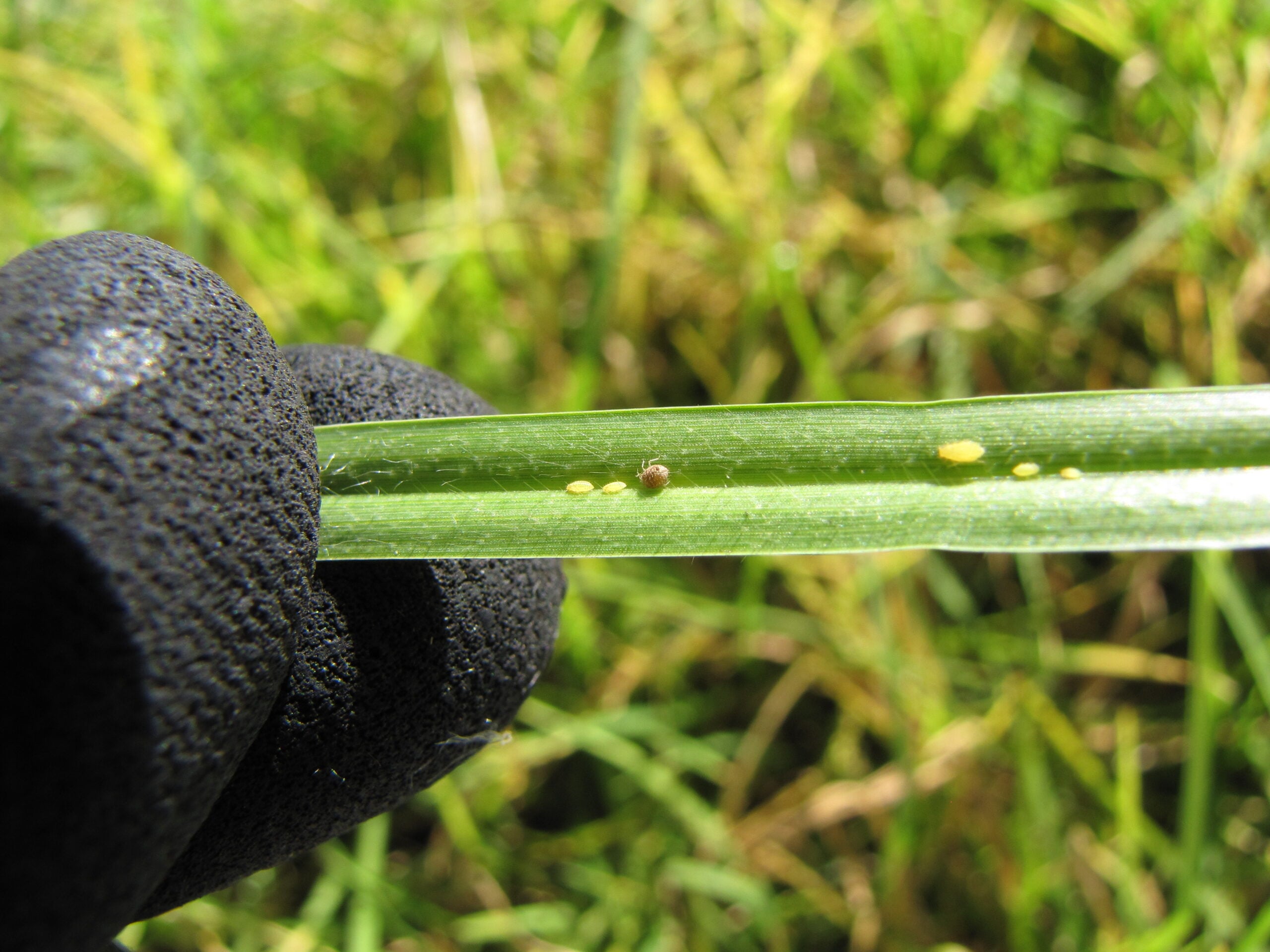 Photo Credit: Forest and Kim Starr / Wikimedia
In the sun-drenched world of gardens and meadows, the yellow aphid, scientifically known as Aphis gossypii, thrives in a vibrant tapestry of life. These tiny insects, measuring just a few millimeters, are often overlooked, yet they play a crucial role in their ecosystems. With their bright yellow bodies glistening in the sunlight, they can be found nestled among the lush leaves of oleander and milkweed plants, where they feast on the sweet sap that flows through the plant’s veins. This sugary diet not only sustains them but also makes them a vital food source for many predators, creating a delicate balance in nature.
What makes yellow aphids particularly captivating to scientists and nature enthusiasts alike is their fascinating life cycle and behavior. As diurnal creatures, they come alive with the dawn, busying themselves with feeding and reproducing during the warm daylight hours. Their specialized mouthparts, called stylets, allow them to pierce plant tissues and extract the nourishing sap, showcasing their remarkable adaptation to a herbivorous lifestyle. Beyond their feeding habits, yellow aphids are also known for their ability to reproduce rapidly, ensuring their survival in a world filled with challenges. As we delve deeper into the world of Aphis gossypii, we will uncover the intricate relationships they maintain within their ecosystems and the surprising impact they have on the environment around them.
The yellow aphid, a tiny yet intriguing insect, occupies a distinct position in the tree of life. Classified within the Kingdom Animalia, these small sap-sucking insects belong to the Phylum Arthropoda, which includes all invertebrates with jointed legs, like spiders and crabs. What sets yellow aphids apart is their ability to reproduce rapidly and their role as both pests and vital players in ecosystems. They are often found in clusters on plants, where they feed on sap, making them a common sight in gardens and agricultural fields. Their vibrant yellow color not only makes them noticeable but also serves as a warning to potential predators about their less-than-tasty nature.
| Taxonomic Rank | Scientific Name | Meaning & Significance |
|---|---|---|
| Kingdom | Animalia | The name “Animalia” comes from the Latin word “animalis,” meaning “having breath” or “living.” This reflects the diverse life forms that breathe and move, including yellow aphids. |
| Phylum | Arthropoda | “Arthropoda” means “jointed legs” in Greek, highlighting the characteristic jointed appendages that all members of this group, including yellow aphids, possess. |
| Class | Insecta | The term “Insecta” is derived from the Latin word “insectum,” meaning “cut into sections.” This refers to the three-part body structure of insects, which includes the head, thorax, and abdomen. |
| Order | Hemiptera | “Hemiptera” translates to “half-wing” in Greek, describing the unique structure of their wings, which are partially hardened and partially membranous. |
| Family | Aphididae | The name “Aphididae” comes from the Greek word “aphis,” meaning “plant louse.” This reflects their feeding habits, as they primarily consume plant sap. |
| Genus | Aphis | “Aphis” is derived from the Greek word for “aphid,” emphasizing the genus’s identity as a group of small, sap-sucking insects. |
Understanding the taxonomic classification of yellow aphids reveals much about their evolutionary journey. As members of the Hemiptera order, they share a lineage with other insects that have adapted to a life of feeding on plant fluids. Their rapid reproduction and ability to form large colonies demonstrate evolutionary strategies that have allowed them to thrive in various environments. This classification not only highlights their biological traits but also underscores their ecological significance, as they interact with plants and other organisms in complex ways.
The evolutionary journey of yellow aphids stretches back millions of years, intertwining with the rise of flowering plants. These tiny insects, belonging to the family Aphididae and the genus Aphis, have adapted remarkably to their environments since their ancestors first appeared during the late Cretaceous period, around 100 million years ago. As plants evolved, so did the aphids, developing unique traits that allowed them to thrive in diverse ecosystems.
The ancestral forms of yellow aphids were likely similar to other early aphids, small and soft-bodied, feeding on the sap of plants. Over time, they underwent significant evolutionary transitions, including the development of specialized mouthparts called stylets. These needle-like structures allow aphids to pierce plant tissues and extract nutrients efficiently. Additionally, the ability to reproduce rapidly through a process called parthenogenesis—where females can produce offspring without mating—has been crucial for their survival, especially in favorable conditions.
These adaptations have been vital for the survival of yellow aphids in a world filled with challenges. Their ability to reproduce swiftly ensures that even if conditions change, there will always be a new generation ready to thrive. The bright coloration and symbiotic relationships provide additional layers of protection, allowing them to navigate their environments with greater ease. As a result, yellow aphids continue to flourish, showcasing the power of evolution in shaping life on Earth.
The yellow aphid is a tiny marvel of nature, often overlooked yet bursting with vibrant life. With a body that measures just a few millimeters in length, these insects are easily missed among the lush greenery they inhabit. Their most striking feature is their bright yellow coloring, which can range from a soft pastel to a vivid, eye-catching hue. This cheerful appearance is complemented by their soft, smooth exoskeleton, giving them a delicate, almost translucent look. Their small, pear-shaped bodies are equipped with long, slender legs and antennae that help them navigate their surroundings with agility.
| Feature | Description |
|---|---|
| Size | Typically 1 to 3 millimeters long |
| Color | Bright yellow, varying from pastel to vivid shades |
| Skin Type | Soft and smooth exoskeleton |
| Body Shape | Pear-shaped, which aids in their movement |
| Legs | Long and slender, allowing for quick movement |
| Antennae | Long and sensitive, used for navigation and communication |
These features work together to create a creature that is not only visually striking but also well-adapted to its environment. The bright yellow color may serve as a warning to potential predators, signaling that they are not a tasty snack. Their small size and pear-shaped bodies allow them to hide among leaves and stems, making it easier to evade danger. With their long legs and antennae, yellow aphids can quickly scurry away from threats and communicate with one another, ensuring their survival in a world full of challenges. Each aspect of their physical form plays a crucial role in helping them thrive in their habitats, showcasing the wonders of evolution in even the smallest of beings.
The yellow aphid thrives in vibrant, sun-drenched environments, often found nestled among the lush leaves of oleander and milkweed plants. These habitats are typically rich in nutrients, providing the perfect setting for these tiny insects to feed and reproduce. The soft, tender tissues of these plants are like a buffet for yellow aphids, allowing them to extract the sap they need to survive. Picture a warm garden or a sunny field, where these little insects can be seen bustling about, blending in with the greenery around them.
Yellow aphids prefer climates that are warm and temperate, thriving in areas where the sun shines brightly. They are often found in regions with mild winters and hot summers, which allows them to reproduce quickly. These insects are particularly fond of environments that provide plenty of moisture, as it helps the plants they inhabit flourish. The combination of warmth and humidity creates an ideal setting for their life cycle, enabling them to grow and multiply.
To survive in their chosen habitats, yellow aphids have developed several clever adaptations. Their small size allows them to hide among the leaves, making it harder for predators to spot them. Additionally, they can reproduce rapidly, often giving birth to live young instead of laying eggs, which means their populations can explode in favorable conditions. This ability to thrive in specific environments, along with their quick reproduction, helps ensure that yellow aphids continue to flourish in the wild.
As the sun rises, yellow aphids begin their day in the warm embrace of their leafy homes. These tiny insects are diurnal, meaning they are most active during daylight hours. Their daily activities revolve around feeding on the sap of plants, which provides them with essential nutrients. With their specialized mouthparts, they pierce the plant’s tissue and draw out the sugary sap, a process that can take place throughout the day. As they feed, they also excrete a sugary substance known as honeydew, which can attract other insects and even serve as a food source for ants.
Yellow aphids are social creatures that thrive in large groups, often forming what is known as an infestation. This clustering behavior offers them protection from predators and helps them find food more efficiently. Within these groups, they communicate through chemical signals, releasing pheromones to alert others about danger or to signal when it’s time to move to a new feeding site. This social structure not only enhances their survival but also fosters a sense of community among the aphids, as they work together to navigate their environment.
| Behavior Type | Description |
|---|---|
| Feeding | Yellow aphids feed on plant sap using specialized mouthparts, extracting nutrients essential for their growth. |
| Group Dynamics | They form large infestations, which provide safety in numbers and improve foraging efficiency. |
| Communication | Aphids use pheromones to communicate with each other, signaling danger or the need to relocate. |
The behaviors of yellow aphids are finely tuned to ensure their survival in a world filled with challenges. By feeding in groups and communicating effectively, they not only enhance their chances of finding food but also protect themselves from predators. This intricate dance of daily life showcases the remarkable adaptability of these tiny insects, reminding us that even the smallest creatures play a vital role in the ecosystem.
The yellow aphid primarily feeds on plant sap, making it a herbivore. These tiny insects have specialized mouthparts called stylets, which they use to pierce plant tissues and extract the sugary liquid inside. This feeding behavior is essential for their survival, as the sap provides the nutrients they need to grow and reproduce. Yellow aphids are particularly fond of certain plants, often forming large colonies on their favorites, where they can feast and thrive.
| Dietary Aspect | Details |
|---|---|
| Diet Type | Herbivore |
| Favorite Foods | Plant sap from oleander and milkweed |
| Prey Items | None, as they do not consume other animals |
| Hunting/Foraging Strategies | Using stylets to pierce plant tissues and extract sap |
This diet plays a crucial role in the yellow aphid’s ecology and daily routine. By feeding on plant sap, they not only sustain themselves but also influence the health of the plants they inhabit. Large populations of yellow aphids can sometimes weaken their host plants, leading to stunted growth or even plant death. Additionally, their feeding can attract predators, such as ladybugs, creating a dynamic balance in the ecosystem. Thus, the yellow aphid’s simple diet has far-reaching effects on its environment and the intricate web of life surrounding it.
When it comes to reproduction, yellow aphids have a fascinating approach that ensures their survival in a world full of challenges. During the warmer months, typically in spring and summer, these tiny insects engage in a mating ritual that can be quite the spectacle. Males and females come together, and after mating, the female is ready to produce offspring. This breeding season is crucial, as it allows the population to grow rapidly when conditions are favorable.
| Reproductive Aspect | Details |
|---|---|
| Gestation Period | About 10 days |
| Litter Size | 80 |
| Age of Maturity | About 7 days |
| Name of Young | Nymphs |
Once the female yellow aphid gives birth, she produces live young known as nymphs. These nymphs are miniature versions of adults and are born ready to start feeding on plant sap almost immediately. The parental care provided by the mother is minimal, as the nymphs are quite independent. Within just a week, these young aphids mature into adults, ready to continue the cycle of life. This rapid development is essential for maintaining their populations, especially in environments where food sources can be unpredictable. As they grow, they will also begin to reproduce, ensuring that the vibrant world of yellow aphids continues to thrive.
Yellow aphids play a crucial role in the food web, serving as a primary food source for various predators. These tiny insects, which feed on plant sap, are essential for maintaining the balance of ecosystems. By providing nourishment to a range of animals, yellow aphids help support biodiversity. However, their position also makes them vulnerable to numerous threats, as they are often targeted by creatures looking for a quick meal.
To survive against these dangers, yellow aphids have developed several clever defensive strategies. They often reproduce rapidly, ensuring that even if many are eaten, enough will survive to continue the population. Some species can also produce a sticky substance that makes them less appealing to predators. Additionally, when threatened, yellow aphids can release alarm pheromones, which alert nearby aphids to danger, prompting them to flee or hide. These adaptations help them navigate the challenges of their environment and maintain their place in the ecosystem.
A keystone species is a vital part of an ecosystem, one whose presence and activities have a disproportionately large impact on its environment. The yellow aphid, while small and often overlooked, can indeed be considered a keystone species in its habitat. By feeding on plant sap, these tiny insects influence the health of the plants they inhabit and, in turn, affect the entire ecosystem around them.
Yellow aphids primarily feed on the sap of plants like oleander and milkweed. This feeding behavior not only helps regulate plant growth but also creates a rich source of nutrients for other organisms. For example, the sugary excretions, known as honeydew, produced by yellow aphids attract a variety of other insects, including ants and wasps. These insects, in turn, play their own roles in the ecosystem, such as pollination or serving as food for larger predators.
Moreover, yellow aphids are a crucial food source for many predators, including ladybugs and lacewings. These predators help control aphid populations, maintaining a balance in the ecosystem. If yellow aphids were to disappear, the predators that rely on them for food would struggle to find enough sustenance, potentially leading to a decline in their populations as well. This ripple effect could disrupt the entire food web, affecting not just the aphids and their predators, but also the plants they feed on and the other species that depend on those plants.
If yellow aphids were to vanish from their habitats, the consequences would be significant. The plants they feed on could become overgrown or unhealthy without the aphids’ feeding activities to regulate their growth. Additionally, the predators that rely on yellow aphids for food would face starvation, leading to a decline in their populations. This loss would create a domino effect, disrupting the delicate balance of the ecosystem and potentially leading to the decline of other species that depend on both the plants and the predators. In essence, the disappearance of yellow aphids would send shockwaves through their environment, highlighting their importance as a keystone species.
The yellow aphid, a small yet significant insect, plays a vital role in its ecosystem, particularly in the habitats of oleander and milkweed plants. As a herbivore, it feeds on plant sap, which not only sustains its life but also influences the health of the plants it inhabits. By extracting nutrients from these plants, yellow aphids can affect their growth and vitality, creating a ripple effect throughout the ecosystem. Their presence is a key part of the intricate web of life, where every species, no matter how small, contributes to the balance of nature.
| Ecosystem Service | Impact |
|---|---|
| Plant Nutrient Cycling | By feeding on sap, yellow aphids can stimulate plant growth and nutrient release. |
| Food Source for Predators | They serve as a primary food source for various insects and birds, supporting higher trophic levels. |
| Pollination Support | While feeding, they can inadvertently assist in pollination by moving between flowers. |
| Soil Enrichment | Their waste products, rich in nutrients, can enhance soil quality and promote plant health. |
Yellow aphids influence their environment in several fascinating ways. For instance, when they feed on milkweed, they not only extract vital nutrients but also create a sugary substance known as honeydew. This sticky secretion attracts other insects, like ants, which can protect the aphids from predators in exchange for this sweet treat. Additionally, the presence of yellow aphids can signal to other organisms in the ecosystem that the plants are healthy and thriving, which can lead to increased biodiversity in the area.
The broader ecological importance of yellow aphids cannot be overstated. As a keystone species, their activities help maintain the balance of their ecosystems. By supporting a variety of predators and contributing to nutrient cycling, yellow aphids play a crucial role in sustaining the health of their habitats. Their interactions with plants and other species highlight the interconnectedness of life, reminding us that even the smallest creatures can have a profound impact on the world around us.
Symbiosis is a captivating concept in nature, where different species interact in ways that can be beneficial, harmful, or neutral. These ecological relationships are essential for the survival and thriving of many organisms. For yellow aphids, their partnerships with other species illustrate the intricate web of life. These tiny insects engage in various relationships, showcasing the complexity of their existence within ecosystems.
| Species/Type | Relationship Type | Description |
|---|---|---|
| Ants | Mutualistic | Yellow aphids produce a sugary substance called honeydew, which ants love to eat. In return, ants protect aphids from predators, creating a beneficial partnership. |
| Ladybugs | Parasitic | Ladybugs feed on yellow aphids, making them a natural predator. This relationship can be harmful to aphids, as ladybugs help control their population. |
| Fungi | Commensal | Some fungi grow on plants infested with yellow aphids. While the fungi benefit from the nutrients provided by the plants, the aphids are largely unaffected. |
These relationships have evolved over time, shaped by the needs and survival strategies of each species involved. The mutualistic bond between yellow aphids and ants is a prime example of how cooperation can lead to greater success in the wild. By providing ants with honeydew, aphids gain protection from predators, allowing them to thrive. Meanwhile, the parasitic relationship with ladybugs highlights the balance of nature, where one species benefits at the expense of another. Understanding these connections helps us appreciate the delicate balance of ecosystems and the roles that even the smallest creatures play in maintaining it.
Yellow aphids may be small, but they are packed with surprises that can captivate anyone interested in the natural world. These vibrant little insects, with their bright yellow coloring, have some remarkable traits and behaviors that make them truly stand out.
Throughout history, yellow aphids have danced in and out of human awareness, often unnoticed yet quietly significant. These tiny insects have been part of agricultural landscapes for centuries, where they have been both a source of fascination and frustration. In various cultures, they symbolize resilience and adaptability, reflecting the way they thrive in diverse environments. Ancient farmers recognized their presence as indicators of plant health, while modern gardeners often see them as pests that can wreak havoc on crops. This duality in perception highlights the complex relationship humans have with these small yet impactful creatures.
In contemporary times, interactions between yellow aphids and humanity have evolved, particularly in the realms of agriculture and ecology. Farmers often find themselves in conflict with these sap-sucking insects, as they can damage crops and reduce yields. However, there is also a growing awareness of their role in the ecosystem. Conservationists emphasize the importance of maintaining a balanced environment, where yellow aphids can serve as food for beneficial predators like ladybugs. Some researchers are even exploring ways to use these insects in integrated pest management, a strategy that combines biological control with sustainable farming practices.
As we look to the future, the relationship between yellow aphids and humanity is likely to continue evolving. With increasing awareness of environmental issues, there may be a shift towards more sustainable practices that recognize the ecological roles of these insects. By fostering a deeper understanding of yellow aphids, we can appreciate their contributions to biodiversity while finding ways to coexist with them in our gardens and fields. This journey of discovery invites us to explore the intricate web of life, where even the smallest creatures can have a big impact.
The conservation status of yellow aphids is currently classified as “Not Listed” by the International Union for Conservation of Nature (IUCN). This means that there is not enough information available to assess their population trends or threats comprehensively. While they are not considered endangered, ongoing research is essential to monitor their populations and understand their ecological roles better.
| Conservation Factor | Status/Details |
|---|---|
| IUCN Status | Not Listed |
| Population Estimates | Data not available |
| Trend Direction | Unknown |
Despite their current status, yellow aphids face several threats that could impact their populations in the future. Habitat loss due to urbanization and agricultural expansion can reduce the availability of their preferred plants, like oleander and milkweed. Additionally, the use of pesticides in farming can harm these delicate insects, disrupting their life cycles and diminishing their numbers. Climate change also poses a risk, as shifting temperatures and weather patterns can affect their habitats and food sources.
Conservation efforts for yellow aphids are still in the early stages, but awareness is growing about the importance of all species, no matter how small. Protecting their habitats and promoting sustainable agricultural practices can help ensure that these tiny insects continue to thrive. By fostering a healthy ecosystem, we can support not only yellow aphids but also the many other species that rely on them for food and balance in their environments. The outlook for yellow aphids remains uncertain, but with continued research and conservation efforts, there is hope for their future.
| Question | Answer |
|---|---|
| What is the habitat of Yellow Aphids? | Yellow aphids are commonly found on oleander and milkweed plants. These plants provide the perfect environment for them to thrive, as they offer plenty of food and shelter from predators. |
| What do Yellow Aphids eat? | Yellow aphids are herbivores, meaning they primarily feed on plant sap. They use their specialized mouthparts to pierce the plant tissue and extract the sugary liquid, which is essential for their growth and reproduction. |
| How do Yellow Aphids behave? | These tiny insects are known for their social behavior, often forming large colonies on their host plants. They communicate with each other through chemical signals, which helps them coordinate their activities and respond to threats. |
| How do Yellow Aphids reproduce? | Yellow aphids can reproduce both sexually and asexually. In favorable conditions, females can give birth to live young without mating, allowing their populations to grow rapidly. |
| What are the threats to Yellow Aphids? | While yellow aphids are not currently listed as endangered, they face threats from natural predators like ladybugs and lacewings. Additionally, environmental changes and pesticide use can impact their populations. |
| What is an interesting characteristic of Yellow Aphids? | One of the most distinctive features of yellow aphids is their bright yellow coloring, which can help them blend in with certain plants. This coloration can also serve as a warning to predators that they might not be tasty! |
| How do Yellow Aphids impact their environment? | Yellow aphids can have both positive and negative effects on their environment. While they can damage plants by sucking their sap, they also serve as a food source for many beneficial insects, helping to maintain the balance in the ecosystem. |