Taxonomy & Classification
- Kingdom
- Animalia
- Phylum
- Chordata
- Class
- Mammalia
- Order
- Carnivora
- Family
- Canidae
- Genus
- Canis
- Species
- Canis lupus

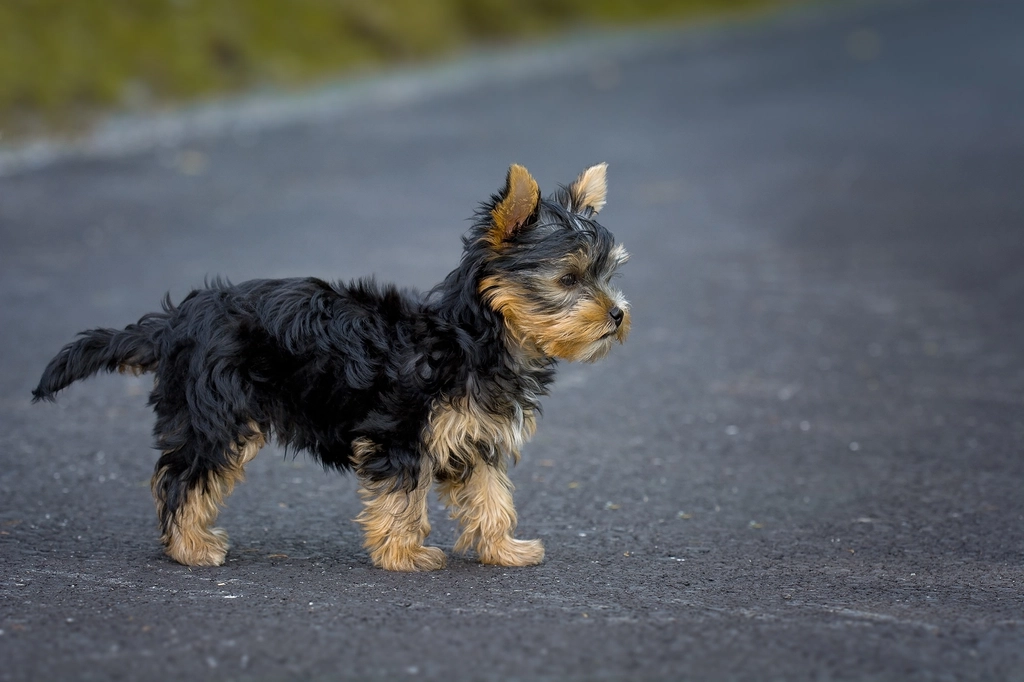 Photo Credit: Rawpixel
In the bustling heart of Yorkshire, England, the Yorkshire Terrier, or Canis lupus familiaris, dances through life with a spirited charm that captivates all who encounter it. This pint-sized pooch, often weighing in at just around 7 pounds, is a bundle of energy wrapped in a silky coat that shimmers like spun gold. With its perky ears and bright, inquisitive eyes, the Yorkie is not just a pet; it’s a lively companion that brings joy and laughter to families and individuals alike.
As you stroll through the vibrant streets of a city or the cozy corners of a home, you might spot a Yorkshire Terrier strutting confidently, its tail wagging with enthusiasm. These little dogs are known for their bold personalities, often acting as if they own the world around them. Scientists and animal lovers alike are fascinated by their unique blend of tenacity and affection, which makes them not only delightful companions but also intriguing subjects for study. From their rich history as rat catchers in textile mills to their current role as beloved family members, the Yorkshire Terrier embodies a remarkable journey of adaptation and companionship that continues to evolve today.
The Yorkshire Terrier, often affectionately called the “Yorkie,” holds a special place in the animal kingdom. This small yet spirited dog belongs to the family Canidae, which includes all canines like wolves, foxes, and domestic dogs. What sets the Yorkshire Terrier apart is not just its size—standing at about 7 to 8 inches tall—but also its vibrant personality and luxurious, silky coat. These little dogs are known for their intelligence and loyalty, making them beloved companions. Their unique blend of traits showcases the diversity of life within the animal kingdom, particularly among domesticated species.
| Taxonomic Rank | Scientific Name | Meaning & Significance |
|---|---|---|
| Kingdom | Animalia | This name means “animals” in Latin, highlighting that Yorkies are part of the vast group of living organisms that are multicellular and capable of movement. |
| Phylum | Chordata | Chordata refers to animals with a backbone. Yorkies, like all dogs, have a spinal column that supports their body and protects their nervous system. |
| Class | Mammalia | Mammalia means “mammals,” which are warm-blooded animals that nurse their young with milk. This classification emphasizes the nurturing nature of Yorkies as they bond closely with their human families. |
| Order | Carnivora | Carnivora, meaning “meat-eaters,” includes animals that primarily consume meat. While Yorkies enjoy a varied diet, their ancestors were hunters, showcasing their evolutionary link to this order. |
| Family | Canidae | Canidae is the family that encompasses all dog-like mammals. This name reflects the Yorkshire Terrier’s close relationship with other canines, sharing traits like social behavior and communication. |
| Genus | Canis | Canis, which means “dog” in Latin, is the genus that includes domestic dogs and their wild relatives. This classification highlights the Yorkshire Terrier’s domesticated nature and its lineage from wild ancestors. |
Understanding the Yorkshire Terrier’s taxonomic classification reveals much about its evolutionary journey. As a member of the Canidae family, the Yorkie shares a common ancestry with wolves and foxes, showcasing the adaptability of canines over time. This small breed has been shaped by human interaction, evolving from working dogs to cherished companions. The Yorkie’s unique traits, such as its playful demeanor and affectionate nature, reflect the close bond it has developed with humans, illustrating how domestication can influence the characteristics of a species.
The Yorkshire Terrier, or Yorkie, has a captivating evolutionary story that traces back to the 19th century in England. This small dog breed emerged from a blend of various terrier types, specifically developed to catch rats in textile mills and mines. Over time, the Yorkie’s lineage has been shaped by selective breeding, resulting in the charming companion we know today.
The ancestors of the Yorkshire Terrier were primarily working dogs, bred for their tenacity and agility. The breed’s development began with the Waterside Terrier, a small dog used for hunting small game, and the Manchester Terrier, known for its speed and intelligence. As these breeds were crossed, the Yorkshire Terrier began to take shape, showcasing a combination of traits that made it both a skilled hunter and a delightful pet. The breed’s size was intentionally reduced, making it more suitable for companionship while retaining its feisty spirit.
The adaptations of the Yorkshire Terrier have played a crucial role in its survival and popularity. Its small size and agility allowed it to thrive in urban environments, where larger dogs might struggle. The long coat not only adds to its charm but also protects it from the elements, while its vocal nature ensures it remains a vigilant guardian. With intelligence and adaptability, the Yorkie has transitioned from a working dog to a beloved family member, showcasing the remarkable journey of evolution and human companionship.
The Yorkshire Terrier is a small dog with a big personality, often leaving a lasting impression with its charming appearance. Standing at just about 7 pounds, this pint-sized pooch is known for its elegant, long, flowing coat that glistens in the light. Its body is compact and well-proportioned, giving it a sturdy yet delicate look. With a proud stance and a lively demeanor, the Yorkie exudes confidence, making it a favorite among dog lovers.
| Feature | Description |
|---|---|
| Weight | 7 pounds |
| Skin Type | Hair |
| Color | Typically a mix of blue and tan |
| Body Structure | Compact and well-proportioned |
| Coat | Long, silky, and flowing |
The Yorkshire Terrier’s striking features are not just for show; they serve important purposes in its life. The long, silky coat helps protect the dog from the elements, keeping it warm in cooler weather while also providing a layer of insulation. The compact body structure allows for agility and quick movements, which are essential for a breed originally developed for hunting small vermin. Together, these characteristics create a delightful blend of beauty and functionality, making the Yorkie not only a beloved companion but also a resilient little survivor in various environments.
The Yorkshire Terrier, with its lively spirit and charming demeanor, is often found in urban settings, where it thrives in the hustle and bustle of city life. These small dogs are perfectly suited for cozy apartments and homes, where they can easily adapt to their surroundings. Picture a bustling city street, with the sounds of people chatting and cars whizzing by, and there you might spot a Yorkie trotting alongside its owner, tail wagging with excitement. Their small size makes them ideal companions for those living in tight spaces, and they often enjoy the company of their human friends in parks and cafes.
Yorkshire Terriers prefer a temperate climate, which means they thrive in areas that are not too hot or too cold. They enjoy moderate temperatures, as extreme weather can be challenging for their small bodies. While they can tolerate some chill, they are not built for harsh winters or sweltering summers. A comfortable environment allows them to play and explore without the risk of overheating or getting too cold. This adaptability to various indoor climates makes them popular pets in many regions.
Over time, Yorkies have developed traits that help them thrive in their chosen habitats. Their long, silky fur not only adds to their adorable appearance but also provides some protection against the elements. While they may not have the thick coats of larger breeds, their fur can help insulate them in cooler weather. Additionally, their energetic nature and playful spirit make them well-suited for lively environments, allowing them to engage with their surroundings and form strong bonds with their human companions. This adaptability is part of what makes the Yorkshire Terrier such a beloved pet around the world.
The daily life of a Yorkshire Terrier is a delightful mix of play, exploration, and companionship. These small dogs wake up with a burst of energy, ready to greet the day. Their mornings often begin with a playful romp around the house, chasing after toys or their favorite humans. After a hearty breakfast, they might enjoy a stroll in the park, where they can sniff out new scents and meet other dogs. Throughout the day, Yorkies engage in short bursts of activity, interspersed with cozy naps, as they recharge for their next adventure.
Social behavior is a key aspect of a Yorkshire Terrier’s life. These dogs are known for their affectionate nature and strong bonds with their families. They thrive on interaction, whether it’s playing with children or snuggling with their owners on the couch. In a group setting, Yorkies often display a playful hierarchy, where they establish their place among other pets. They communicate through a variety of sounds, from cheerful barks to soft whines, expressing their needs and emotions. This social dynamic not only enriches their lives but also helps them feel secure and loved.
| Behavior Type | Description |
|---|---|
| Activity Patterns | Yorkies enjoy short bursts of play followed by rest, keeping their energy levels balanced throughout the day. |
| Social Structure | They form strong bonds with their human families and can establish playful hierarchies with other pets. |
| Communication Methods | Yorkies use a range of vocalizations, including barks and whines, to express their feelings and needs. |
The behaviors of Yorkshire Terriers are not just charming; they play a crucial role in their survival and happiness. By forming strong social bonds, they create a supportive environment that helps them thrive. Their playful nature and communication skills allow them to navigate their world effectively, ensuring they remain engaged and connected with their families. In this way, the lively spirit of a Yorkie not only brings joy to those around them but also enhances their own well-being.
The Yorkshire Terrier, or Yorkie, is an omnivore, which means it enjoys a varied diet that includes both plant and animal foods. This little dog has a hearty appetite for high-quality dog food, which often contains meat, grains, and vegetables. While they may not hunt for their meals like some wild animals, Yorkies are clever and resourceful when it comes to obtaining food. They thrive on a balanced diet that supports their energetic lifestyle and keeps their shiny coats looking fabulous.
| Dietary Aspect | Details |
|---|---|
| Diet Type | Omnivore |
| Favorite Foods | High-quality dog food, lean meats, vegetables, and fruits |
| Prey Items | Small insects and rodents (in a playful context) |
| Hunting/Foraging Strategies | Scavenging and exploring, often relying on human caregivers for meals |
The diet of a Yorkshire Terrier plays a crucial role in shaping its daily routine and overall health. With their energetic nature, these dogs require a balanced intake of nutrients to fuel their playful antics and social interactions. Their omnivorous diet not only supports their physical well-being but also encourages bonding with their human companions during mealtime. Whether it’s a tasty kibble or a special treat, the Yorkie’s diet is a delightful part of its vibrant life.
When it comes to mating, Yorkshire Terriers exhibit behaviors that are both instinctual and social. The breeding season for these small dogs typically occurs twice a year, usually in the spring and fall. During this time, female Yorkies go into heat, a period when they are fertile and can conceive. Males are drawn to females in heat by their scent and will often display playful and affectionate behaviors to attract their attention. This courtship can be quite lively, filled with playful nips and tail wagging, as both dogs engage in a dance of attraction.
| Reproductive Aspect | Details |
|---|---|
| Gestation Period | Approximately 63 days |
| Litter Size | 1 to 5 puppies |
| Age of Maturity | 6 to 12 months |
| Name of Young | Puppies |
Once the puppies are born, the nurturing instincts of the mother come into play. Yorkshire Terriers are attentive parents, often staying close to their young to provide warmth and protection. The mother will clean her puppies, which helps stimulate their breathing and encourages them to nurse. As the puppies grow, they rely on their mother not just for food but also for socialization and learning. They begin to explore their surroundings, play with each other, and develop their personalities. By the time they reach maturity, usually around six to twelve months, they are ready to embark on their own adventures, carrying with them the lessons learned from their caring mother.
The Yorkshire Terrier, a small but feisty breed, occupies a unique position in the food web. While they are primarily domesticated pets, their size and playful nature can make them vulnerable to various predators. In the wild, they would be considered prey for larger animals, but in a home environment, their biggest threats often come from other pets or environmental hazards. Understanding these dangers helps us appreciate the care needed to keep these spirited companions safe.
To defend themselves against these threats, Yorkshire Terriers rely on their quick reflexes and alertness. Their keen senses help them detect danger before it gets too close. When faced with larger animals, they often use their loud barks to scare off potential threats, showcasing their brave spirit despite their small stature. Additionally, their playful nature allows them to dart away quickly, making it harder for predators to catch them. With proper care and attention, these little dogs can thrive and enjoy their adventurous lives while staying safe from harm.
A keystone species is an organism that plays a critical role in maintaining the structure of an ecosystem. Its presence or absence can significantly impact the environment and the other species that inhabit it. While the Yorkshire Terrier, or Yorkie, is a beloved companion animal, it does not qualify as a keystone species. This small dog primarily exists in human-dominated environments and does not have a substantial ecological impact on its ecosystem in the way that true keystone species do.
Yorkshire Terriers are primarily domesticated pets, and their role in the ecosystem is largely tied to their interactions with humans. They are known for their playful and affectionate nature, which makes them excellent companions. However, their impact on the broader ecosystem is minimal. For instance, they do not significantly influence the populations of other species or contribute to nutrient cycling in the same way that larger predators or herbivores might. Instead, they thrive in urban settings, where they often rely on humans for food, shelter, and care.
Despite their limited ecological role, Yorkshire Terriers can still affect their immediate environment in some ways. They may help control small pests like rodents in urban areas, albeit on a very small scale. Additionally, their presence can encourage social interactions among people, fostering community bonds. However, these effects are more social than ecological, highlighting the Yorkie’s role as a companion rather than a keystone species.
If Yorkshire Terriers were to disappear from their environments, the immediate effects would be felt more by their human companions than by the ecosystem itself. People would lose a source of companionship and joy, which could lead to increased feelings of loneliness. However, the overall ecosystem would likely remain unchanged, as the Yorkie’s role is not integral to the balance of nature. In essence, while they bring happiness to many, their absence would not create a ripple effect in the natural world.
The Yorkshire Terrier, often known for its lively personality and charming looks, plays a surprisingly significant role in its ecosystem. As a small, domesticated dog, the Yorkie primarily interacts with human environments, particularly urban settings. However, its presence can influence local biodiversity and community dynamics in various ways. By engaging with other animals and plants, the Yorkshire Terrier helps shape its surroundings, making it an interesting player in the ecological game.
| Ecosystem Service | Impact |
|---|---|
| Companion Animal | Enhances human well-being and mental health, promoting a bond between people and nature. |
| Seed Dispersal | May inadvertently help in spreading seeds through its fur or by carrying them in its mouth. |
| Pest Control | Can help manage small rodent populations, contributing to a balanced urban ecosystem. |
| Social Interaction | Encourages community engagement and outdoor activities, fostering connections among people. |
Yorkshire Terriers, with their playful nature, often engage in activities that can influence their environment. For instance, when they play in parks or gardens, they may disturb the soil, which can help aerate it and promote healthy plant growth. Additionally, as they explore their surroundings, they might encounter various insects and small animals, contributing to a dynamic food web. Their interactions with other pets and wildlife can also lead to a greater awareness of local biodiversity among their human companions, encouraging a more profound appreciation for nature.
The broader ecological importance of Yorkshire Terriers extends beyond their immediate environment. By fostering connections between humans and the natural world, these small dogs can inspire people to take better care of their surroundings. Their role as companion animals not only enhances individual well-being but also promotes community involvement in conservation efforts. In this way, the Yorkshire Terrier serves as a bridge between urban life and the natural ecosystem, reminding us of the interconnectedness of all living things.
In the intricate web of life, symbiosis refers to the close and often long-term interactions between different species. These relationships can take many forms, including mutualism, where both species benefit, parasitism, where one benefits at the expense of the other, and commensalism, where one benefits while the other is neither helped nor harmed. The Yorkshire Terrier, with its lively personality and affectionate nature, engages in various ecological relationships that highlight the interconnectedness of life.
| Species/Type | Relationship Type | Description |
|---|---|---|
| Humans | Mutualistic | Yorkshire Terriers provide companionship and emotional support to humans, while receiving care, food, and shelter in return. |
| Fleas | Parasitic | Fleas can infest Yorkshire Terriers, feeding on their blood and causing discomfort and health issues for the dog. |
| Other Pets (like cats) | Commensal | Yorkies may coexist with other pets, benefiting from social interaction without significantly affecting the other animals. |
These relationships have evolved over time, shaped by the needs and behaviors of the Yorkshire Terrier and the species it interacts with. The bond with humans is particularly strong, as these small dogs have been bred for companionship, creating a mutually beneficial partnership. On the other hand, the relationship with parasites like fleas highlights the challenges that come with domestication. Understanding these dynamics not only enriches our knowledge of the Yorkshire Terrier but also emphasizes the importance of caring for our pets and their environments.
The Yorkshire Terrier, or Yorkie, is more than just a cute companion; it has a rich history and some surprising traits that make it truly special. Let’s dive into some intriguing facts about this spirited little dog that will captivate nature enthusiasts of all ages.
The Yorkshire Terrier is a delightful blend of history, personality, and adaptability, making it a fascinating subject for anyone interested in the animal kingdom.
The Yorkshire Terrier, often simply called the Yorkie, has a long and storied relationship with humanity that dates back to the 19th century in England. Originally bred to catch rats in textile mills and mines, these small dogs quickly became beloved companions. Their charming personalities and striking appearance made them popular among the upper class, leading to their status as a fashionable pet. Over time, the Yorkie has woven itself into the fabric of human culture, appearing in literature, film, and even as symbols of luxury and companionship.
Today, the interactions between Yorkshire Terriers and humans have evolved significantly. While they still retain their playful and energetic nature, Yorkies are now primarily cherished as family pets. Their small size makes them ideal for urban living, and they often accompany their owners on daily adventures. However, this close relationship also brings challenges. Issues like overbreeding can lead to health problems, and the need for responsible ownership is more important than ever. As we learn more about animal welfare, the focus is shifting toward ensuring that these delightful dogs are treated with the care and respect they deserve.
As we look to the future, the bond between Yorkshire Terriers and humans is likely to deepen. With advancements in veterinary care and a growing awareness of animal rights, we can expect to see more responsible breeding practices and better health outcomes for these beloved pets. The Yorkie’s role as a companion will continue to evolve, reminding us of the joy and connection that animals bring to our lives. Together, we can ensure that this relationship remains strong and beneficial for both Yorkies and their human families.
The Yorkshire Terrier, commonly known as the Yorkie, currently holds a conservation status of “Not Listed” according to the International Union for Conservation of Nature (IUCN). This means that there are no immediate concerns regarding their population numbers or risk of extinction. In fact, Yorkies are quite popular as companion animals, especially in urban settings. Their charming personalities and small size have contributed to a stable population trend, making them a beloved choice for many families.
| Conservation Factor | Status/Details |
|---|---|
| IUCN Status | Not Listed |
| Population Estimates | Stable, with no specific estimates available |
| Trend Direction | Stable |
Despite their popularity, Yorkshire Terriers face some challenges that can impact their well-being. One of the main threats to their health is the risk of overbreeding, which can lead to genetic issues. Additionally, their small size makes them vulnerable to injuries and health problems, such as dental issues and patellar luxation, a condition where the kneecap dislocates. These factors can affect their quality of life, so it’s essential for owners to provide proper care and regular veterinary check-ups.
Conservation efforts for the Yorkshire Terrier primarily focus on responsible breeding practices and education for pet owners. Organizations and breeders are working to ensure that Yorkies are bred for health and temperament rather than just appearance. By promoting awareness about the importance of health screenings and ethical breeding, the outlook for this delightful breed remains positive. With continued care and attention, Yorkshire Terriers will likely thrive as cherished companions for years to come.
| Question | Answer |
|---|---|
| What is the natural habitat of Yorkshire Terriers? | Yorkshire Terriers, or Yorkies, are originally from England, where they were bred to catch rats in clothing mills. Today, they thrive in homes and apartments, making them excellent companions for city dwellers. |
| What do Yorkshire Terriers eat? | Yorkies are omnivores, which means they eat both plants and animals. A balanced diet for a Yorkshire Terrier typically includes high-quality dog food, lean meats, and some fruits and vegetables. |
| What is the behavior of Yorkshire Terriers like? | Yorkshire Terriers are known for their lively and affectionate nature. They are often playful and curious, making them great companions, but they can also be a bit stubborn and protective of their families. |
| How do Yorkshire Terriers reproduce? | Like most dogs, Yorkshire Terriers reproduce through mating. The female typically goes into heat twice a year, and after a gestation period of about 63 days, she can give birth to a litter of one to five puppies. |
| What threats do Yorkshire Terriers face? | Yorkshire Terriers are generally healthy, but they can face threats like dental issues, patellar luxation (a knee problem), and certain genetic conditions. It's important for owners to provide regular veterinary care to keep them healthy. |
| What are some interesting characteristics of Yorkshire Terriers? | Yorkies are famous for their long, silky fur, which can be styled in various ways. They are also one of the smallest dog breeds, often weighing around 4 to 7 pounds, yet they have a big personality and are known for their bravery. |
| How much exercise do Yorkshire Terriers need? | Despite their small size, Yorkshire Terriers are energetic and require regular exercise. Daily walks and playtime are essential to keep them healthy and happy, helping to burn off their abundant energy. |